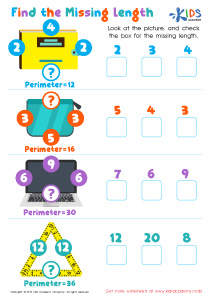
Subtraction practice Easy Subtraction Worksheets for Ages 4-7
22 filtered results
-
From - To
Explore our collection of easy subtraction worksheets specifically designed for children ages 4-7. These engaging activities provide young learners with essential practice to build their subtraction skills confidently. Each worksheet features colorful illustrations and straightforward problems to keep kids motivated while they learn. Tailored to suit various learning styles, our worksheets help reinforce key concepts, making it a fun way for students to grasp the basics of subtraction. Perfect for both classroom use and at-home practice, our subtraction worksheets are a valuable resource for teachers and parents alike. Start your child’s journey to mastering subtraction with our user-friendly materials today!
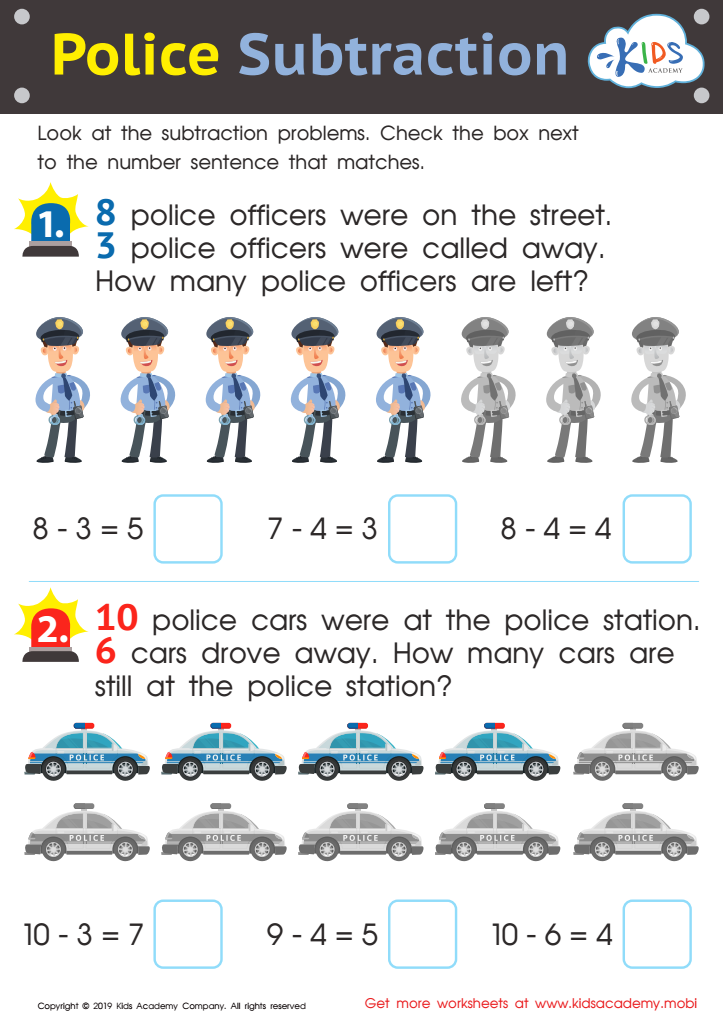
Police Subtraction Worksheet
 Assign to My Students
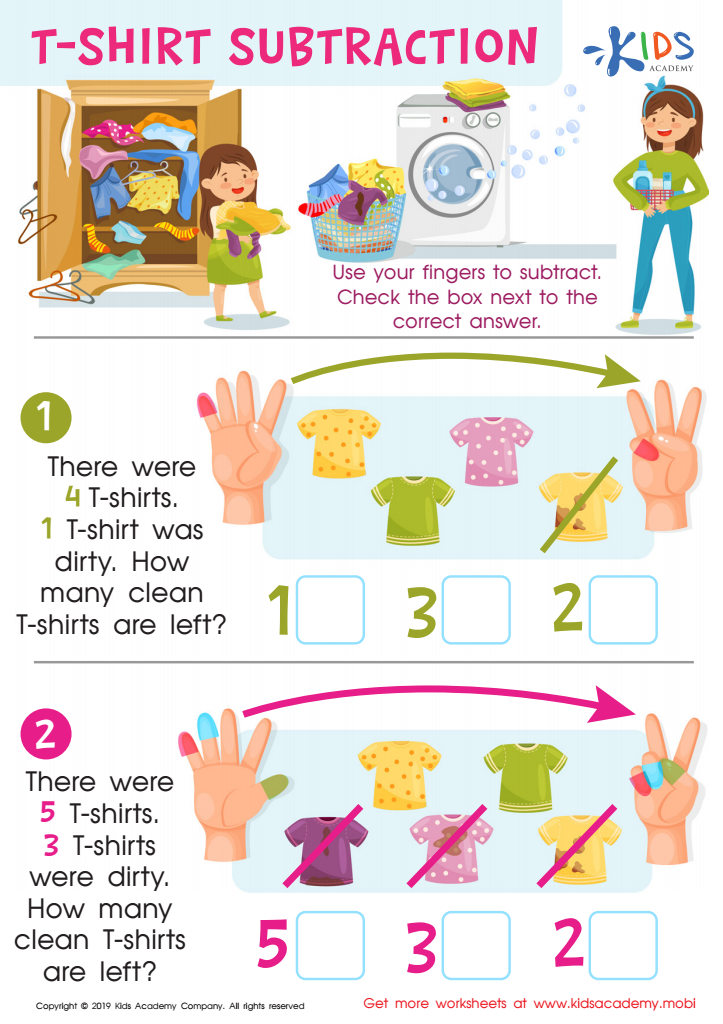
T-shirt Subtraction Worksheet
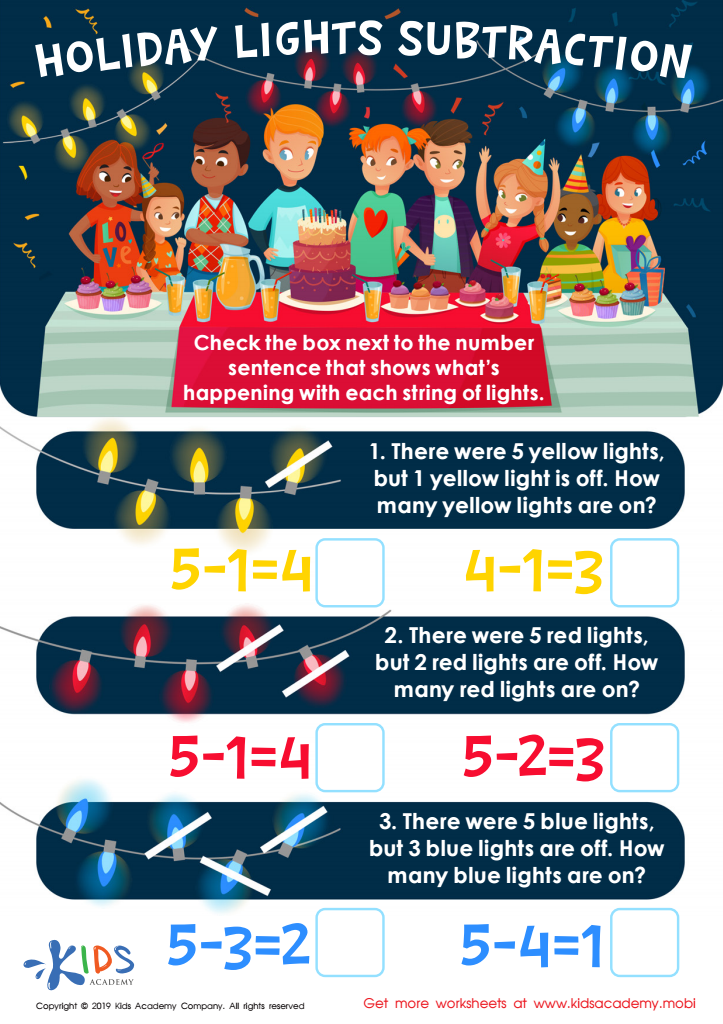
Holiday Lights Subtraction Worksheet
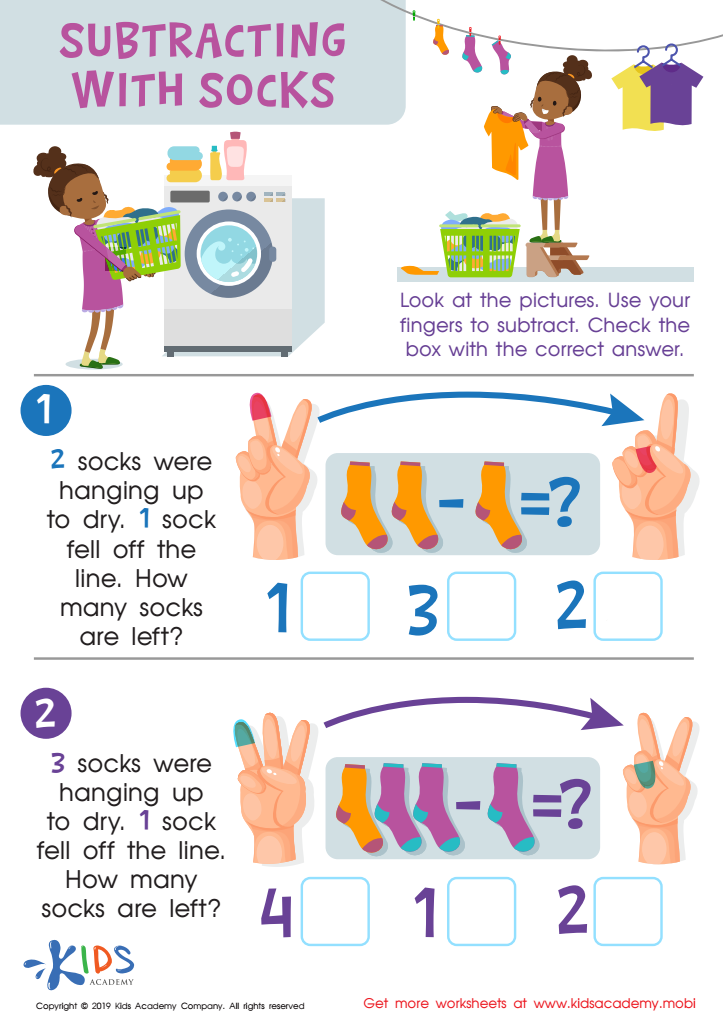
Subtracting Socks Worksheet
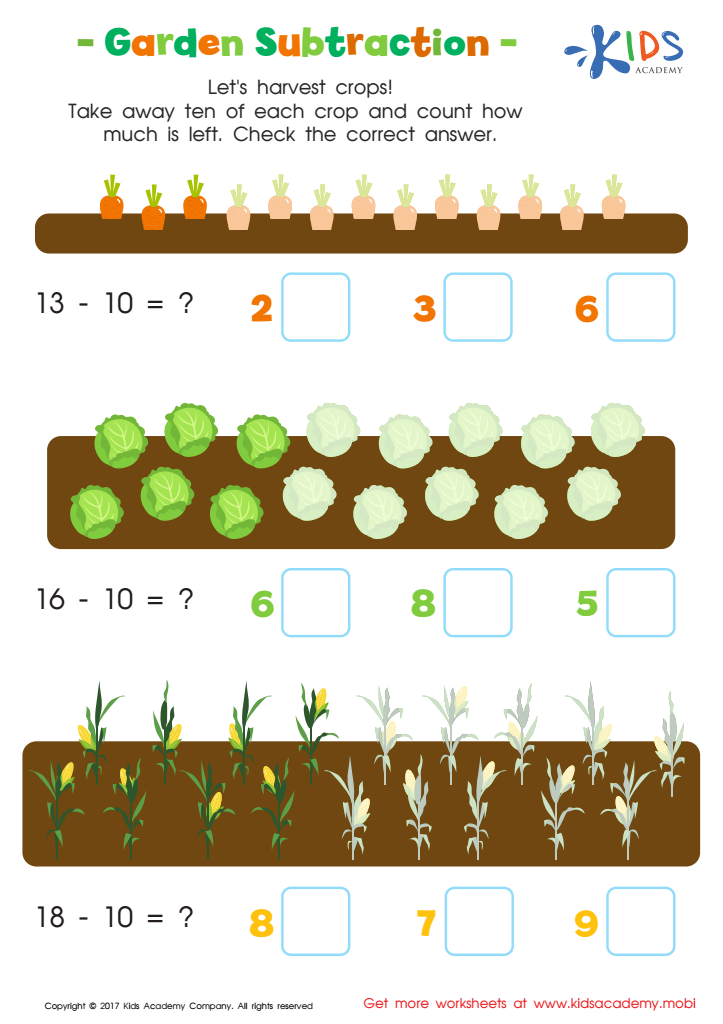
Garden Subtraction Worksheet
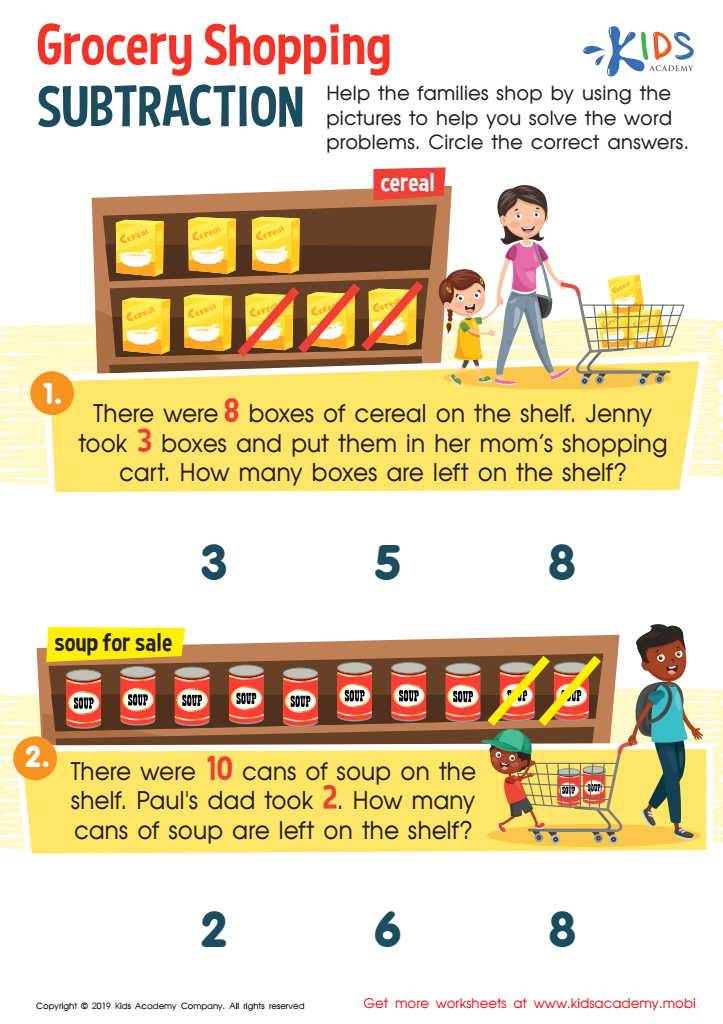
Grocery Shopping Subtraction Worksheet
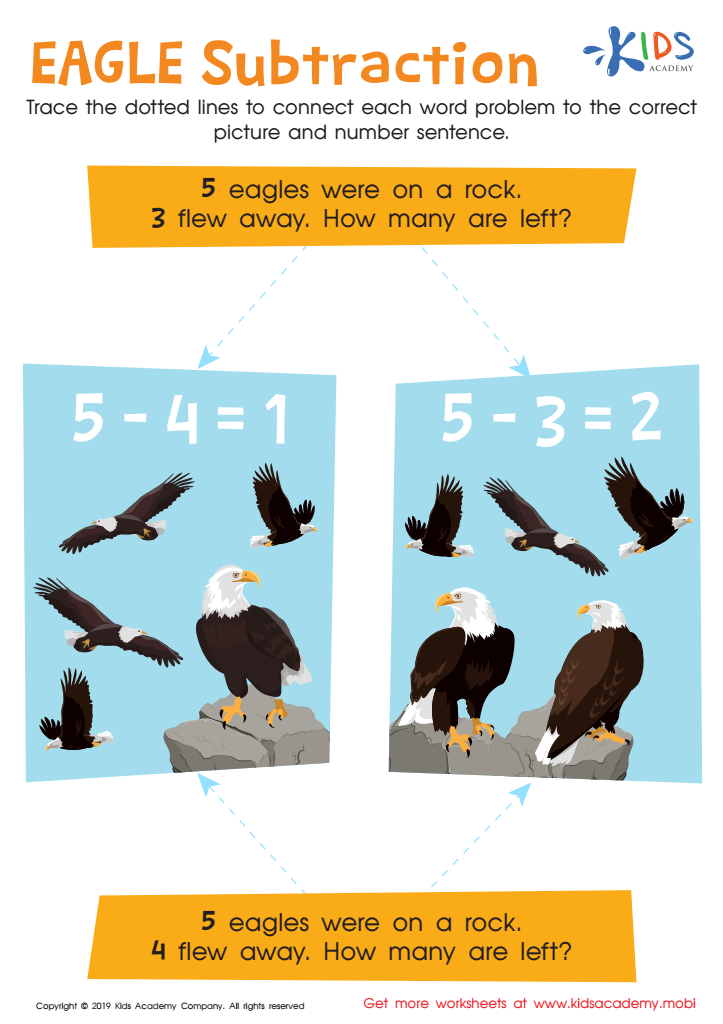
Eagle Subtraction Worksheet
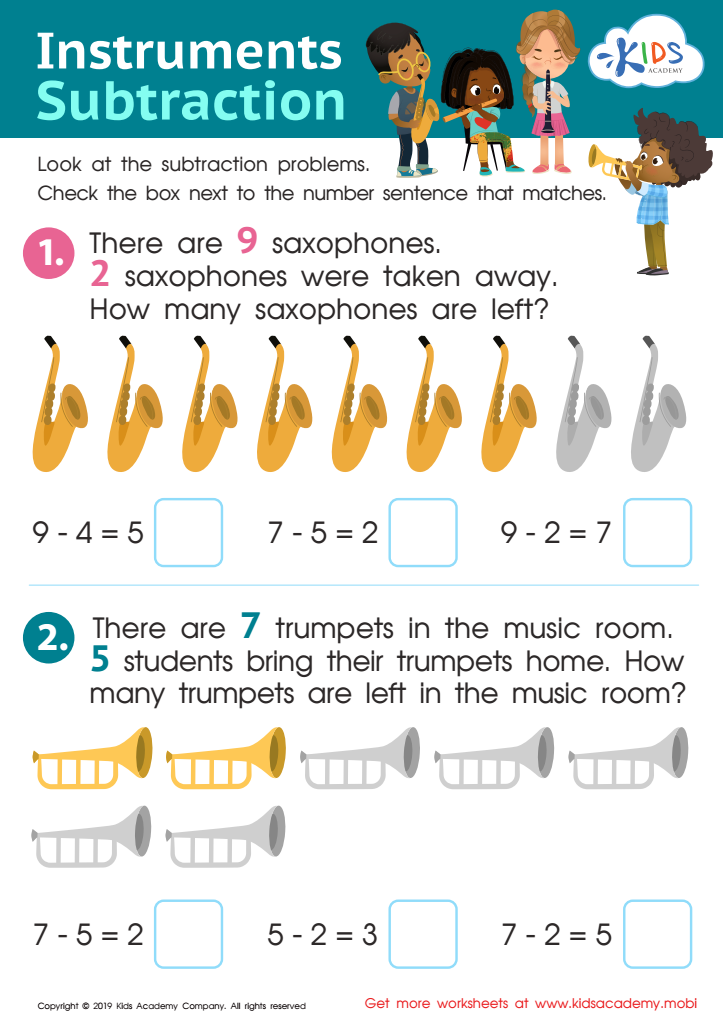
Instrument Subtraction Worksheet
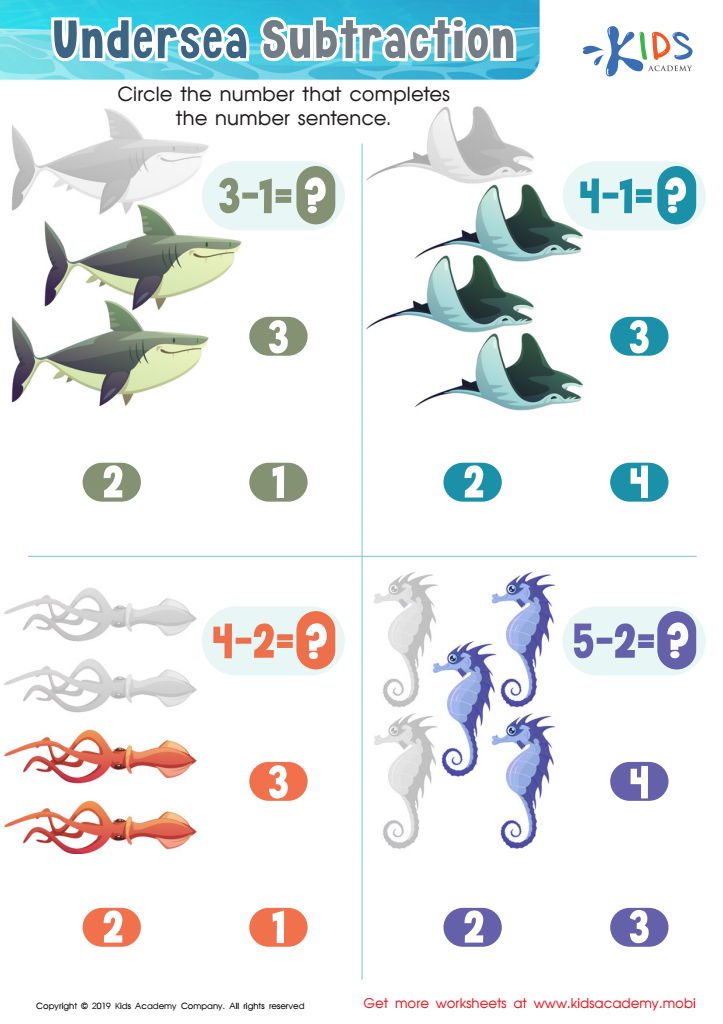
Undersea Subtraction Worksheet
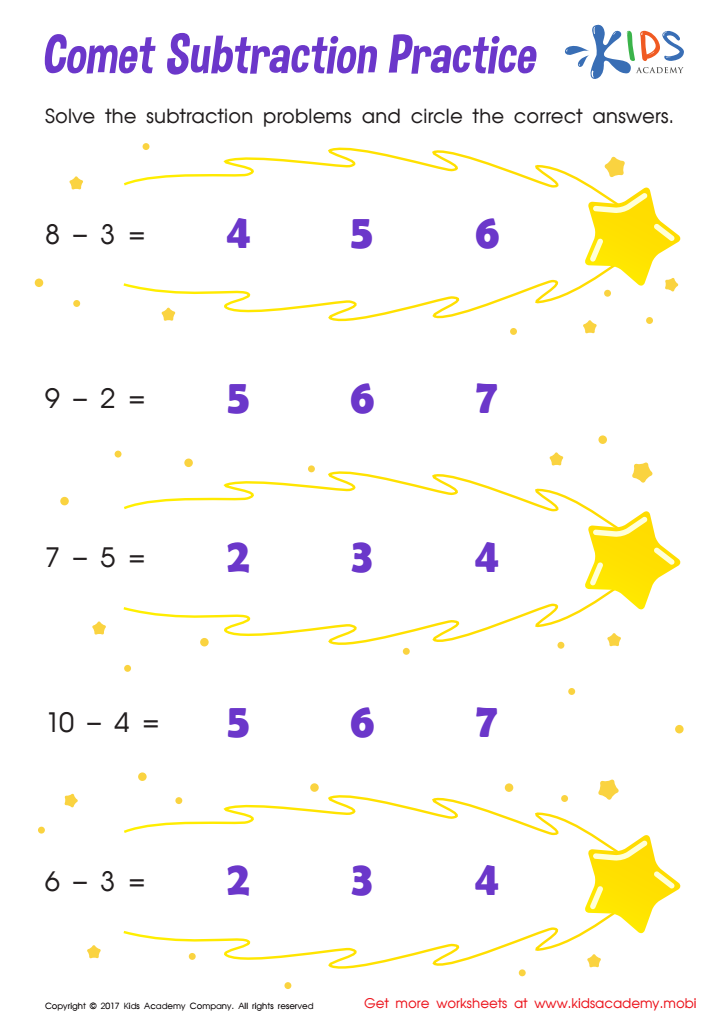
Comet Subtraction Practice Substraction Worksheet
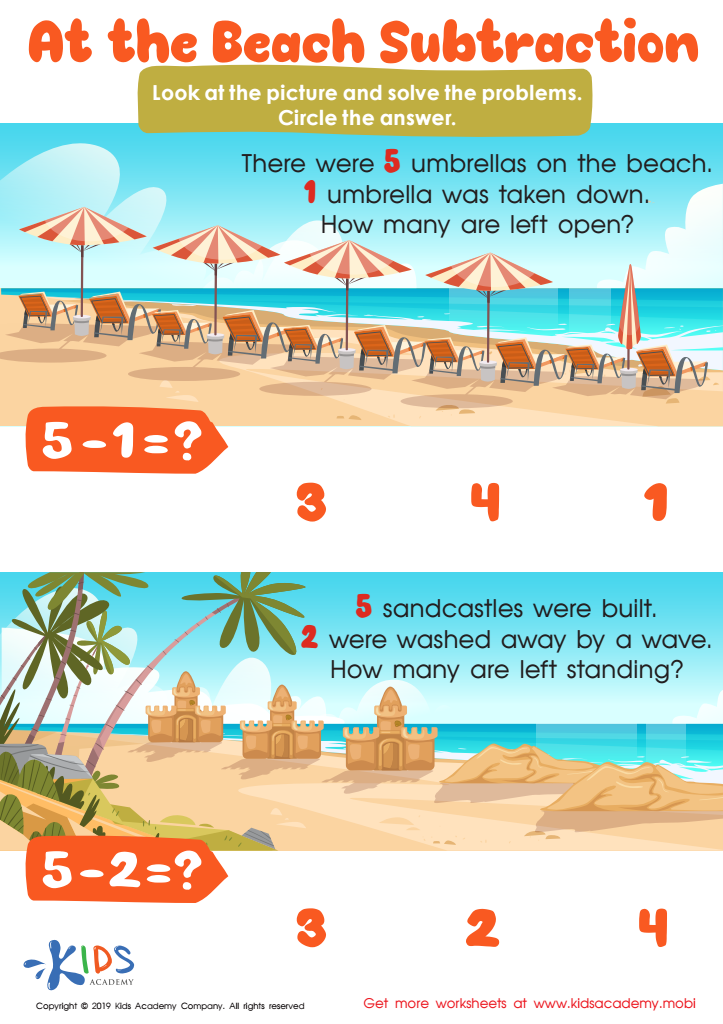
At the Beach Subtraction Worksheet
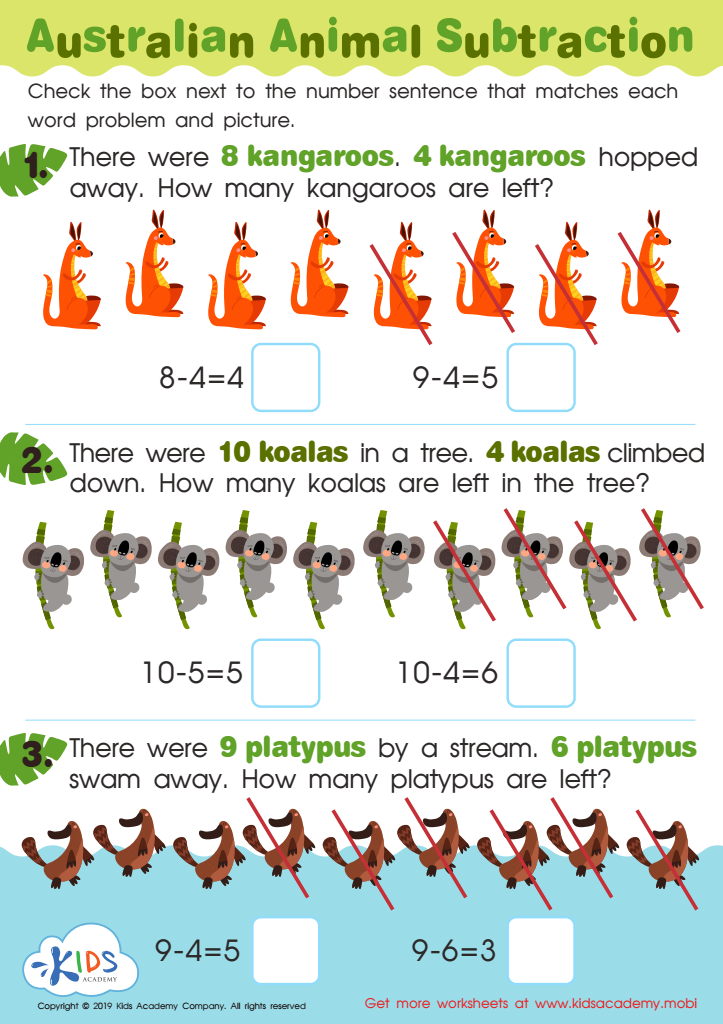
Australian Animal Subtraction Worksheet
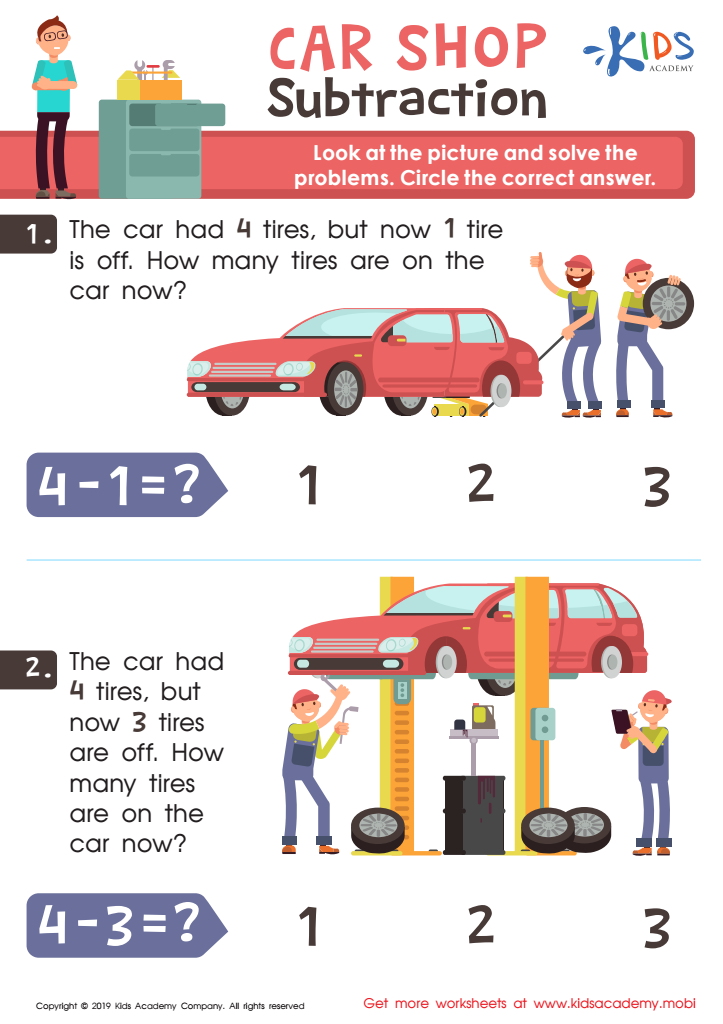
Car Shop Subtraction Worksheet
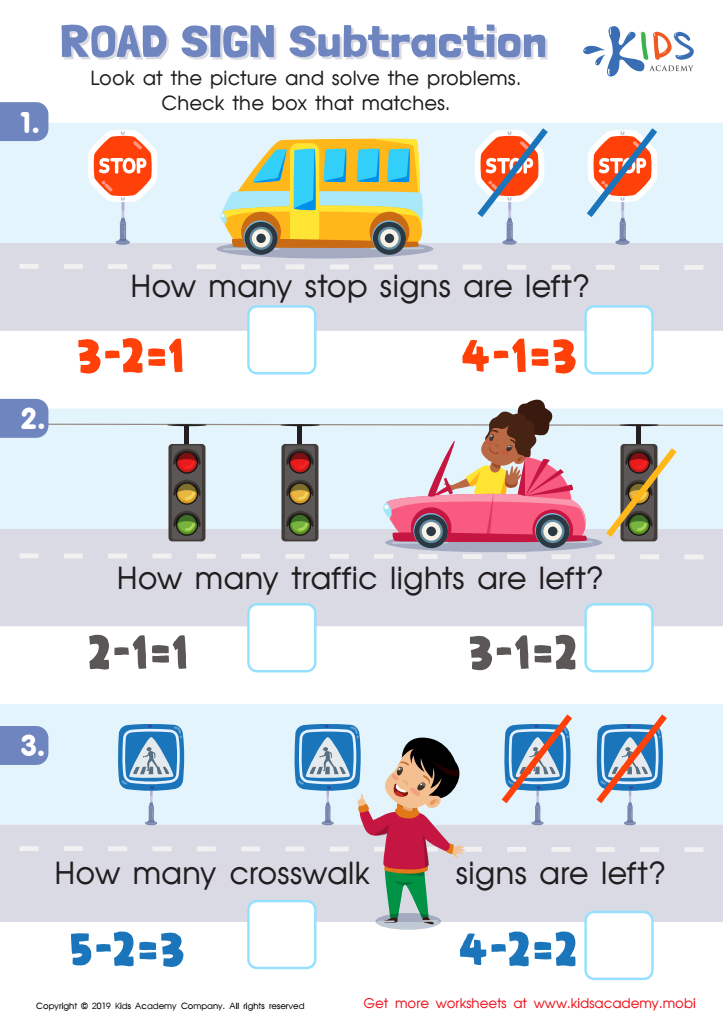
Road Sign Subtraction Worksheet
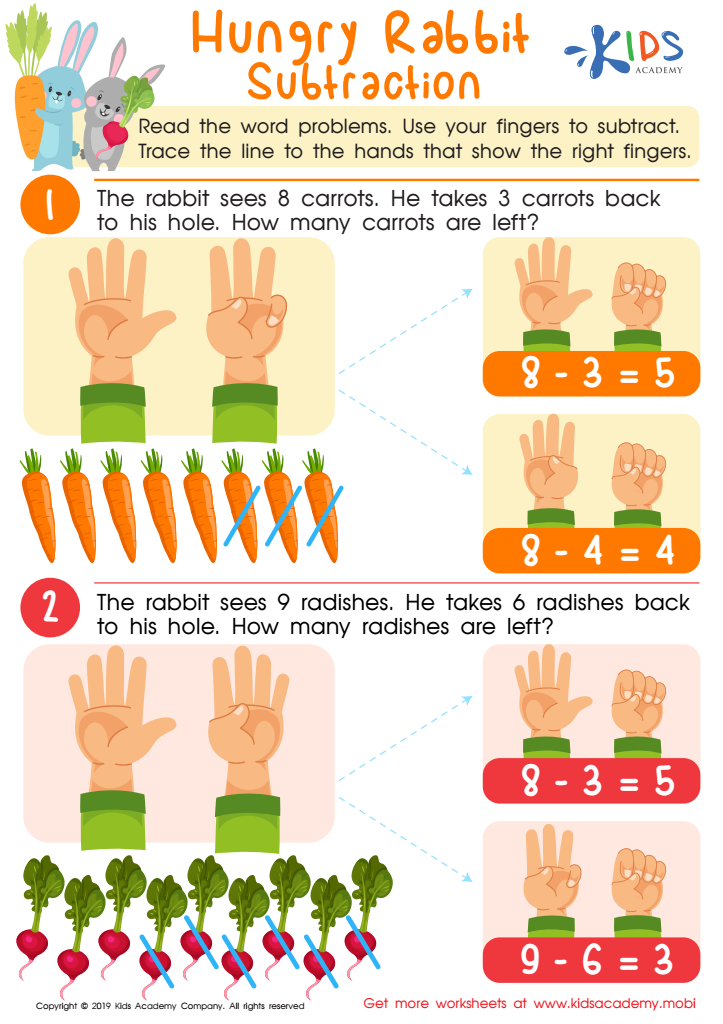
Hungry Rabbit Subtraction Worksheet
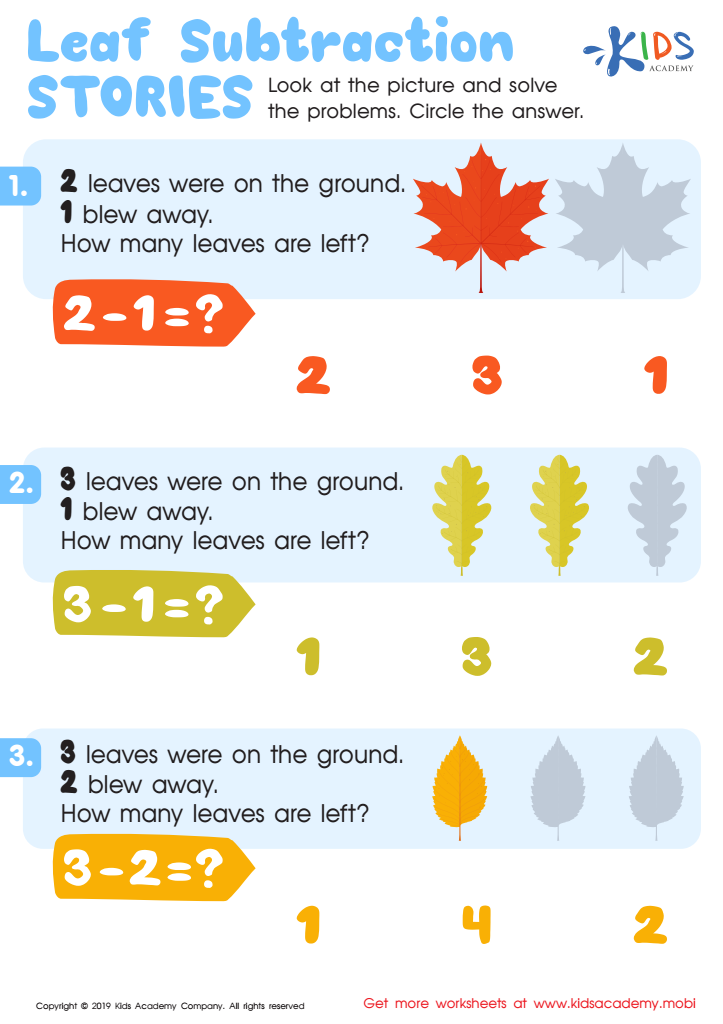
Leaf Subtraction Stories Worksheet
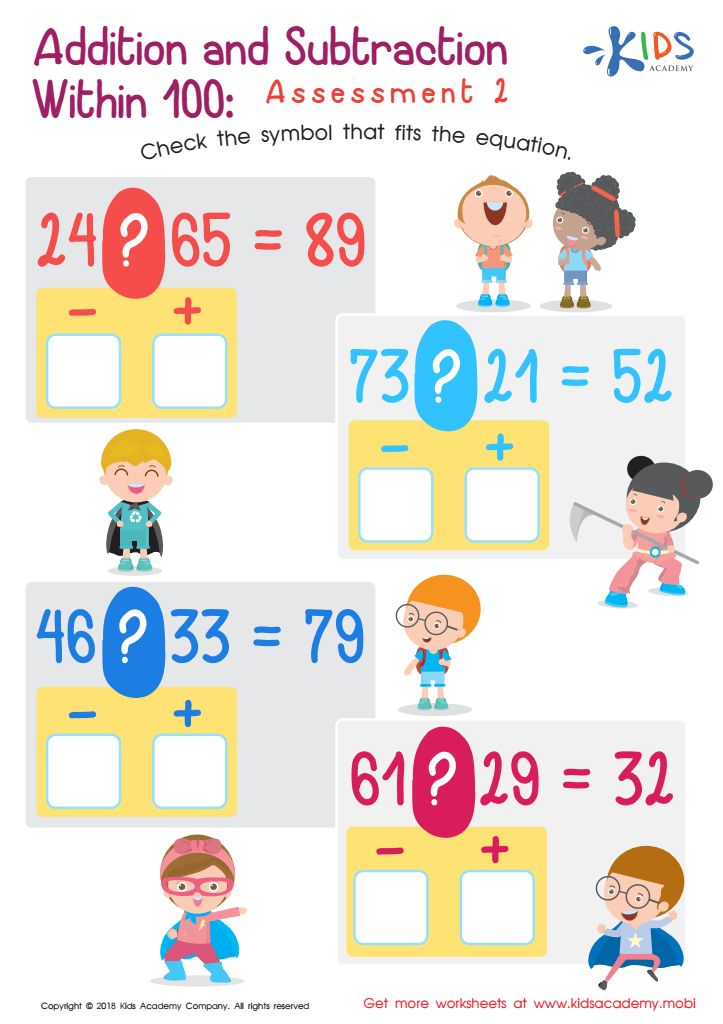
Addition and Subtraction Within 1: Assessment 2 Worksheet
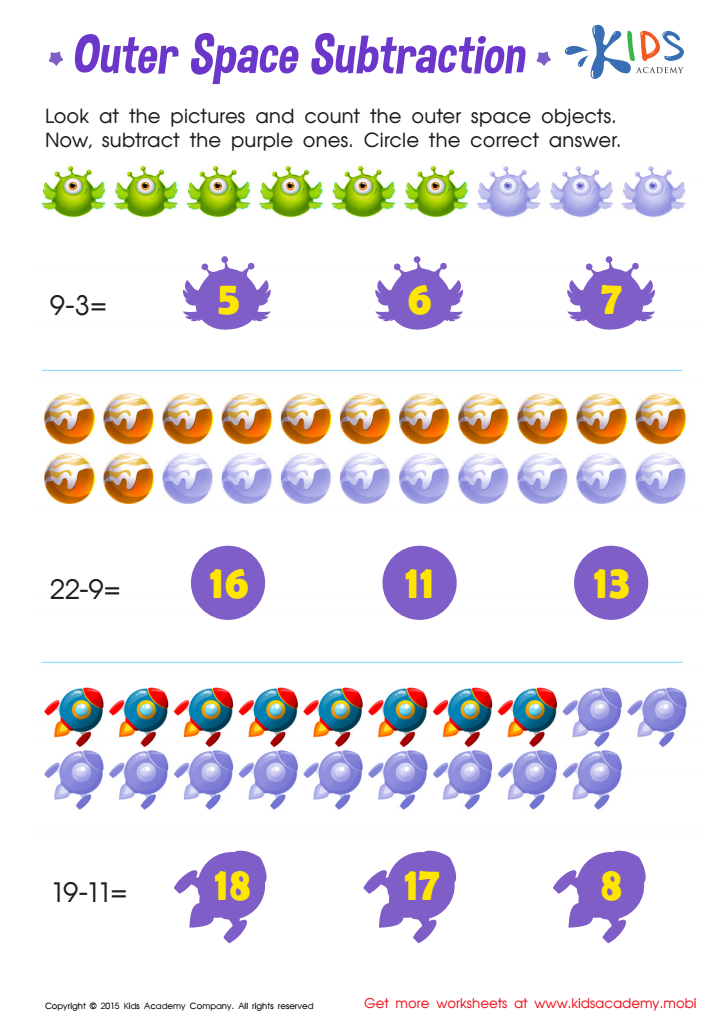
Outer Space Substraction Worksheet
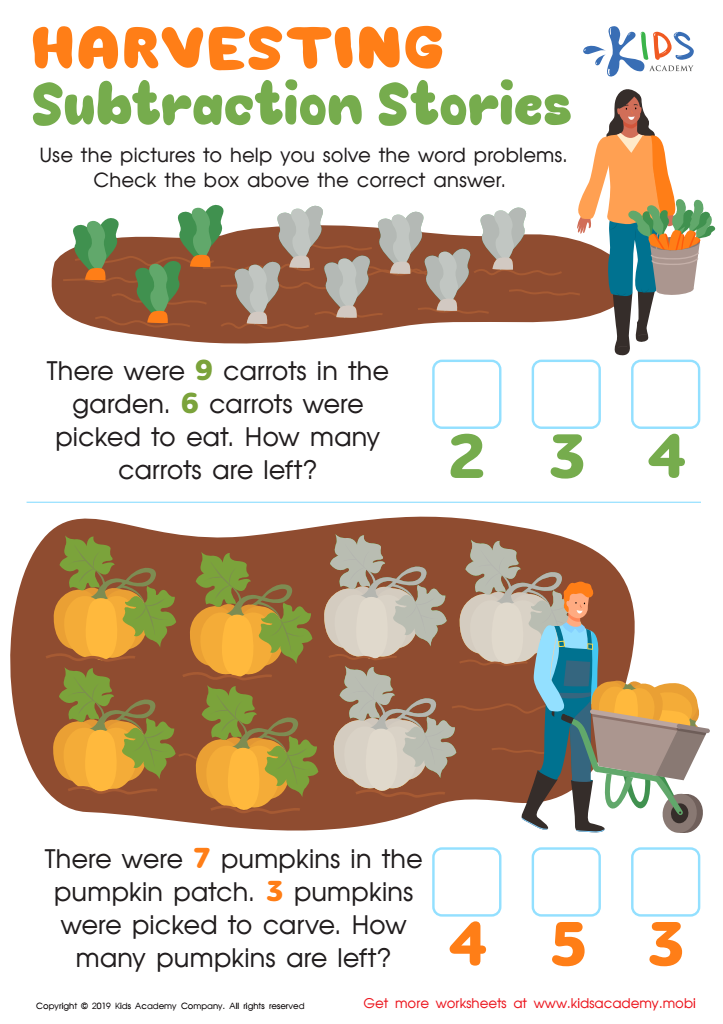
Harvesting Subtraction Stories Worksheet
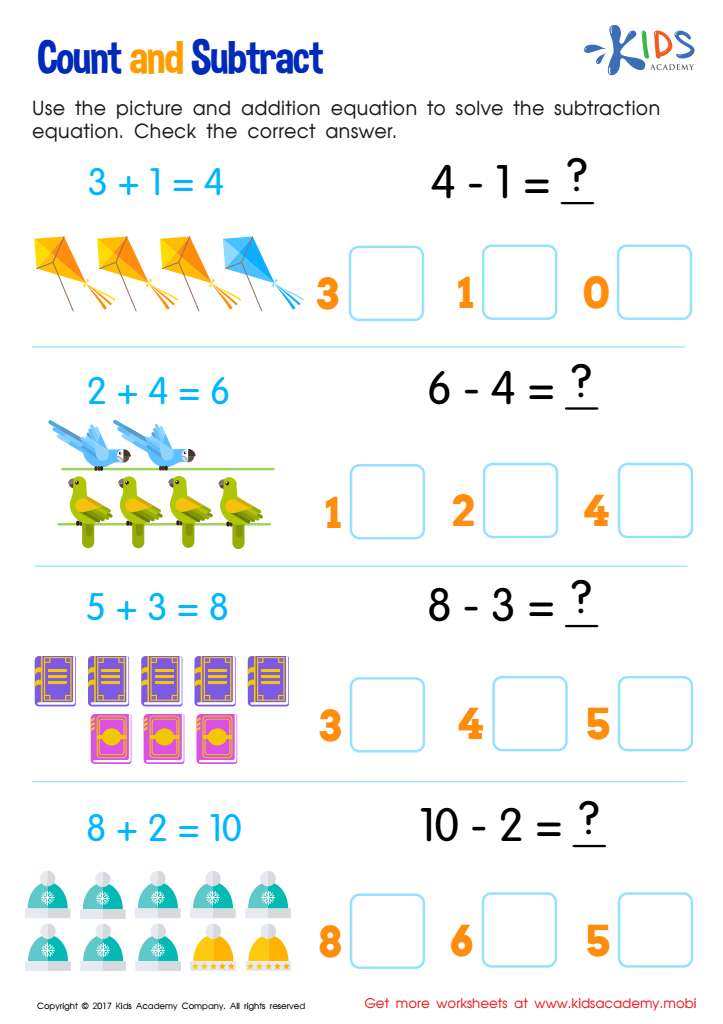
Count and Subtract Worksheet
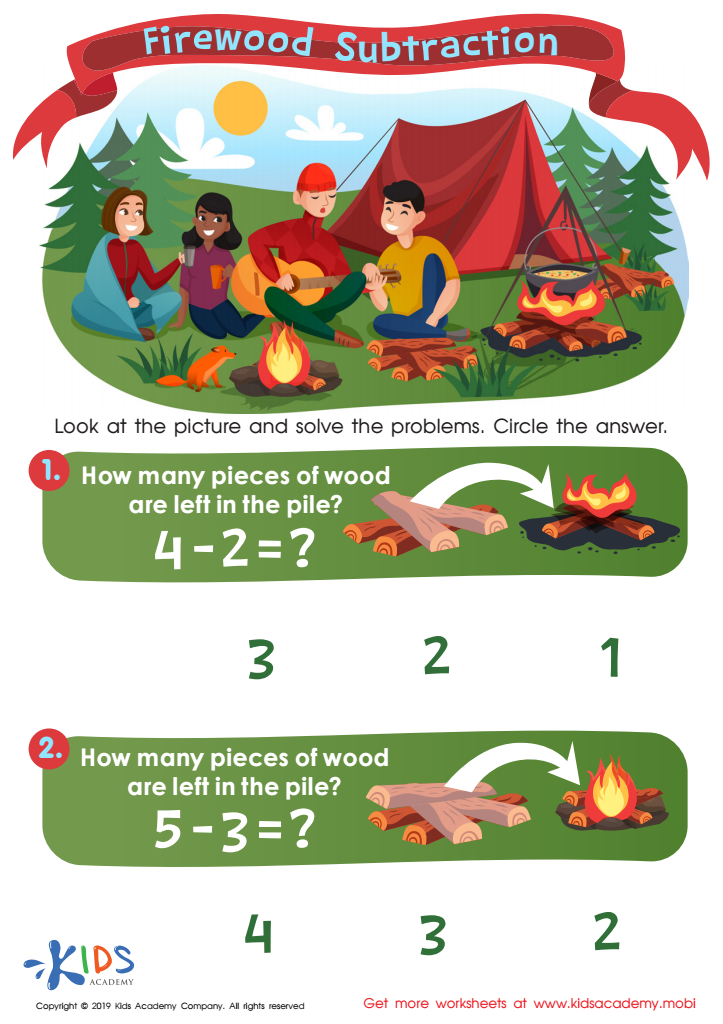
Firewood Subtraction Worksheet
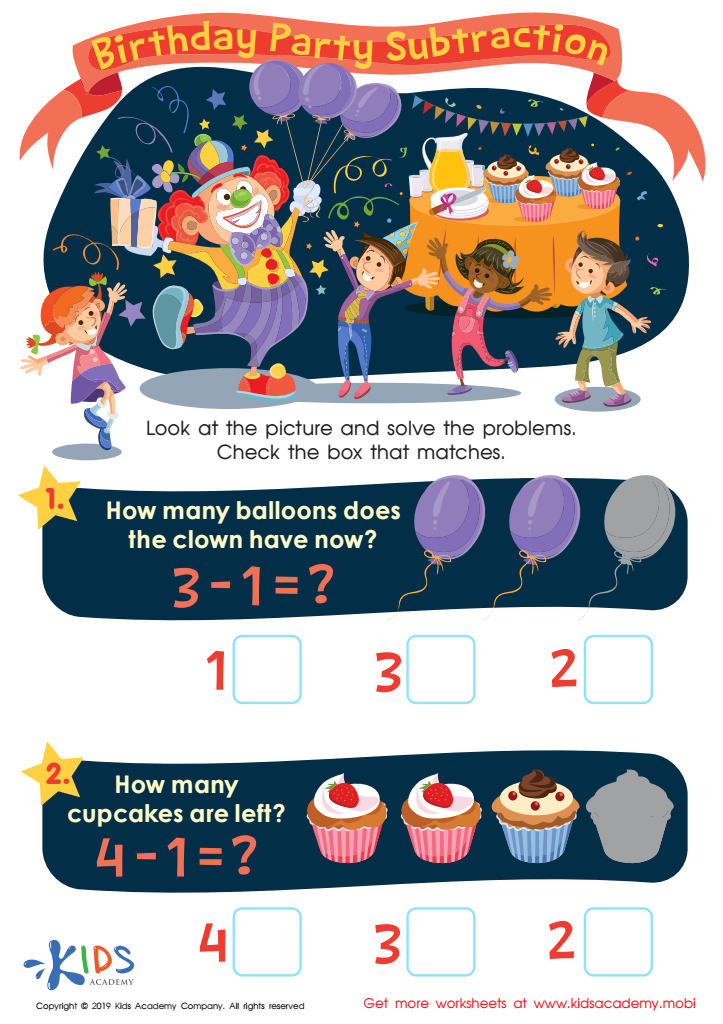
Birthday Party Subtraction Worksheet




.jpg)



Subtraction is a foundational math skill that forms the basis for more complex mathematical concepts. For children aged 4-7, mastering easy subtraction helps develop critical thinking and problem-solving abilities. Parents and teachers should prioritize subtraction practice at this age to enhance students' numerical fluency, enabling them to approach math with confidence.
When children engage in subtraction activities, such as simple exercises and games, they strengthen their understanding of the relationship between numbers. This foundational skill aids in everyday situations—like sharing snacks or counting toys—and fosters a deeper comprehension of addition as the two operations are intricately linked.
Moreover, consistent subtraction practice supports cognitive development. It encourages logical reasoning and helps children learn to estimate and make judgments based on numerical information. As students cultivate these abilities, they become better equipped to tackle challenges in mathematics and beyond.
Lastly, subtraction practice can be a fun and engaging way to bond. Collaborative activities between parents and children can build positive attitudes toward learning, making math enjoyable rather than daunting. Investing time in subtraction practice can yield significant benefits for children’s educational journeys and their overall confidence in handling numbers.