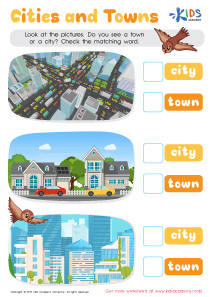
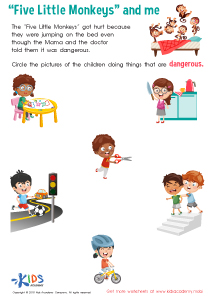
Fine Motor Skills Easy Reading Comprehension Worksheets for Ages 4-7
6 filtered results
-
From - To
Discover our "Fine Motor Skills Easy Reading Comprehension Worksheets for Ages 4-7" designed to engage young learners in reading while enhancing their fine motor skills. These printable worksheets are perfect for early graders and combine fun stories with activities that develop hand-eye coordination, dexterity, and muscle control. Each worksheet is crafted to improve reading comprehension through interactive exercises, such as tracing and drawing, making learning enjoyable and effective. Help your child make the connection between reading and writing, laying a strong foundation for academic success. Explore our collection today and support your child's developmental journey.
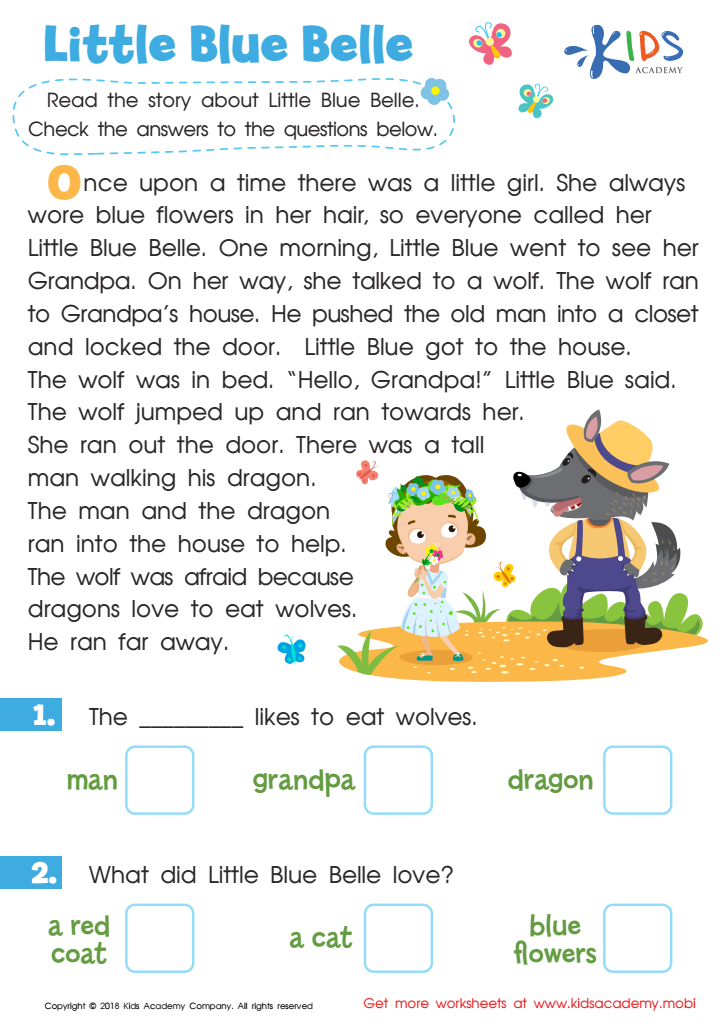
Little Blue Belle Worksheet
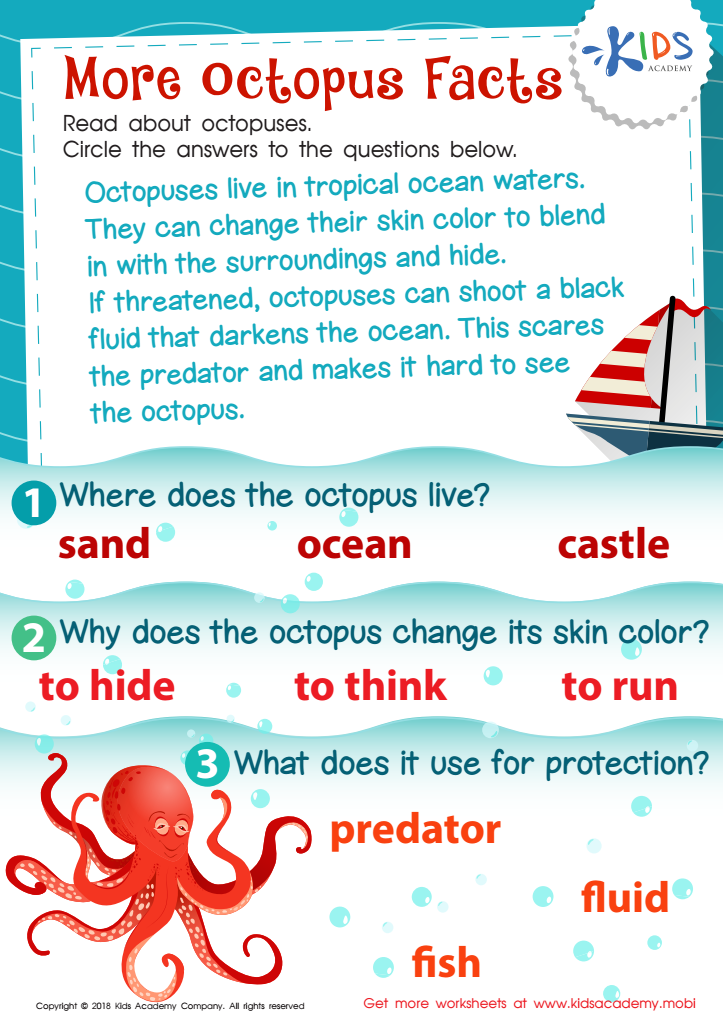
More Octopus Facts Worksheet
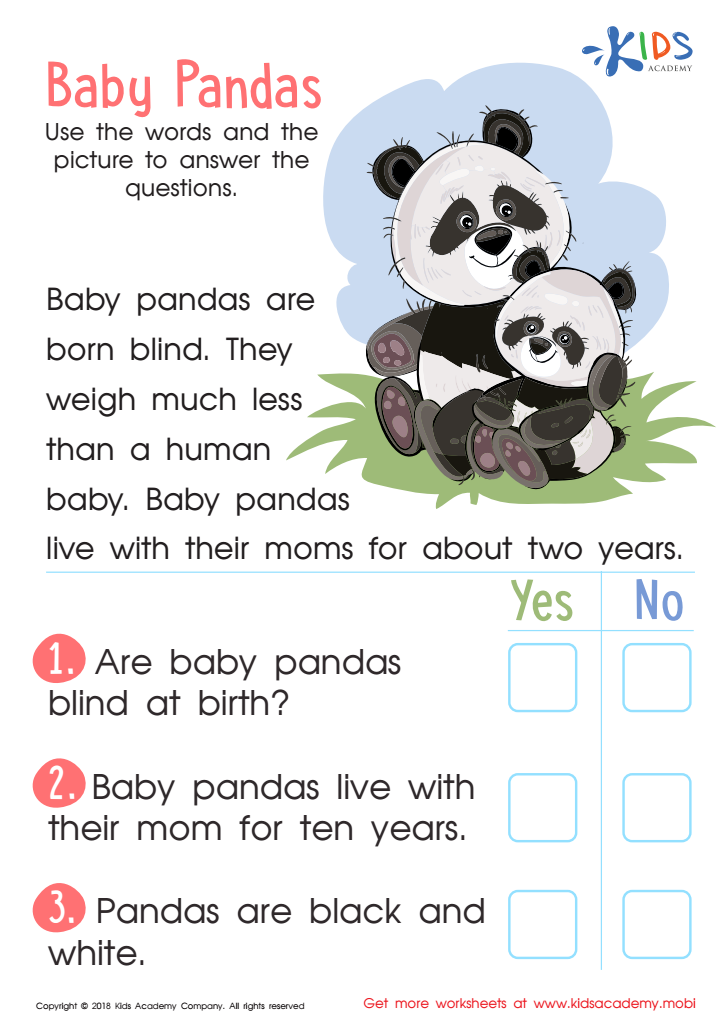
Baby Pandas Worksheet
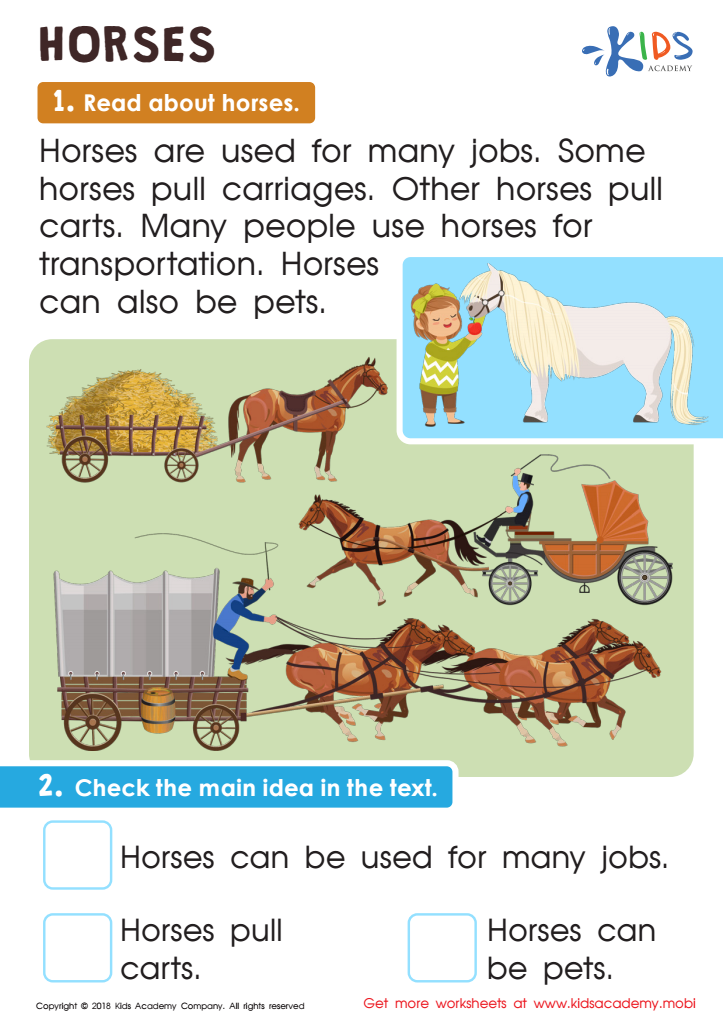
Horses Worksheet
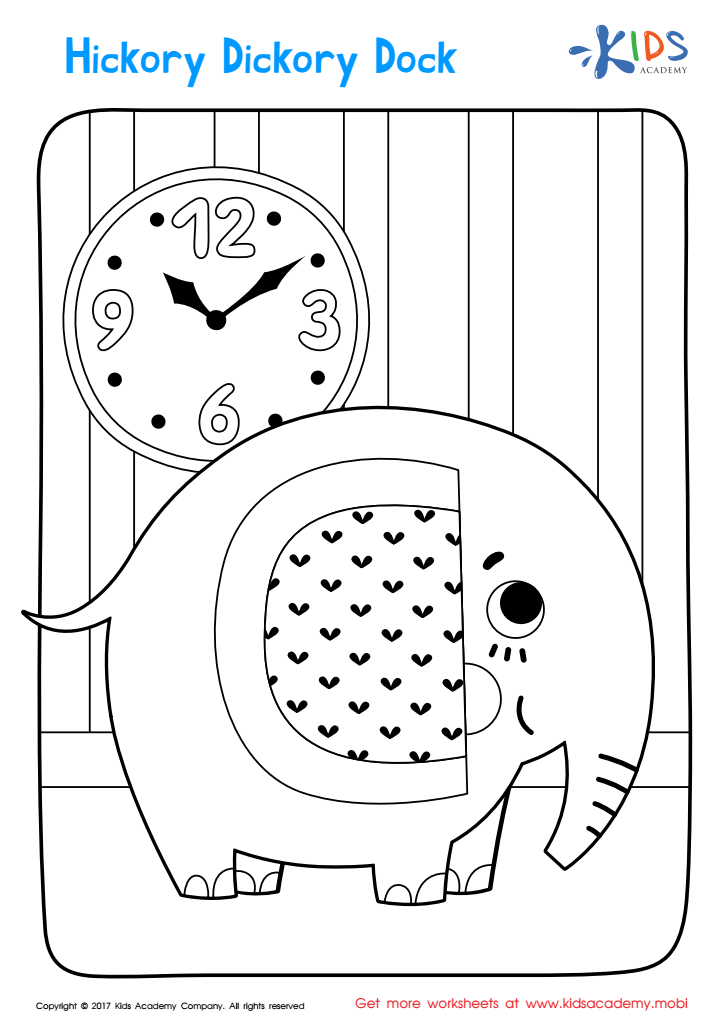
Hickory Dickory Dock Coloring Page
 Assign to My Students
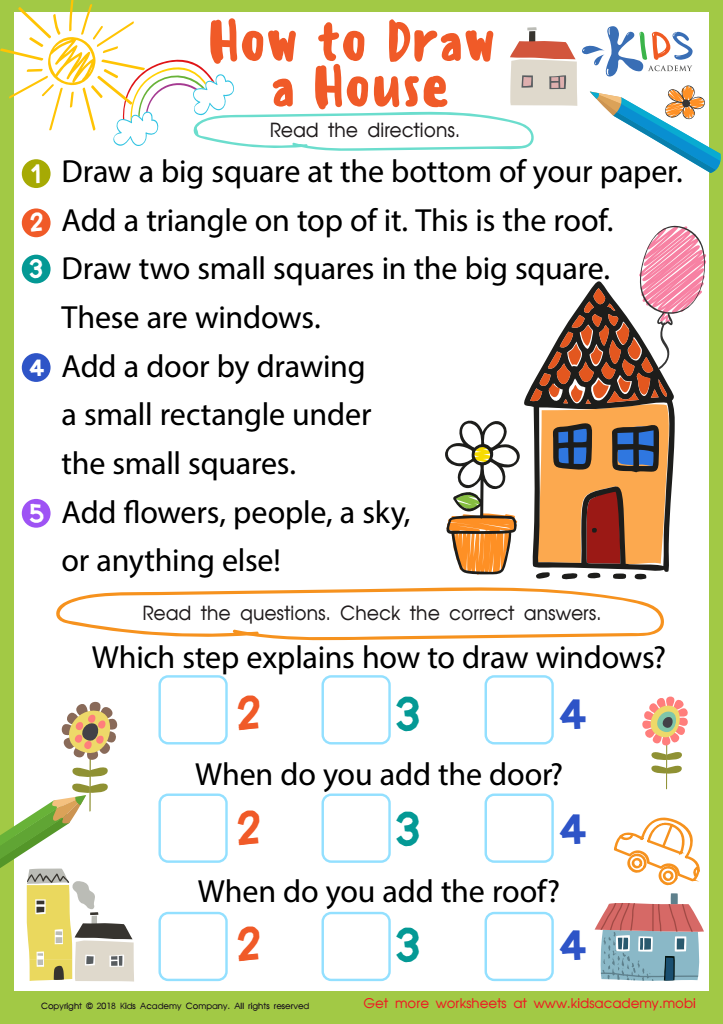
How to Draw House Worksheet








Fine motor skills are essential for young children, particularly in the ages of 4-7, as they lay the groundwork for numerous daily tasks and academic abilities. Parents and teachers should care about these skills because they encompass the coordination of small muscle movements, especially those in the hands and fingers.
Developing fine motor skills at an early age directly impacts a child’s ability to perform tasks such as writing, buttoning clothes, using utensils, and more. Handwriting, for example, is a cornerstone skill in a child's educational journey. Easier, more legible handwriting reduces frustration and increases confidence, allowing children to focus on learning content rather than struggling with forming letters.
Moreover, these skills are integral to effective reading comprehension. Picture a child holding a book and turning pages carefully; this is fine motor skill usage in action. Regular practice of fine motor tasks strengthens neural connections in the brain, enhancing overall cognitive development.
Activities that build fine motor skills, such as coloring, cutting with scissors, and stringing beads, also promote better hand-eye coordination and visual-motor integration. When parents and teachers emphasize the development of fine motor skills, they help children build a strong educational foundation, making learning more enjoyable and accessible while fostering independence in daily activities.