Color recognition Easy Worksheets for Ages 4-8 - Page 2
38 filtered results
-
From - To

Japan Printable
 Assign to My Students

Deer Tracing Winter Words Worksheet
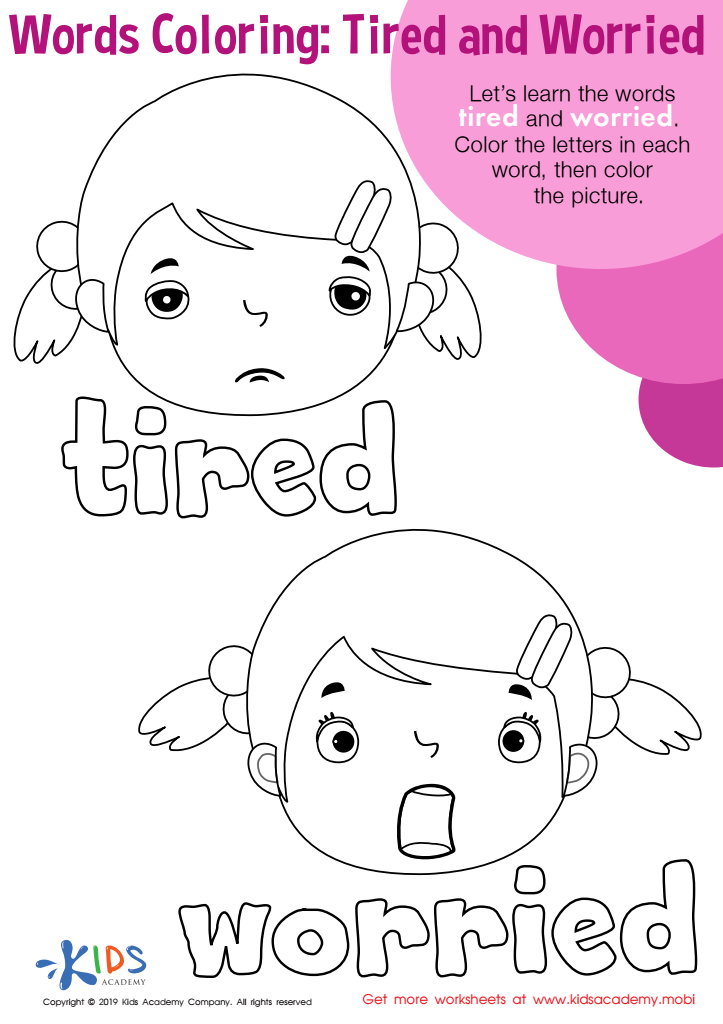
Tired and Worried Words Coloring Worksheet
Assign to My Students

Arizona Coloring Page Worksheet
Assign to My Students

Christmas: Snowman Printable
Assign to My Students
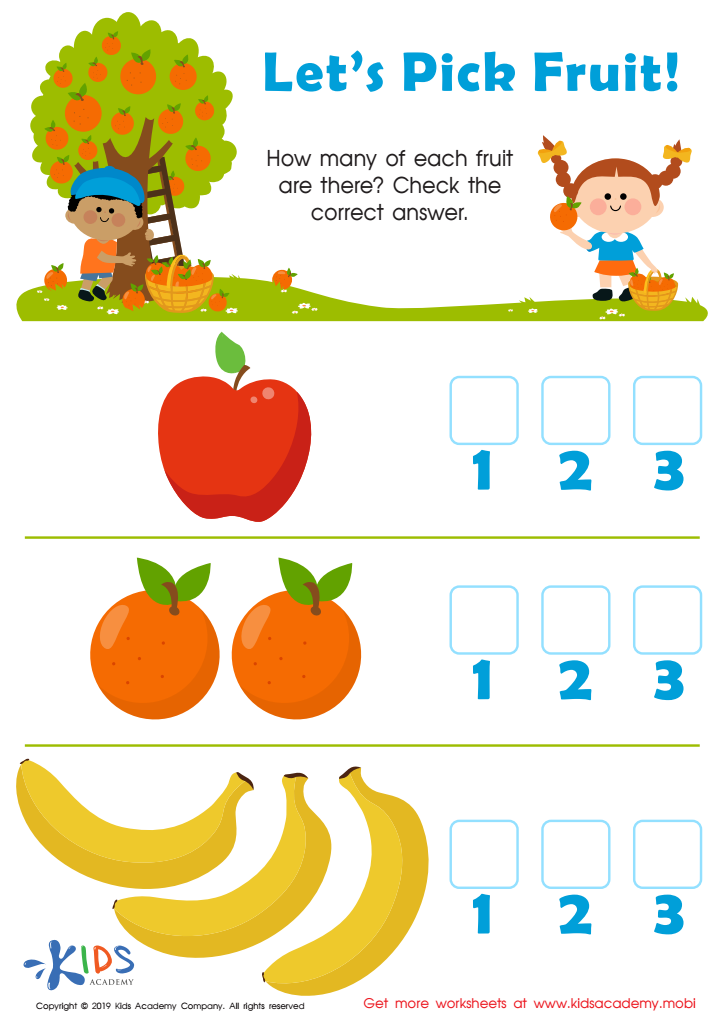
Let's Pick Fruit Worksheet
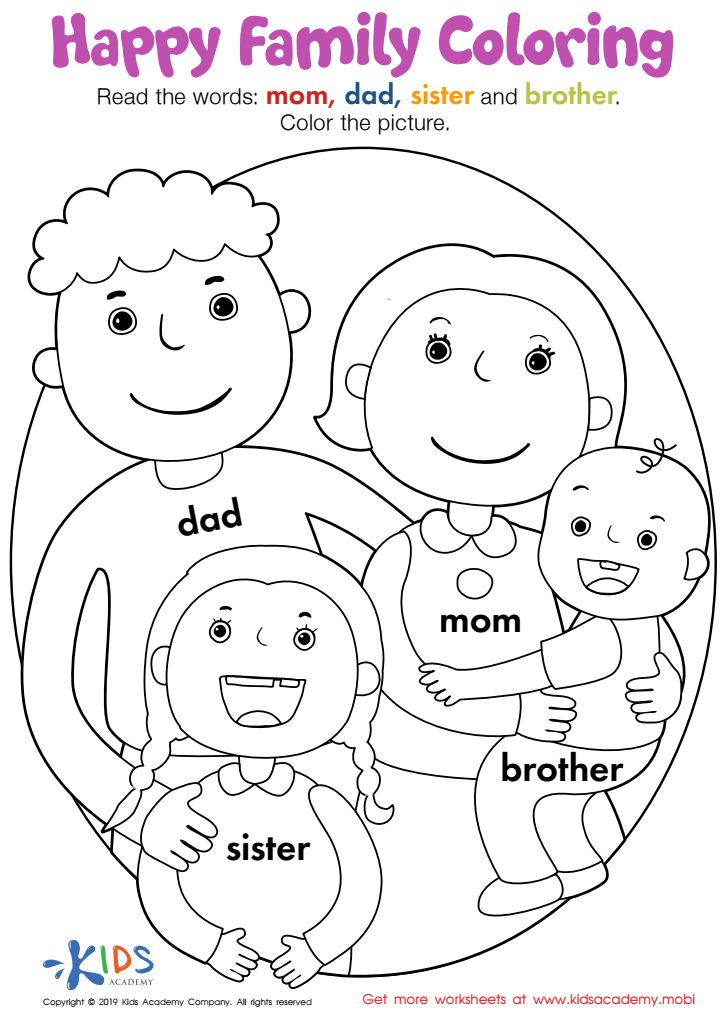
Happy Family Coloring Worksheet
Assign to My Students

Globe Coloring Page Worksheet
Assign to My Students
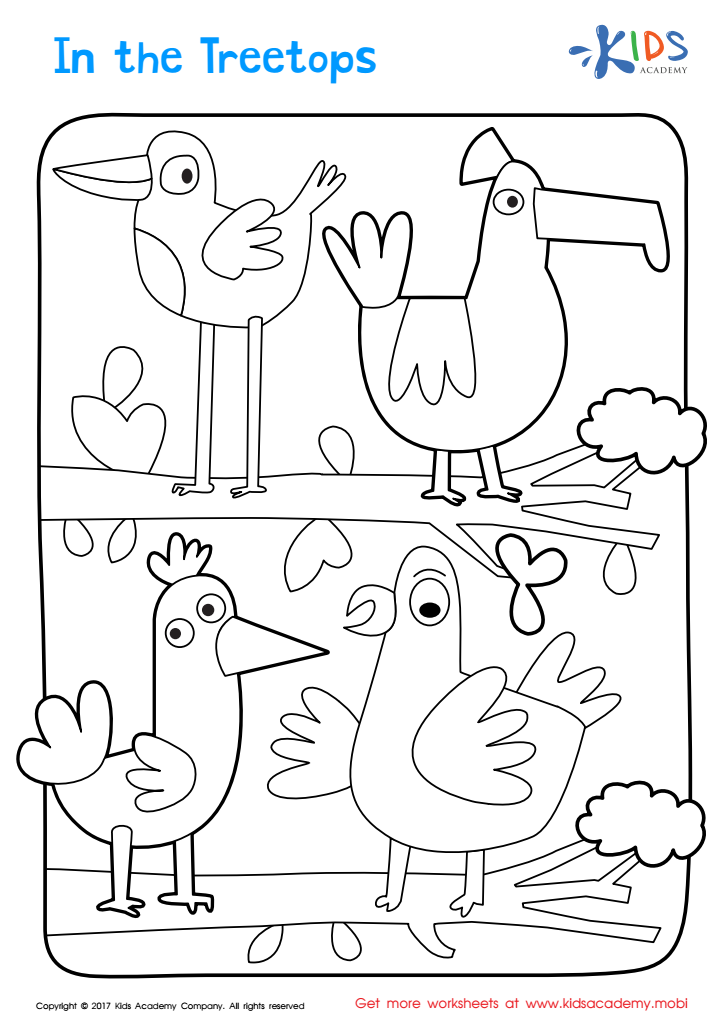
In the Treetops Coloring Page
Assign to My Students
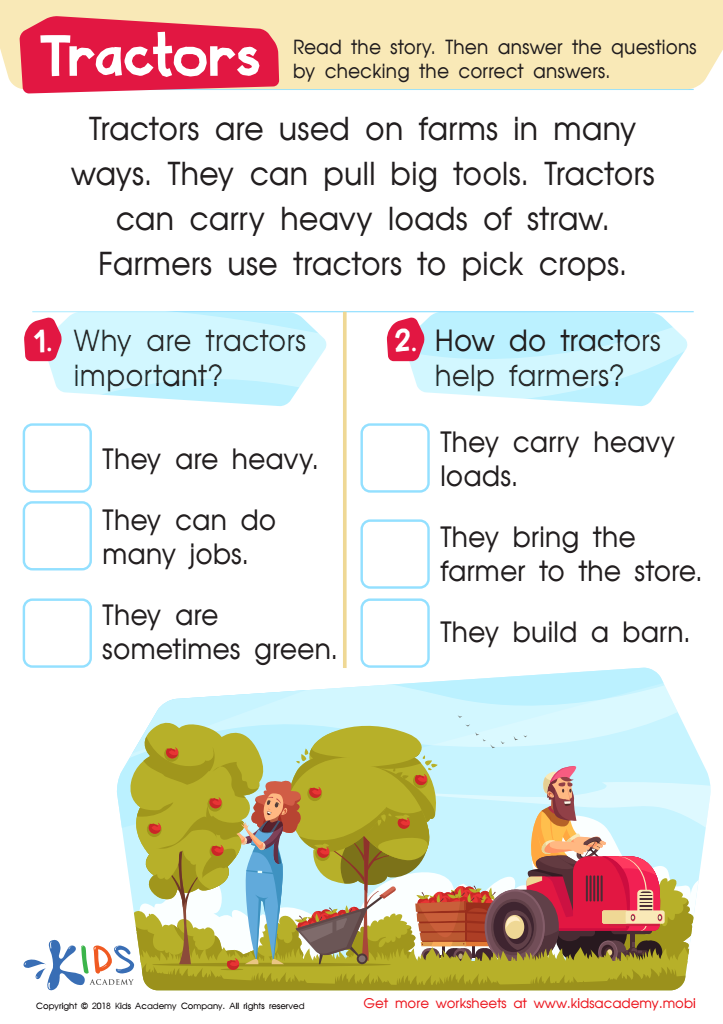
Tractors Worksheet
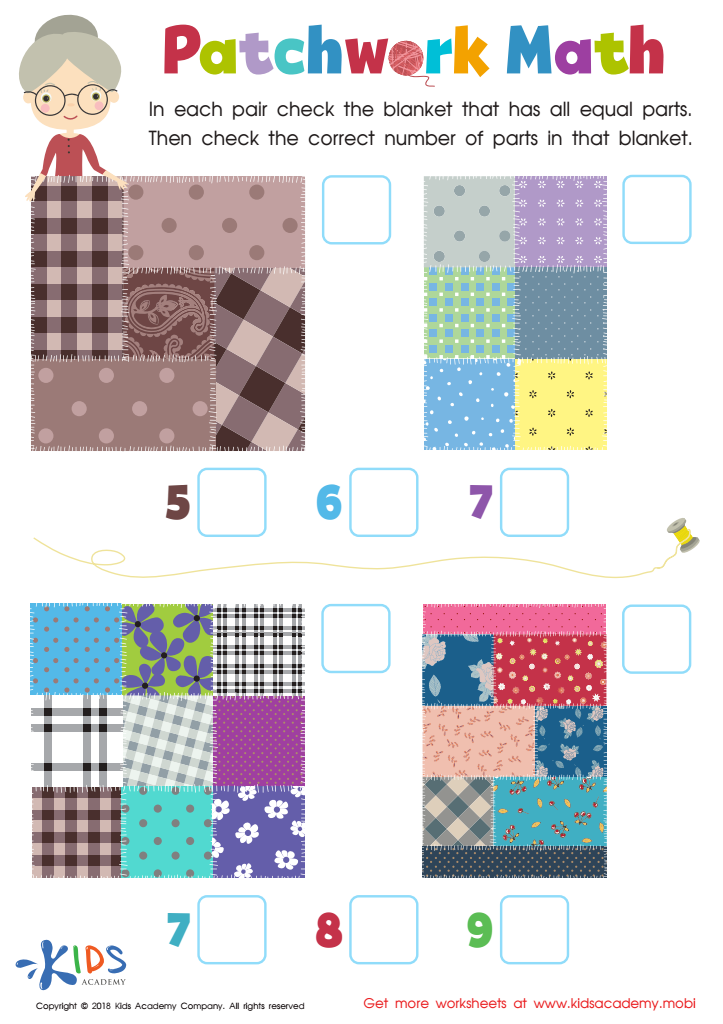
Patchwork Math Worksheet
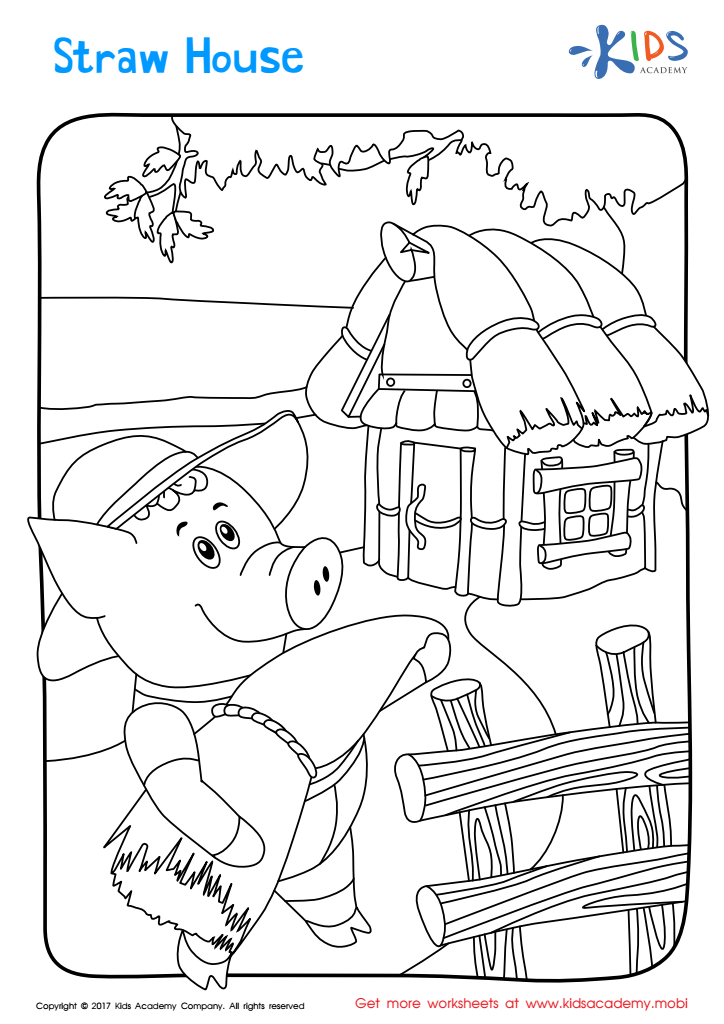
Straw House Printable Coloring Page
Assign to My Students
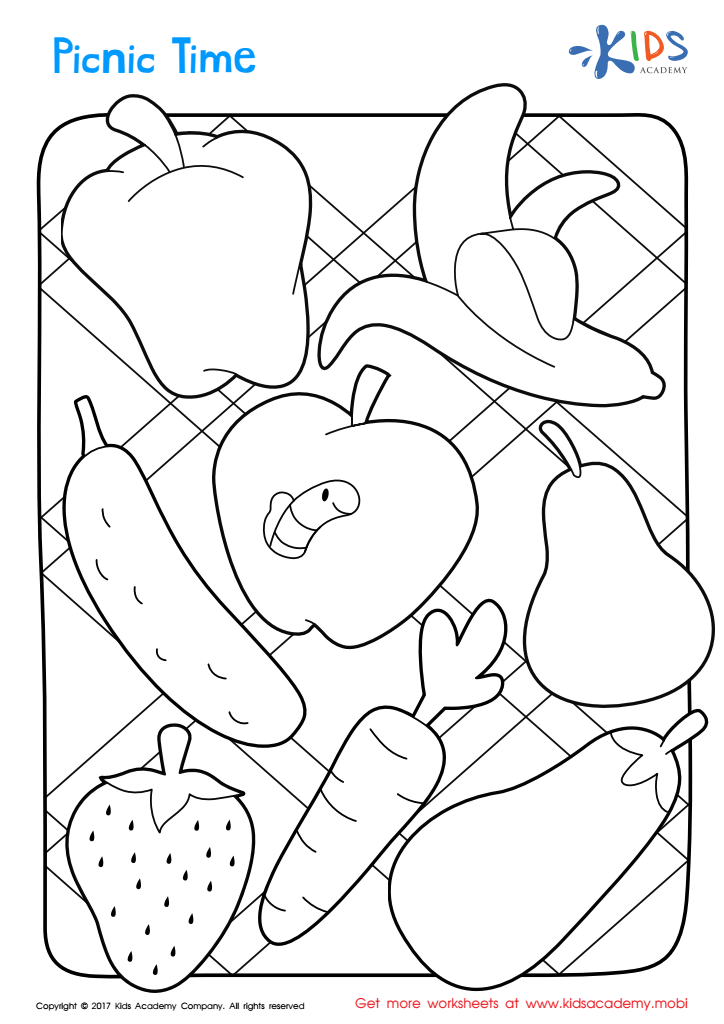
Picnic Time Coloring Page
Assign to My Students
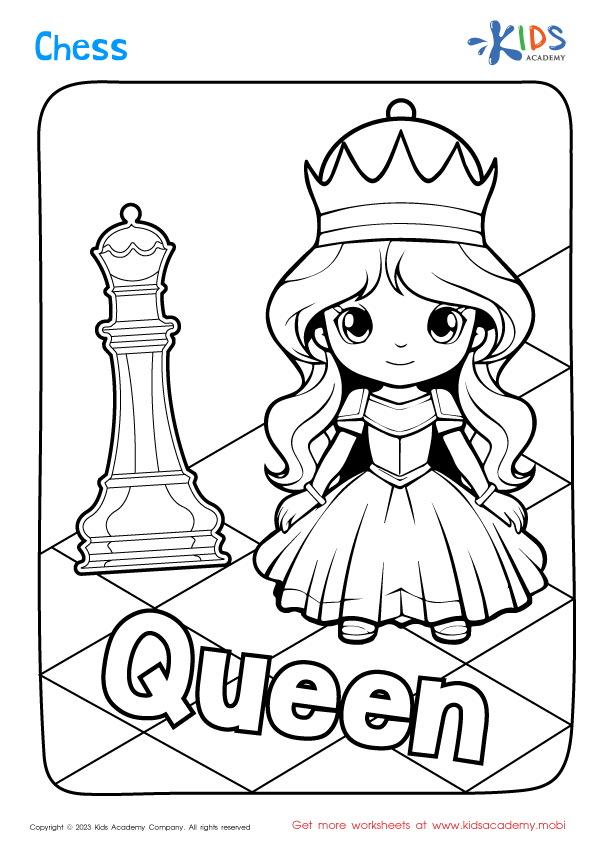








Color recognition is an essential developmental milestone for children aged 4-8, impacting their cognitive, social, and emotionalgrowth. Firstly, recognizing colors aids in cognitive development, as children learn to categorize and differentiate between objects. This skill lays the groundwork for more complex concepts in math and science, such as patterns and shapes.
Secondly, color recognition enhances language development. When children can identify and name colors, they expand their vocabulary and improve their communication skills. Engaging with colors often involves sharing experiences, which nurtures social interaction and cooperative play, crucial for building relationships with peers.
Moreover, understanding colors helps children develop their creativity. Through art and imaginative play, exploring colors allows them to express their feelings and opinions, fostering emotional intelligence.
For parents and teachers, promoting color recognition is an invaluable way to engage young learners in fun and interactive ways, reinforcing academic foundations while fostering essential life skills. Simple activities like sorting objects by color, playing matching games, and using colorful materials can make learning enjoyable and effective, ensuring a joyful, enriching experience as children navigate their early educational journey. Overall, color recognition serves as a fundamental building block in a child's early development.








