Color recognition Easy Worksheets for Ages 4-9 - Page 2
38 filtered results
-
From - To

Japan Printable
 Assign to My Students

Deer Tracing Winter Words Worksheet
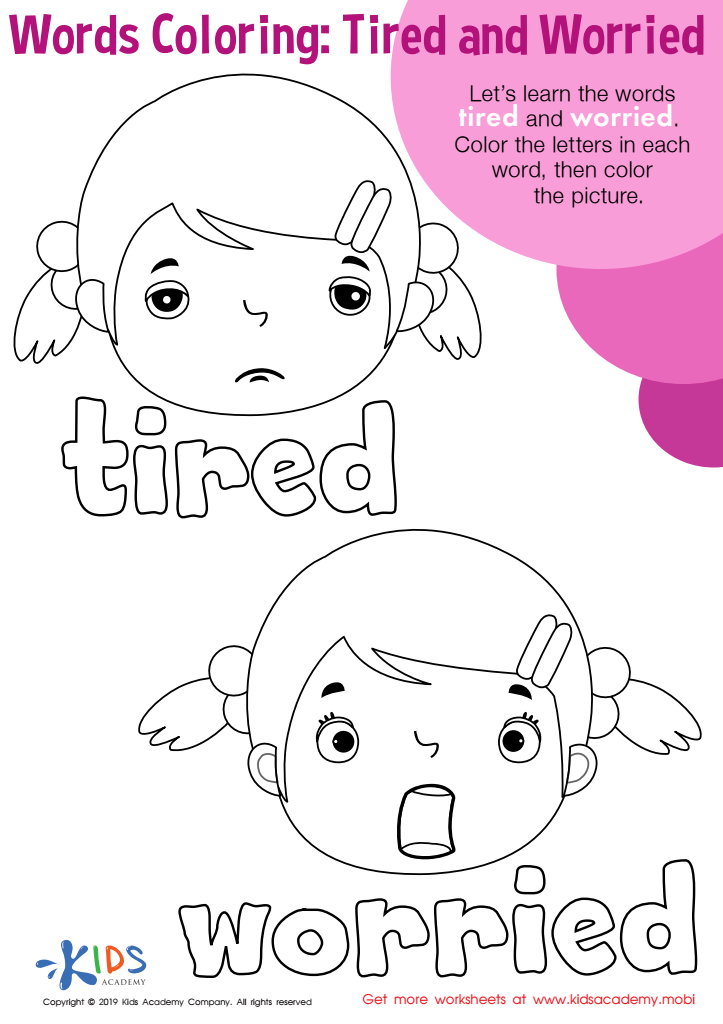
Tired and Worried Words Coloring Worksheet
Assign to My Students

Arizona Coloring Page Worksheet
Assign to My Students

Christmas: Snowman Printable
Assign to My Students
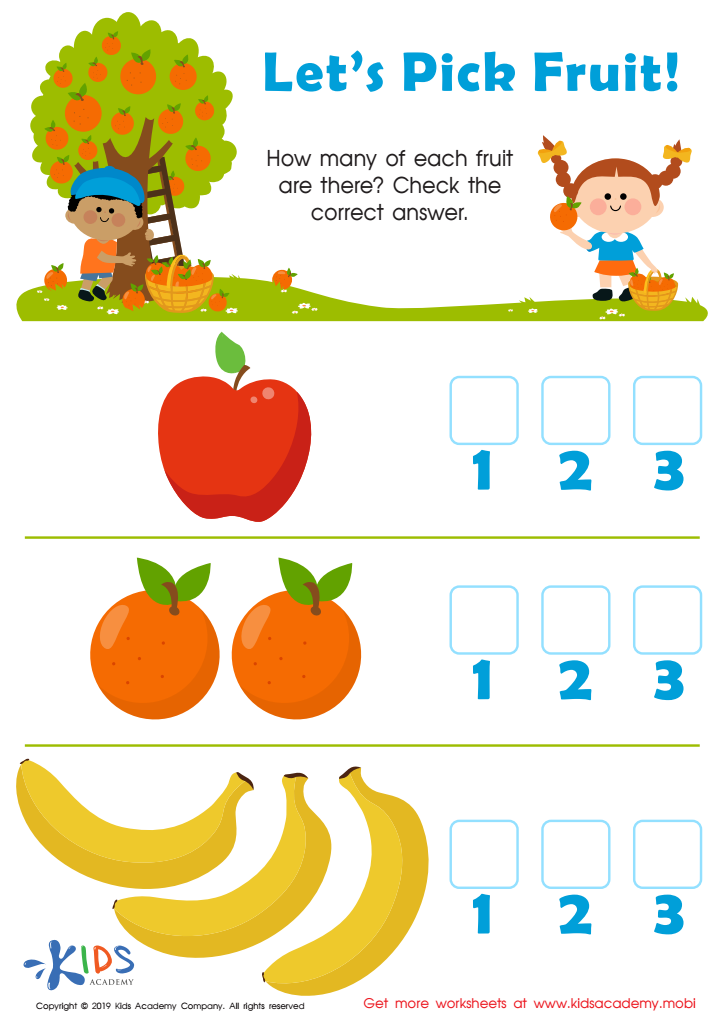
Let's Pick Fruit Worksheet
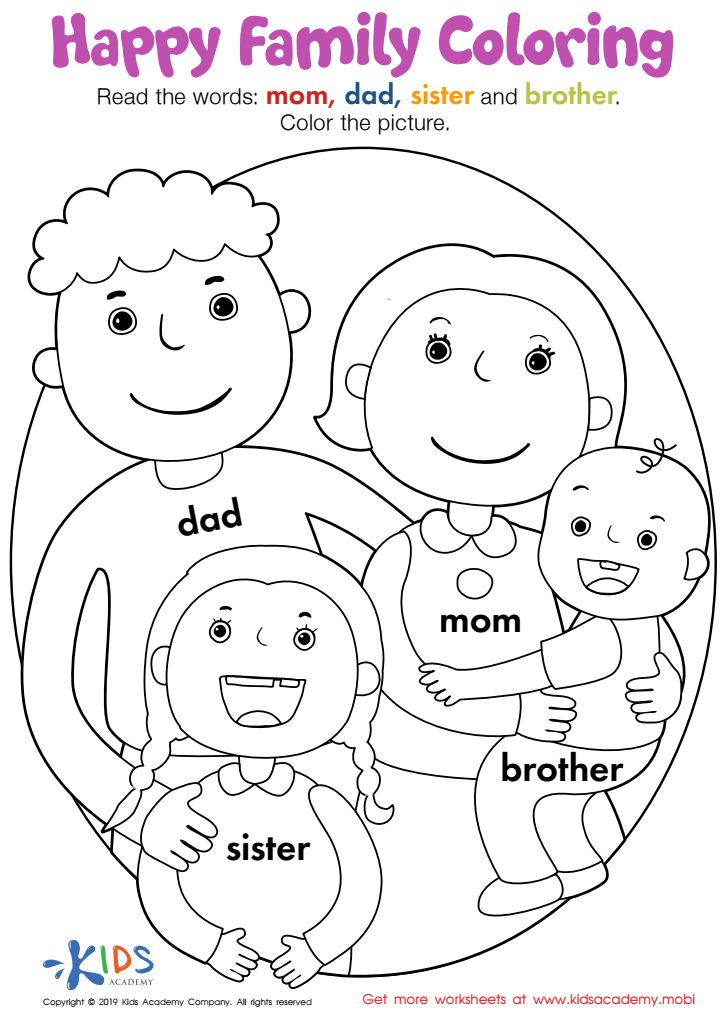
Happy Family Coloring Worksheet
Assign to My Students

Globe Coloring Page Worksheet
Assign to My Students
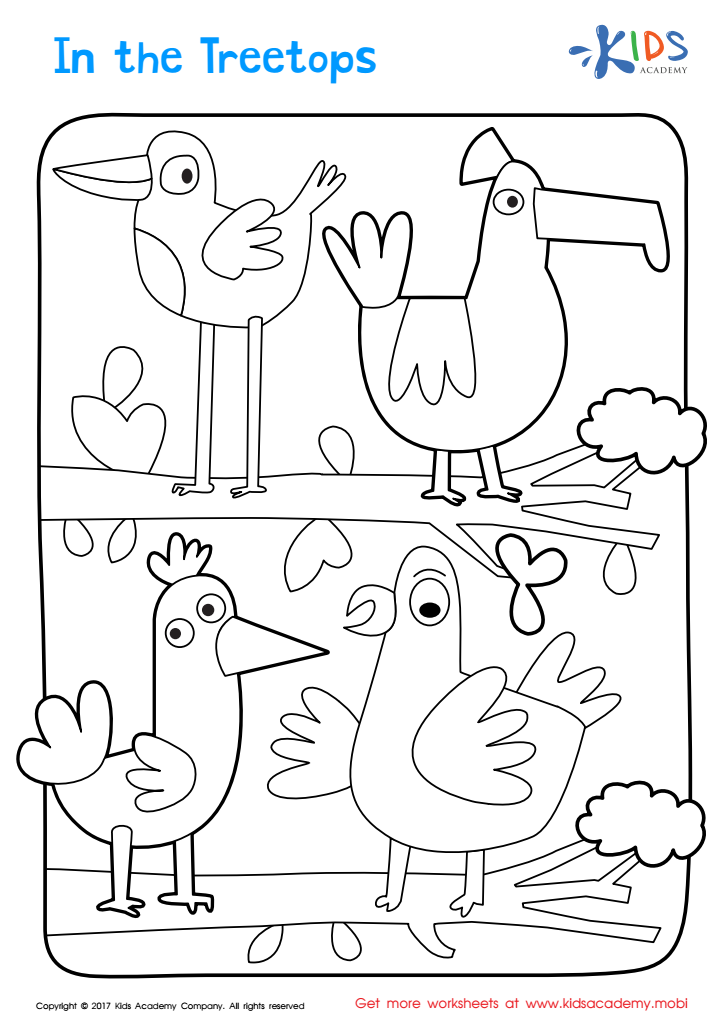
In the Treetops Coloring Page
Assign to My Students
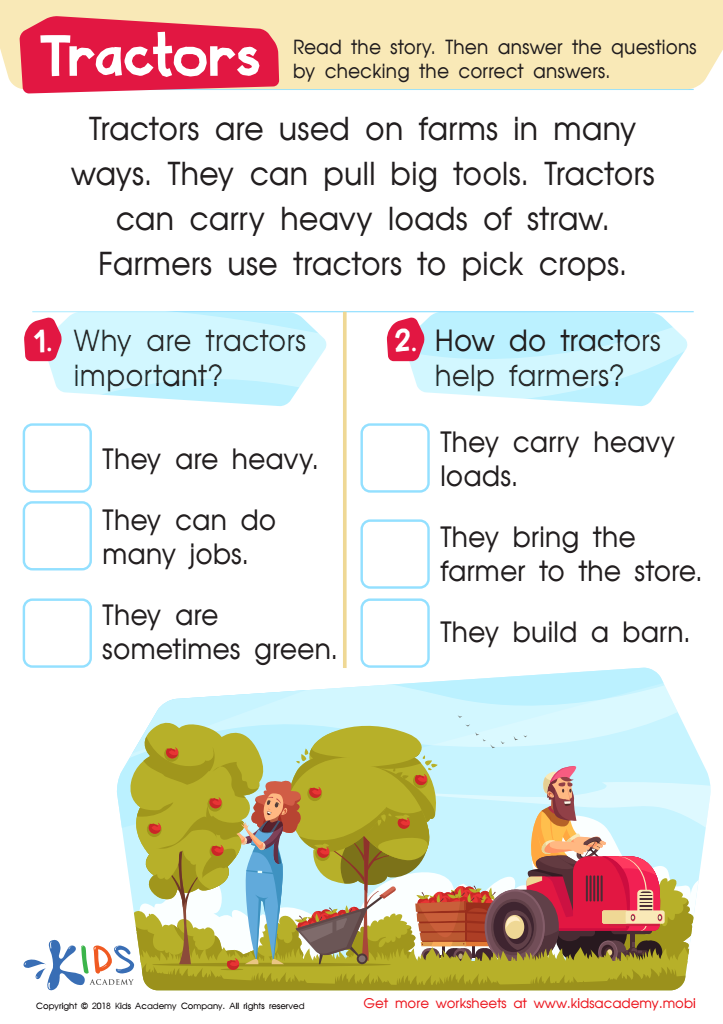
Tractors Worksheet
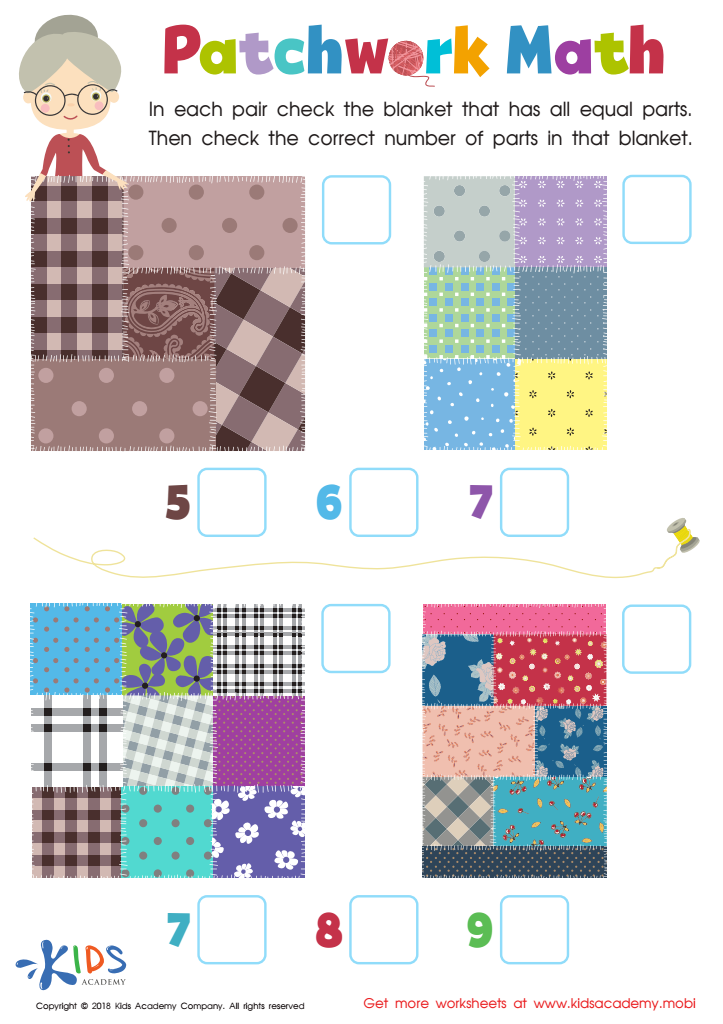
Patchwork Math Worksheet
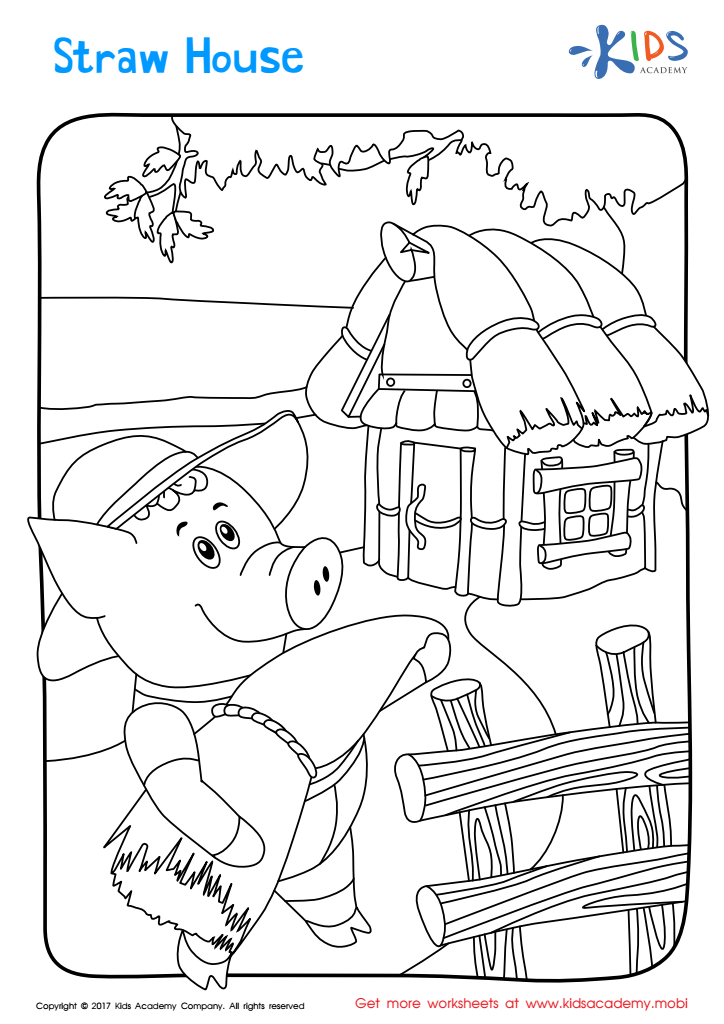
Straw House Printable Coloring Page
Assign to My Students
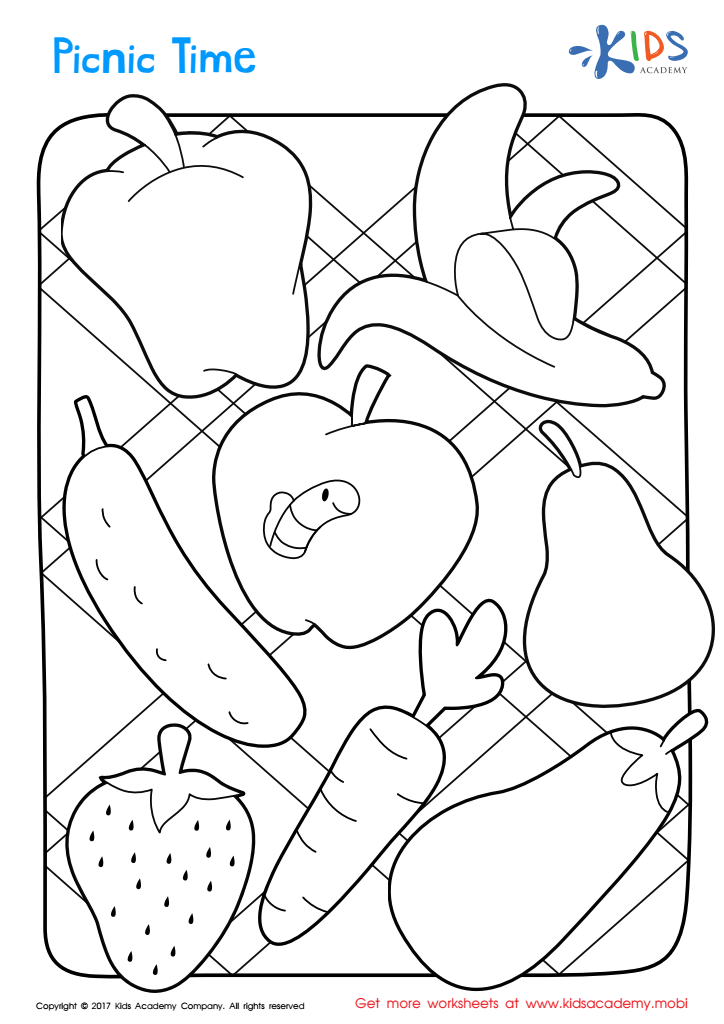
Picnic Time Coloring Page
Assign to My Students








Color recognition is a foundational skill that holds significant importance for children aged 4-9, and both parents and teachers should prioritize its development. At this early stage, children are laying the groundwork for future learning, and understanding colors is integral to this process.
Firstly, color recognition enhances cognitive development. As children learn to identify and name colors, they engage their memory and language skills, which are crucial for their overall mental growth. This basic yet essential skill aids in categorizing and differentiating between objects, improving their attention to detail.
Secondly, colors are a critical component of early mathematics and literacy. Recognizing colors helps children understand patterns, sort objects, and follow instructions, all of which are key elements of mathematical thinking. Similarly, many early reading activities involve color-coded prompts helping children distinguish between parts of speech or identify starting points for dyslexia-focused treatments.
Social and emotional development is another important aspect. Children use colors to express their feelings and creativity, enabling their emotional literacy. They also become more adept at interpreting the world around them through distinguishing traffic lights and safety symbols, thereby boosting their spatial awareness and practical knowledge.
In summary, fostering color recognition in children aged 4-9 is crucial. It supports cognitive abilities, mathematical and literacy skills, emotional expression, and practical understanding of their environment. Given these far-reaching benefits, parents and teachers should consistently integrate color-related activities into early education.








