Contextual understanding Easy Worksheets for Ages 4-9
5 filtered results
-
From - To
Explore our Contextual Understanding Easy Worksheets, specially designed for children ages 4-9! These engaging resources help young learners grasp essential concepts by connecting new ideas to familiar contexts. Our worksheets focus on daily life scenarios, enhancing comprehension and critical thinking skills. With colorful illustrations and interactive exercises, children will enjoy honing their language, observation, and reasoning skills in a fun and captivating way. Suitable for homeschooling or classroom use, these worksheets support the development of a well-rounded knowledge base. Start building context-based learning adventures with our user-friendly worksheets and watch kids flourish academically while having a great time!
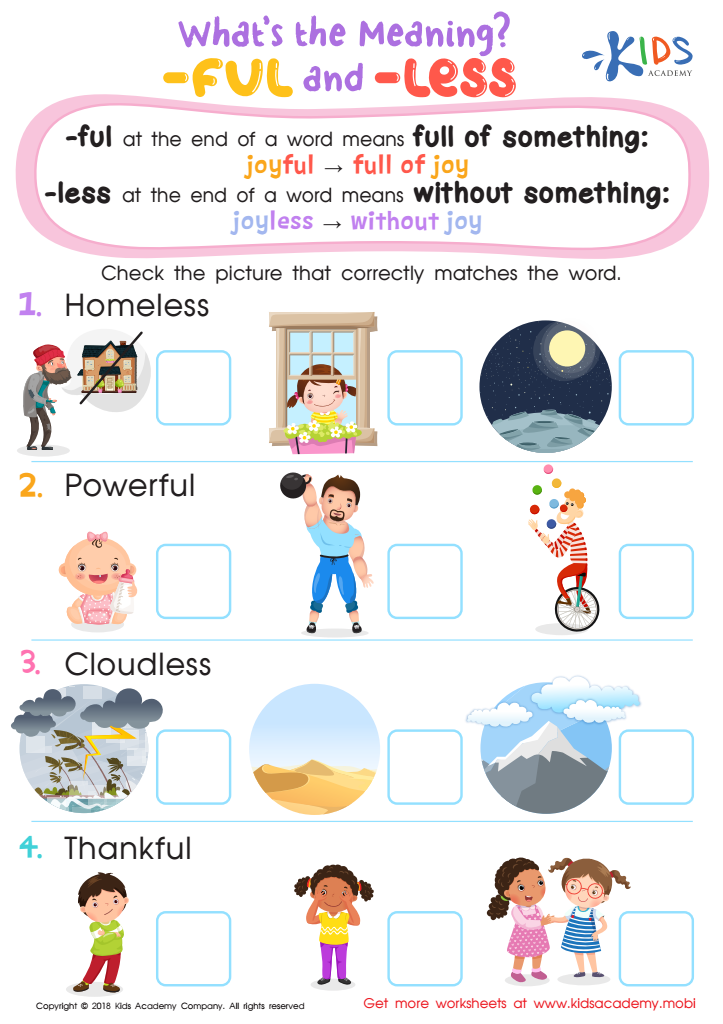
What's the Meaning? Worksheet
 Assign to My Students
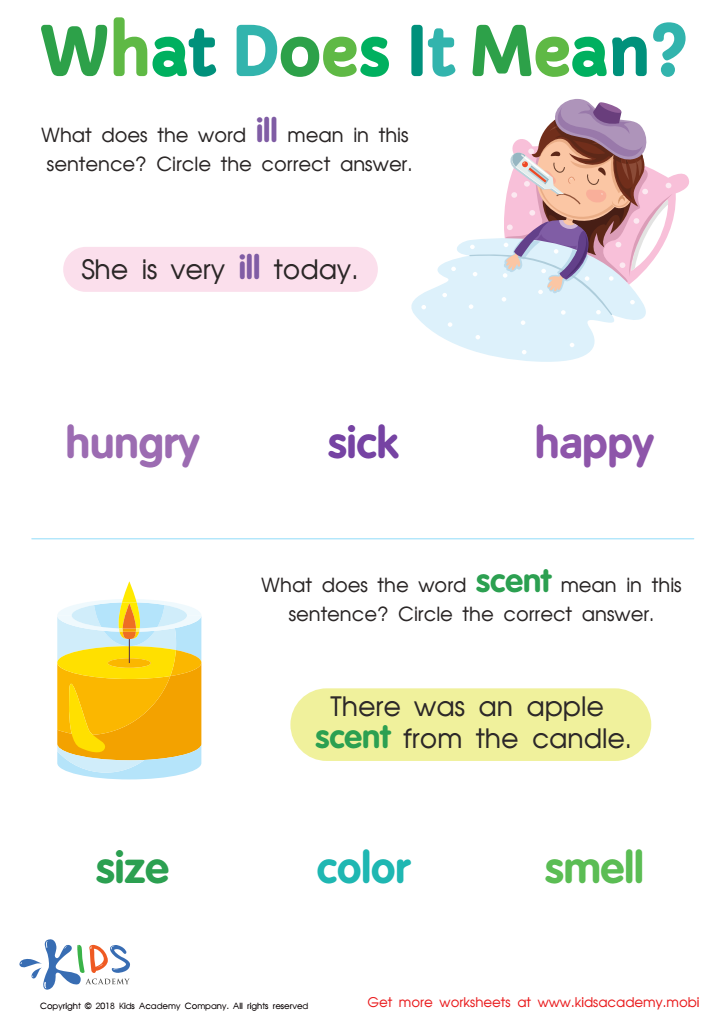
What Does It Mean? Worksheet
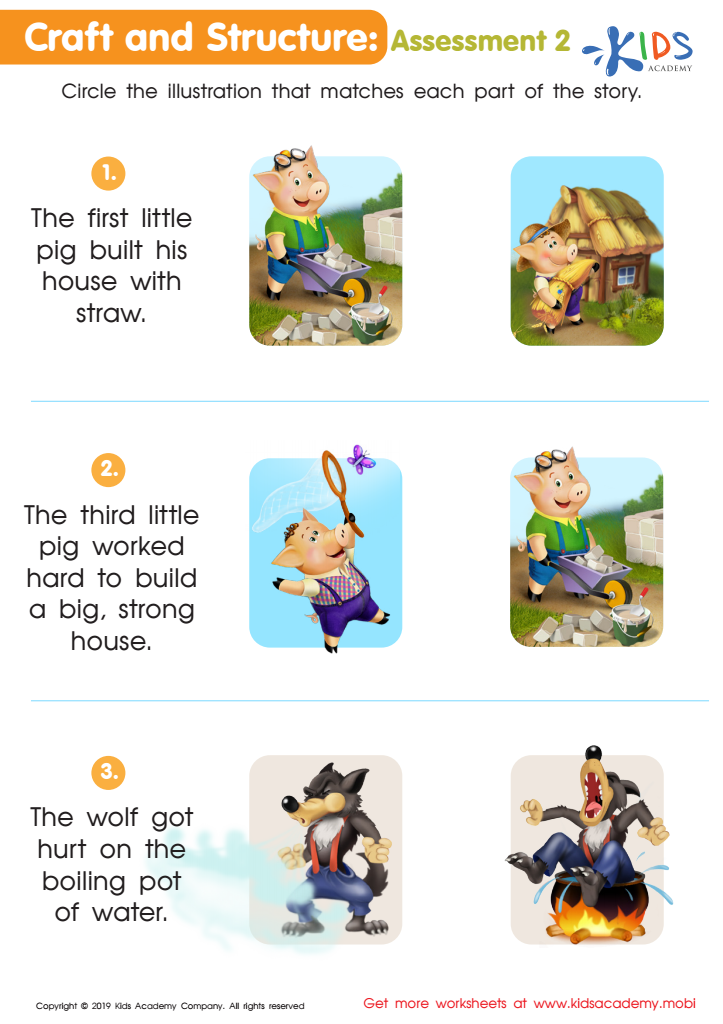
Craft and Structure: Assessment 2 Worksheet 2
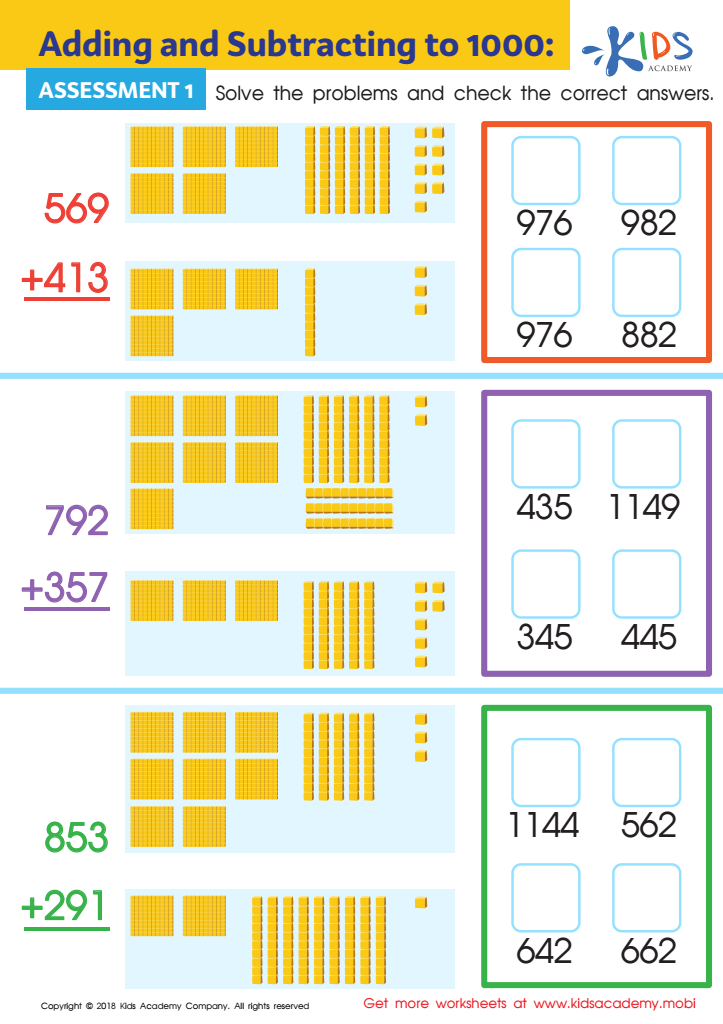
Adding and Subtracting to 1 Worksheet: Assessment 1
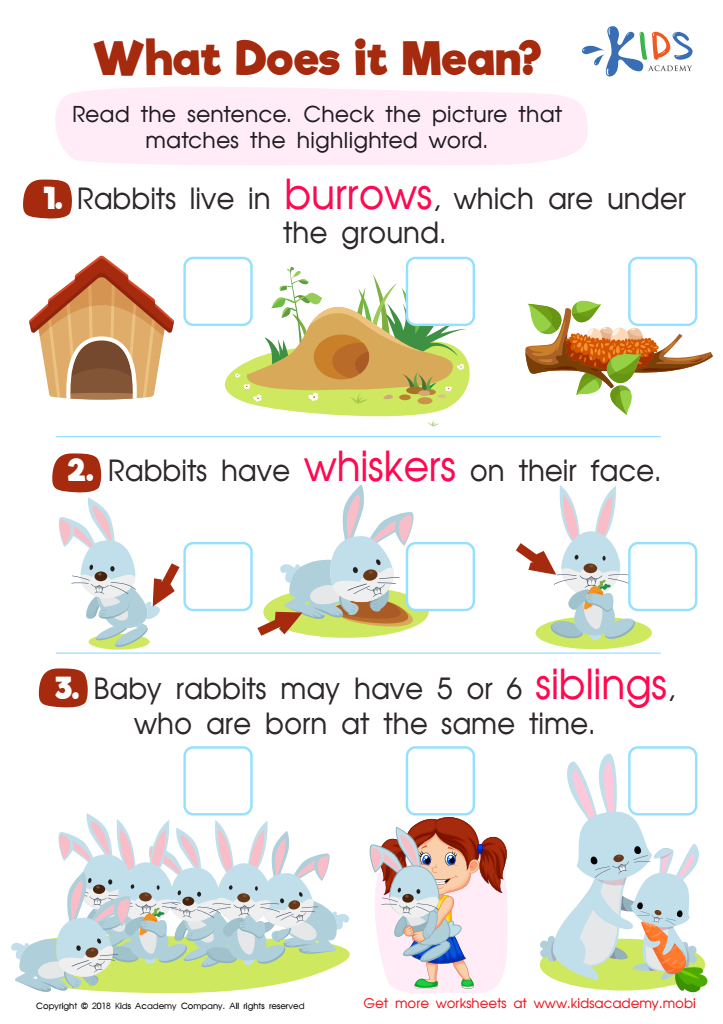
What Does It Mean? Worksheet




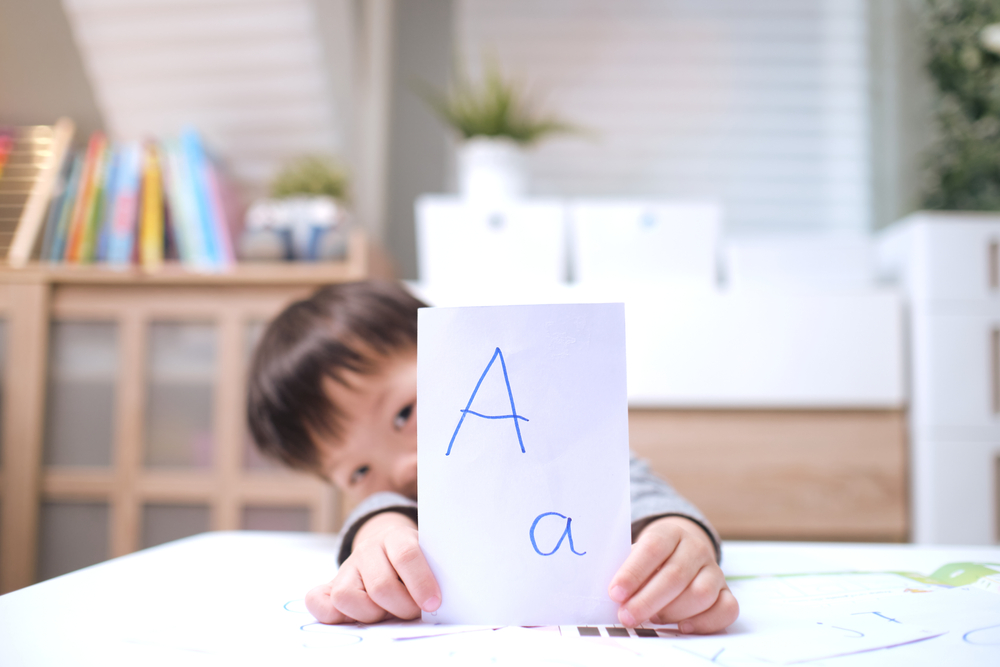
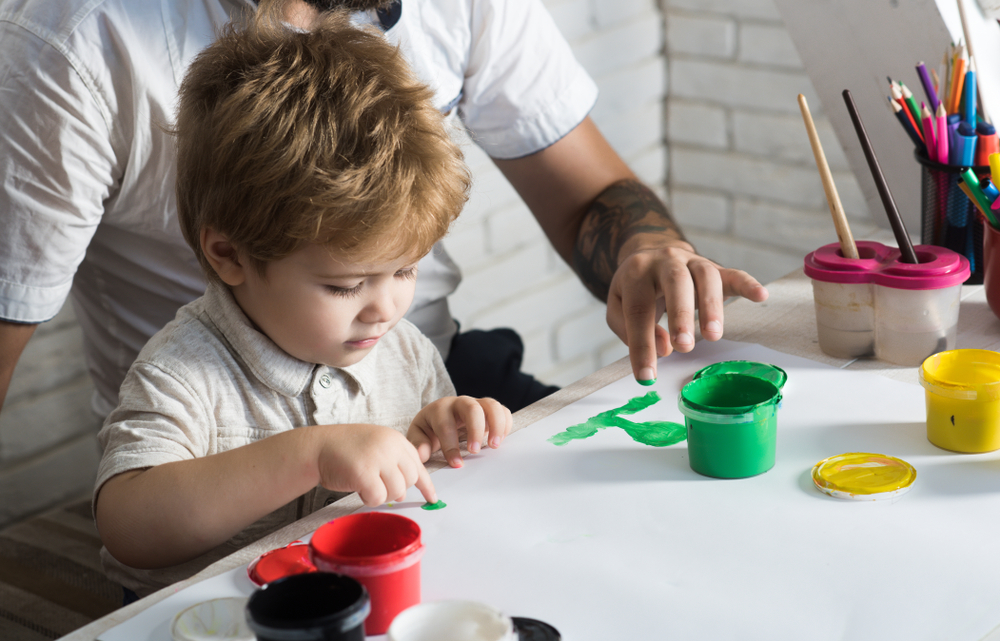

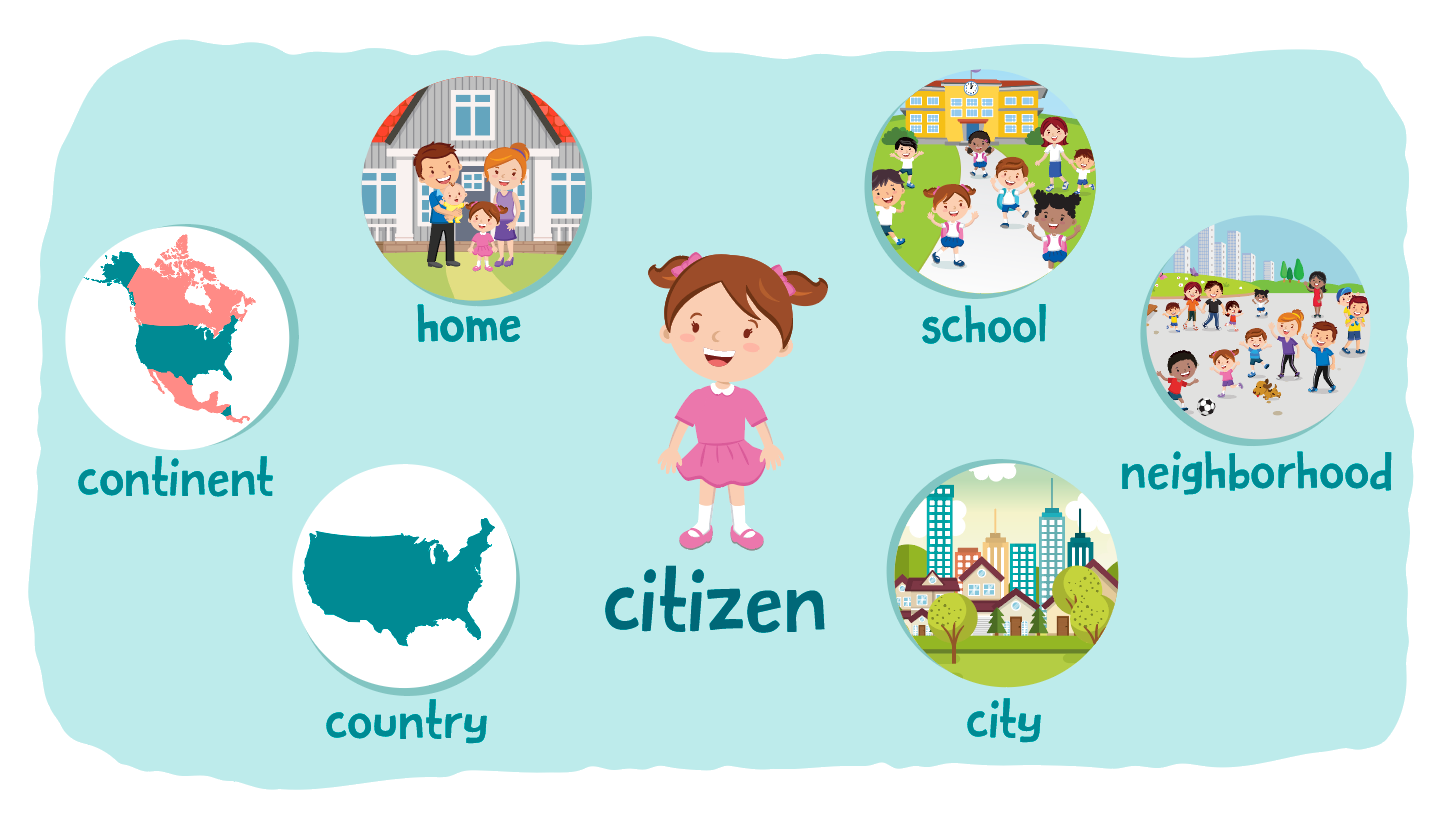
Contextual understanding is super important for kids aged 4-9 because it helps them make sense of the world around them. When kids learn to connect new information to things they already know, it boosts their confidence and makes learning much more enjoyable. For example, if a child learns about animals in class and then goes to the zoo, they can relate their classroom lessons to real-life experiences. This helps them remember and understand better!
Parents and teachers play a big role in promoting this understanding. By asking questions like “Have you seen this animal before?” or “How does this story remind you of something you did?” they encourage kids to think deeply and connect ideas.
Additionally, kids who develop strong contextual skills become better readers and problem-solvers as they grow. They learn to grasp complex ideas more easily, which is crucial for their future education.
Supporting contextual understanding in young children leads to growth in their language skills, creativity, and critical thinking. So, whether at home or in school, focusing on this helps lay a strong foundation for a lifetime of learning and exploration!








