Fine Motor Skills Easy Worksheets for Ages 4-9 - Page 4
82 filtered results
-
From - To
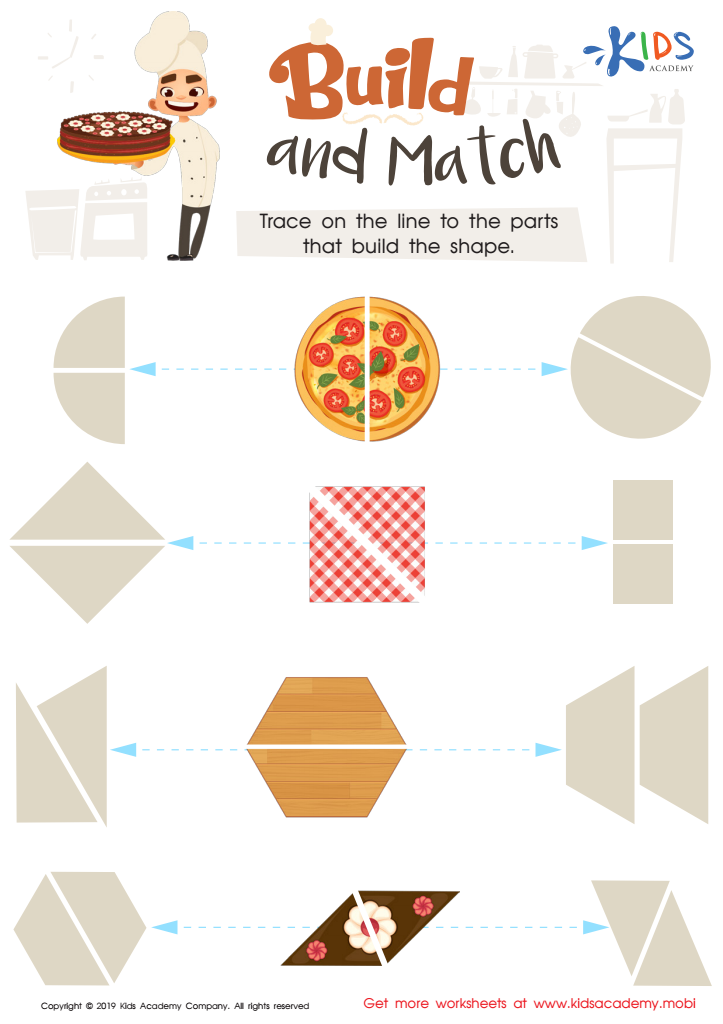
Build and Match Worksheet
 Assign to My Students
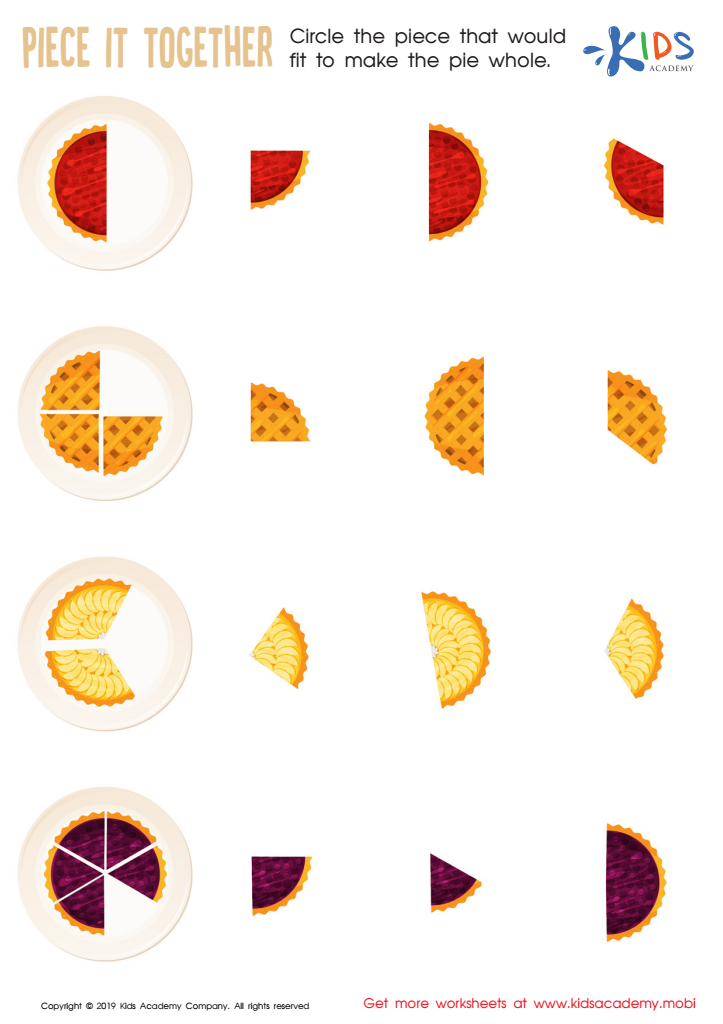
Piece it together Worksheet
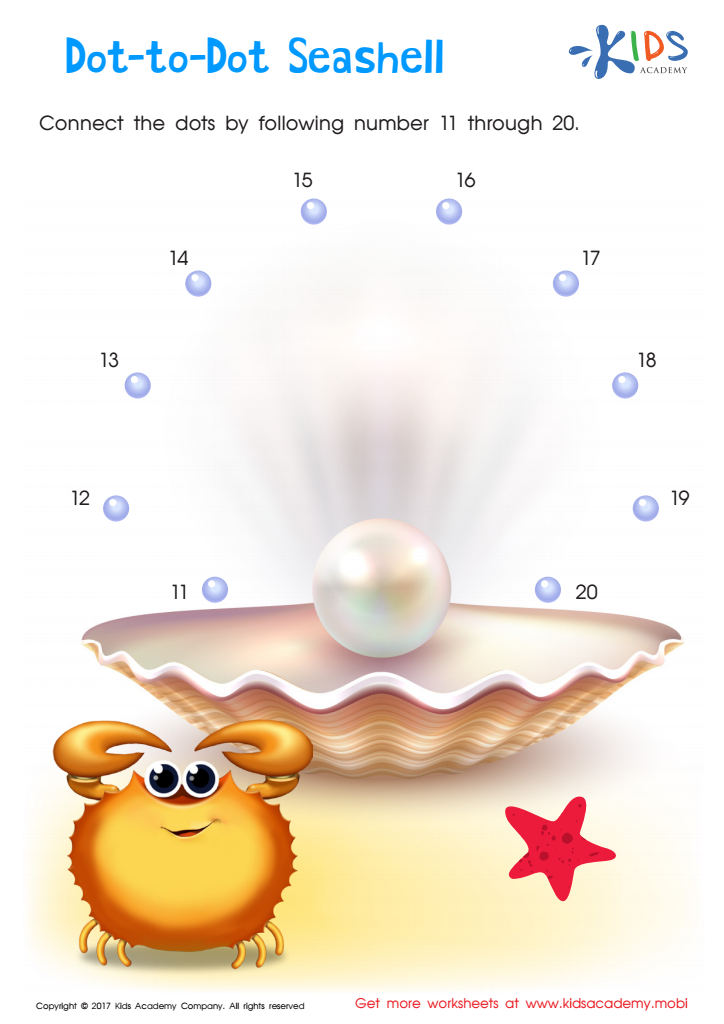
Ordering 11–20: Dot–to–dot Seashell Printable
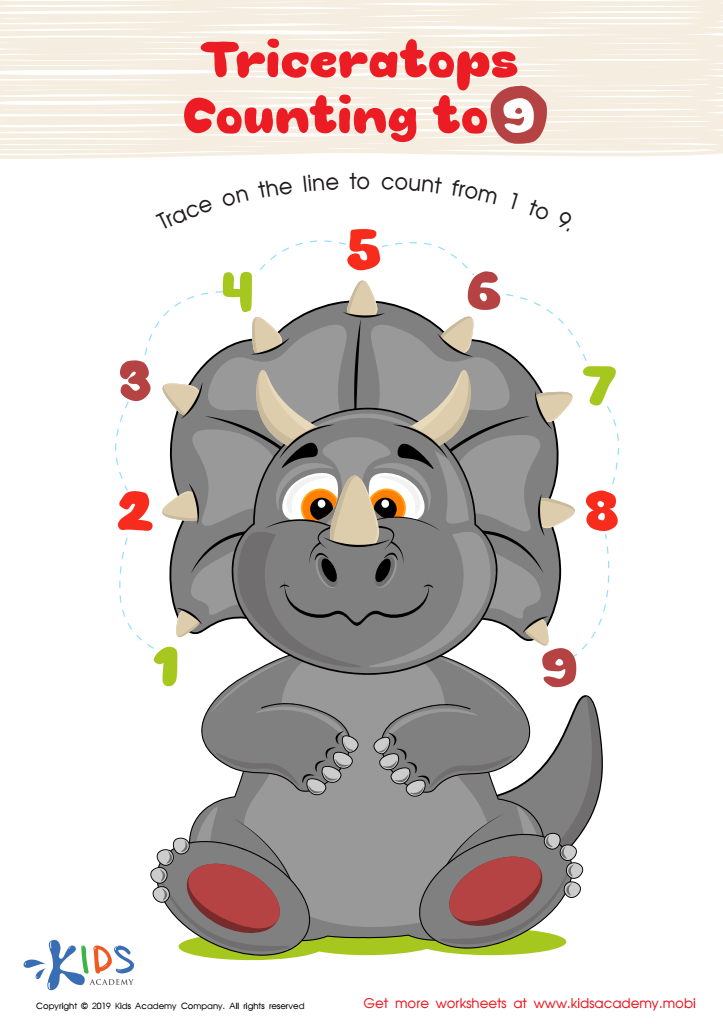
Triceratops Counting to 9 Worksheet

Counting on the City Skyline: Dot-to-Dot Worksheet
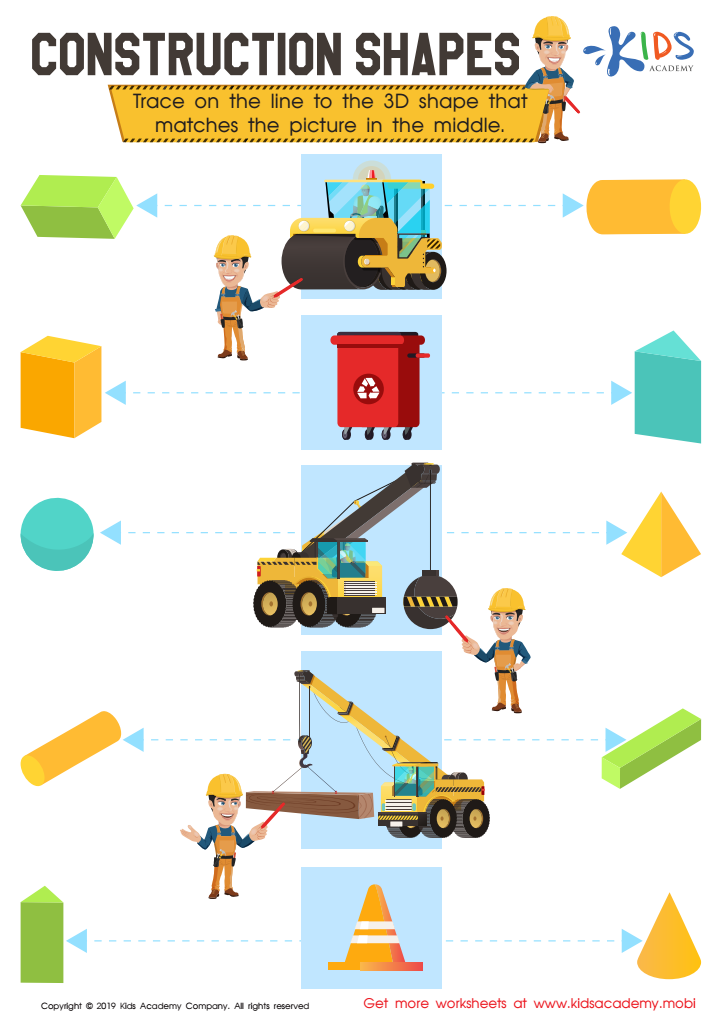
Construction Shapes Worksheet
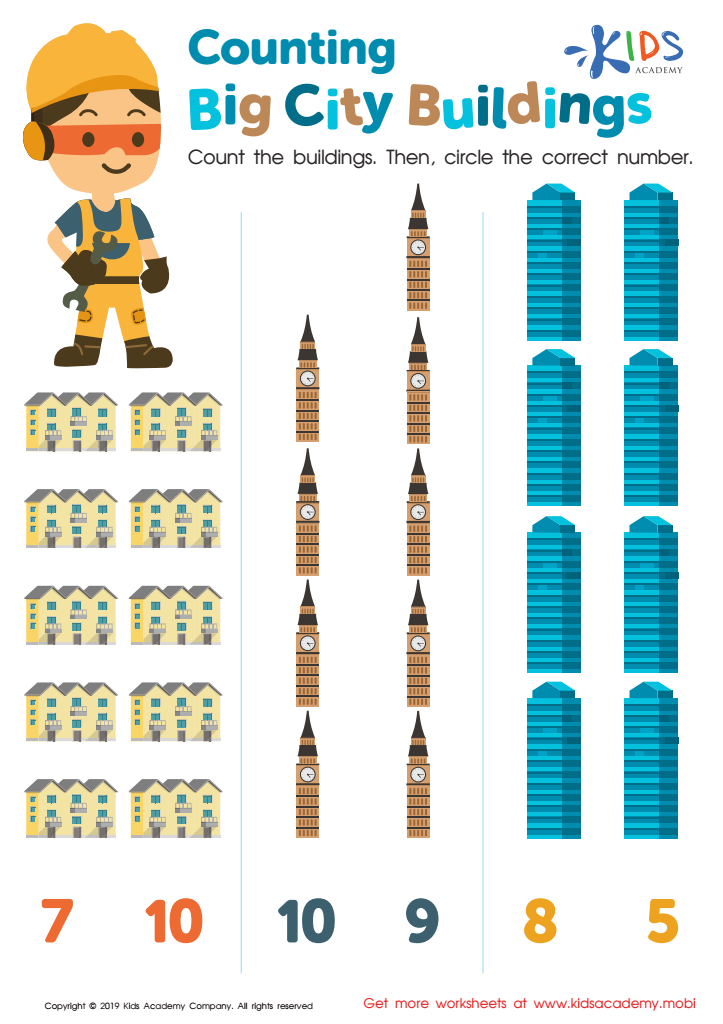
Counting Big City Buildings Worksheet

Night Sky Numbers Worksheet



.jpg)




Fine motor skills involve the coordination of small muscles, primarily in the hands and fingers, with the eyes. Developing these skills is crucial for children aged 4-9 as it significantly impacts their ability to perform everyday tasks and academic activities. For parents and teachers, fostering fine motor skills means supporting children in tasks such as writing, cutting with scissors, buttoning clothes, and tying shoelaces, which are all essential for independence.
In the educational context, strong fine motor skills are fundamental for successful writing and drawing, which are key components of early literacy. Children who struggle with fine motor skills may find it challenging to keep up with classroom activities, potentially leading to frustration and decreased self-esteem. By paying attention to these skills, adults can help children enhance their hand-eye coordination, dexterity, and precision.
Additionally, fine motor exercises can improve concentration and persistence, qualities beneficial across all areas of learning. Activities such as playing with building blocks, completing puzzles, or engaging in arts and crafts not only make skill-building fun but also lay a solid foundation for academic and personal growth. Hence, parents and teachers play a critical role in supporting fine motor development, ensuring children are equipped for success both in school and everyday life.








