Observational skills Easy Worksheets for Ages 4-9
5 filtered results
-
From - To
Enhance your child's learning journey with our "Observational Skills Easy Worksheets" designed specifically for ages 4-9. These engaging printables help young learners sharpen their observation abilities, a crucial skill for everyday life and academic success. Our carefully crafted activities encourage children to notice details, differentiate between objects, and develop critical thinking skills. Each worksheet is colorful, interactive, and age-appropriate, making it fun for kids to practice. Perfect for home or classroom use, our worksheets offer a fantastic way to support and assess observational skills in an enjoyable format. Start fostering your child's observational prowess today with these exciting resources!
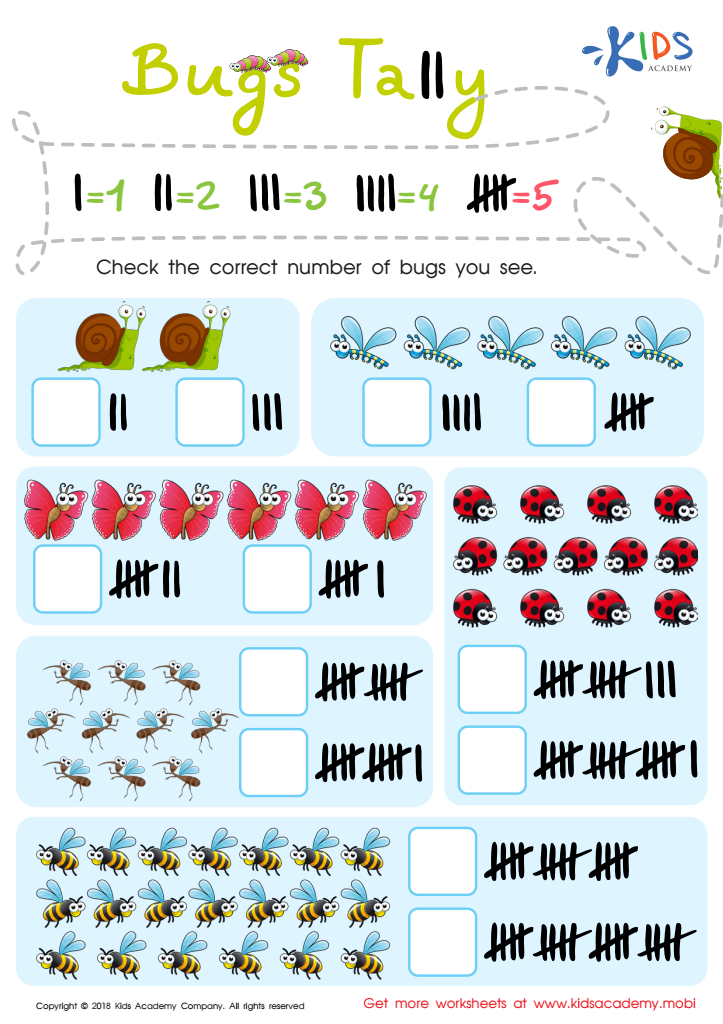
Bugs Tally Worksheet
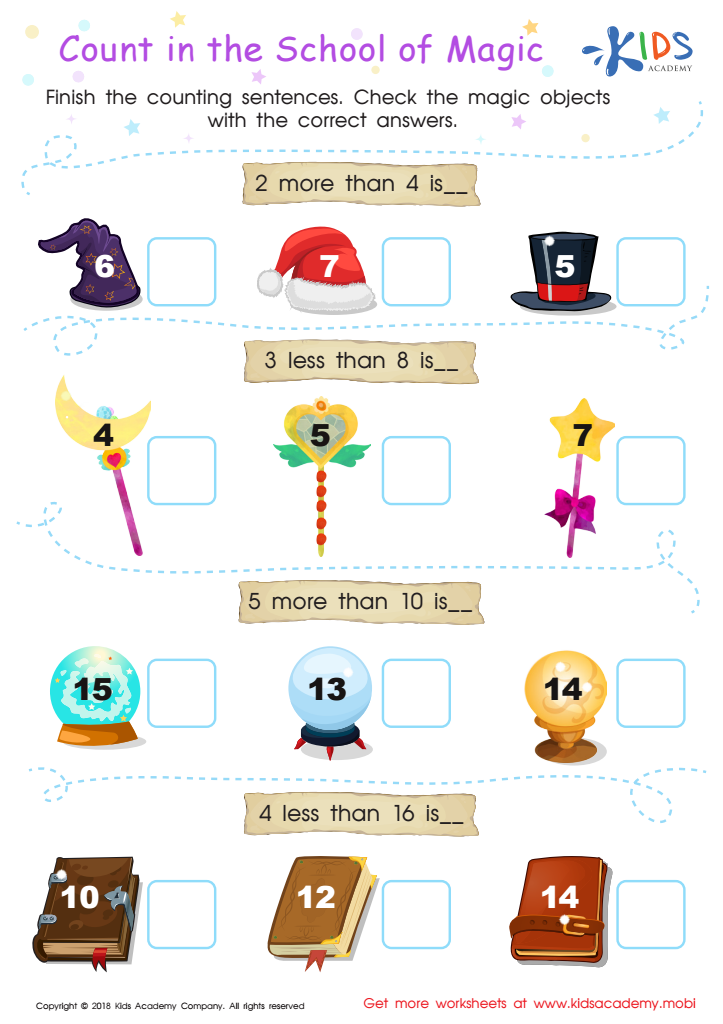
Count in the School of Magic Worksheet
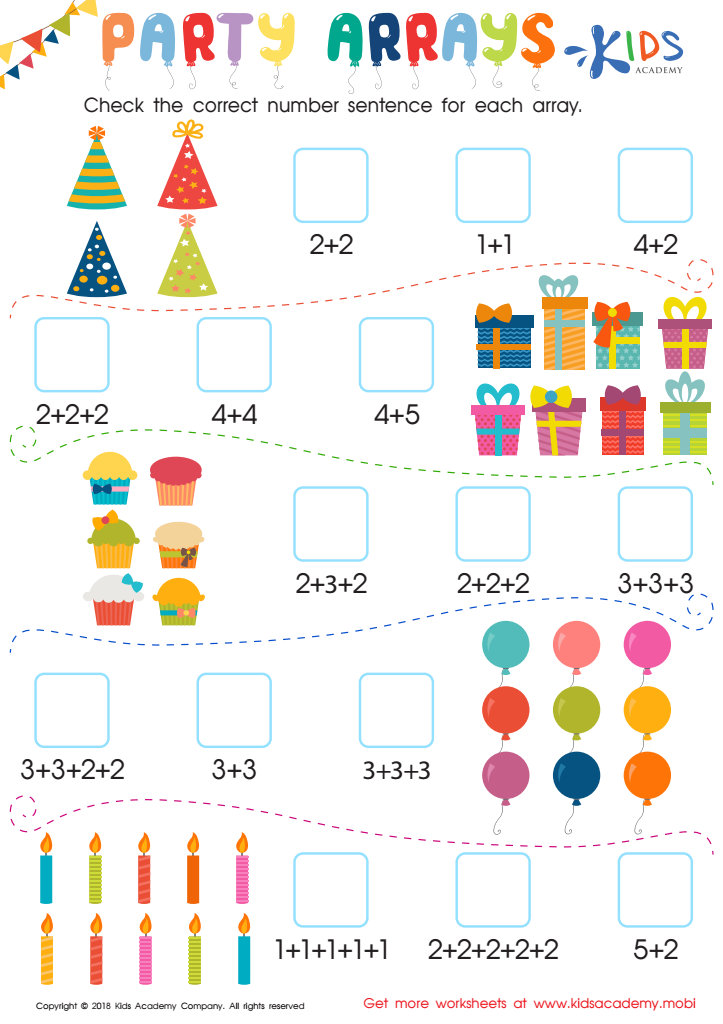
Party Arrays Worksheet
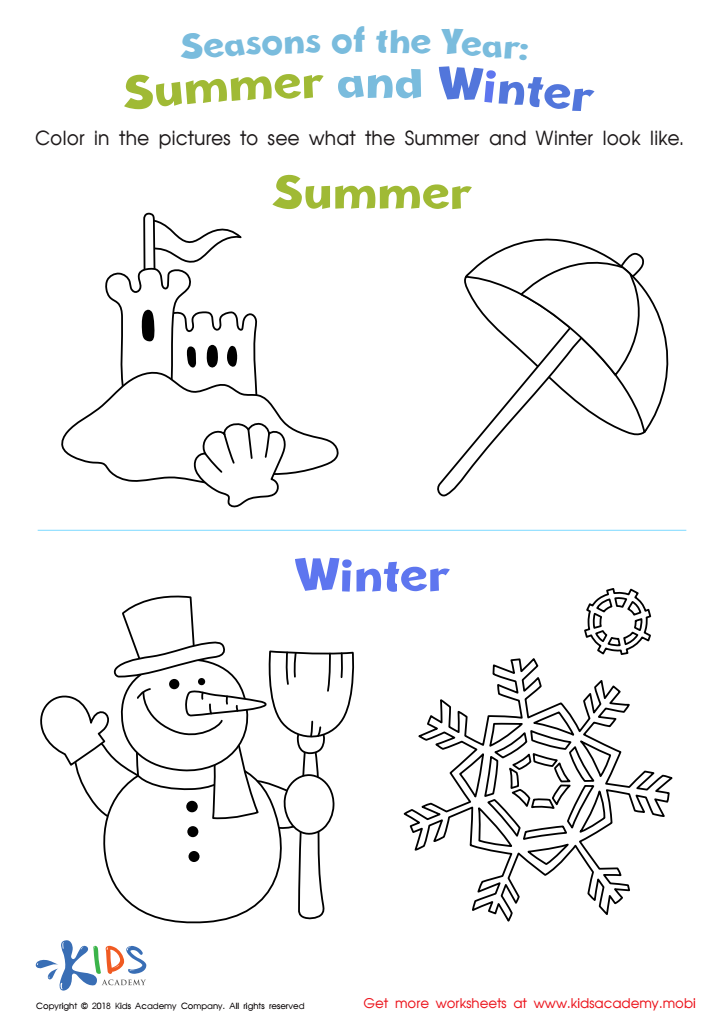
Summer and Winter Worksheet
 Assign to My Students
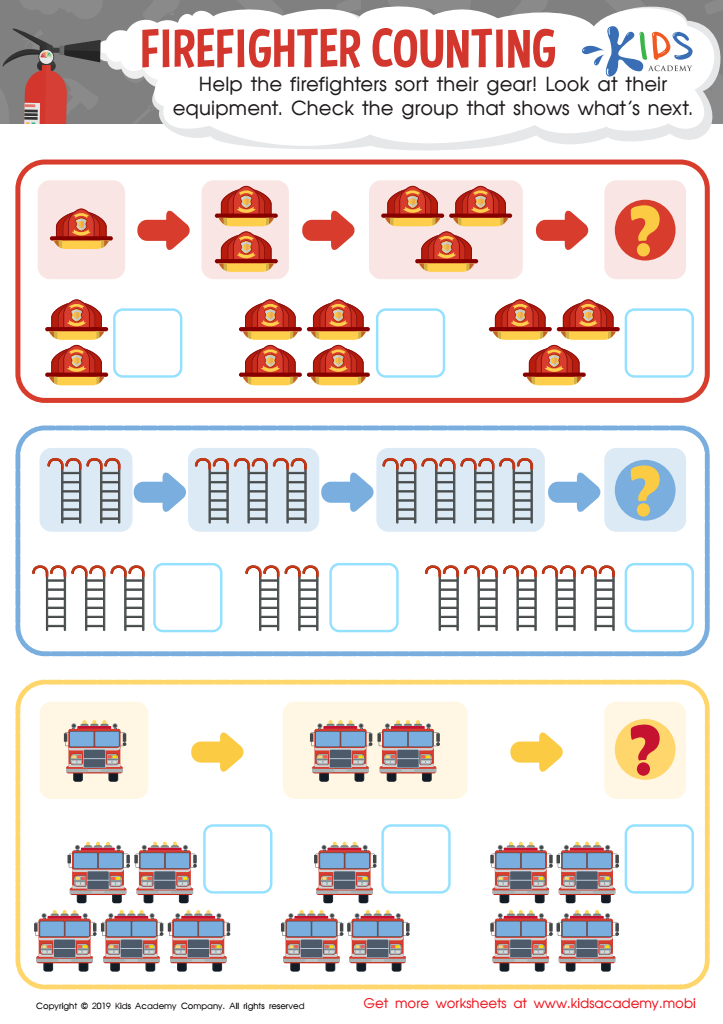
Firefighter Counting Worksheet






.jpg)

Observational skills are crucial for children aged 4-9 as they lay the foundation for learning and development. Parents and teachers should prioritize nurturing these skills because they enhance the ability to notice details, patterns, and changes in the environment. At this age, children are naturally curious, and effective observation serves as a gateway to exploration and discovery.
By honing observational skills, children become better at critical thinking and problem-solving. They learn to ask questions, analyze information, and make connections between different concepts. This boosts their cognitive development, making learning in subjects like science, art, and literature more engaging and meaningful.
Additionally, strong observational skills promote emotional intelligence. Children learn to read social cues and recognize the feelings of others, enriching their interpersonal relationships. This empathy is vital for collaboration, teamwork, and effective communication.
For teachers, fostering observational skills in the classroom creates a more dynamic and interactive learning environment. It encourages active participation, enabling children to engage with lessons more deeply. For parents, these skills can enhance everyday interactions, leading to more enriching experiences at home. In short, nurturing observational skills benefits cognitive, emotional, and social development, paving the way for lifelong learning and success.








