Alphabet Recognition Easy Alphabet Worksheets for 4-Year-Olds
9 filtered results
-
From - To
Discover our engaging "Alphabet Recognition Easy Worksheets" specifically designed for 4-year-olds! These fun and interactive worksheets provide a perfect introduction to the alphabet, making learning enjoyable for little ones. Each worksheet features colorful illustrations and simple activities that promote letter recognition and phonetic skills. Your child will love identifying letters, matching them with pictures, and practicing their writing. These resources not only support early literacy development but also enhance fine motor skills and critical thinking. Visit our site today to enrich your child's learning experience and foster a love for reading and writing from an early age!
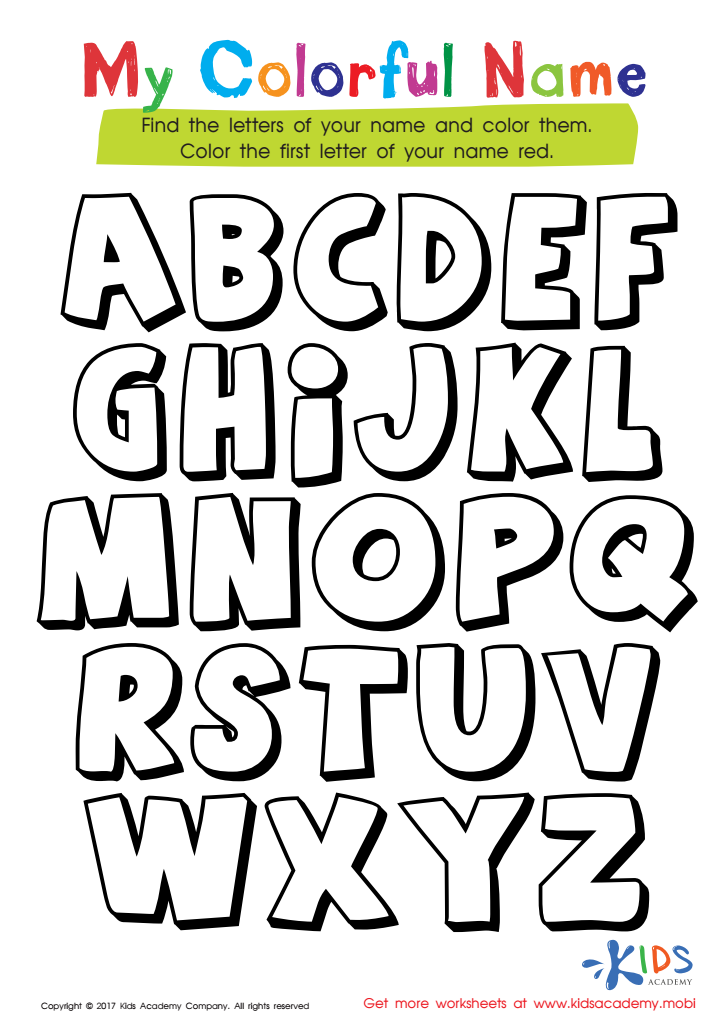
My Colorful Name Worksheet
 Assign to My Students
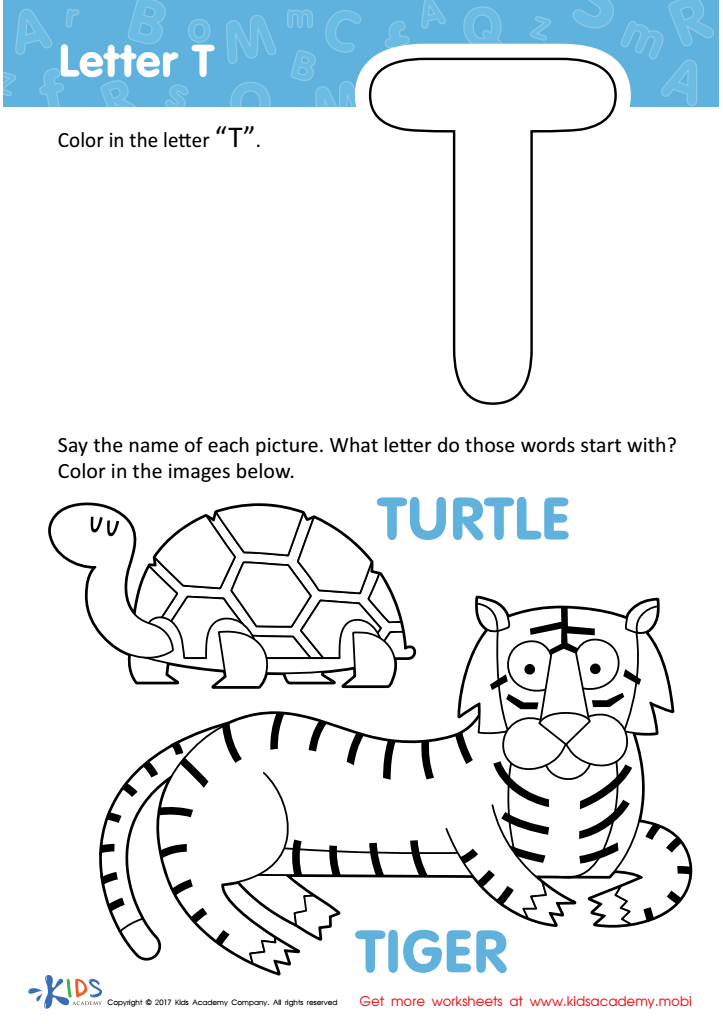
Letter T Coloring Sheet
Assign to My Students
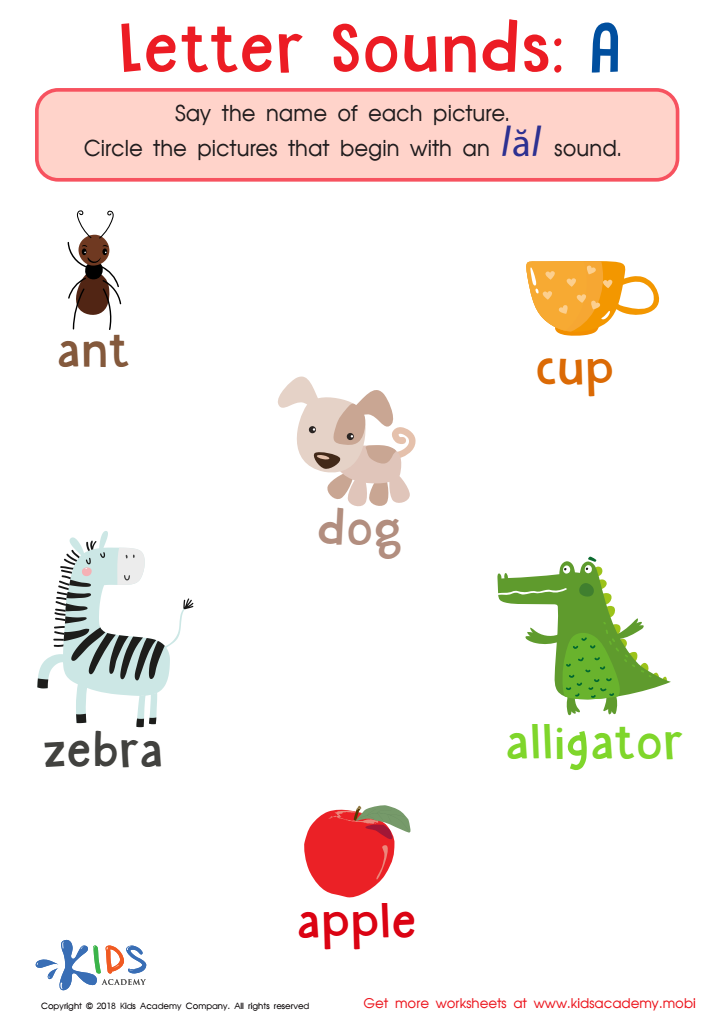
Letter A Sounds Worksheet
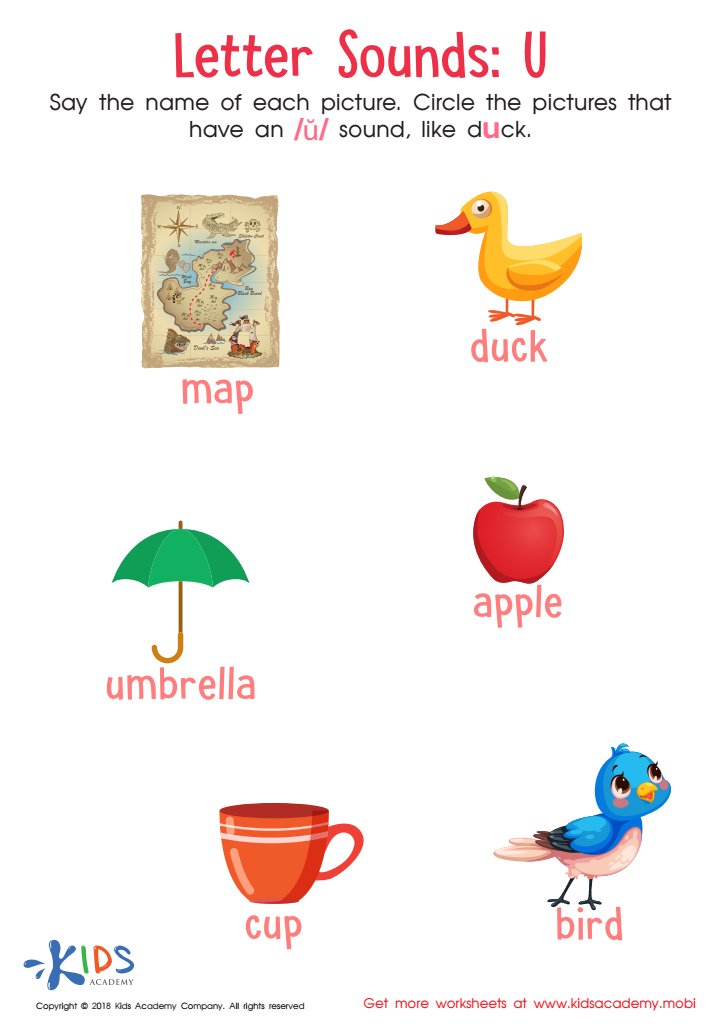
Letter U Sounds Worksheet
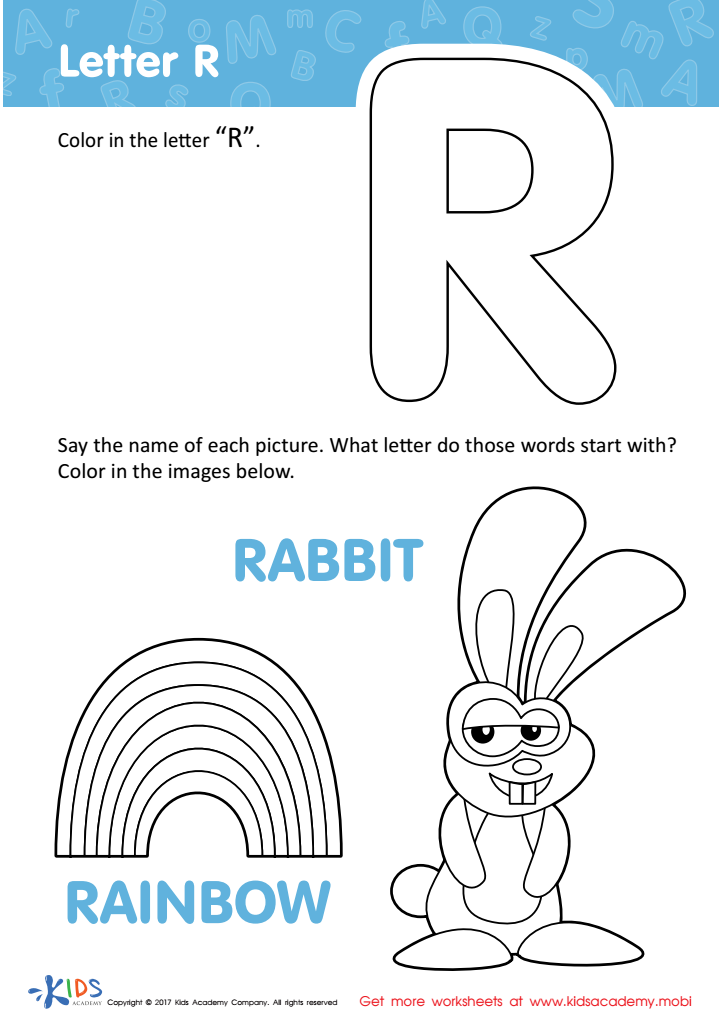
Letter R Coloring Sheet
Assign to My Students
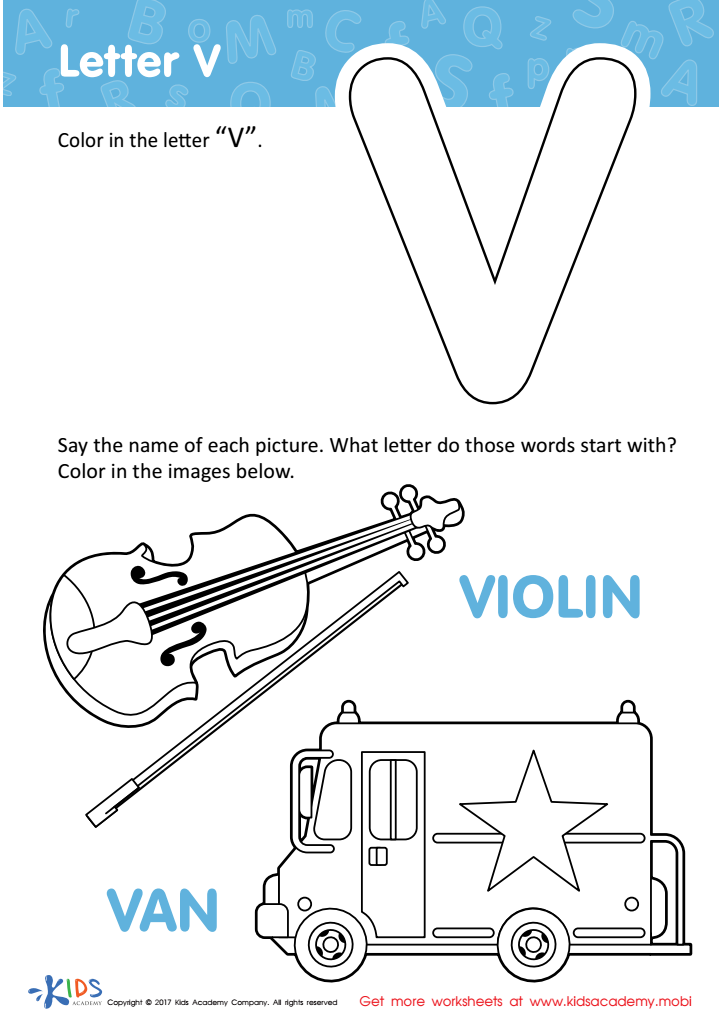
Letter V Coloring Sheet
Assign to My Students
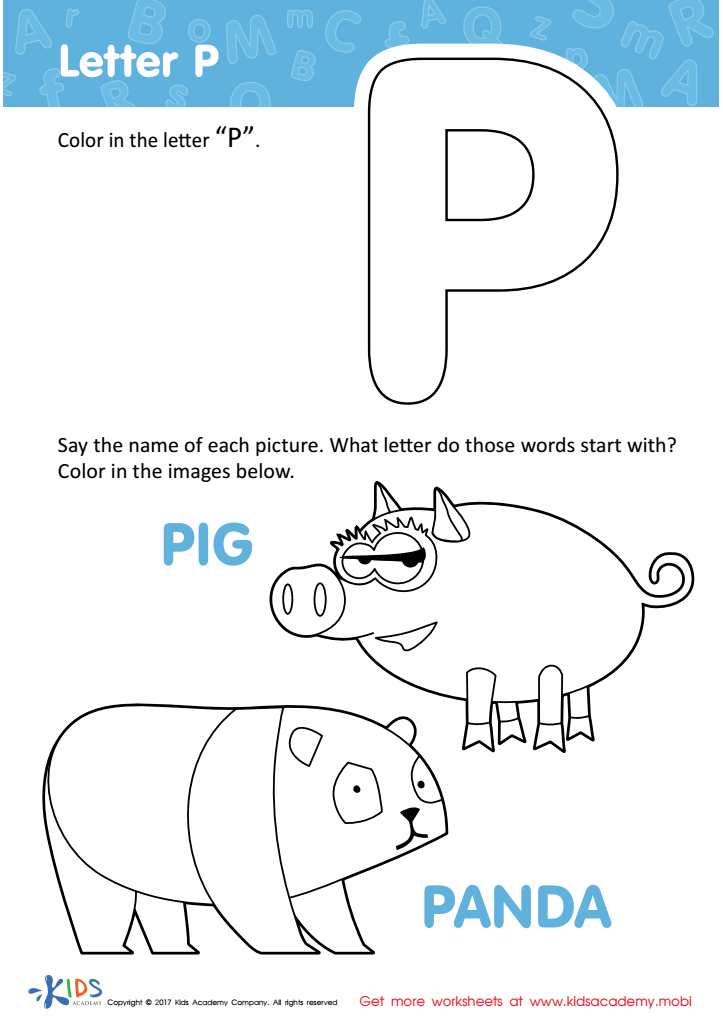
Letter P Coloring Sheet
Assign to My Students
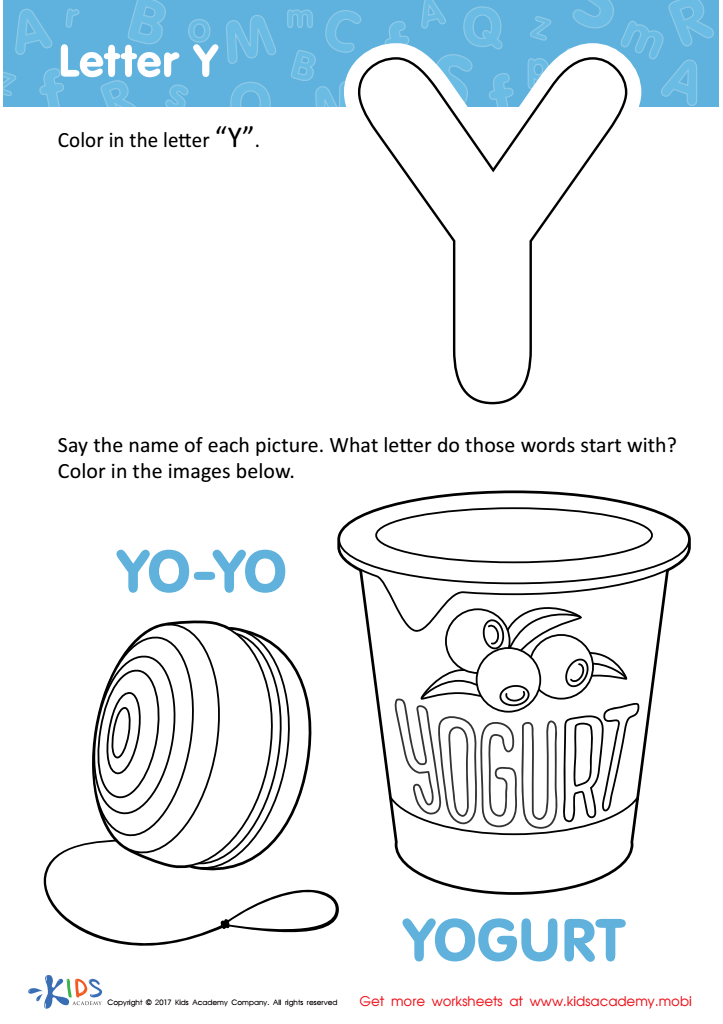
Letter Y Coloring Sheet
Assign to My Students
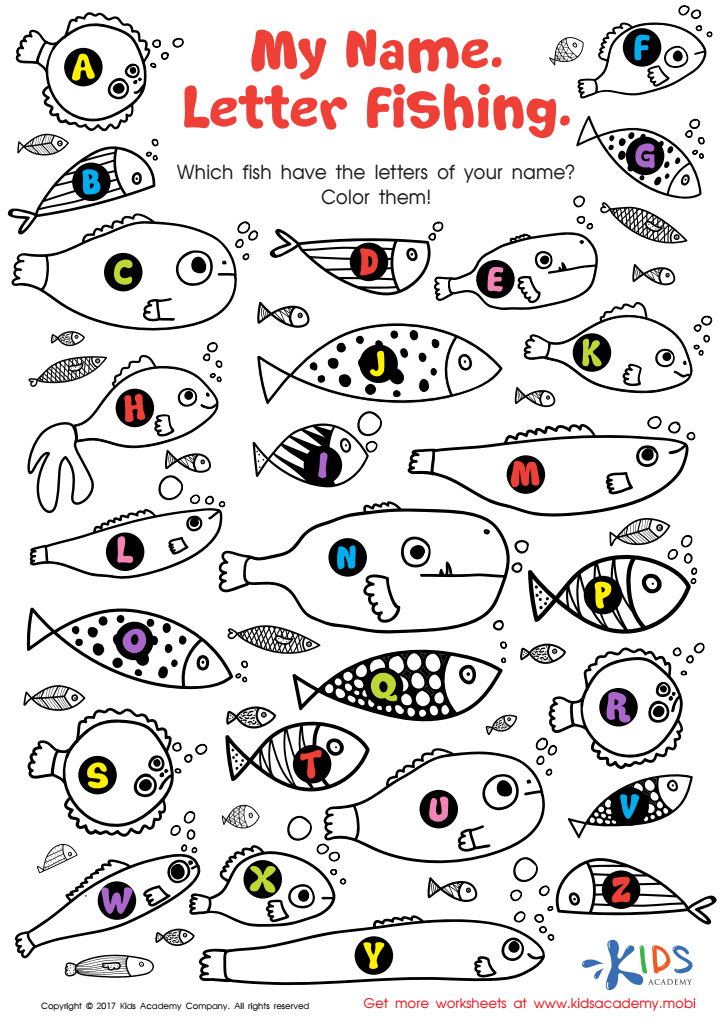
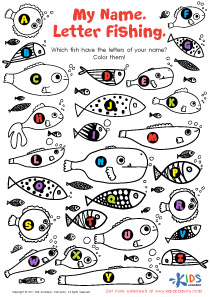
My Name: Letter Fishing Worksheet
Assign to My Students








Alphabet recognition is a fundamental skill for 4-year-olds, forming the foundation for future literacy and communication abilities. Parents and teachers should prioritize familiarizing children with the alphabet, as it aids in building confidence and enthusiasm for reading.
Understanding letter shapes and sounds enhances phonemic awareness, pivotal for developing reading skills. Early exposure to the alphabet assists children in connecting letters with their corresponding sounds, making it easier for them to decode words later. Furthermore, learning letters boosts vocabulary development, enabling kids to identify, sound out, and use new words effectively.
Engaging with alphabet recognition through games, songs, and interactive activities can make the learning process enjoyable, encouraging lifelong learning. Such activities also provide opportunities for social interaction, enhancing communication skills while fostering collaboration and teamwork.
Moreover, alphabet recognition contributes to a child’s cognitive development by enhancing memory and critical thinking skills through various learning activities. Ultimately, prioritizing alphabet recognition can set a solid foundation that will cultivate a love for reading, writing, and learning, vital skills for success in school and beyond. By investing time and effort into this area, parents and teachers can significantly influence a child's educational journey and overall development.