Alphabet Recognition Easy Worksheets for 4-Year-Olds
9 filtered results
-
From - To
Welcome to our Alphabet Recognition Easy Worksheets for 4-Year-Olds! Designed specifically for young learners, these engaging worksheets make mastering the alphabet fun and enjoyable. Each activity promotes letter recognition through colorful visuals and interactive exercises. Kids will love tracing letters, identifying uppercase and lowercase, and connecting them to familiar objects. Perfect for parents and teachers, these worksheets foster early literacy skills while keeping children entertained. Use them for at-home practice or in the classroom. Watch your little ones develop confidence in their alphabet knowledge as they progress with each playful worksheet. Get started on their alphabet journey today!
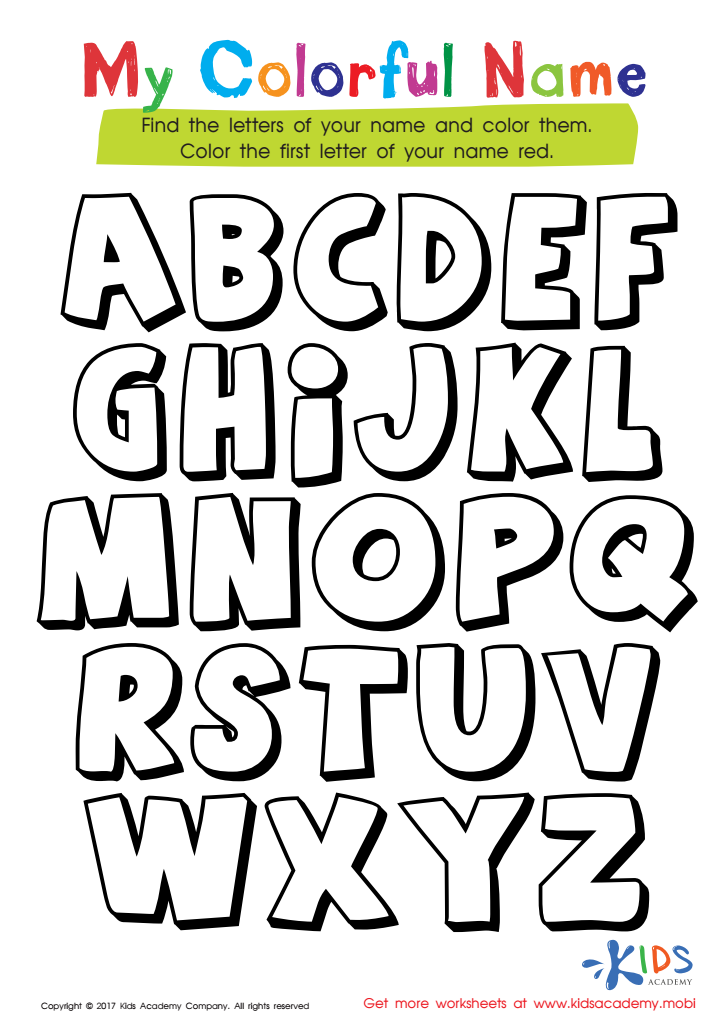
My Colorful Name Worksheet
 Assign to My Students
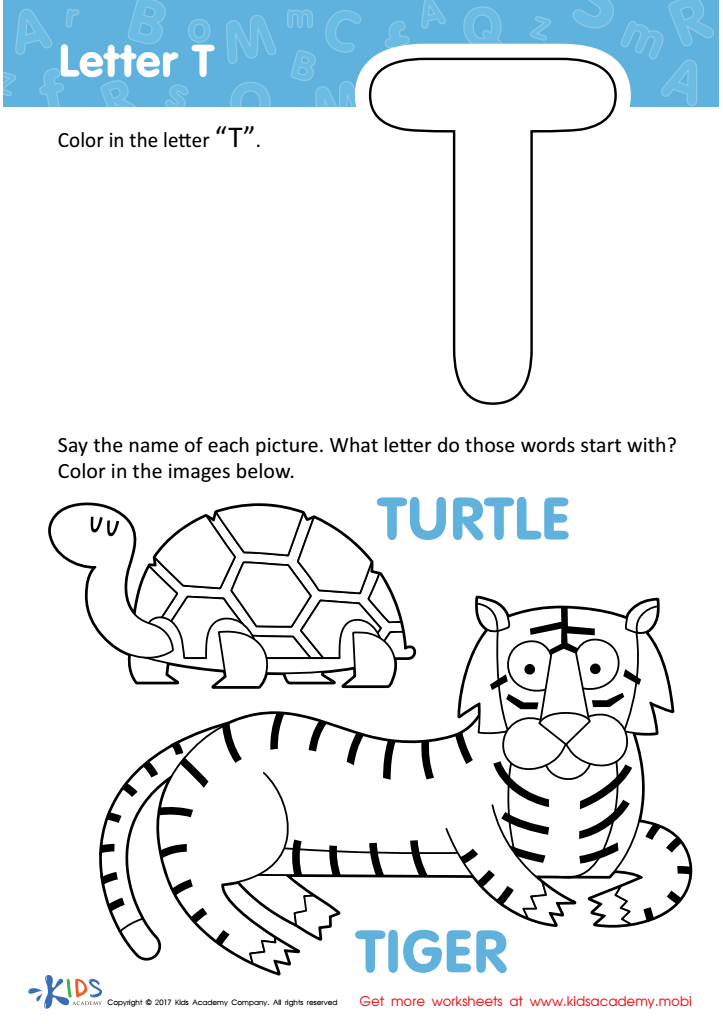
Letter T Coloring Sheet
Assign to My Students
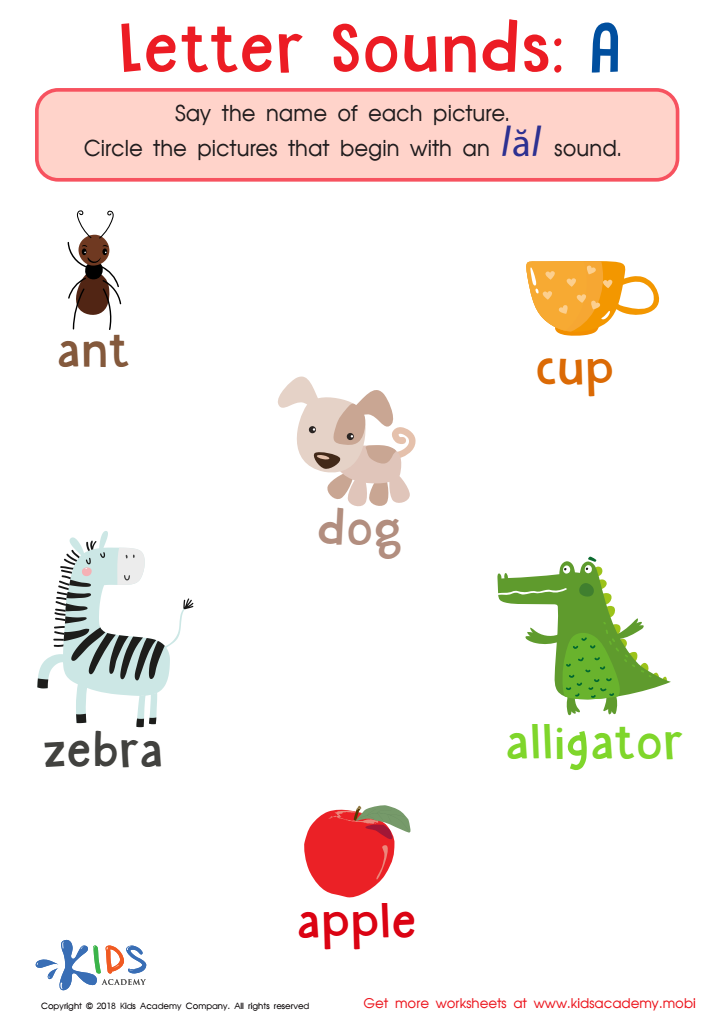
Letter A Sounds Worksheet
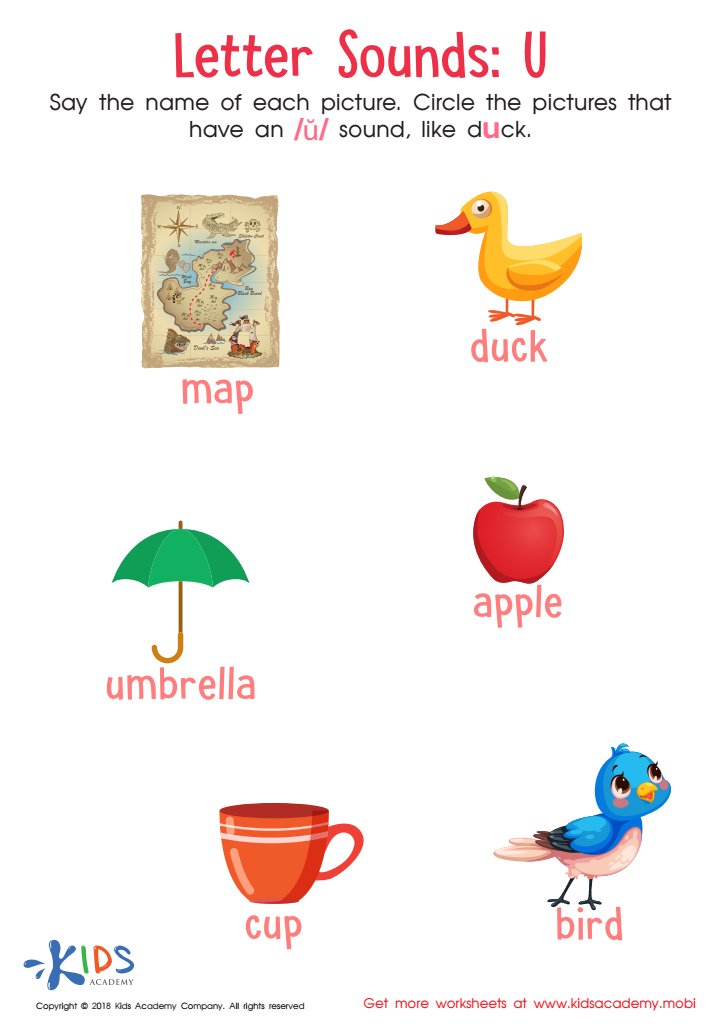
Letter U Sounds Worksheet
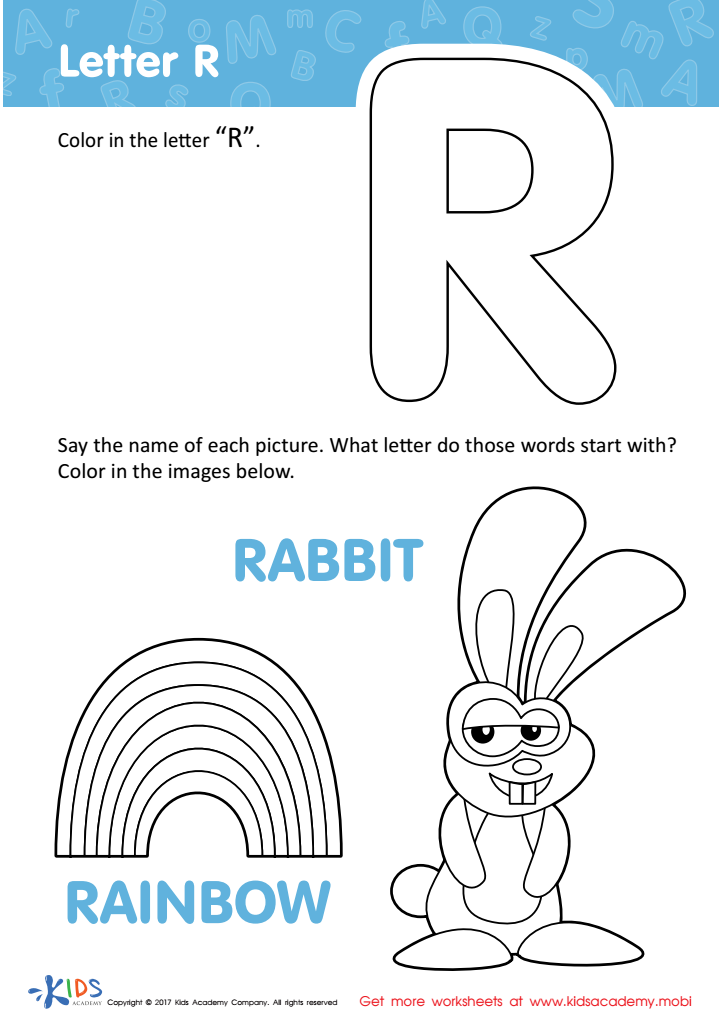
Letter R Coloring Sheet
Assign to My Students
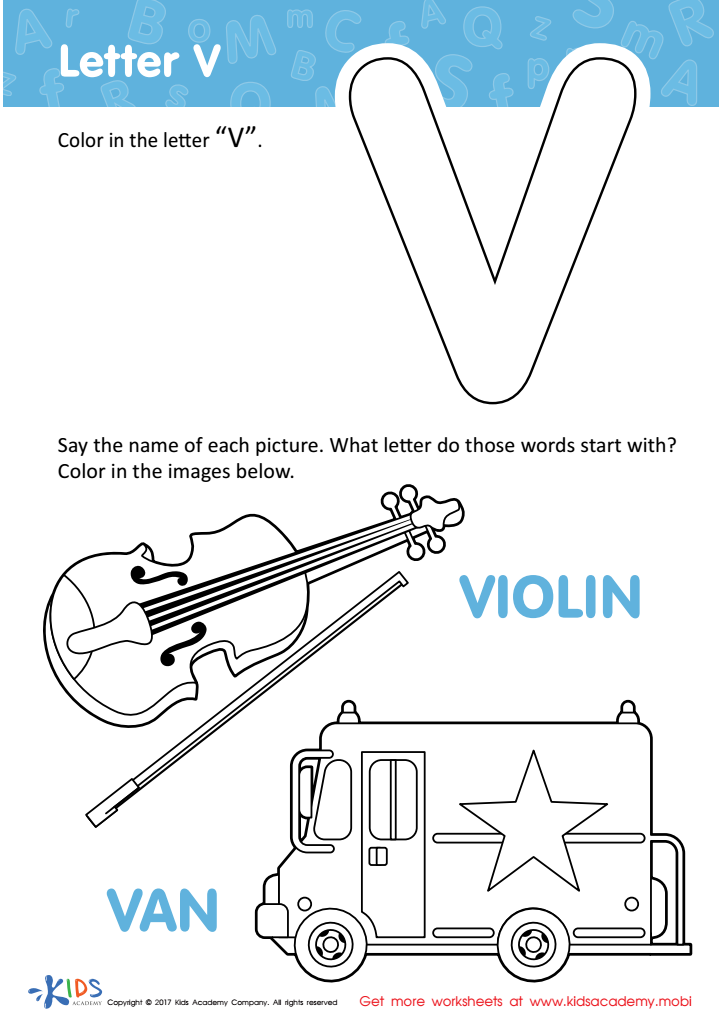
Letter V Coloring Sheet
Assign to My Students
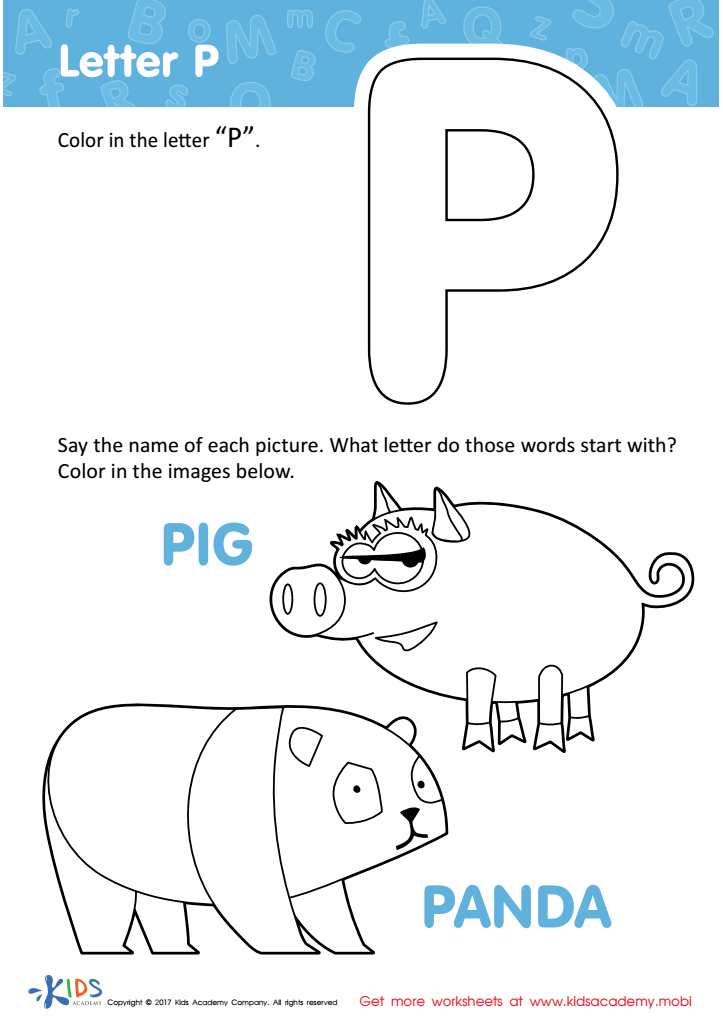
Letter P Coloring Sheet
Assign to My Students
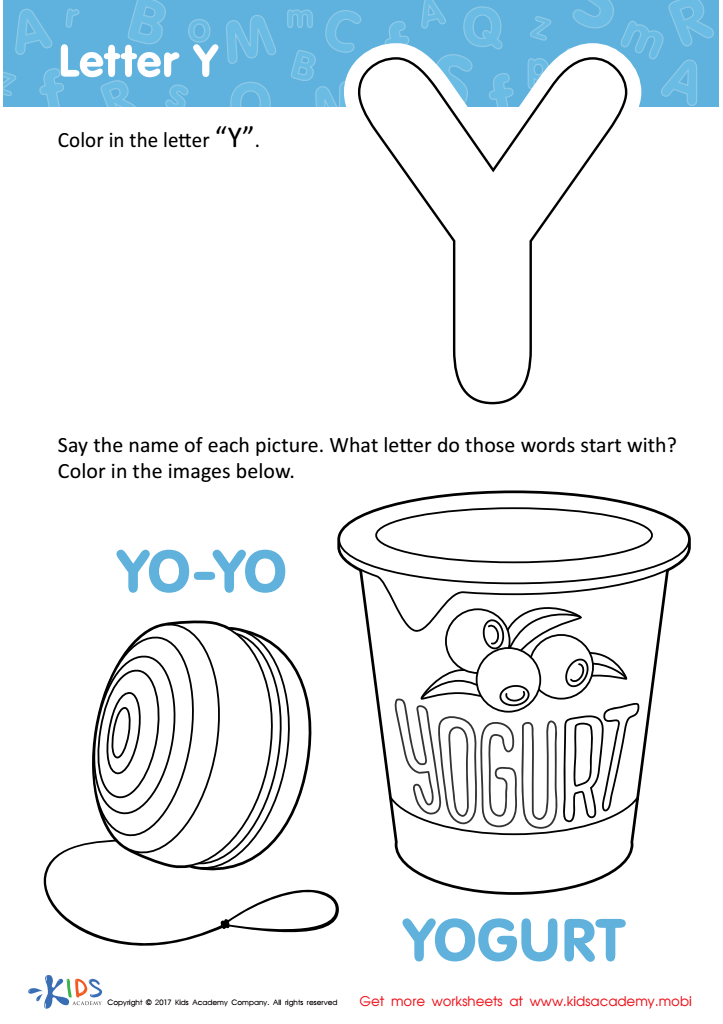
Letter Y Coloring Sheet
Assign to My Students
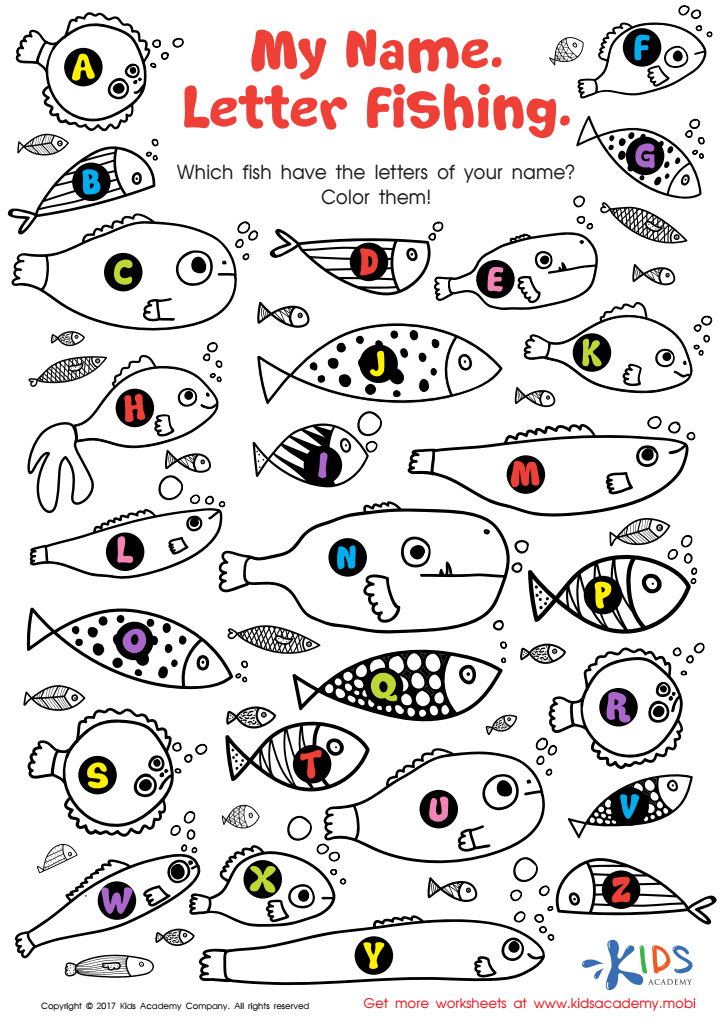
My Name: Letter Fishing Worksheet
Assign to My Students





Alphabet recognition is a critical foundational skill for 4-year-olds, significantly impacting their future literacy and academic success. As children engage with letters, they begin to understand the relationship between sounds and symbols, which is essential for reading and writing. This early exposure fosters phonemic awareness, enabling them to decode words, improve their vocabulary, and enhance their communication skills.
Parents and teachers play a pivotal role in nurturing this skill. By providing a rich and interactive learning environment, they can offer various activities, such as reading, singing, and playing alphabet games, that make learning fun and engaging. Recognizing letters also boosts children’s confidence, enabling them to participate actively in classroom discussions and group activities.
Moreover, early alphabet recognition lays the groundwork for classroom success. Children who are equipped with strong literacy skills are more likely to excel in later educational stages, perform better on standardized tests, and develop a lifelong love of reading. Ultimately, when parents and teachers prioritize alphabet recognition, they contribute to their child's overall development, prepare them for the academic challenges ahead, and instill essential communication skills necessary for their future interactions within the community.








