Shape identification Easy Worksheets for 4-Year-Olds
3 filtered results
-
From - To
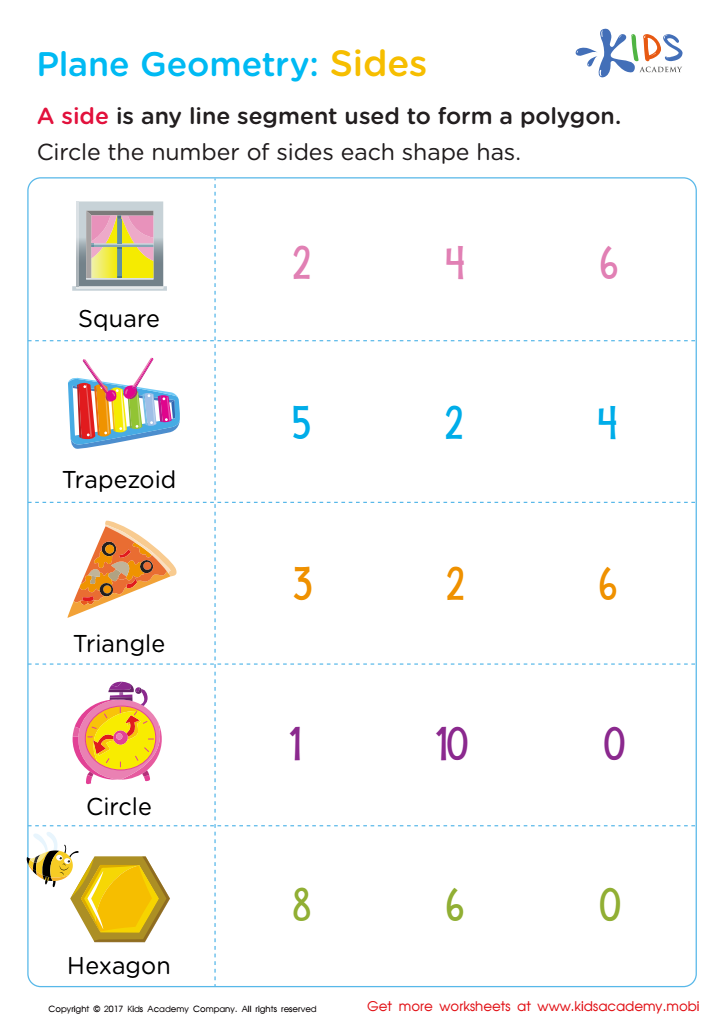
Welcome to our "Shape Identification Easy Worksheets for 4-Year-Olds" page! Here, you will find a collection of engaging and interactive worksheets designed to help your little ones master shape identification in a fun way. Our worksheets feature vibrant illustrations that capture children's attention and stimulate their learning. Each activity encourages children to recognize basic shapes like circles, squares, triangles, and more through playful exercises. Perfect for home or classroom use, these worksheets reinforce essential cognitive skills while enhancing fine motor development. Start your child's learning journey today with our easy-to-download worksheets and make shape identification a delightful experience!
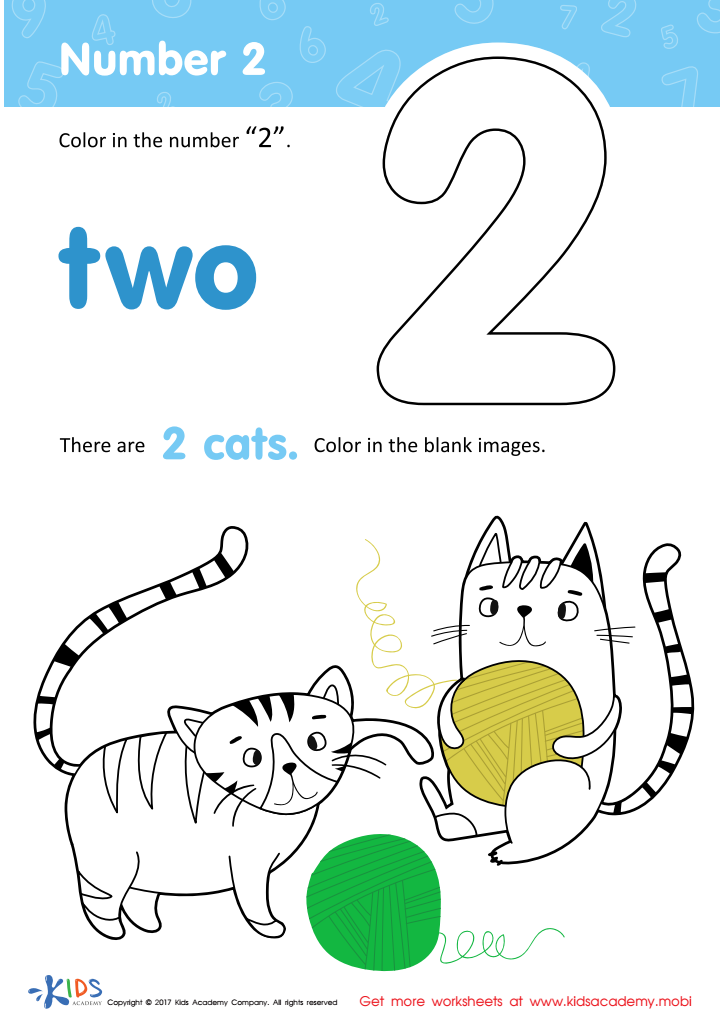
Number 2 Printable
 Assign to My Students
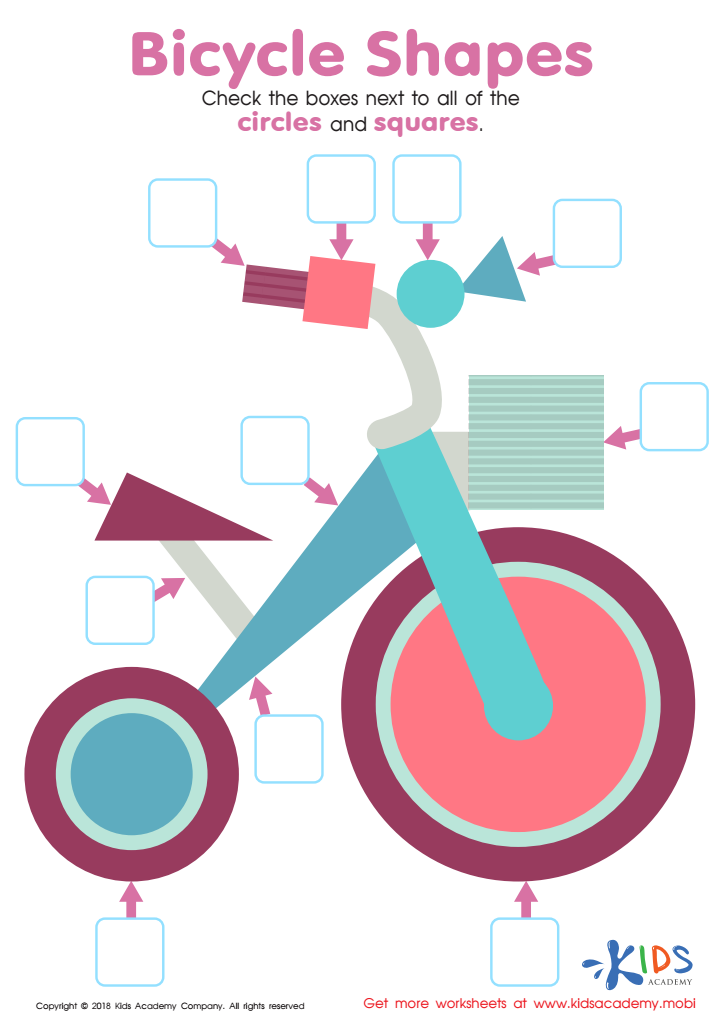
Bicycle Shapes Worksheet








Shape identification is crucial for 4-year-olds as it lays the foundation for their cognitive development and future learning. At this young age, children are naturally curious and develop skills through exploration. Recognizing basic shapes helps them make sense of the world around them, enhancing their observation and reasoning abilities.
Learning shapes enriches children's vocabulary and promotes communication skills. When parents and teachers engage kids in shape identification, they not only expand their language but also encourage social interaction while discussing shapes in everyday contexts. Additionally, shape recognition is integral to early math skills, as it introduces concepts like symmetry, patterns, and spatial awareness.
Furthermore, shape identification boosts fine motor skills through activities like drawing, cutting, and crafting shapes, which support hand-eye coordination and dexterity. Understanding shapes also fosters creativity—they learn to combine shapes to create new objects or art.
Ultimately, when parents and teachers prioritize shape identification, they are supporting well-rounded growth in multiple areas—cognitive, linguistic, social, and motor. Engaging children in fun and interactive learning experiences with shapes can also build a lifelong love for learning and exploration, setting the stage for academic success.








