Alphabet Recognition Easy Worksheets for Ages 5-6
9 filtered results
-
From - To
Discover our Alphabet Recognition Easy Worksheets, specially designed for children aged 5-6. These engaging and colorful worksheets help young learners identify and write each letter of the alphabet with fun activities. Boost your child's early literacy skills with tracing, matching, and letter coloring exercises. Our worksheets are perfect for preschool and kindergarten students who are beginning to understand letters and their sounds. Each sheet encourages confidence and learning at an early age, laying a solid foundation for future reading and writing success. Enhance your child’s alphabet proficiency with our expertly crafted, easy-to-follow resources.
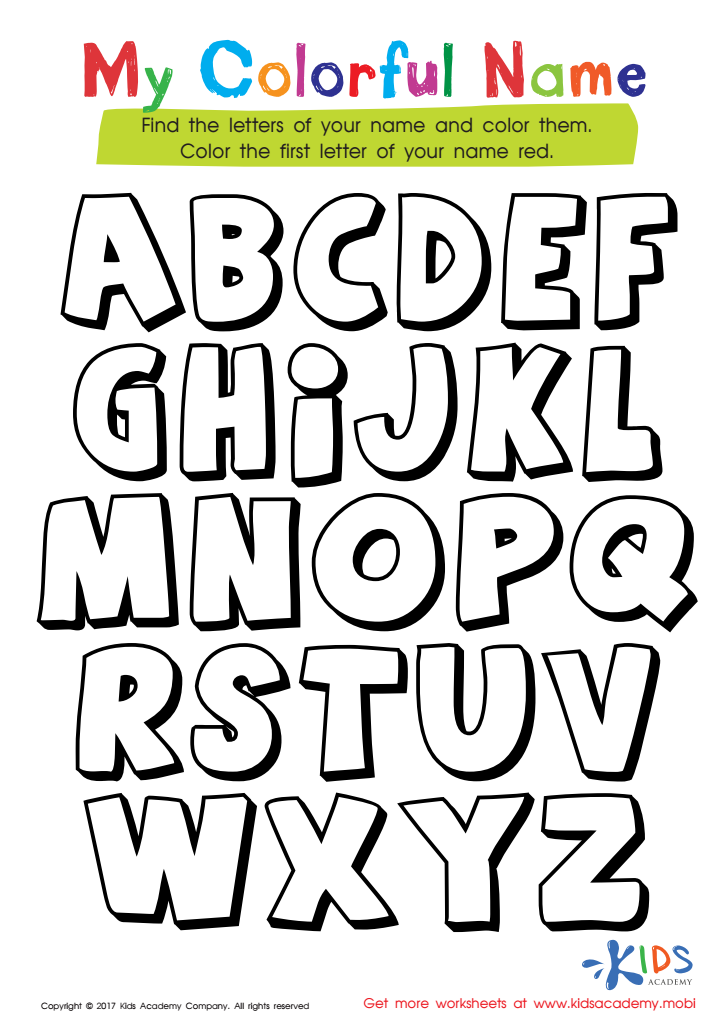
My Colorful Name Worksheet
 Assign to My Students
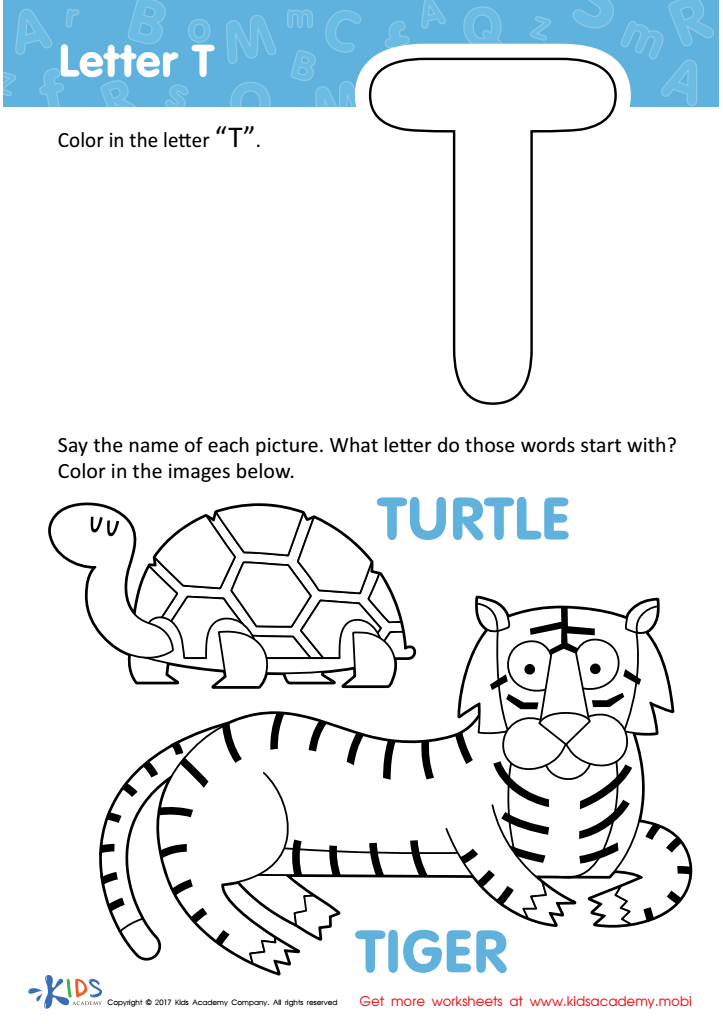
Letter T Coloring Sheet
Assign to My Students
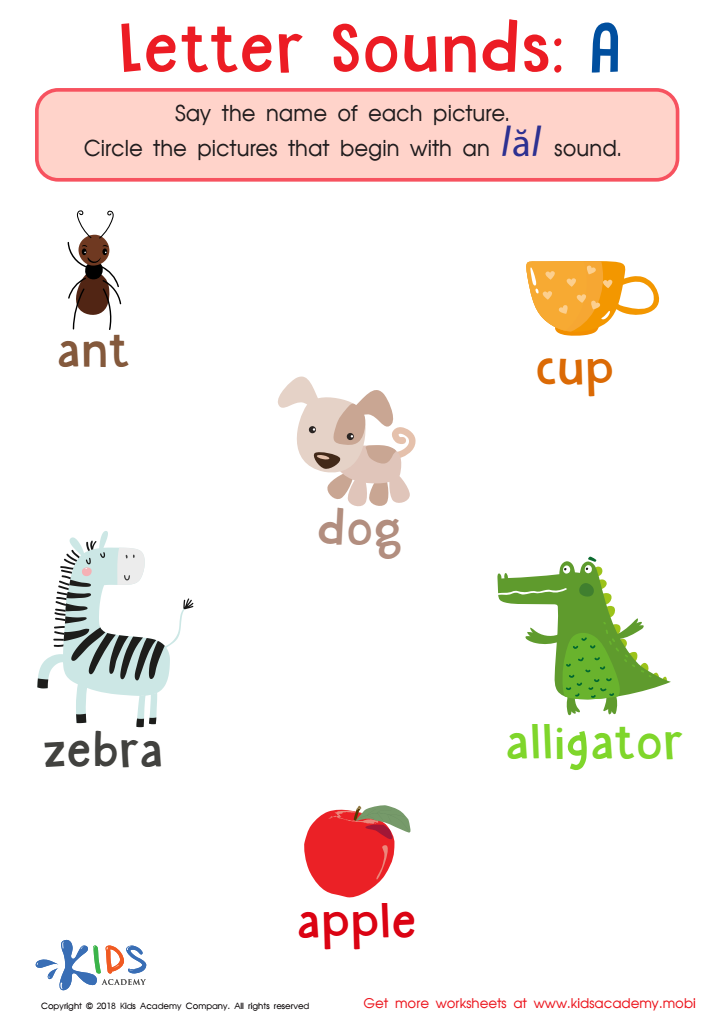
Letter A Sounds Worksheet
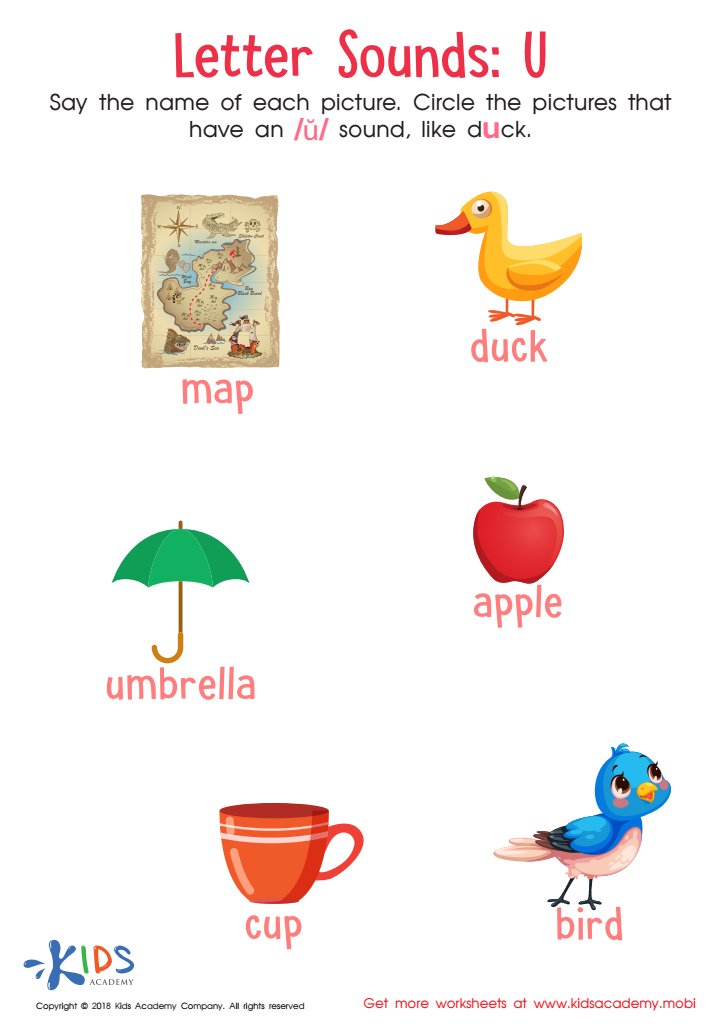
Letter U Sounds Worksheet
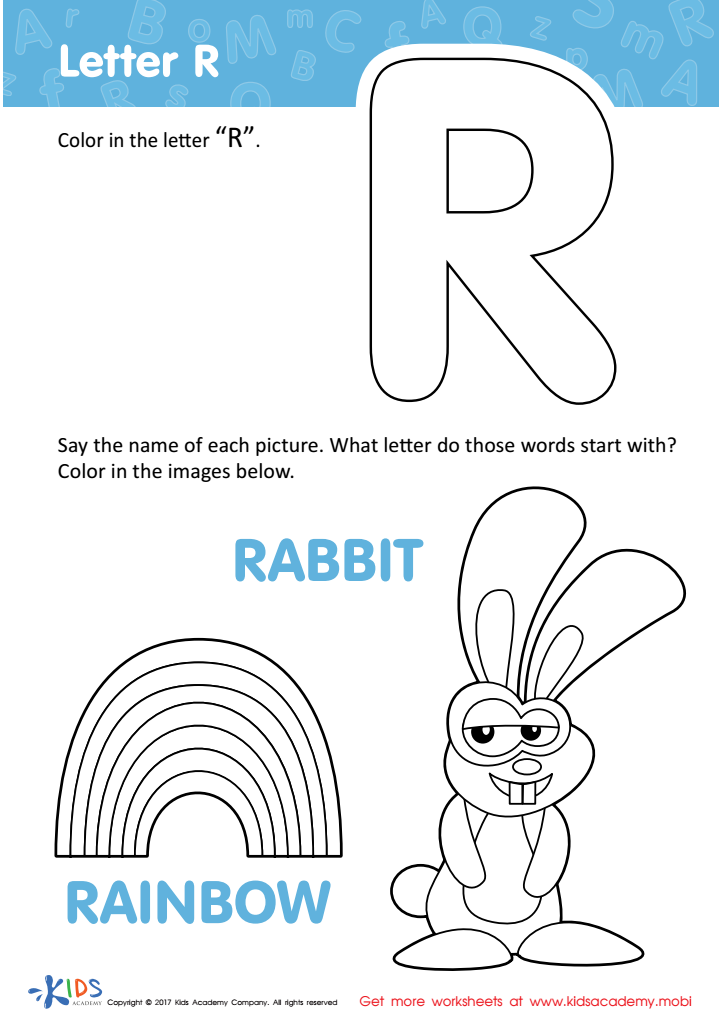
Letter R Coloring Sheet
Assign to My Students
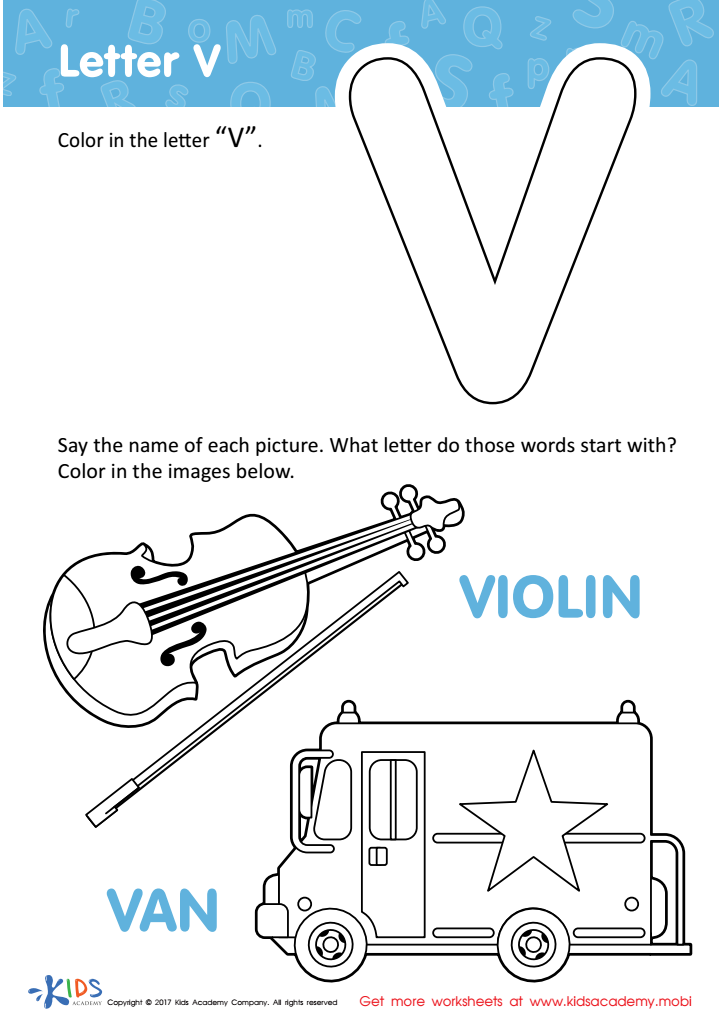
Letter V Coloring Sheet
Assign to My Students
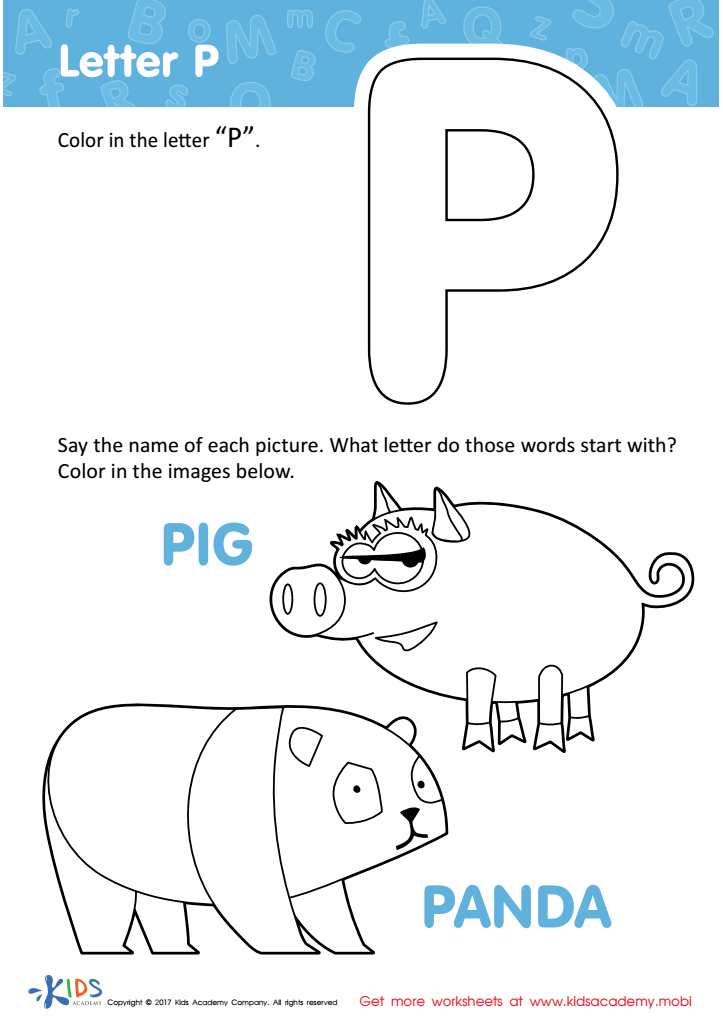
Letter P Coloring Sheet
Assign to My Students
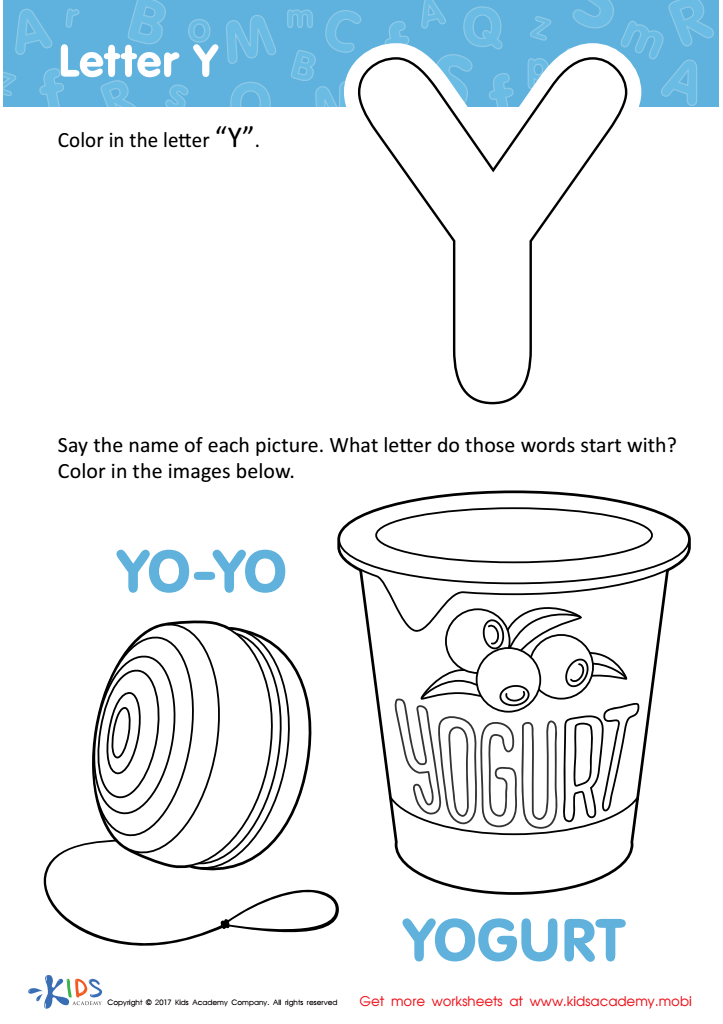
Letter Y Coloring Sheet
Assign to My Students
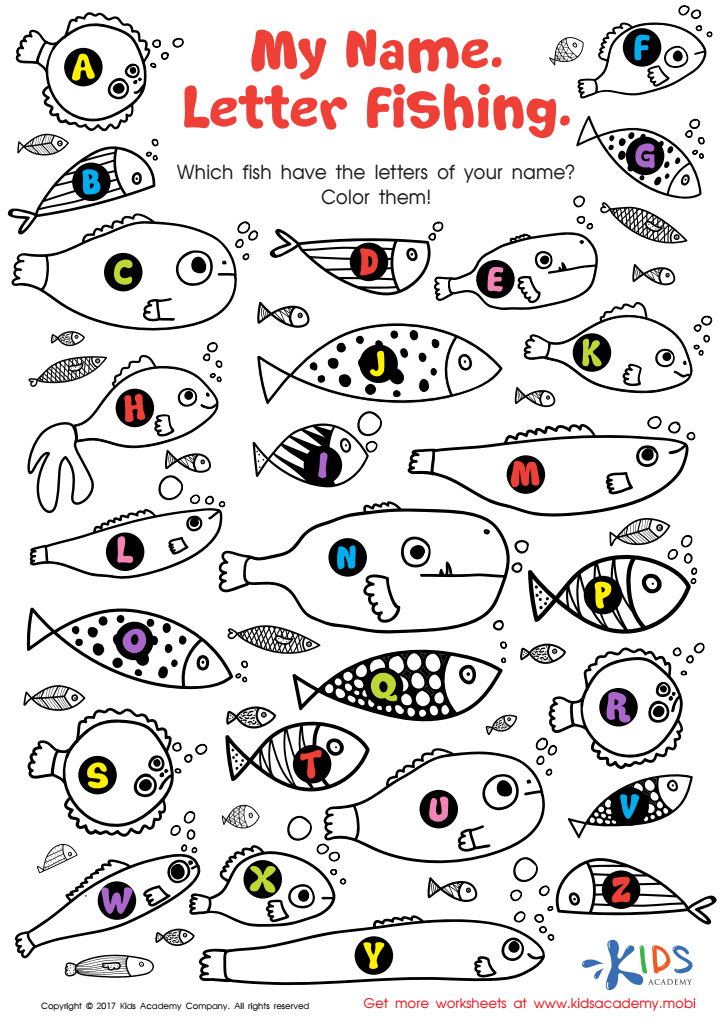
My Name: Letter Fishing Worksheet
Assign to My Students







Alphabet recognition is a fundamental skill for young children, usually aimed at those between the ages of 5 and 6, and lays the groundwork for future academic success. Parents and teachers should prioritize it because it's the first critical step on the path to read proficiency. Understanding and recognizing letters enables children to engage with more complex literacy skills, such as phonemic awareness and word blending.
At this pivotal age, children's cognitive abilities are rapidly developing, allowing them to absorb new concepts with remarkable ease. Introducing alphabet recognition helps to foster an enjoyable and exploratory learning environment, ensuring that children develop a positive association with reading and learning.
Furthermore, early alphabet recognition contributes significantly to a child's overall confidence and self-esteem. When children master basic skills early, they are more likely to approach future learning with enthusiasm and resilience, setting a precedent for lifelong educational engagement.
Lastly, alphabet recognition is essential for all subsequent literacy instruction. When children are familiar with letters, they can better follow reading and writing activities in the classroom. This fundamental skill supports seamless transitions into more advanced literacy skills, creating a coherent flow in the learning process from one stage to the next.
By prioritizing alphabet recognition at ages 5-6, parents and teachers help establish a robust foundation for academic achievement and lifelong learning habits.








