Color recognition Easy Worksheets for Ages 5-6
34 filtered results
-
From - To
Explore our engaging Color Recognition Easy Worksheets, designed specifically for children aged 5-6. These worksheets offer a fun and interactive way for young learners to identify and differentiate between colors while building essential skills. With bright illustrations and simple exercises, children will enjoy matching, coloring, and naming colors to boost their confidence and understanding. Ideal for home or classroom use, our worksheets support hands-on learning, helping kids to develop keen color recognition skills through play. Easy to print and use, these resources make learning about colors an enjoyable adventure for your little ones.
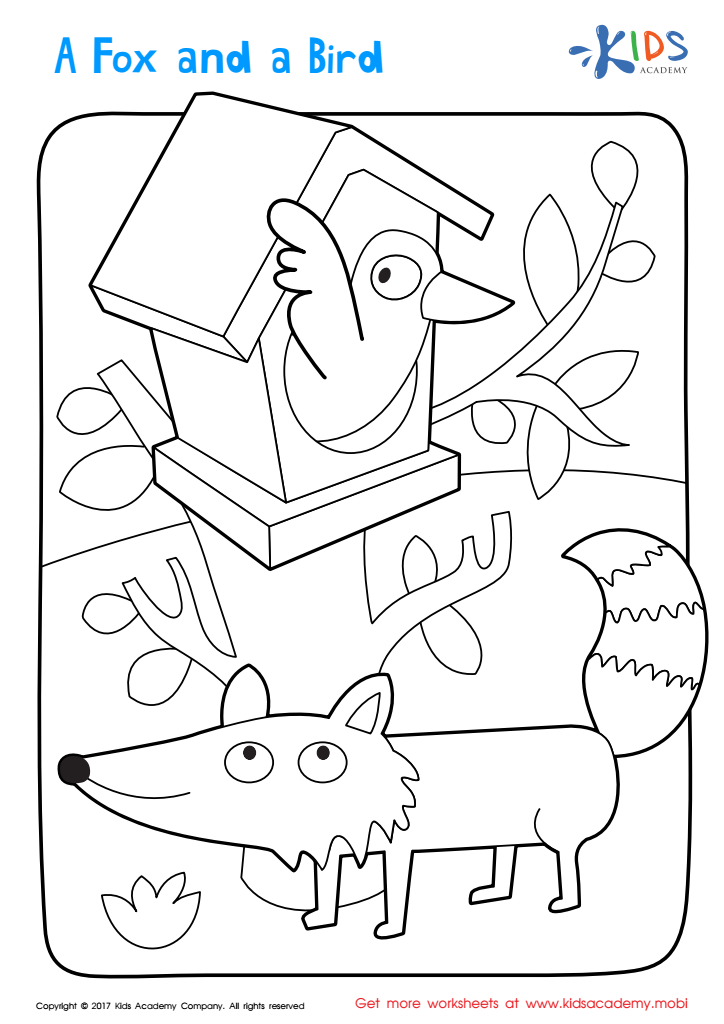
A Fox and Bird Coloring Page
 Assign to My Students
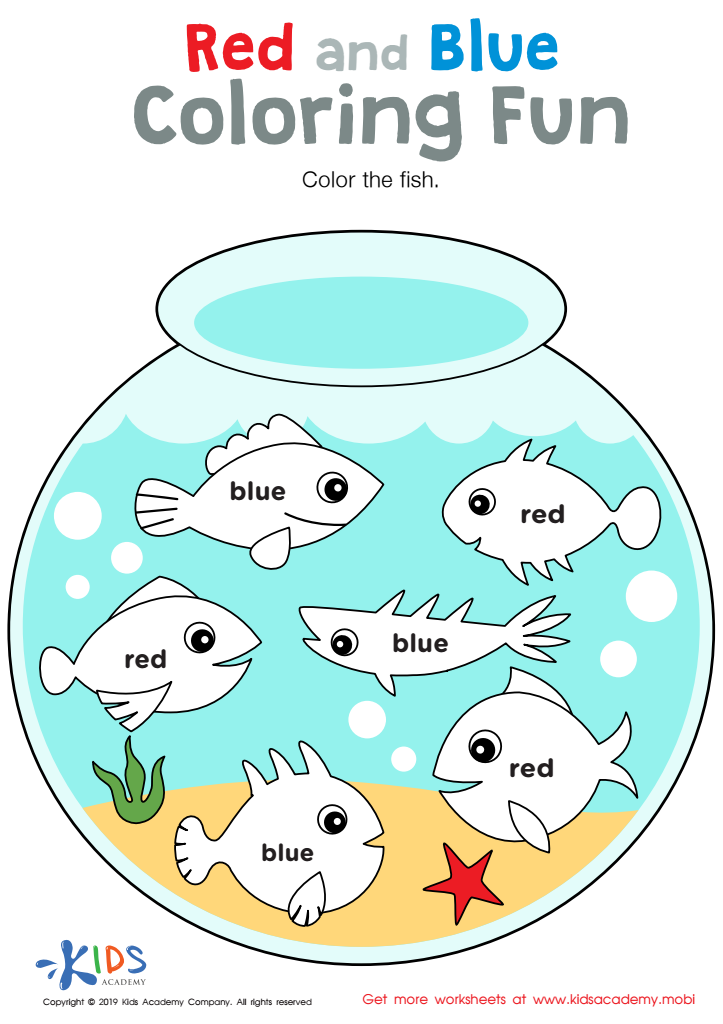
Red and Blue Coloring Fun Worksheet
Assign to My Students

Happy Diwali Printable
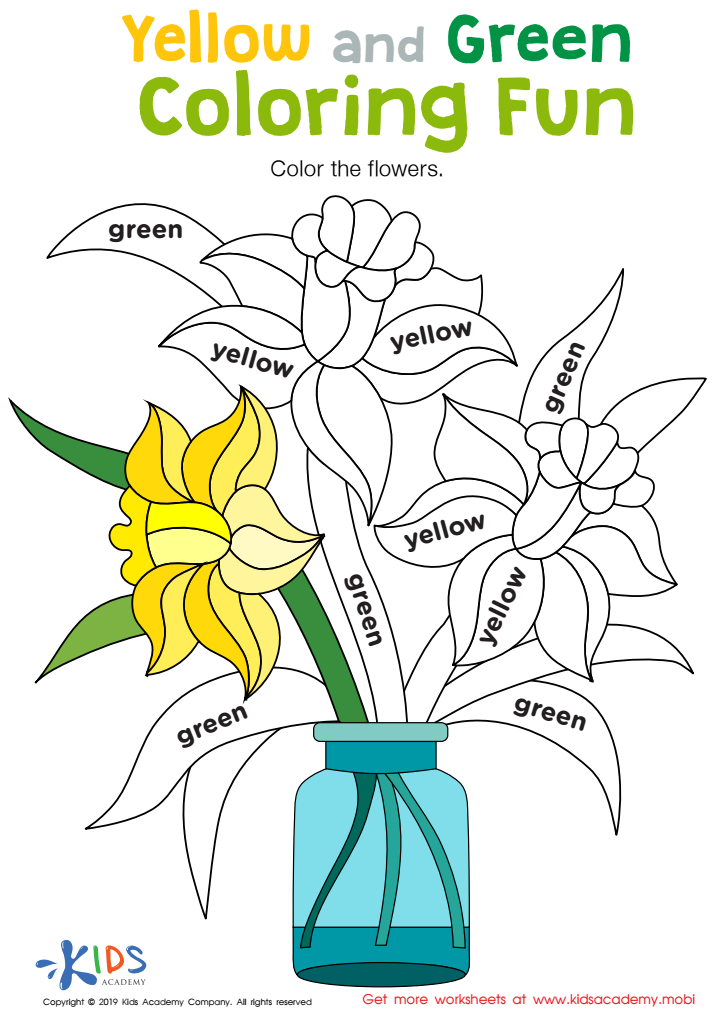
Yellow and Green Coloring Fun Worksheet
Assign to My Students
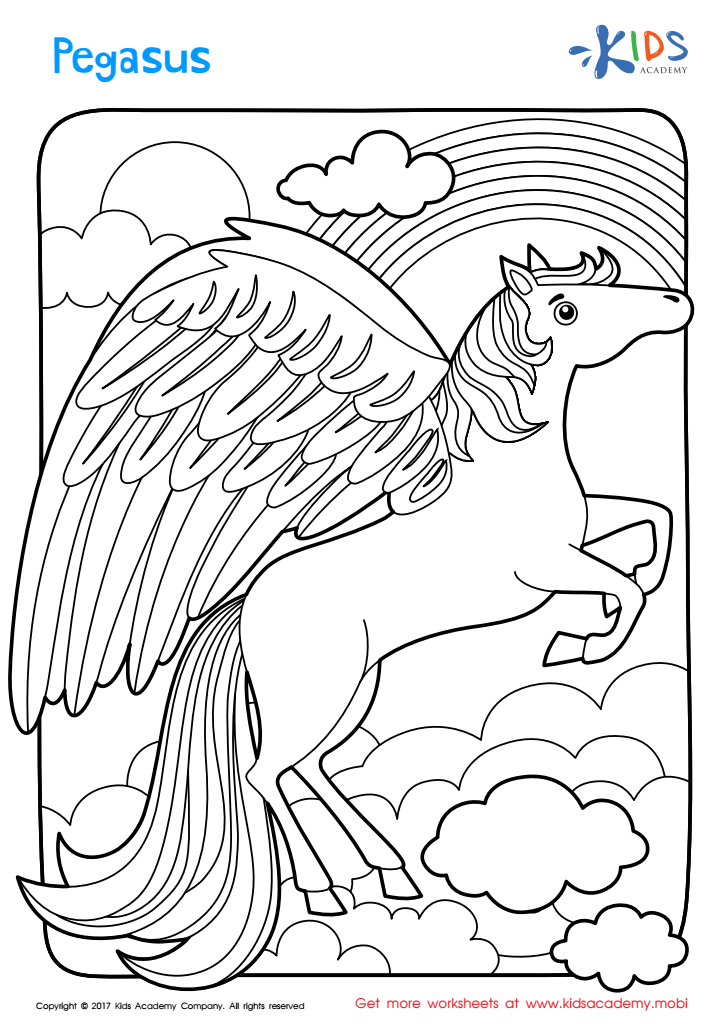
Pegasus Printable
Assign to My Students
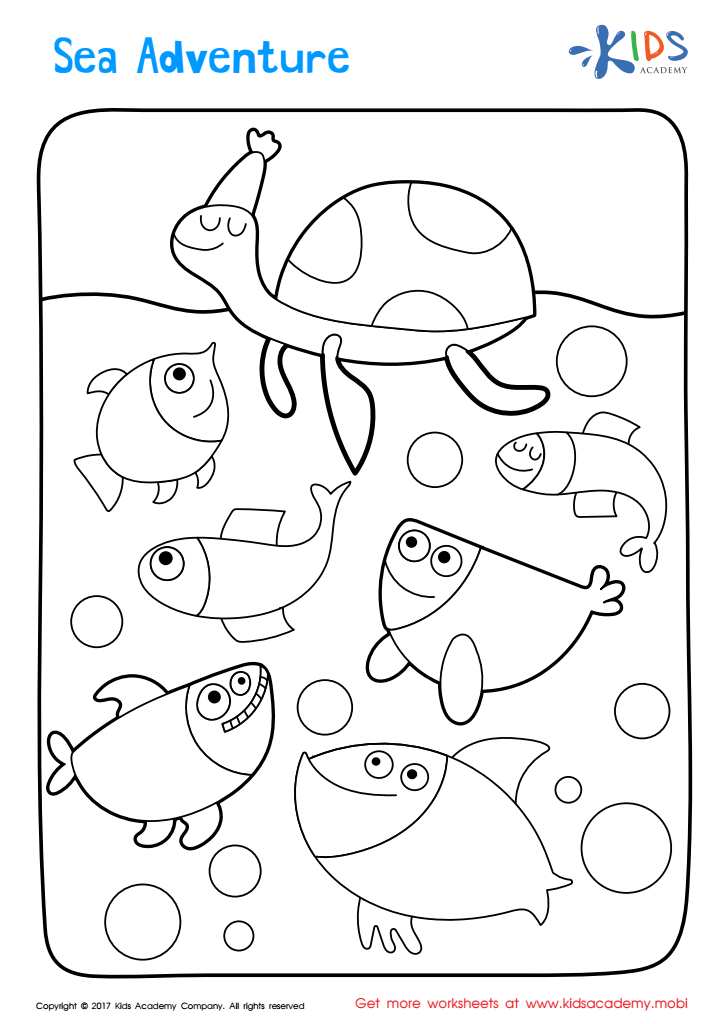
Sea Adventure Coloring Page
Assign to My Students
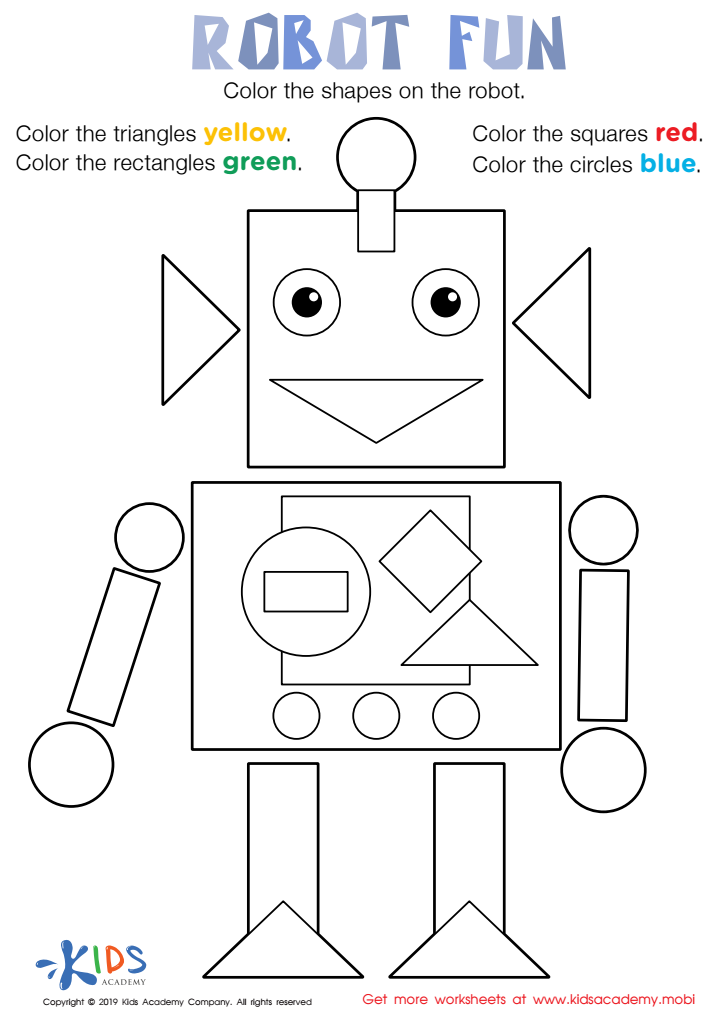
Robot Fun Worksheet
Assign to My Students
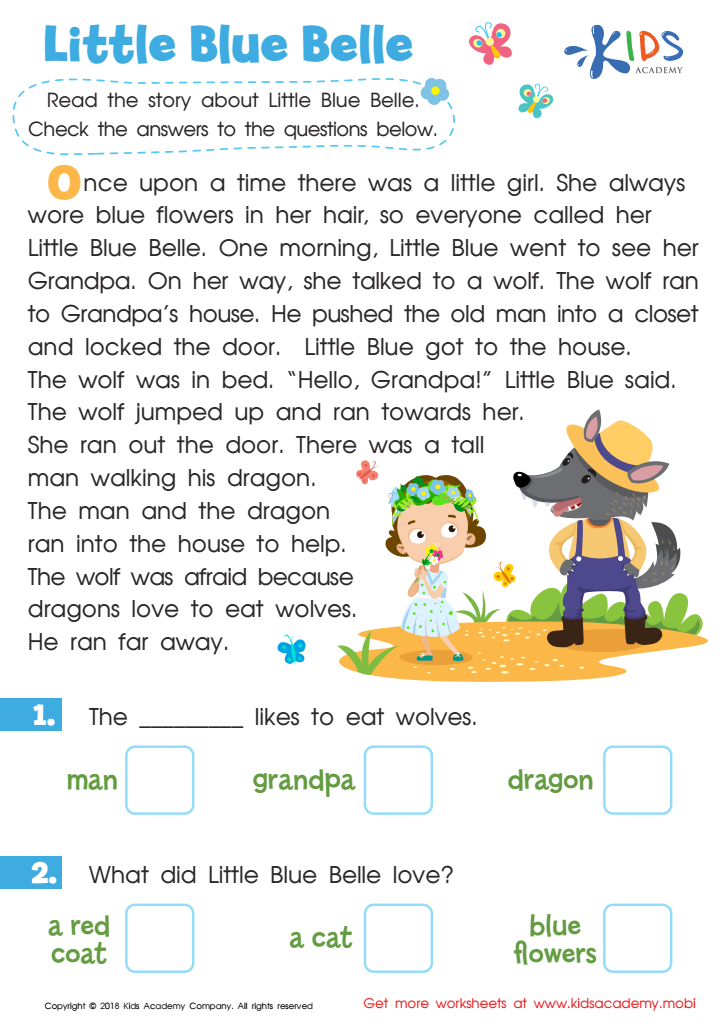
Little Blue Belle Worksheet
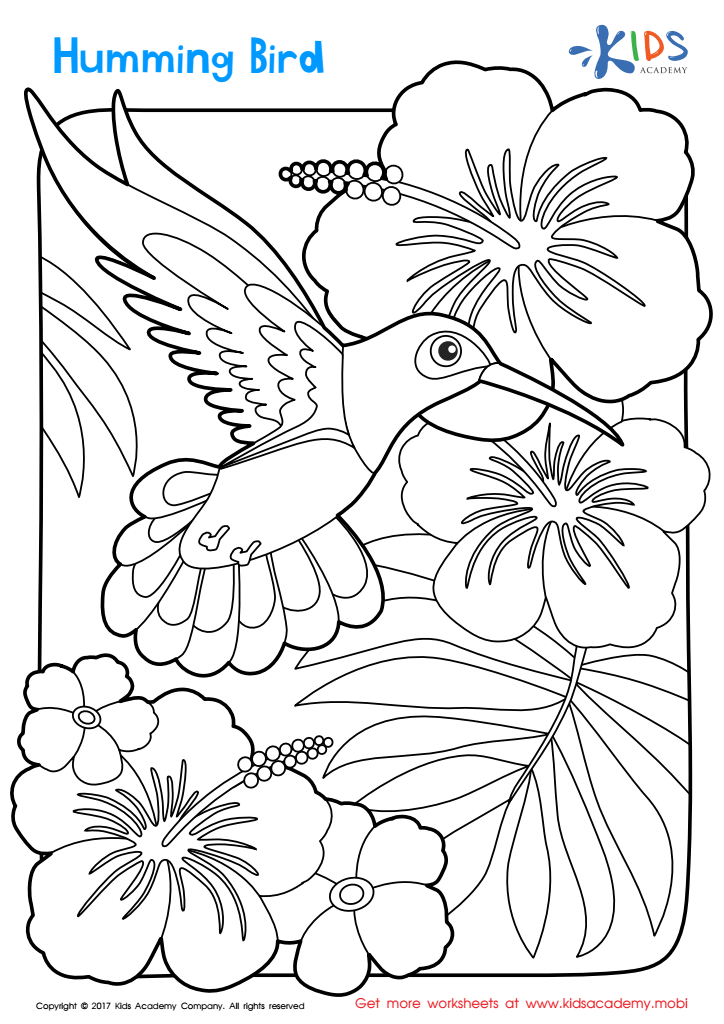
Humming Bird Worksheet
Assign to My Students
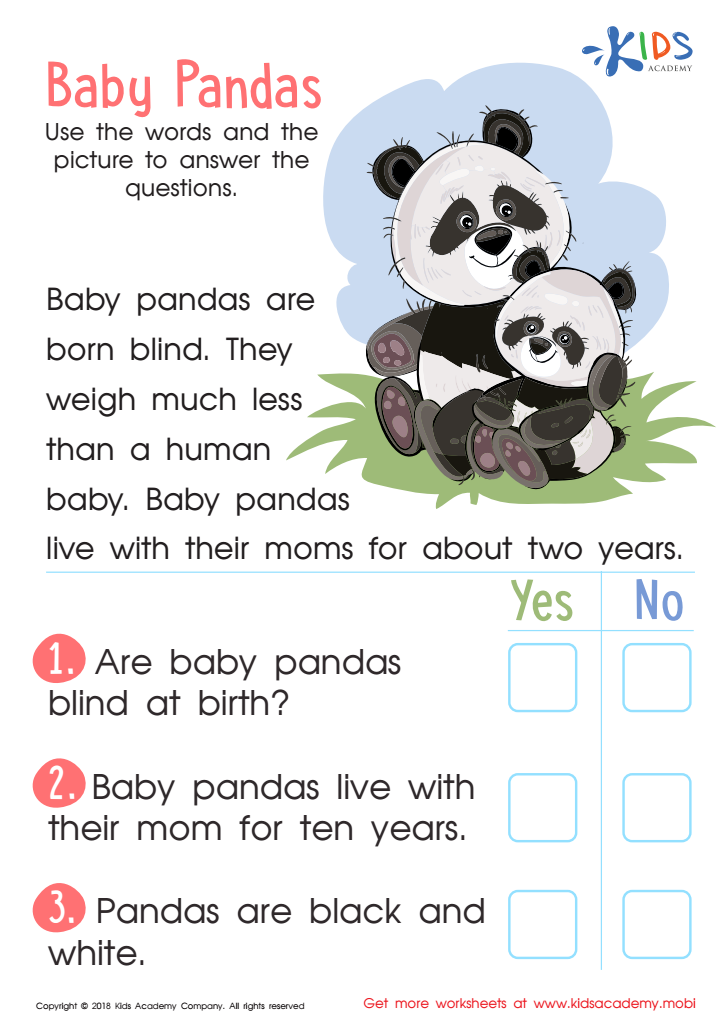
Baby Pandas Worksheet

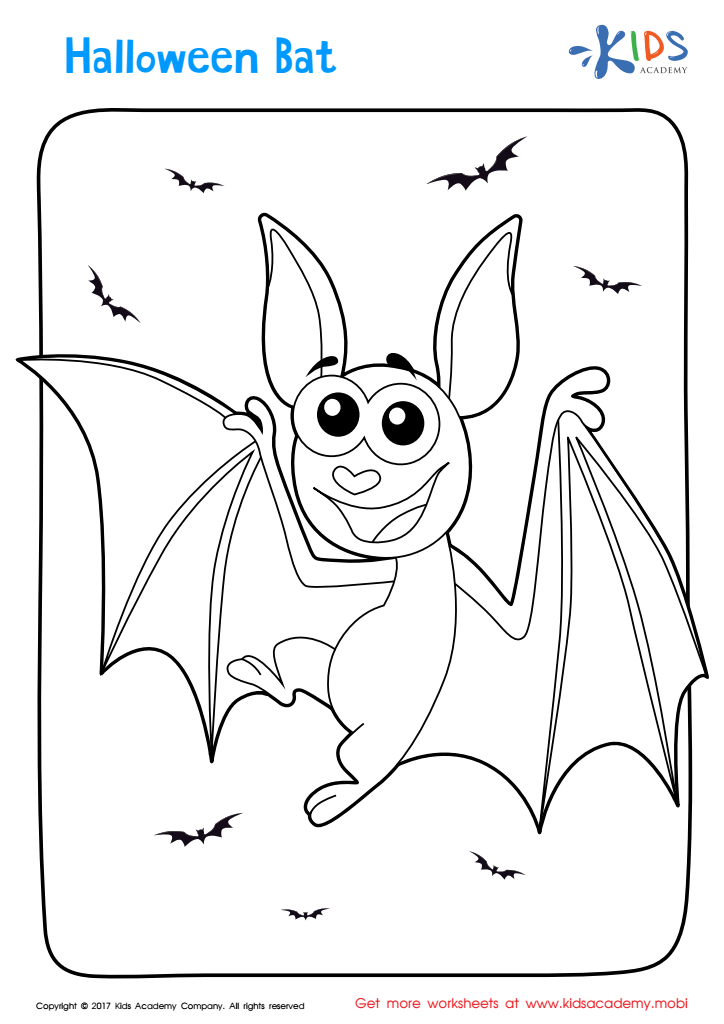
Halloween: A Bat Printable
Assign to My Students
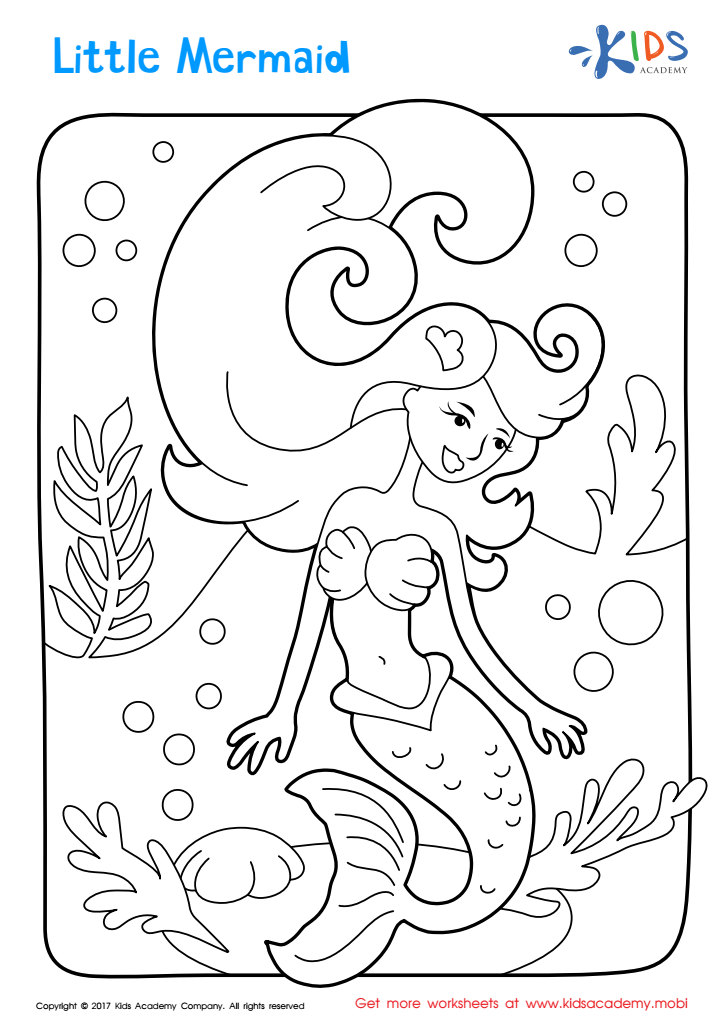
Little Mermaid Coloring Page
Assign to My Students
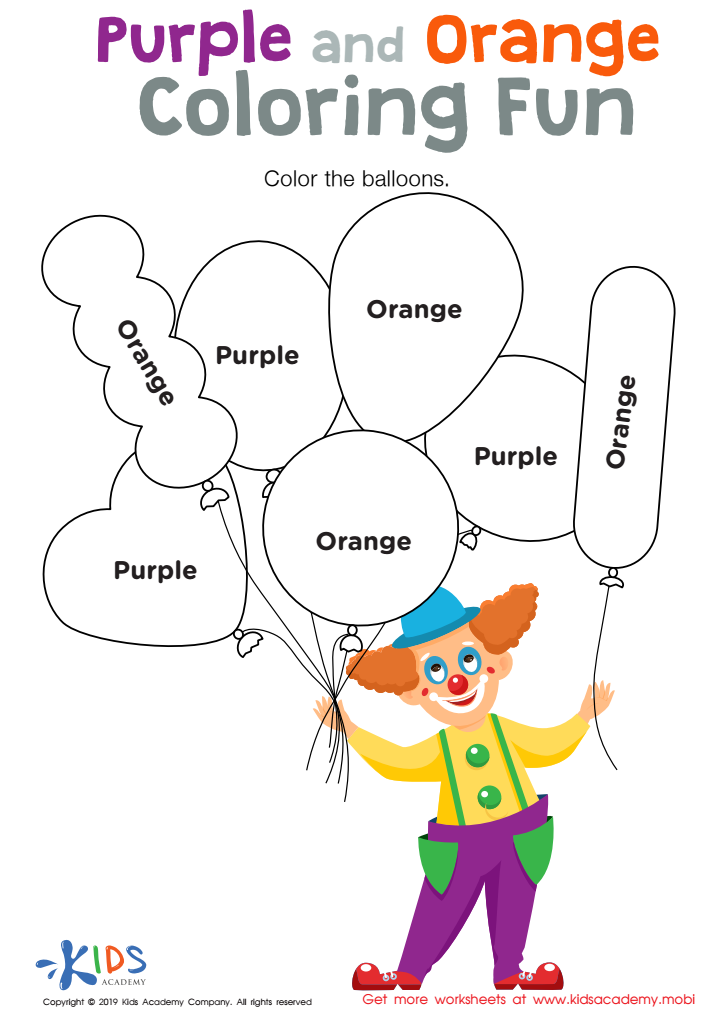
Purple and Orange Coloring Fun Worksheet
Assign to My Students
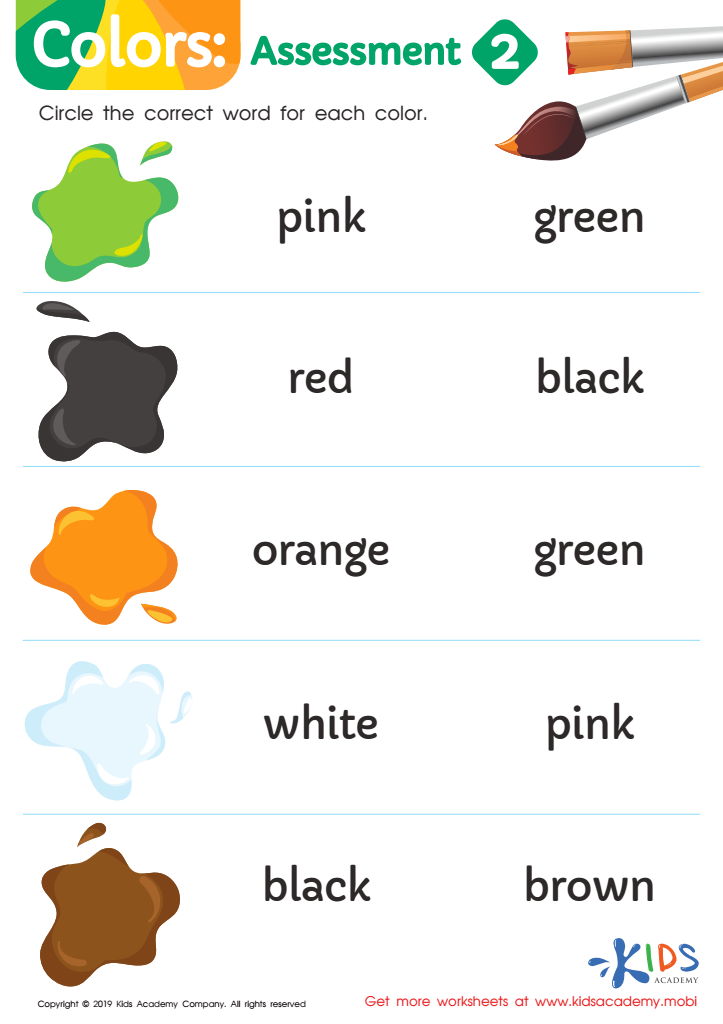
Colors: Assessment 2 Worksheet
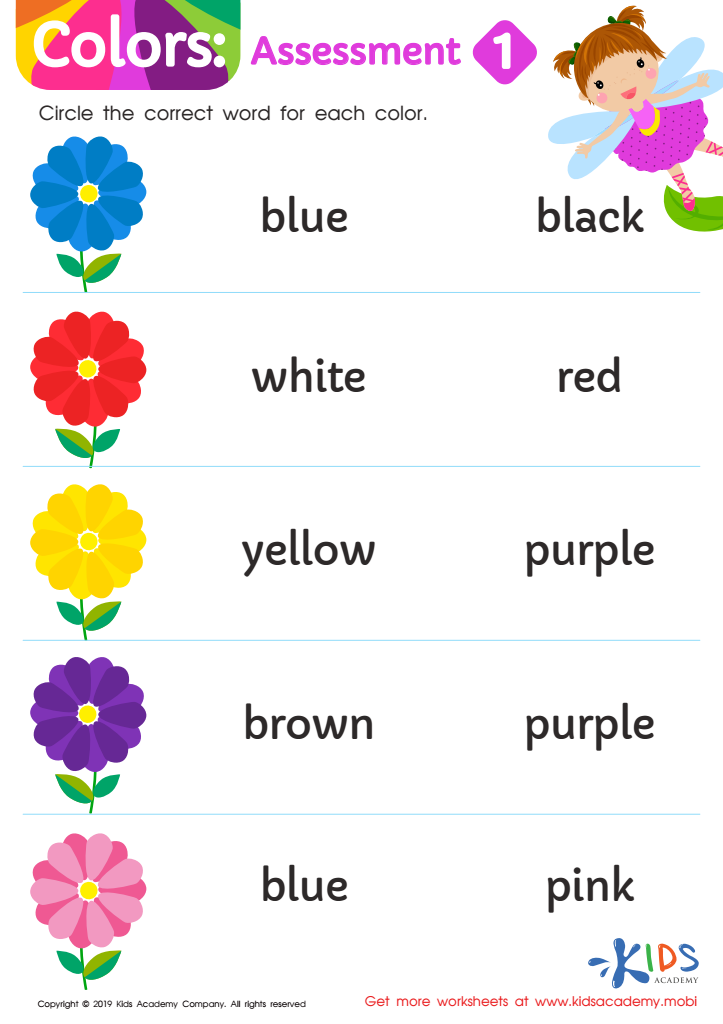
Colors: Assessment 1 Worksheet
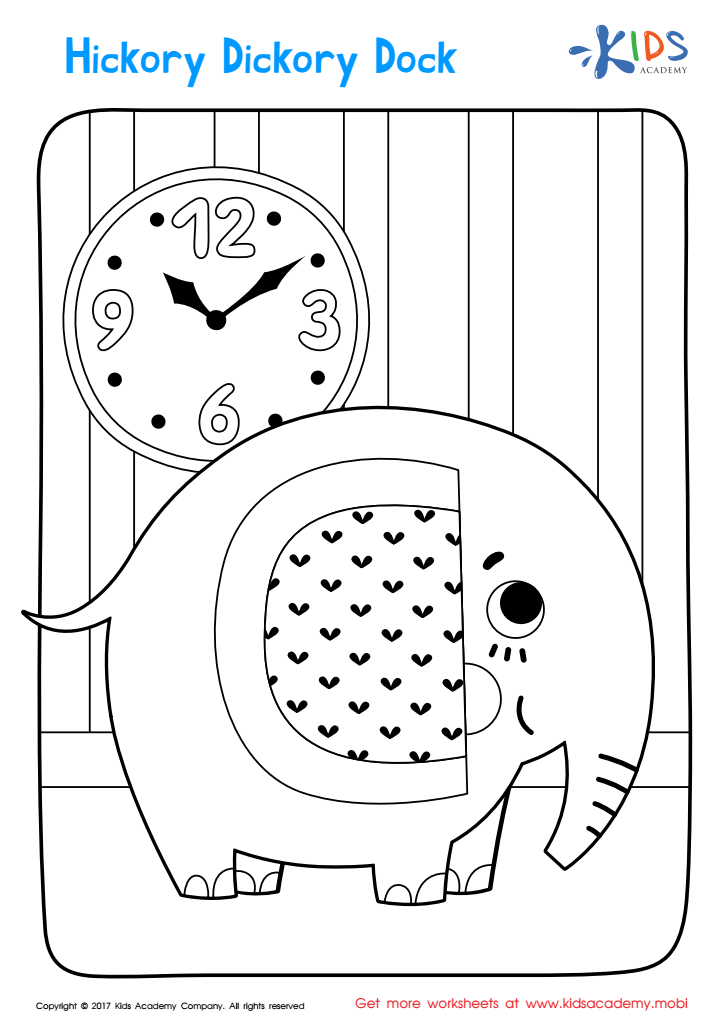
Hickory Dickory Dock Coloring Page
Assign to My Students
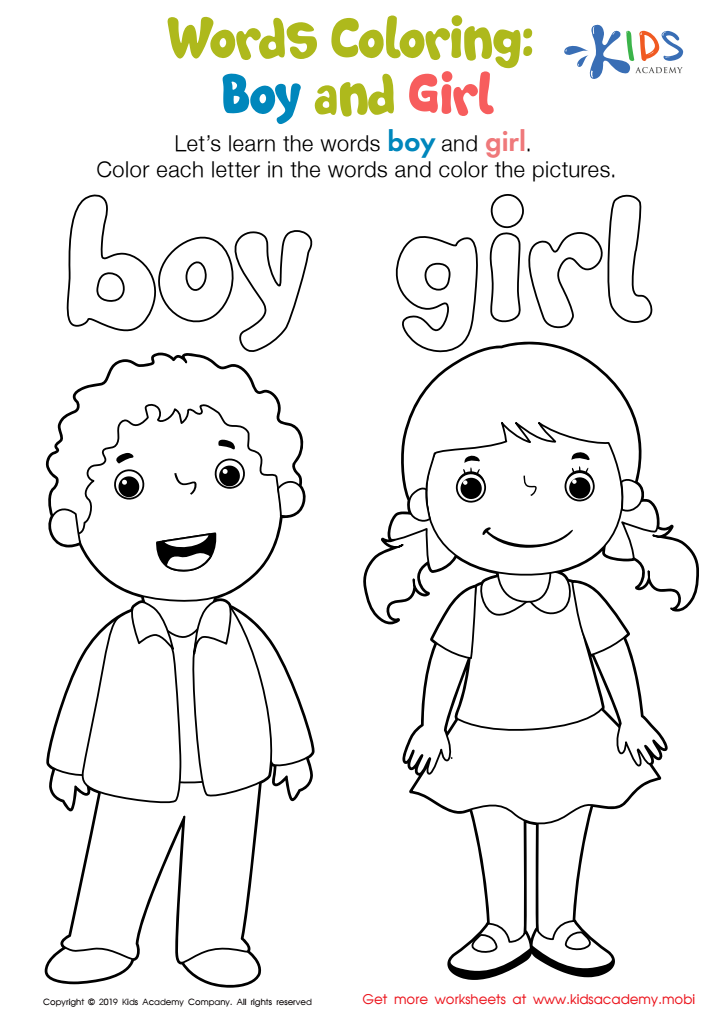
Boy and Girl Words Coloring Worksheet
Assign to My Students
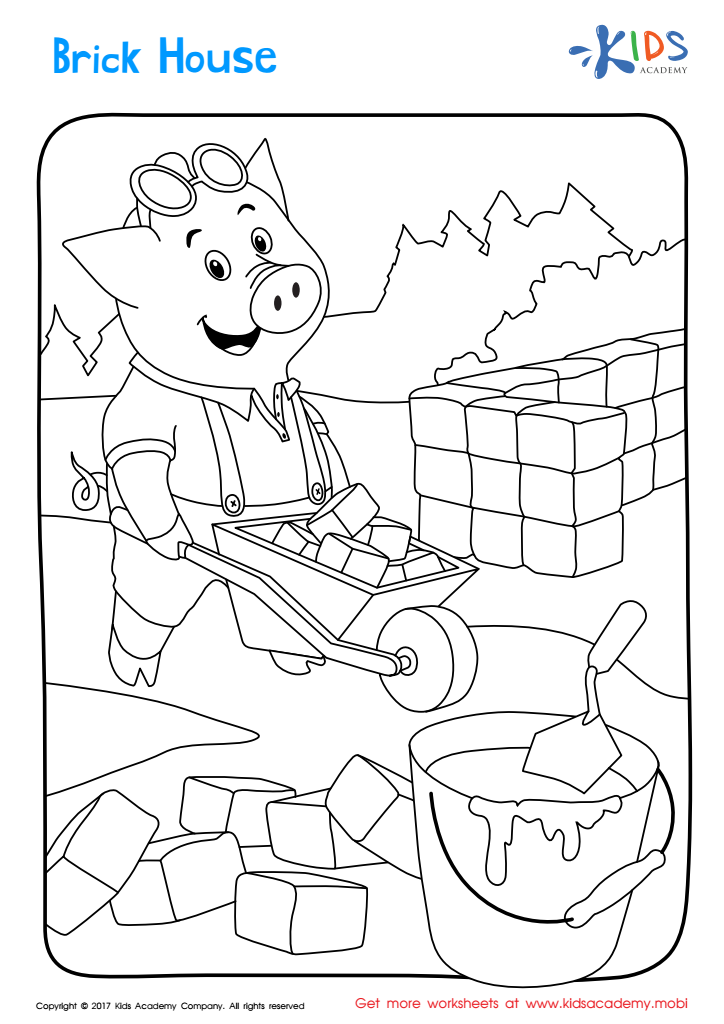
Brick House Printable Coloring Page
Assign to My Students
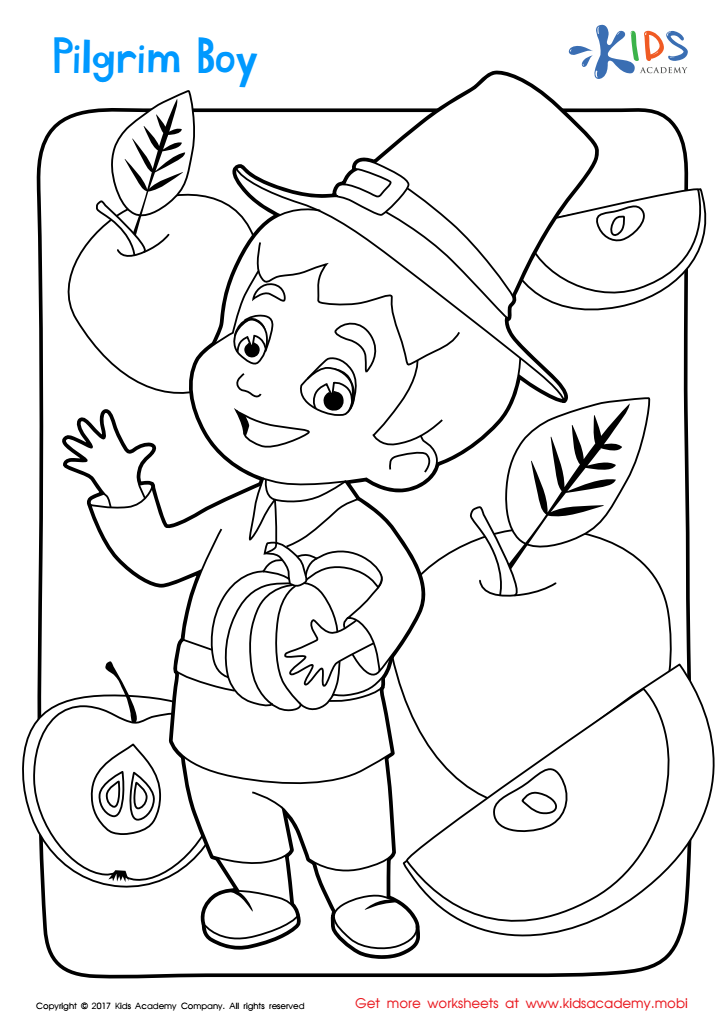
Pilgrim Boy Printable
Assign to My Students
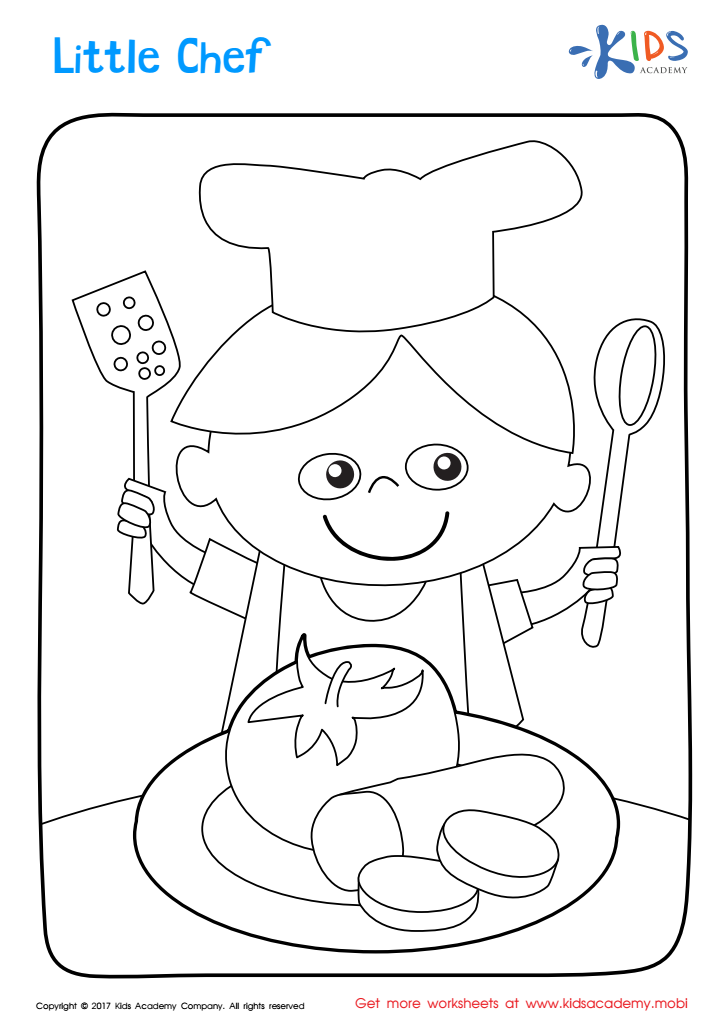
Little Chef Coloring Page
Assign to My Students

Japan Printable
Assign to My Students

Deer Tracing Winter Words Worksheet
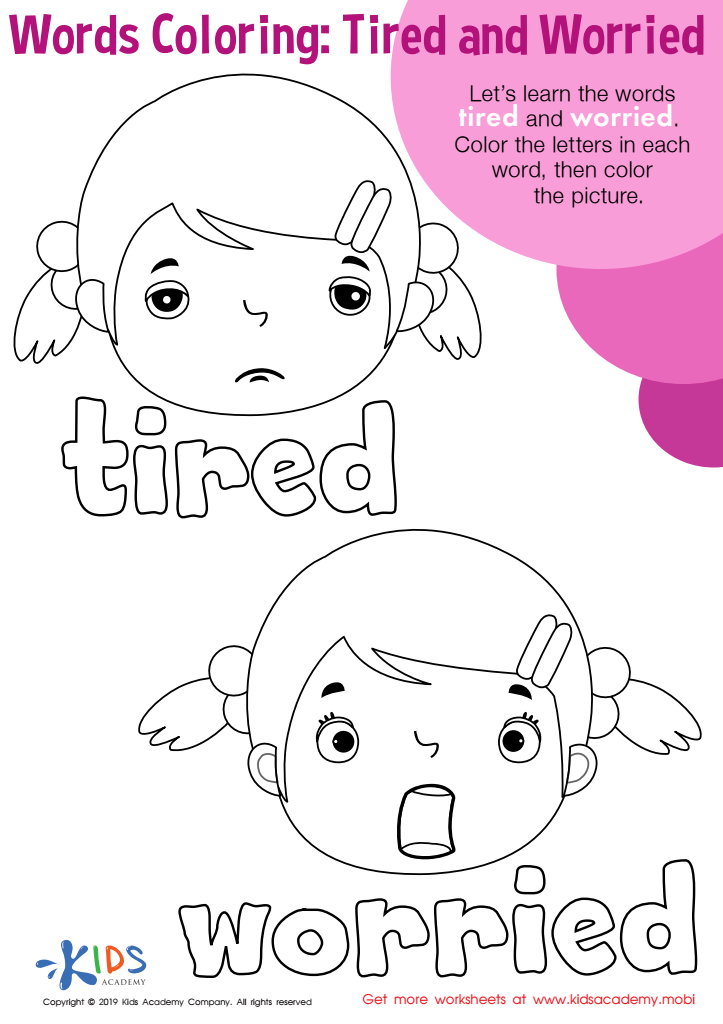
Tired and Worried Words Coloring Worksheet
Assign to My Students


.jpg)





Understanding color recognition is essential for children ages 5-6 because it serves as a foundational aspect of their early learning and development. It is not merely about identifying and naming colors; it also promotes cognitive, emotional, and creative growth.
First, color recognition enhances cognitive skills. When children learn to differentiate between colors, they practice categorization, observation, and comparison. This helps in developing their vocabulary and language skills, as they learn the names and attributes of different colors. Cognitive development in these areas lays the groundwork for early math and science concepts, enabling children to recognize patterns, make connections, and develop critical thinking.
Emotionally, knowing colors allows children to express themselves better. Colors are closely linked to feelings, and understanding them can help kids articulate their emotions, boosting their emotional intelligence. For example, they can use colors in drawing to communicate how they feel, even when they lack the words to express it.
Creatively, color recognition fosters artistic activities like drawing and painting, allowing children to explore and experiment, which enhances their imagination and innovation.
Teachers and parents should incorporate fun, engaging activities like coloring books, puzzles, and interactive games in daily routines to facilitate color learning. This early investment in color recognition contributes significantly to a child's overall development, setting a solid foundation for lifelong learning.








