Fine Motor Skills Easy Worksheets for Ages 5-6 - Page 4
73 filtered results
-
From - To
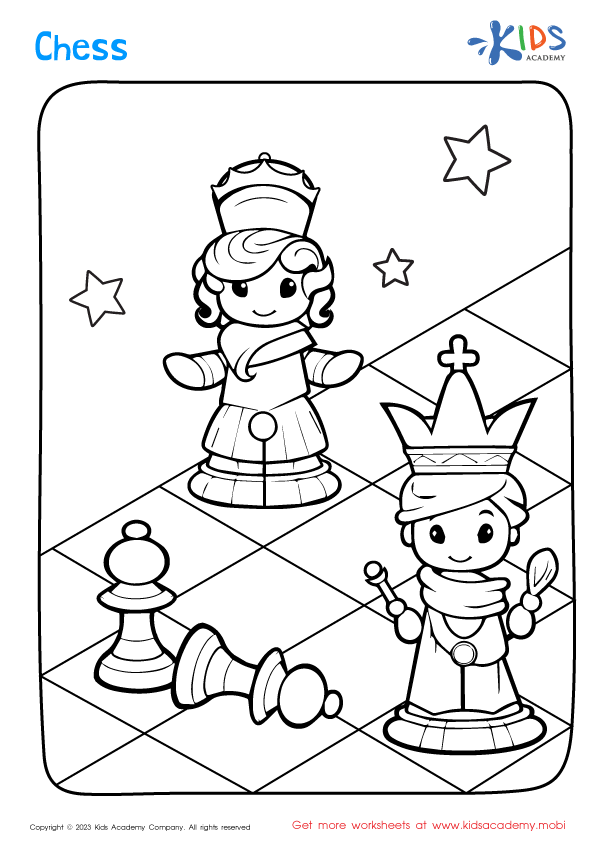








Fine motor skills are essential for children aged 5-6 as they form the foundation for everyday tasks and overall development. These skills involve the coordination of small muscles, particularly in the hands and fingers, and play a crucial role in activities such as writing, drawing, cutting, and using utensils. For parents and teachers, fostering fine motor skills can significantly impact a child’s independence and confidence in various activities.
Developing fine motor skills helps improve hand-eye coordination, which is vital for tasks in school and at home. Early mastery of these skills assists children in following classroom activities, such as writing with proper pencil grip, coloring within lines, and completing puzzles, thus enhancing their academic performance and allowing them to engage more effectively with learning materials.
Moreover, engaging in fine motor activities, like playing with building blocks or beads, also promotes critical thinking and problem-solving skills. Parents and teachers can create a supportive environment through fun and engaging activities that enhance fine motor skills, leading to better development in social, emotional, and cognitive areas.
In summary, prioritizing fine motor skills during the early years lays the groundwork for children's success in school and fosters their creativity and self-sufficiency in daily life.








