Hand-eye Coordination Easy Worksheets for Ages 5-6 - Page 2
25 filtered results
-
From - To
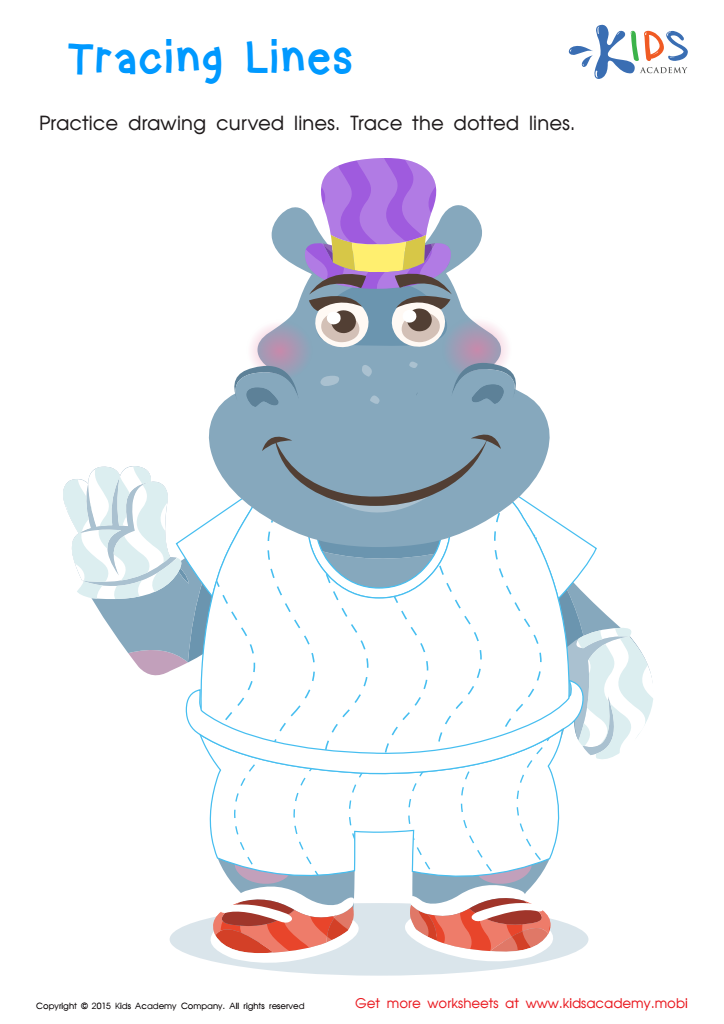
Tracing Lines Worksheet
 Assign to My Students







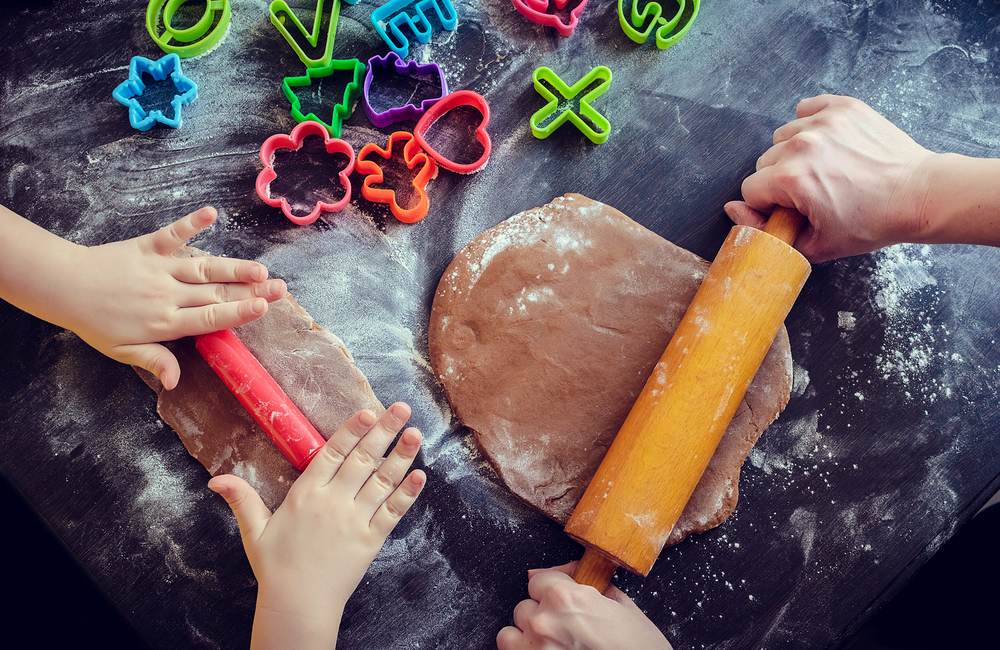
Hand-eye coordination is a crucial skill for children aged 5-6, and parents and teachers should prioritize its development. This fundamental ability helps kids perform everyday tasks, such as writing, coloring, and playing sports, independently and effectively. As they enhance their hand-eye coordination, children increase their confidence in physical activities, which fosters a sense of competence and achievement.
Moreover, hand-eye coordination is closely linked to cognitive development. Activities that require these skills, like throwing, catching, or manipulating objects, engage children's brains, promoting spatial awareness and improving problem-solving abilities. Additionally, strong hand-eye coordination can lead to better academic performance, particularly in subjects like math and science, where visual spatial skills are important.
By encouraging activities that develop hand-eye coordination, such as drawing, puzzles, and simple sports, parents and teachers can create engaging learning environments. These activities not only strengthen motor skills but also promote social interaction and teamwork when played in groups. Ultimately, fostering hand-eye coordination helps lay the groundwork for children's lifelong physical, social, and academic success. Therefore, taking the time to emphasize this skill is beneficial for both immediate enjoyment and long-term development.








