Observational skills Easy Worksheets for Ages 5-6
4 filtered results
-
From - To
Enhance your child's observational skills with our engaging Easy Worksheets, specifically designed for ages 5-6. These worksheets provide fun and interactive activities that encourage children to observe, compare, and analyze their surroundings. With colorful illustrations and age-appropriate tasks, kids will eagerly dive into exercises that boost their focus and attention to detail. Perfect for at-home learning or classroom use, these resources foster critical thinking and help lay the foundation for essential educational skills. Join us on a journey of exploration and discovery as your child develops their observational abilities through play and creativity! Start printing and watch them learn with excitement!
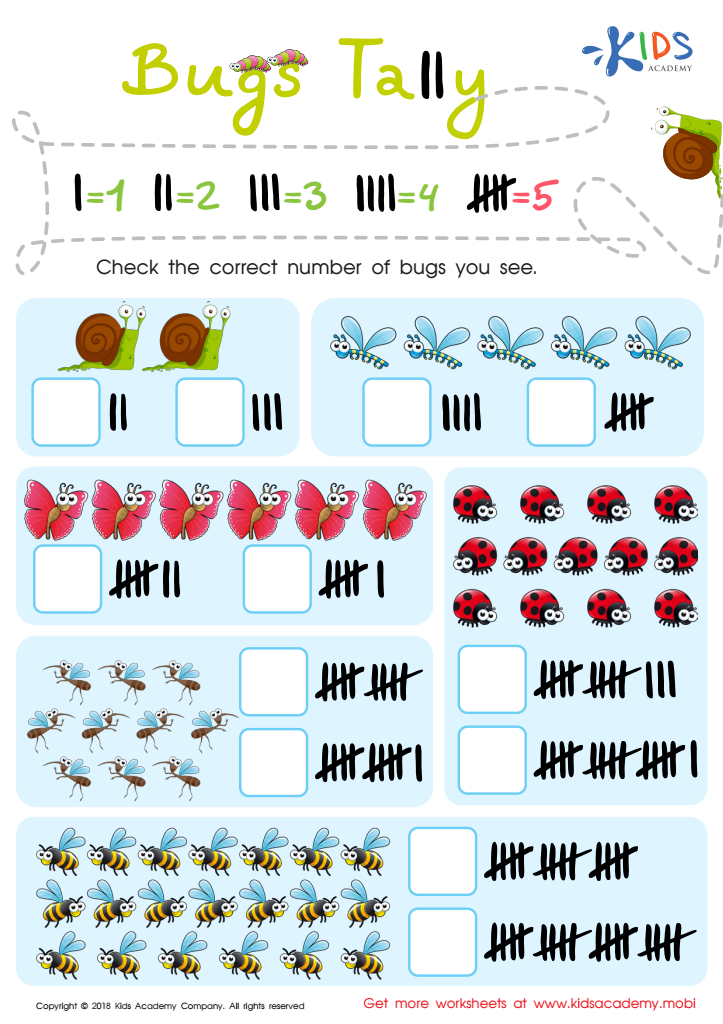
Bugs Tally Worksheet
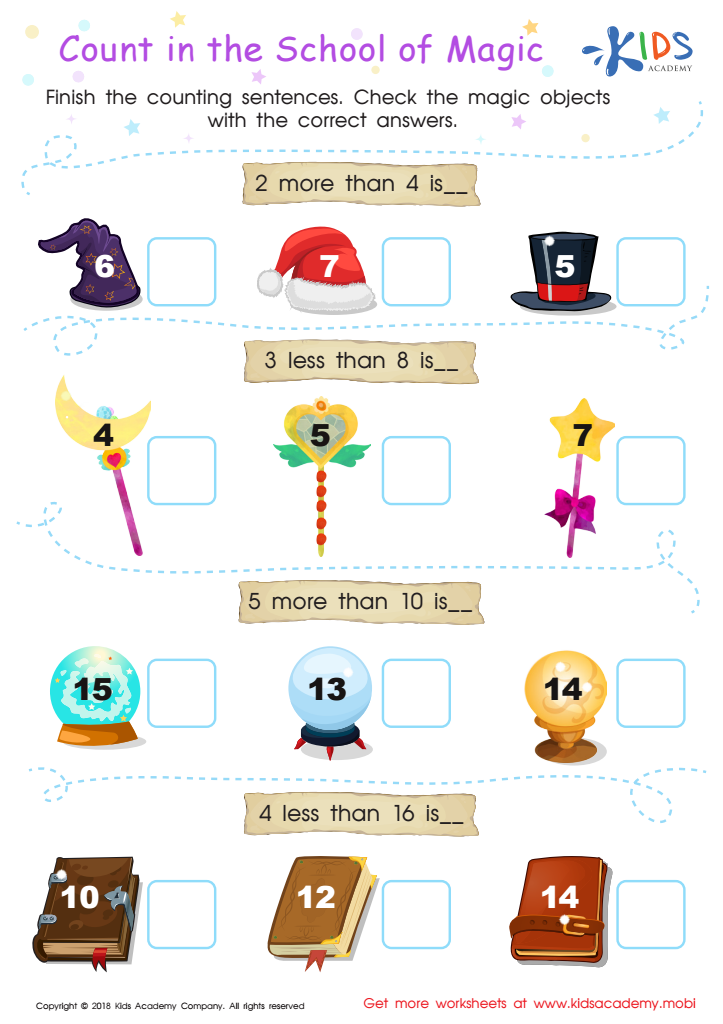
Count in the School of Magic Worksheet
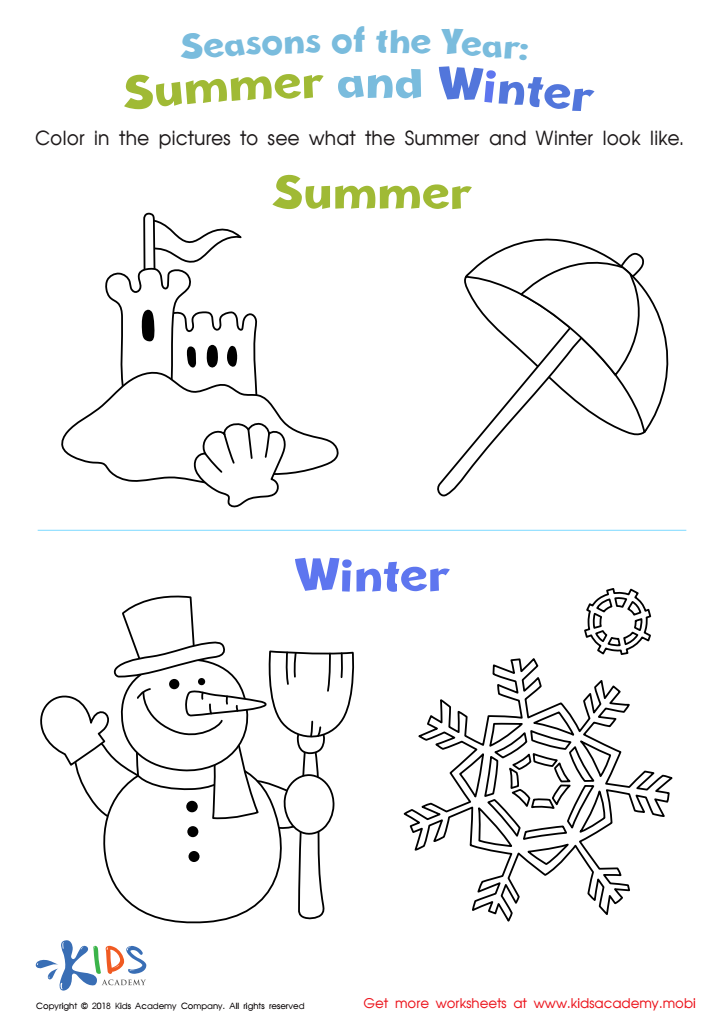
Summer and Winter Worksheet
 Assign to My Students
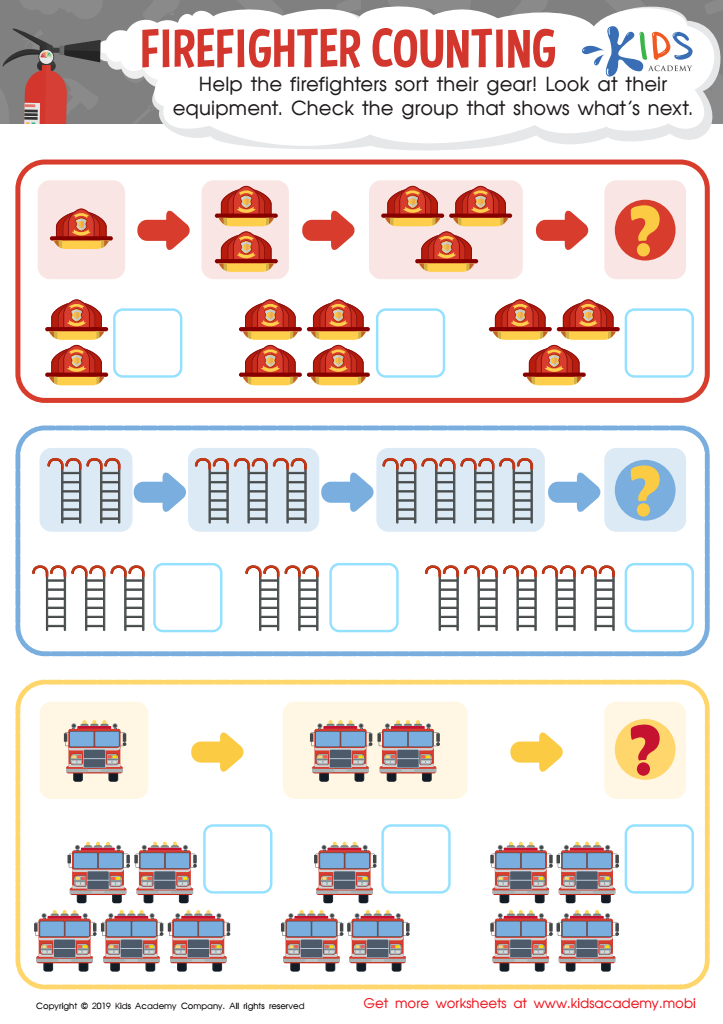
Firefighter Counting Worksheet





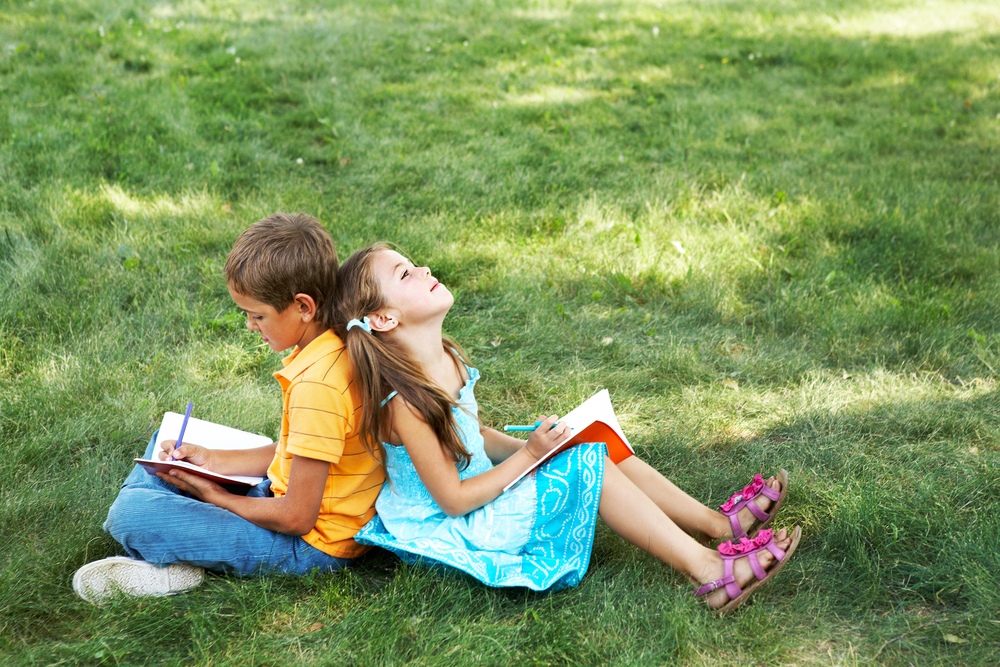
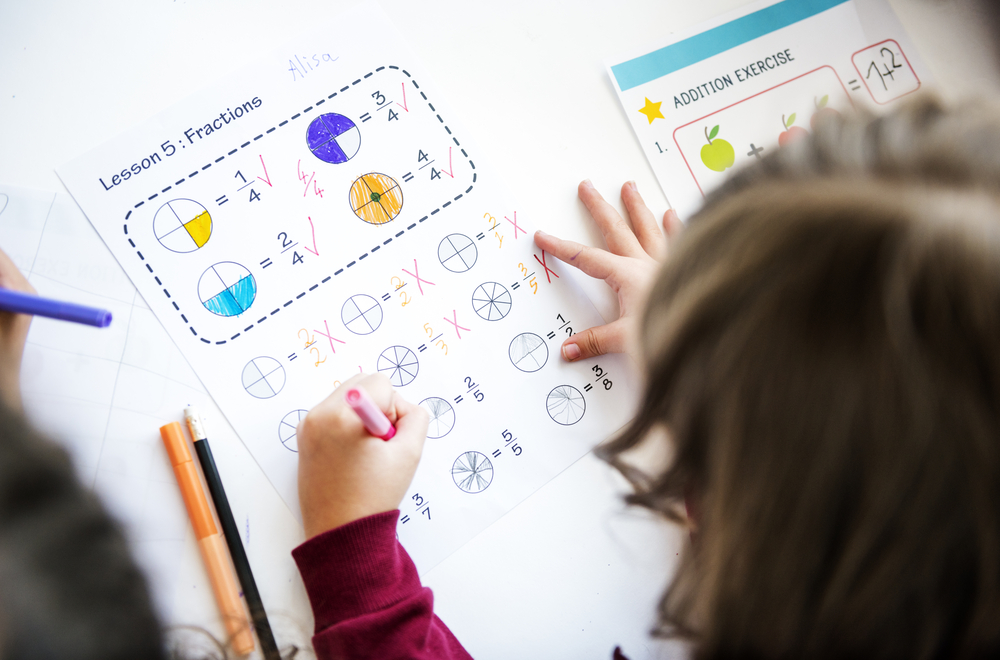
Observational skills are essential for young children, particularly for those aged 5 to 6, as they lay the foundation for effective learning and understanding of the world around them. When parents and teachers prioritize these skills, they support children in becoming more aware of their environment and the details within it. This heightened awareness boosts cognitive development, enhancing children’s ability to make connections between concepts and engage in critical thinking.
Additionally, strong observational skills aid in language development. As children learn to describe what they see, they expand their vocabulary and improve their communication abilities. This is particularly crucial at this age, as children are beginning to express their thoughts and ideas more clearly.
Furthermore, observational skills foster curiosity and encourage exploratory behavior. When children are encouraged to observe in various contexts—like nature walks or classroom settings—they become more inquisitive and motivated to learn. This hands-on approach to learning cultivates a sense of wonder and promotes positive social interactions, as children share their observations and collaborate with peers.
In essence, nurturing observational skills enhances learning, communication, and social-emotional development, making it vital for parents and teachers to prioritize this important aspect of education.








