Counting skills Easy Math Worksheets for Ages 5-6 - Page 2
76 filtered results
-
From - To
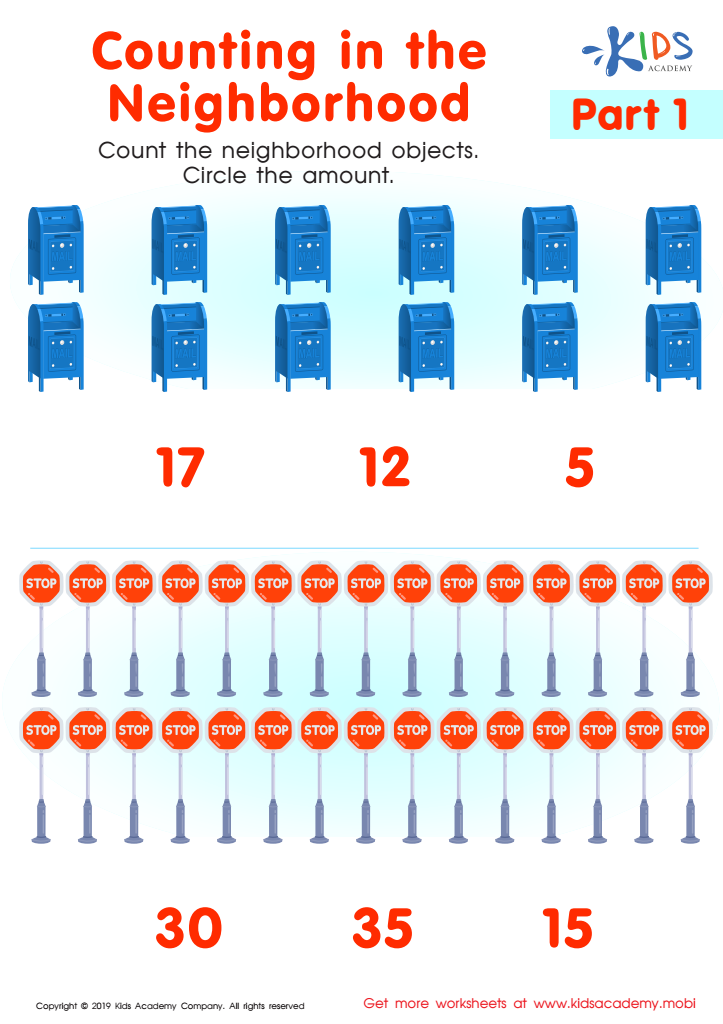
Counting in the Neighborhood Part1 Worksheet
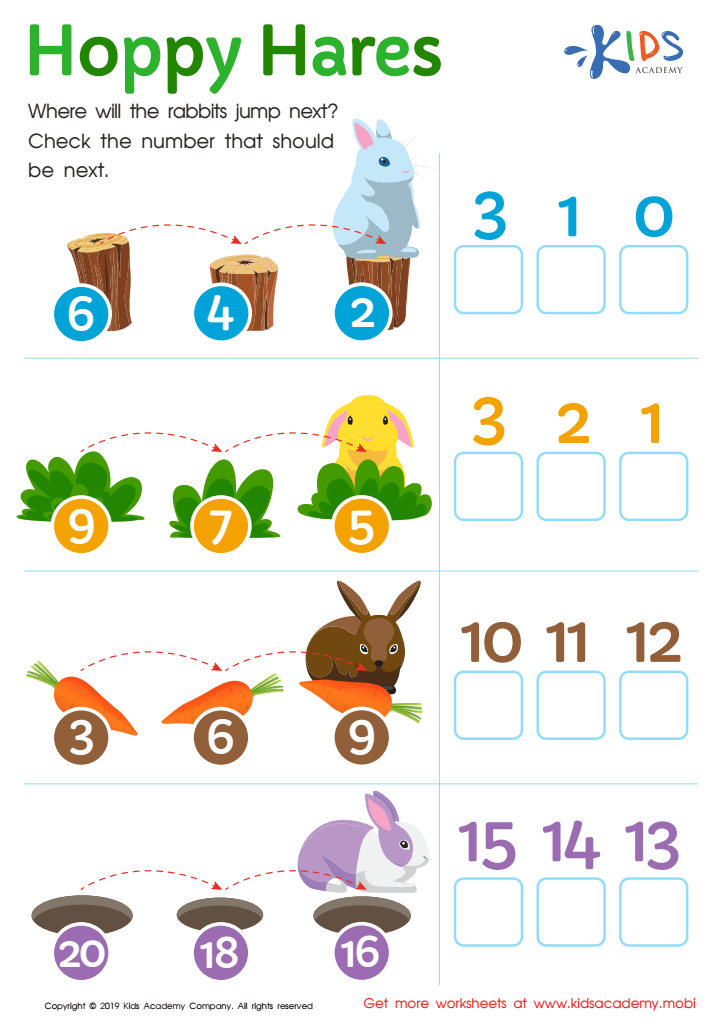
Hoppy Hares Worksheet
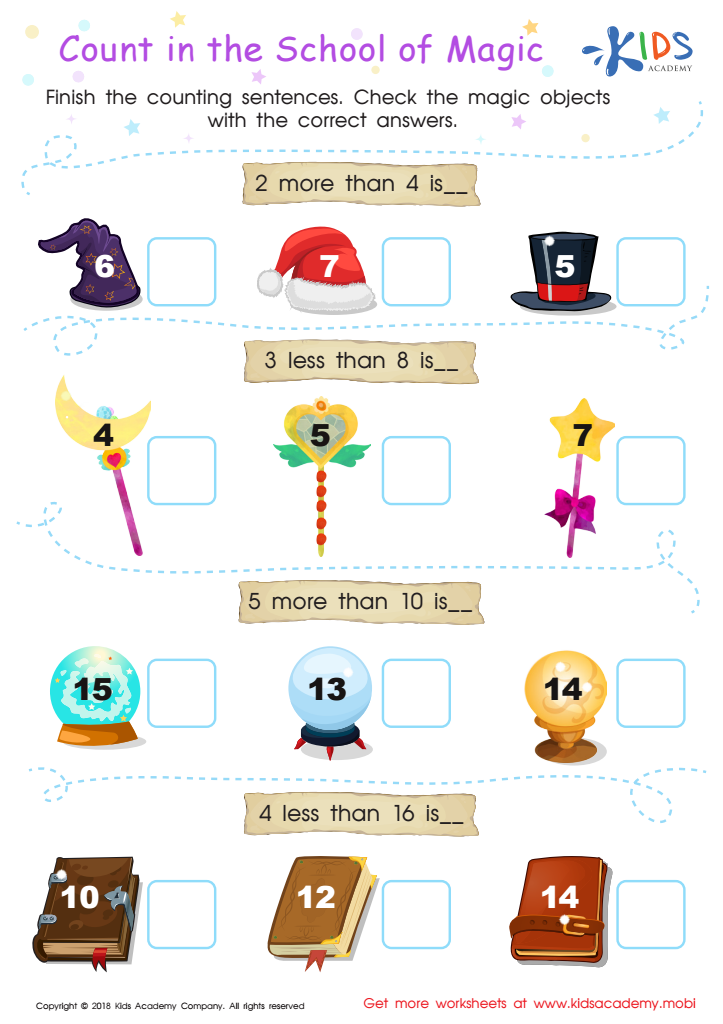
Count in the School of Magic Worksheet
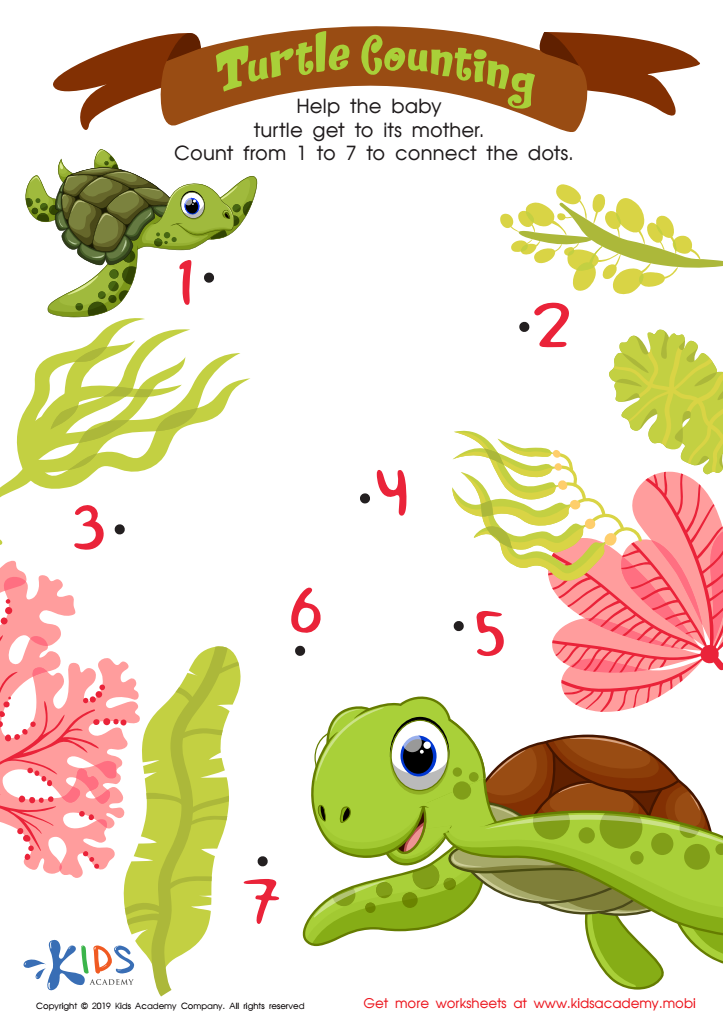
Turtle Counting Worksheet
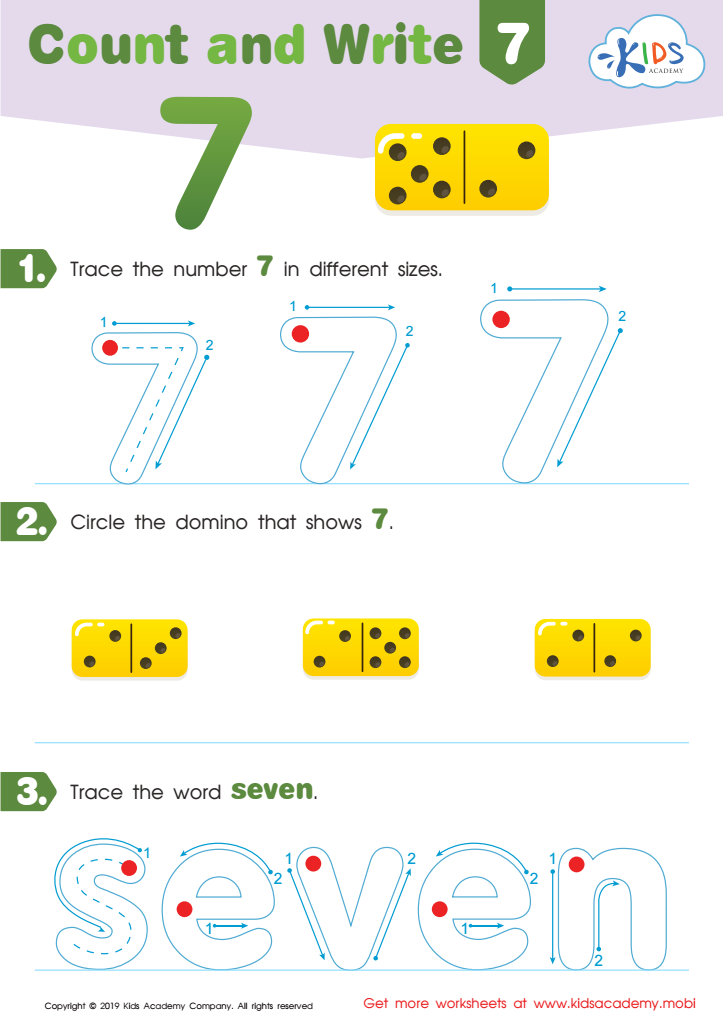
Count and Write 7 Worksheet
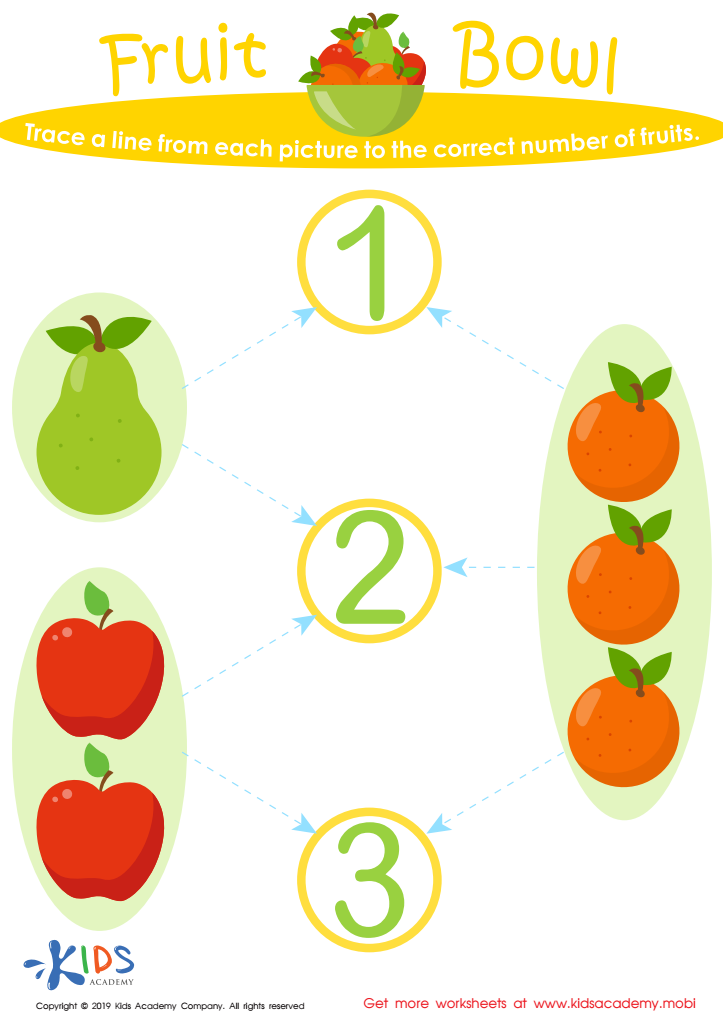
Fruit Bowl Worksheet
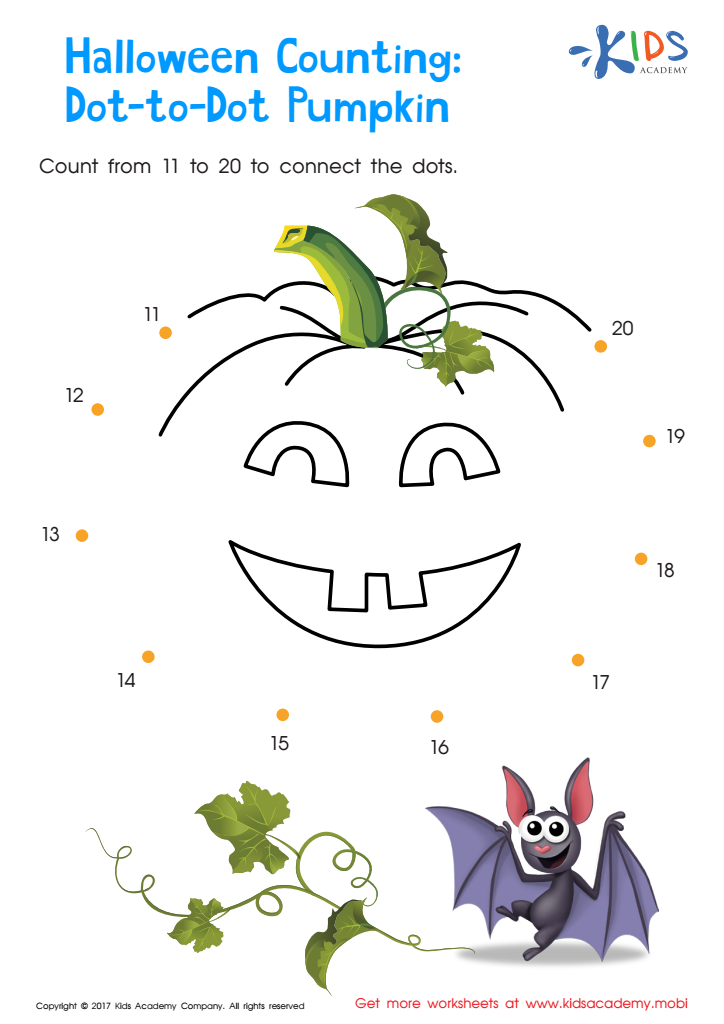
Ordering 11–20: Halloween Counting Worksheet
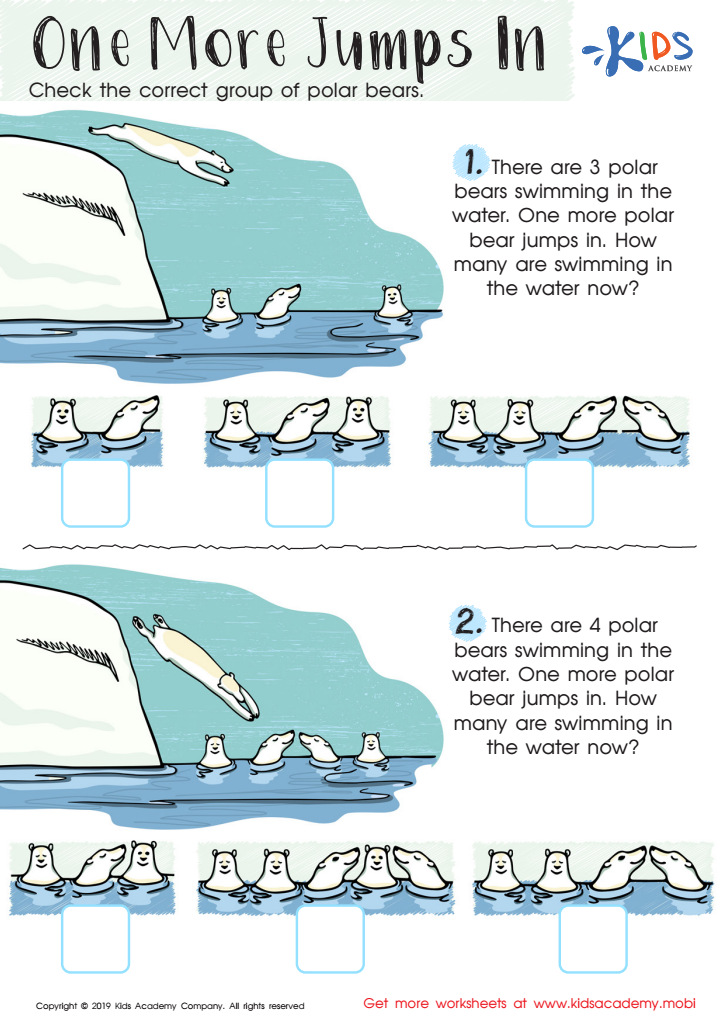
One More Jumps In Worksheet
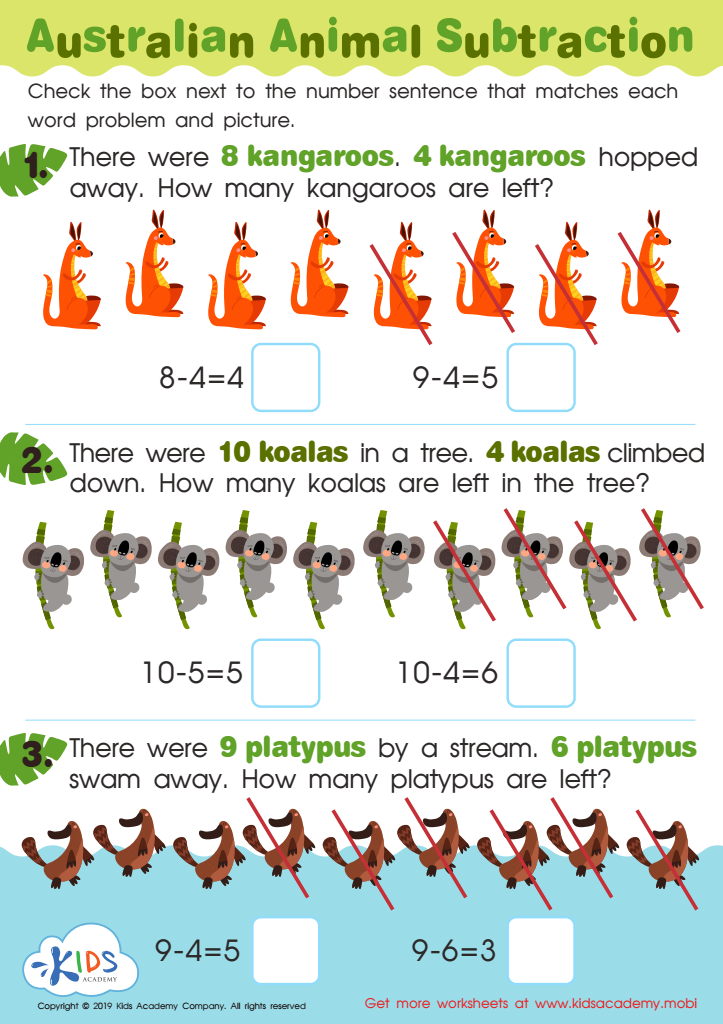
Australian Animal Subtraction Worksheet
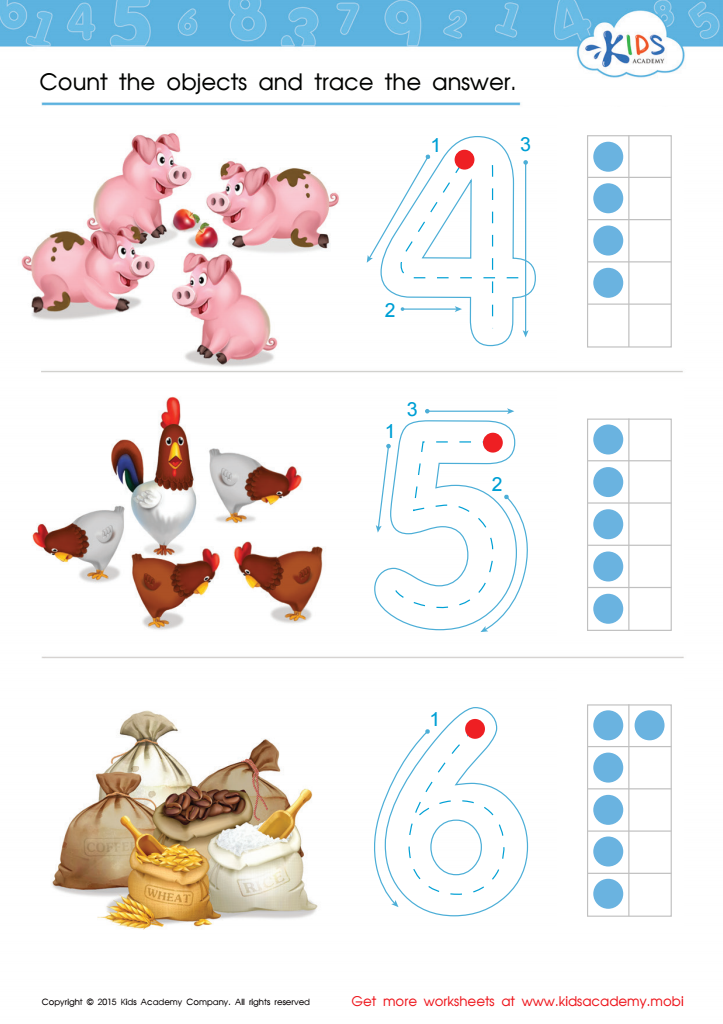
Count and Trace 4 – 6 Worksheet
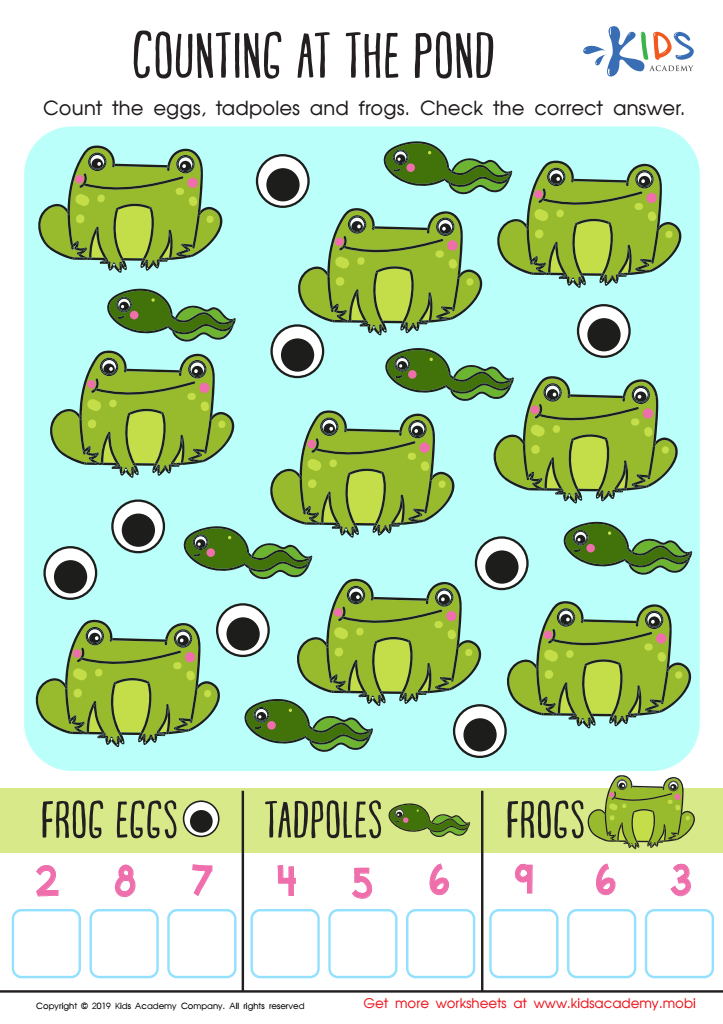
Counting at the Pond Worksheet
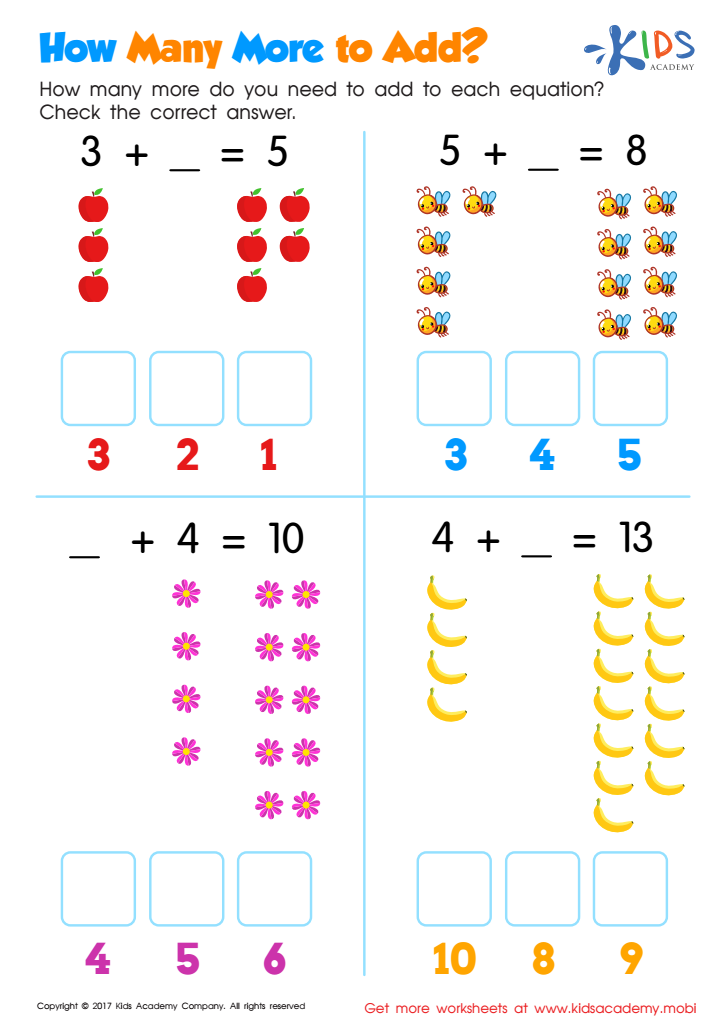
How Many More to Add Worksheet
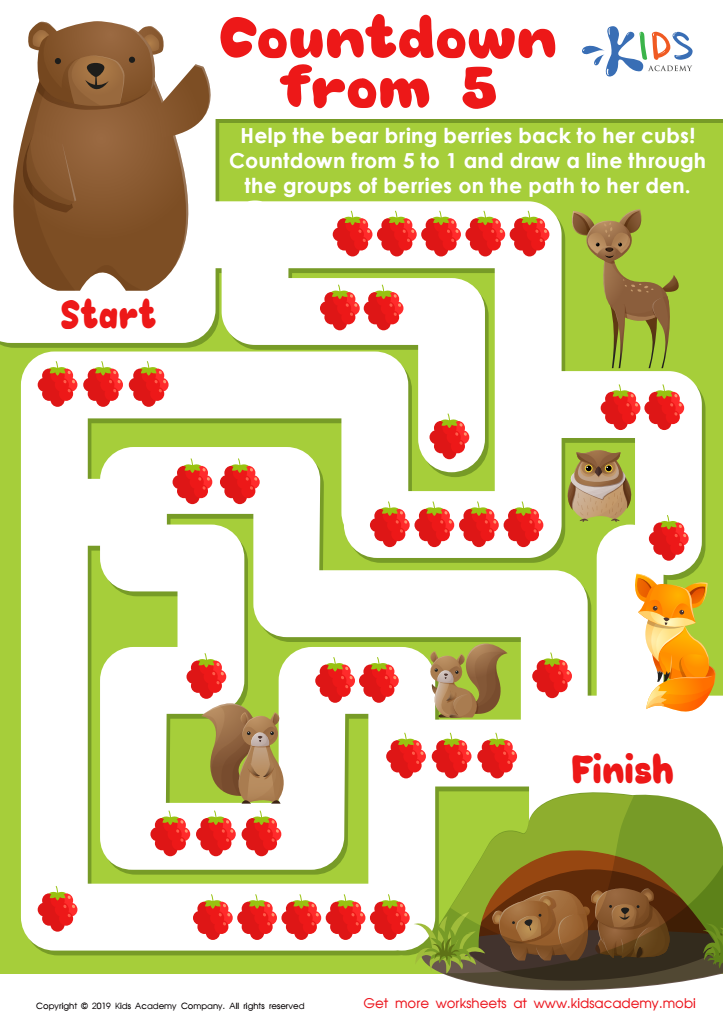
Countdown from 5 Worksheet
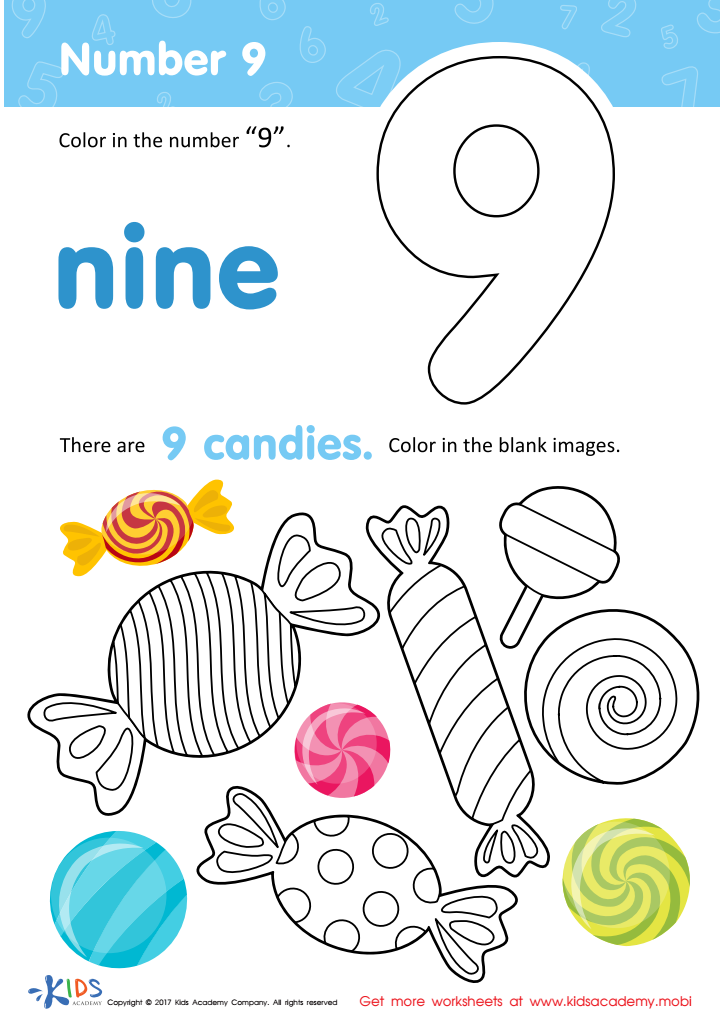
Number 9 Printable
 Assign to My Students
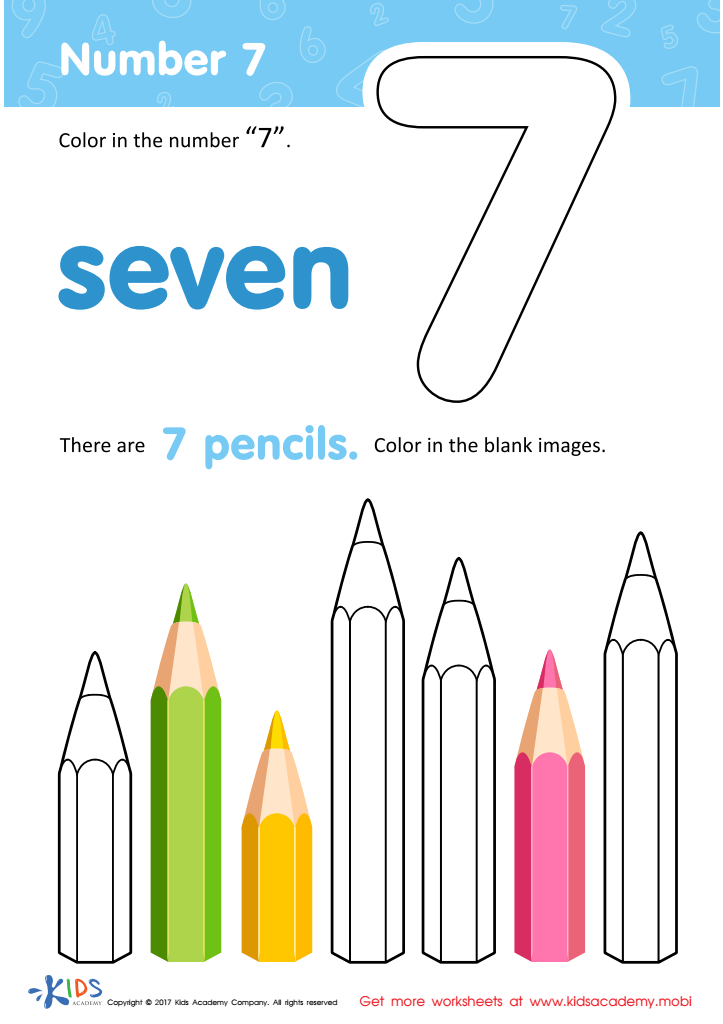
Number 7 Worksheet
Assign to My Students
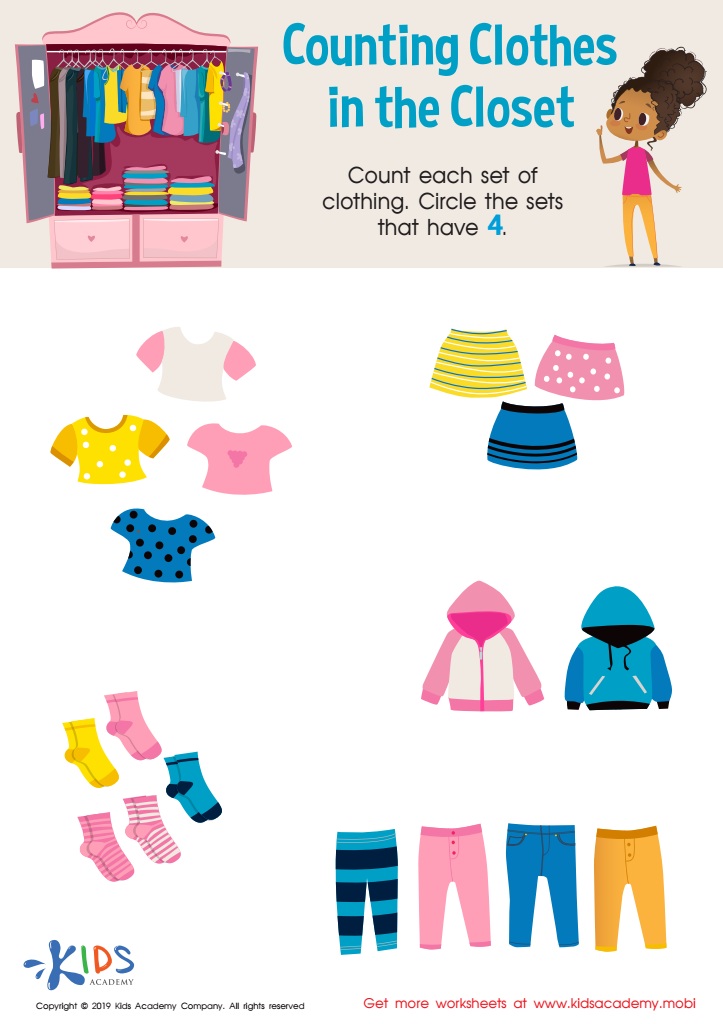
Counting Clothes Worksheet
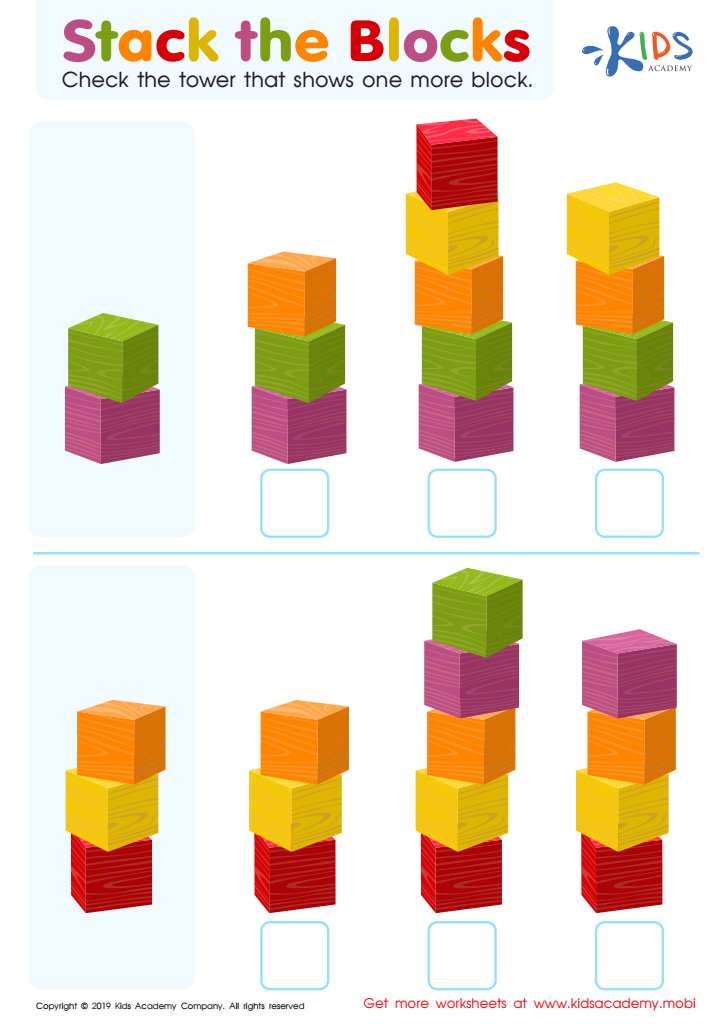
Stack the Blocks Worksheet
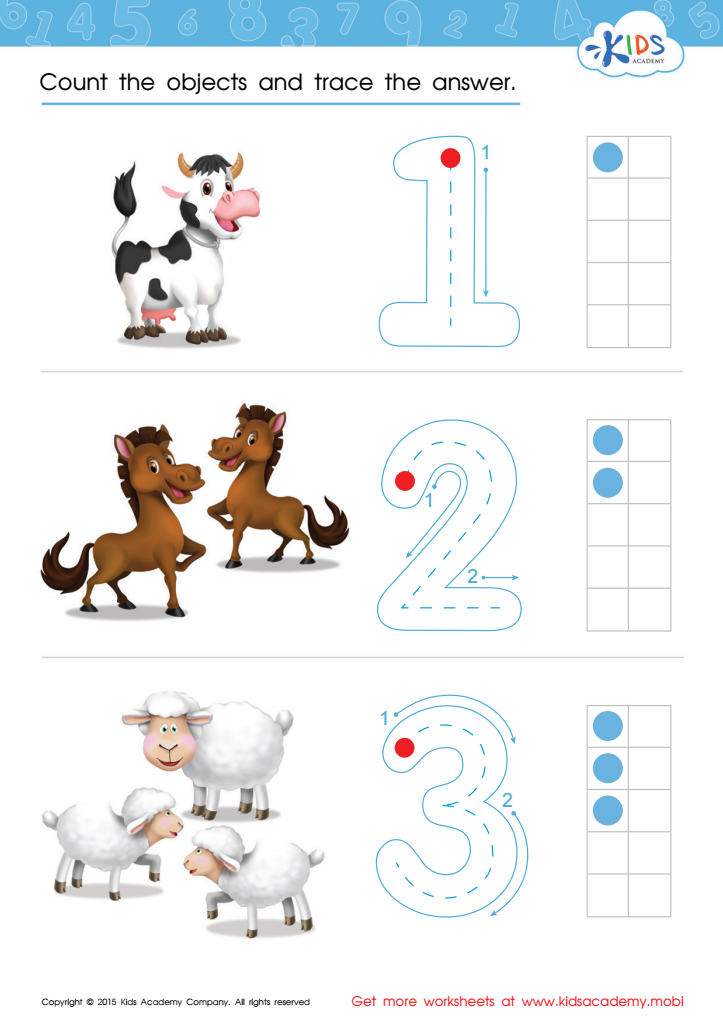
Count and Trace 1 – 3 Worksheet
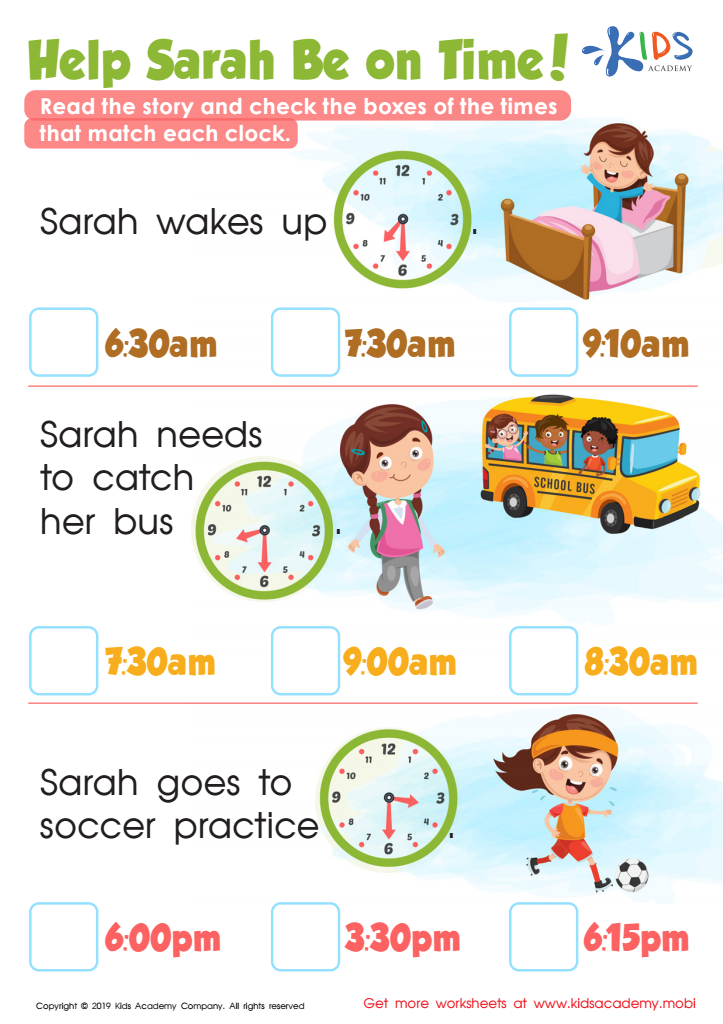
Help Sarah Be on Time! Worksheet
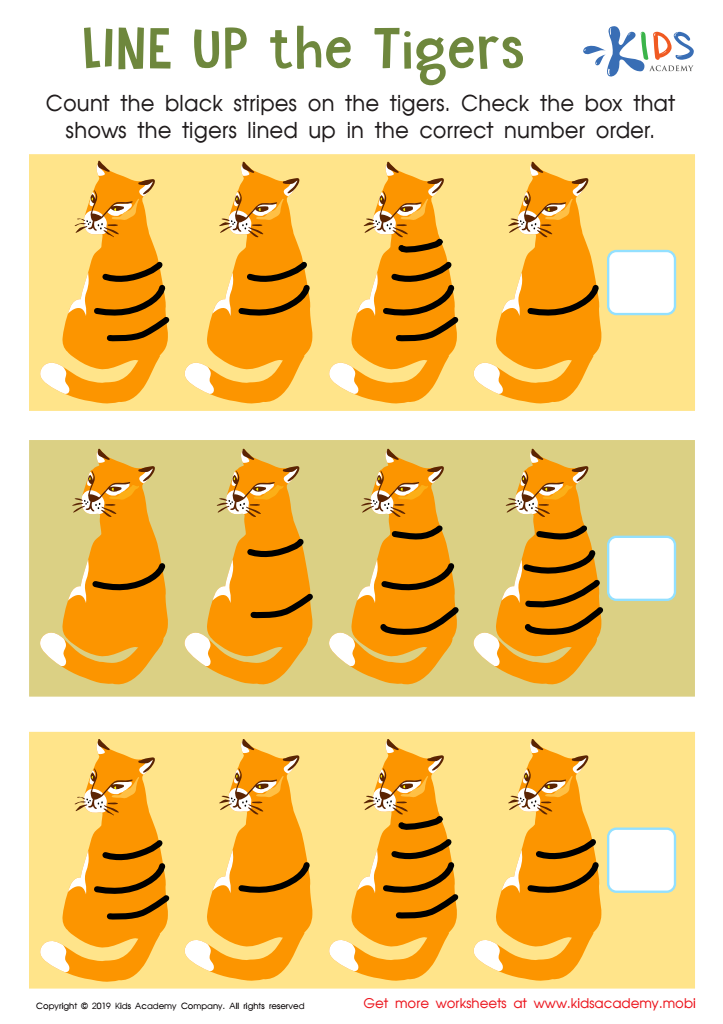
Line up the Tigers Worksheet
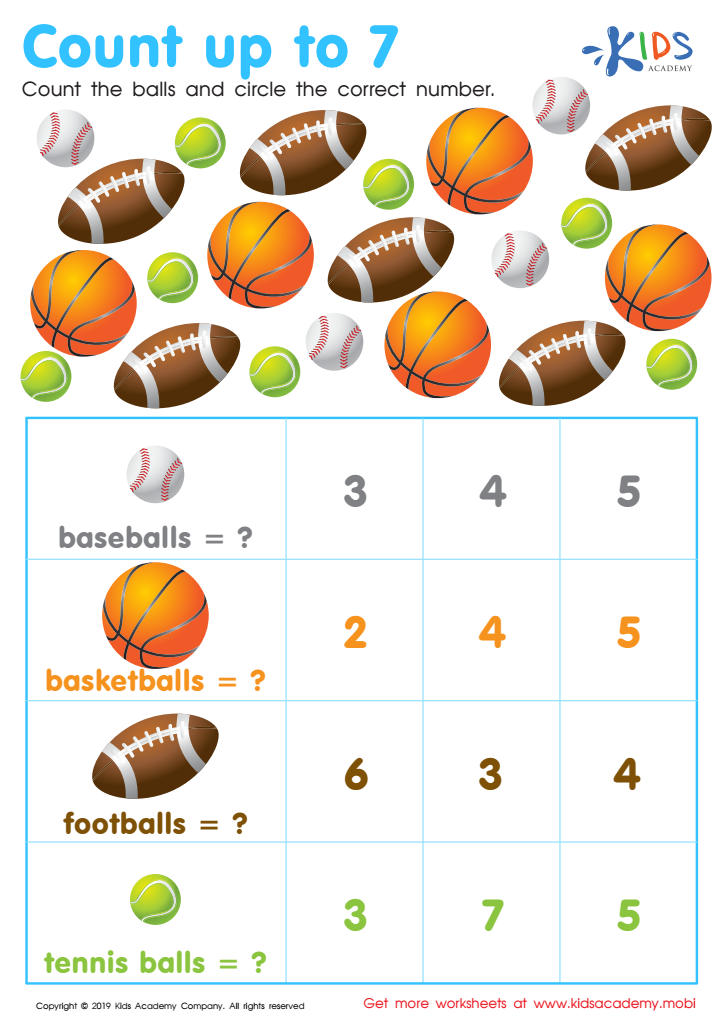
Count up to 7 Worksheet
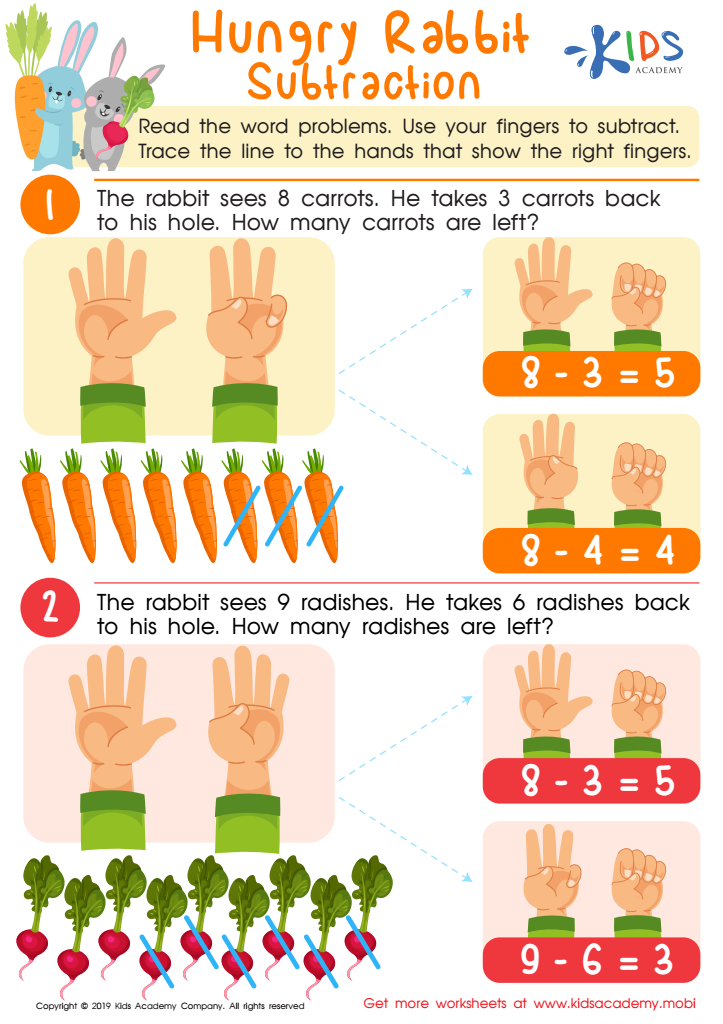
Hungry Rabbit Subtraction Worksheet
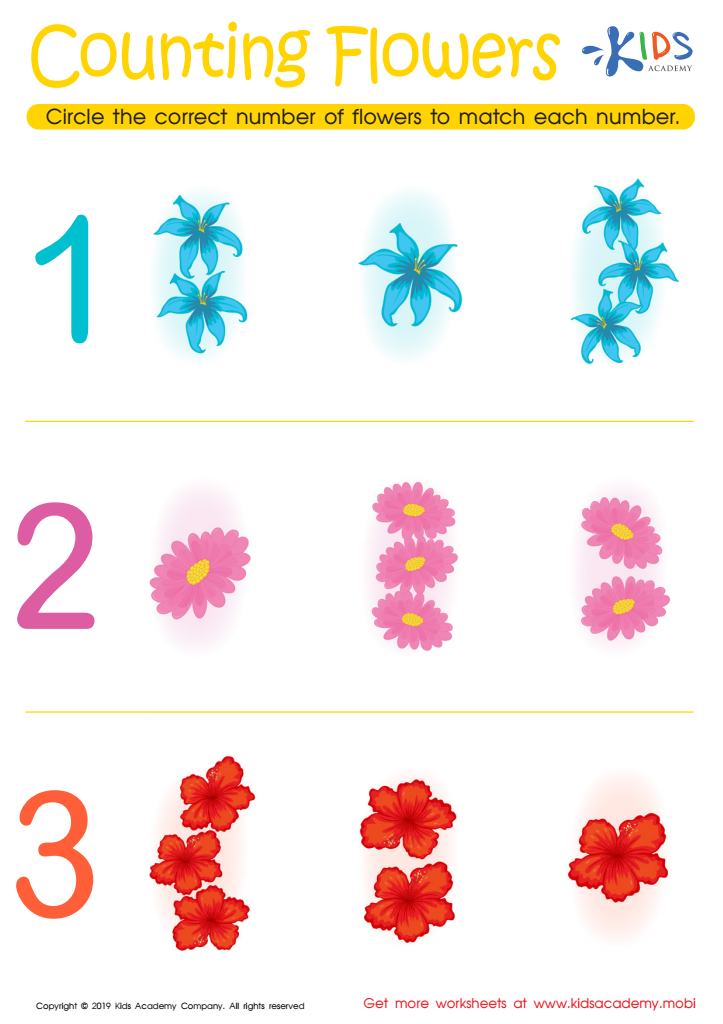
Counting Flowers Worksheet
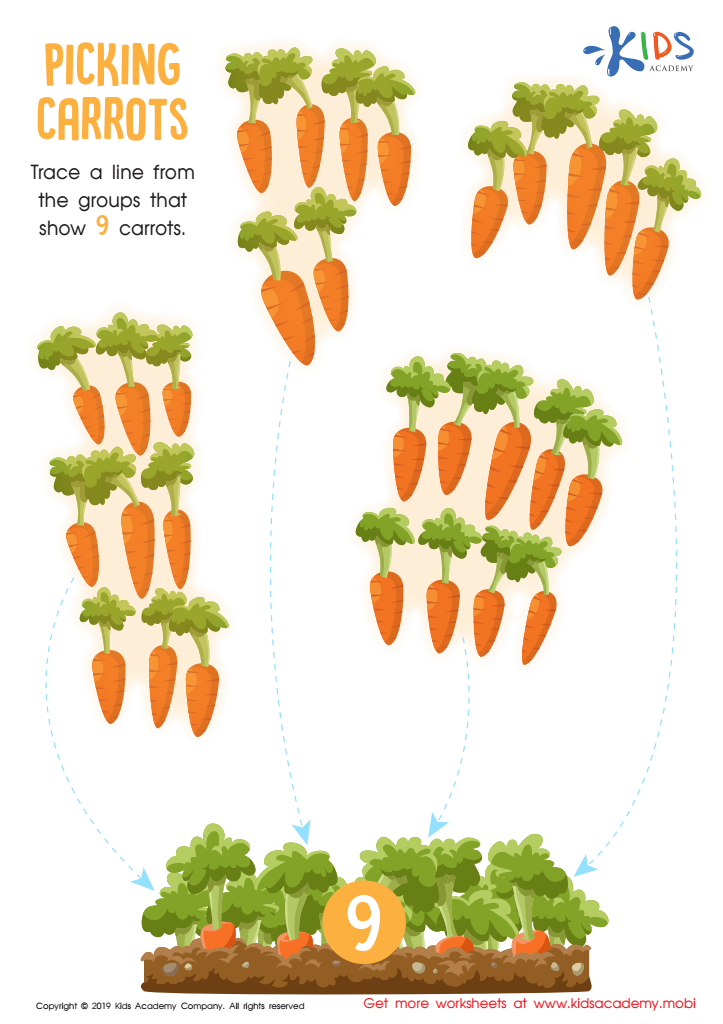
Picking Carrots Worksheet







Counting skills form the cornerstone of early math education and are crucial for children aged 5-6. At this formative stage, children develop foundational skills that will impact their future learning. By focusing on easy math and counting exercises, parents and teachers set the stage for a child's academic success and cognitive growth.
First, counting teaches children the basic concept of numbers and their sequential order, which is essential for understanding more complex mathematical operations later on, such as addition, subtraction, multiplication, and division. These skills also enhance logical thinking and problem-solving abilities, which are invaluable across subjects and daily life situations.
Counting skills also contribute to a child’s fine motor skills and hand-eye coordination, especially when using manipulatives like blocks, beads, or fingers. This physical aspect of learning helps children solidify abstract concepts through tangible means.
Similarly, early counting exercises encourage communication and teamwork. Group counting activities require children to listen to numbers being called out, follow along, and sometimes even take turns. This collaborative exercise builds social skills and reinforces learned concepts through peer interaction.
Moreover, early mastery of counting promotes confidence and a positive attitude towards mathematics. When children succeed in simple math tasks, they feel more equipped to tackle more challenging subjects, fostering a lifelong appreciation for learning. Therefore, investing time in helping young children develop their counting skills provides them with crucial tools for academic and personal success.








