Fine Motor Skills Easy Numbers up to 100 Worksheets for Ages 5-6
5 filtered results
Difficulty Level
Grade
Age
-
From - To
Subject
Activity
Standards
Welcome to our "Fine Motor Skills Easy Numbers up to 100 Worksheets" page, specially designed for children aged 5-6. These engaging worksheets are perfect for enhancing your child's fine motor skills while introducing them to numbers up to 100. Through colorful activities, kids will practice tracing, drawing, and counting, helping them develop essential hand-eye coordination and grip strength essential for writing and other tasks. Each worksheet is thoughtfully created to make learning fun and interactive, ensuring that your little ones gain confidence in their math skills while refining their motor abilities. Download and watch your child thrive!
Favorites
With answer key
Interactive
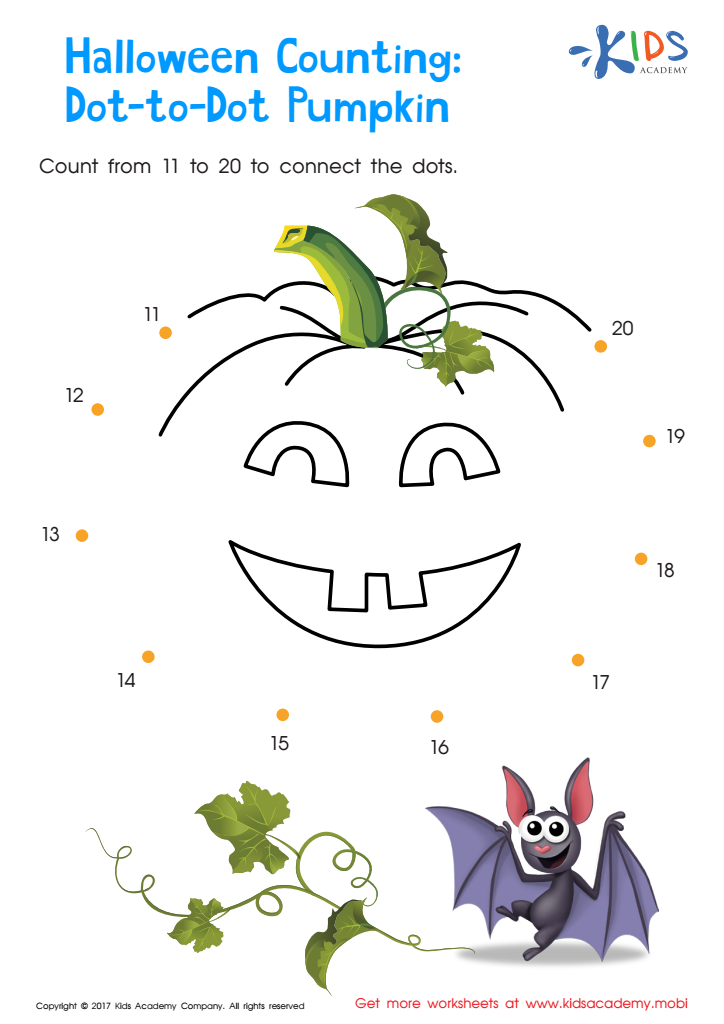
Ordering 11–20: Halloween Counting Worksheet
No matter the time of year, help your child get ready for Halloween with this worksheet. They'll practice counting from 11 to 20, recognizing numbers, and using a pencil to draw. By connecting the dots, they'll create a pumpkin picture, while unknowingly strengthening their early math skills. Print it today for an educational and fun experience!
 Assign to My Students
Ordering 11–20: Halloween Counting Worksheet
Worksheet
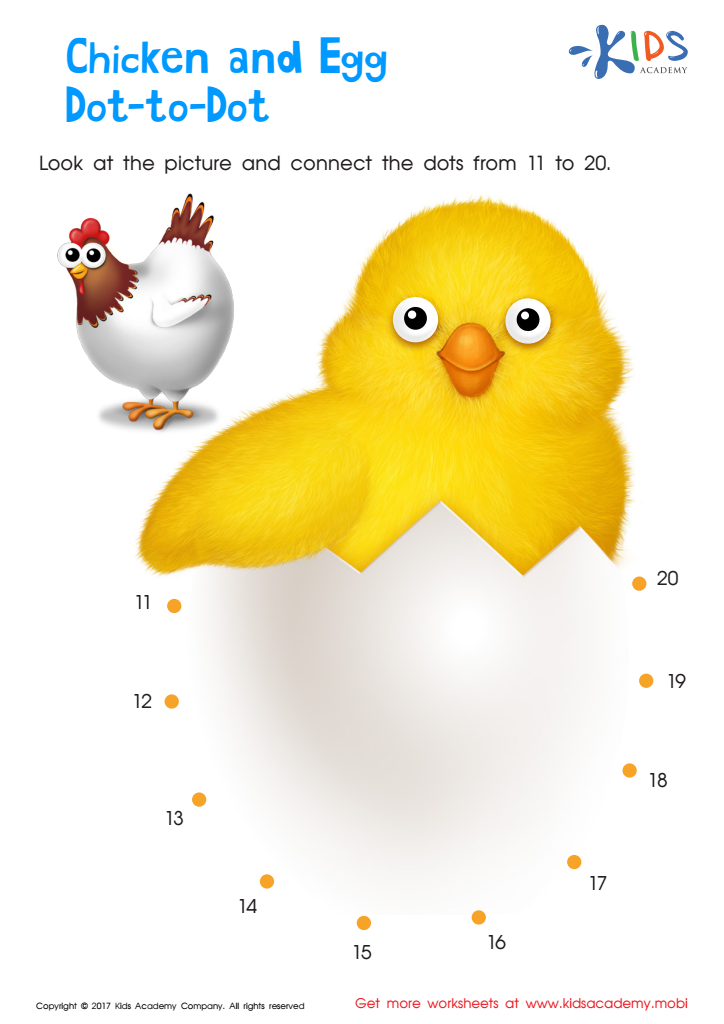
Ordering 11–20: Chicken & Egg Dot–to–dot Worksheet
Help your child hatch the chick and practice their counting skills with this dot to dot worksheet – the chicken came first! Connect the dots 11-20 to have fun and learn at the same time. Experience meaningful practice and gain confidence while drawing great pictures.
Ordering 11–20: Chicken & Egg Dot–to–dot Worksheet
Worksheet
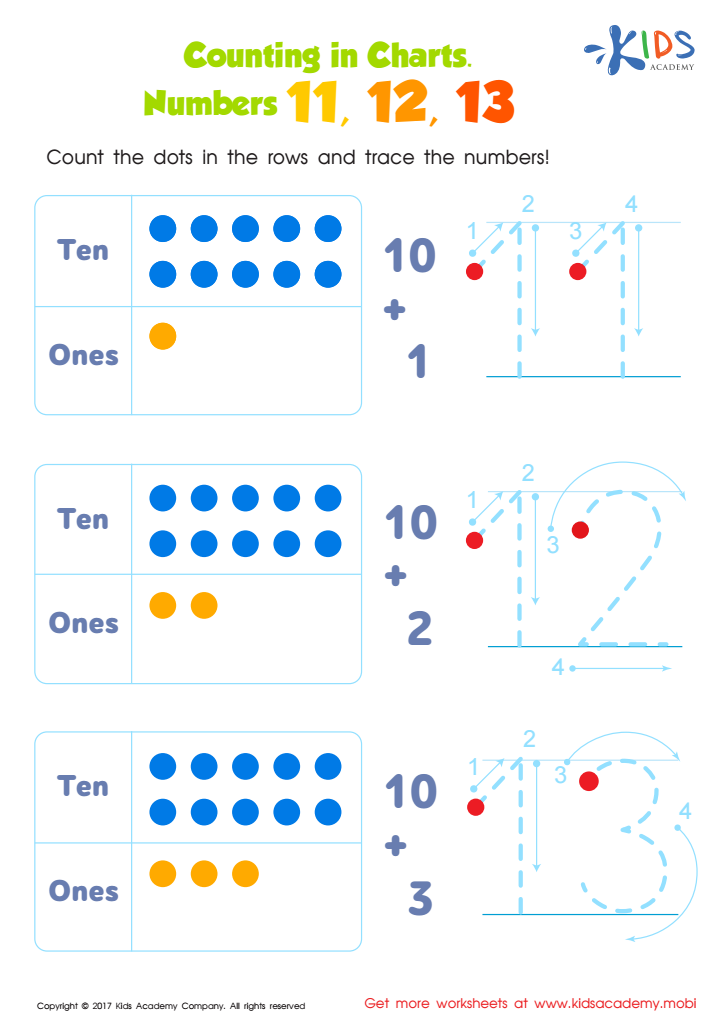
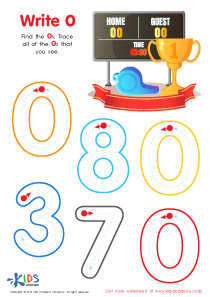
Number Tracing Worksheet For Kindergarten
Help your child develop addition skills and improve number recognition with this easy-to-use worksheet. Have them count the dots and add to solve each problem. Then, trace over the number to complete each row! It's a fun and simple way for kindergarteners to practice their math skills.
Number Tracing Worksheet For Kindergarten
Worksheet
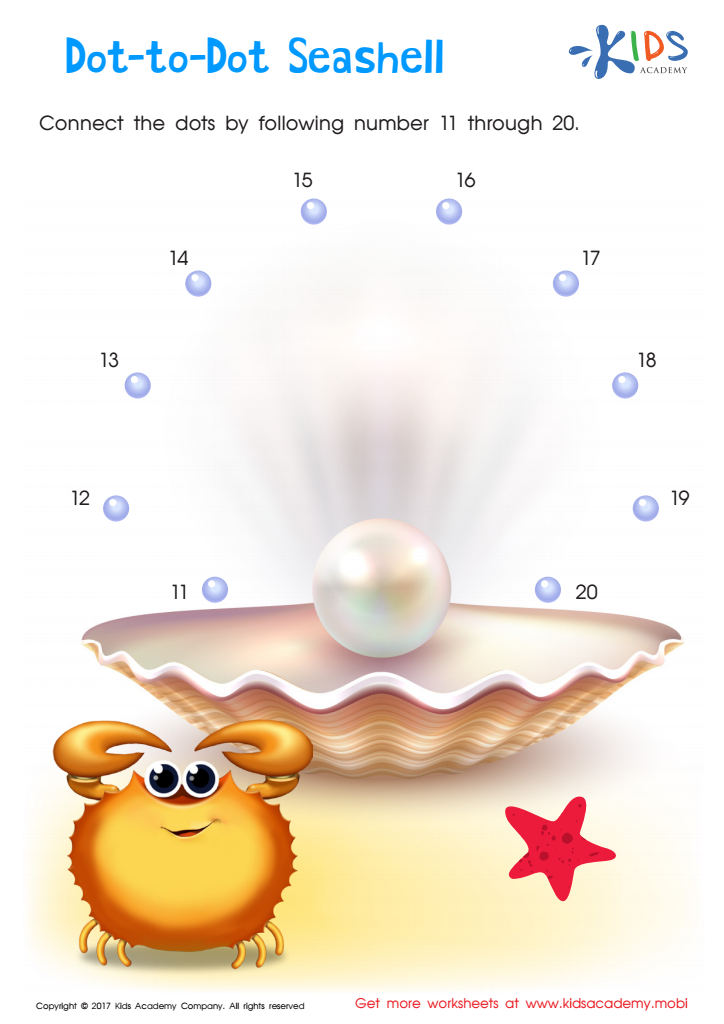
Ordering 11–20: Dot–to–dot Seashell Printable
Connecting the dots 11 to 20 is rewarding for kids, helping them practice counting, identifying numbers and gain cognitive and logical skills. Our worksheet features a vibrant image of a seashell, crab and sea star, and your child will feel rewarded creating it while honing their counting skills!
Ordering 11–20: Dot–to–dot Seashell Printable
Worksheet

Counting on the City Skyline: Dot-to-Dot Worksheet
Kids will love connecting the dots to make a superhero skyline! They'll reinforce their number line thinking and number sense while building fine-motor skills. Watch them beam with pride as the cityscape reveals itself, all thanks to some math practice.
Counting on the City Skyline: Dot-to-Dot Worksheet
Worksheet
Join Kids Academy for Free
Who is primarily going to use this learning content?








Fine motor skills are crucial for children aged 5-6, as they lay the foundation for essential tasks like writing, drawing, and personal care. Parents and teachers should prioritize activities that enhance these skills, especially in the context of learning easy numbers up to 100. Developing fine motor skills allows young learners to grasp pencils, cut with scissors, and manipulate small objects with greater precision, which significantly affects their ability to write numbers clearly and confidently.
Furthermore, engaging in fine motor activities, such as tracing numbers or using sorting games, promotes cognitive development by encouraging problem-solving and hand-eye coordination. Mastering these skills is vital for school readiness, as children who struggle with fine motor tasks may experience difficulties in completing classroom work efficiently, leading to frustration or anxiety.
Incorporating fun and interactive fine motor activities related to numbers also helps maintain children's interest in learning. It can transform an otherwise dry topic into an engaging experience, igniting a passion for mathematics at a young age. Ultimately, supporting fine motor skill development can pave the way for academic success and foster independence, empowering children to feel capable and confident in their abilities.