Basic counting skills Easy Worksheets for Ages 5-7
6 filtered results
-
From - To
Enhance your child's basic counting skills with our engaging, easy worksheets designed specifically for ages 5-7! These printable activities make learning fun, providing a gentle introduction to numbers through colorful graphics and interactive exercises. Perfect for preschoolers and early elementary students, our resources help children practice counting with everyday objects, learn number recognition, and develop essential math skills. Parents and educators will find a variety of worksheets to suit their teaching methods and support children's learning at home or in school. Start building a strong foundation in mathematics today with our basic counting skills worksheets!
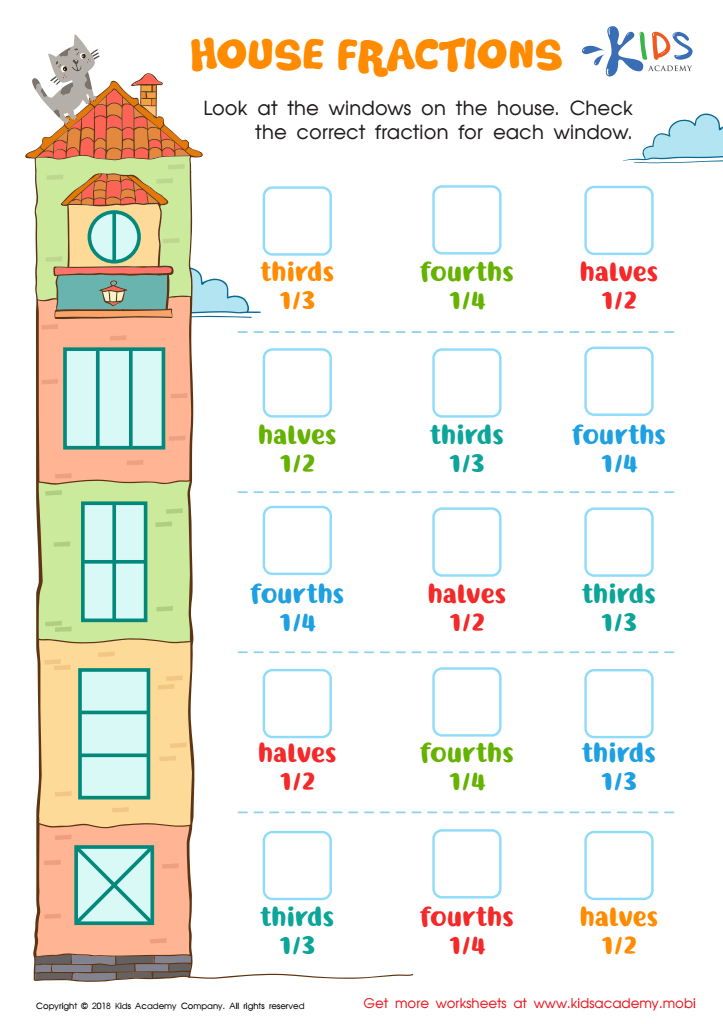
House Fractions Worksheet
 Assign to My Students
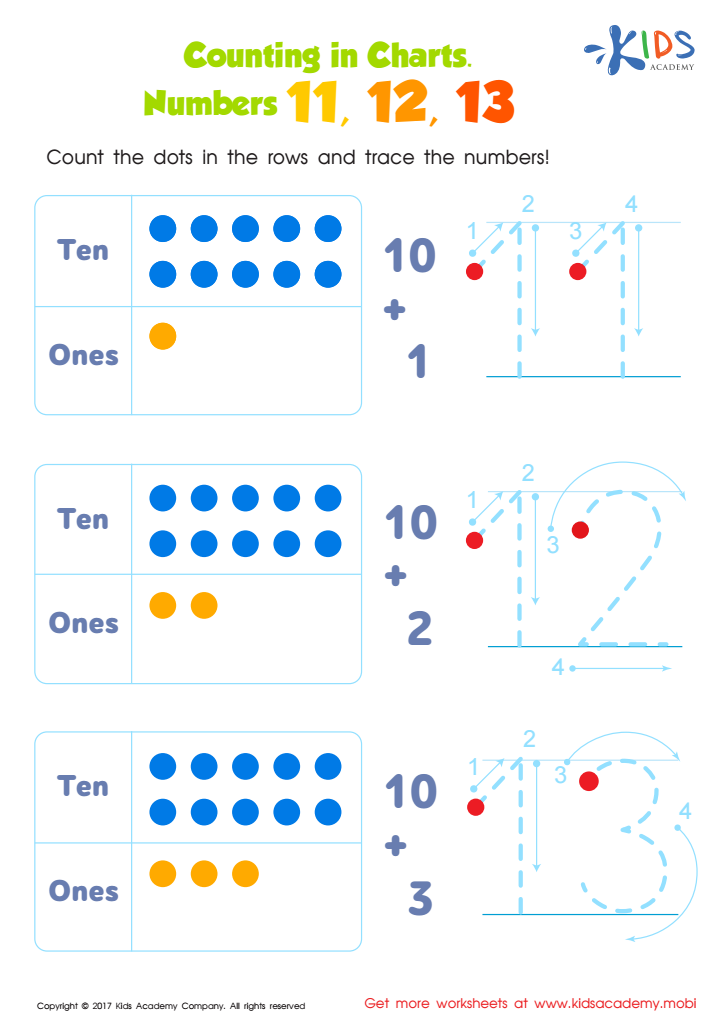
Number Tracing Worksheet For Kindergarten
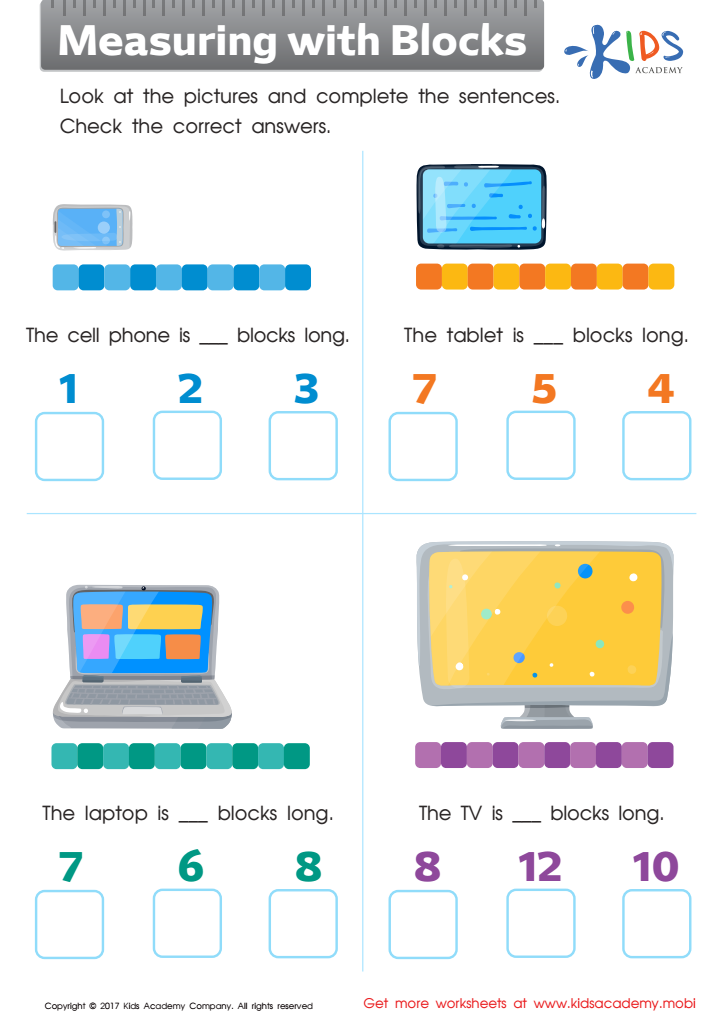
Measuring with Blocks Worksheet
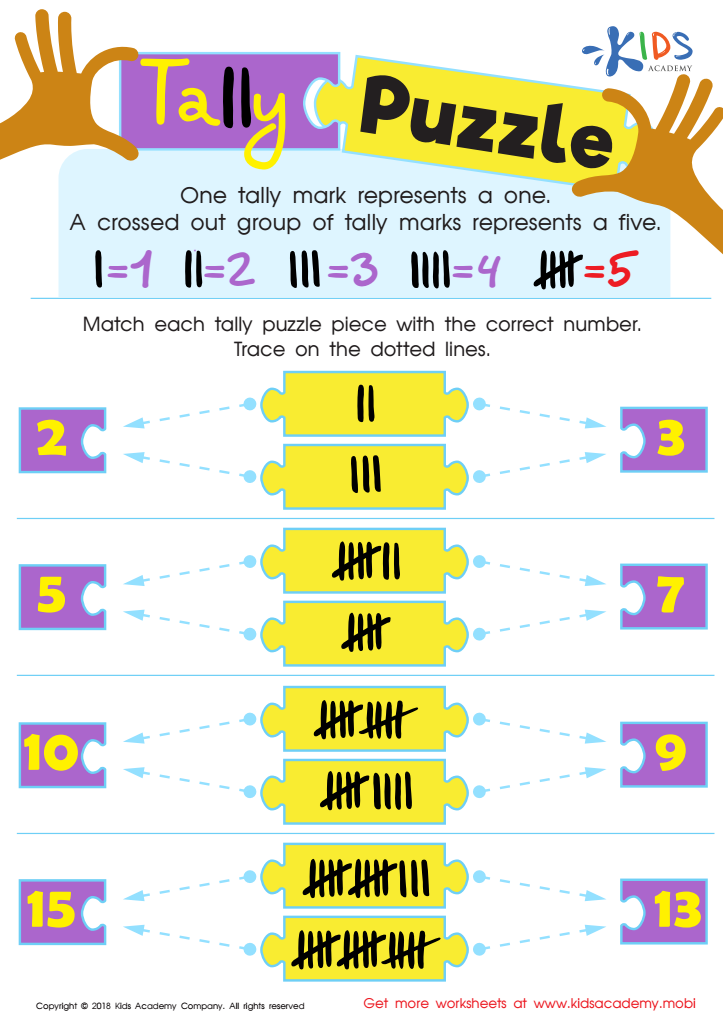
Tally Puzzle Worksheet
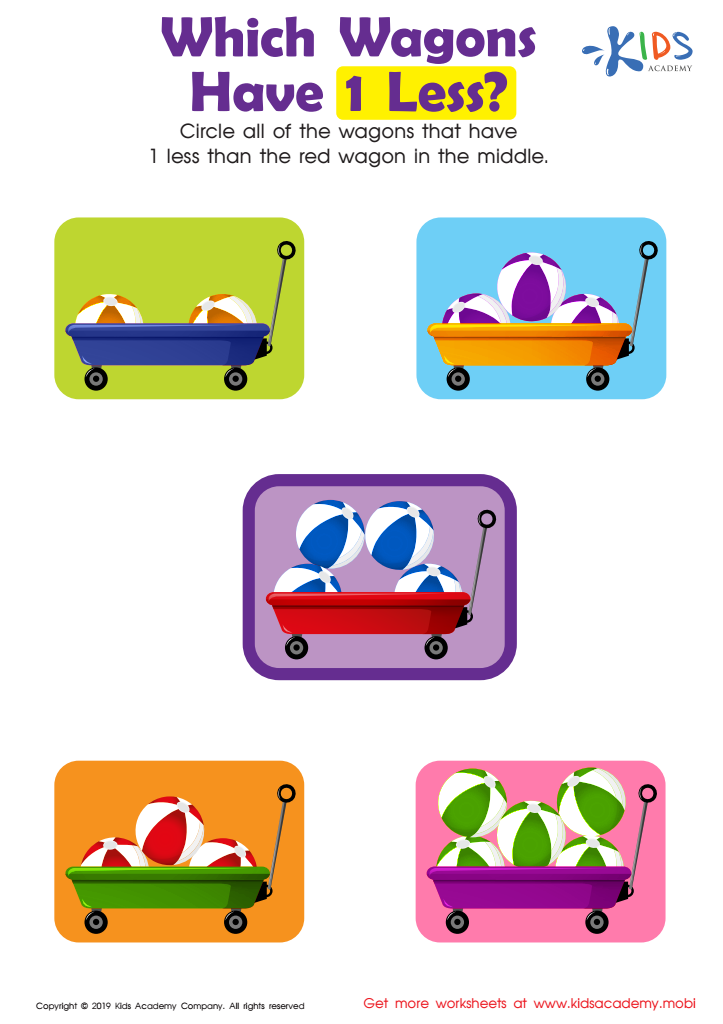
Which Wagons Have 1 Less? Worksheet


.jpg)




Basic counting skills are foundational for young learners aged 5-7, forming the building blocks for mathematical understanding. Parents and teachers should care about these skills because they set the stage for future academic success. Mastering counting helps children develop number sense, which boosts their confidence in solving mathematical problems later in life.
Additionally, counting skills are not limited to mathematics; they facilitate critical thinking and problem-solving in everyday situations. For example, when children count objects, they learn to categorize and organize information, enhancing cognitive abilities that are important for other subjects, including science and reading.
Furthermore, counting engages young minds in play and exploration. Counting games and activities supercharge learning, making it enjoyable and interactive, which encourages a lifelong love for learning.
Finally, early proficiency in counting aids in essential life skills, such as understanding money, measuring, and scheduling, as children learn to navigate the world around them. By focusing on basic counting skills, parents and teachers play a vital role in shaping well-rounded, confident learners equipped for future challenges.








