Counting skills Easy Worksheets for Ages 5-7 - Page 4
90 filtered results
-
From - To
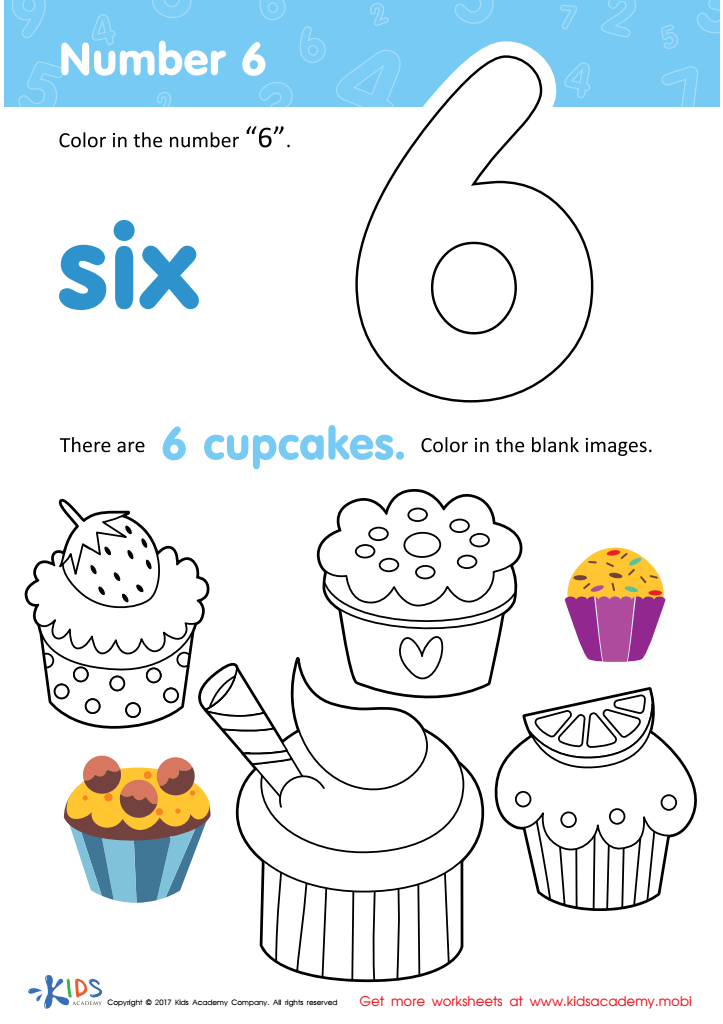
Number 6 Worksheet
 Assign to My Students
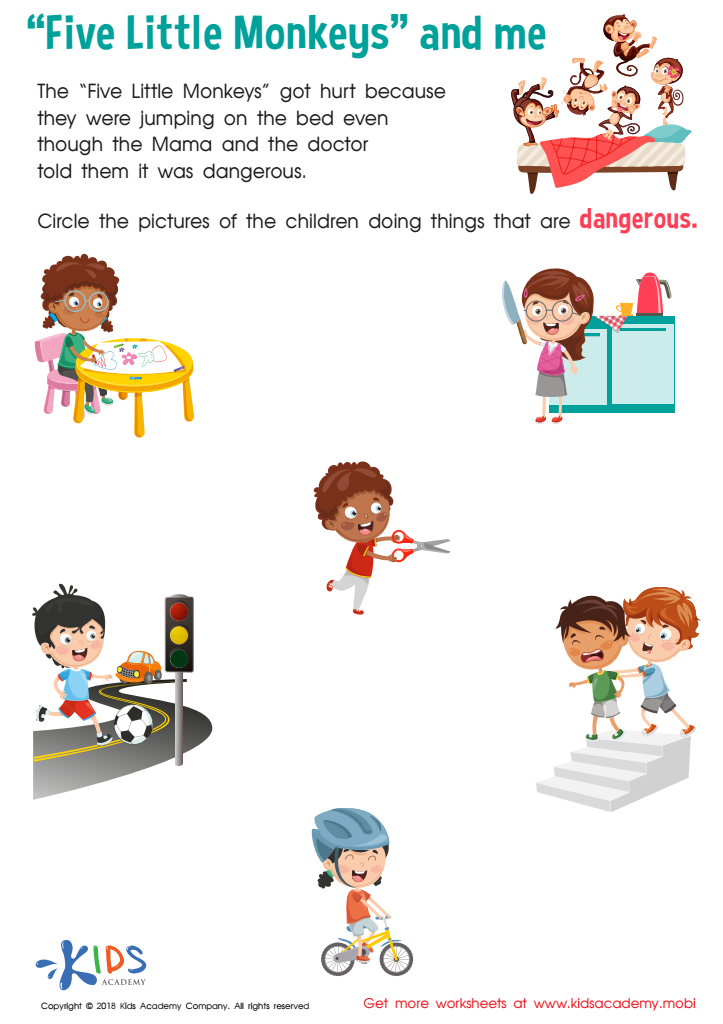
Five Little Monkeys and Me Worksheet
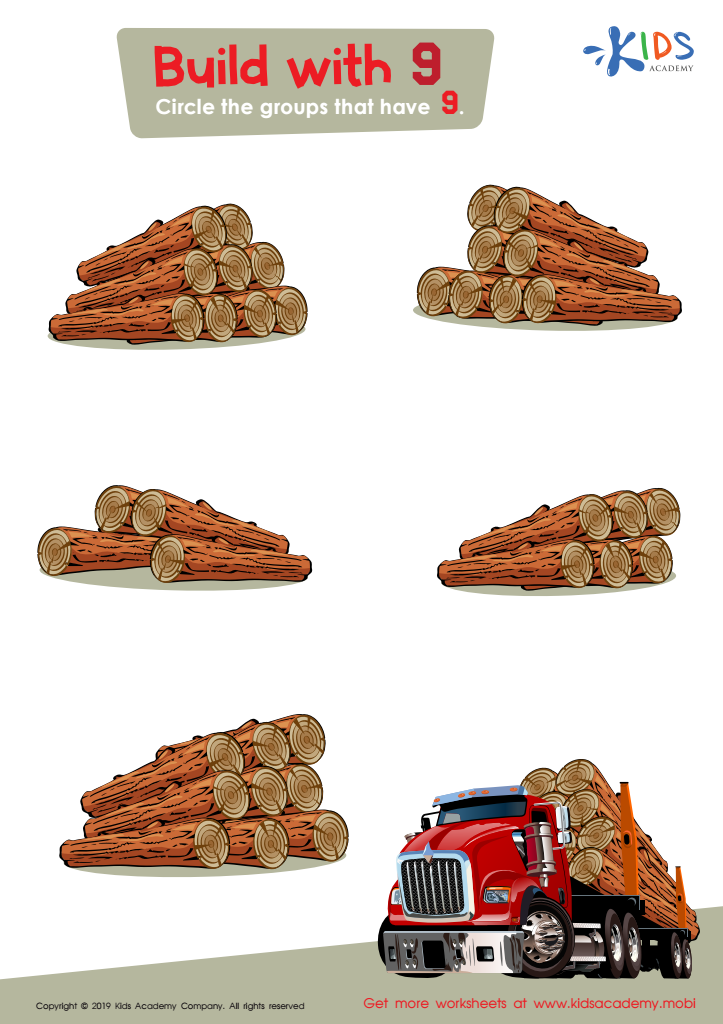
Build with 9 Worksheet
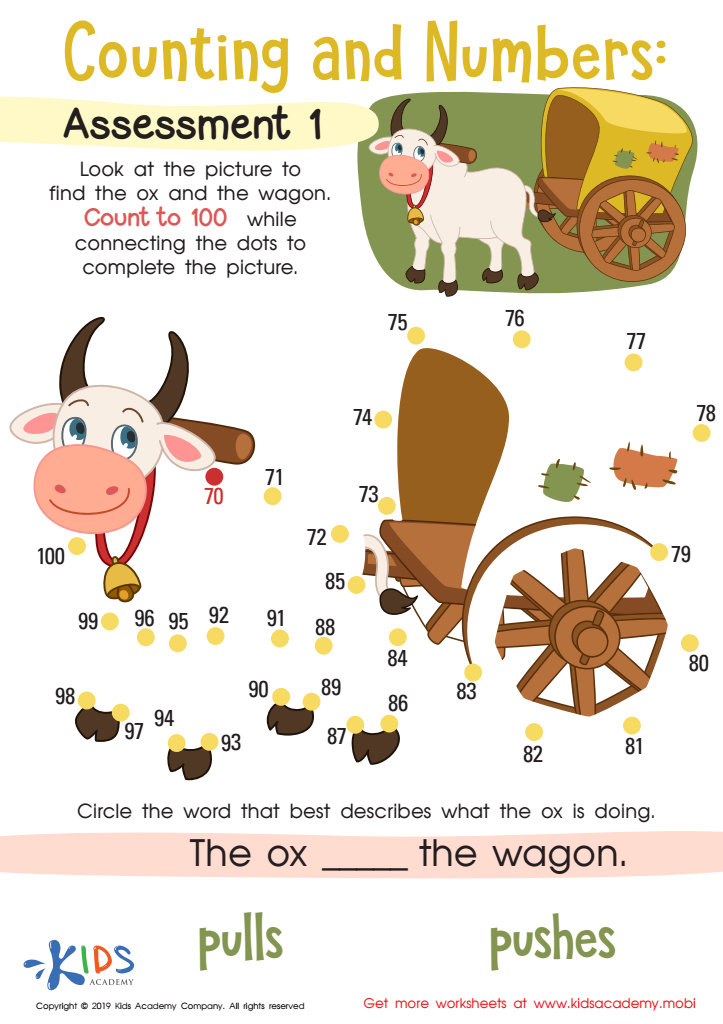
Counting and Numbers: Assessment 1 Worksheet
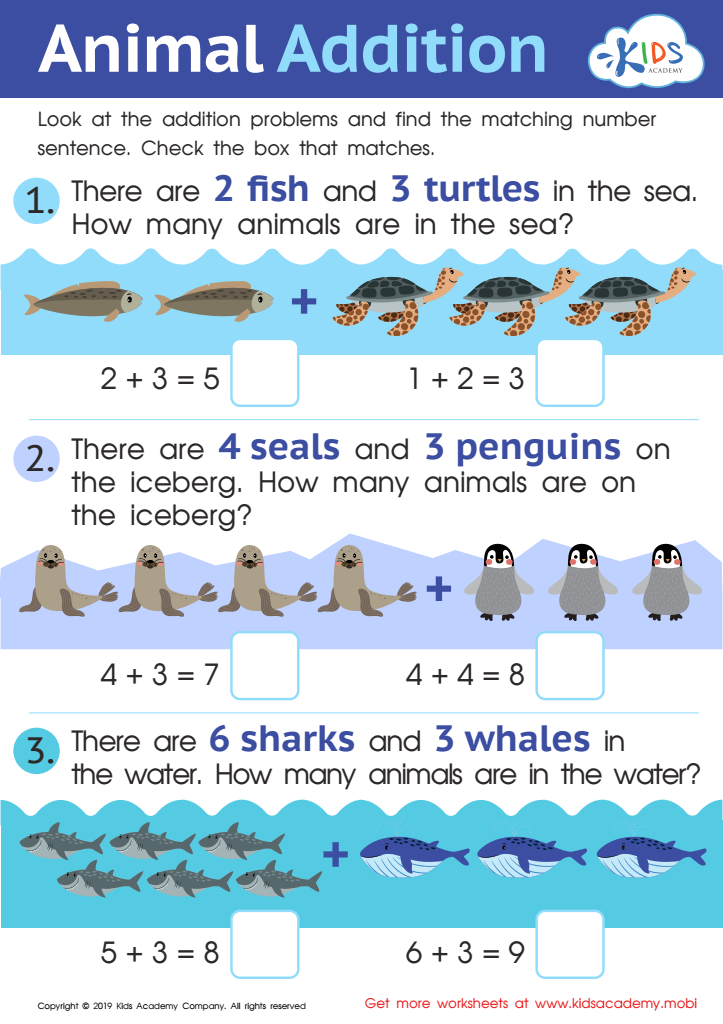
Animal Addition Worksheet
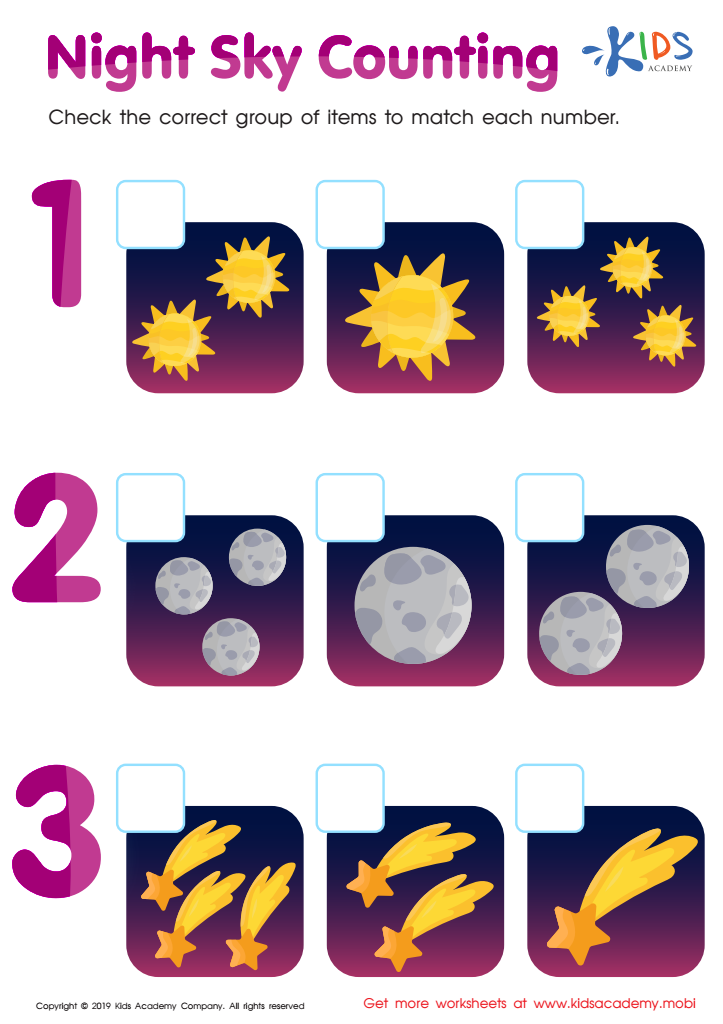
Night Sky Counting Worksheet
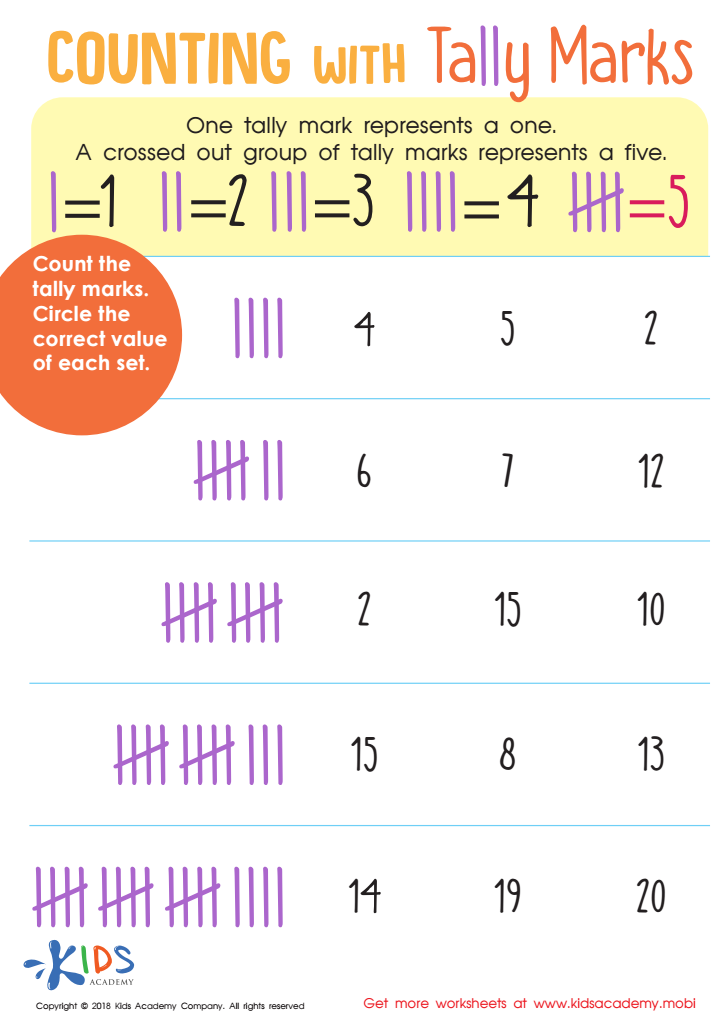
Counting with Tally Marks Worksheet
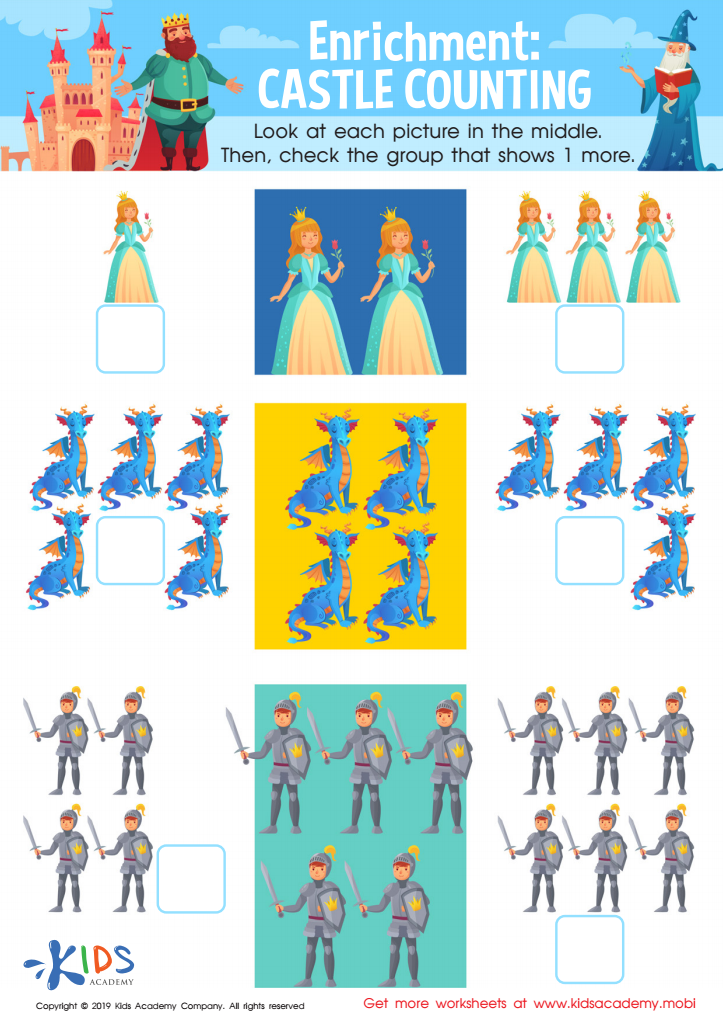
Enrichment: Castle Counting Worksheet
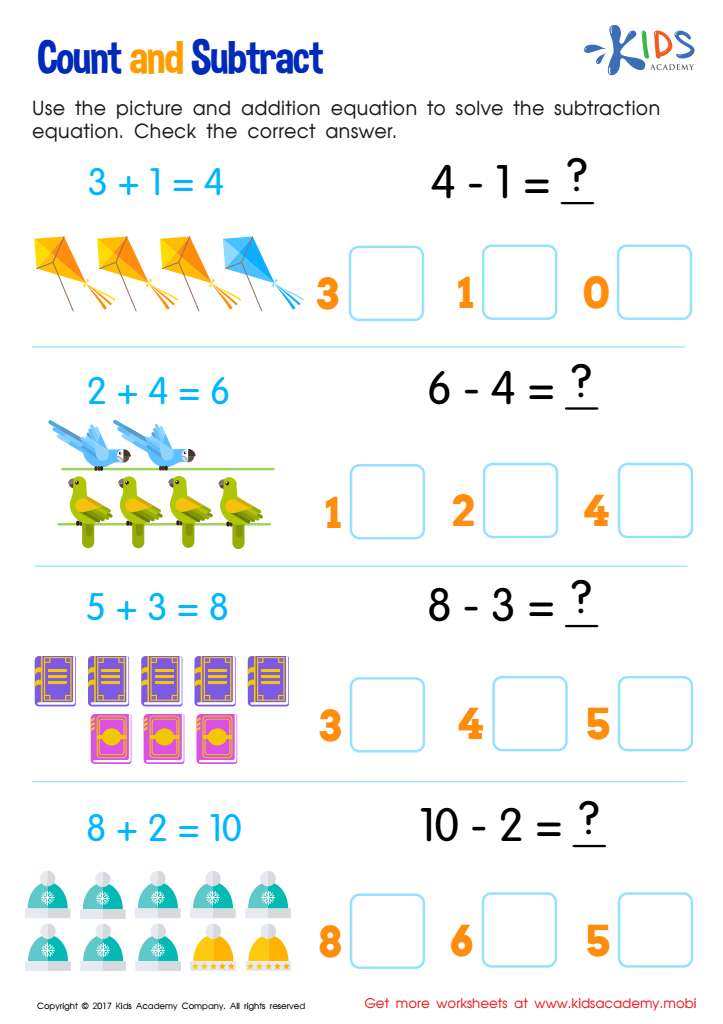
Count and Subtract Worksheet
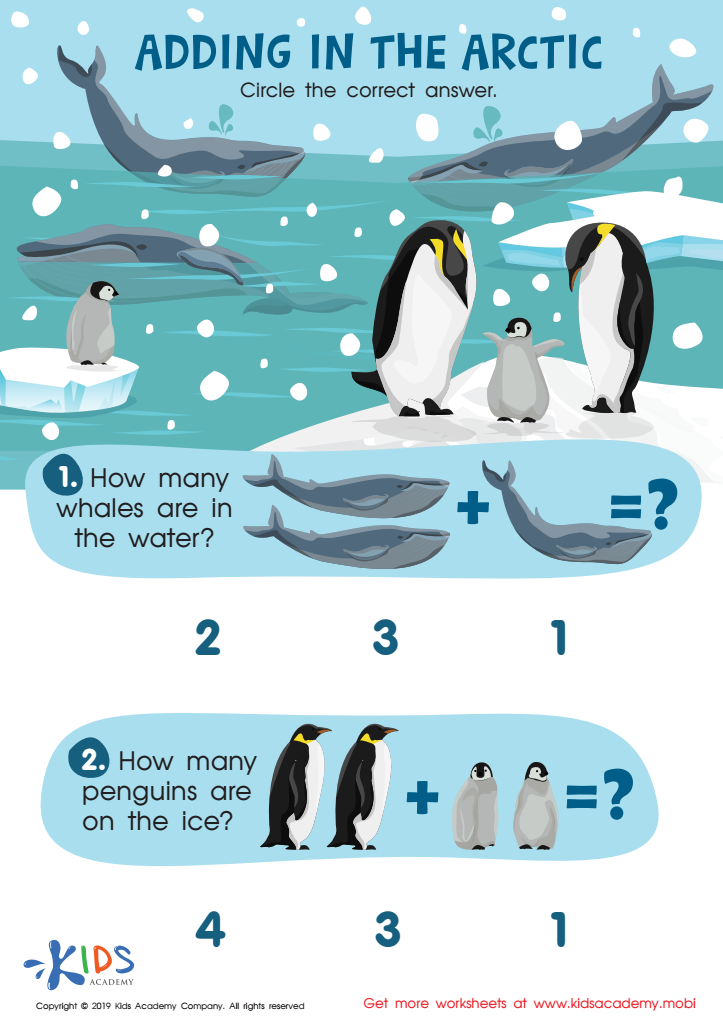
Adding in the Arctic Worksheet
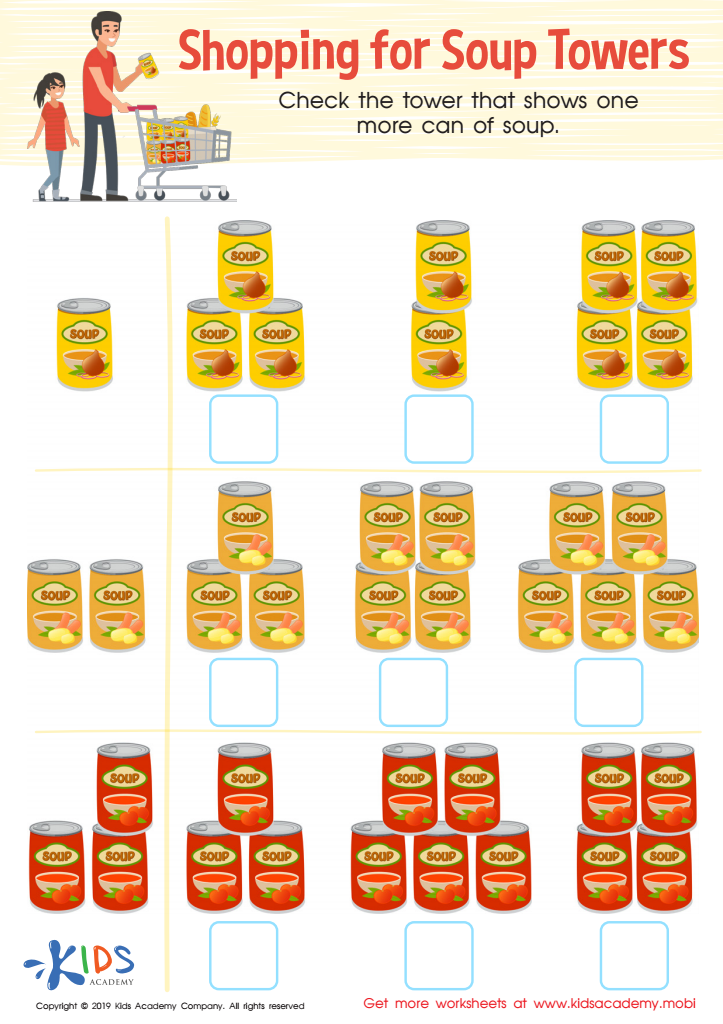
Soup Towers Worksheet
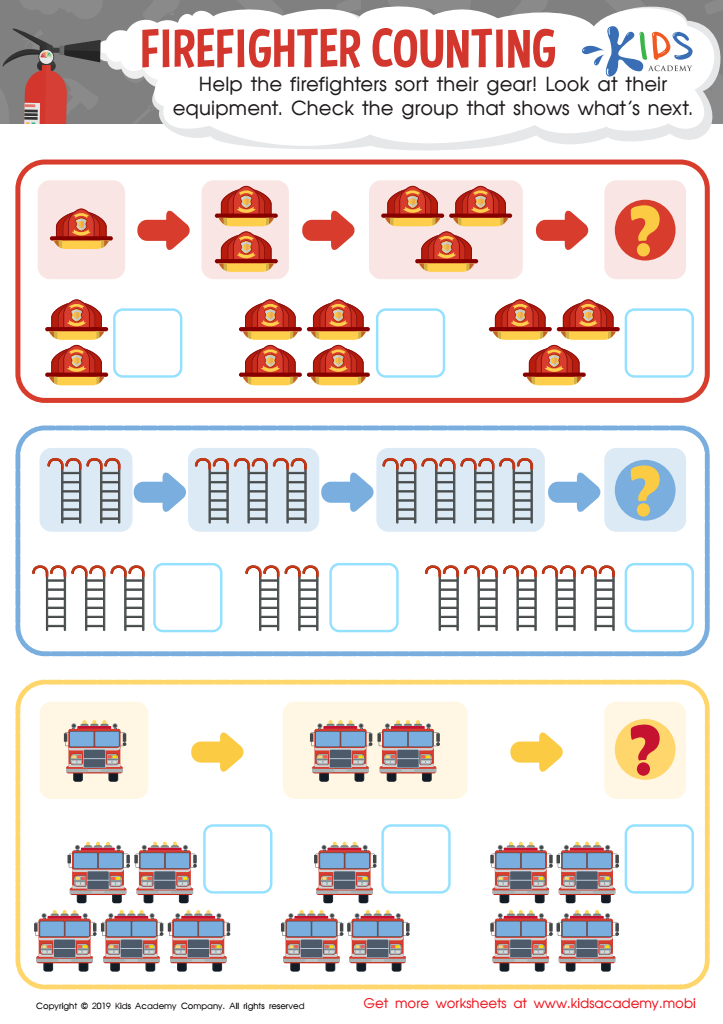
Firefighter Counting Worksheet
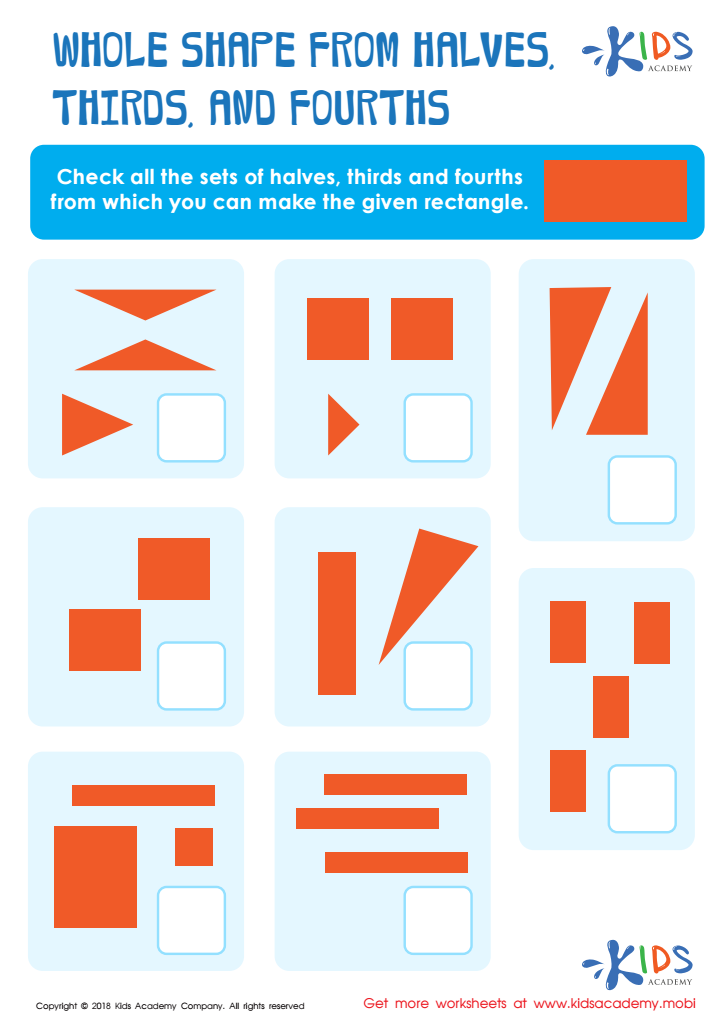
Whole Shape from Halves, Thirds and Fourths Worksheet
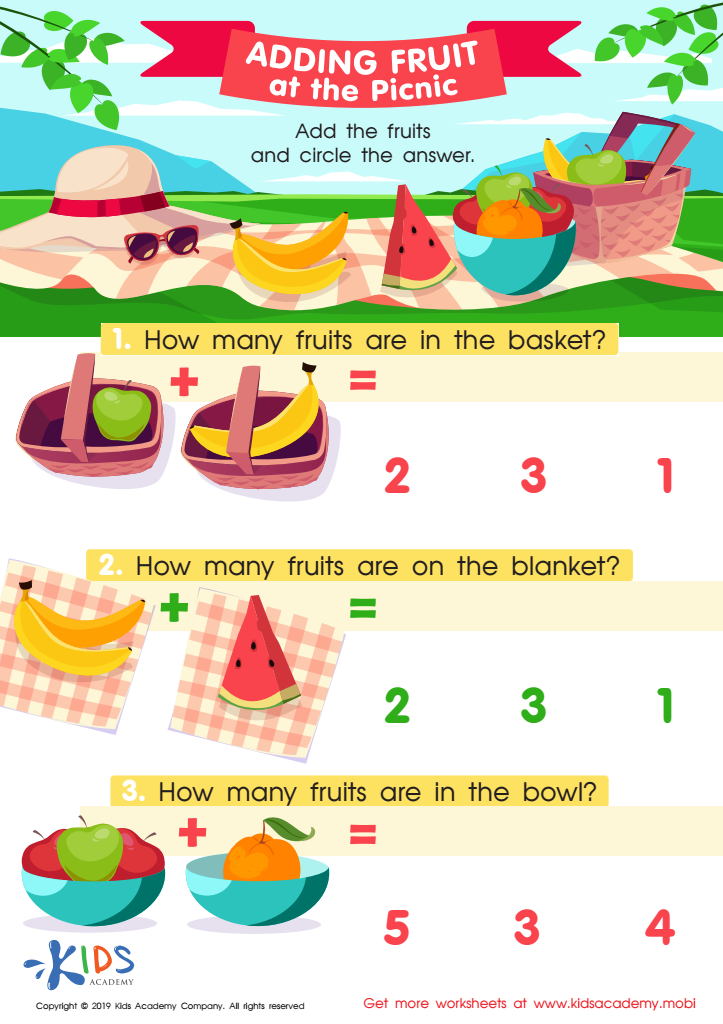
Adding Fruit at the Picnic Worksheet
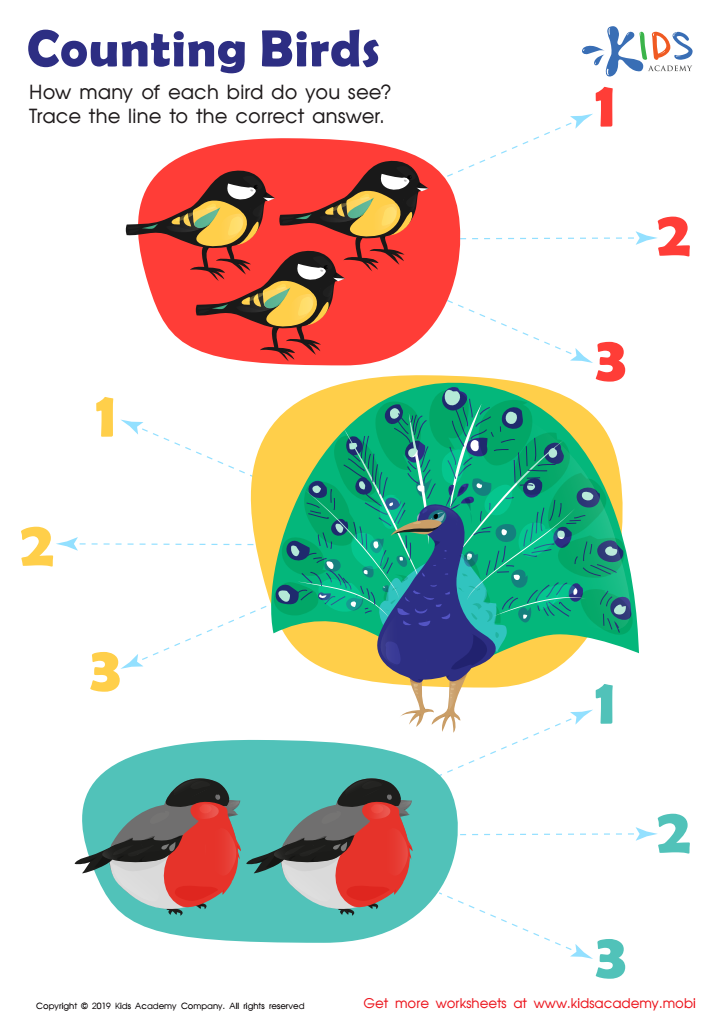
Counting Birds Worksheet
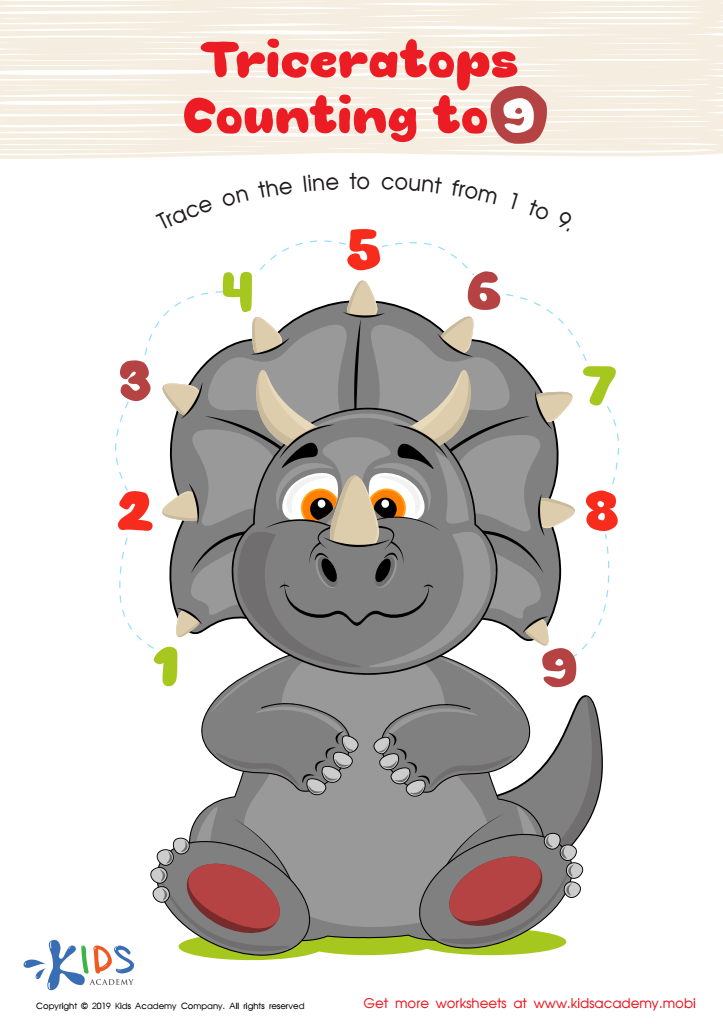
Triceratops Counting to 9 Worksheet
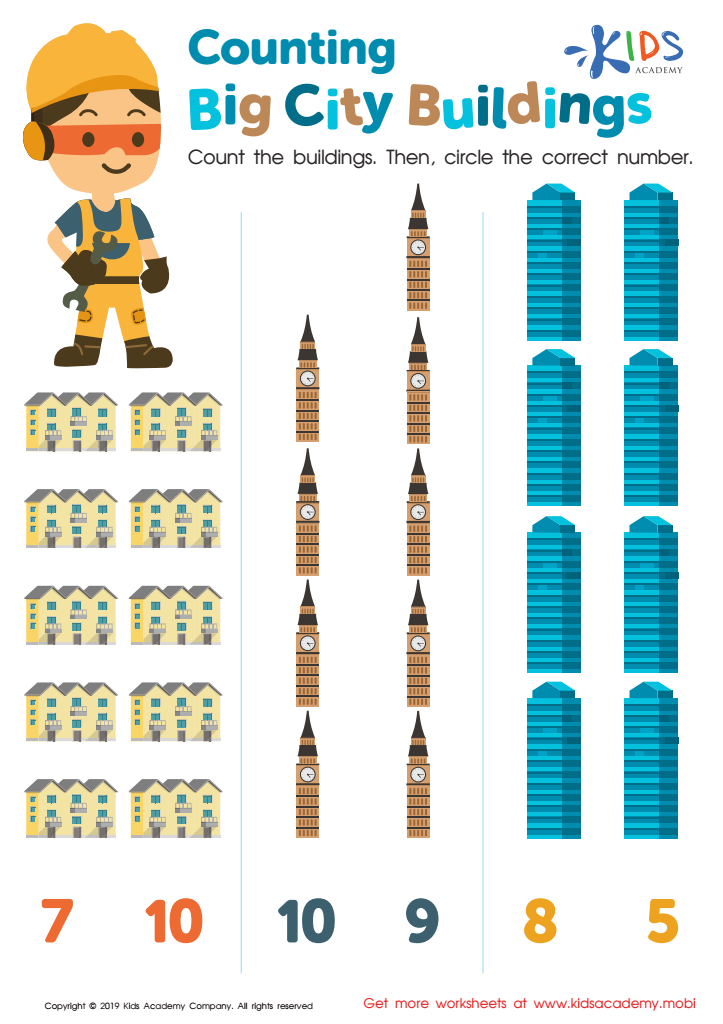
Counting Big City Buildings Worksheet
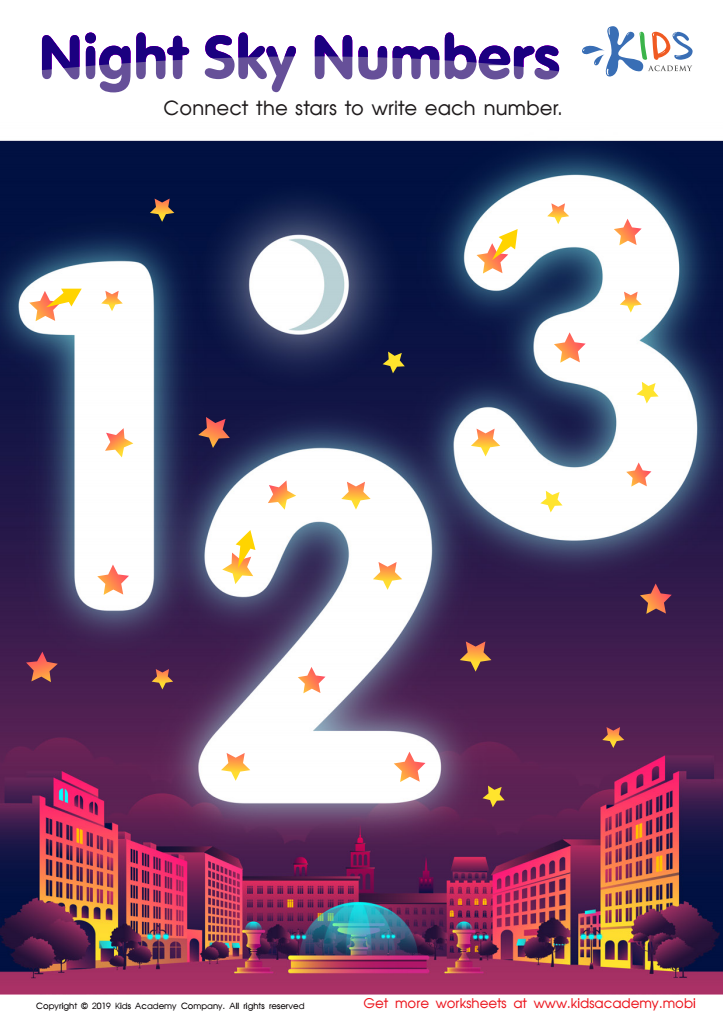
Night Sky Numbers Worksheet







Counting skills serve as a foundational element in early childhood education, particularly for children aged 5 to 7. During this critical developmental stage, counting not only introduces children to basic mathematics but also enhances their cognitive abilities. When parents and teachers prioritize counting skills, they equip children with the tools necessary to understand more complex mathematical concepts in the future, such as addition, subtraction, and problem-solving.
Moreover, counting promotes attention and memory, essential skills that benefit learning across various subjects. Engaging children in counting activities—whether through songs, games, or everyday scenarios like counting objects around the house—adds an element of fun while reinforcing learning. This hands-on approach bolsters children's confidence when tackling numbers, ultimately leading to improved academic performance.
Additionally, strong counting skills contribute to a child's social and emotional development. Collaborative counting games foster teamwork and turn-taking, promoting social skills alongside academic growth. By investing time in developing these skills, parents and teachers can nurture not only numeracy but essential life skills that enhance children's overall education experiences and prepare them for future learning opportunities. Thus, supporting counting skills in early education should be a priority for both parents and teachers.








