Understanding citizenship Easy Worksheets for Ages 5-7
3 filtered results
-
From - To
Introduce young learners to the basics of good citizenship with our easy worksheets, designed especially for ages 5-7. Our fun and engaging activities will help children comprehend fundamental concepts such as community roles, rules and responsibilities, and the importance of teamwork. Each worksheet is tailored to foster curiosity and understanding through interactive exercises that are both educational and entertaining. Encourage your little ones to become responsible, compassionate members of their community. Perfect for classroom or home use, these resources are an excellent addition to any early-grade curriculum focused on building essential citizenship skills. Download today and watch your child thrive!
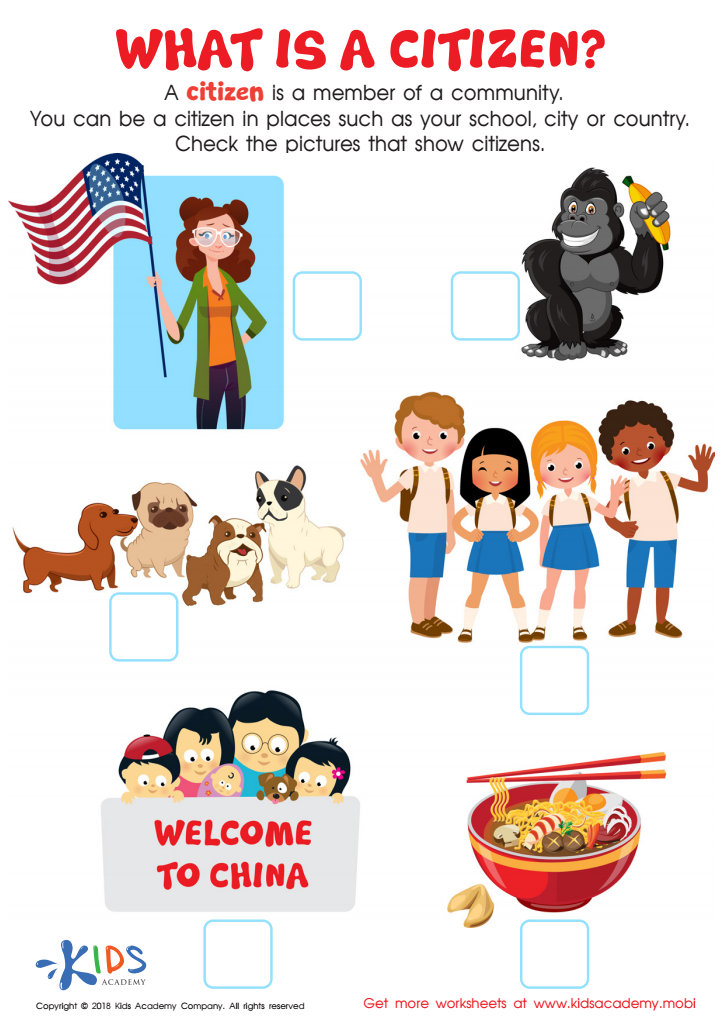
What is a Citizen? Worksheet
 Assign to My Students
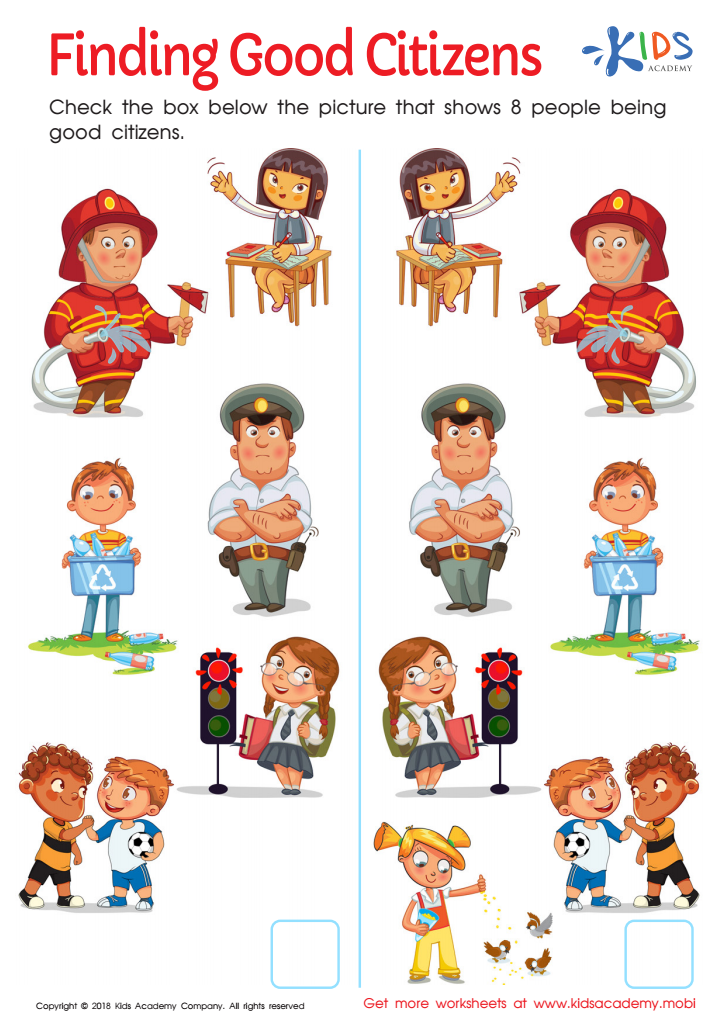
Finding Good Citizens Worksheet
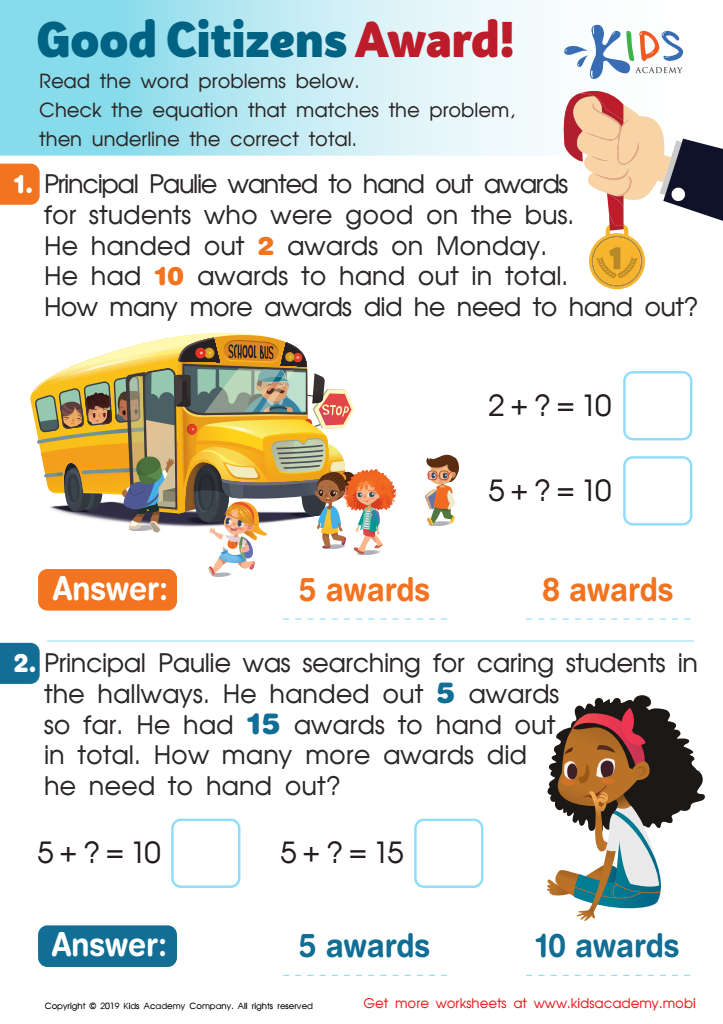
Good Citizens Award! Worksheet




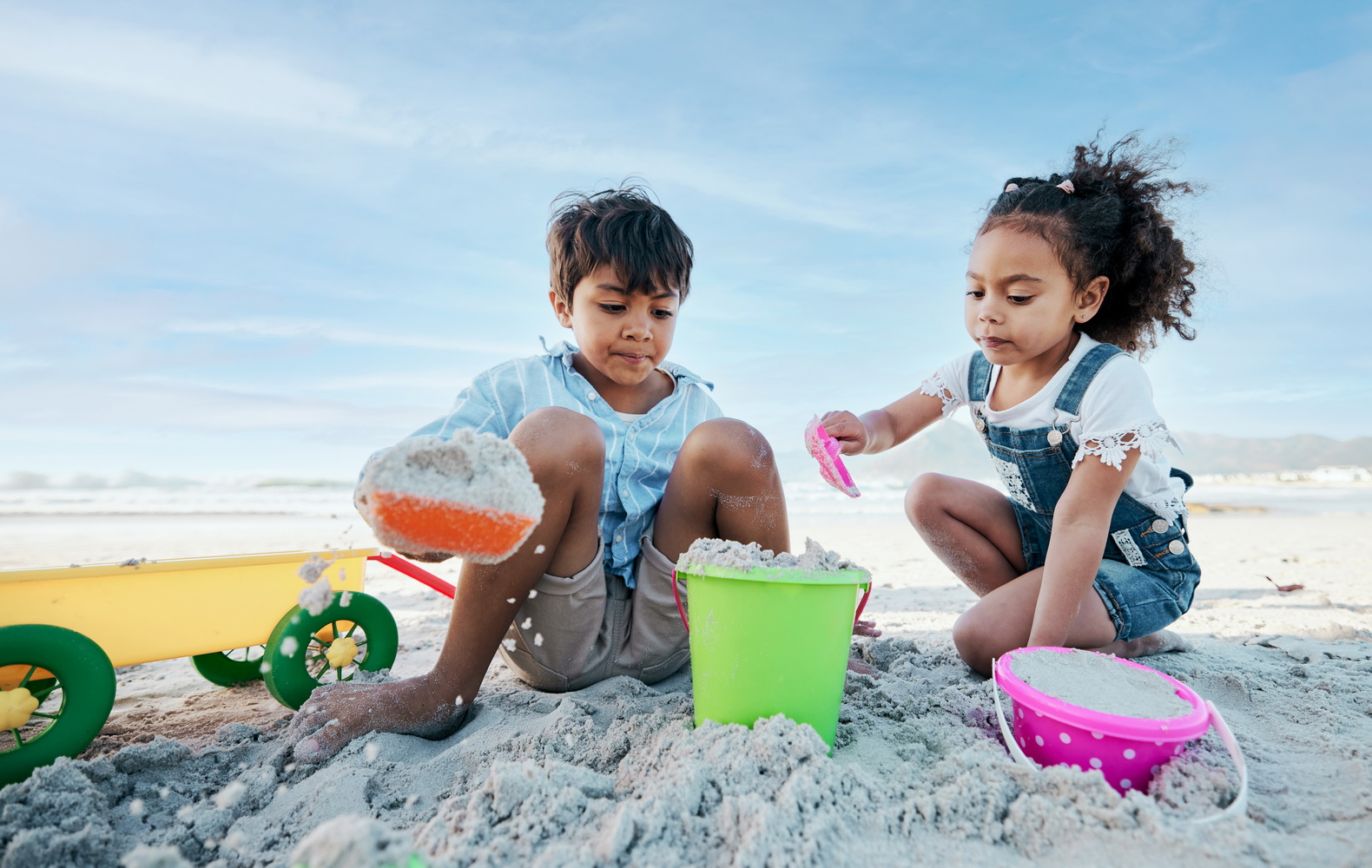


Understanding citizenship at an early age is crucial for fostering responsible, socially aware individuals. For young children aged 5-7, understanding citizenship means learning about community, fairness, and their roles within a group. Parents and teachers play a vital role in this developmental stage by instilling fundamental principles like respect, empathy, and cooperation.
Introducing citizenship concepts early helps children grasp the importance of rules and laws, not as restrictions but as protective measures for everyone’s well-being. For instance, learning to share and take turns at this age translates into more complex understanding later, such as why obeying traffic laws keeps the roads safe for everyone.
Moreover, early citizenship education encourages kids to consider others’ feelings, leading to more harmonious interactions both at school and home. By learning about their rights and responsibilities, children become more confident in expressing themselves appropriately and respecting others' rights.
Parents and teachers who emphasize citizenship can also nurture a sense of belonging and community spirit in young children. This strengthens their social bonds and prompts them to take positive actions, like helping classmates or participating in group activities. Building this foundation not only creates better classroom environments but also shapes the future of societies by developing conscientious, engaged citizens.








