Counting skills Easy Math Worksheets for Ages 5-7 - Page 4
86 filtered results
-
From - To
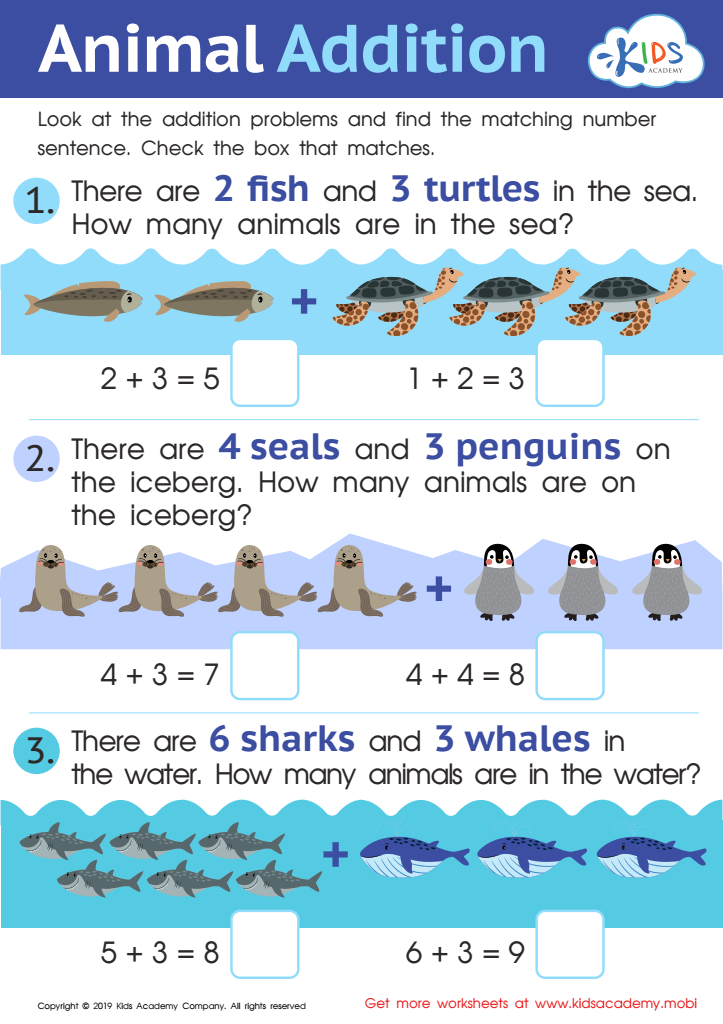
Animal Addition Worksheet
 Assign to My Students
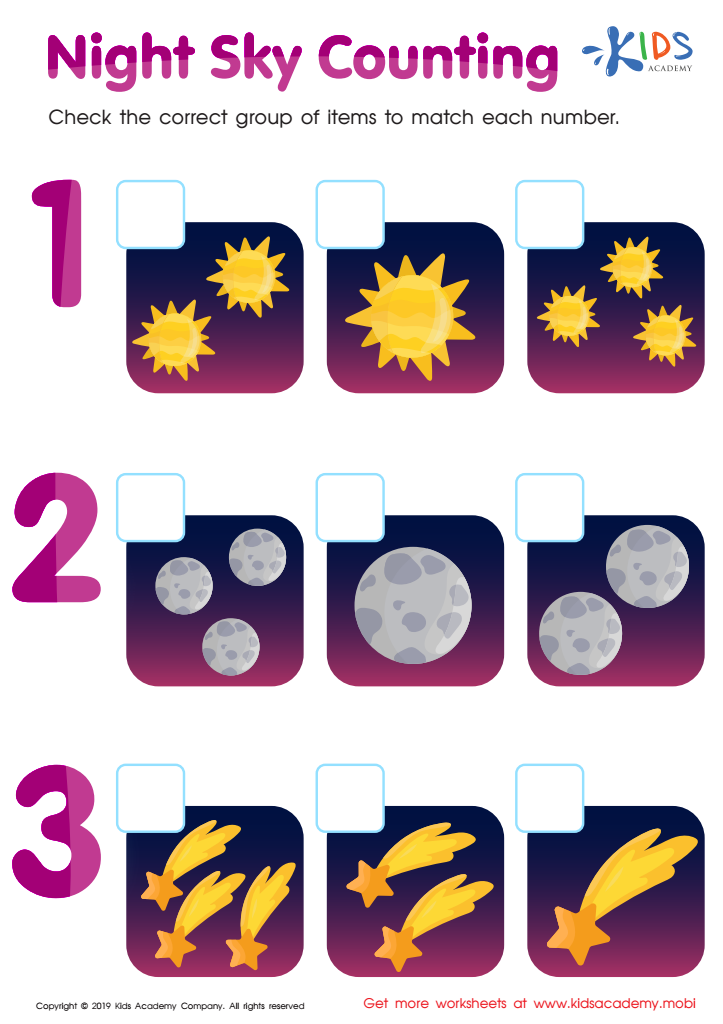
Night Sky Counting Worksheet
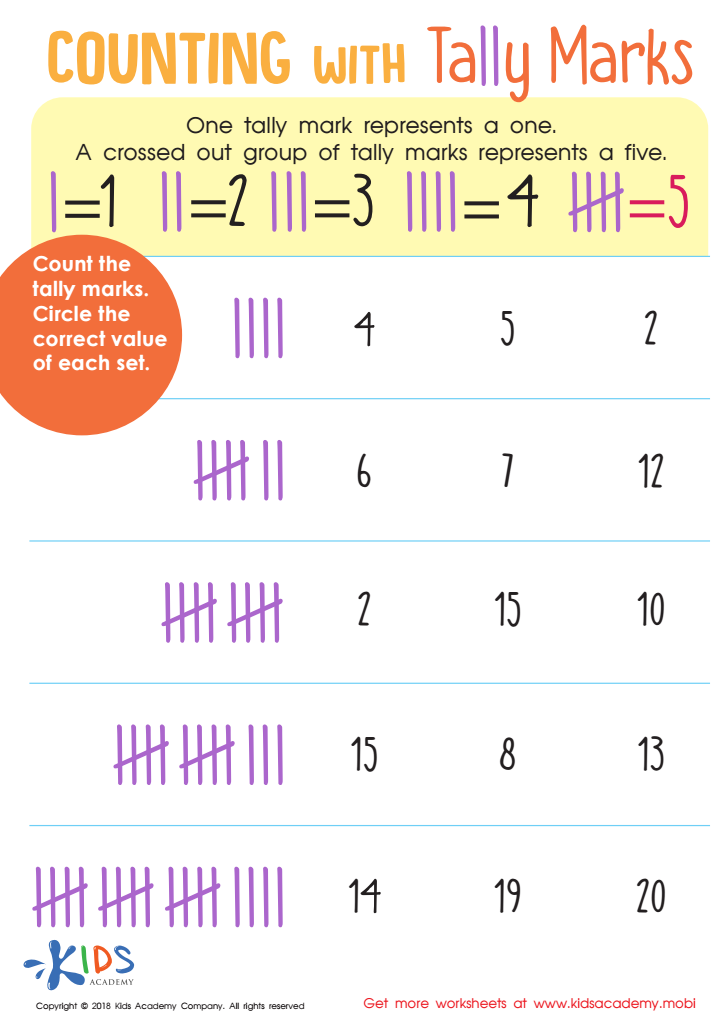
Counting with Tally Marks Worksheet
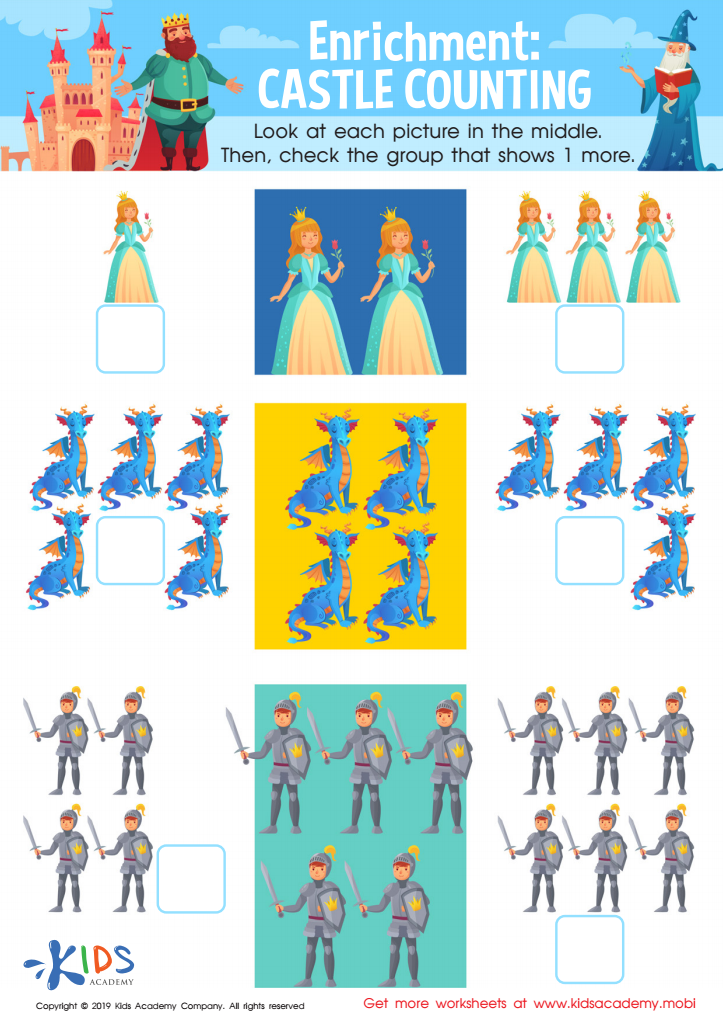
Enrichment: Castle Counting Worksheet
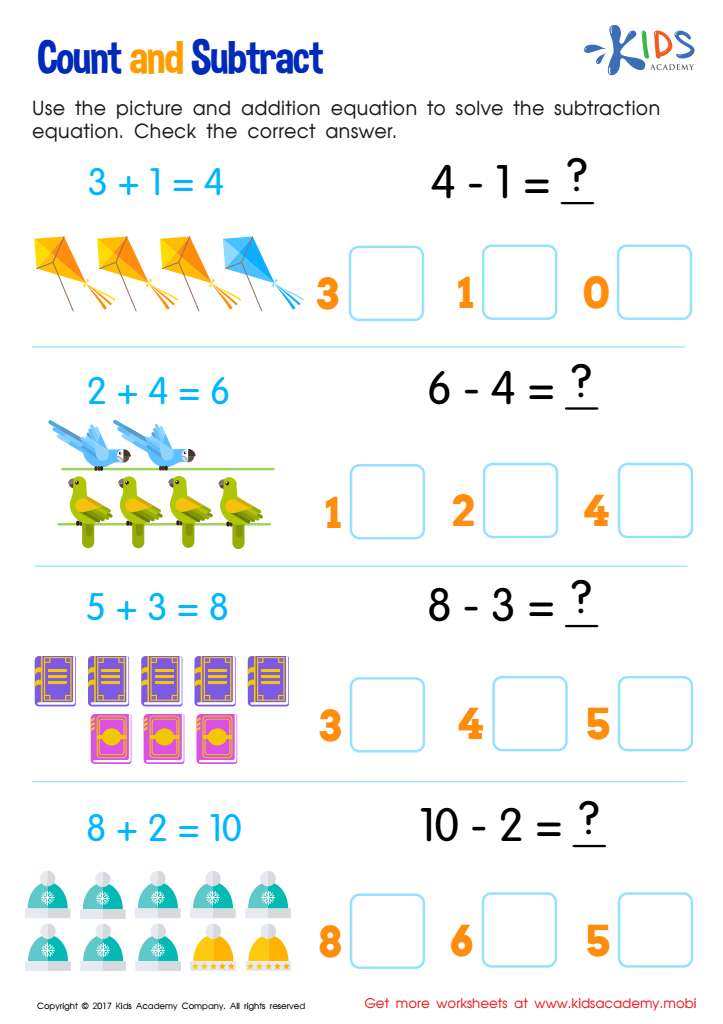
Count and Subtract Worksheet
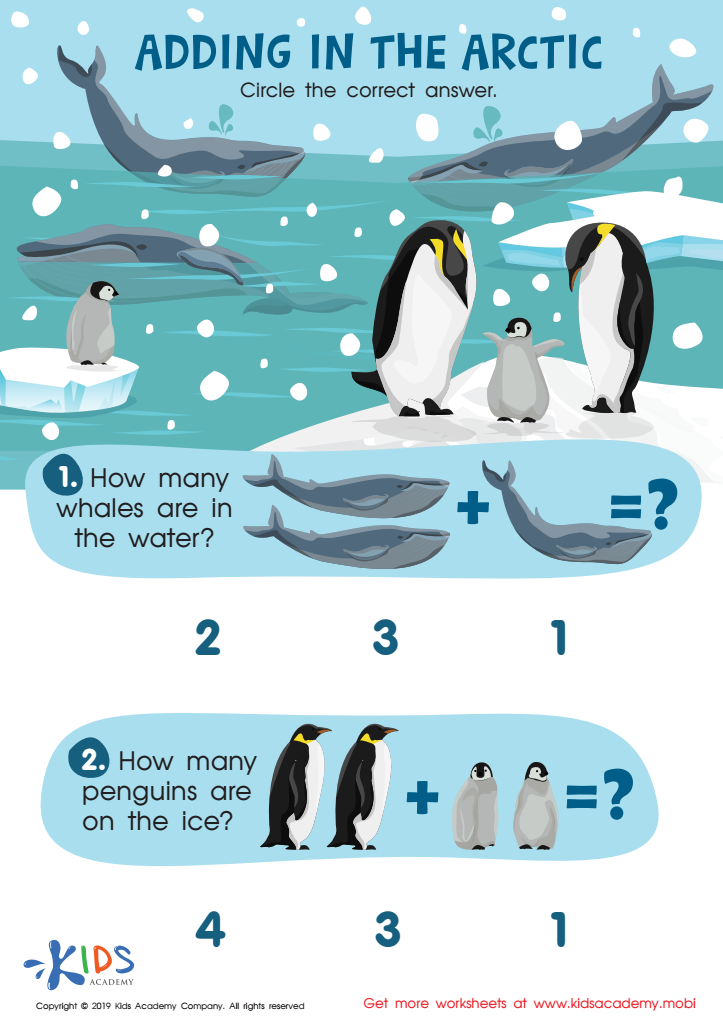
Adding in the Arctic Worksheet
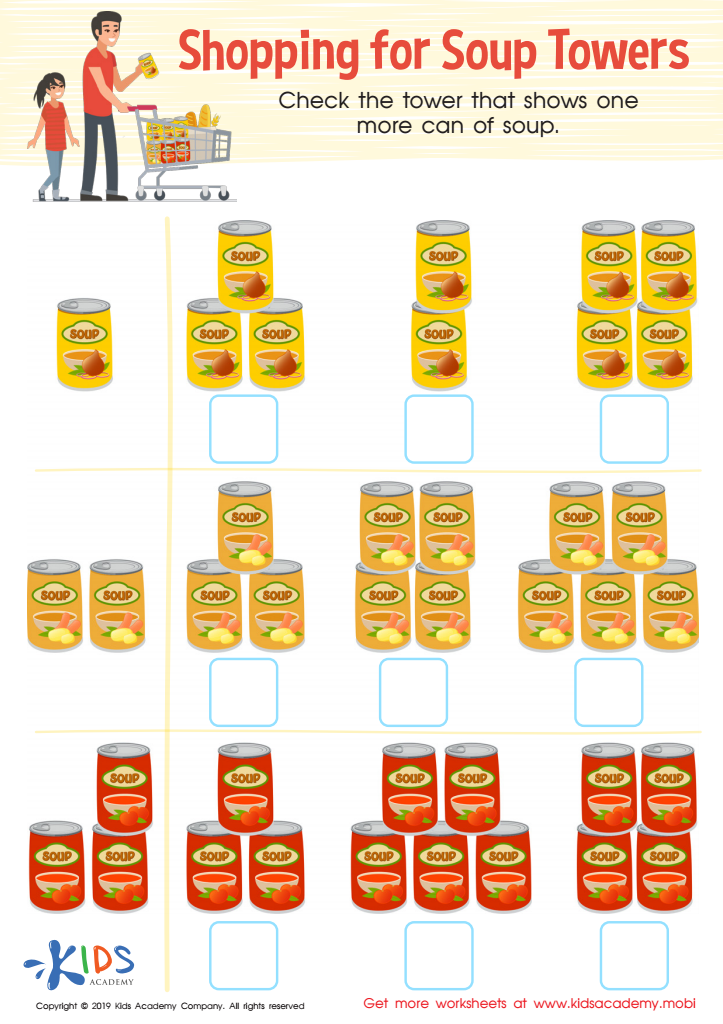
Soup Towers Worksheet
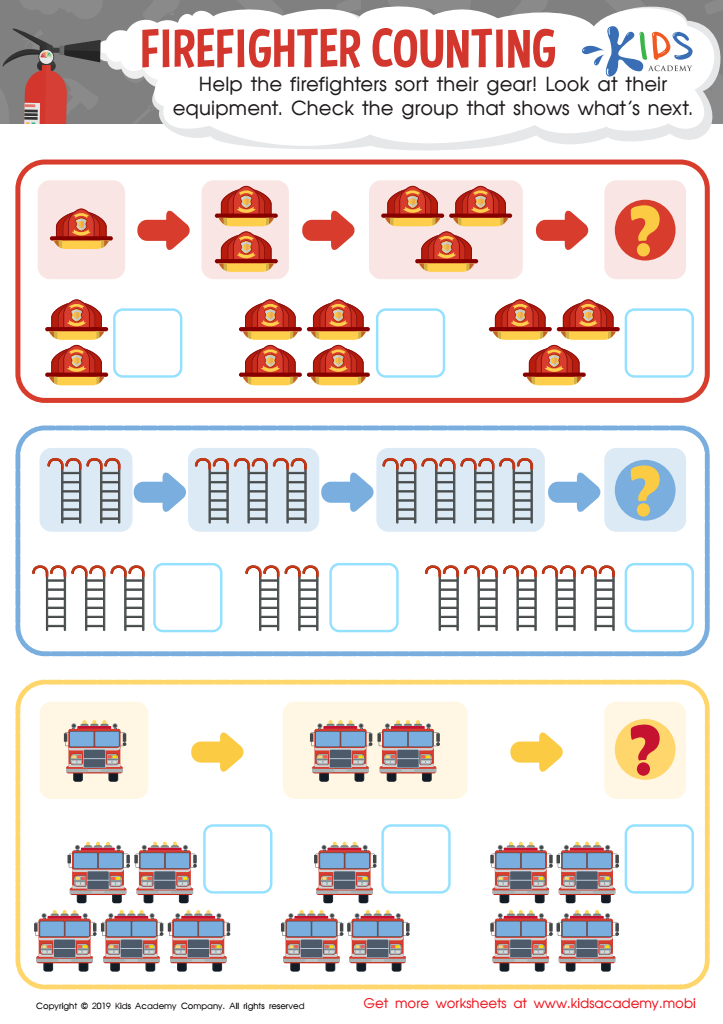
Firefighter Counting Worksheet
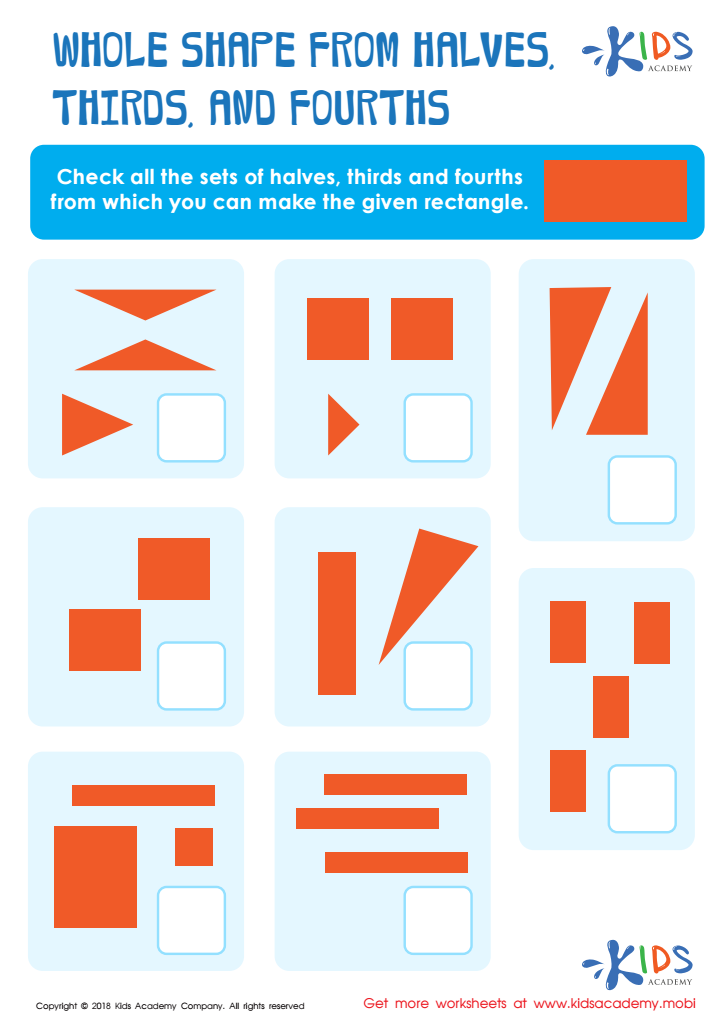
Whole Shape from Halves, Thirds and Fourths Worksheet
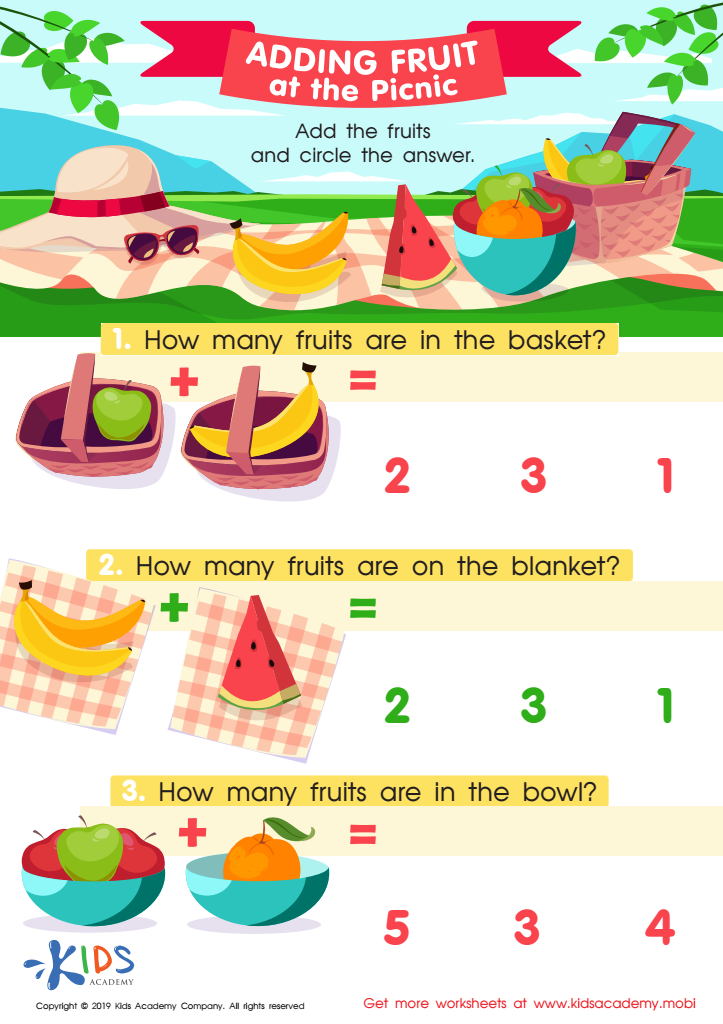
Adding Fruit at the Picnic Worksheet
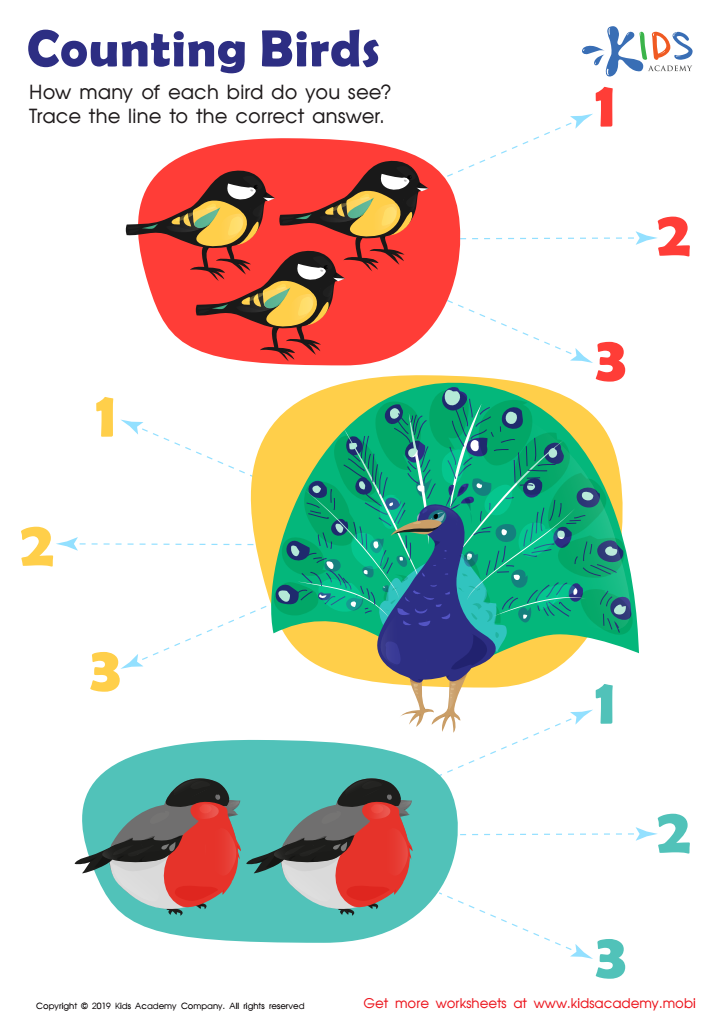
Counting Birds Worksheet
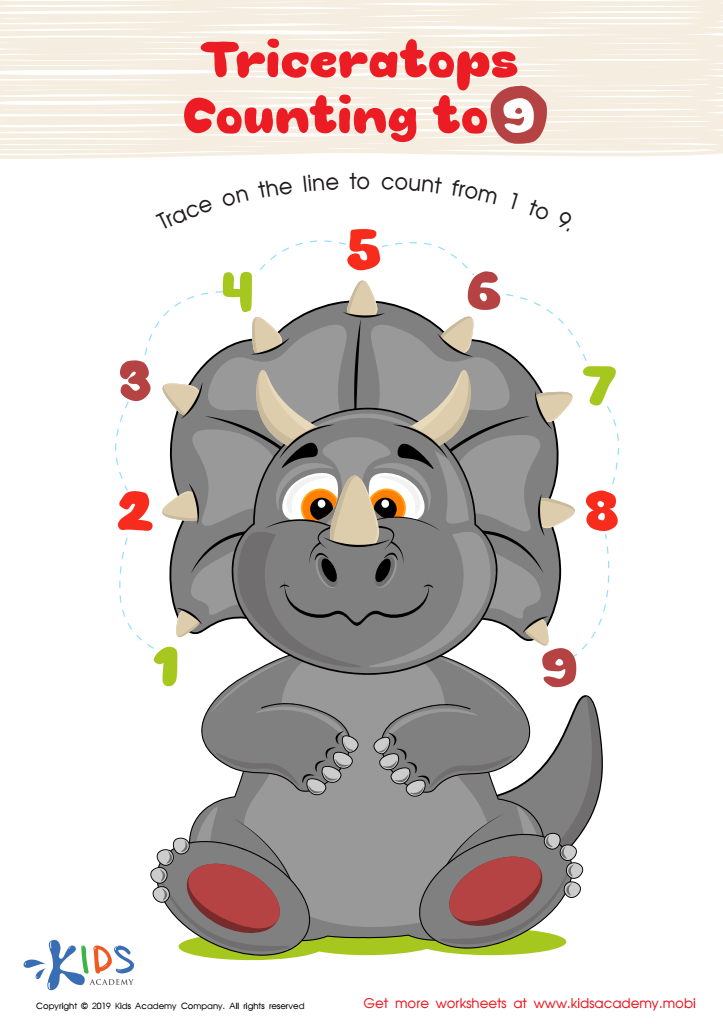
Triceratops Counting to 9 Worksheet
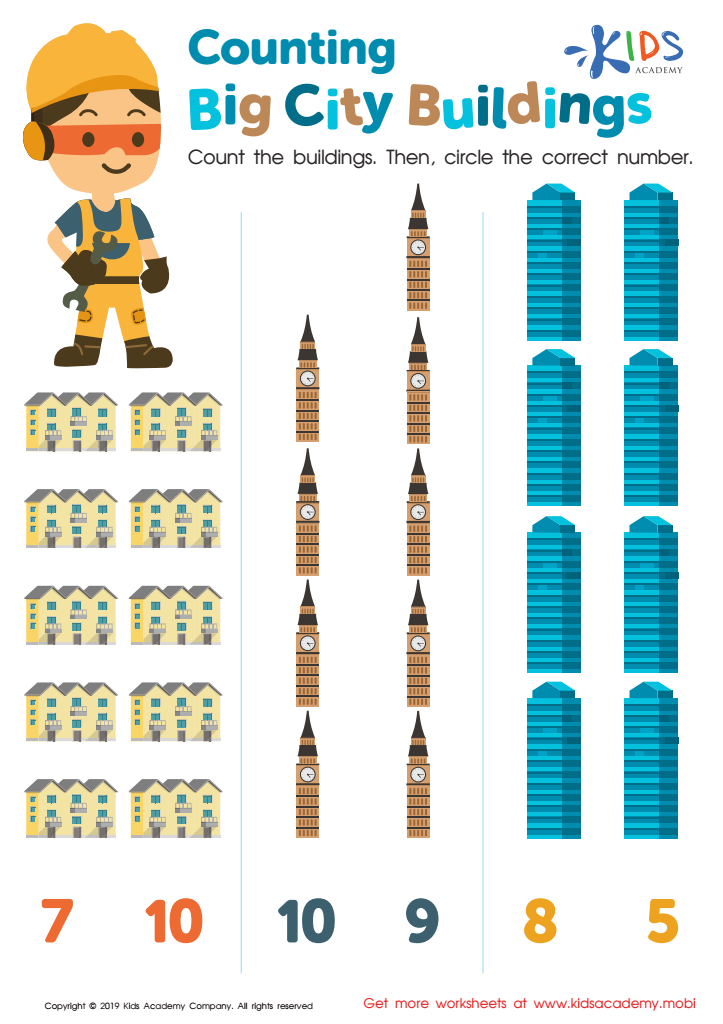
Counting Big City Buildings Worksheet

Night Sky Numbers Worksheet








Counting skills form the cornerstone of early mathematics education, critical for ages 5-7. As children enter this developmental stage, their minds are remarkably receptive to basic numerical concepts, such as counting, which lay the groundwork for more advanced mathematical operations like addition and subtraction. It's essential for parents and teachers to nurture these skills early on, promoting both cognitive development and practical understanding.
Encouraging counting skills not only boosts numerical literacy but also enhances problem-solving abilities and logical thinking. Regular practice in counting helps children develop a sense of patterns and sequences, crucial for understanding the world around them and for progressing in future math studies. Furthermore, mastery of counting instills confidence, making young learners more willing to tackle increasingly complex topics.
Parents and teachers play a pivotal role by incorporating counting exercises into daily routines. Simple activities, such as counting objects, steps, or claps, can seamlessly integrate math into a child's everyday life, making learning enjoyable and effective. By emphasizing counting skills, adults help unlock a child's potential, setting a strong foundation for academic success and fostering a positive attitude towards mathematics. Investing time in counting exercises enhances children's overall educational experience, positioning them for future accomplishments.








