Problem-Solving Skills Easy Math Worksheets for Ages 5-7 - Page 2
43 filtered results
-
From - To
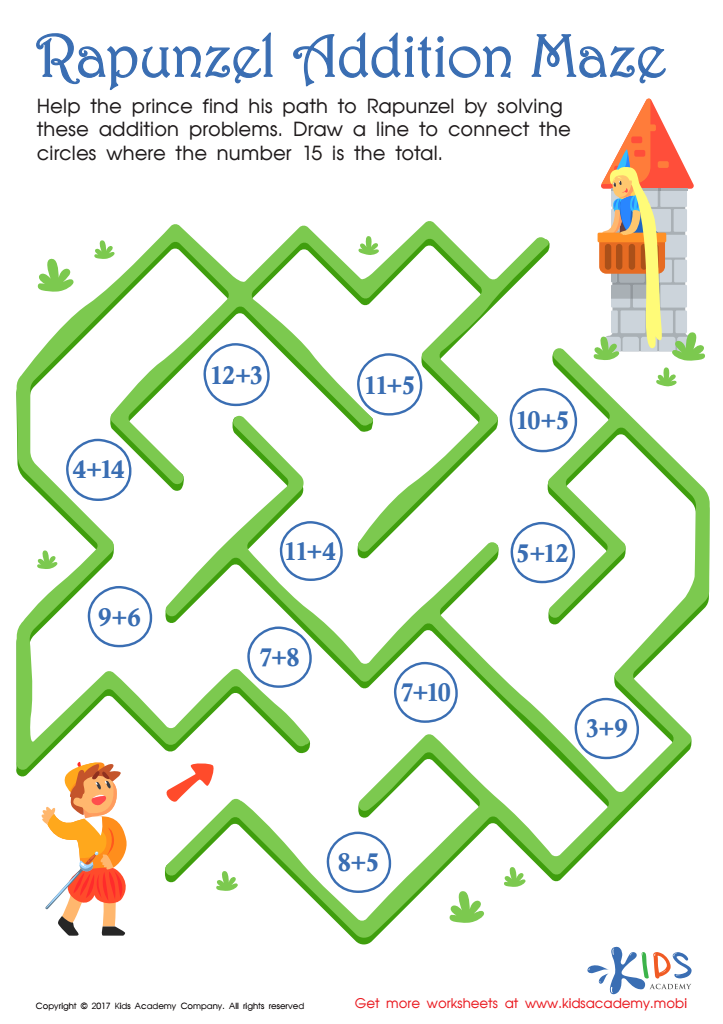
Rapunzel Addition Maze Worksheet
 Assign to My Students
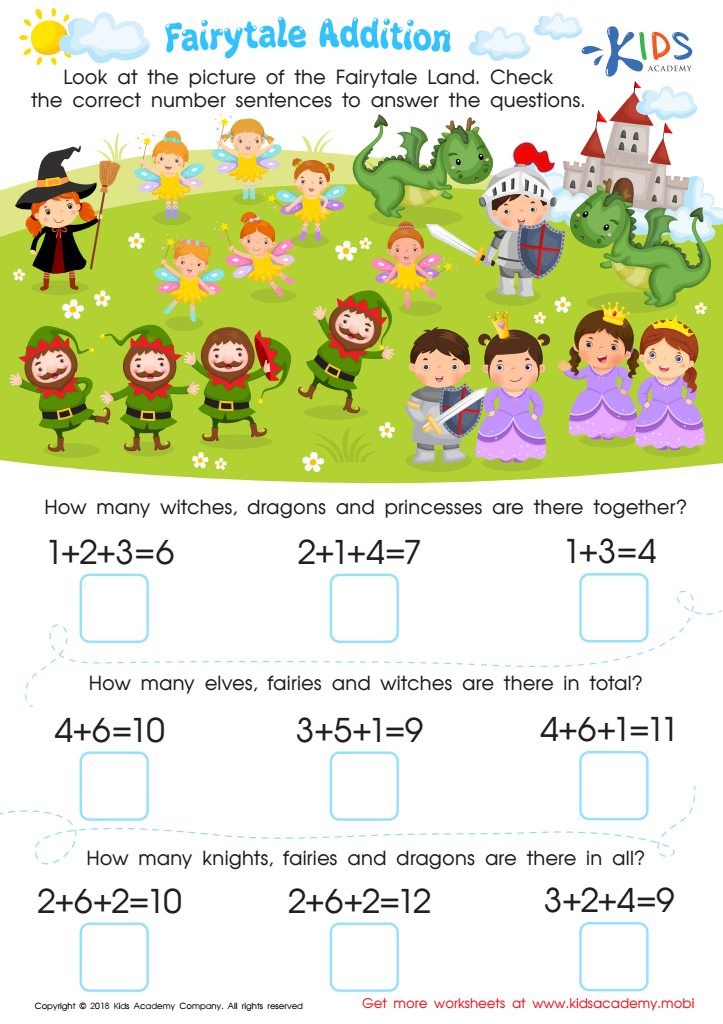
Fairytale Addition Worksheet
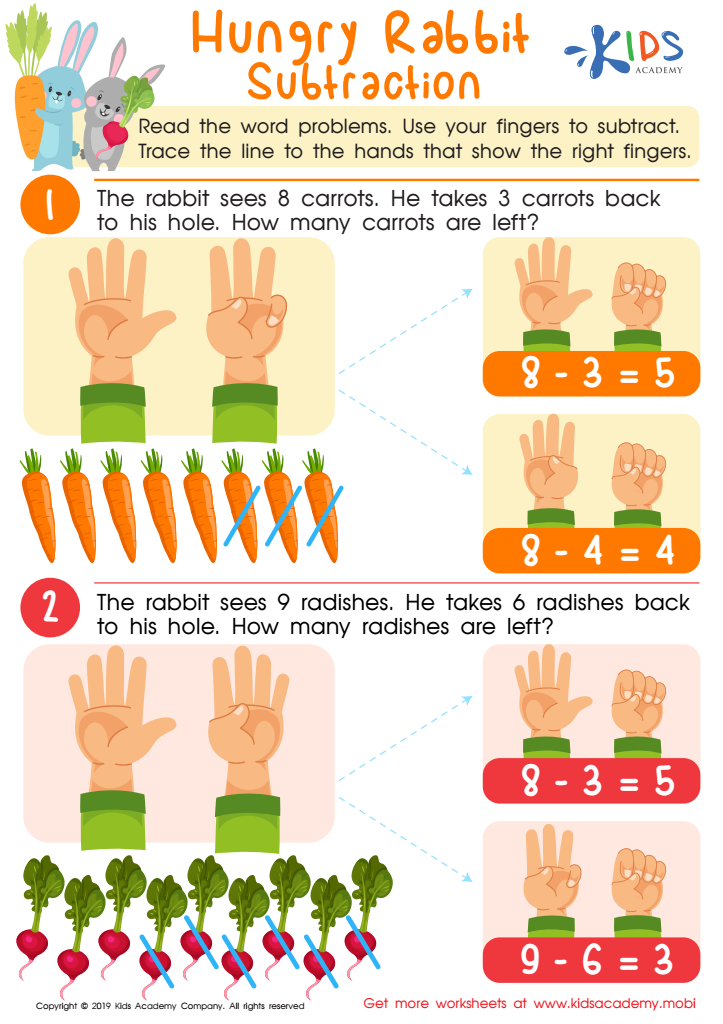
Hungry Rabbit Subtraction Worksheet
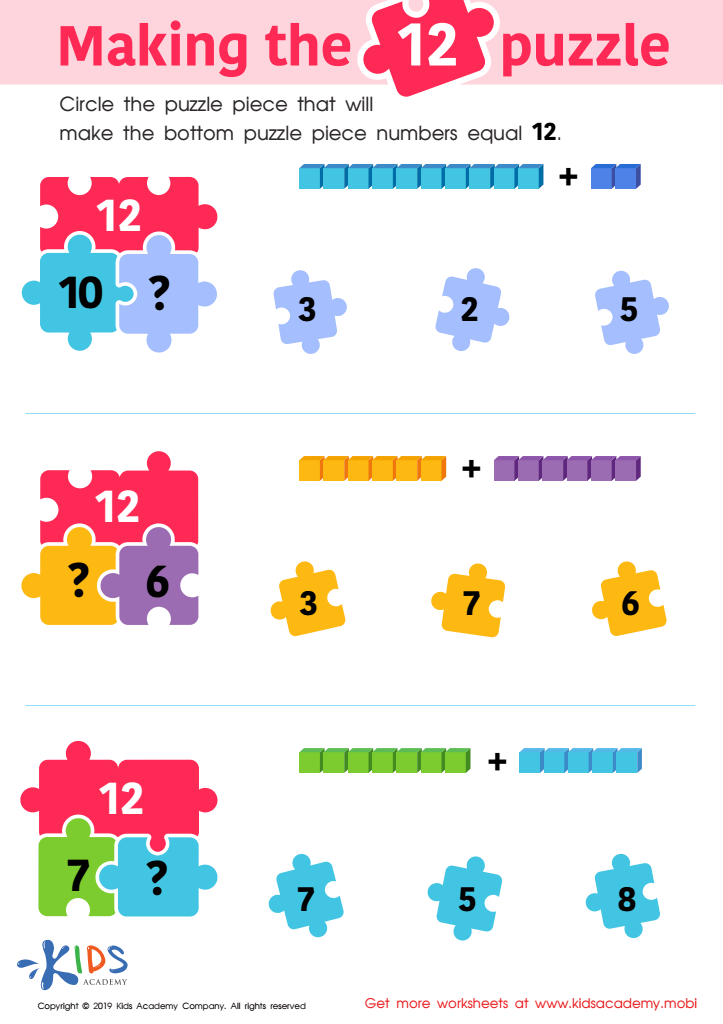
Making the 12 Puzzle Worksheet
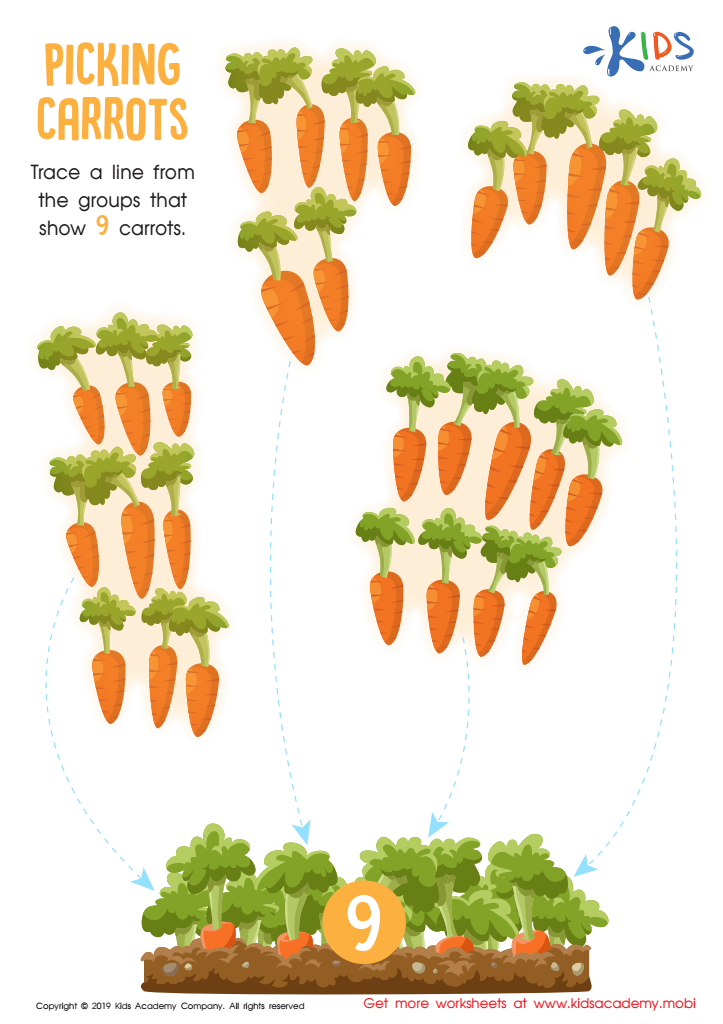
Picking Carrots Worksheet
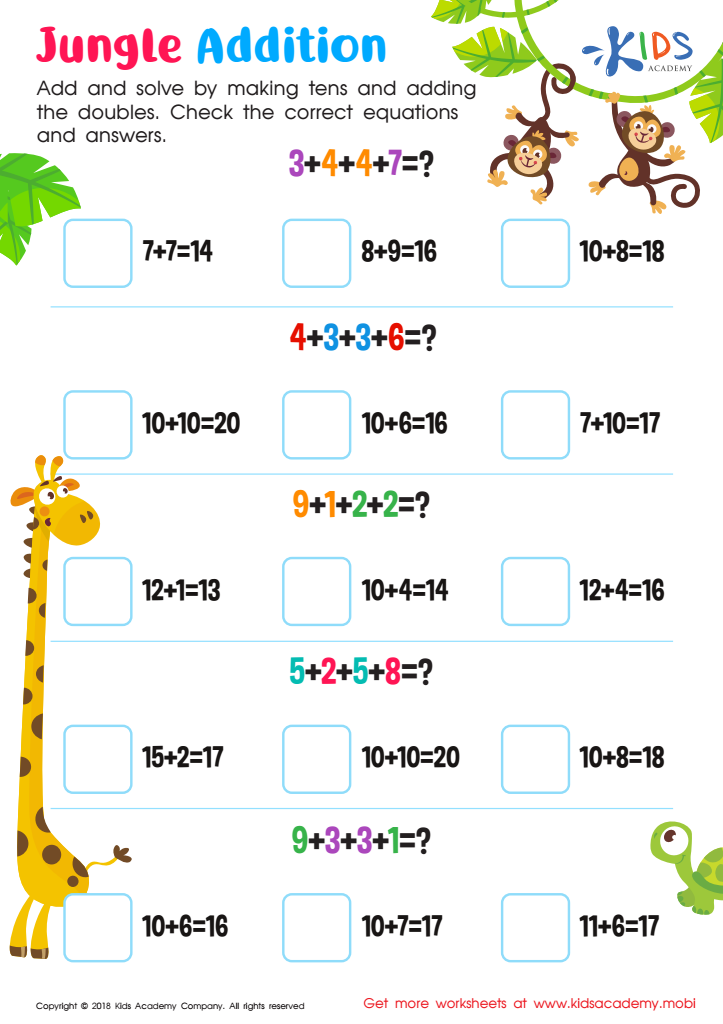
Jungle Addition Worksheet
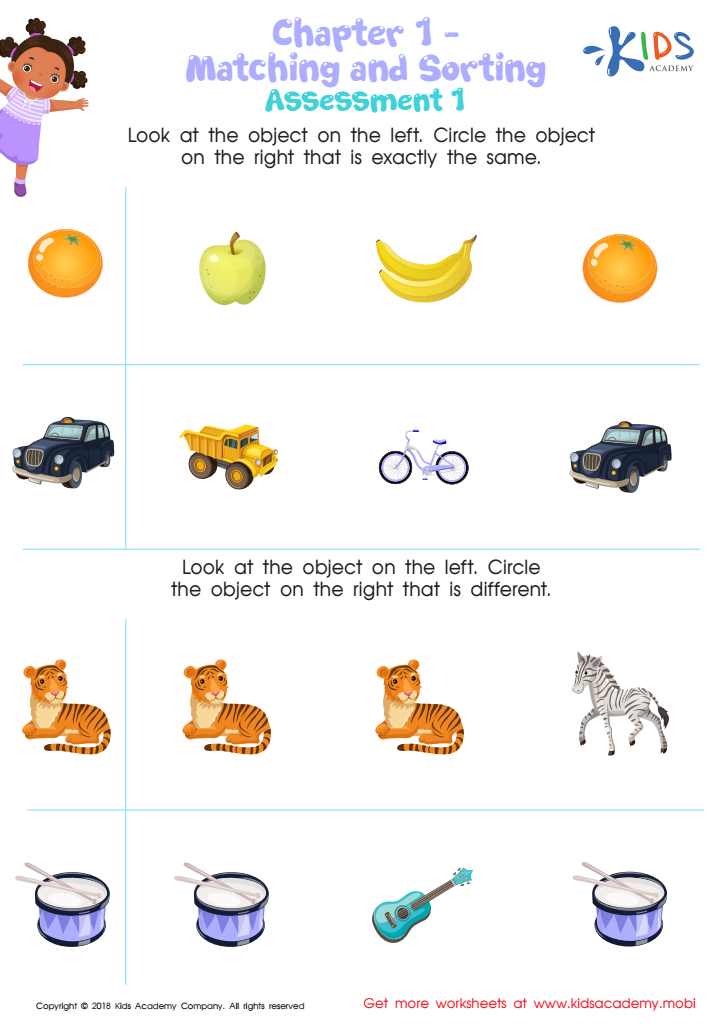
Matching and Sorting for Preschool: Assessment 1 Worksheet
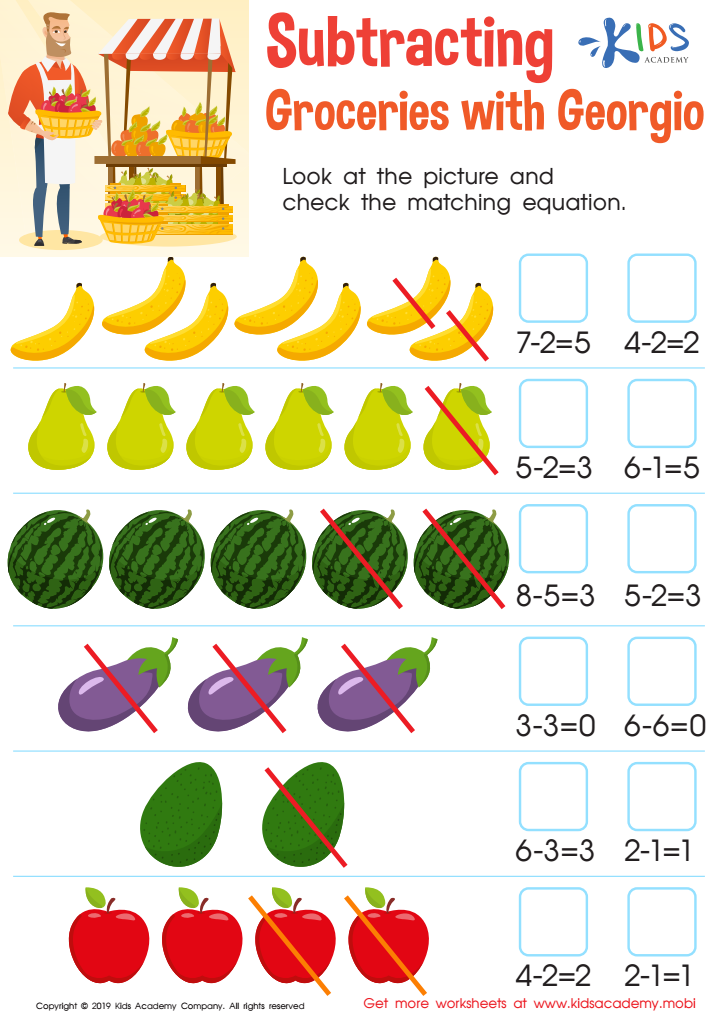
Subtracting: Groceries with Georgio Worksheet
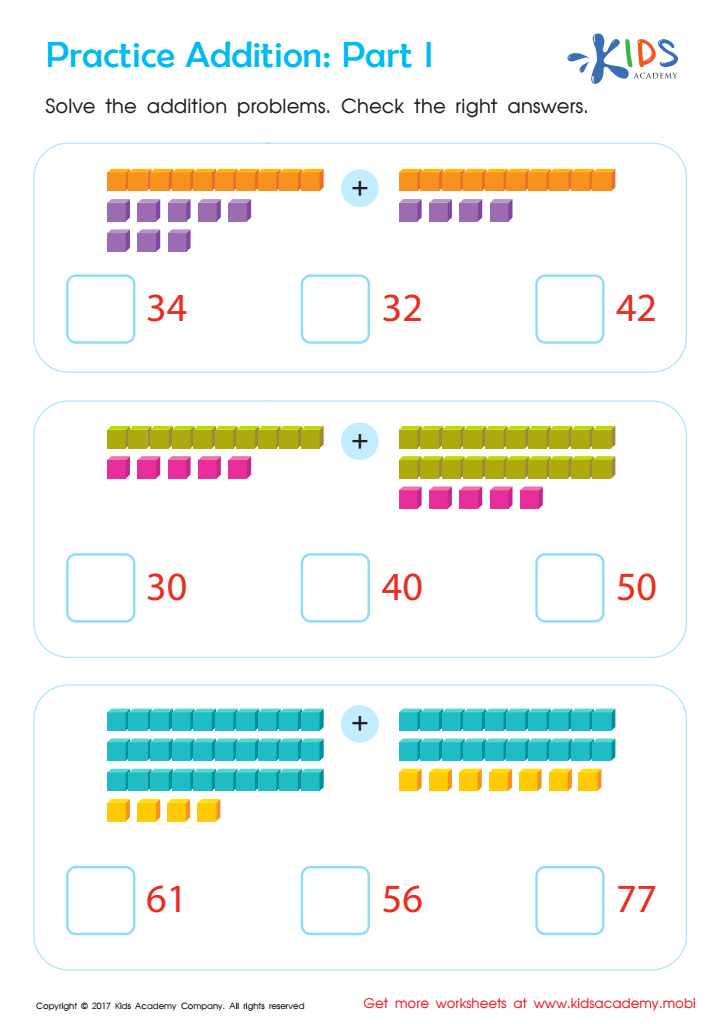
Practice Addition: Part 1 Worksheet
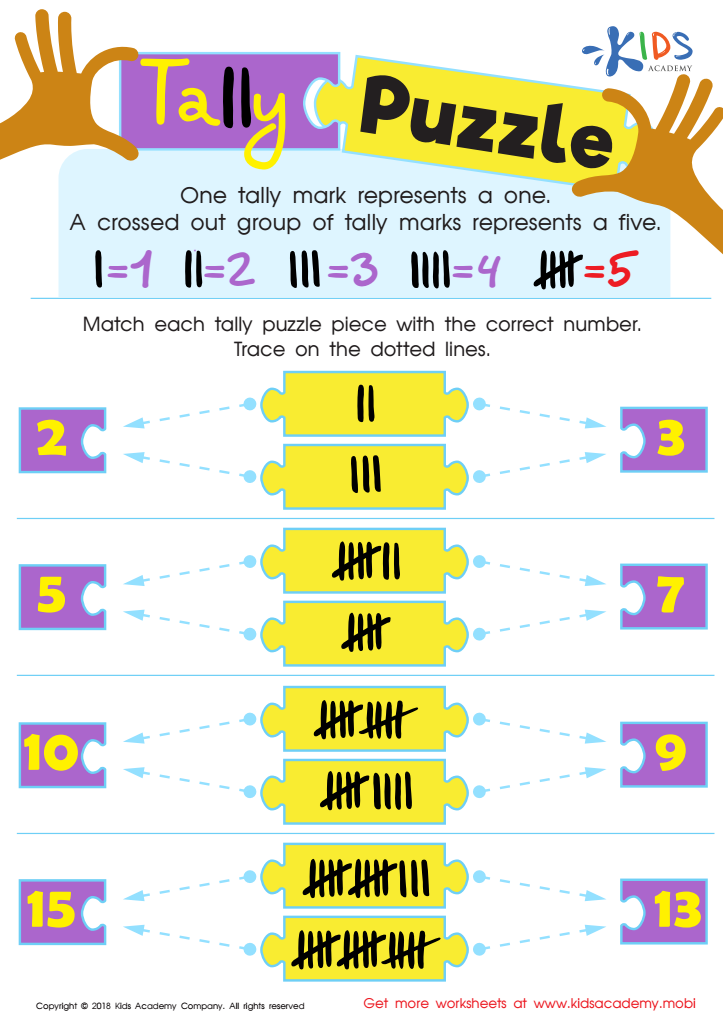
Tally Puzzle Worksheet
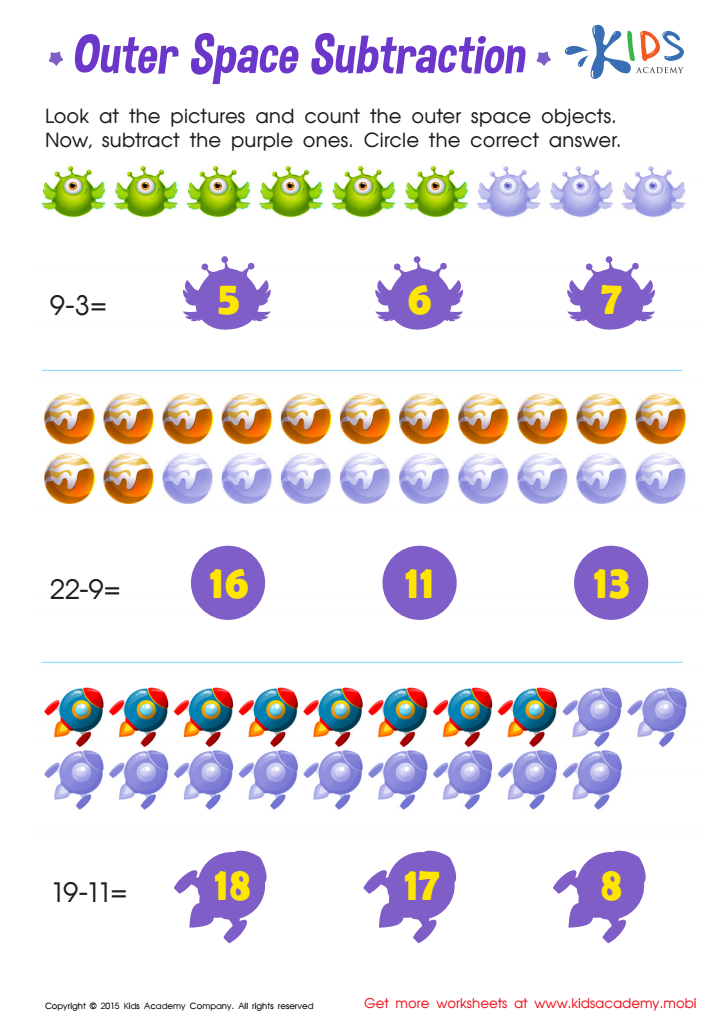
Outer Space Substraction Worksheet
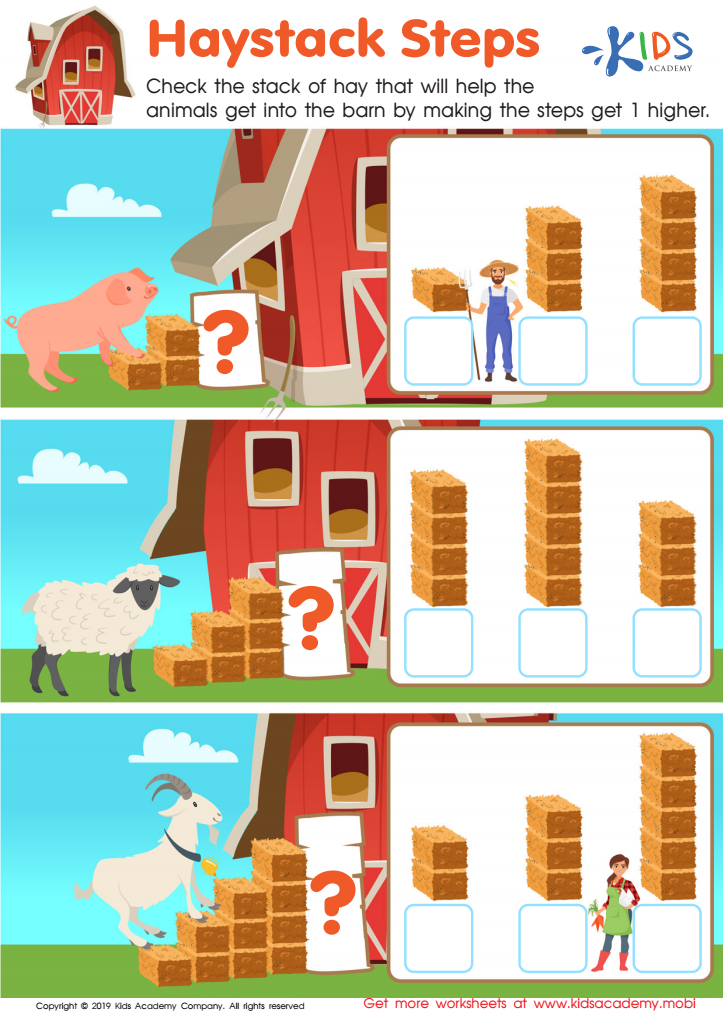
Haystack Steps Worksheet
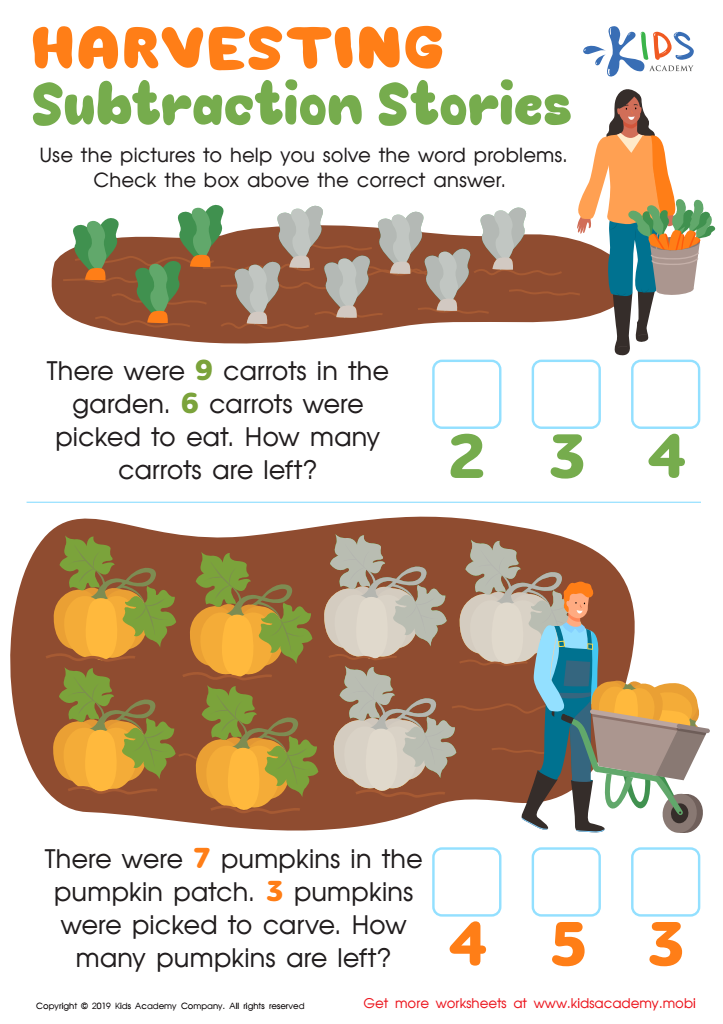
Harvesting Subtraction Stories Worksheet
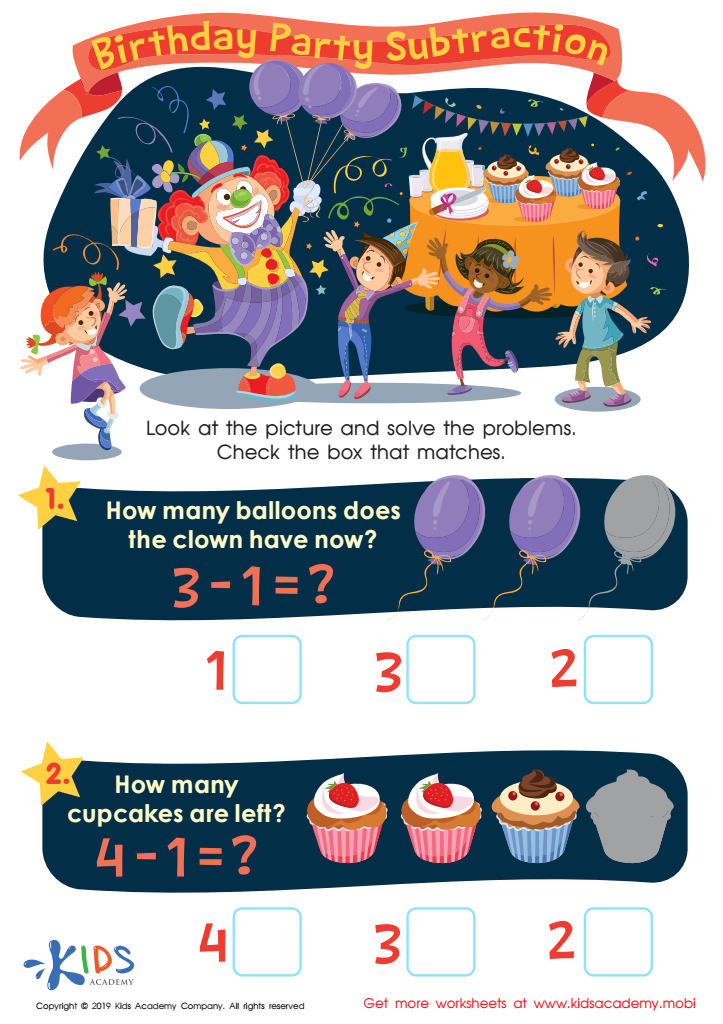
Birthday Party Subtraction Worksheet
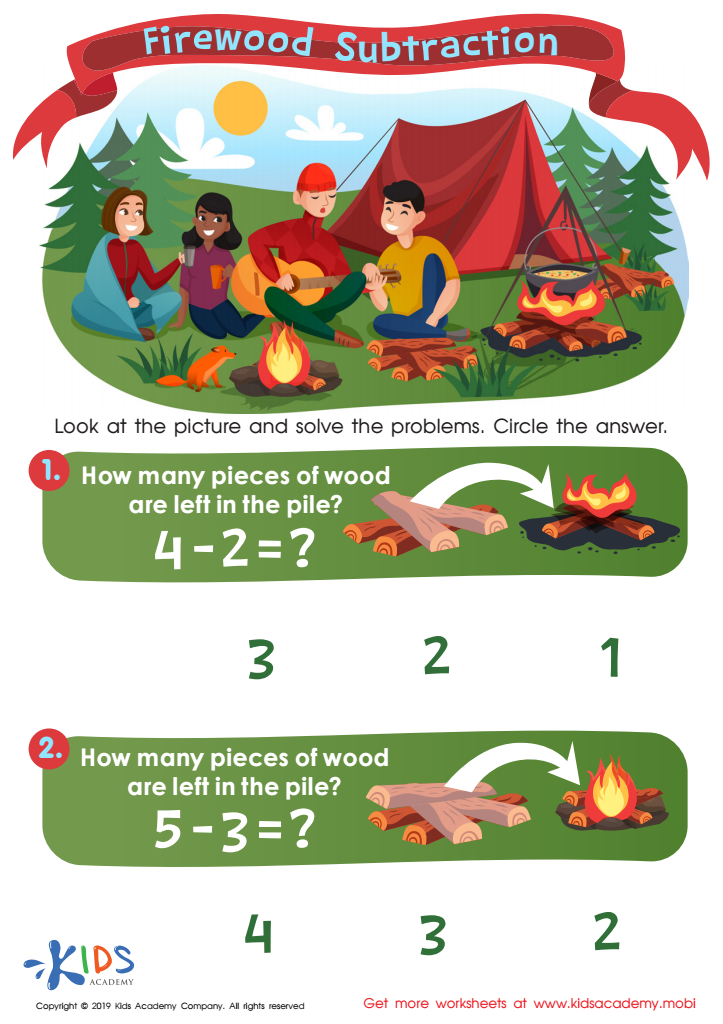
Firewood Subtraction Worksheet
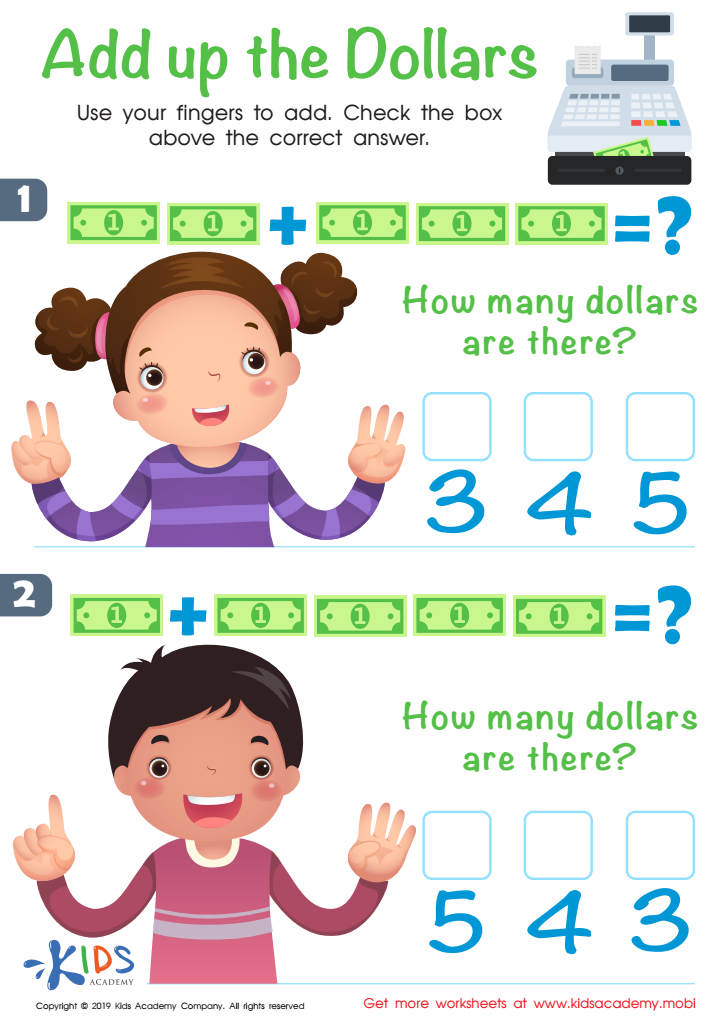
Add up the Dollars Worksheet
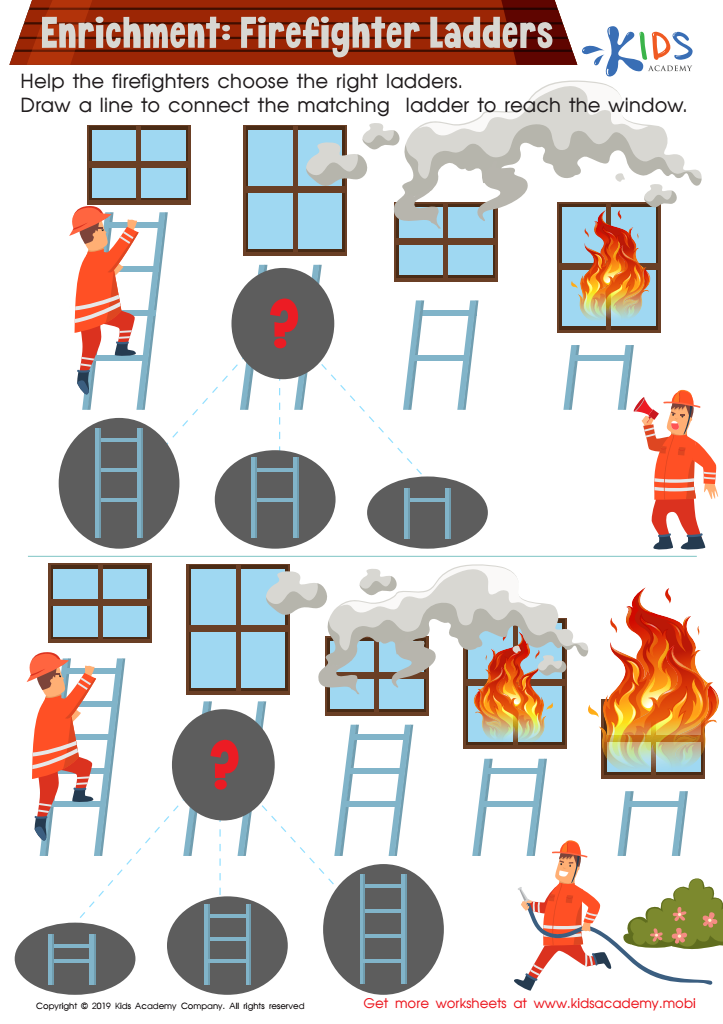
Enrichment: Firefighter Ladders Worksheet
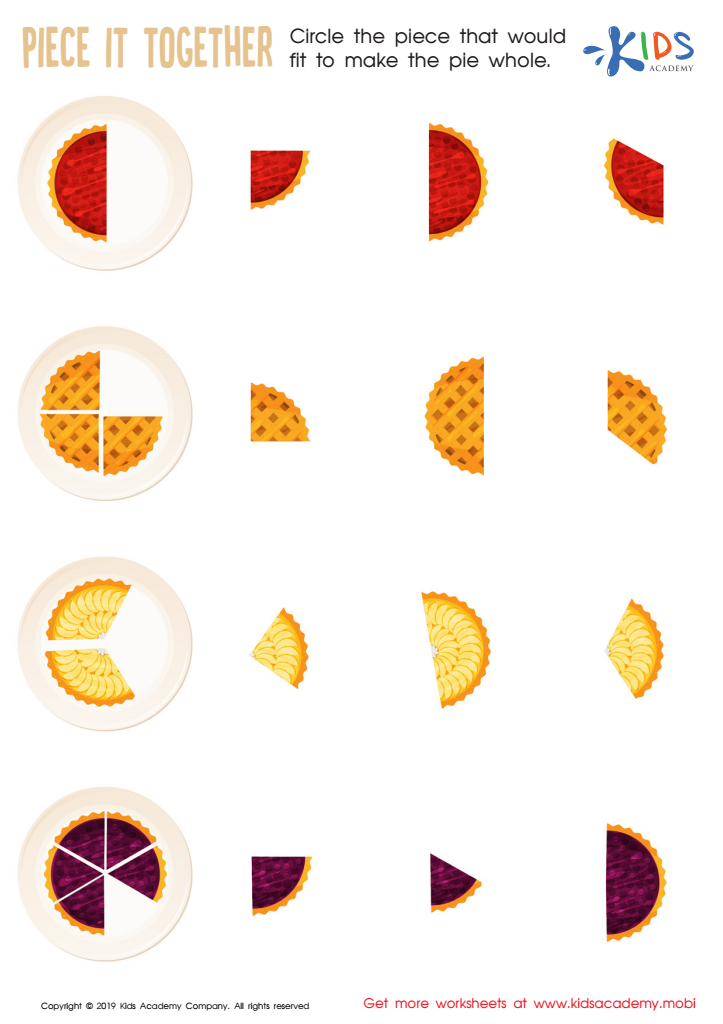
Piece it together Worksheet
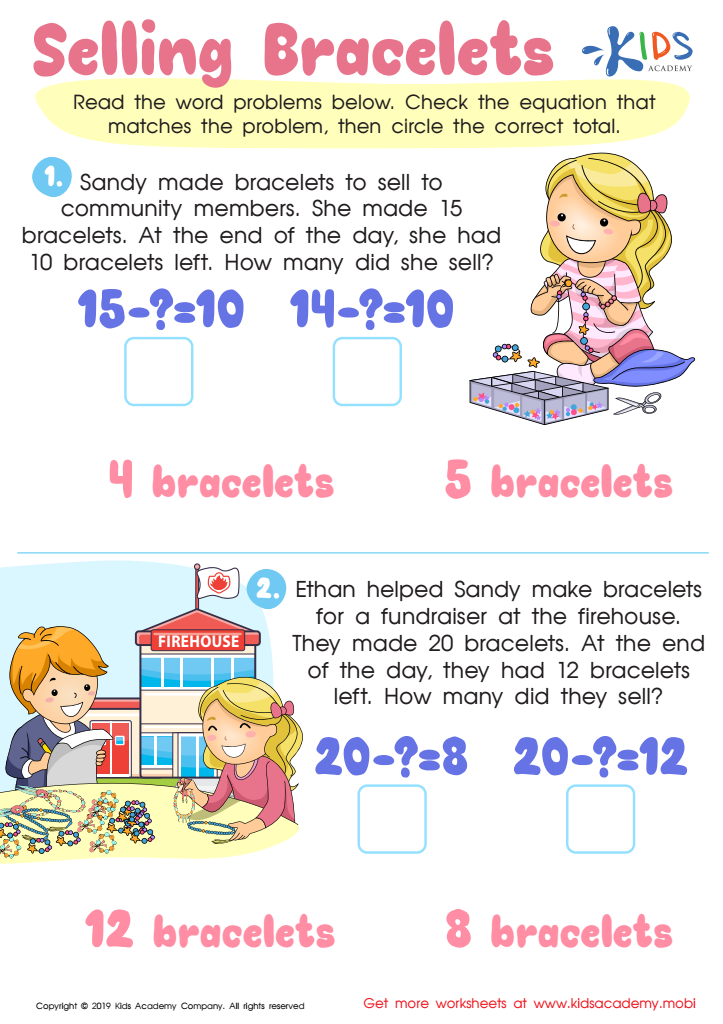
Selling the Bracelets Worksheet








Problem-solving skills are fundamental to children's overall development and success, making it crucial for parents and teachers to focus on Easy Math for ages 5-7. First, engaging in simple math problems helps young children develop critical thinking skills. These skills enable them to identify patterns, recognize relationships, and think logically—abilities that extend beyond math to all areas of learning and life.
Early exposure to easy math also fosters a positive attitude toward the subject, reducing anxiety and building confidence in their abilities. When children tackle and solve problems successfully, they feel a sense of accomplishment, which encourages a growth mindset and resilience in facing more complex challenges in the future.
Moreover, math problems introduce children to basic concepts such as numbers, shapes, and measurement, providing foundational knowledge crucial for further education. These activities can also enhance fine motor skills and hand-eye coordination when they involve writing numbers or manipulating objects.
Socially, collaborative problem-solving in a classroom setting teaches children teamwork, communication, and the value of diverse perspectives. It also sets the stage for effective conflict resolution as they learn to respectfully discuss and figure out solutions together.
Ultimately, emphasizing problem-solving skills through easy math for young children equips them with essential tools for lifelong learning and success, both academically and personally.








