Understanding fractions Easy Math Worksheets for Ages 5-7
17 filtered results
-
From - To
Discover "Understanding Fractions Easy Math Worksheets" designed specifically for children ages 5-7! Our engaging and interactive worksheets introduce young learners to the fundamental concepts of fractions through colorful visuals and fun activities. Each activity is tailored to promote critical thinking and enhance mathematical skills, making learning about fractions enjoyable and accessible. Whether your child is just starting to explore parts of a whole or practicing basic fraction recognition, our resources provide the ideal balance of challenge and support. Ignite a love for math in your child today with these easy-to-use worksheets that will build confidence and understanding of fractions!
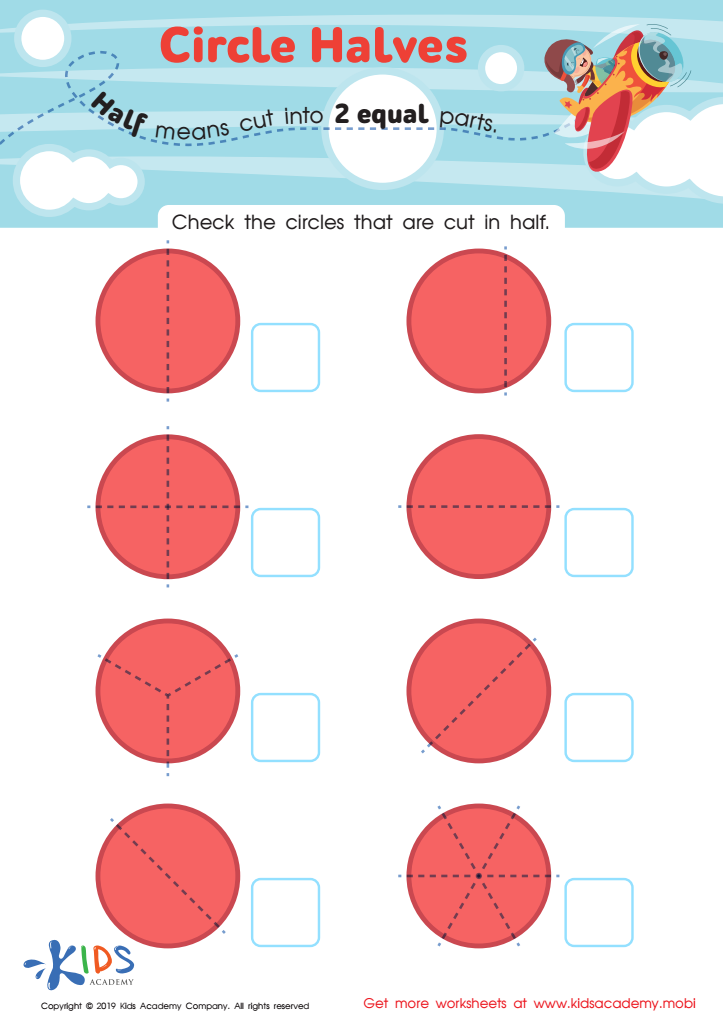
Circle Halves Worksheet
 Assign to My Students
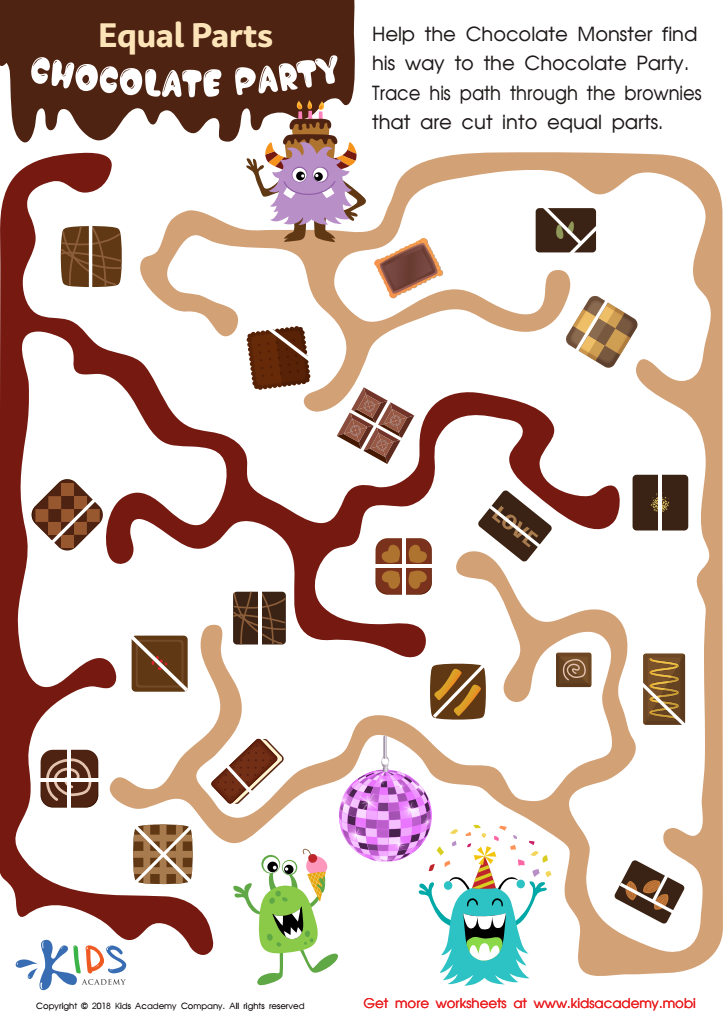
Equal Parts: Chocolate Party Worksheet
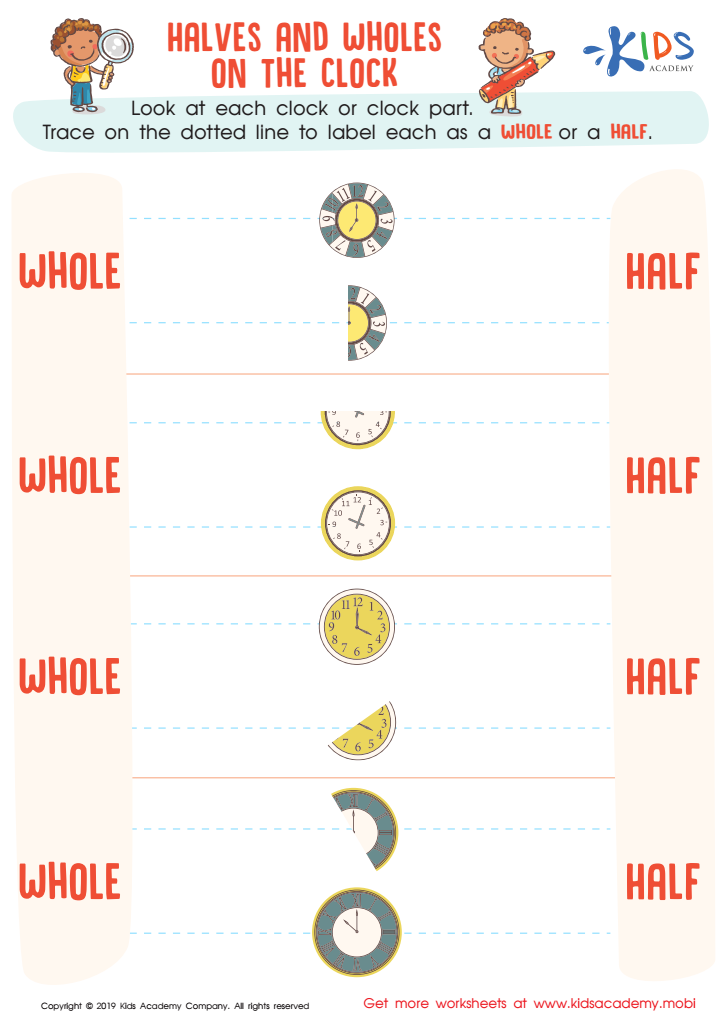
Halves and Wholes on the Clock Worksheet
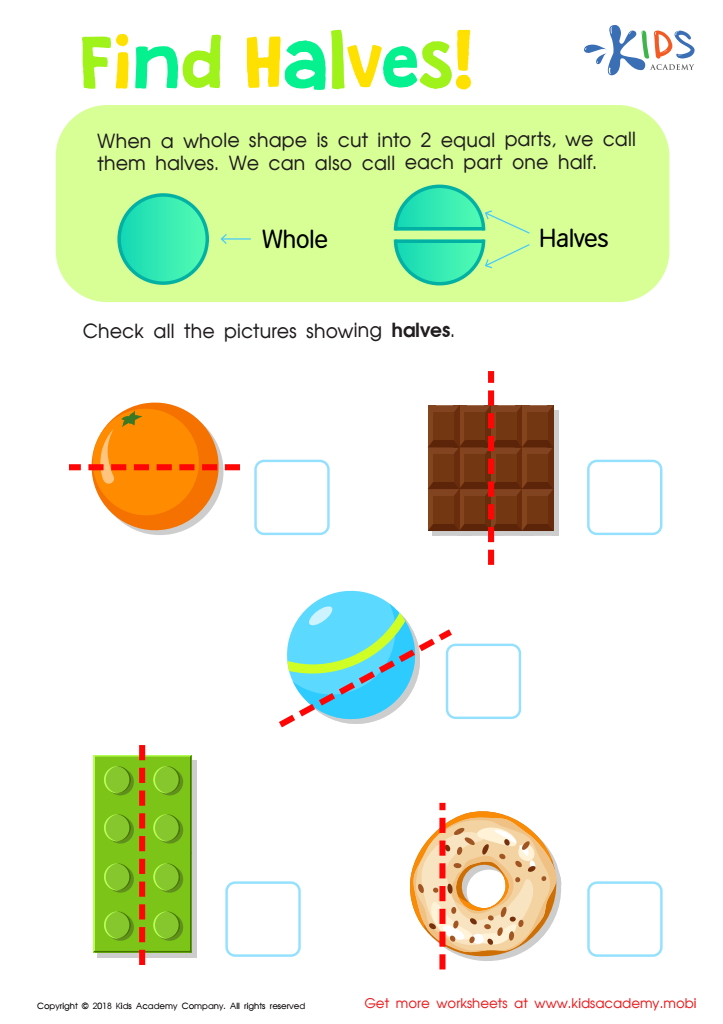
Find Halves Worksheet
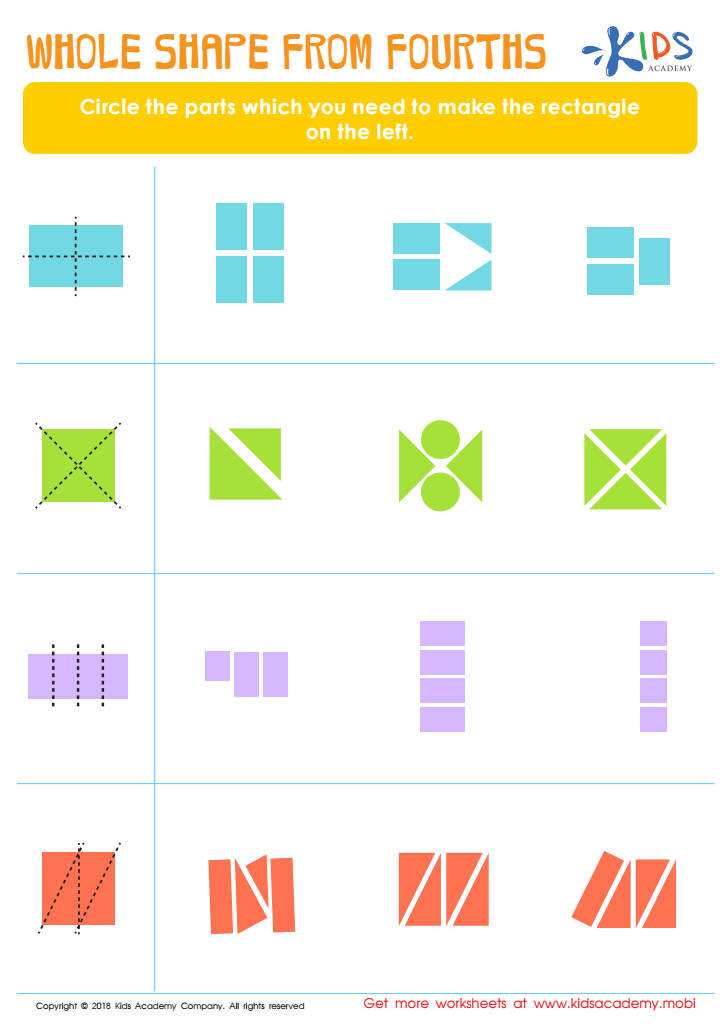
Whole Shape from Fourths Worksheet
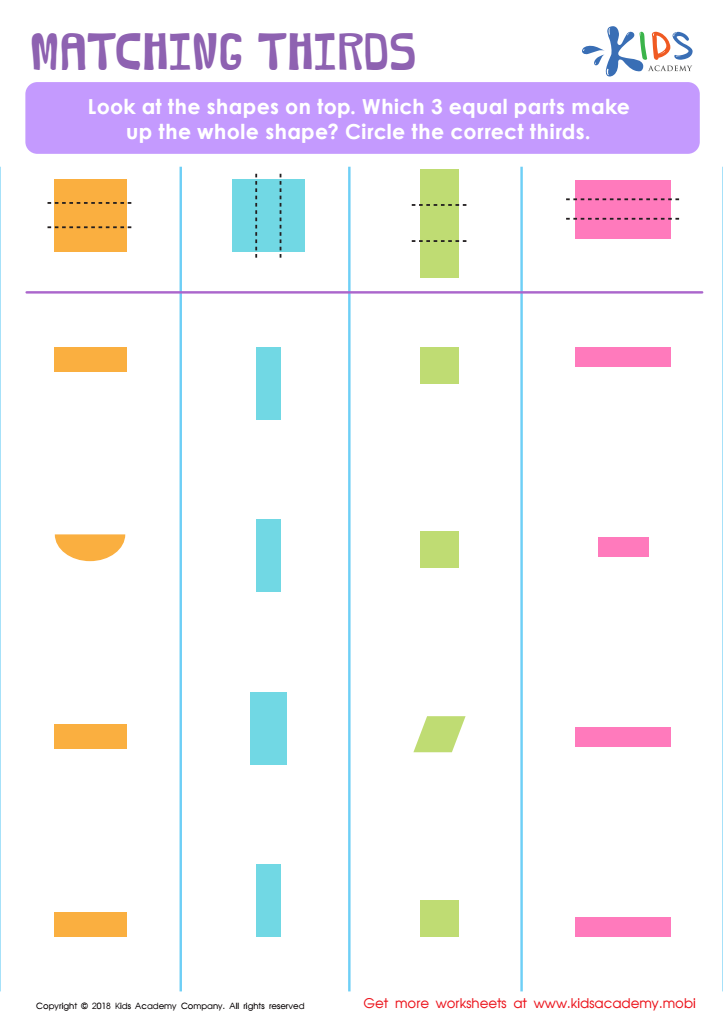
Matching Thirds Worksheet
Bubbling Over Worksheet
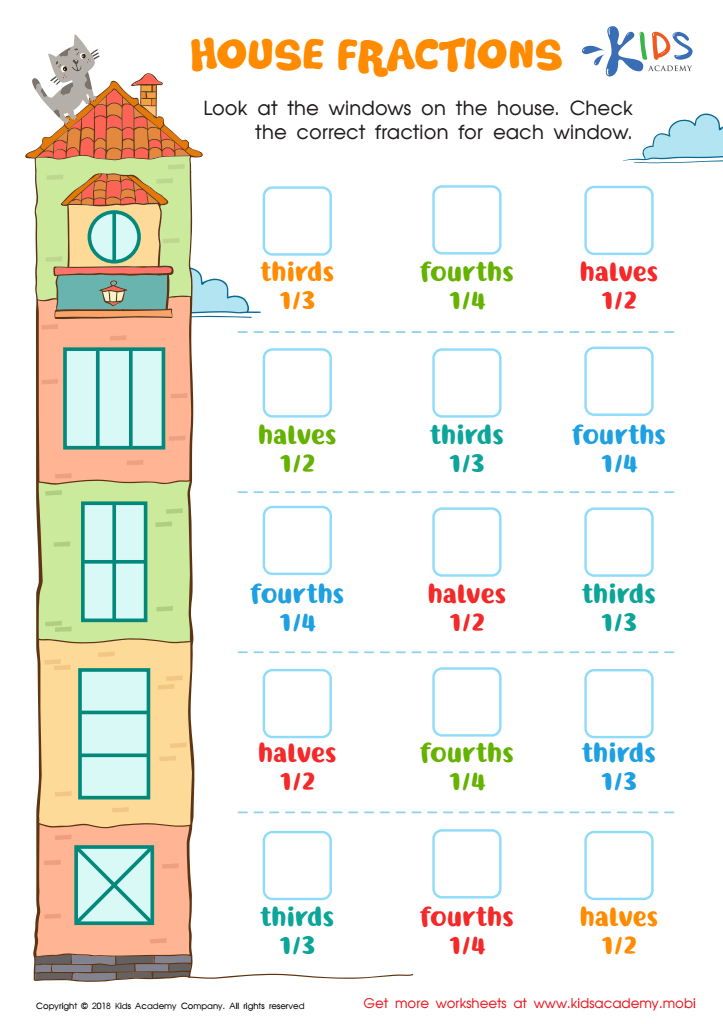
House Fractions Worksheet
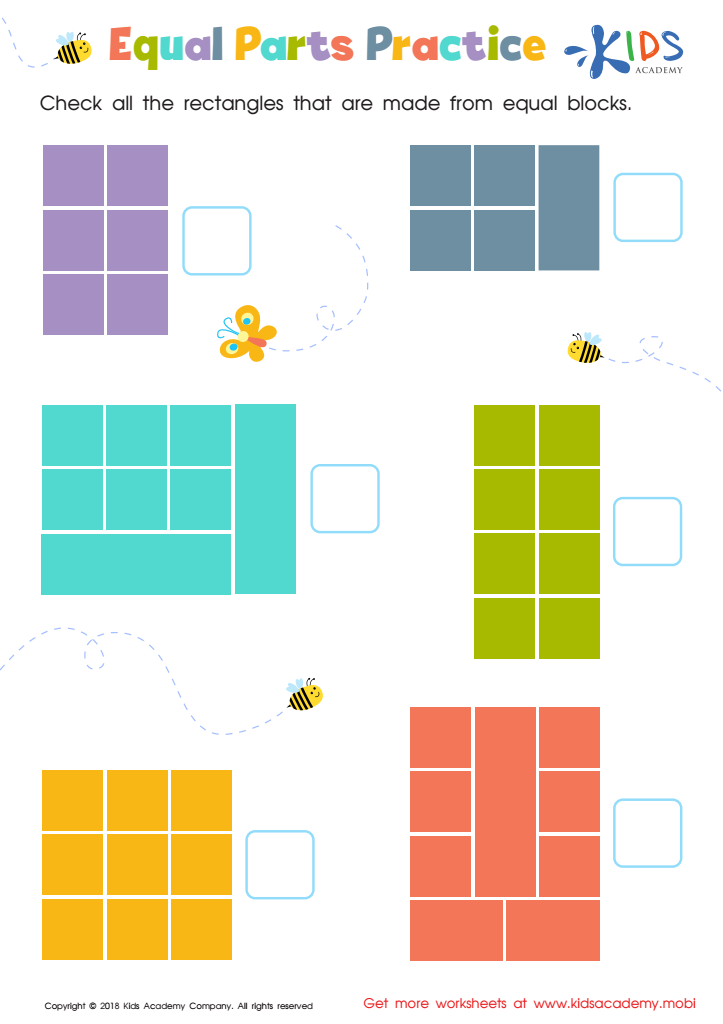
Equal Parts Practice Worksheet
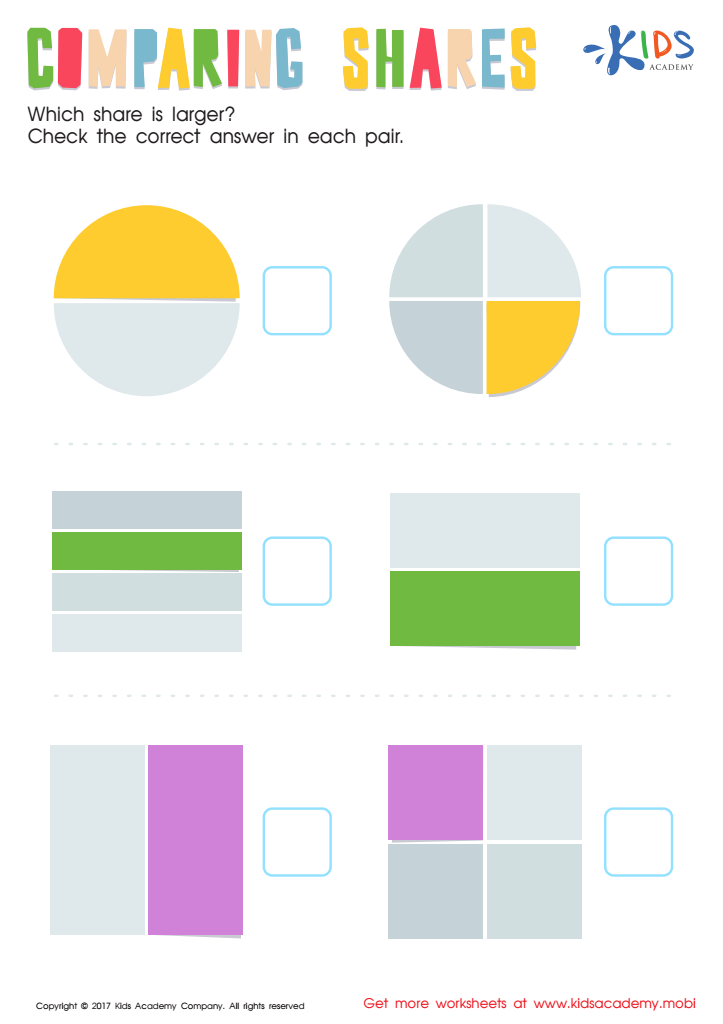
Comparing Shares Worksheet
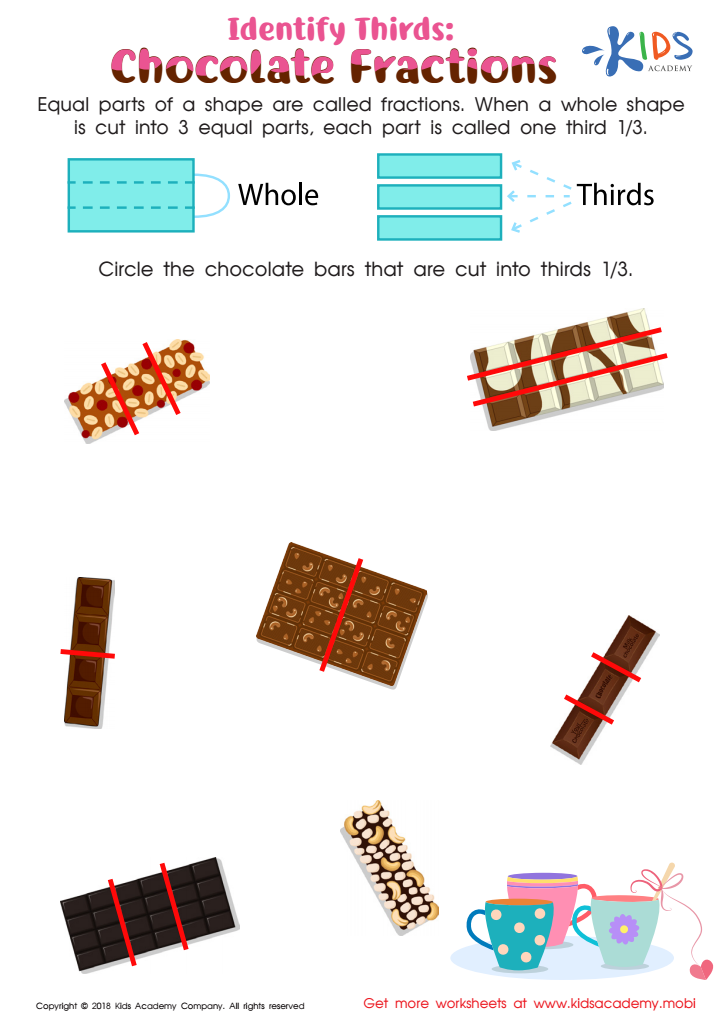
Identify Thirds: Chocolate Fractions Worksheet
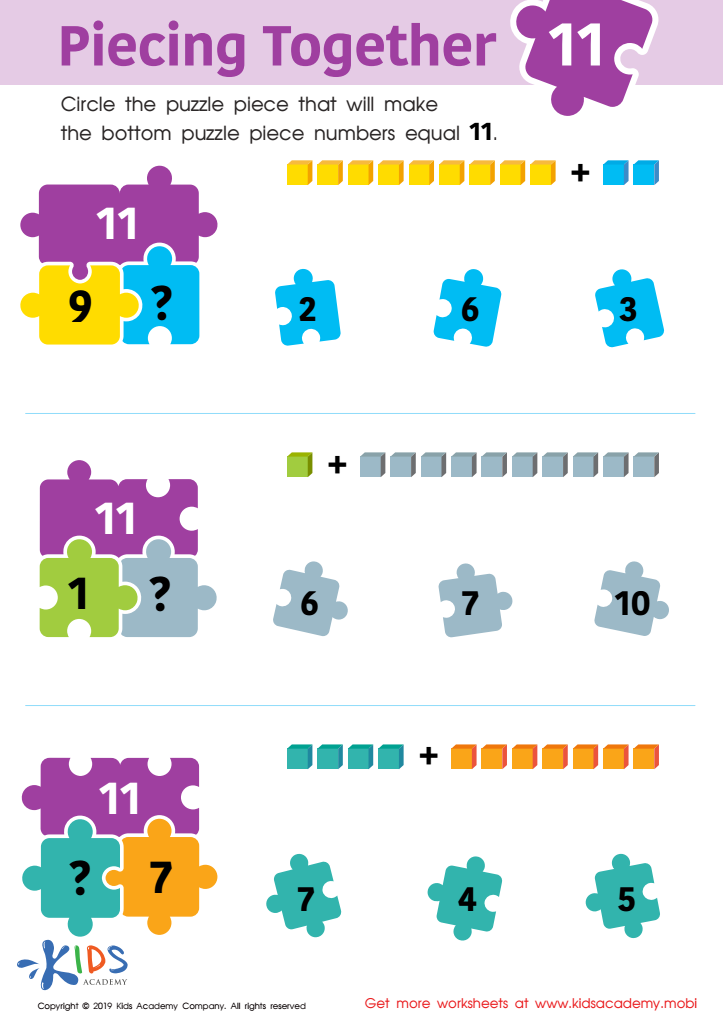
Piecing Together 11 Worksheet
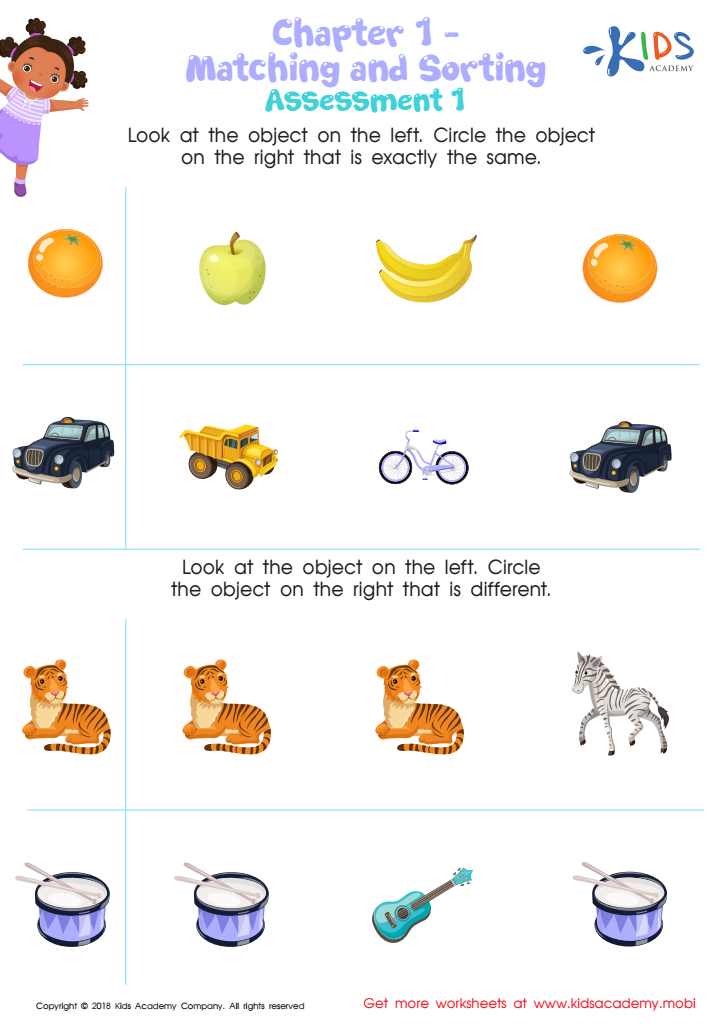
Matching and Sorting for Preschool: Assessment 1 Worksheet
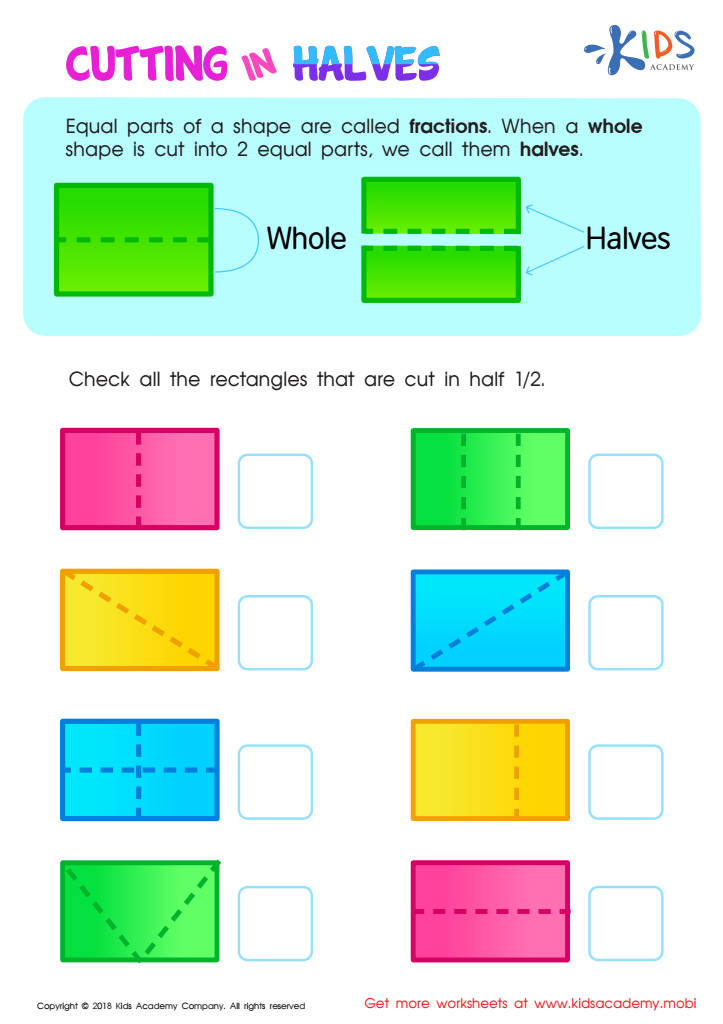
Cutting in Halves Worksheet
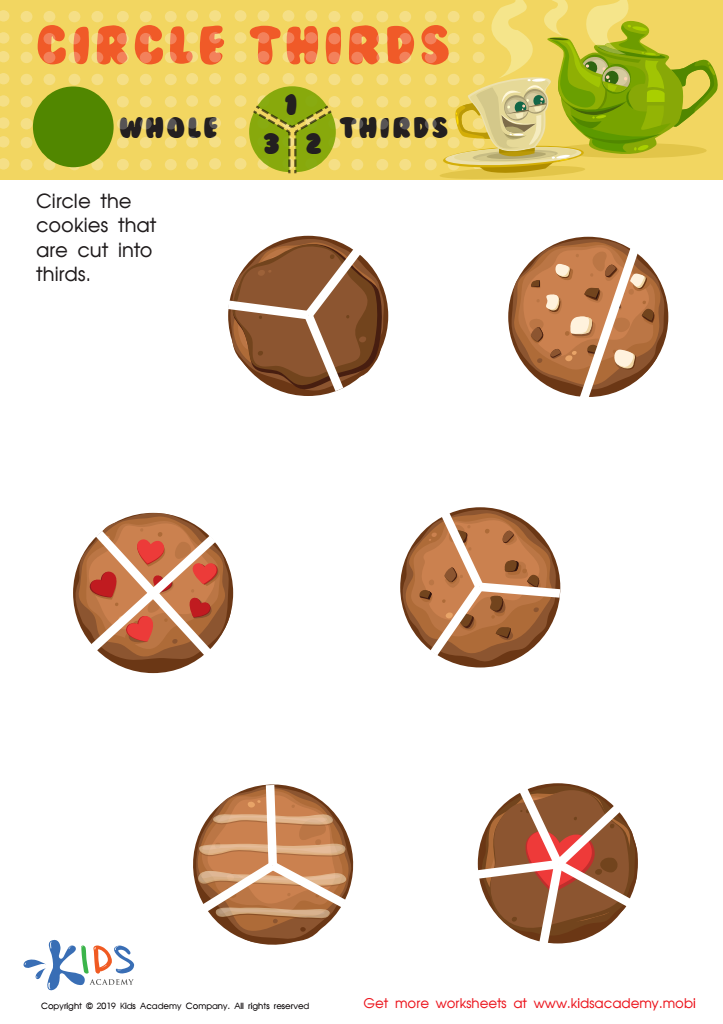
Circle Thirds Worksheet
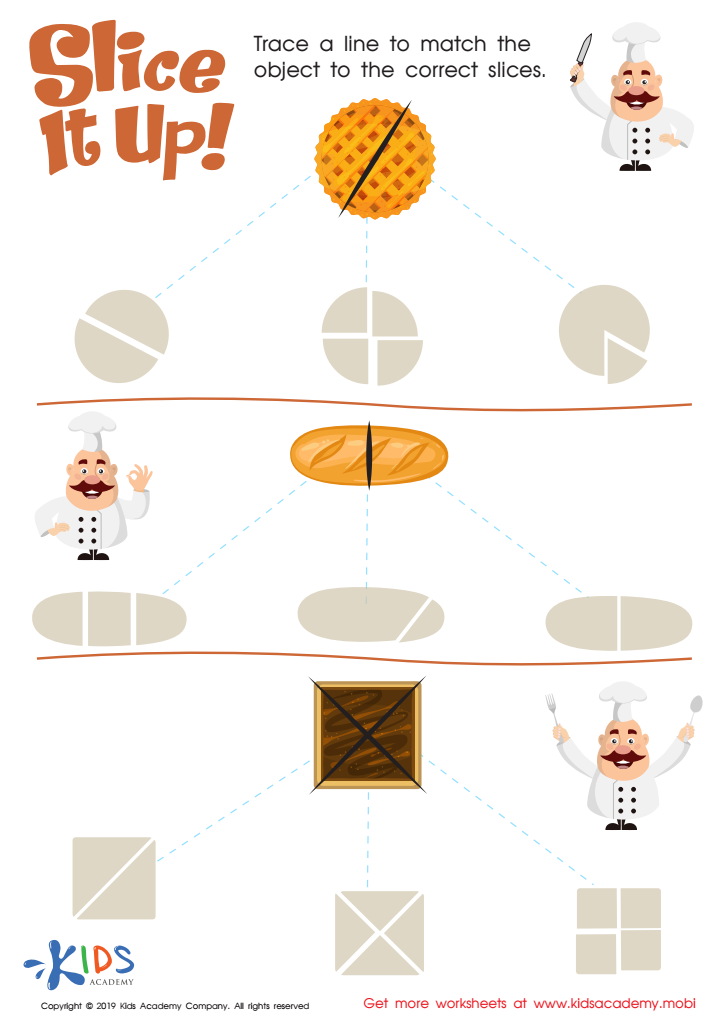
Slice It Up Worksheet
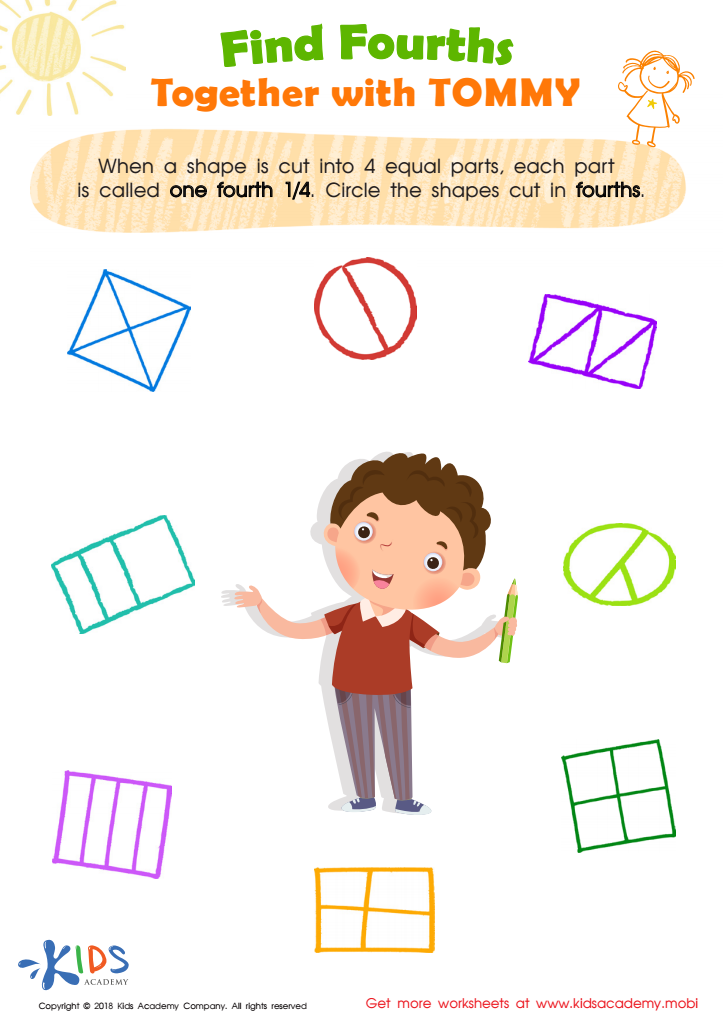
Find Fourths Together with Tommy Worksheet







Understanding fractions is a fundamental aspect of early math education, especially for children aged 5-7. Parents and teachers should prioritize this topic for several reasons.
Firstly, fractions lay the groundwork for advanced mathematical concepts. Mastering them at an early age sets a strong foundation for skills in addition, subtraction, and even percentages later on. It fosters a girl's and boy's ability to understand parts of a whole and makes mathematical reasoning more intuitive.
Secondly, fraction knowledge applies to everyday situations. Whether it's slicing a pizza, measuring ingredients for a recipe, or sharing toys, fractions help children understand division and sharing in real-life contexts. This experiential learning makes math relatable and engaging.
Additionally, early exposure to fractions enhances critical thinking and problem-solving abilities. Children learn to visualize and manipulate quantities, promoting cognitive development.
Lastly, children who grasp fractions early often develop a better attitude towards math. This foundational confidence encourages a love for learning and helps prevent anxiety related to more complex math topics in the future. Therefore, by nurturing an understanding of fractions in young children, parents and teachers not only facilitate their mathematical development but also support their overall growth in cognitive and everyday life skills.








