Easy Word Problems Worksheets for Ages 5-7 - Page 2
43 filtered results
-
From - To
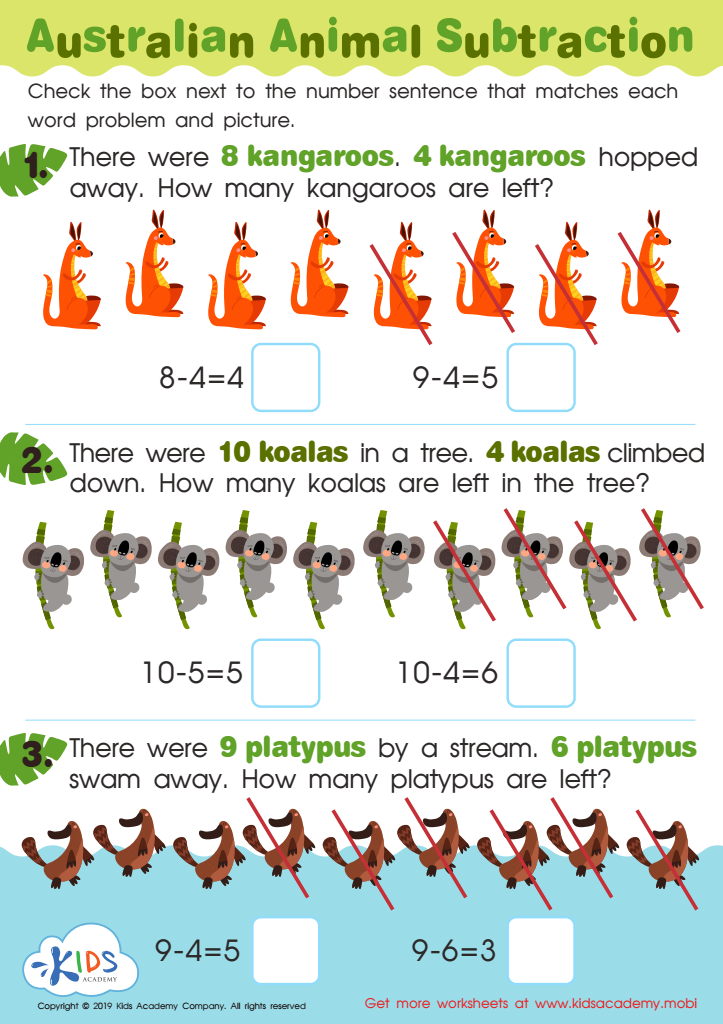
Australian Animal Subtraction Worksheet
 Assign to My Students
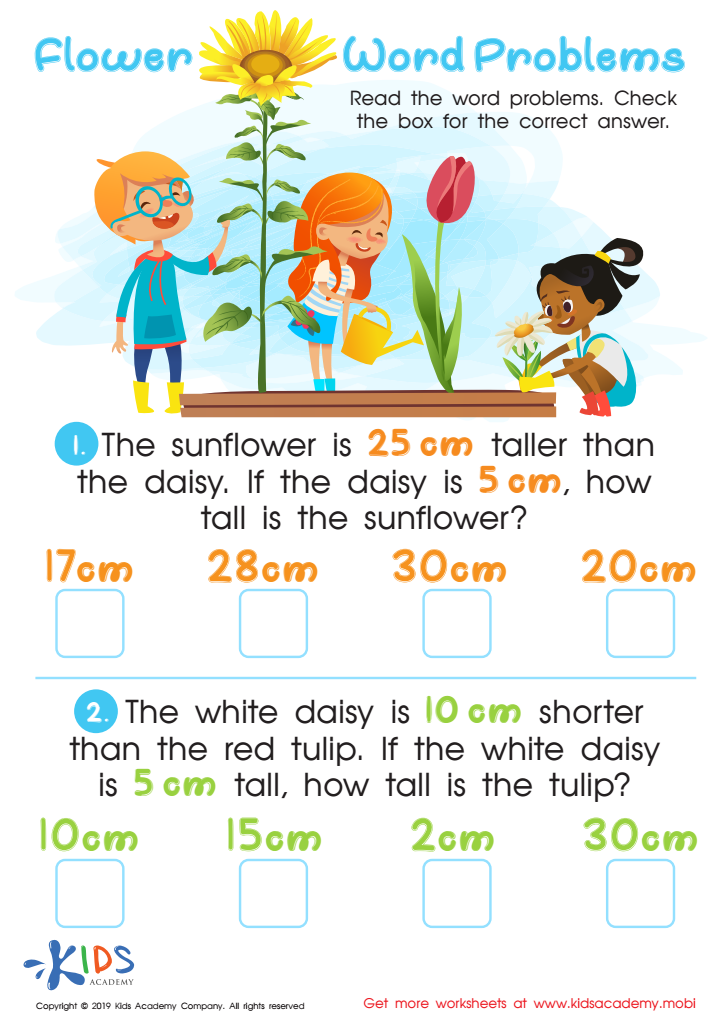
Flower Word Problems Worksheet
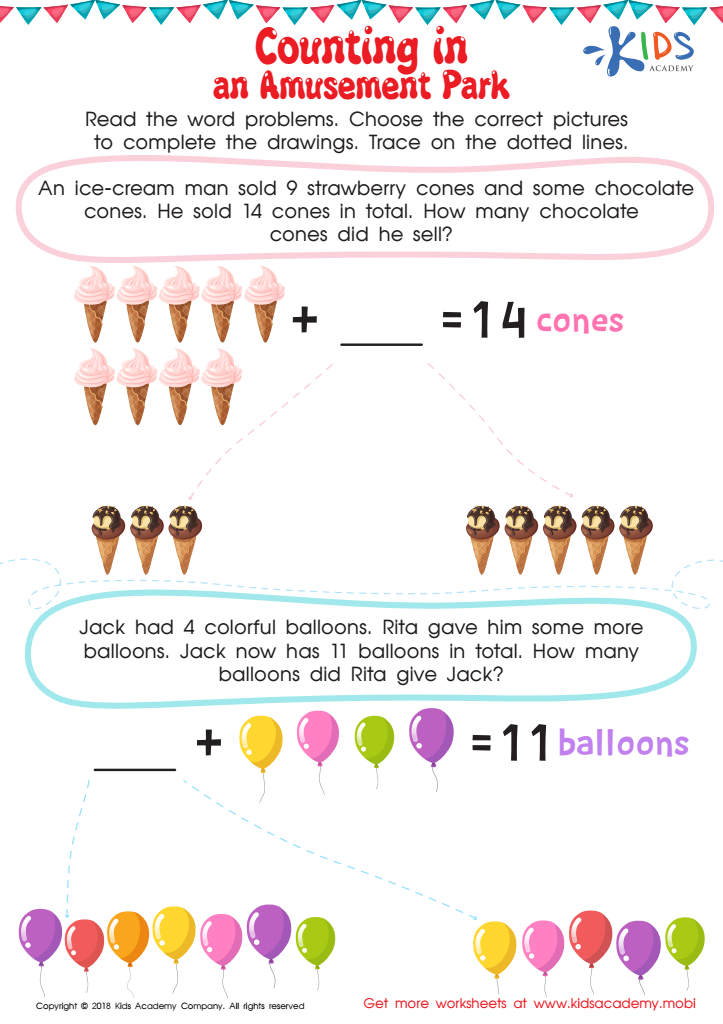
Counting in an Amusement Park Worksheet
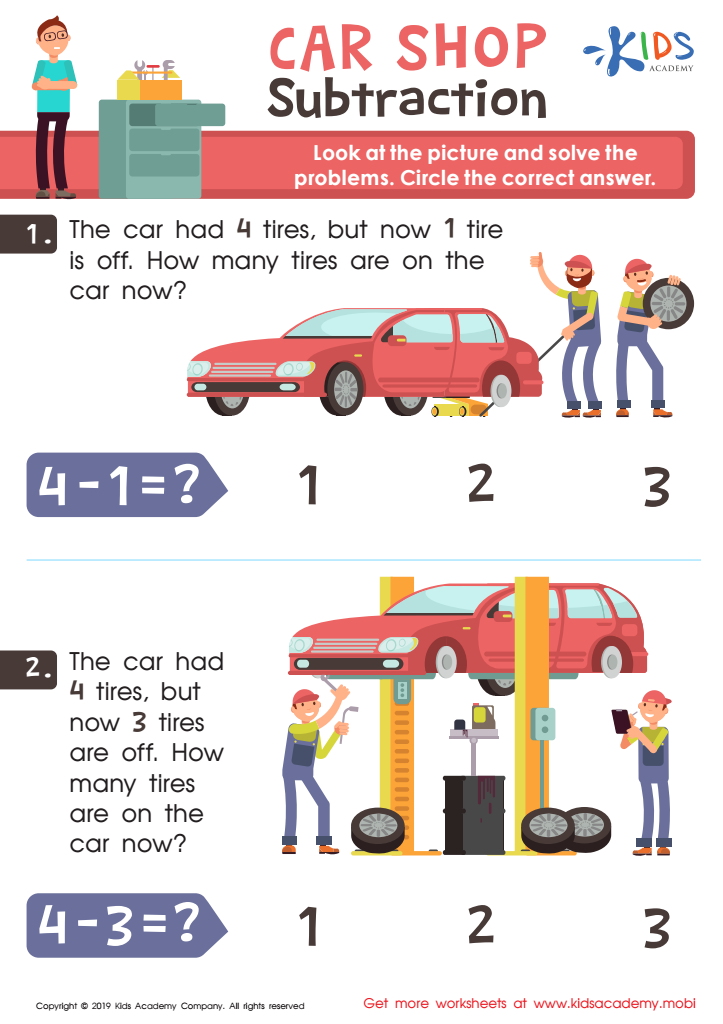
Car Shop Subtraction Worksheet
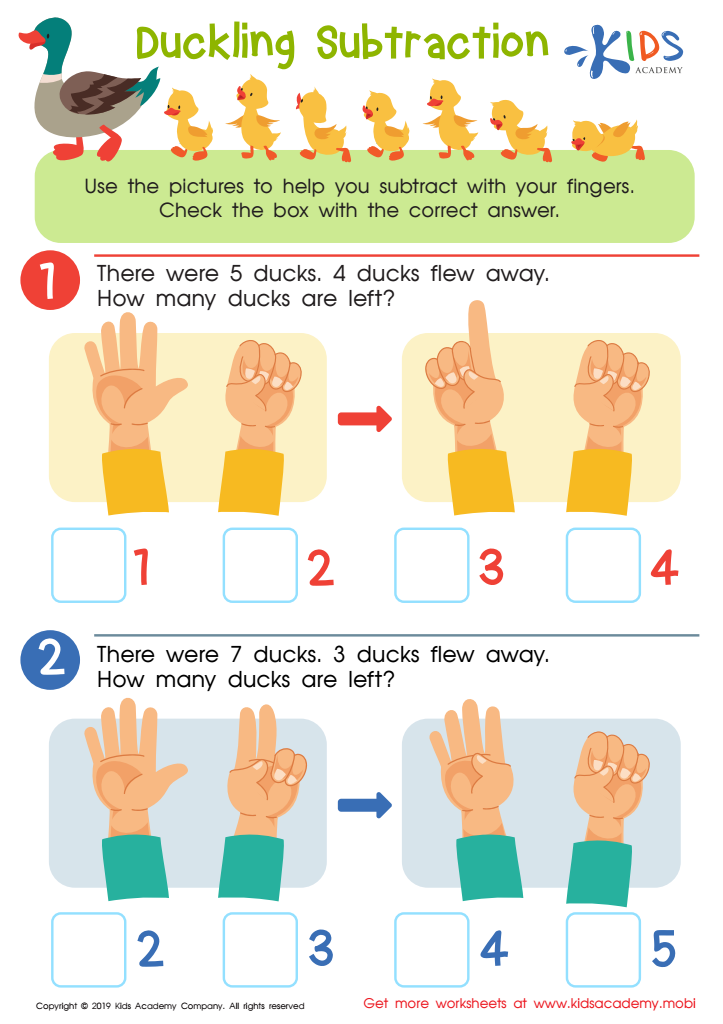
Duckling Subtraction Worksheet
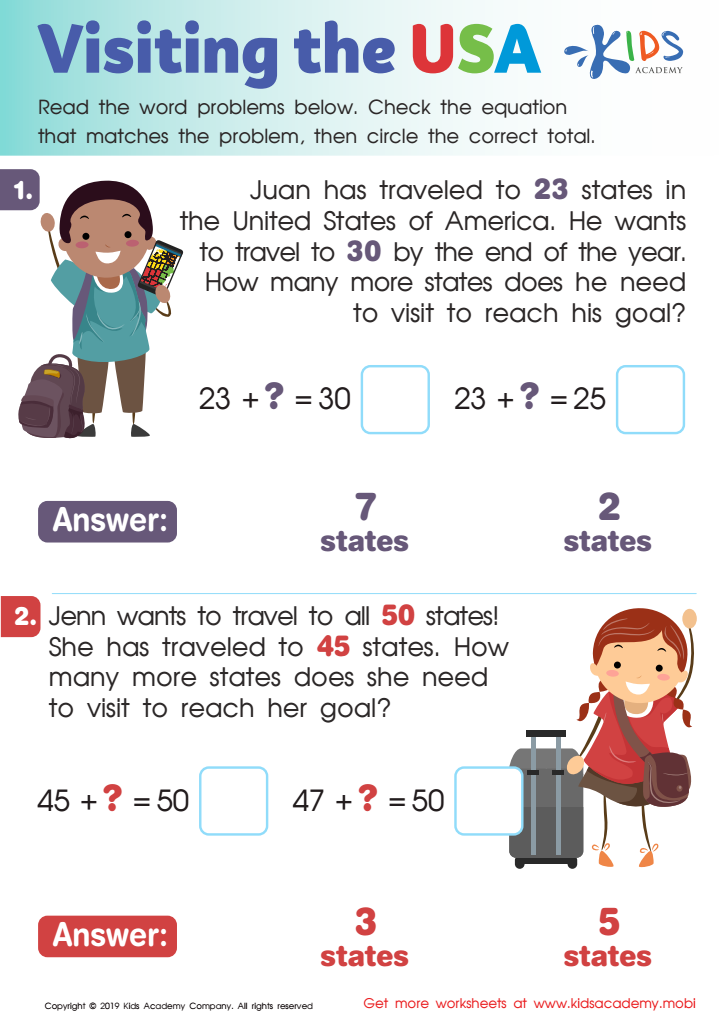
Visiting the USA Worksheet
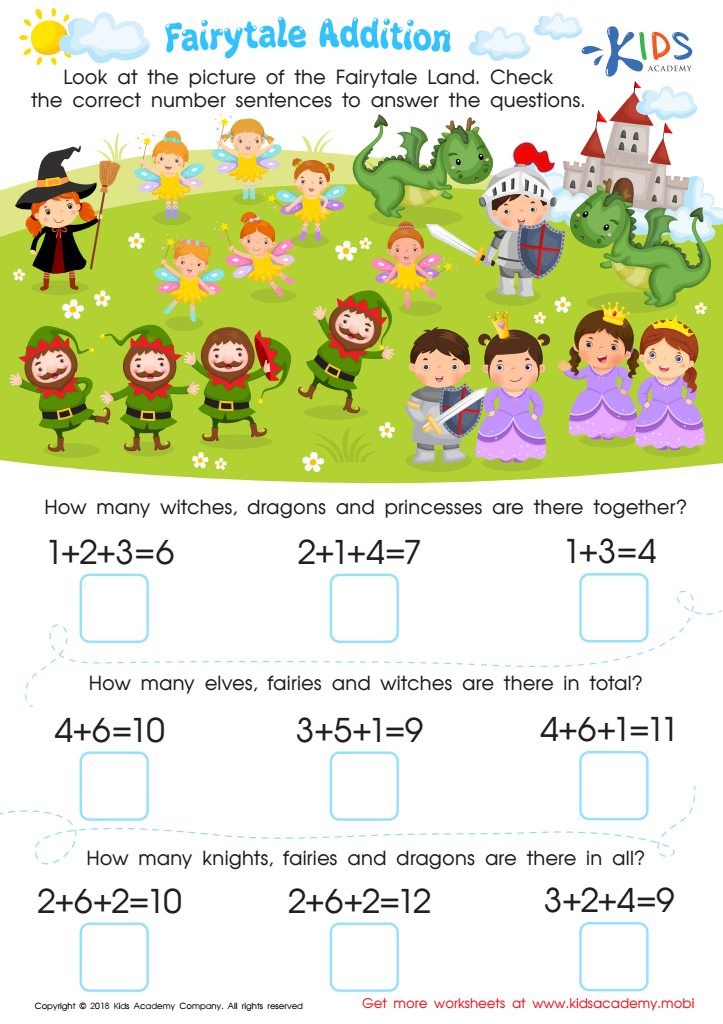
Fairytale Addition Worksheet
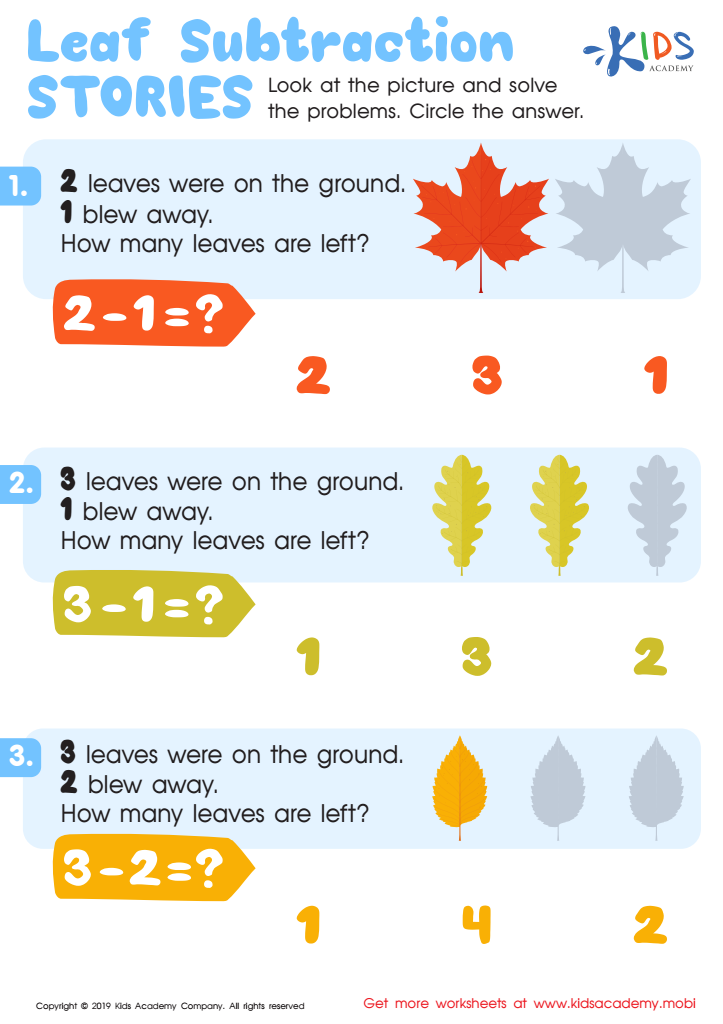
Leaf Subtraction Stories Worksheet
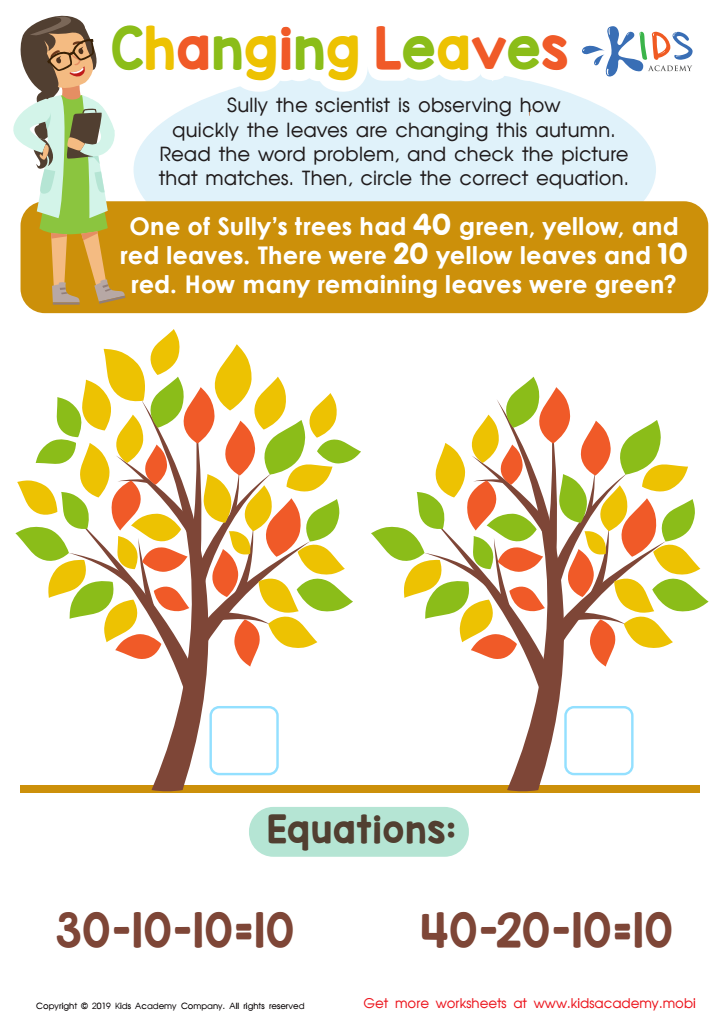
Changing Leaves Worksheet
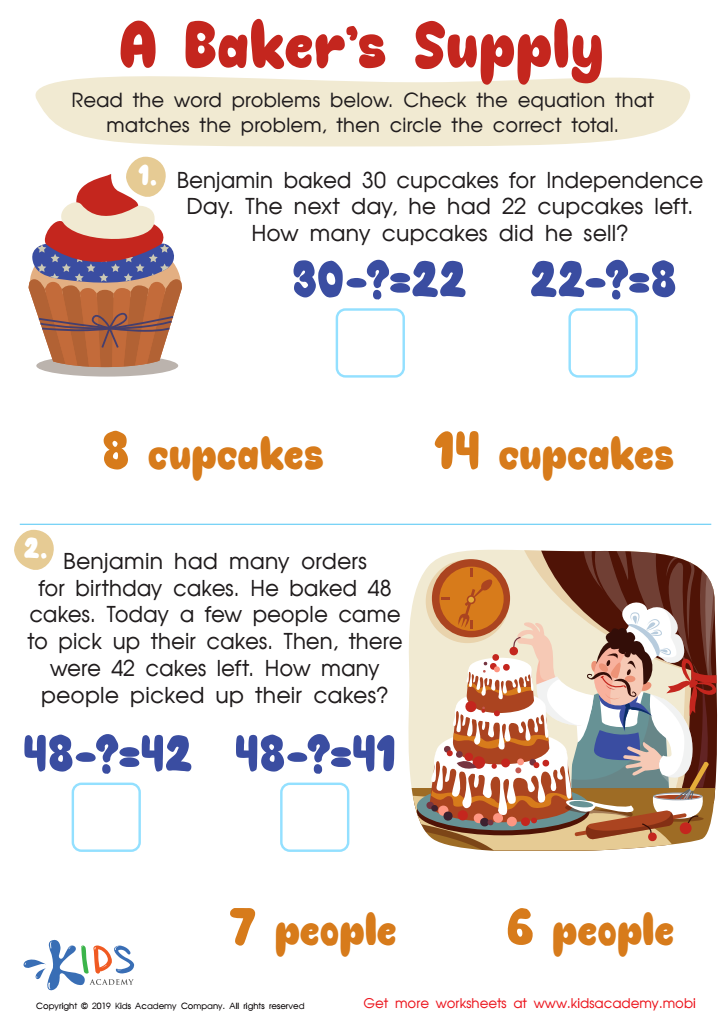
A Baker's Supply Worksheet
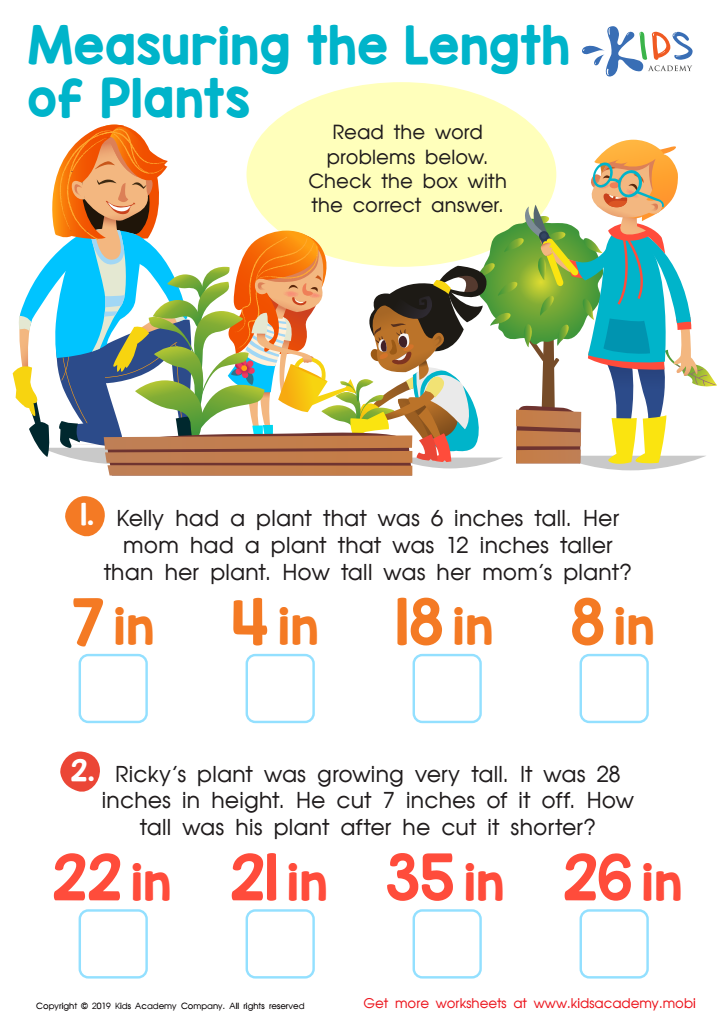
Measuring the Length of Plants Worksheet
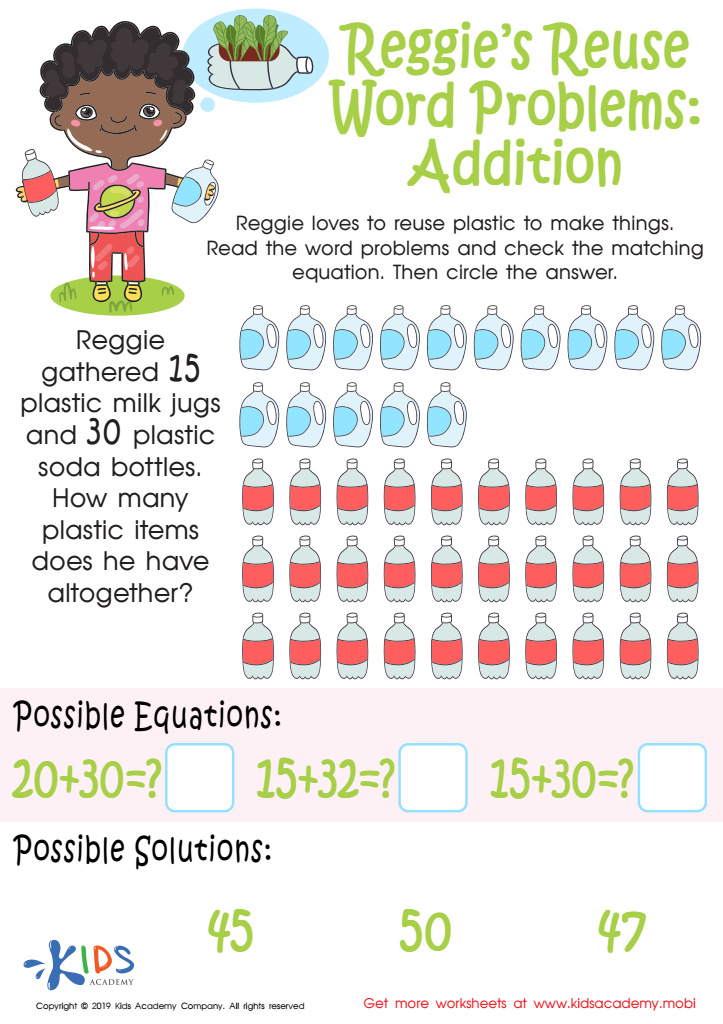
Reggie's Reuse Word Problems: Addition Worksheet
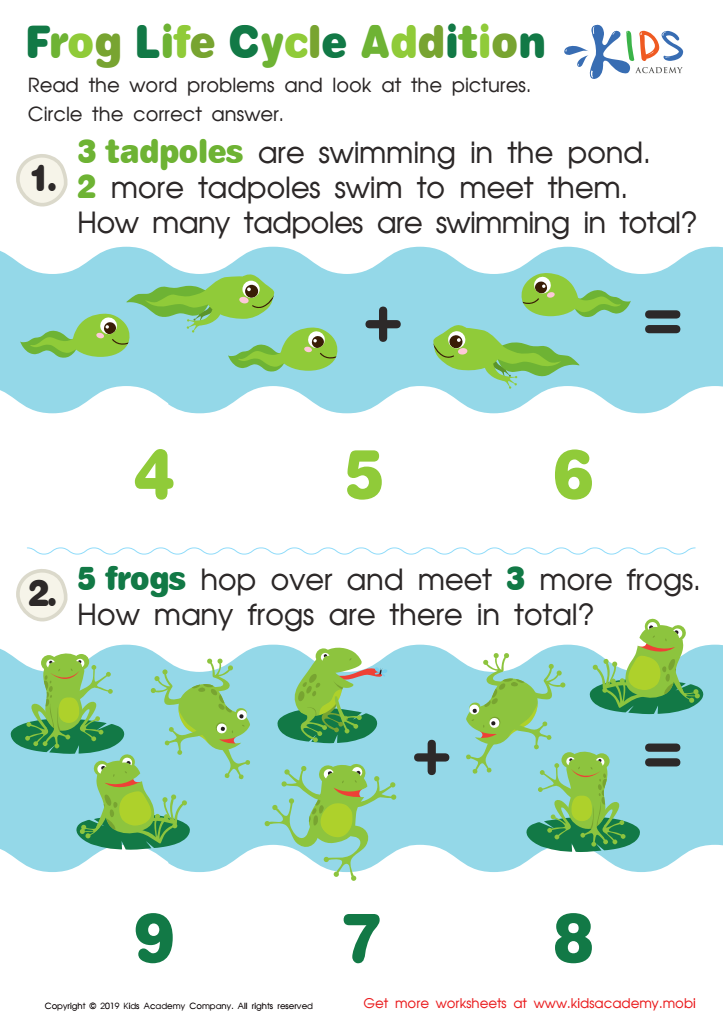
Frog Life Cycle Addition Worksheet
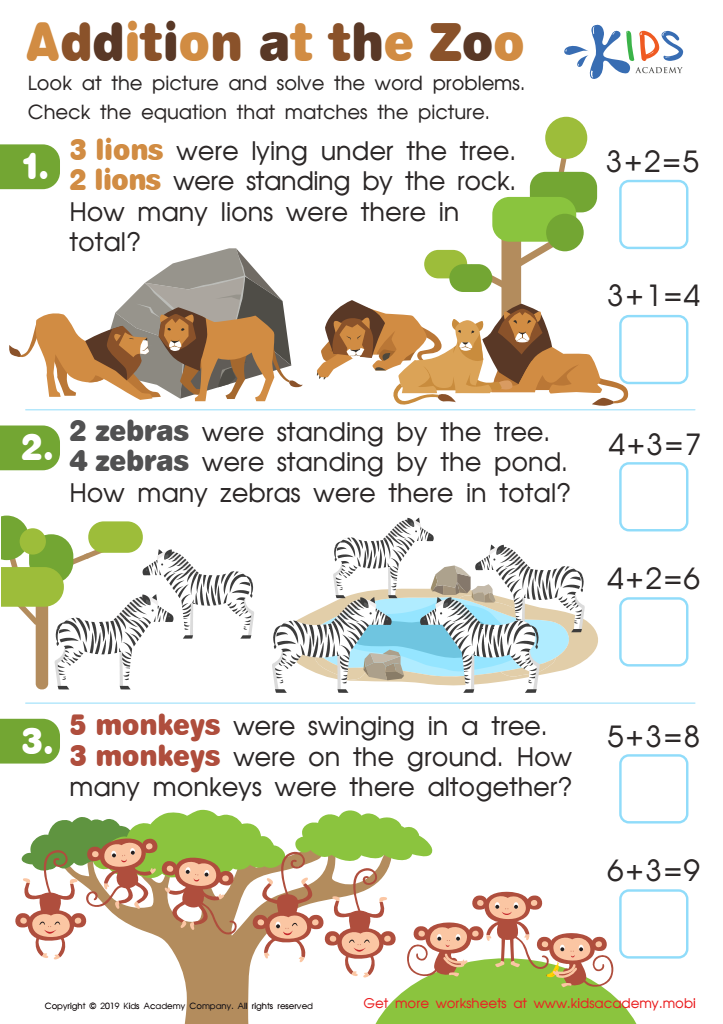
Addition at the Zoo Worksheet
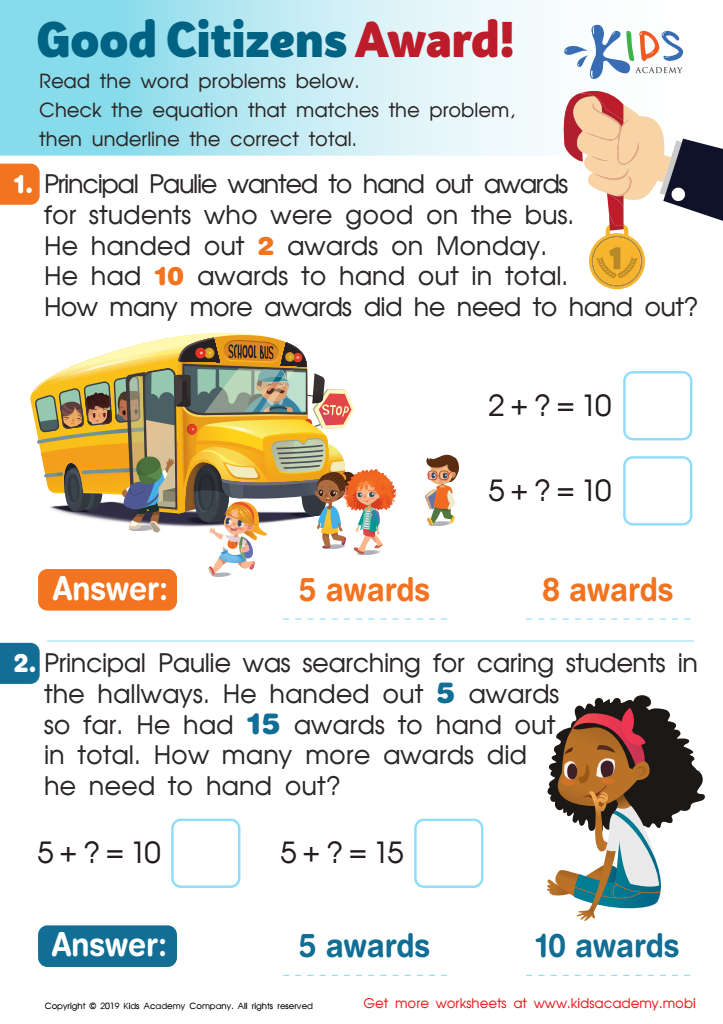
Good Citizens Award! Worksheet
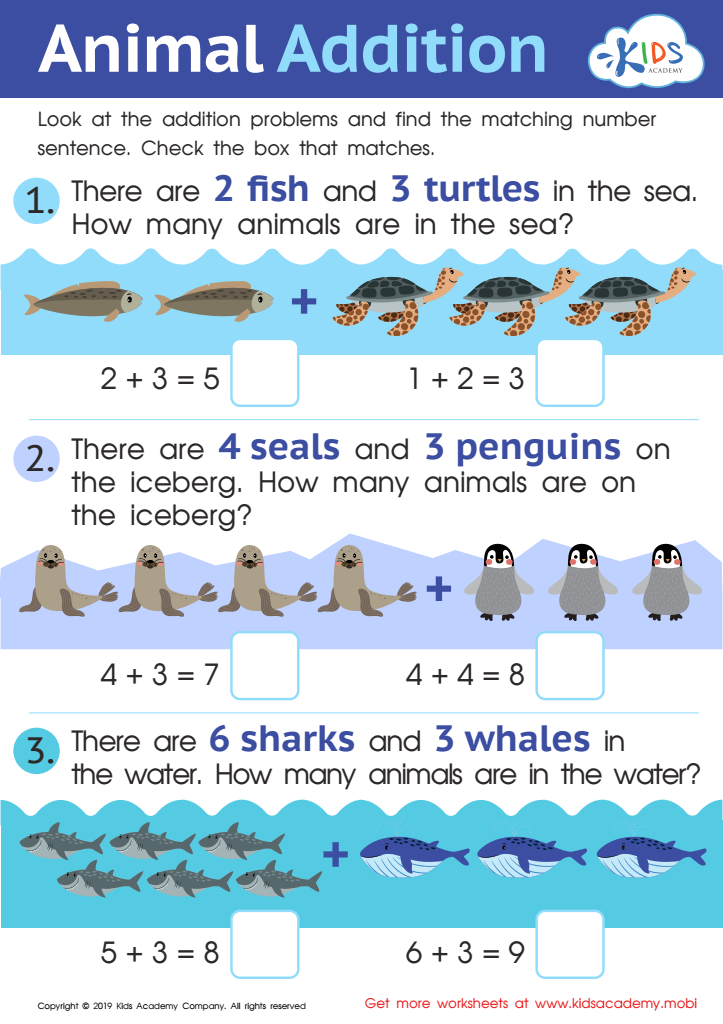
Animal Addition Worksheet
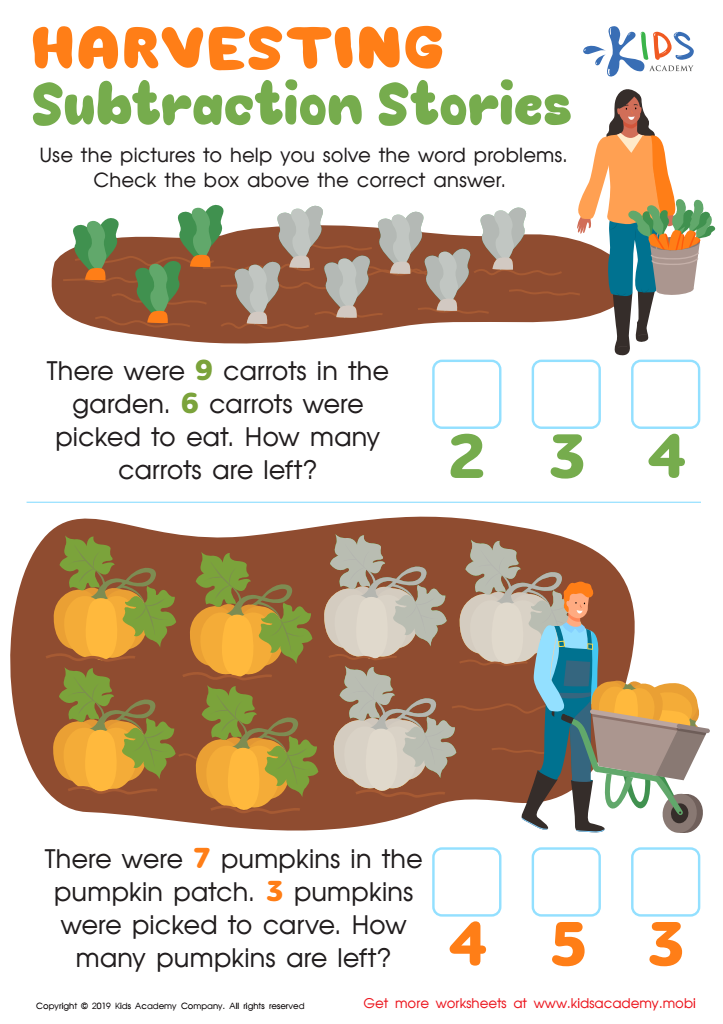
Harvesting Subtraction Stories Worksheet
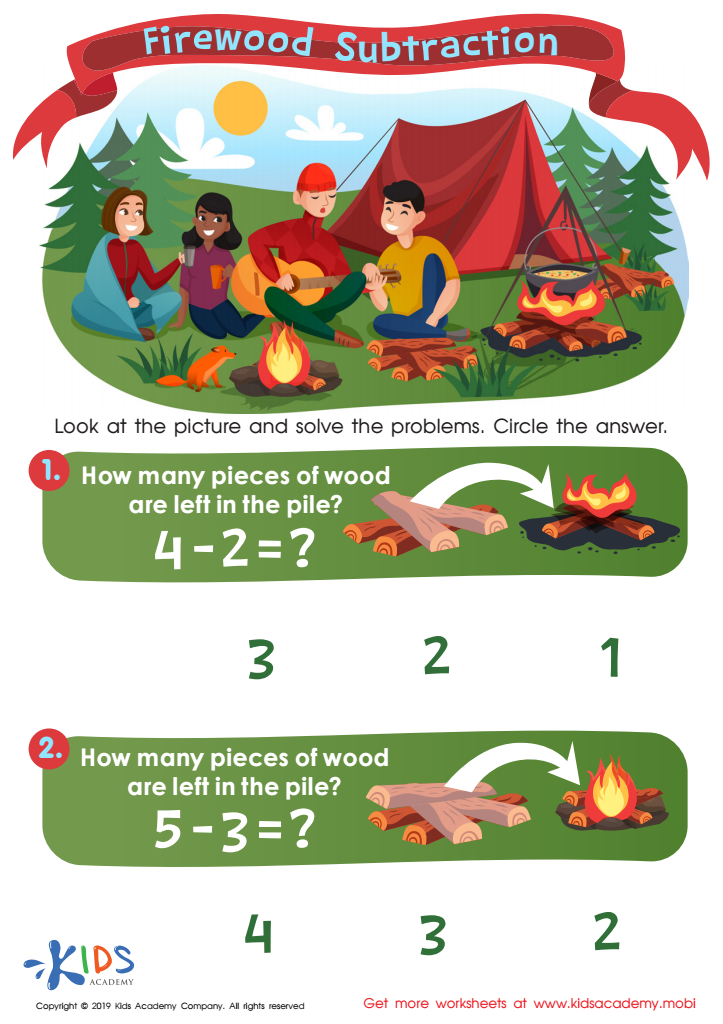
Firewood Subtraction Worksheet
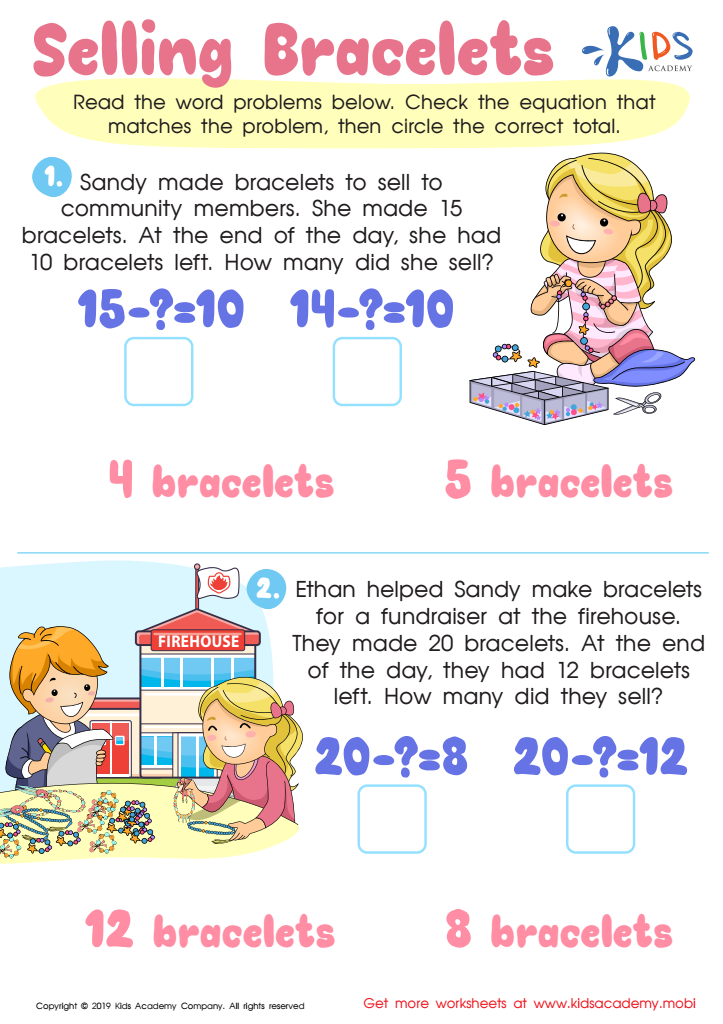
Selling the Bracelets Worksheet








Parents and teachers should care about easy word problems for ages 5-7 because they play a crucial role in early mathematical development. At this stage, children are building foundational skills in numeracy and problem-solving, which are essential for their future academic success. Easy word problems help to engage young learners in critical thinking and allow them to connect mathematics to real-life situations, making learning more relevant and enjoyable.
Moreover, these problems aid in developing reading comprehension skills, as students must understand the language used to grasp what is being asked. This combination of literacy and numeracy promotes a holistic approach to learning. Furthermore, solving word problems helps children enhance their ability to analyze situations, break down complex scenarios into manageable parts, and develop persistence in overcoming challenges.
Finally, early exposure to word problems can foster a positive attitude toward mathematics, reducing math anxiety in the future. By nurturing these skills at a young age, parents and teachers set the stage for a lifelong love of learning and confidence in tackling mathematical concepts. In essence, focusing on easy word problems can lay a solid foundation for children’s academic journey.








