Critical Thinking Easy Worksheets for Ages 5-8
22 filtered results
-
From - To
Unlock your child's potential with our "Critical Thinking Easy Worksheets for Ages 5-8" at Kids Academy. Designed to enhance young minds, these engaging worksheets foster important skills such as reasoning, problem-solving, and creative thinking. Each activity encourages children to think independently, make connections, and explore different solutions. Perfect for parents and teachers, these resources are tailored to support early learning and development. Our colorful, easy-to-follow sheets make critical thinking fun and accessible, ensuring kids are both challenged and entertained as they grow confident in their abilities. Begin the journey to sharper thinking today!
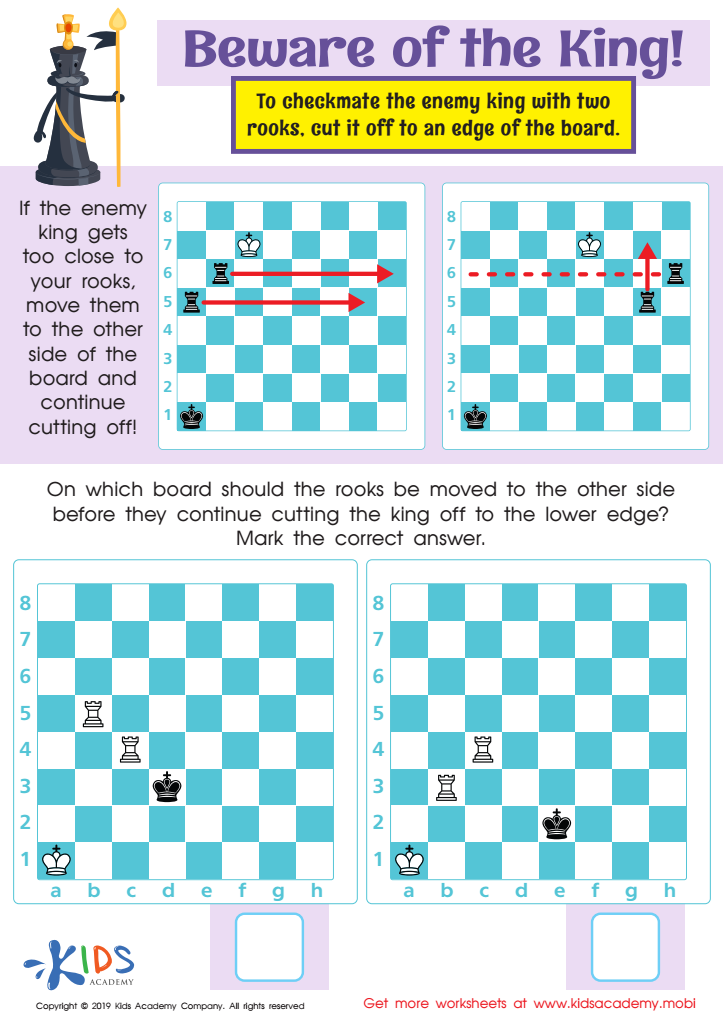
Beware of the King! Worksheet
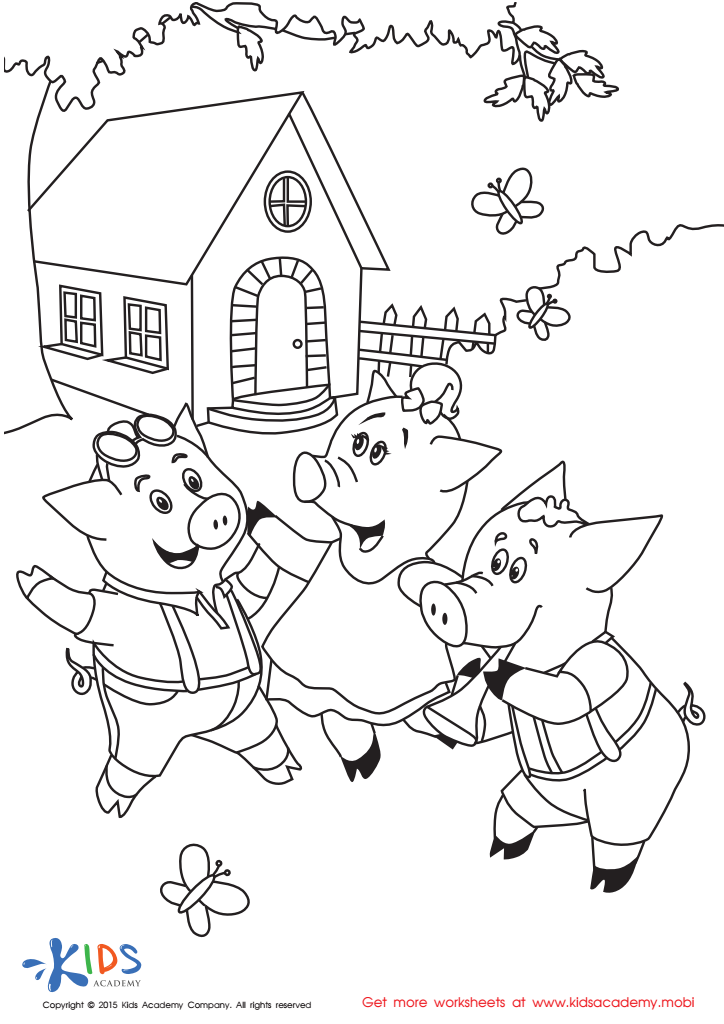
Folktales Printable PDF Worksheet: The 3 Little Pigs
 Assign to My Students
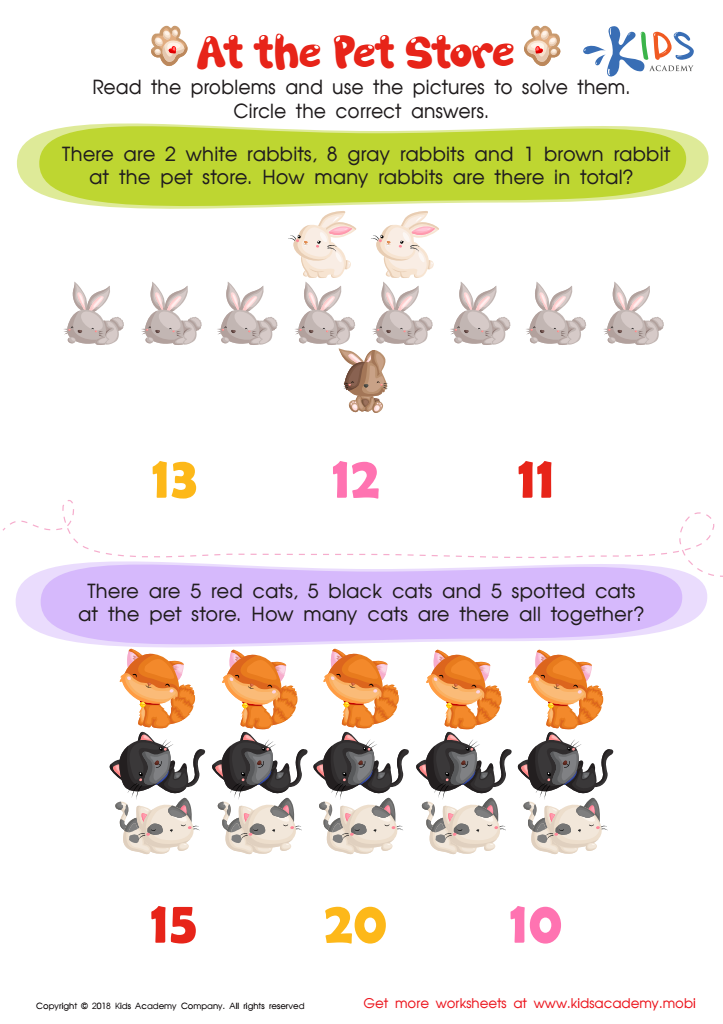
At the Pet Store Word Problems Worksheet
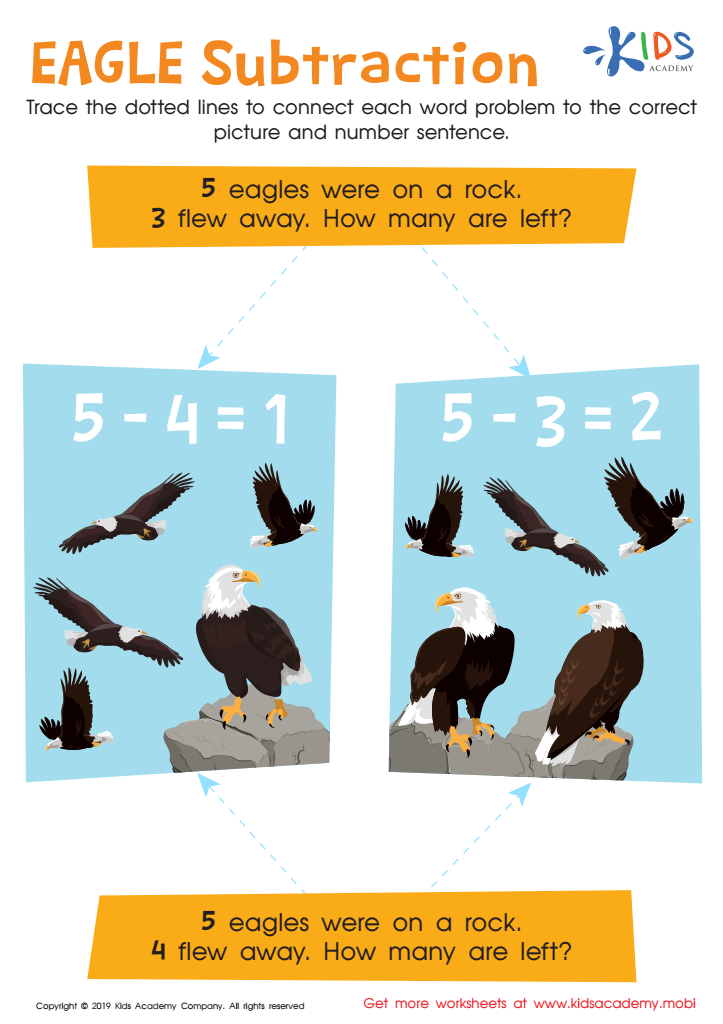
Eagle Subtraction Worksheet
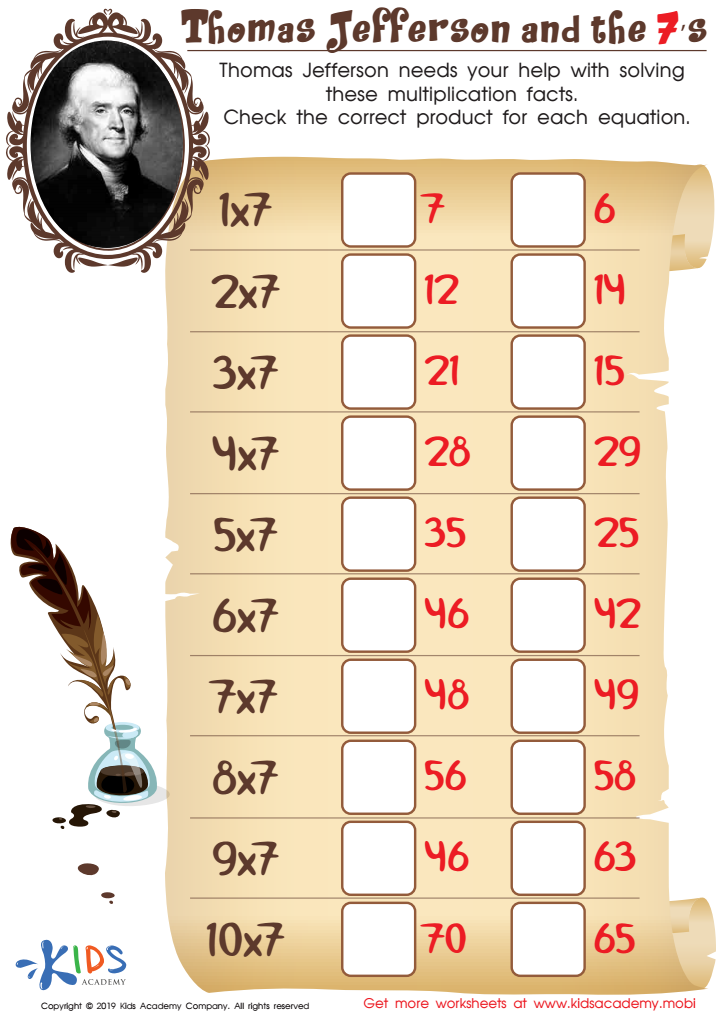
Thomas Jefferson and the 7’s Worksheet
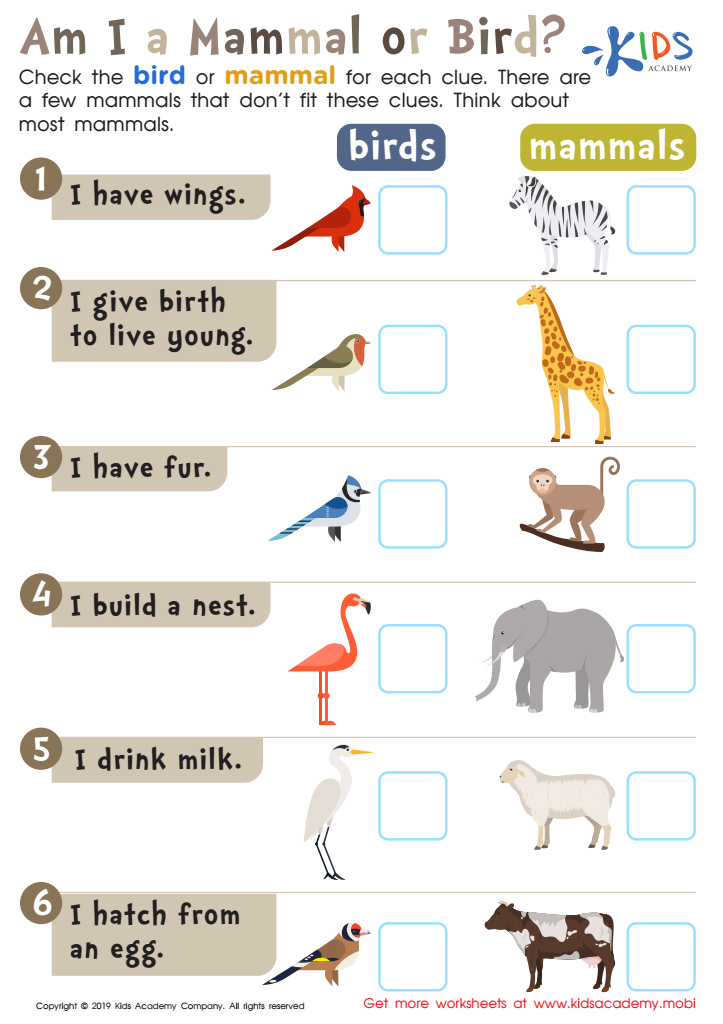
Am I a Mammal or Bird? Worksheet
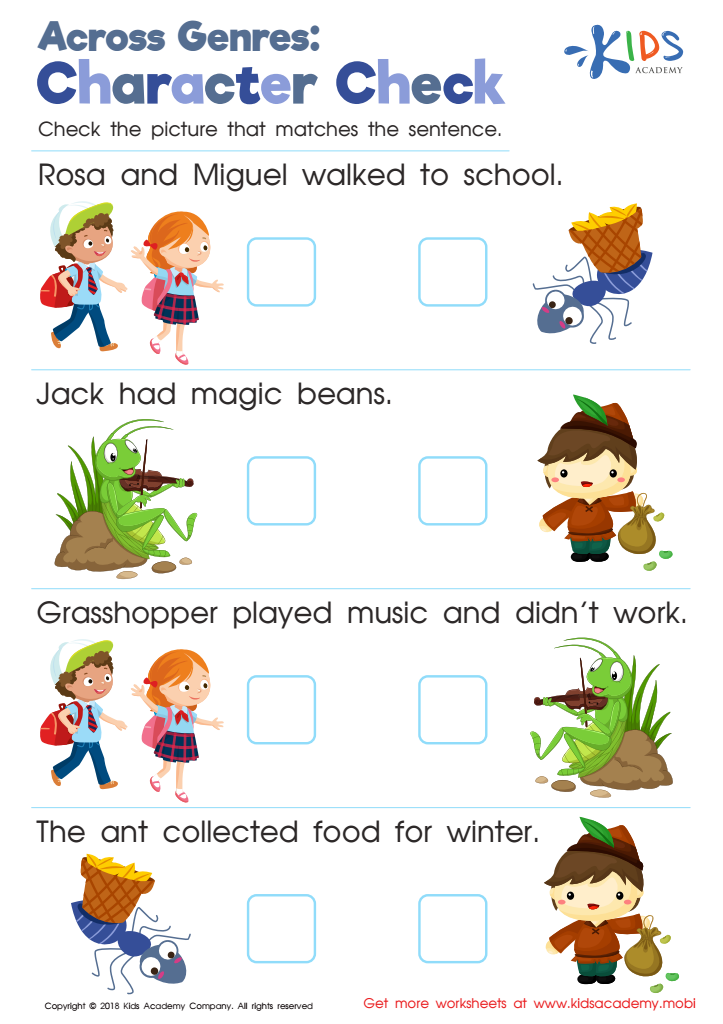
Across Genres: Character Check Worksheet
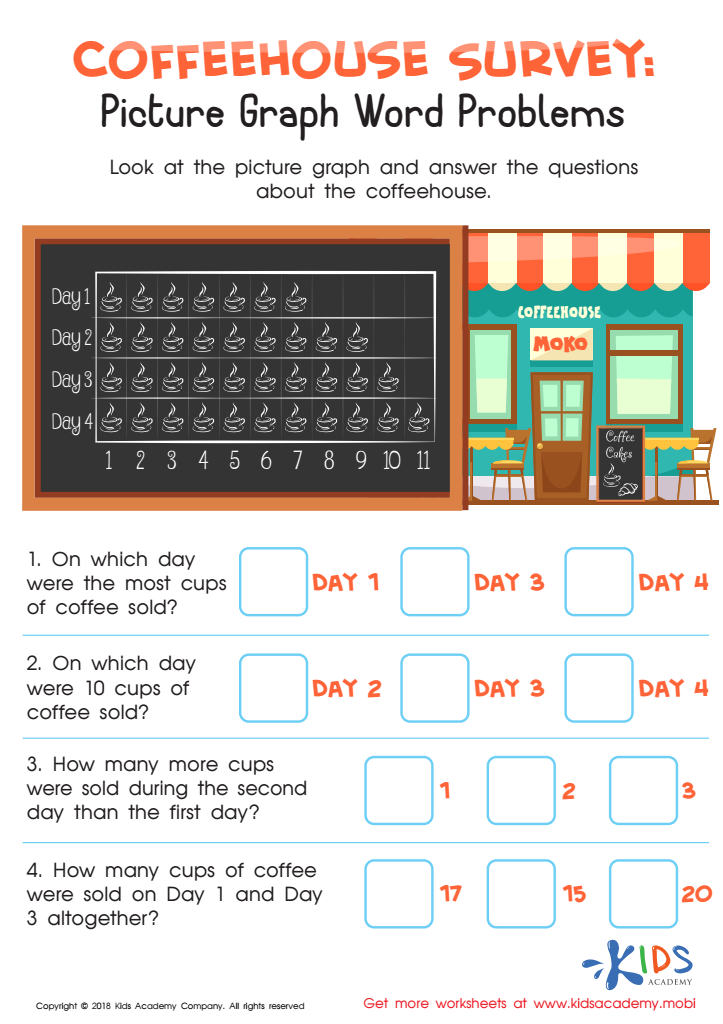
Coffeehouse Survey: Picture Graph Word Problems Worksheet
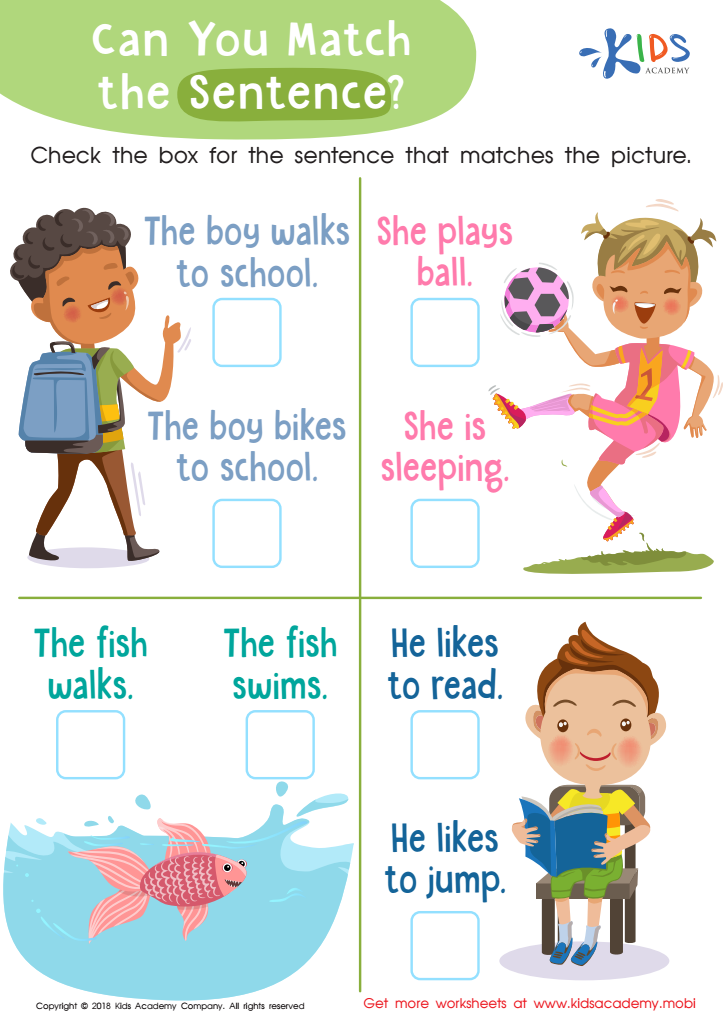
Can You Match the Sentence? Worksheet
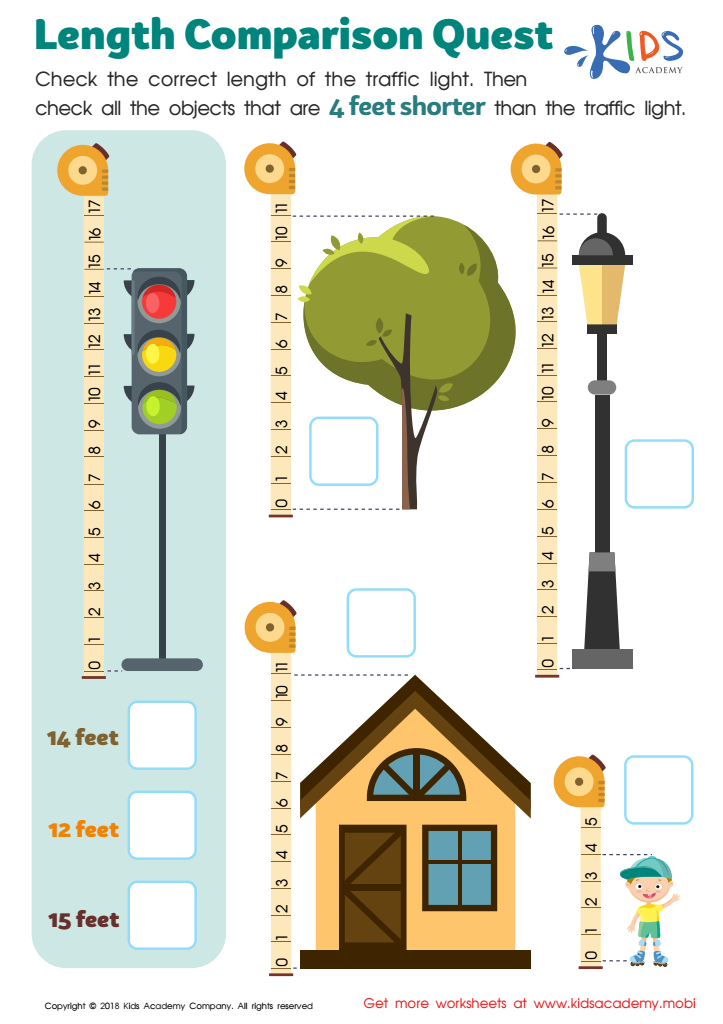
Length Comparison Quest Worksheet
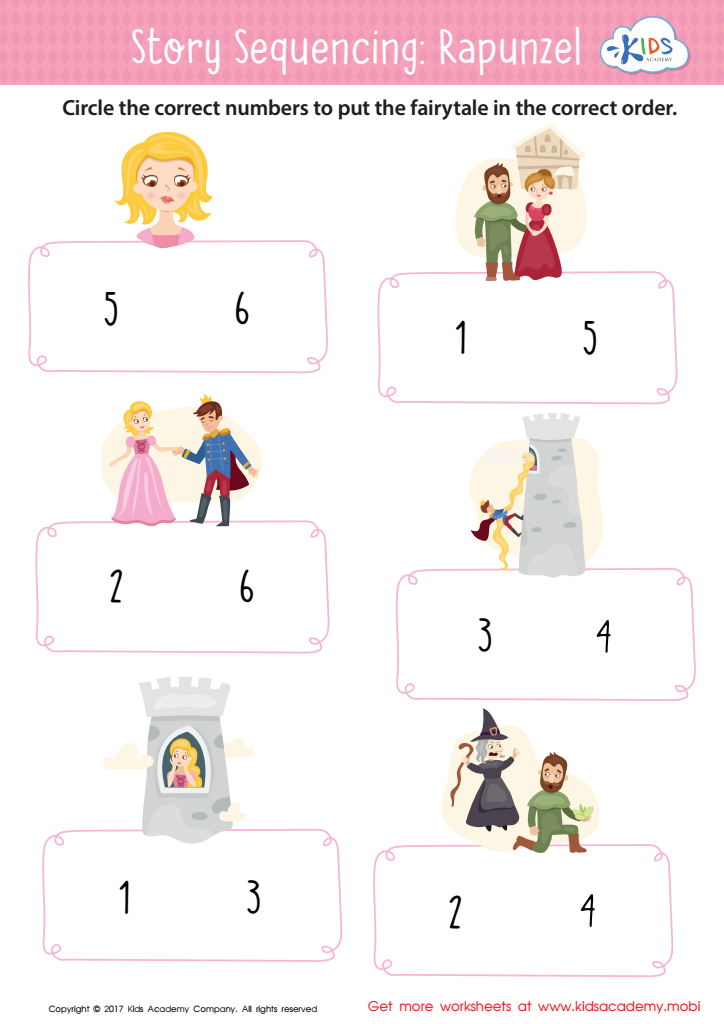
Rapunzel Story Sequencing Worksheet
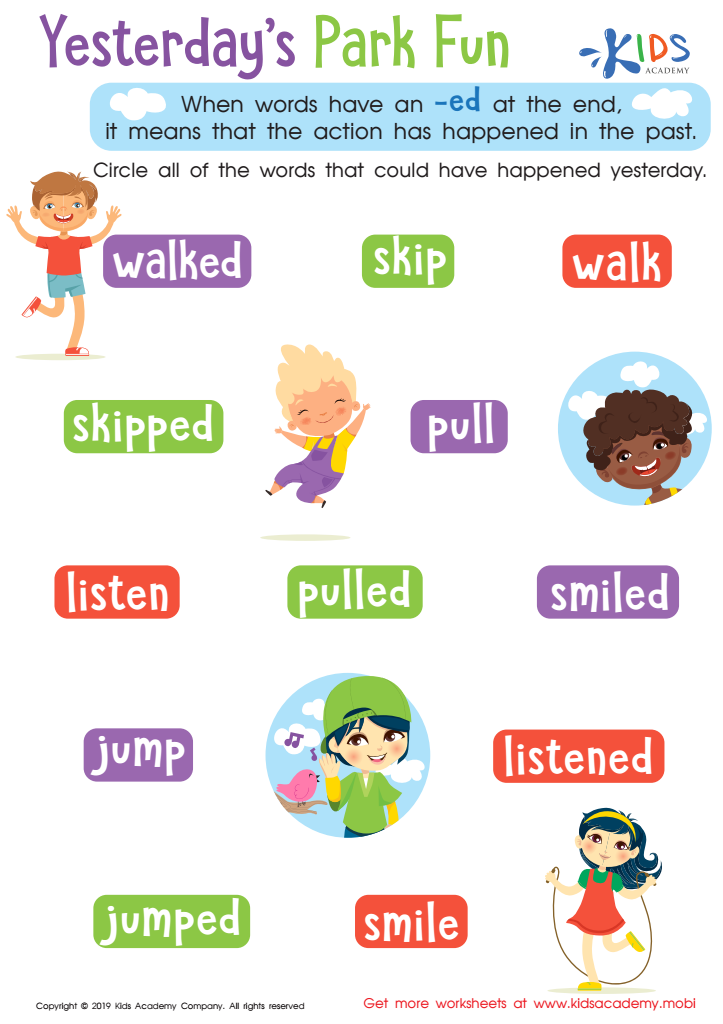
Yesterday's Park Fun Worksheet
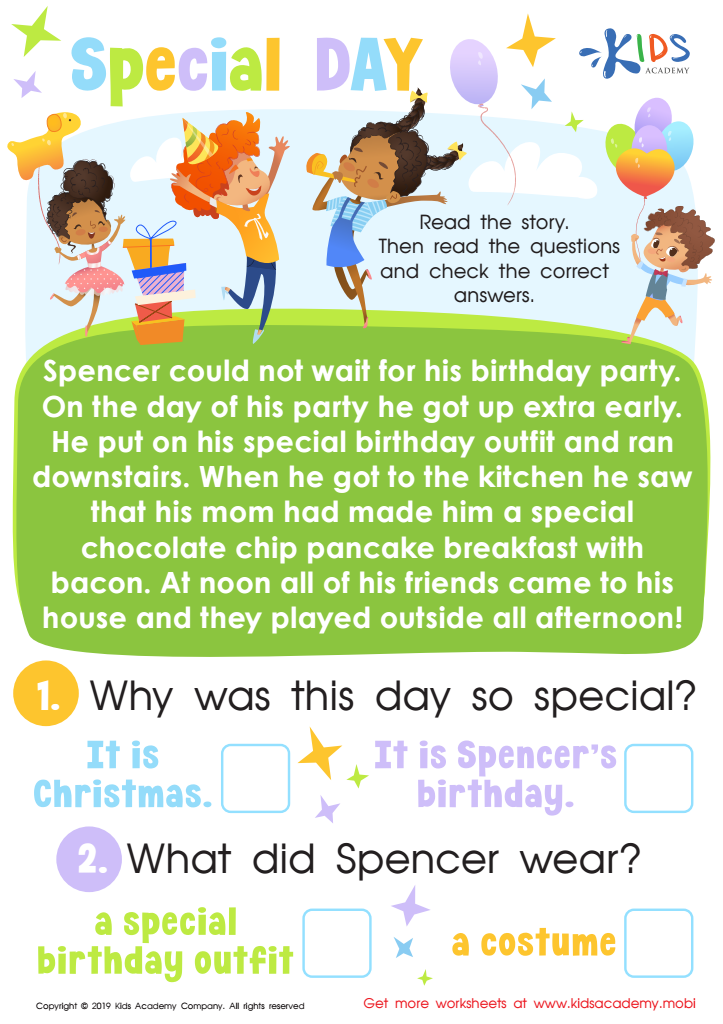
Special Day Worksheet
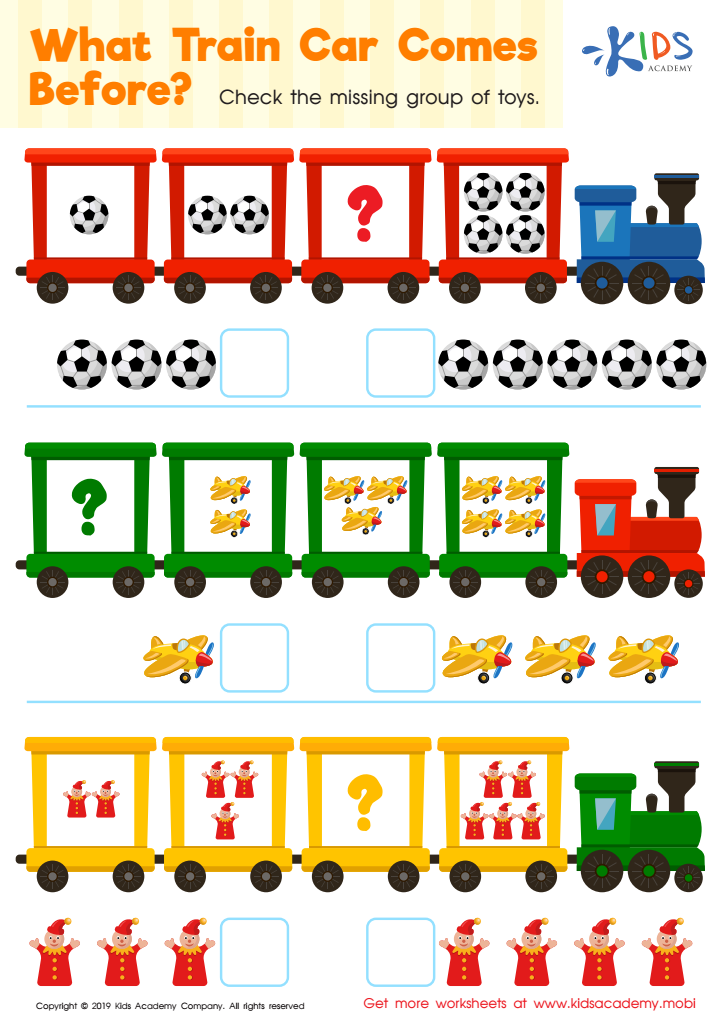
What Train Car Comes Before? Worksheet

Questions About Stories: Assessment 1 Worksheet
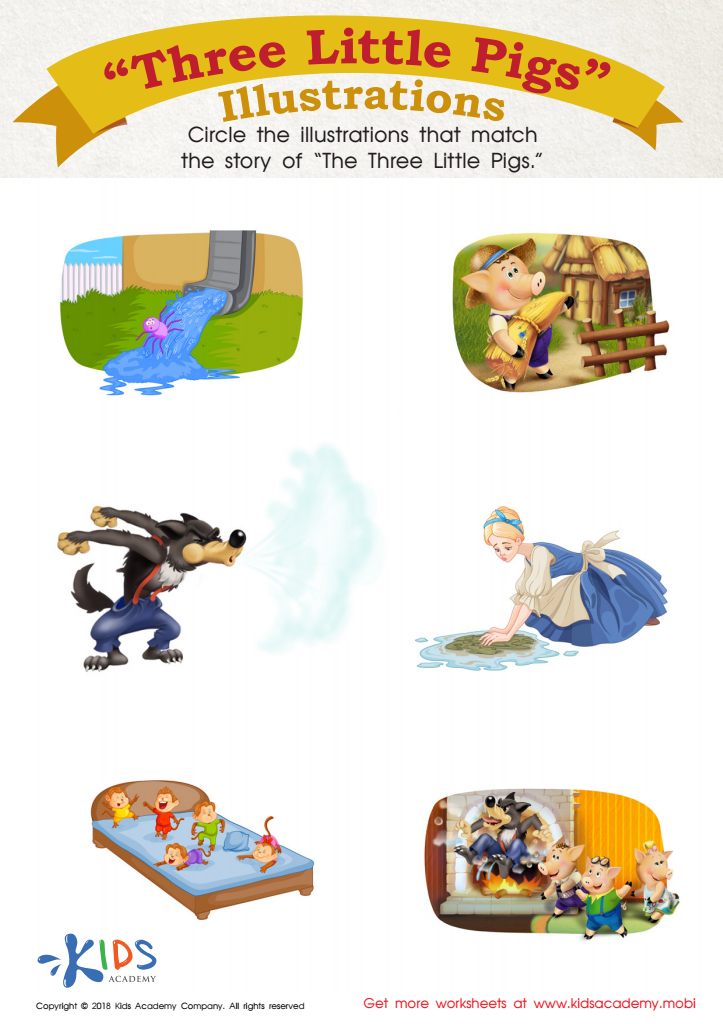
Three Little Pigs: Illustrations Worksheet
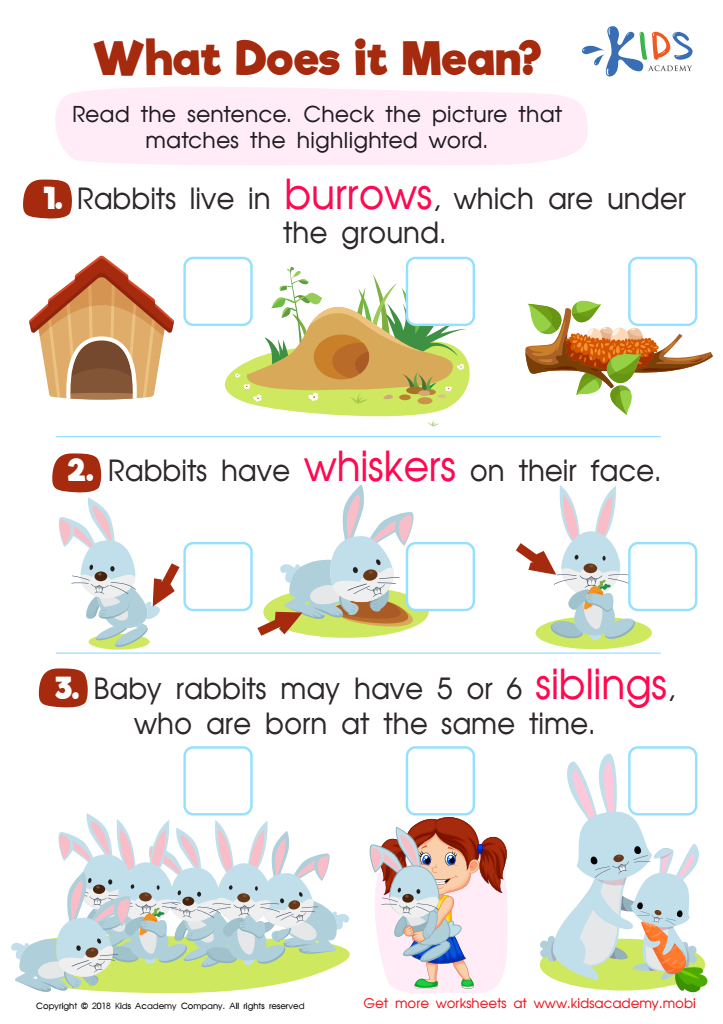
What Does It Mean? Worksheet
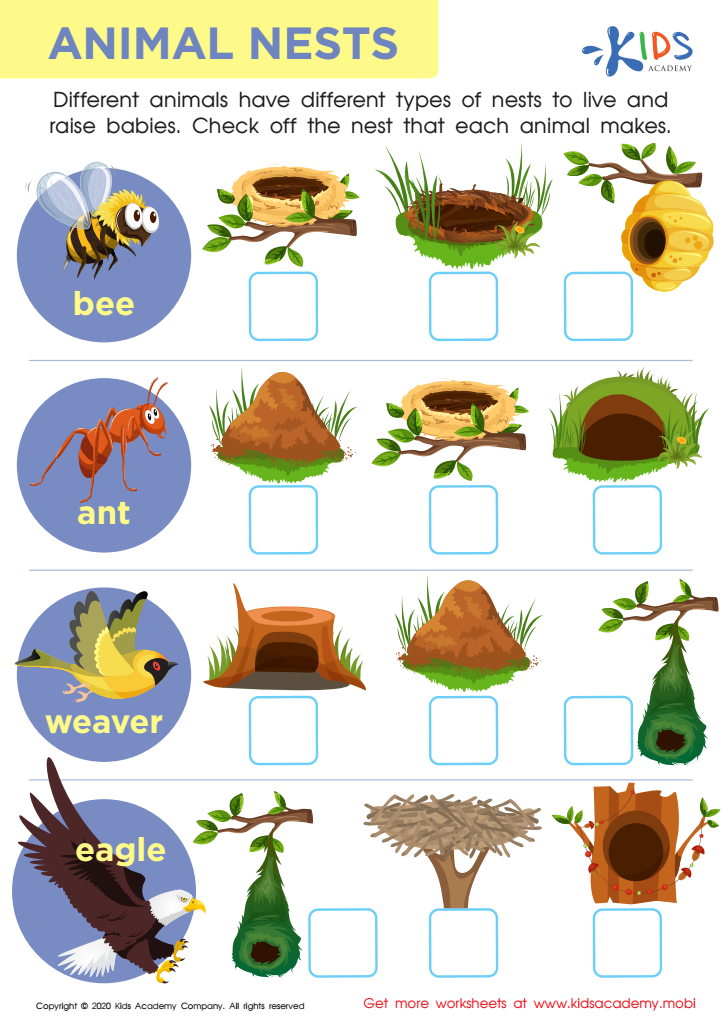
Animal Nests Worksheet
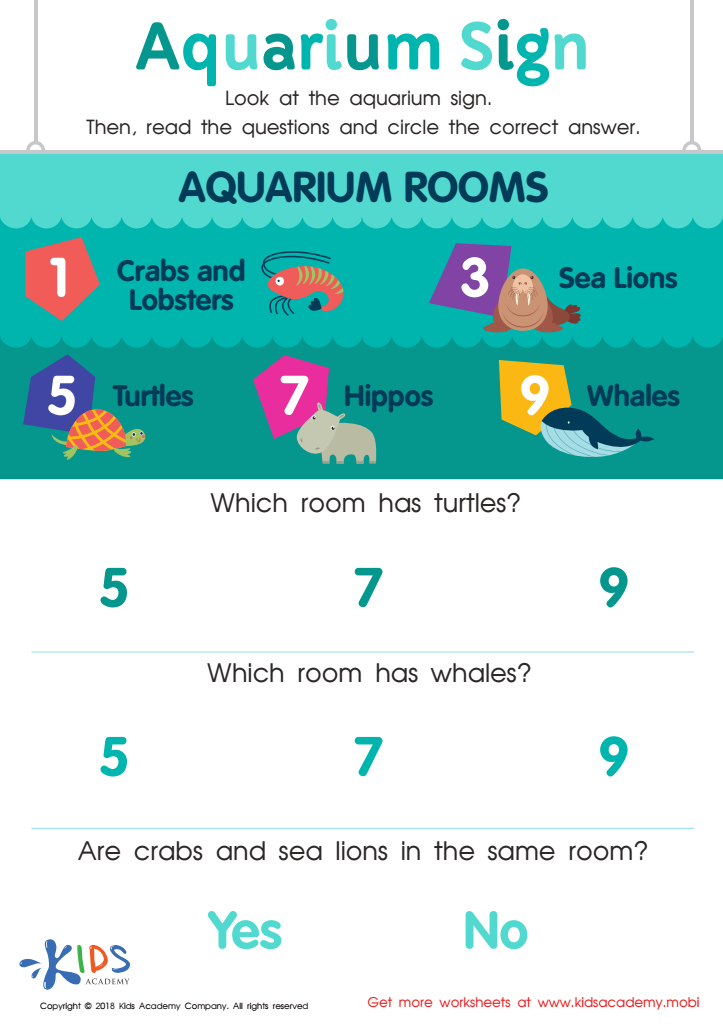
Assessment: Aquarium Sign Worksheet
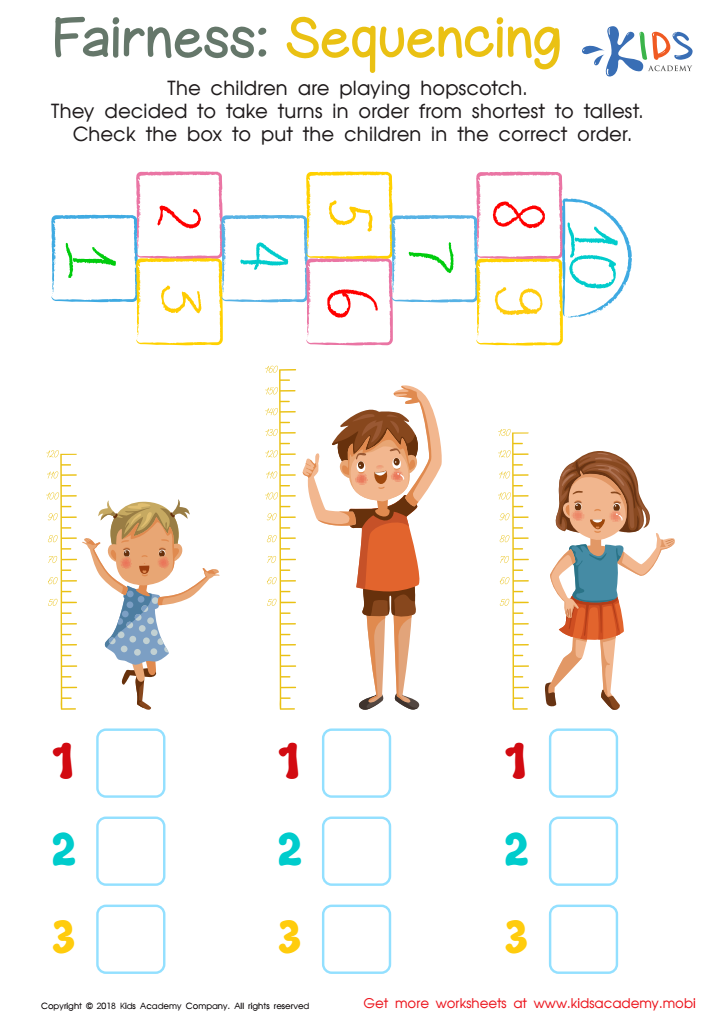
Fairness: Sequencing Worksheet








Critical thinking for young children, aged 5-8, is essential as it lays the foundation for lifelong learning and problem-solving skills. At this early age, children's minds are extraordinarily impressionable and receptive to new ways of thinking. Introducing critical thinking encourages them to ask questions, seek out answers, and understand various perspectives. This is crucial not only in academic settings but also in social interactions and everyday decisions.
When parents and teachers focus on fostering critical thinking, they help children develop the ability to reason, make informed decisions, and understand cause-and-effect relationships. For instance, a child who is learning to think critically can better analyze story elements in a book, understand basic scientific experiments, or determine the fairness of playground rules. This enhances their overall cognitive development and emotional intelligence.
Moreover, critical thinking promotes curiosity and creativity, encouraging children to explore the world around them actively. By establishing these skills early on, children become better equipped to handle complex challenges as they grow older. Parents and teachers thus have a crucial role in ensuring children have the tools they need to navigate an increasingly complex world with confidence and competence. Affording young children opportunities to practice and refine these skills sets a strong groundwork for their future educational and personal successes.








