Hand-eye Coordination Easy Worksheets for Ages 5-8 - Page 2
29 filtered results
-
From - To
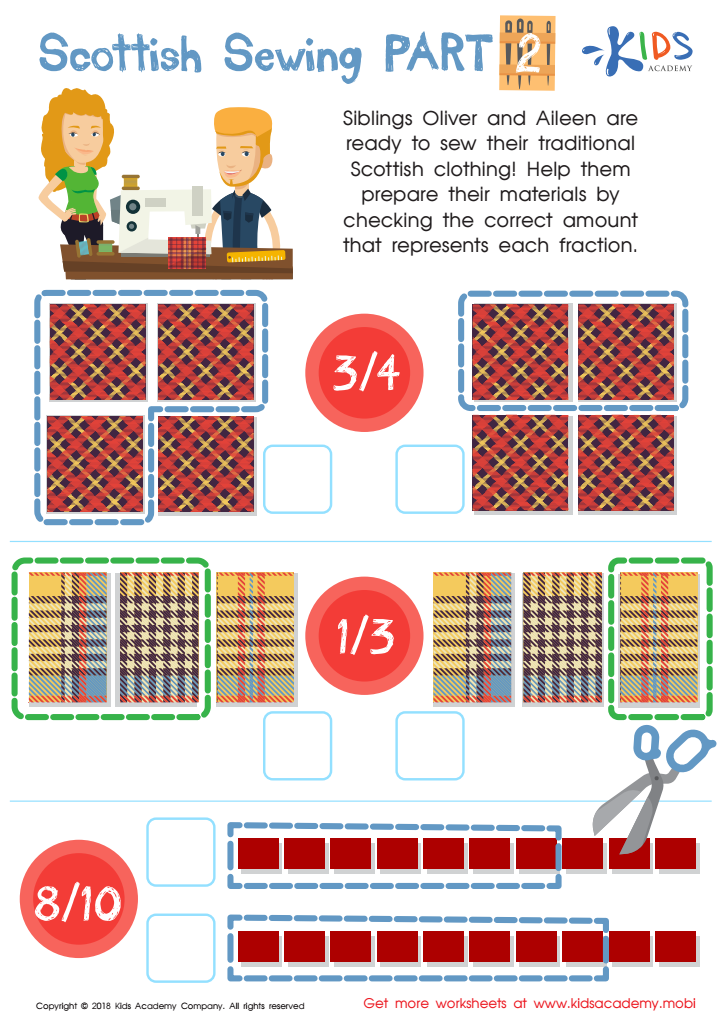
Scottish Sewing Part 2 Worksheet
 Assign to My Students
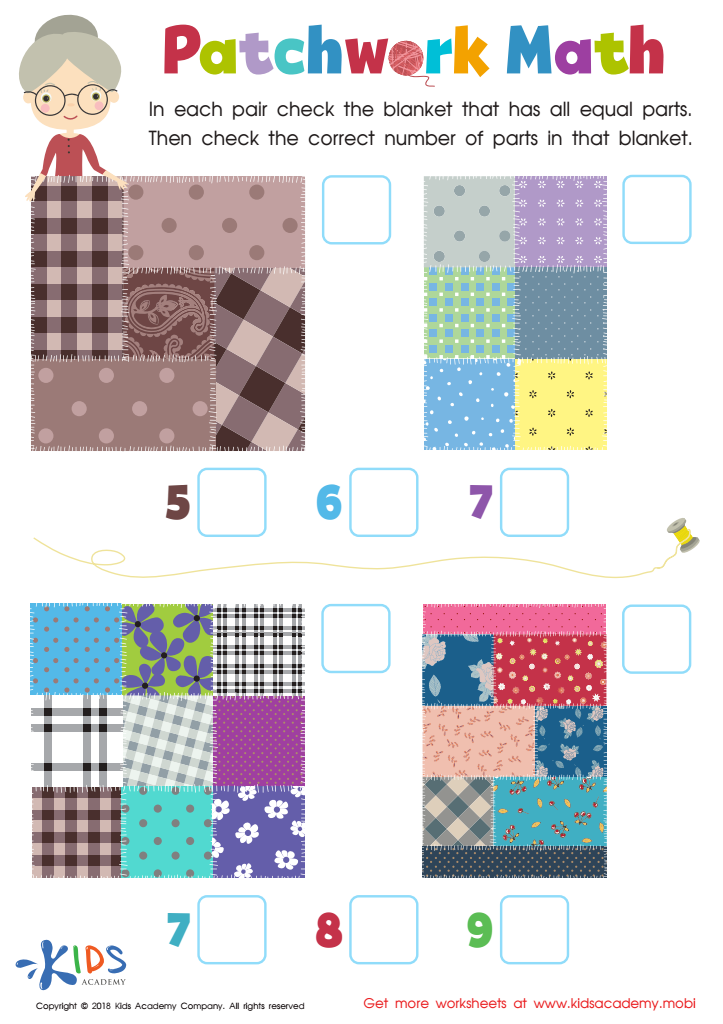
Patchwork Math Worksheet
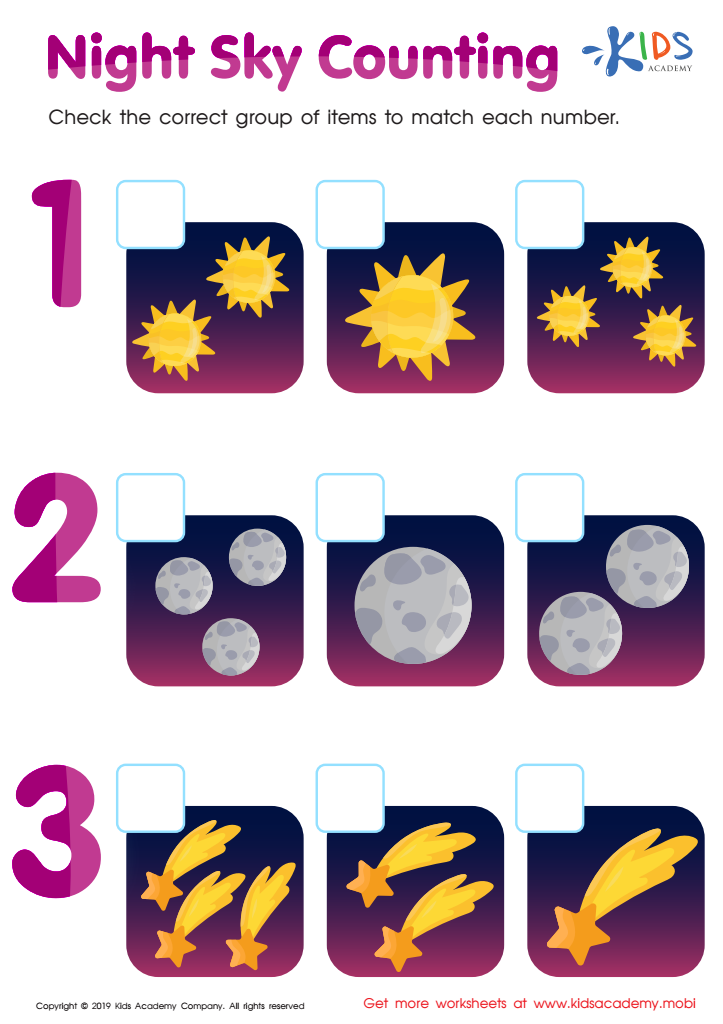
Night Sky Counting Worksheet
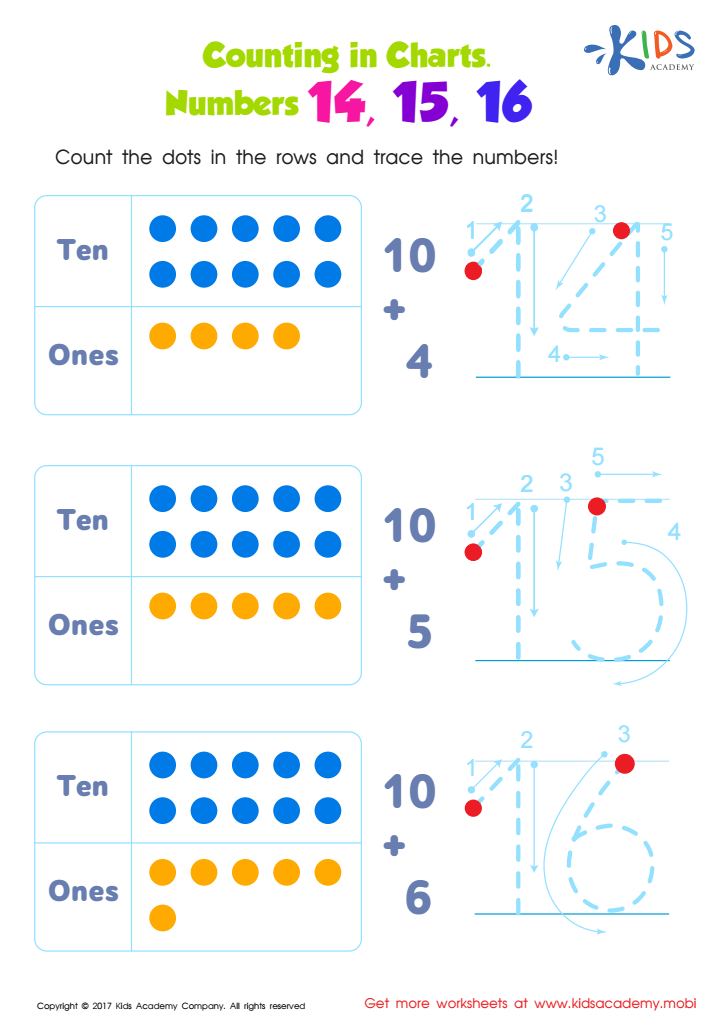
Number Tracing Worksheet
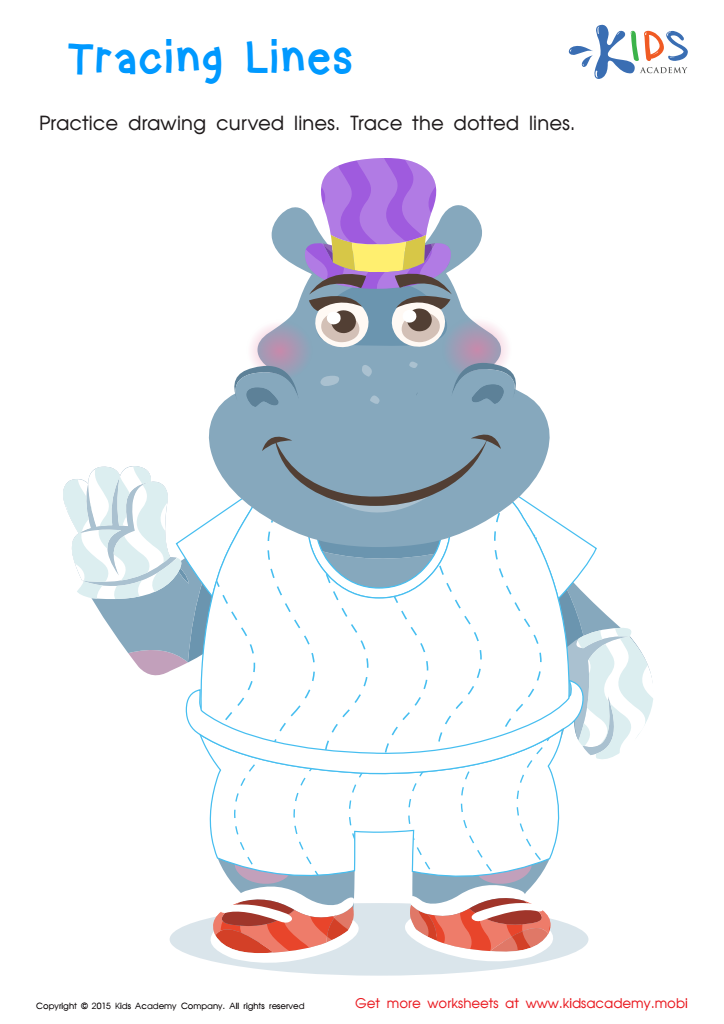
Tracing Lines Worksheet





.jpg)

Hand-eye coordination is a crucial skill for children aged 5-8, significantly impacting their physical, cognitive, and social development. For parents and teachers, fostering this skill is vital as it forms the foundation for a variety of activities essential for everyday life. From writing, drawing, and tying shoelaces to participating in sports and completing tasks in the classroom, good hand-eye coordination helps children perform tasks more efficiently and confidently.
Developing hand-eye coordination also enhances fine motor skills, promoting better control over hand movements, which is crucial for tasks requiring precision. Children with strong hand-eye coordination may find it easier to engage in constructive play, leading to improved problem-solving abilities and creativity. Moreover, parents and teachers can use activities that promote this skill—like puzzles, sports, or arts and crafts—creating an engaging and enriching environment for learning.
Encouraging hand-eye coordination not only aids in academic achievement but also boosts children's self-esteem and ability to interact socially, as they feel more competent and willing to join in group activities. Overall, prioritizing the development of hand-eye coordination facilitates a well-rounded foundation for children, benefiting them in school and their future endeavors.








