Sorting skills Easy Worksheets for Ages 5-8
6 filtered results
-
From - To
Enhance your child's cognitive development with our "Sorting Skills Easy Worksheets for Ages 5-8" at Kids Academy. These engaging worksheets are specially designed to improve essential sorting and organizational skills in young learners. By categorizing objects, colors, shapes, and more, kids boost their critical thinking and problem-solving abilities in a fun and interactive way. Perfect for home or classroom settings, our worksheets provide age-appropriate challenges to keep children motivated and excited about learning. Set the foundation for future educational success with our expertly crafted sorting activities today! Visit Kids Academy for more details and to download your free worksheets.
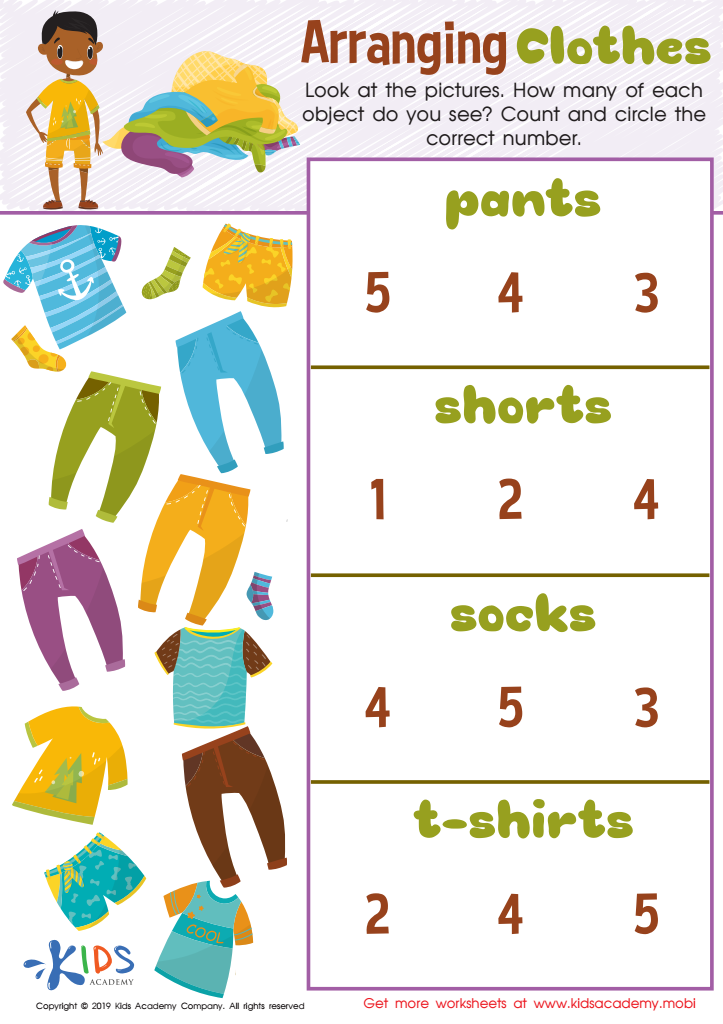
Arranging Clothes Worksheet
 Assign to My Students
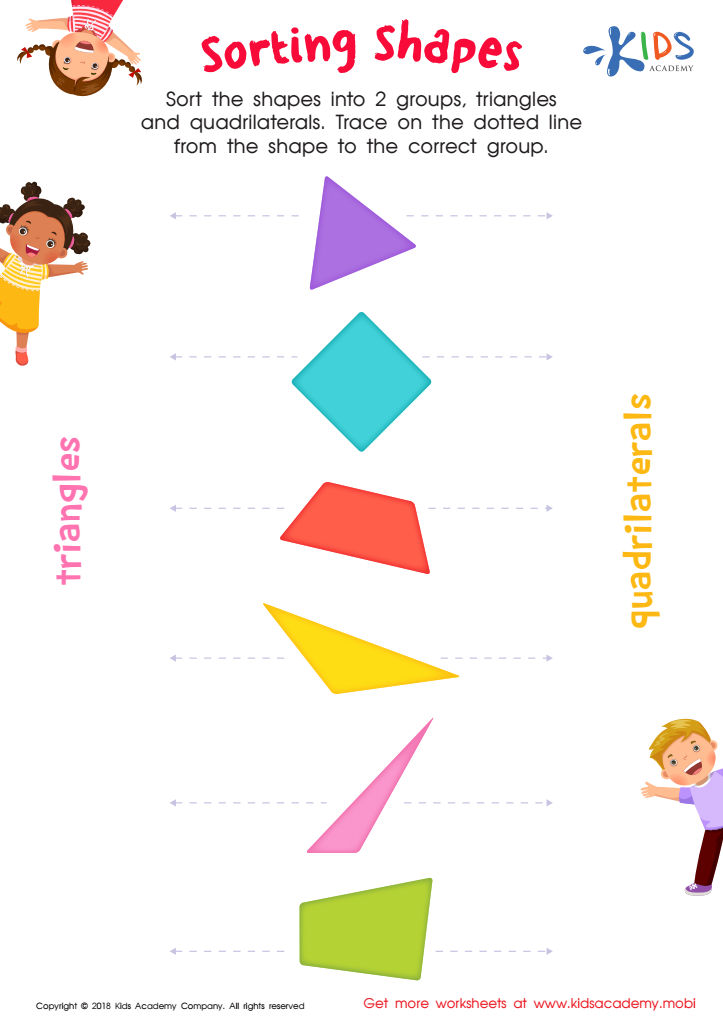
Sorting Shapes Worksheet
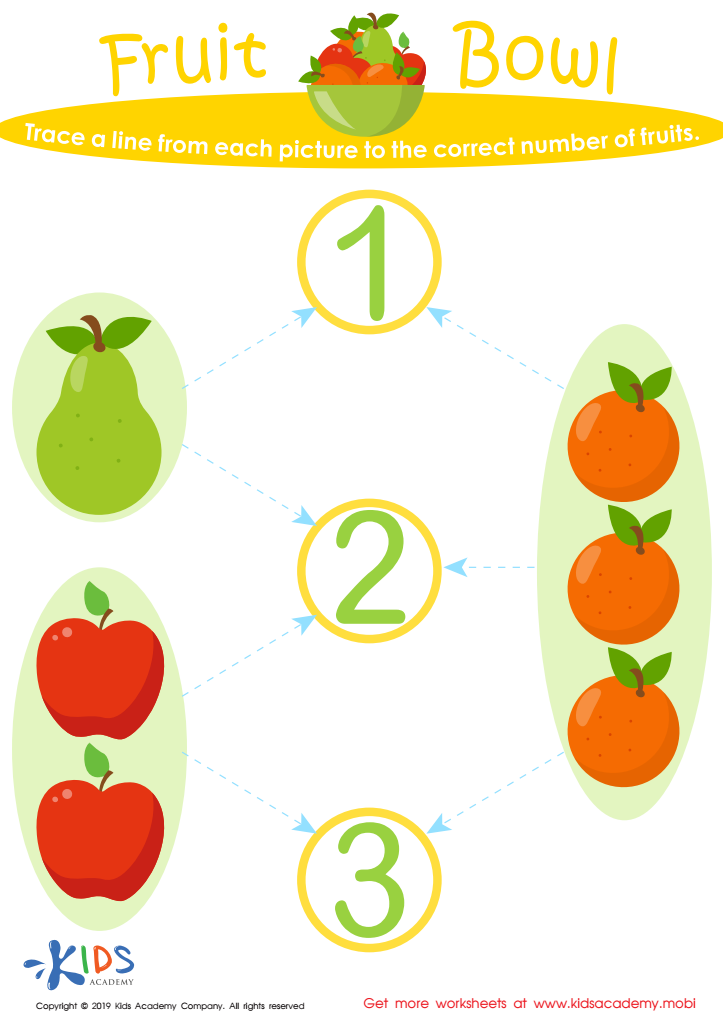
Fruit Bowl Worksheet
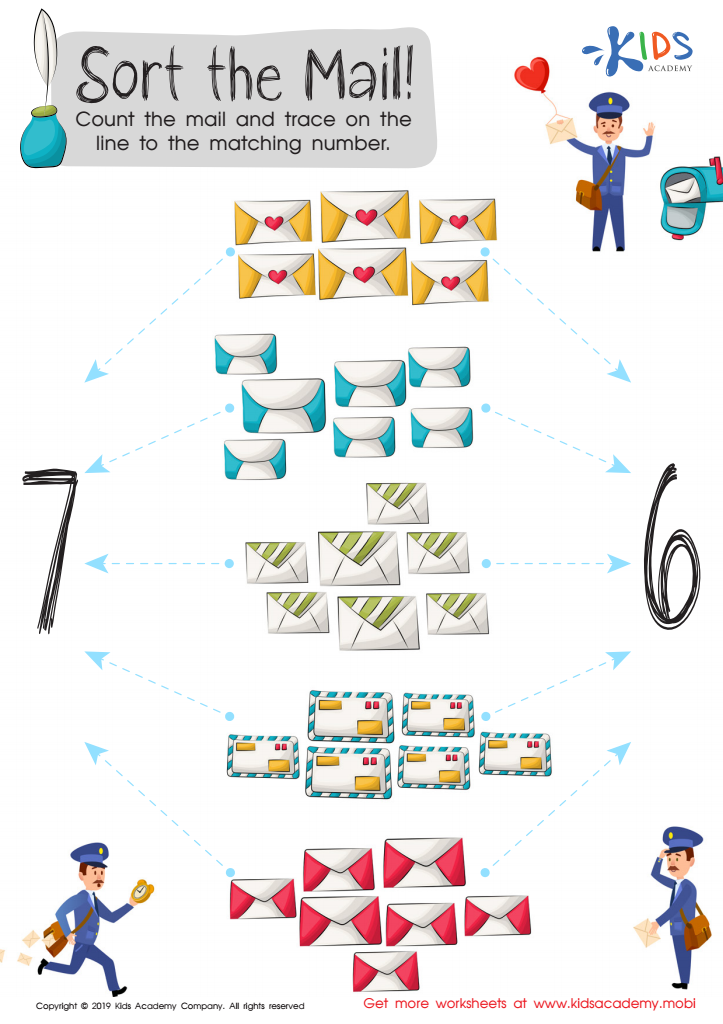
Sort the Mail Worksheet
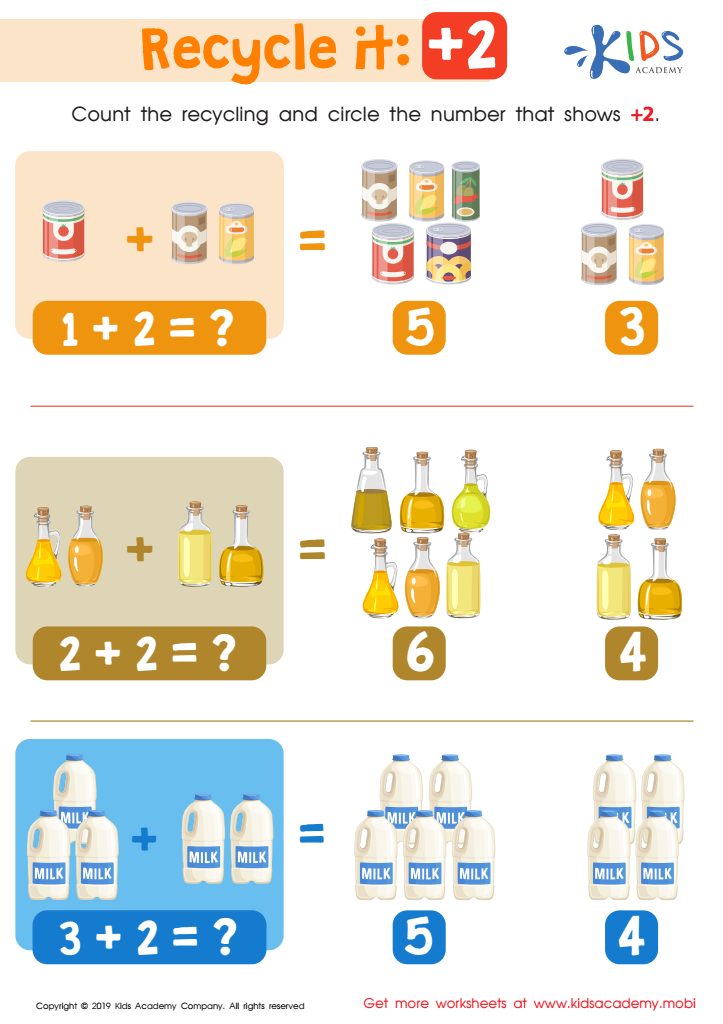
Recycle It: +2 Worksheet
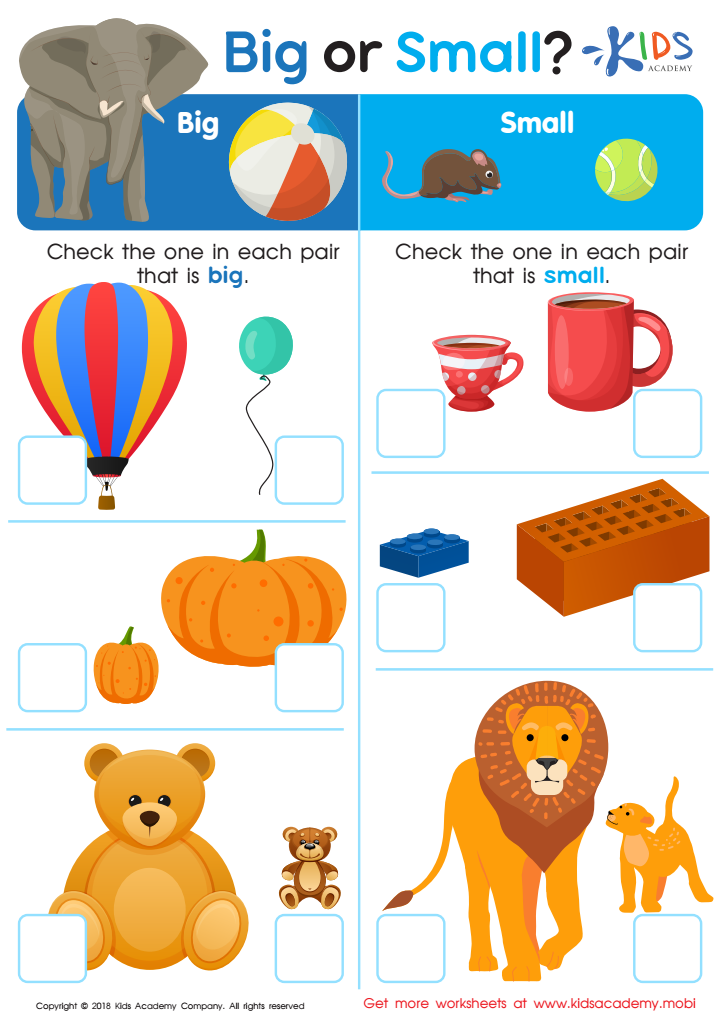
Big or Small? Worksheet






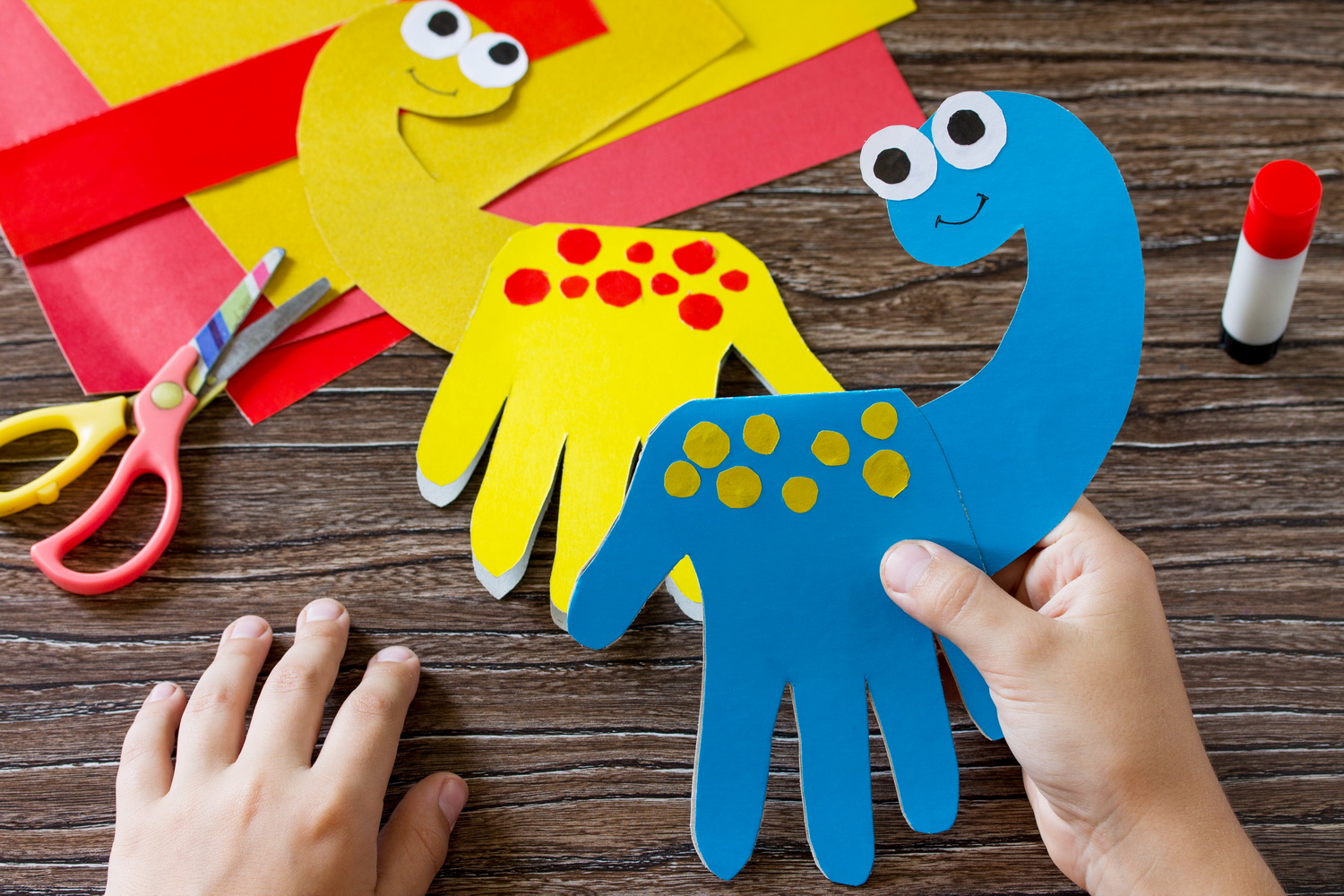

Sorting skills are crucial for young children aged 5-8 because they lay foundational cognitive abilities essential for future learning. At its core, sorting helps children understand patterns, similarities, and differences, which are key concepts in math and science. By organizing objects based on characteristics like color, shape, size, or type, children sharpen their ability to categorize and make sense of the world around them.
For both parents and teachers, fostering these skills can significantly contribute to a child's academic success. Sorting activities enhance critical thinking and problem-solving abilities, as children learn to follow rules, recognize patterns, and make informed decisions. These are not just academic skills but life skills that help children in daily activities.
Besides cognitive development, sorting tasks improve fine motor skills and hand-eye coordination, especially when children manipulate objects during the activity. These skills are fundamental for tasks like writing, drawing, and using tools effectively.
Emotionally, successfully completing sorting activities boosts a child's confidence and encourages a positive attitude toward learning. In a classroom setting, sorting can be a collaborative activity, promoting social interaction and cooperative play among peers.
In summary, developing sorting skills in early childhood is essential for creating a solid foundation for academic and personal growth, benefitting various aspects of a child's development.








