Cognitive Development Easy Numbers 0–10 Worksheets for Ages 5-8
8 filtered results
-
From - To
Welcome to our "Cognitive Development Easy Numbers 0–10 Worksheets" specifically designed for children aged 5-8. These engaging worksheets nurture essential cognitive skills through interactive activities focused on recognizing, counting, and understanding numbers 0-10. Tailored to align with early learning objectives, these resources encourage problem-solving and critical thinking while making math fun for young learners. Each activity fosters number familiarity, boosts memory, and enhances concentration, setting a solid foundation for future mathematical success. Download our worksheets today to help your child flourish academically while developing a love for numbers! Perfect for teachers and parents seeking effective learning tools.
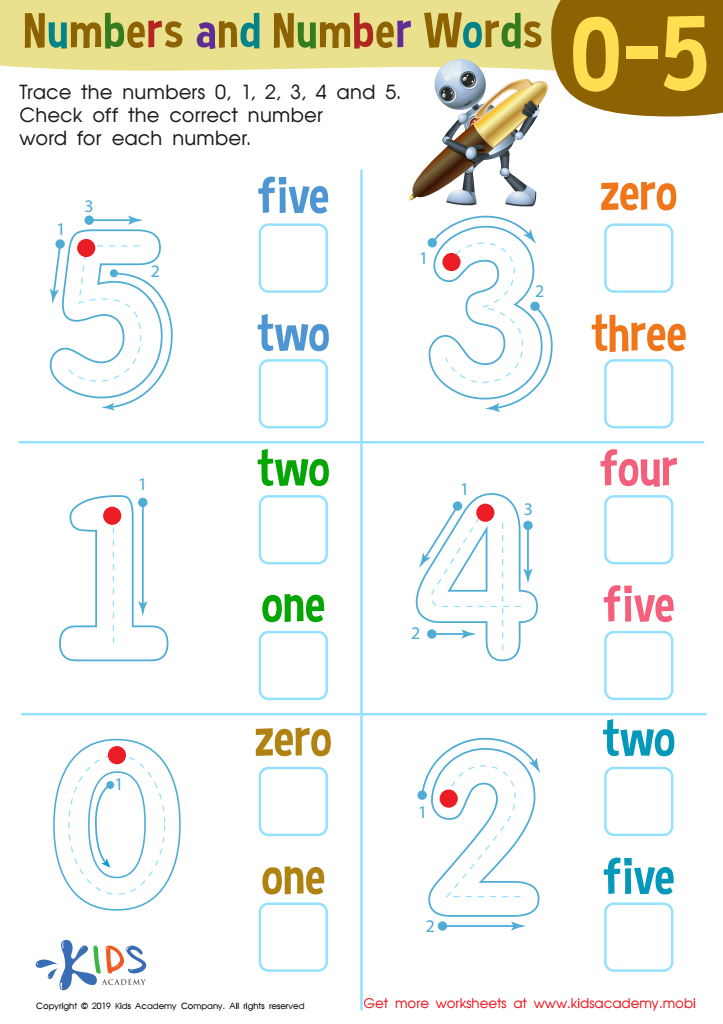
Numbers and Number Words Worksheet
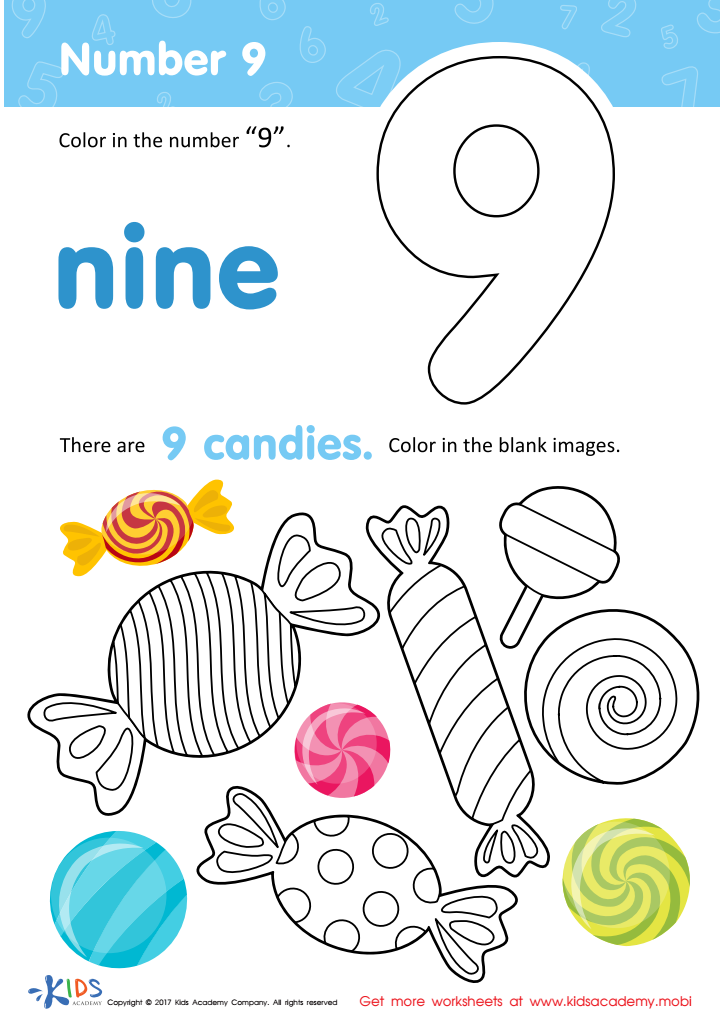
Number 9 Printable
 Assign to My Students
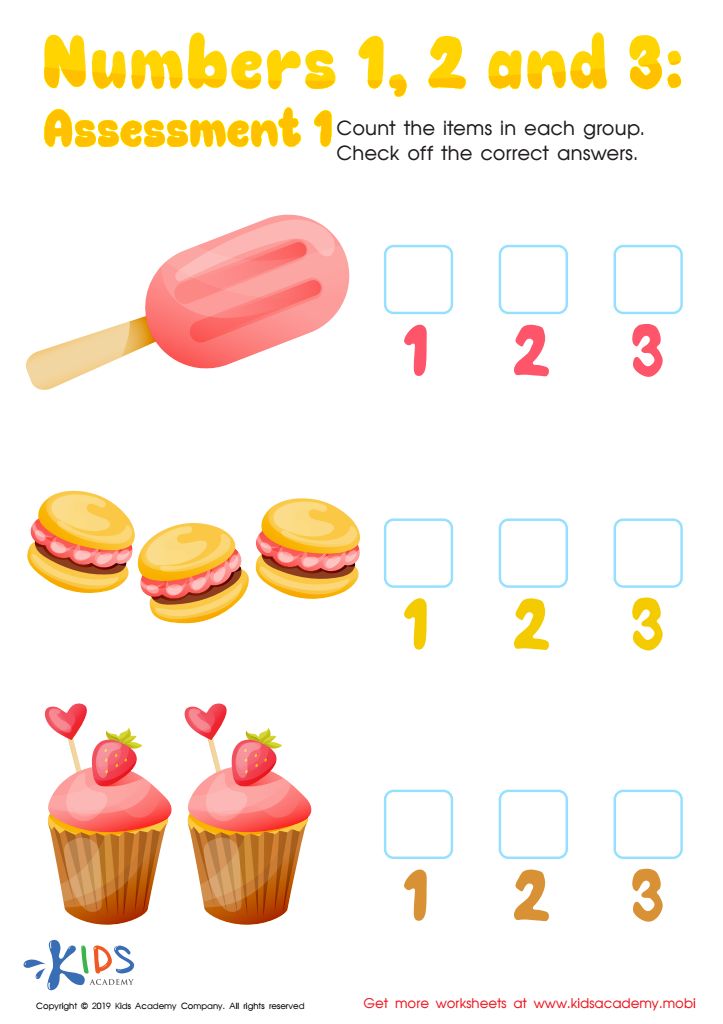
Numbers 1, 2 and 3: Assessment 1 Worksheet
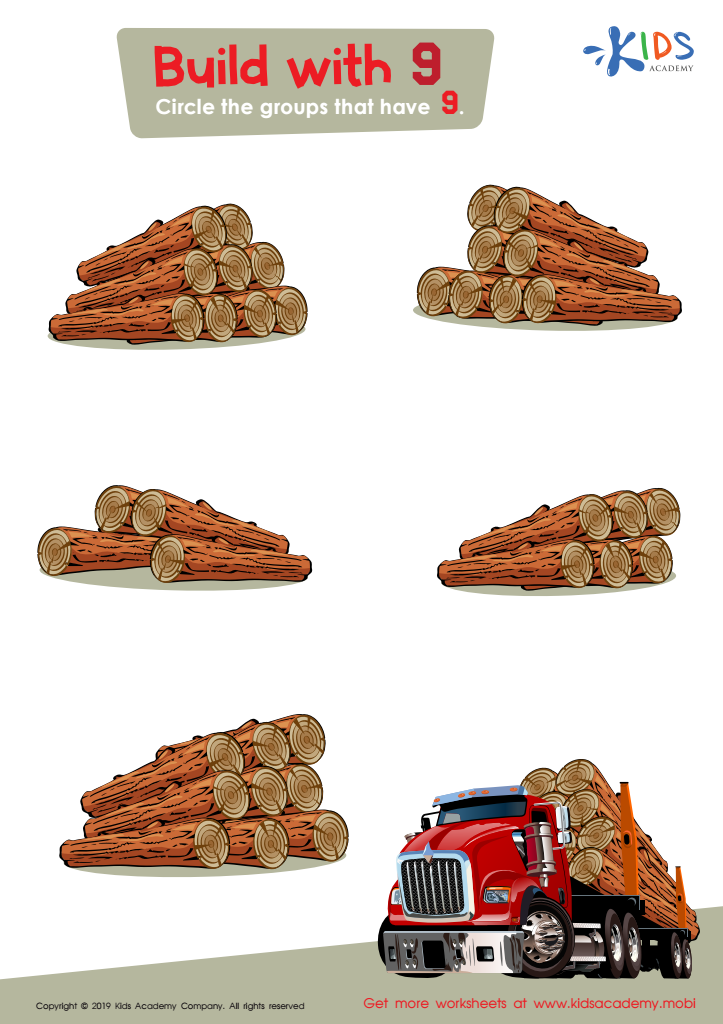
Build with 9 Worksheet
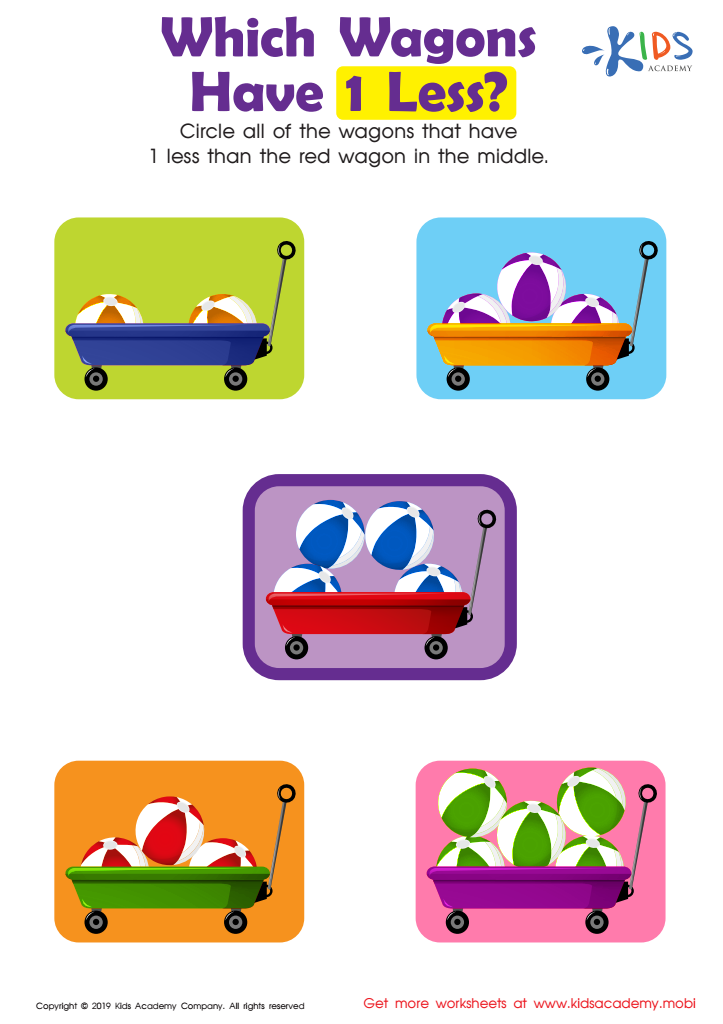
Which Wagons Have 1 Less? Worksheet
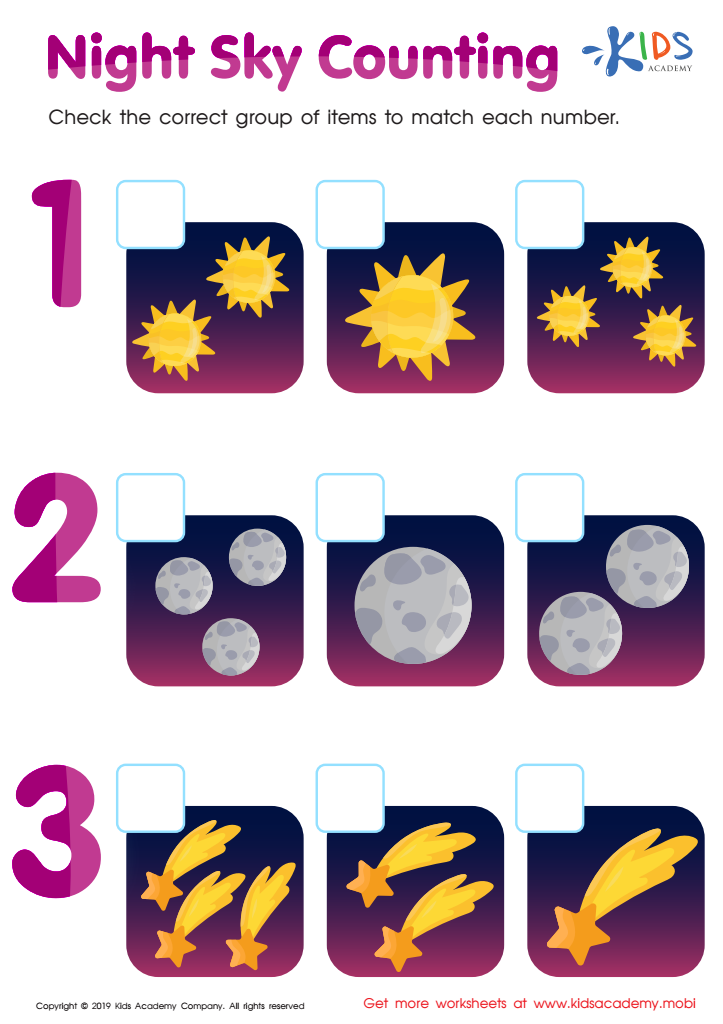
Night Sky Counting Worksheet
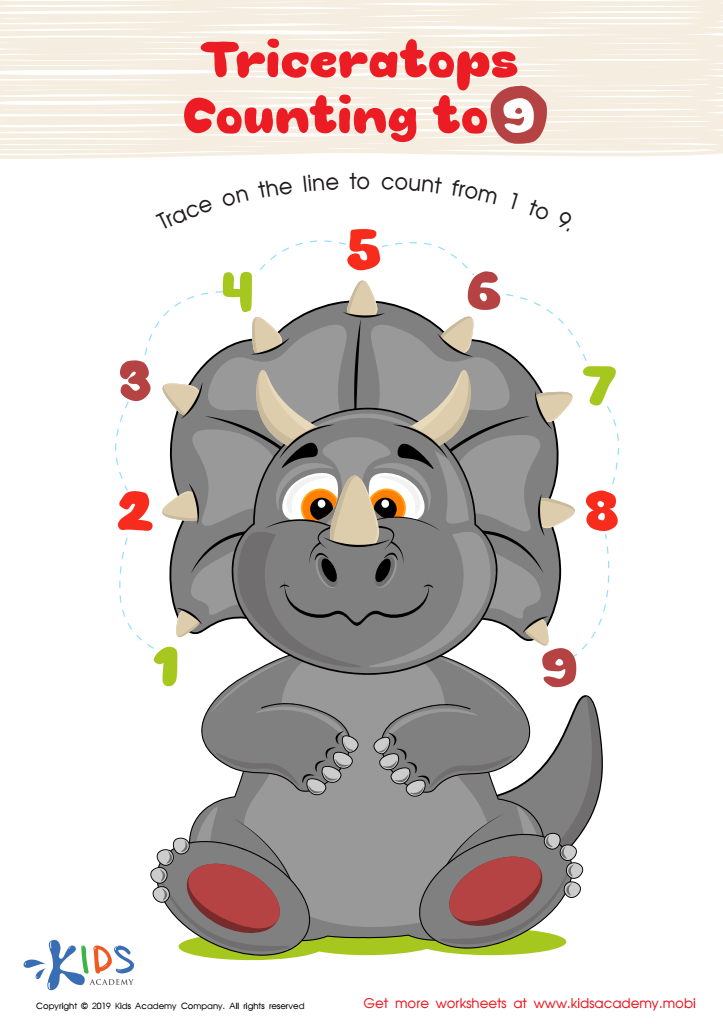
Triceratops Counting to 9 Worksheet

Night Sky Numbers Worksheet








Cognitive development during ages 5-8 is crucial for establishing foundational skills in young learners, particularly in the realm of numbers. Understanding easy numbers from 0 to 10 forms the bedrock for future mathematical learning. At this stage, children engage in critical thinking, problem-solving, and decision-making—all integral cognitive skills.
Parents and teachers should prioritize this development because children's ability to grasp basic numerical concepts directly influences their confidence and enthusiasm for mathematics. Mastery of these foundational numbers helps them understand larger concepts like addition, subtraction, and even patterns, setting the stage for advanced mathematical thinking in later years.
Moreover, these skills encourage logical reasoning and the ability to approach new problems methodically. Engaging with numbers in meaningful contexts—through games, stories, or real-life applications—enhances retention and makes learning enjoyable.
Furthermore, early mastery prepares children for standardized testing and assessments they will face in school. When students find joy in learning numbers early on, they're more likely to develop a positive attitude toward math in general. Thus, by nurturing cognitive development in this area, parents and teachers pave the way for lifelong learning and academic success.