Easy Building Vocabulary Worksheets for Ages 5-8 - Page 2
43 filtered results
-
From - To
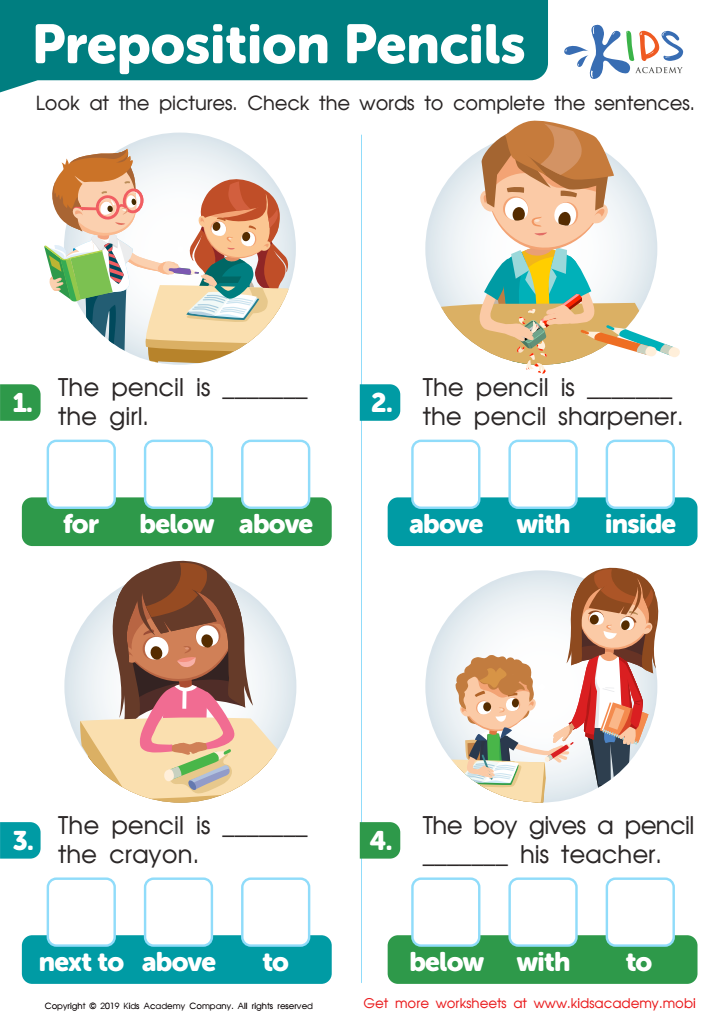
Preposition Pencils Worksheet











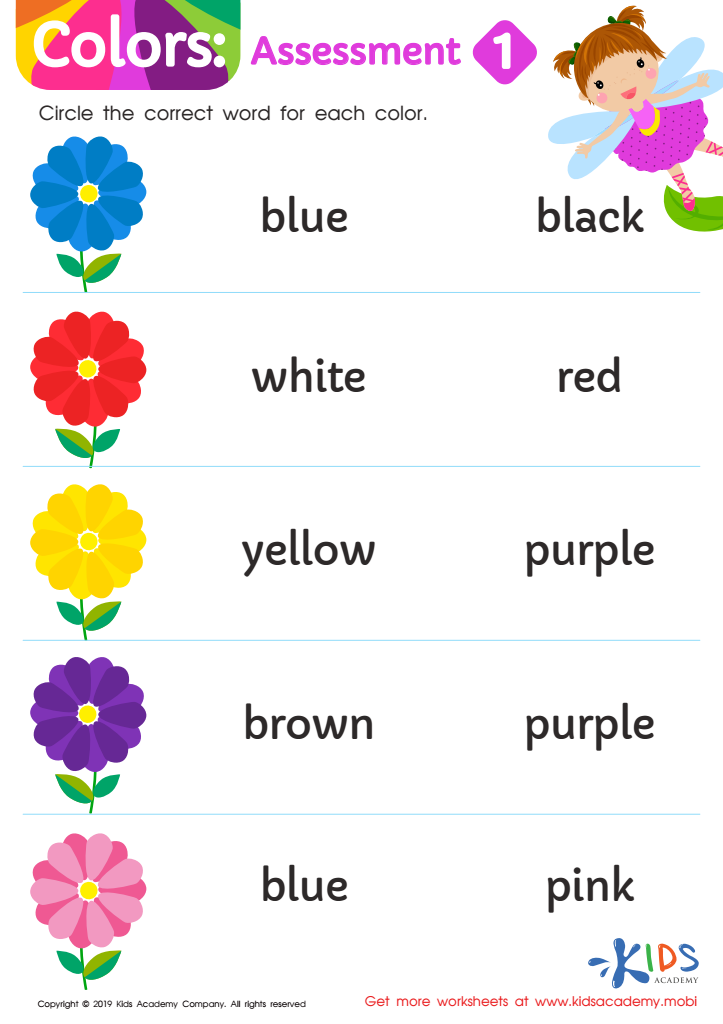
Colors: Assessment 1 Worksheet
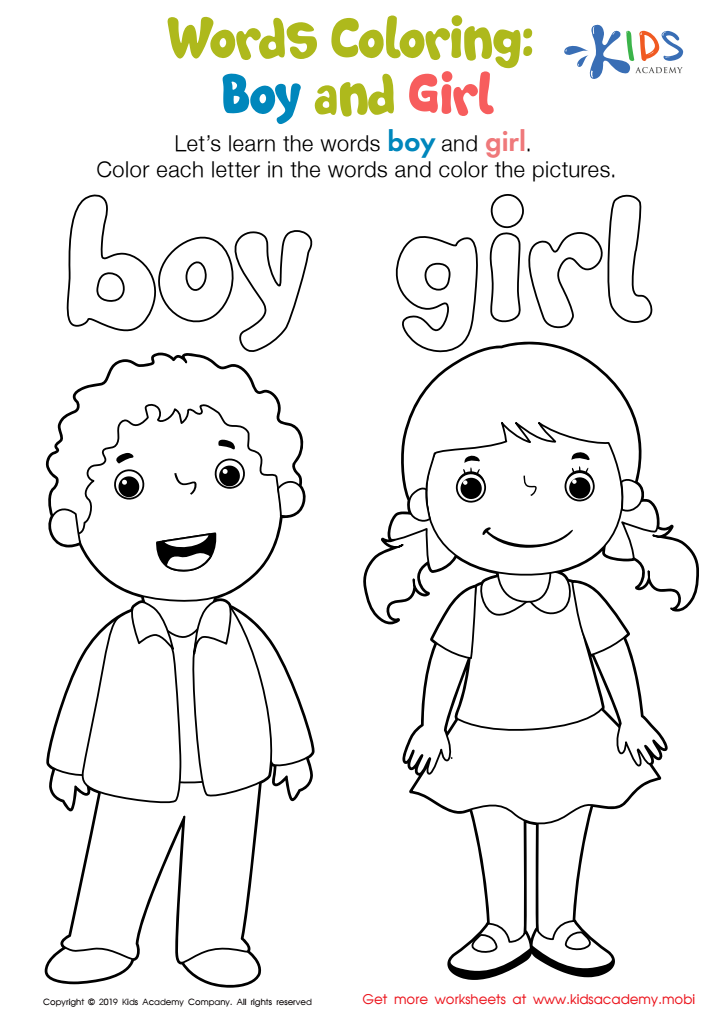
Boy and Girl Words Coloring Worksheet
 Assign to My Students
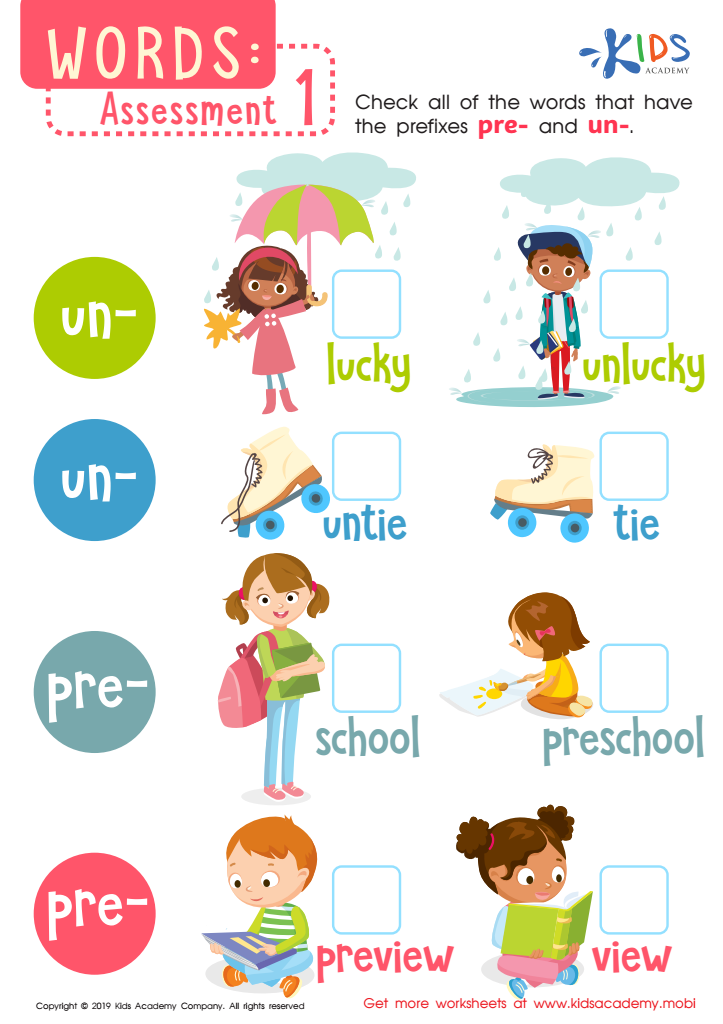
Words: Assessment 1 Worksheet
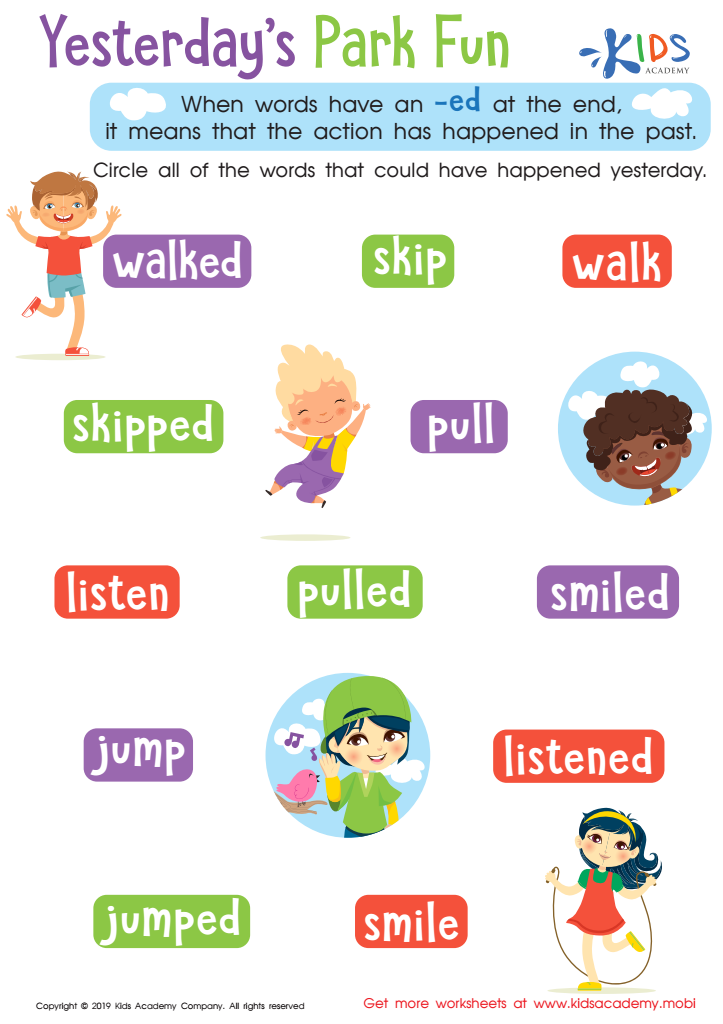
Yesterday's Park Fun Worksheet
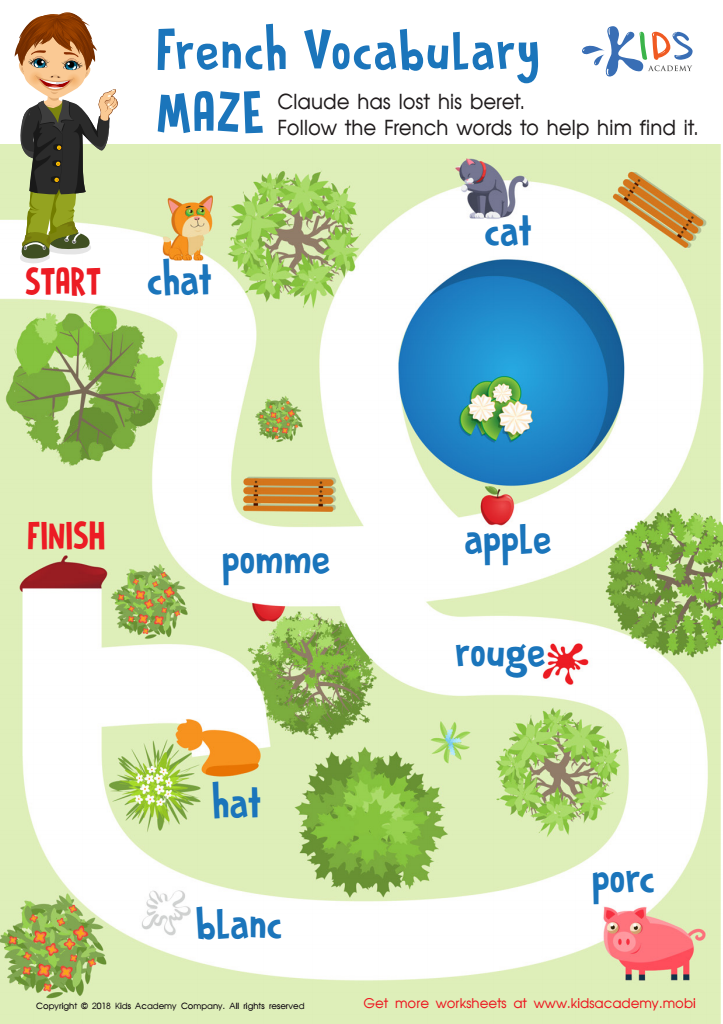
French Vocabulary Maze Worksheet
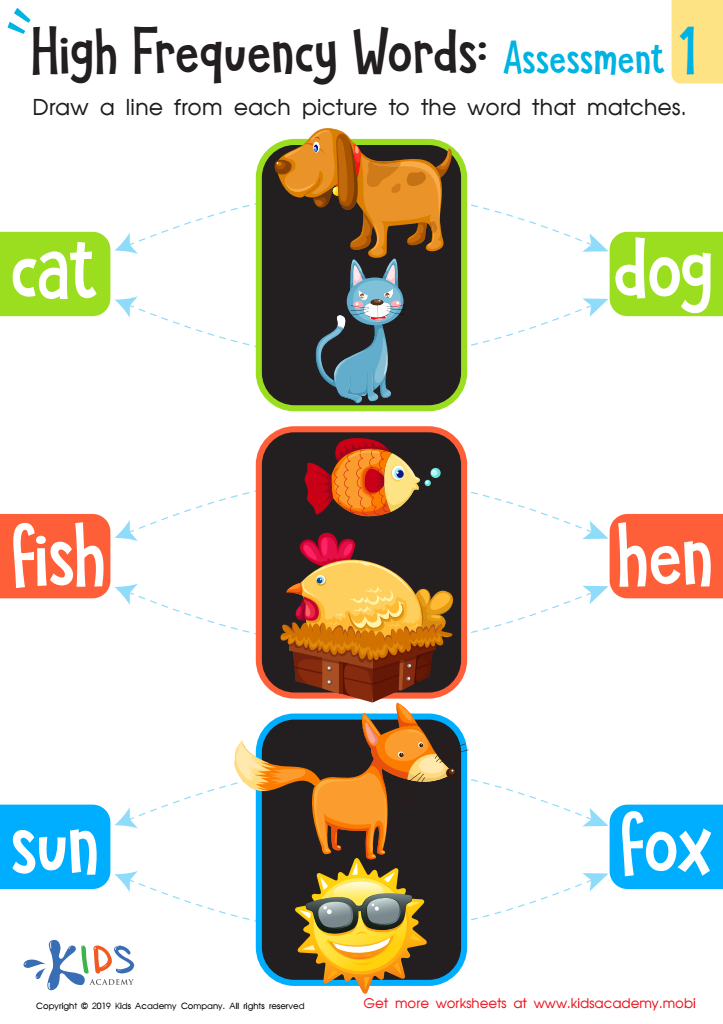
High Frequency Words: Assessment 1 Worksheet
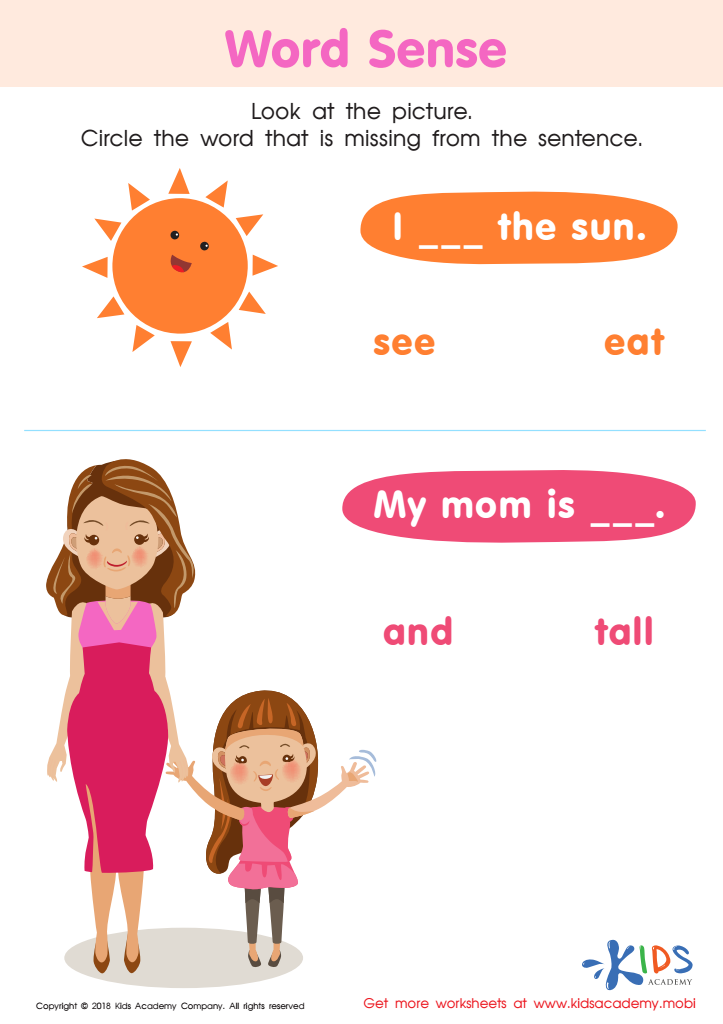
Word Sense Worksheet
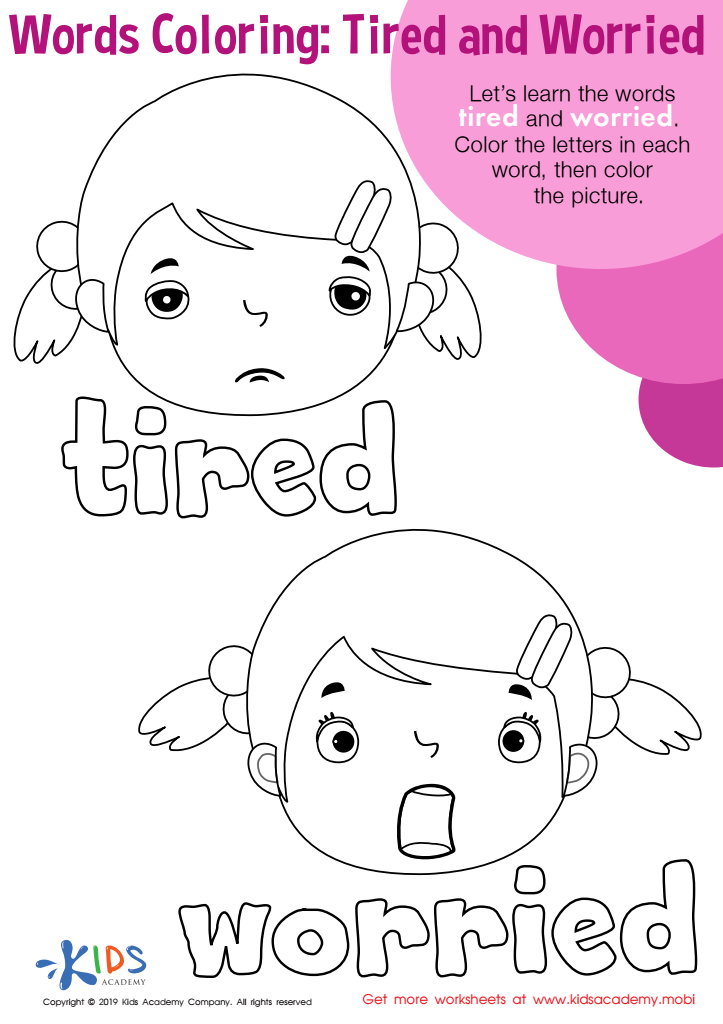
Tired and Worried Words Coloring Worksheet
Assign to My Students
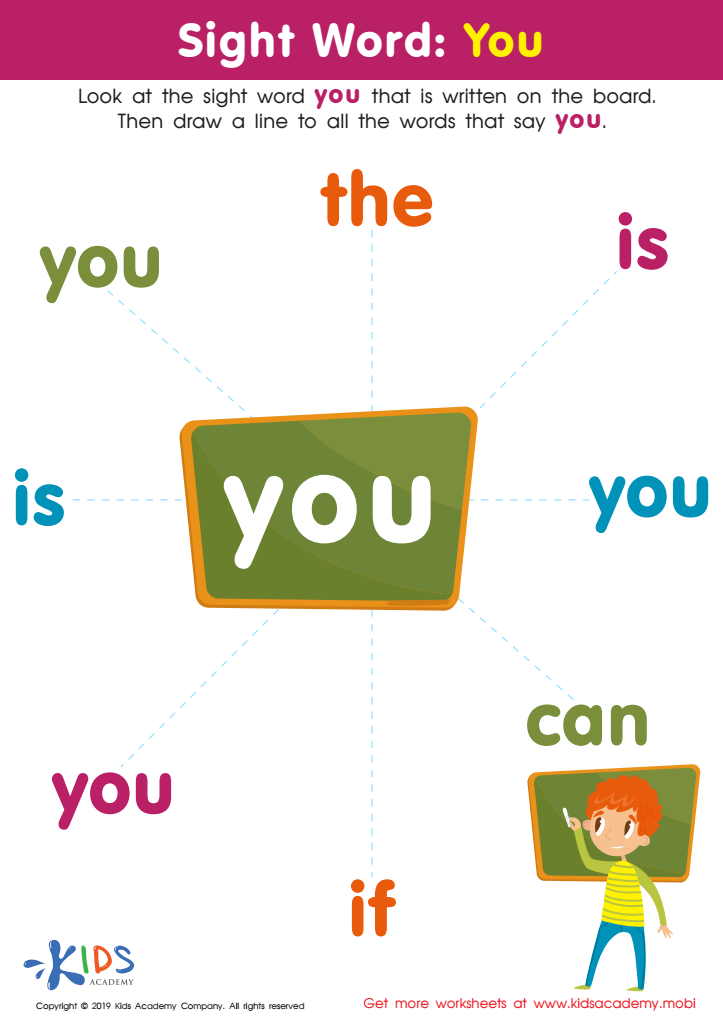
Sight Word You Worksheet
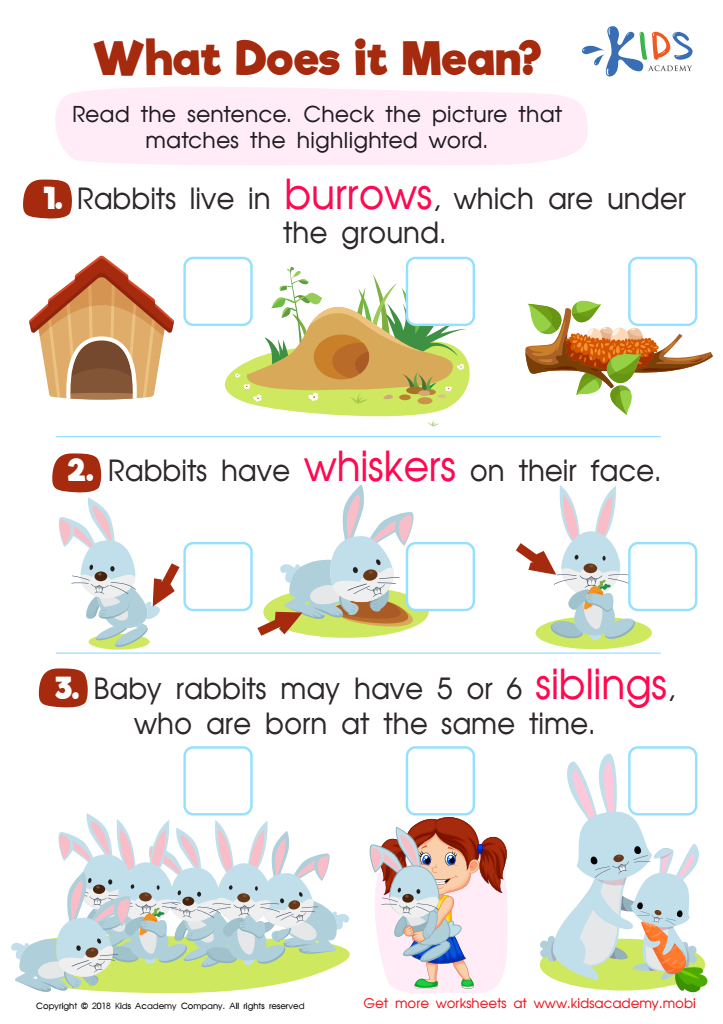
What Does It Mean? Worksheet
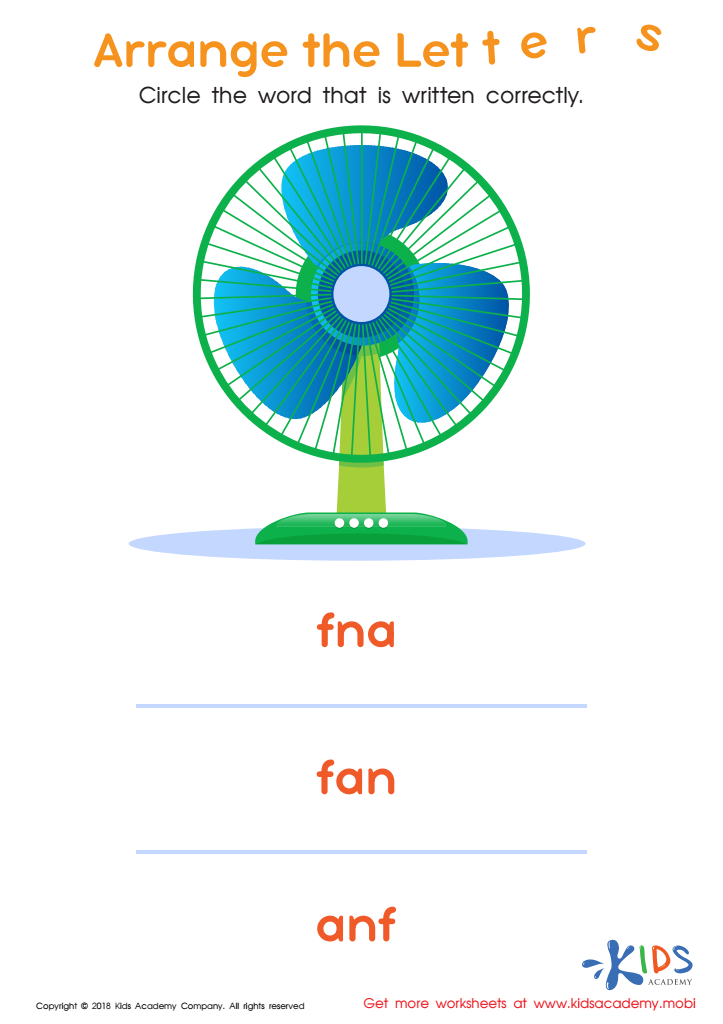
Arrange the Letters Worksheet
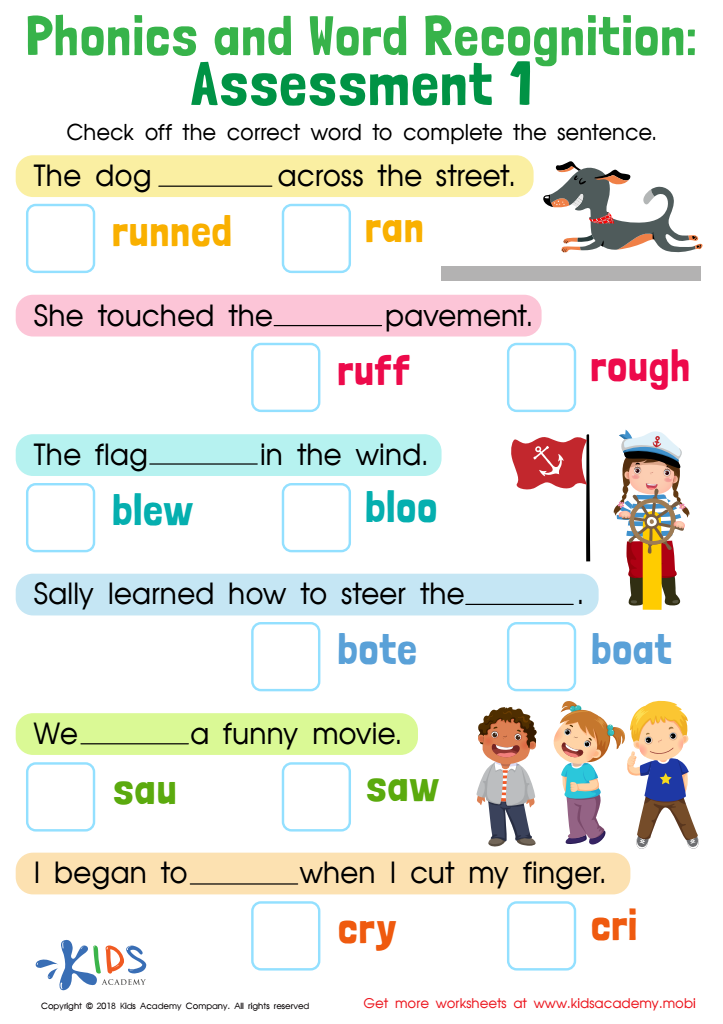
Phonics and Word Recognition: Assessment 1 Worksheet
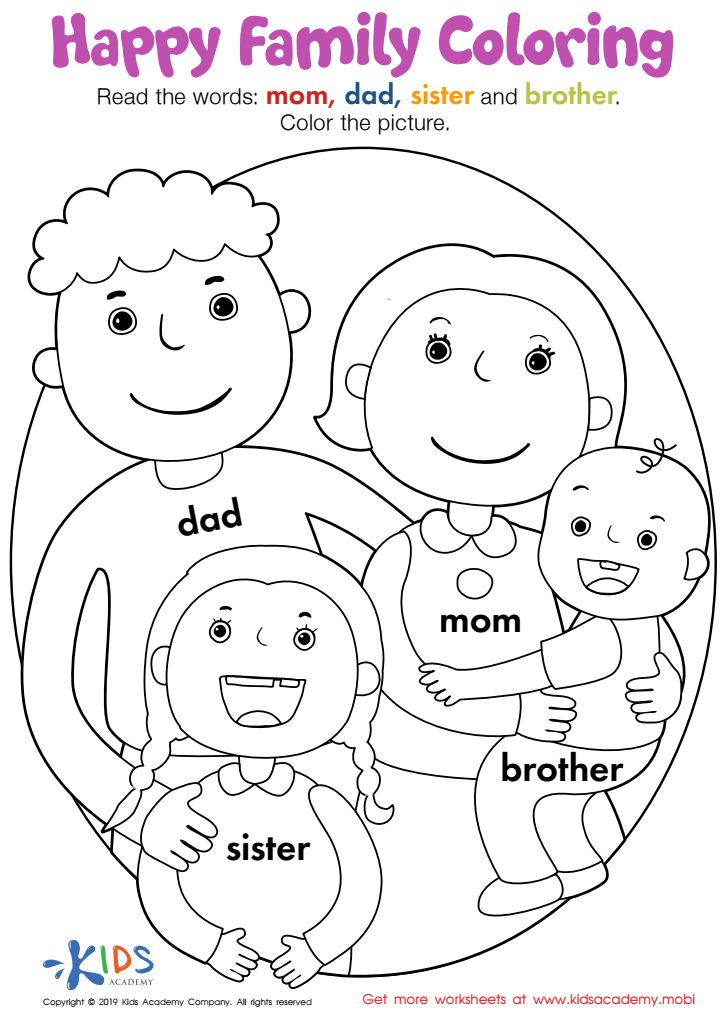
Happy Family Coloring Worksheet
Assign to My Students
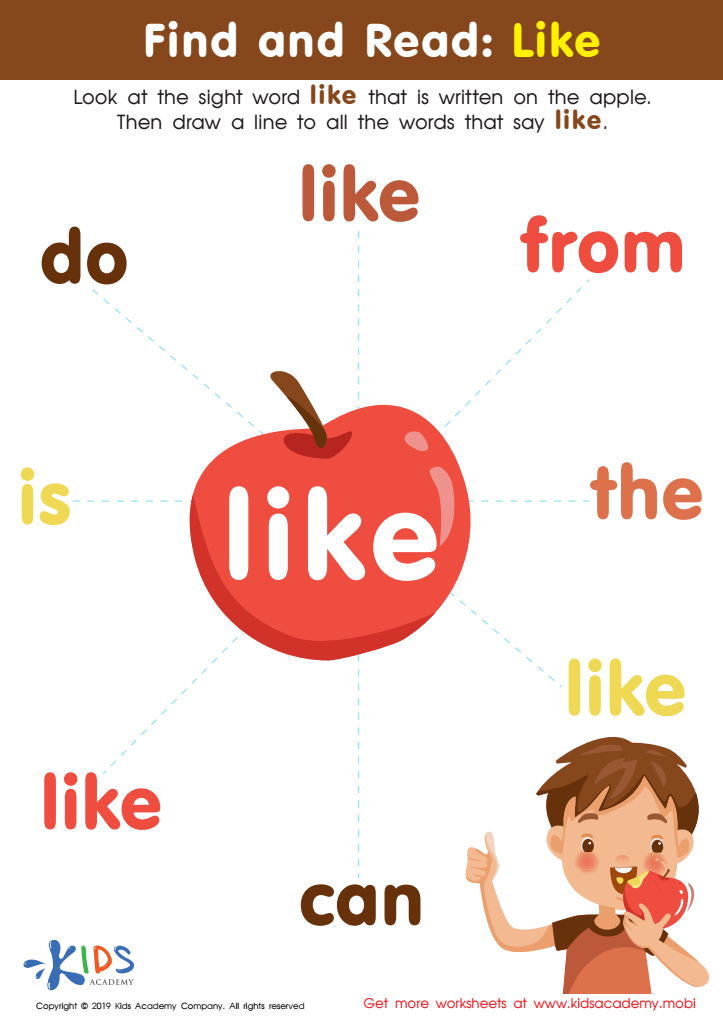
Find and Read: Like Worksheet
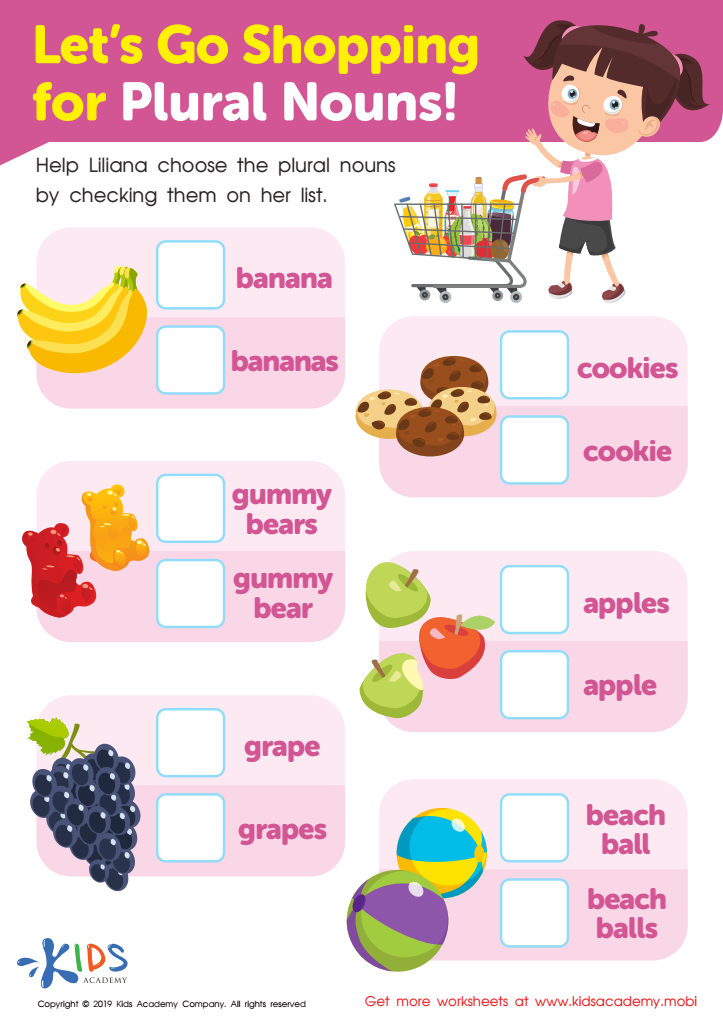
Let's Go Shopping for Plural Nouns! Worksheet
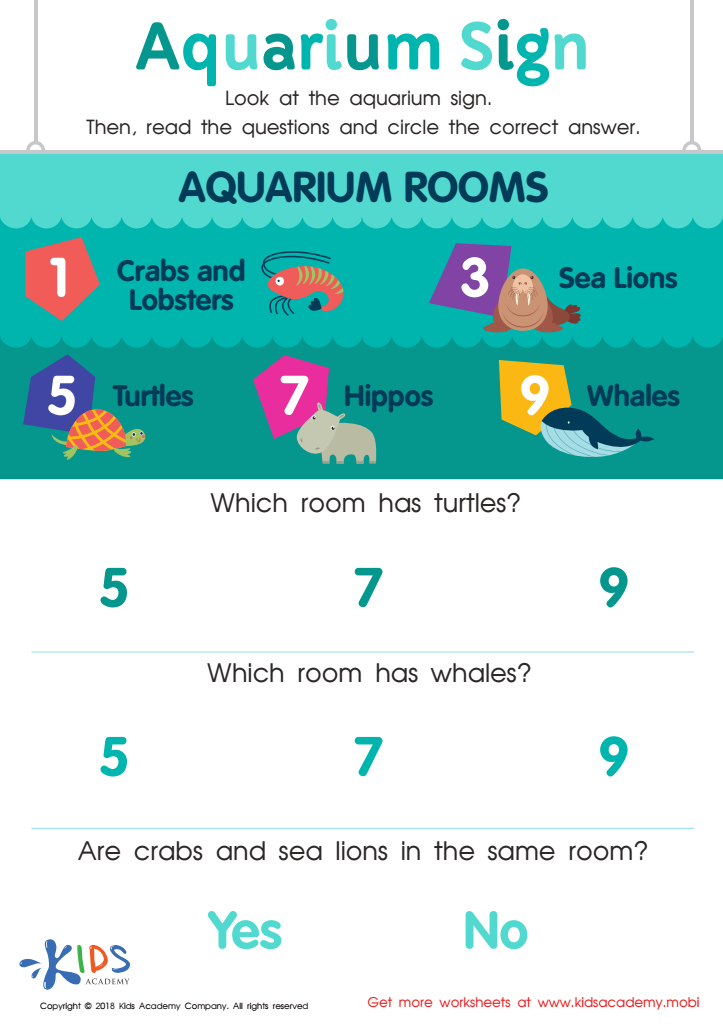
Assessment: Aquarium Sign Worksheet
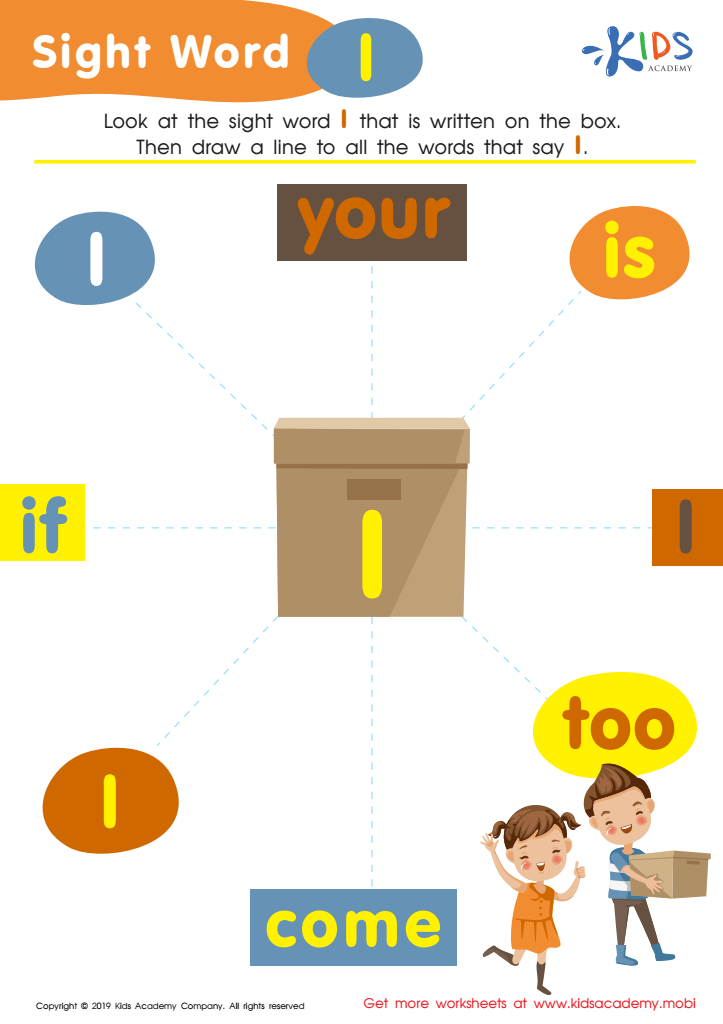
Sight Word I Worksheet
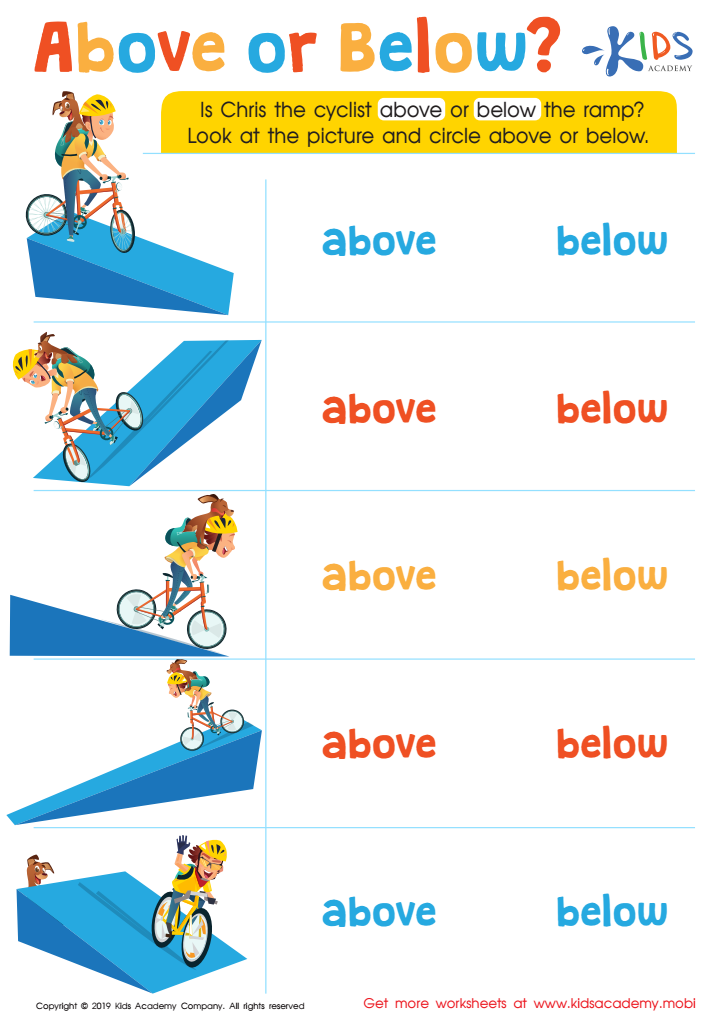
Above or Below? Worksheet








Building vocabulary in early childhood is crucial for both parents and teachers because it lays the foundation for literacy, communication, and cognitive development. For children aged 5-8, a robust vocabulary enhances their reading comprehension and writing skills, which are pivotal as they begin their academic journey. A strong vocabulary helps them express their thoughts and emotions more clearly, facilitating better social interactions.
Furthermore, children with a rich vocabulary are often more confident in their academic abilities. This confidence can lead to increased engagement and a love for reading and learning. Parents and teachers play a vital role in this process by providing diverse and meaningful language experiences, such as reading together, engaging in conversations, and introducing new words in various contexts.
Moreover, vocabulary acquisition during these formative years is linked to future academic success. Children equipped with a broad vocabulary are more likely to excel in standardized testing and overall educational performance. By focusing on vocabulary development, parents and teachers cultivate a fertile ground for lifelong learning, critical thinking skills, and effective communication, fundamentally shaping a child's educational and social experiences for years to come.