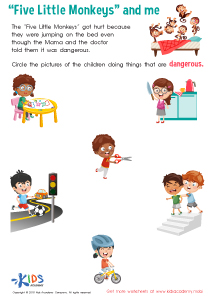
Fine Motor Skills Easy Reading Comprehension Worksheets for Ages 5-8
6 filtered results
-
From - To
Fine Motor Skills Easy Reading Comprehension Worksheets are designed for children aged 5-8, combining essential literacy development with fine motor practice. These engaging worksheets feature age-appropriate reading passages followed by questions to enhance understanding and recall. Each activity integrates tasks that refine fine motor coordination, such as tracing, coloring, and drawing. Perfect for young learners, these worksheets promote hand-eye coordination and control, making reading practice fun and productive. Ideal for classroom or home use, they help in building a strong foundation in reading comprehension while simultaneously improving fine motor skills, crucial for early education success.
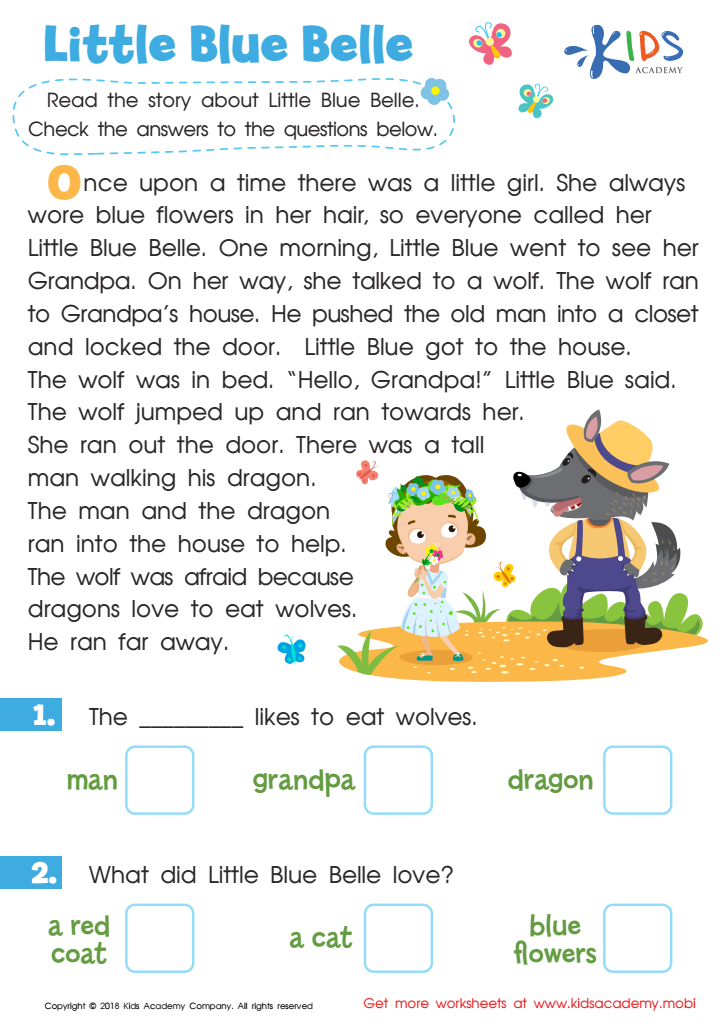
Little Blue Belle Worksheet
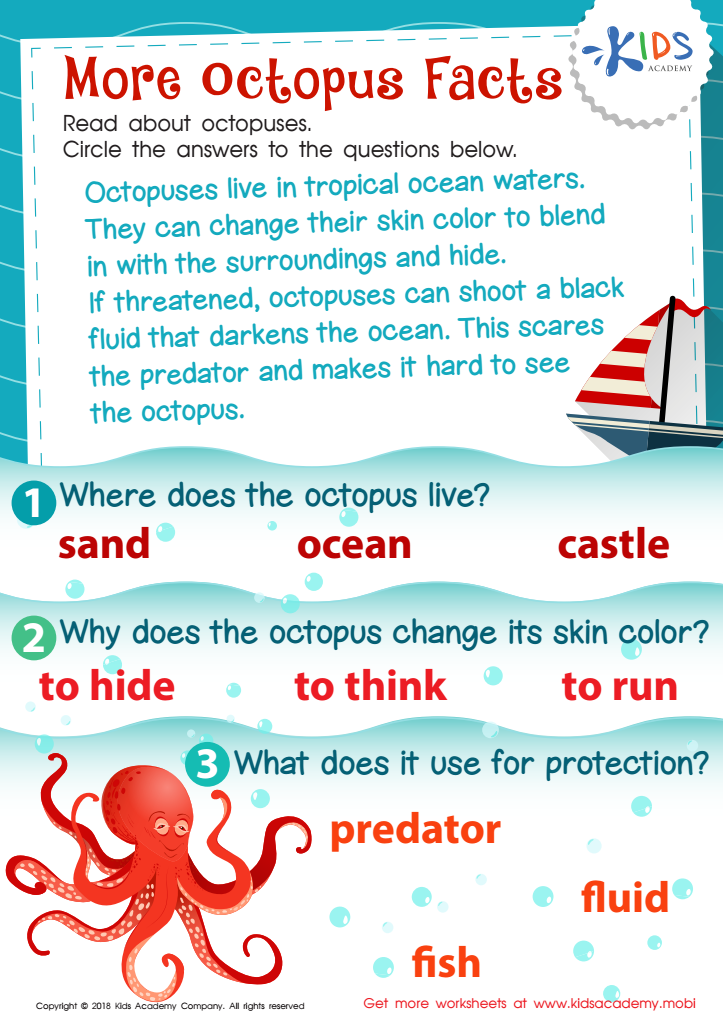
More Octopus Facts Worksheet
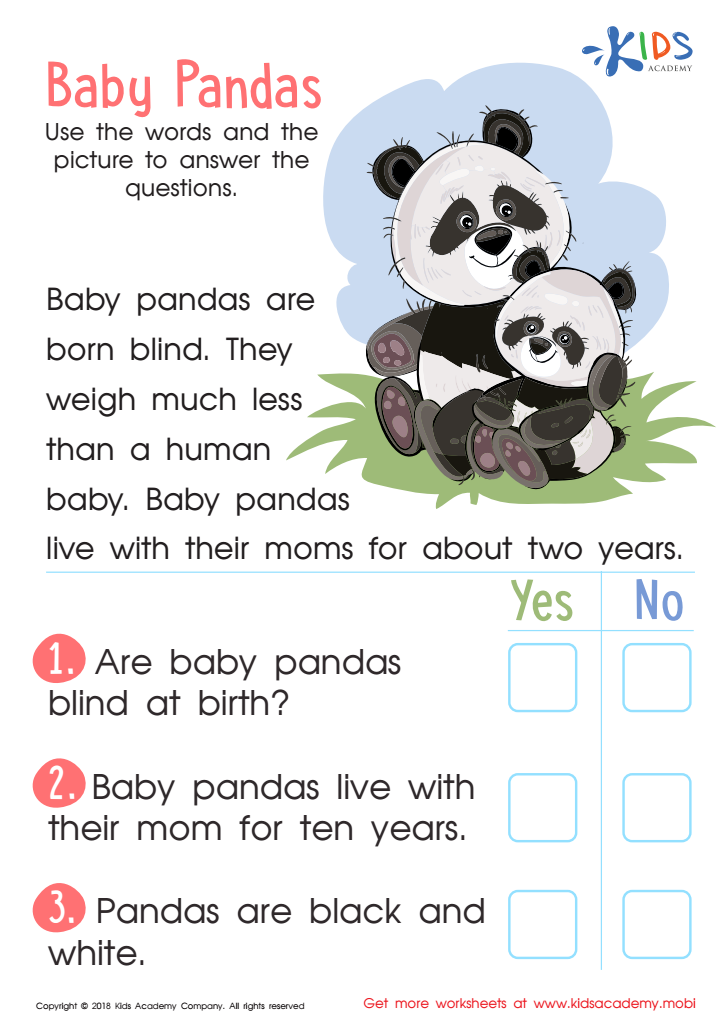
Baby Pandas Worksheet
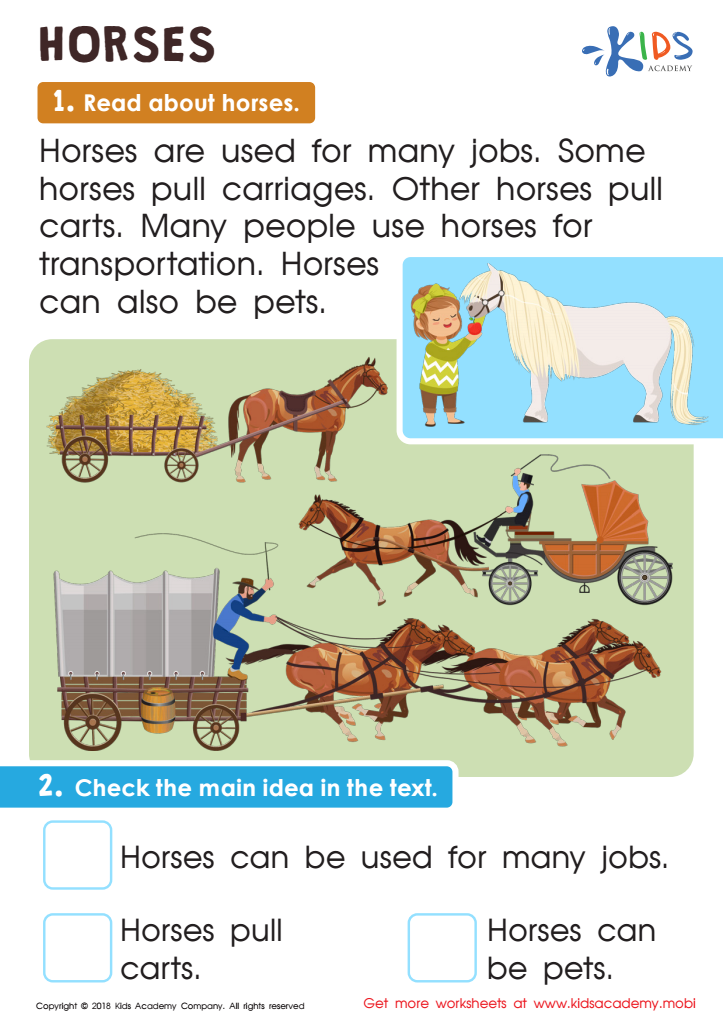
Horses Worksheet
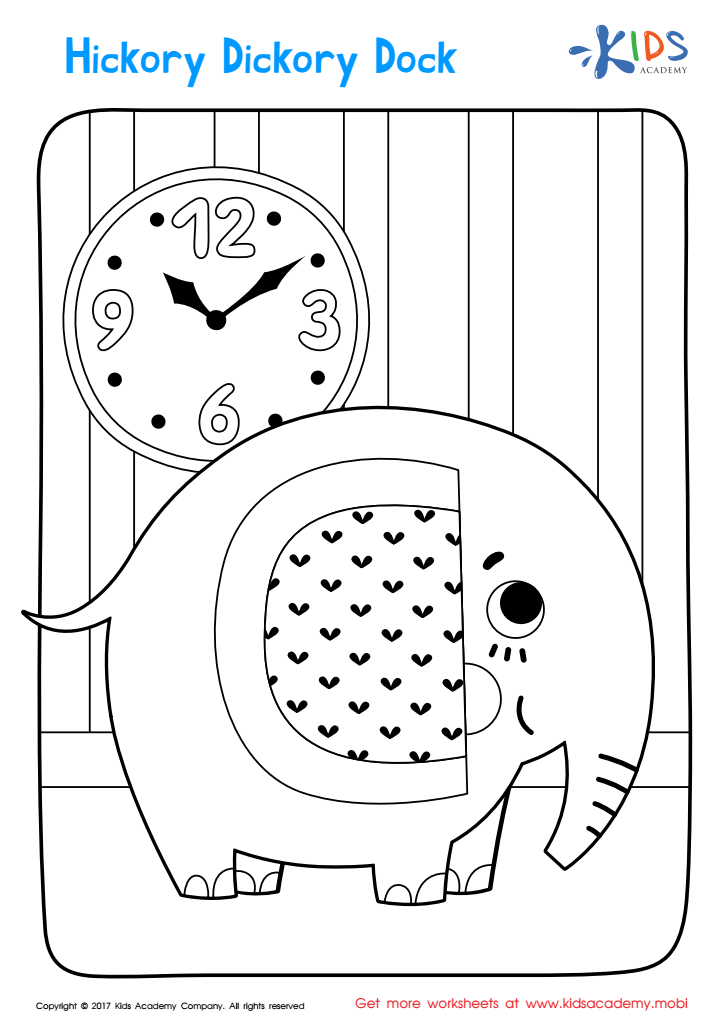
Hickory Dickory Dock Coloring Page
 Assign to My Students
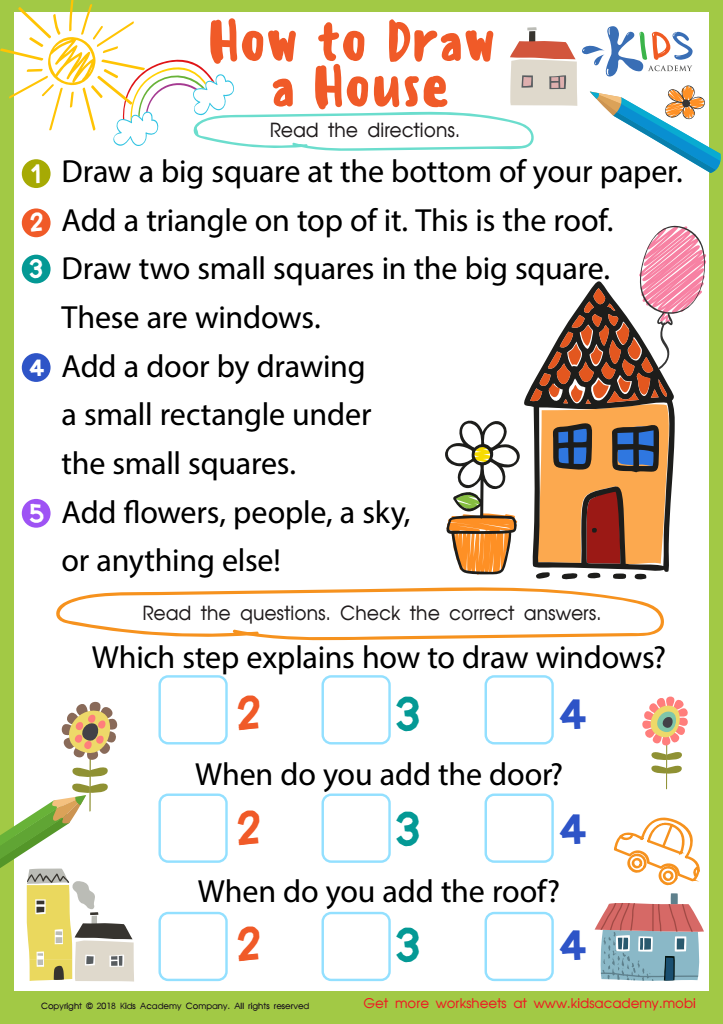
How to Draw House Worksheet








Fine motor skills are crucial for young children between the ages of 5-8 because they lay the foundation for various important activities, including writing, cutting with scissors, and buttoning clothes. When children develop strong fine motor skills, they improve their hand-eye coordination and dexterity, which makes school tasks easier and less frustrating.
One key area linked to fine motor skills is reading comprehension. When children have good control over their hand movements, they can more easily turn pages in a book and follow text with a finger, if needed. This physical interaction with a book supports engagement and focus, which are essential for understanding what they read. Additionally, fine motor skills are needed for writing letters and words. As children write, they often reinforce what they read, helping to solidify their comprehension and make connections between the letters, words, and meanings.
Teachers and parents should be proactive in helping children develop these skills through fun activities like drawing, playing with building blocks, or even simple tasks like tearing paper or using tweezers. This foundational step not only makes academic activities more approachable but also boosts children's confidence and independence. Therefore, attention to fine motor skills is vital for overall cognitive development and successful learning experiences.