Sequencing Skills Easy Reading Comprehension Worksheets for Ages 5-8
3 filtered results
-
From - To
Boost your child's reading comprehension with our Sequencing Skills Easy Reading Comprehension Worksheets designed for ages 5-8. These engaging worksheets help young readers grasp the importance of order in storytelling by arranging events in a logical sequence. With captivating illustrations and age-appropriate content, our materials support the development of critical thinking and narrative skills. Perfect for classroom use or at home, these worksheets ensure a solid foundation in understanding the structure of stories, enhancing both reading and writing abilities. Encourage your child's educational journey with these fun, easy-to-use resources.
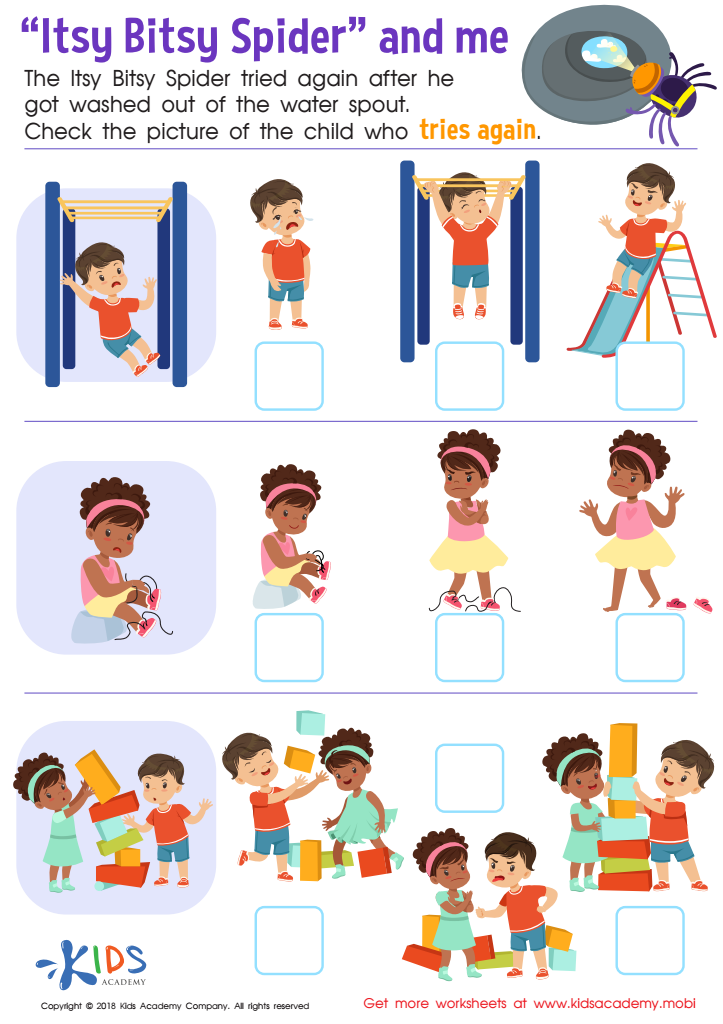
Itsy Bitsy Spider and Me Worksheet
 Assign to My Students
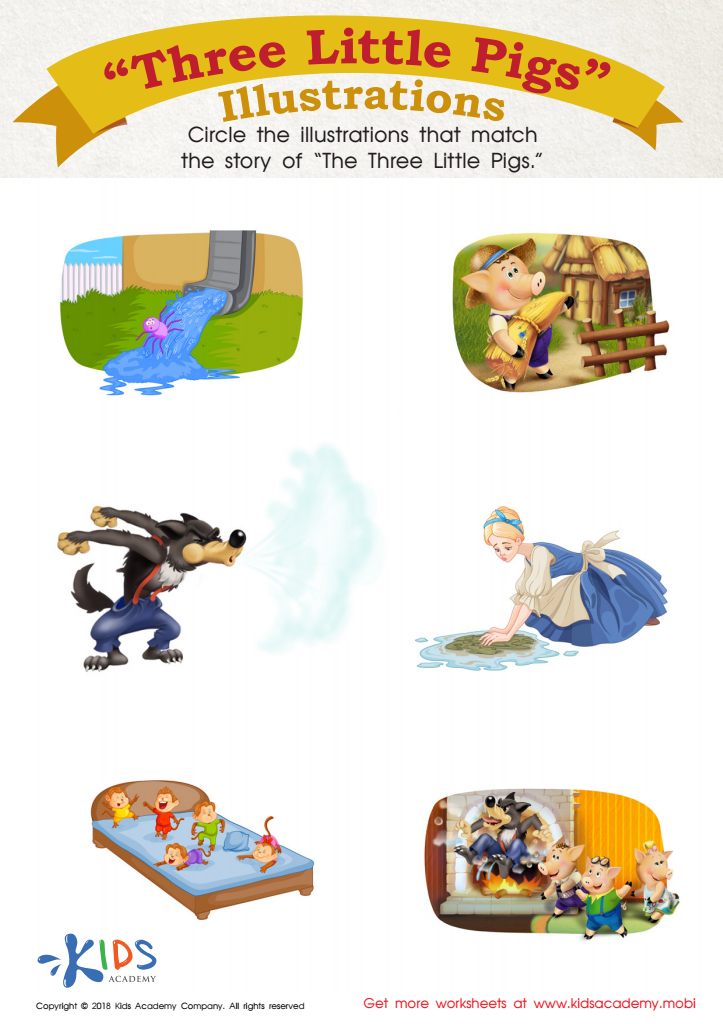
Three Little Pigs: Illustrations Worksheet
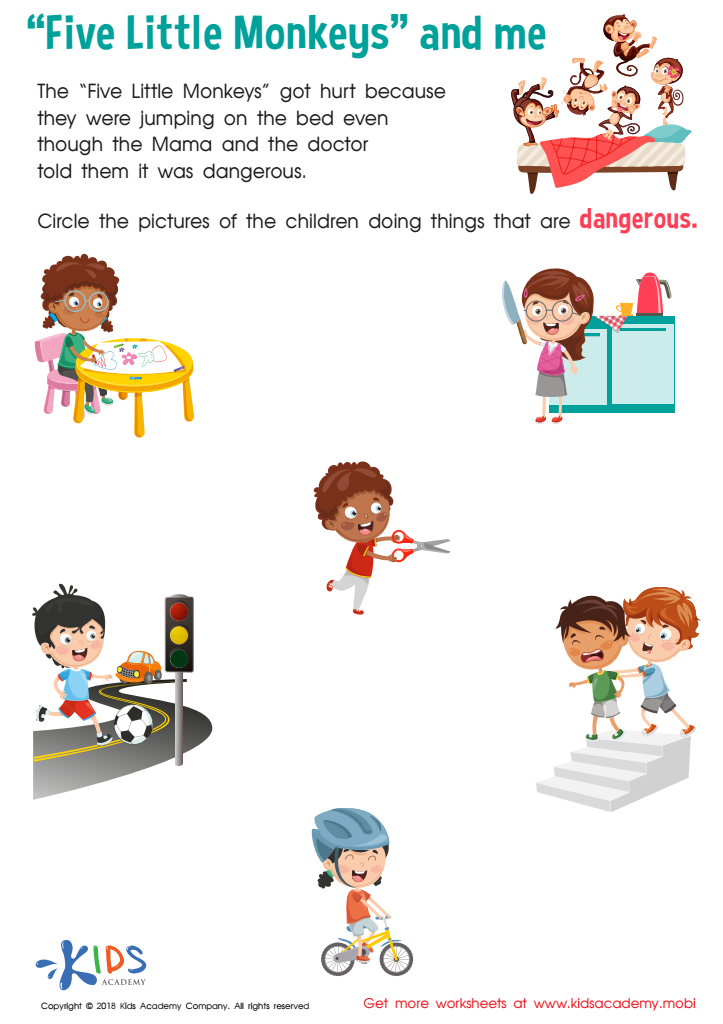
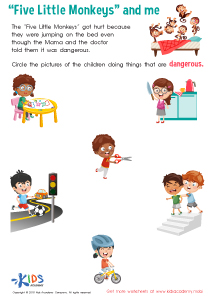
Five Little Monkeys and Me Worksheet








Sequencing skills are fundamental in developing reading comprehension among young learners aged 5-8, and both parents and teachers should prioritize them because they form the building blocks of effective communication and understanding. At this critical age, children's cognitive abilities are rapidly developing, and being able to identify the beginning, middle, and end of a story helps them grasp the logical flow of events. This understanding not only aids in making sense of narratives but also fosters critical thinking and problem-solving skills.
Moreover, sequencing is foundational for other academic areas, such as math and science, where understanding the order of operations or the process of scientific inquiry is essential. By helping children master sequencing, parents and teachers set the stage for academic success across multiple disciplines.
Additionally, strong sequencing skills contribute to better writing abilities. When children can outline a coherent story structure, their writing becomes clearer and more organized, which is crucial for effective communication.
Teachers and parents who emphasize sequencing also support children's language development. Talking about what happens first, next, and last in shared stories strengthens vocabulary and narrative skills. In essence, nurturing sequencing skills not only enhances reading comprehension but also supports overall cognitive development and lifelong learning success, making it a worthwhile effort for both parents and teachers.