Reading comprehension Easy Reading Comprehension Worksheets for Ages 5-8
24 filtered results
-
From - To
Discover our engaging Reading Comprehension Worksheets designed specifically for children aged 5-8! These easy-to-follow resources help young learners build essential reading skills through fun and interactive exercises. Each worksheet features age-appropriate texts accompanied by comprehension questions, encouraging kids to think critically while strengthening their reading abilities. Our materials promote not only understanding but also a love for reading. Perfect for home or classroom use, these worksheets allow children to practice at their own pace. Enhance your teaching toolkit today and inspire a lifelong passion for reading with our delightful, accessible worksheets tailored for early readers!
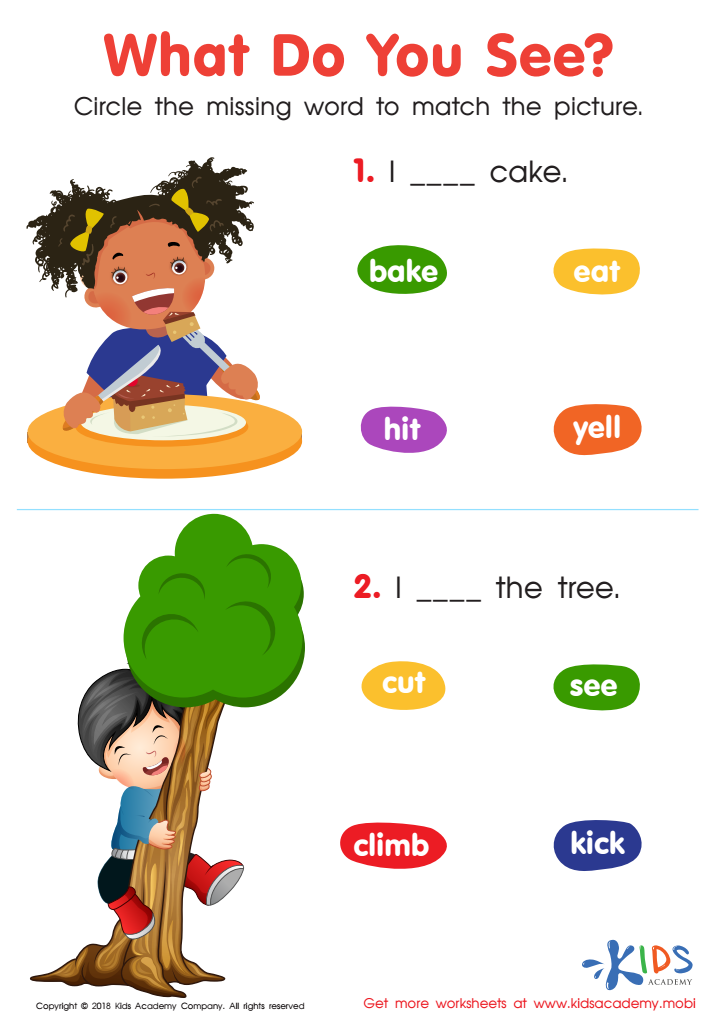
What Do You See? Reading Worksheet
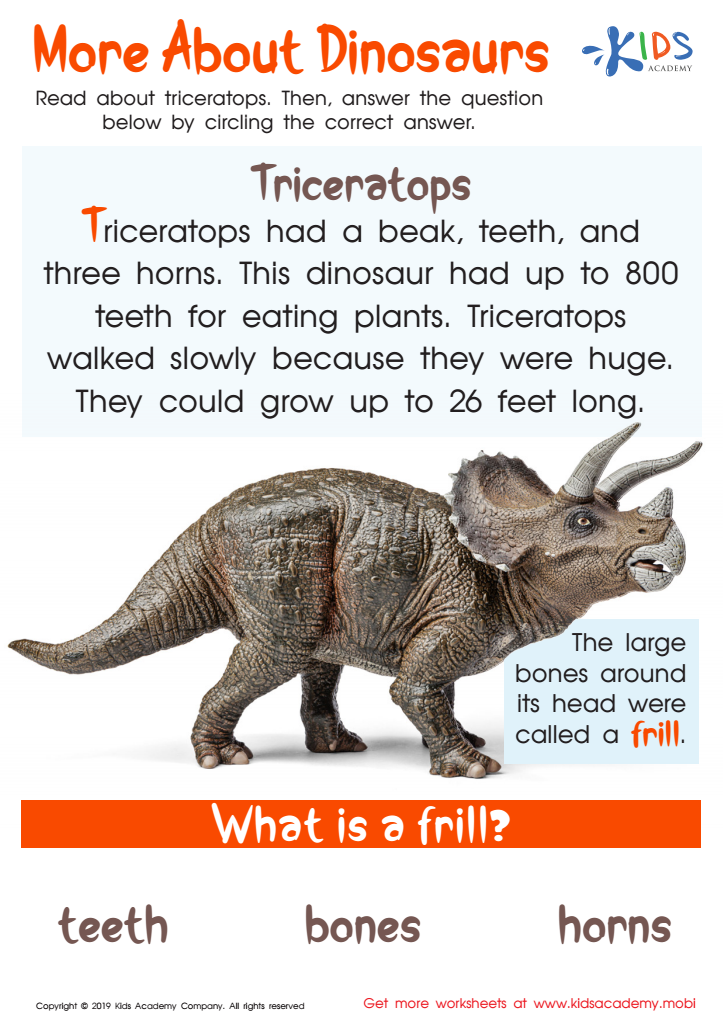
More About Dinosaurs Worksheet
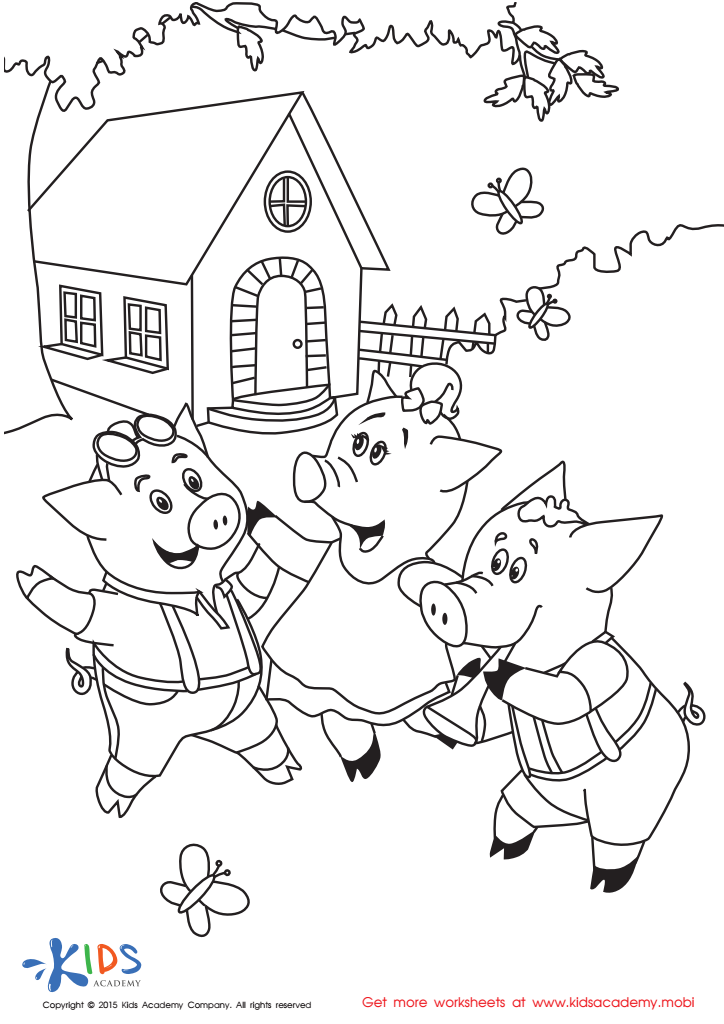
Folktales Printable PDF Worksheet: The 3 Little Pigs
 Assign to My Students
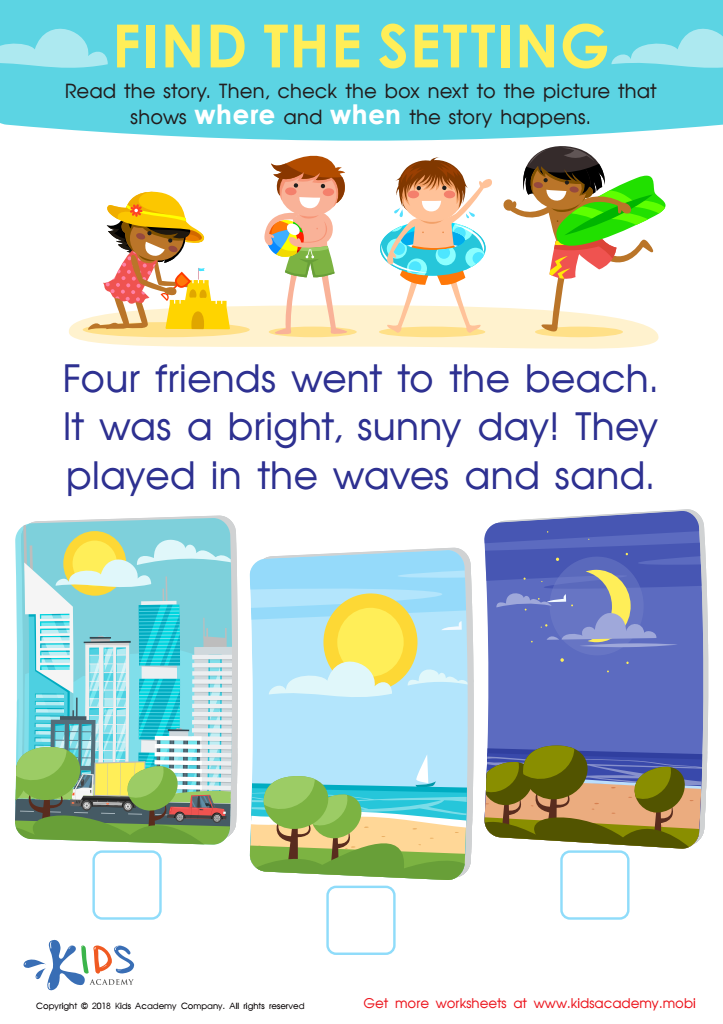
Find the Setting Worksheet
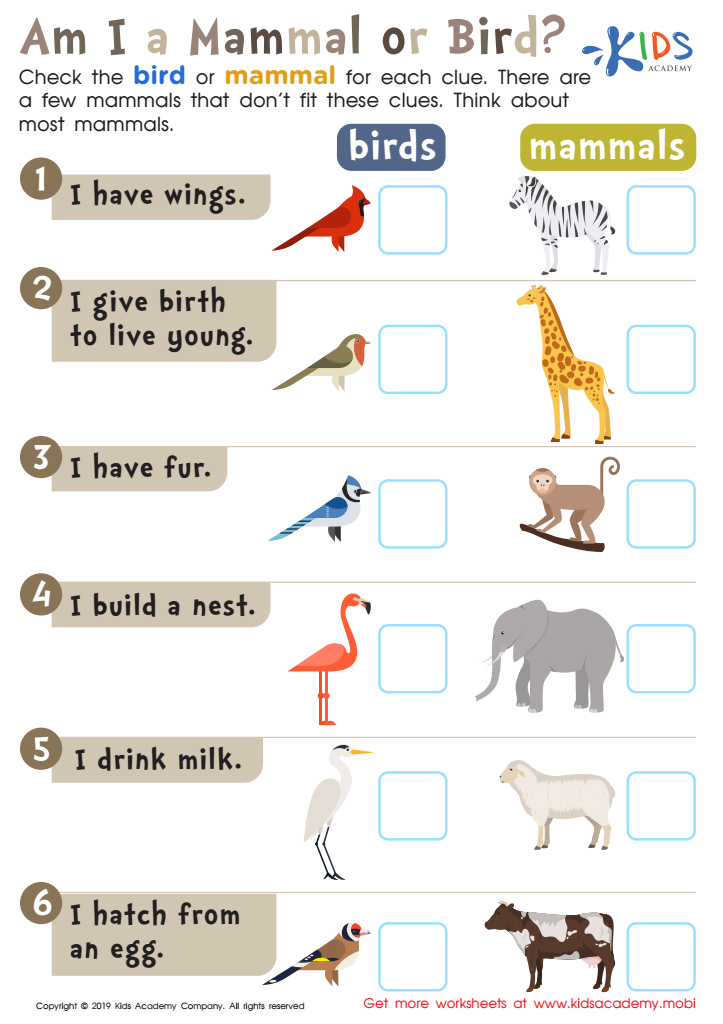
Am I a Mammal or Bird? Worksheet
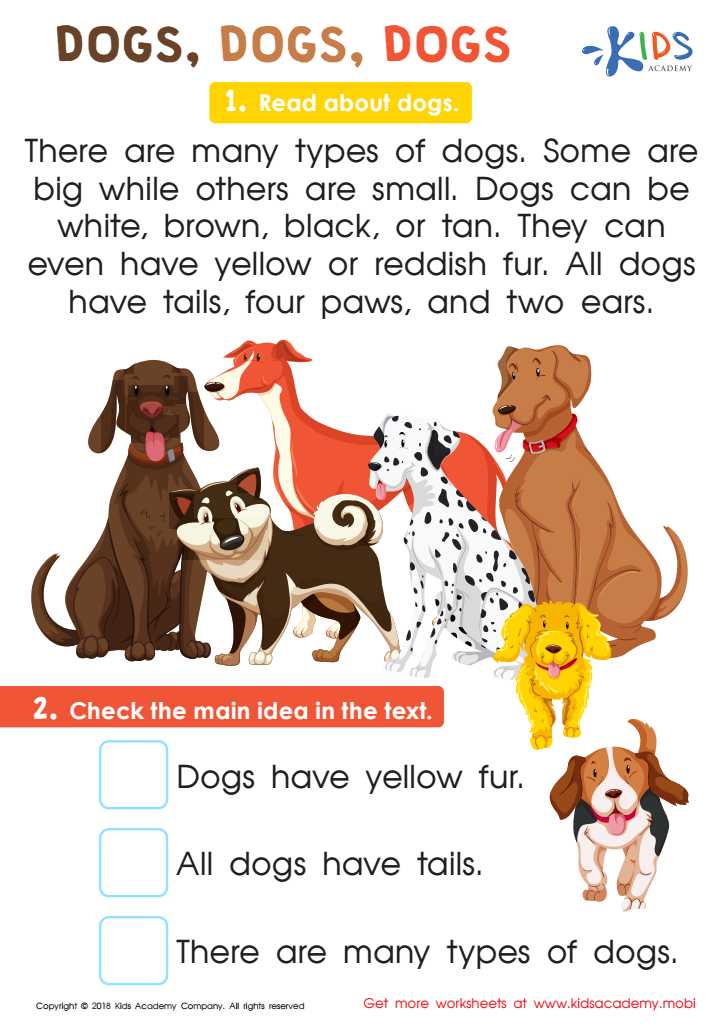
Dogs, Dogs Worksheet
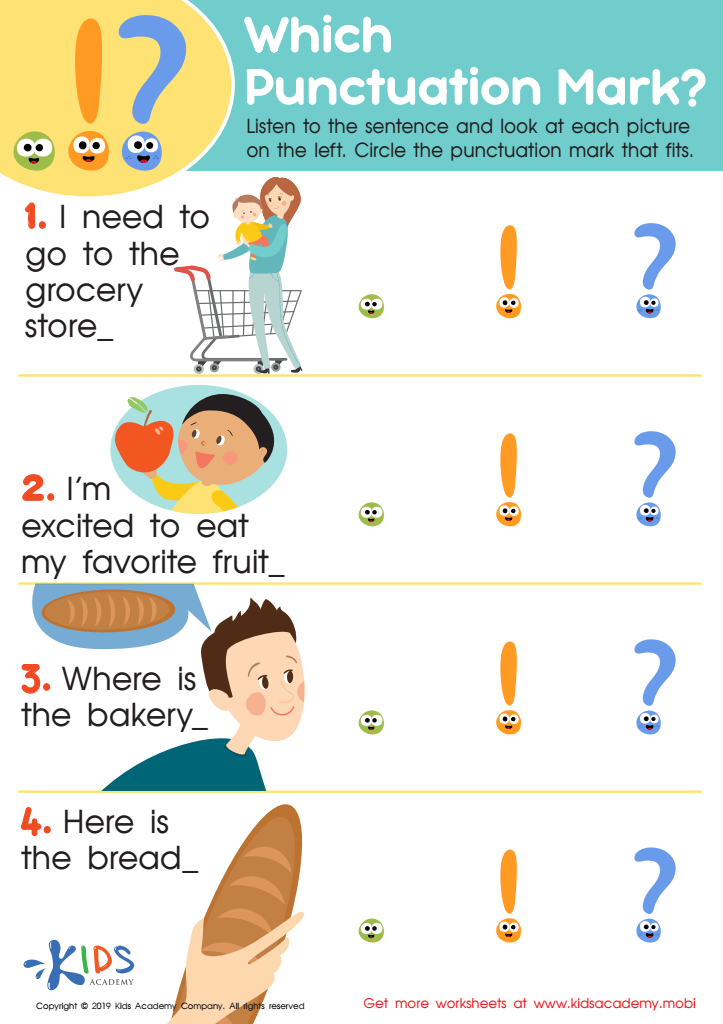
Which Punctuation Mark Worksheet
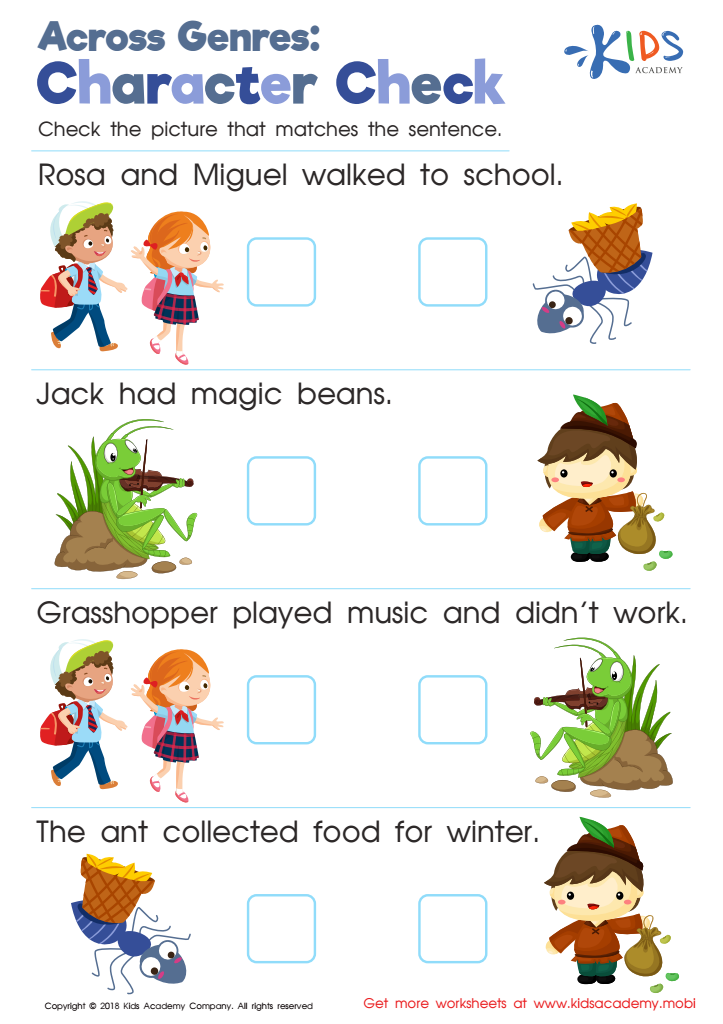
Across Genres: Character Check Worksheet
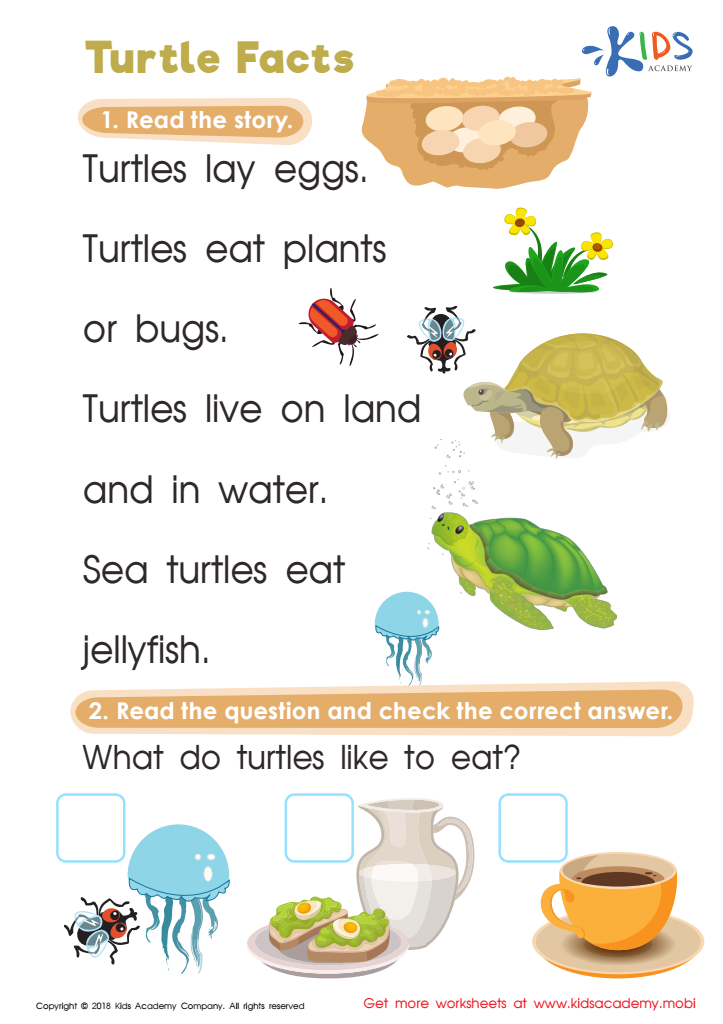
Turtle Facts Worksheet
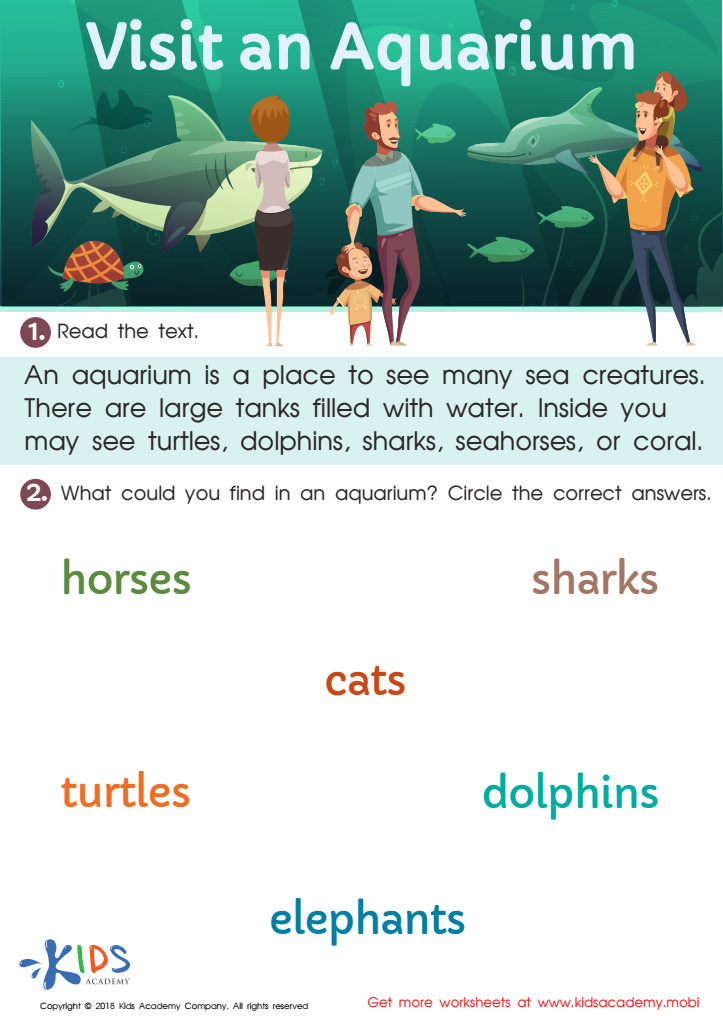
Visit an Aquarium Worksheet
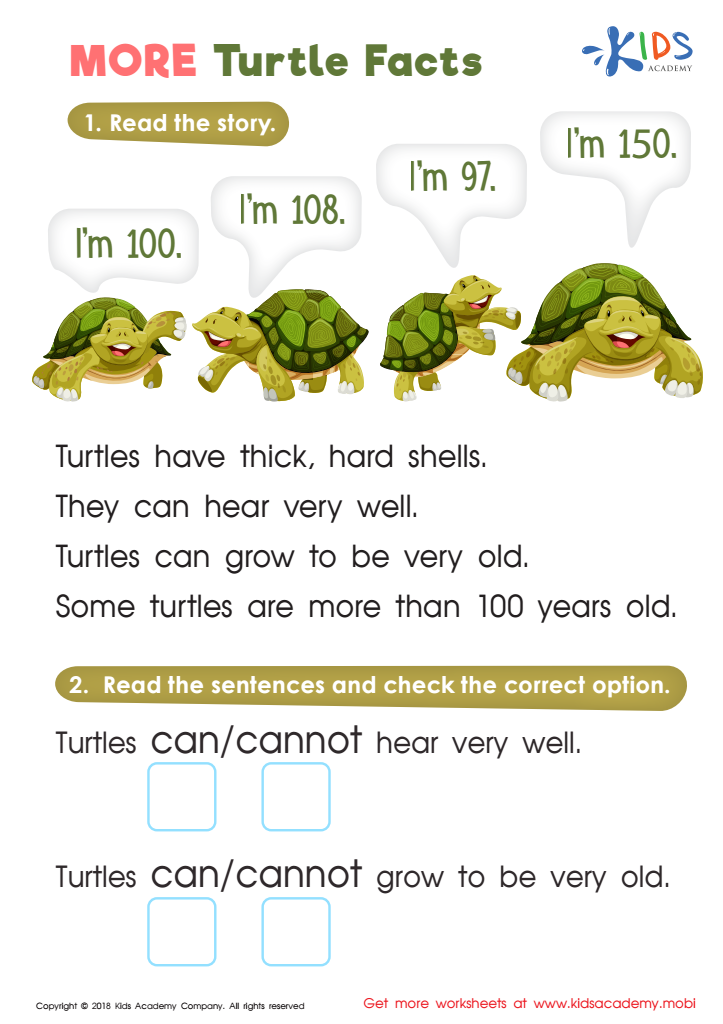
More Turtle Facts Worksheet
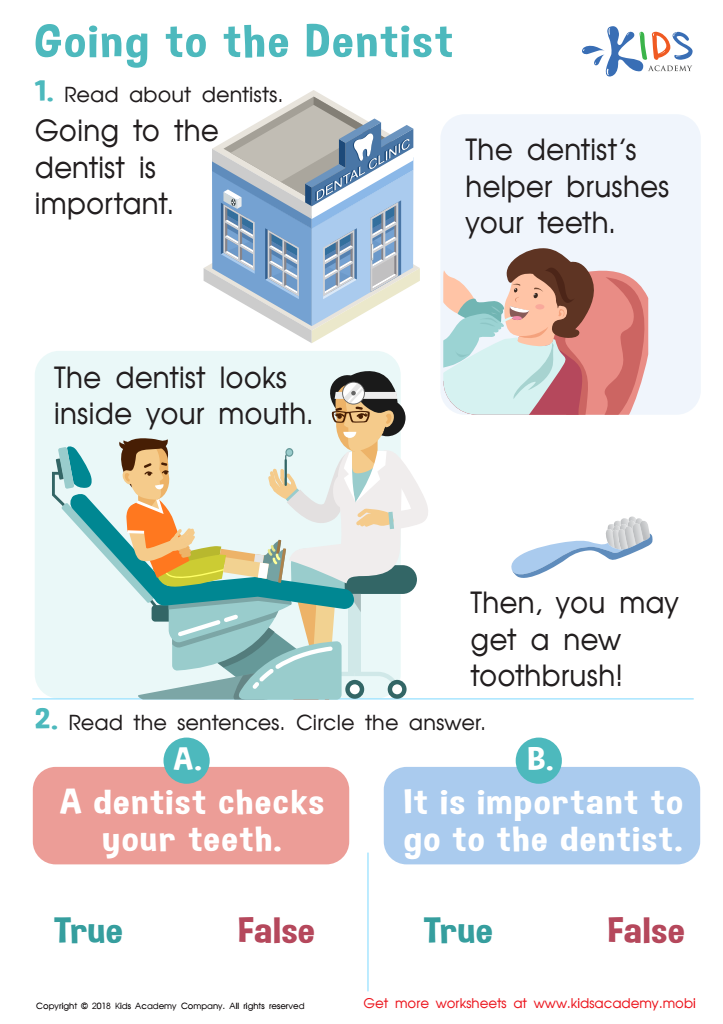
Going to the Dentist Part 2 Worksheet
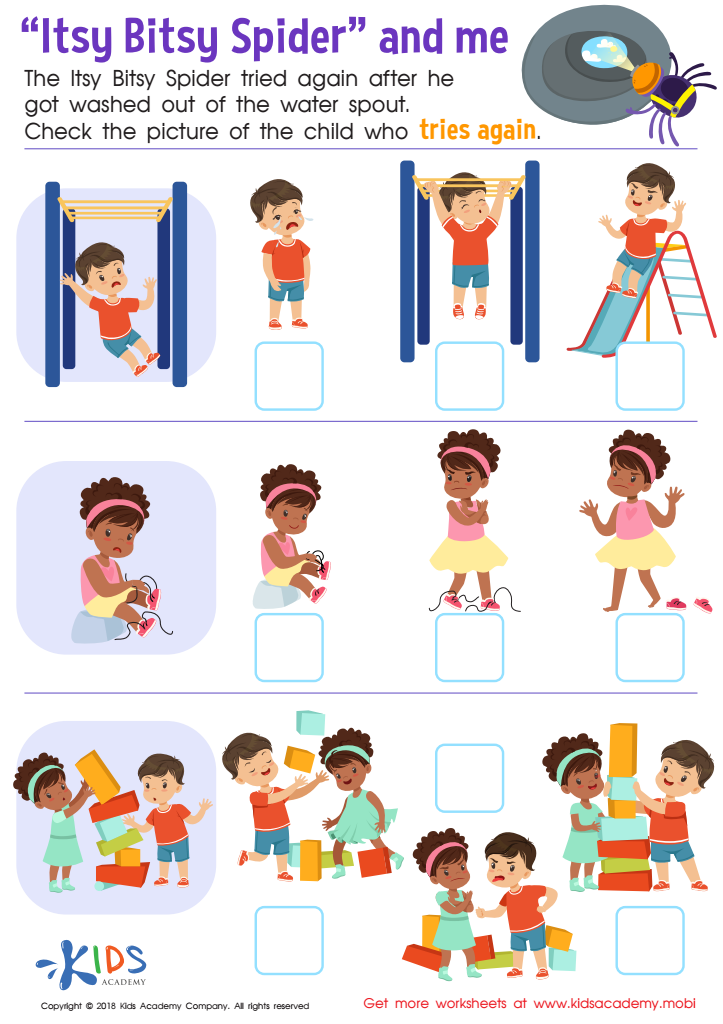
Itsy Bitsy Spider and Me Worksheet
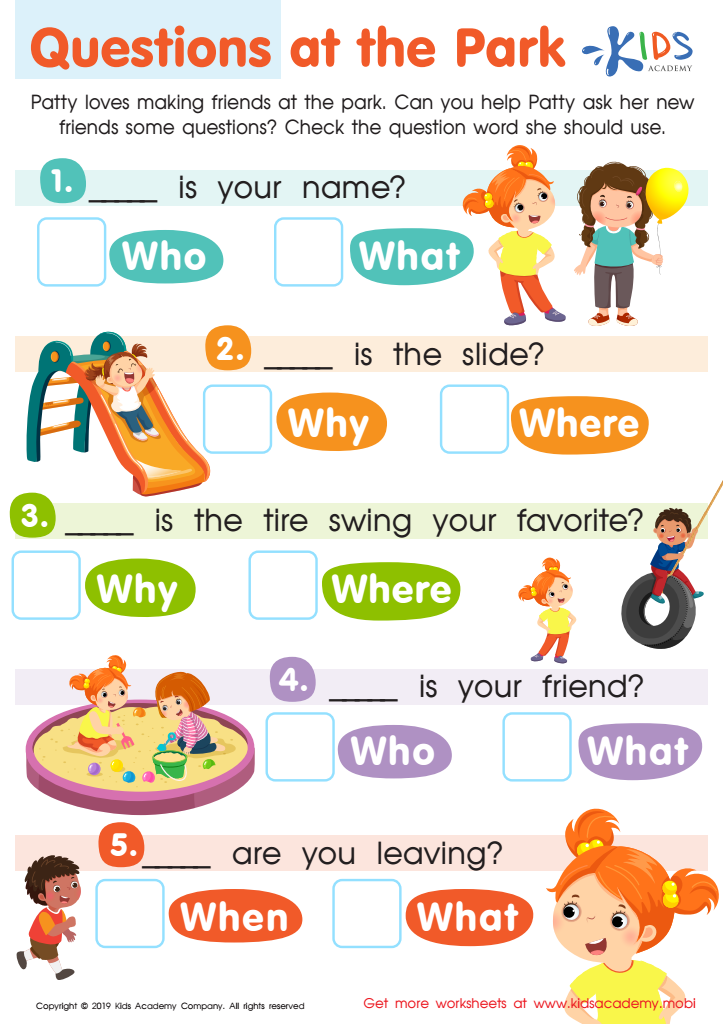
Questions at the Park Worksheet
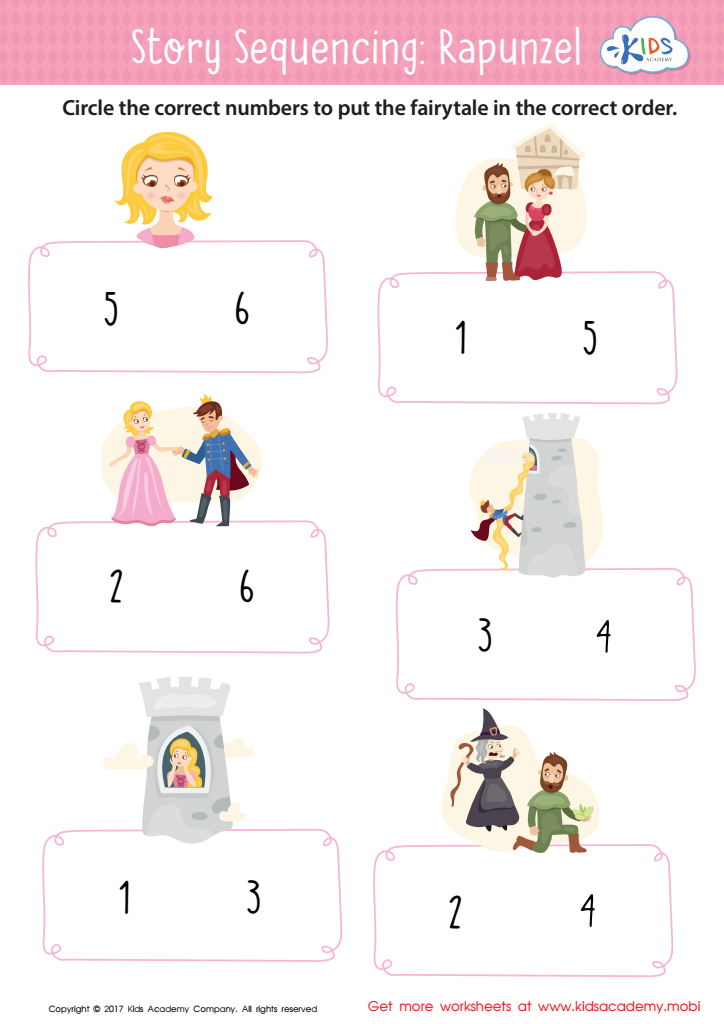
Rapunzel Story Sequencing Worksheet
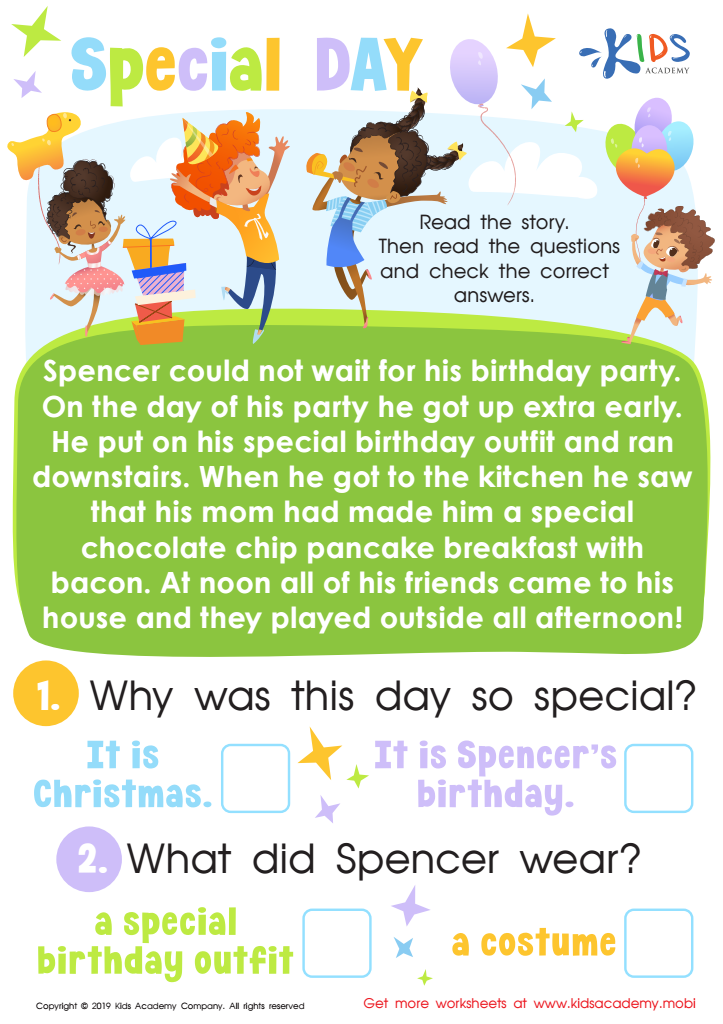
Special Day Worksheet
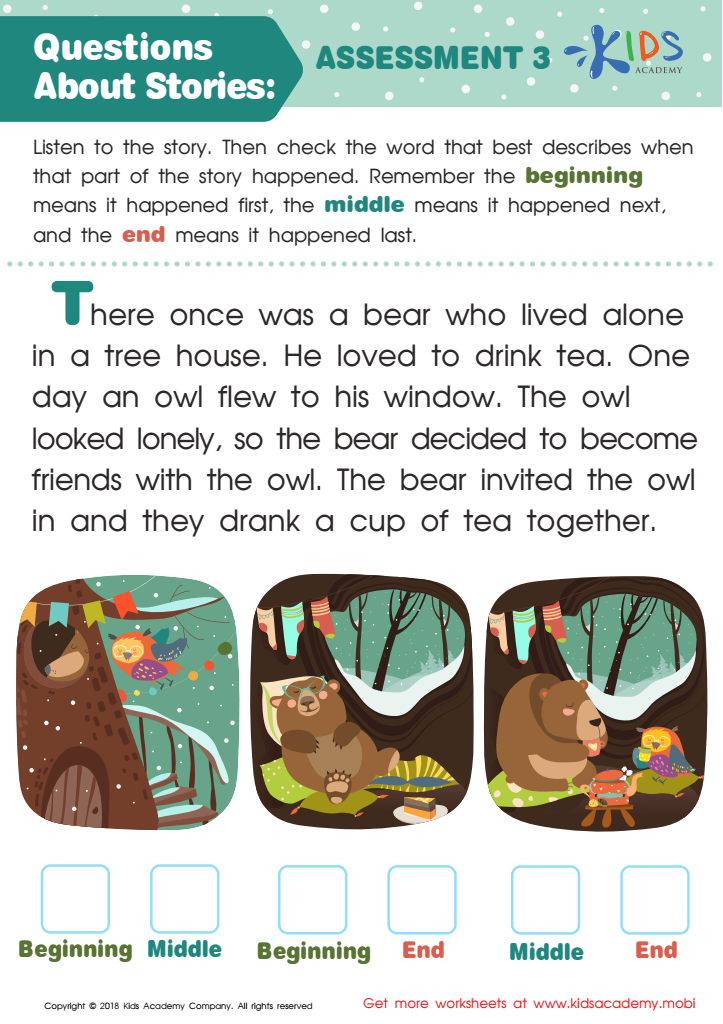
Questions About Stories: Assessment 3 Worksheet
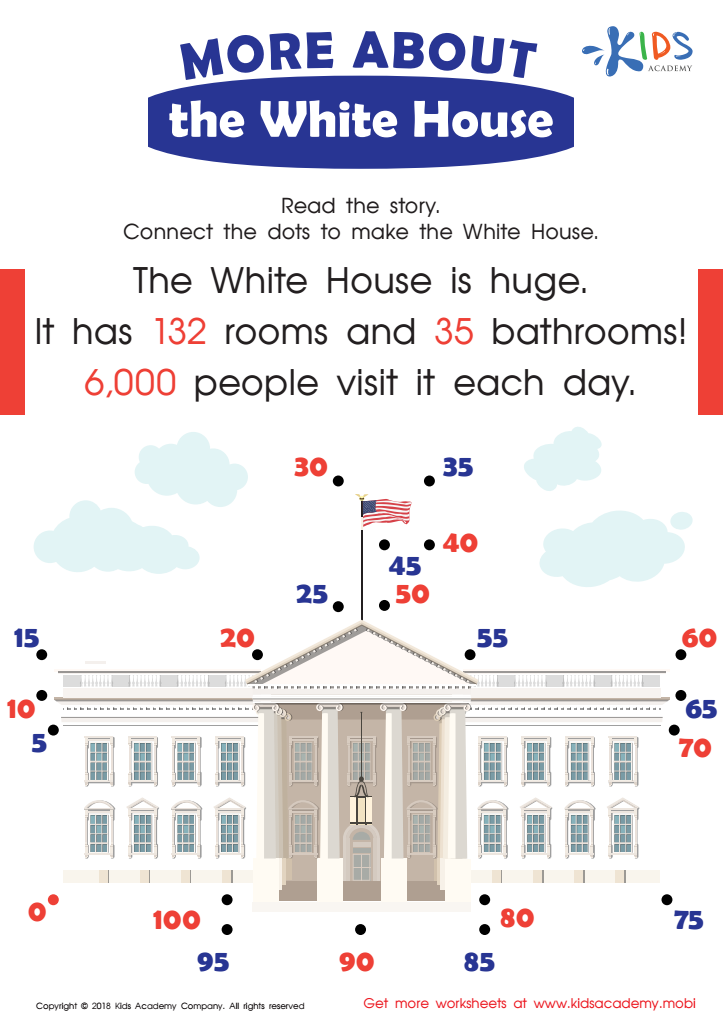
More About the White House Worksheet
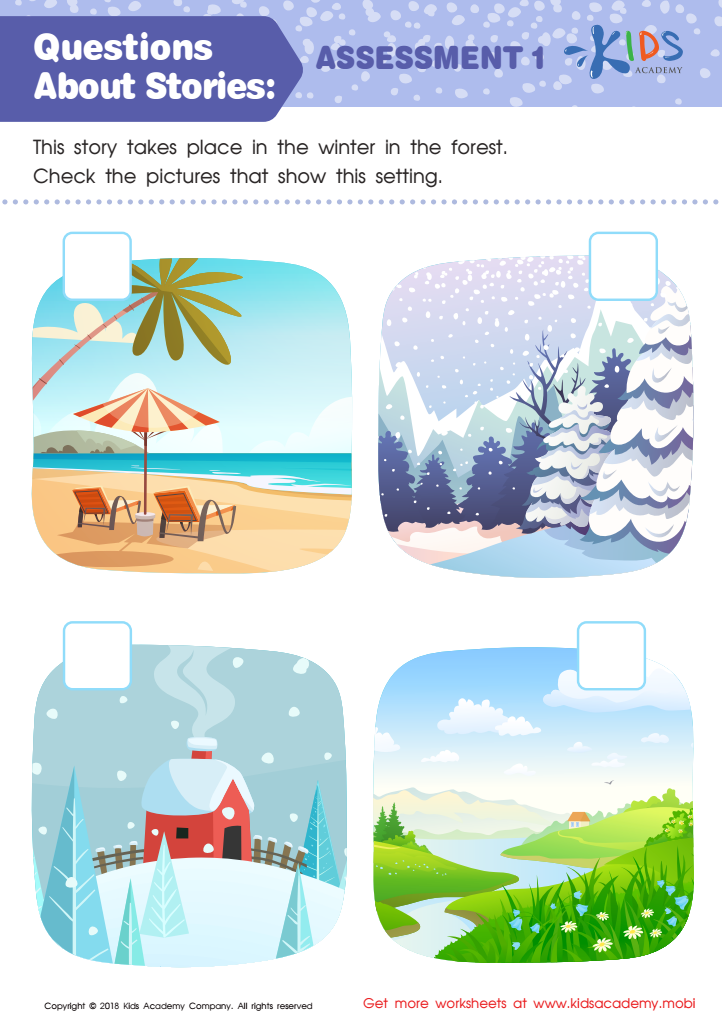
Questions About Stories: Assessment 1 Worksheet
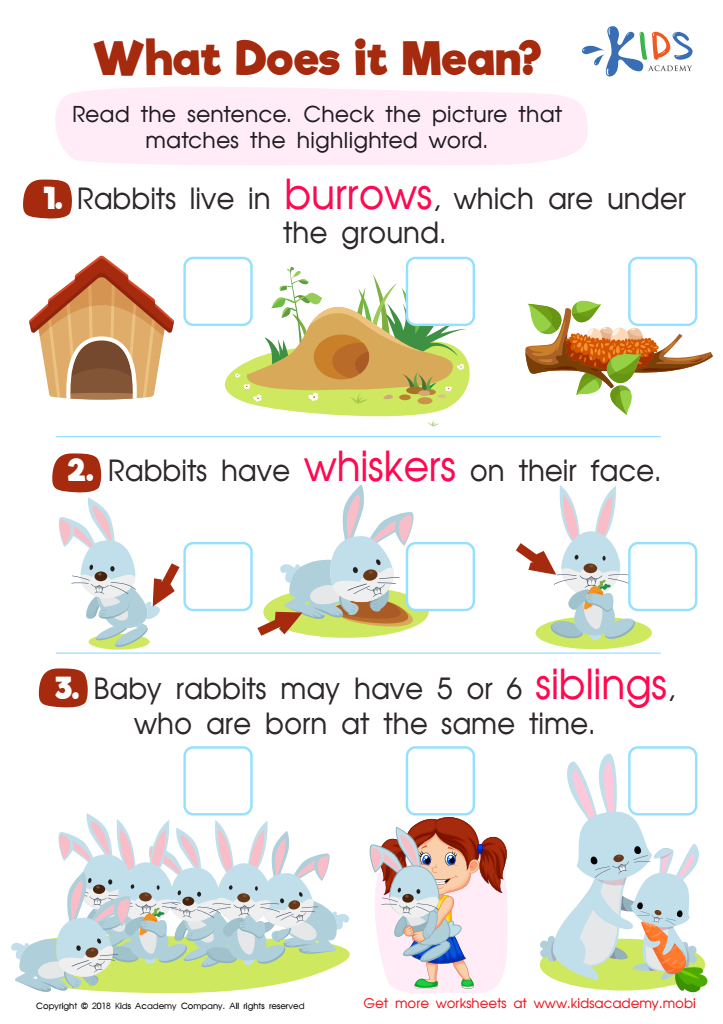
What Does It Mean? Worksheet
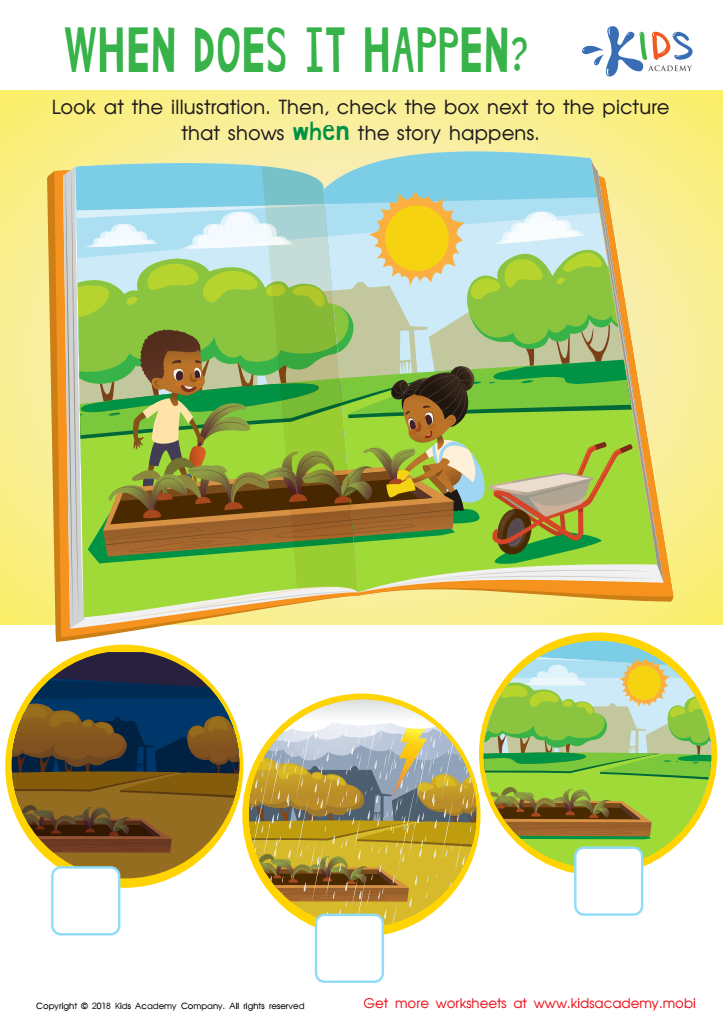
When Does It Happen? Worksheet
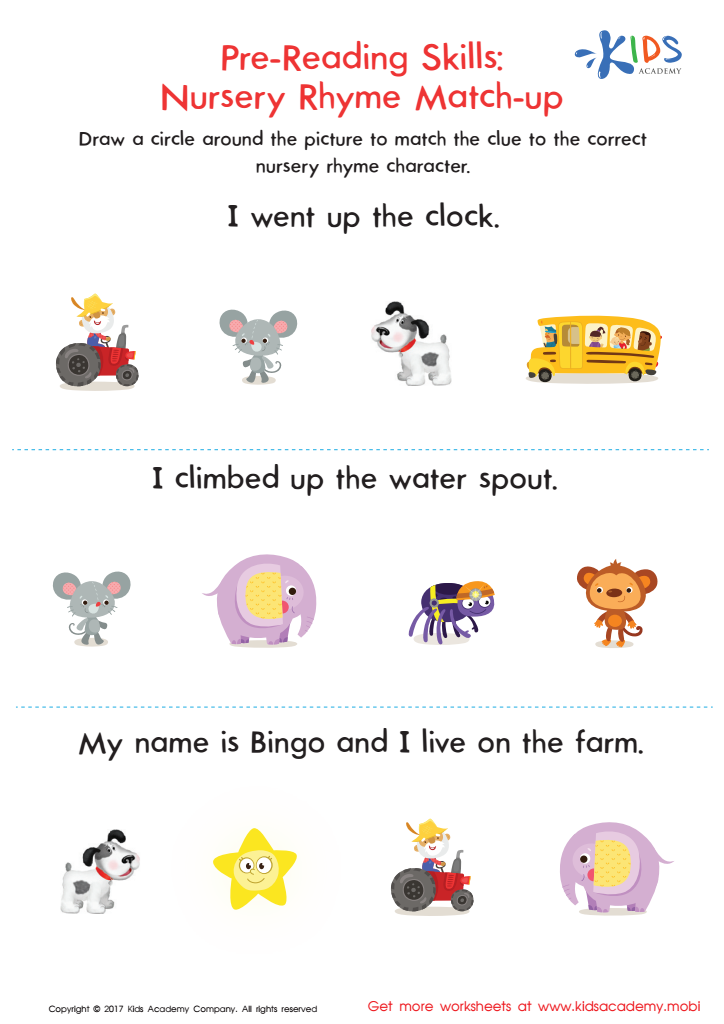
Nursery Rhyme Match–Up Worksheet
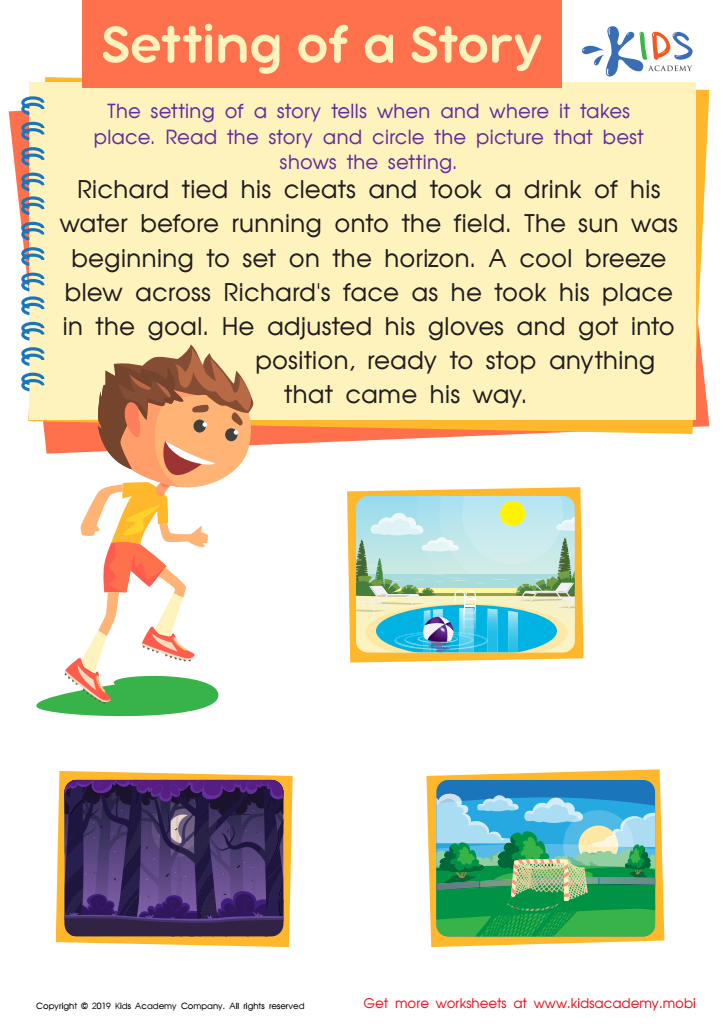
Setting of a Story Worksheet
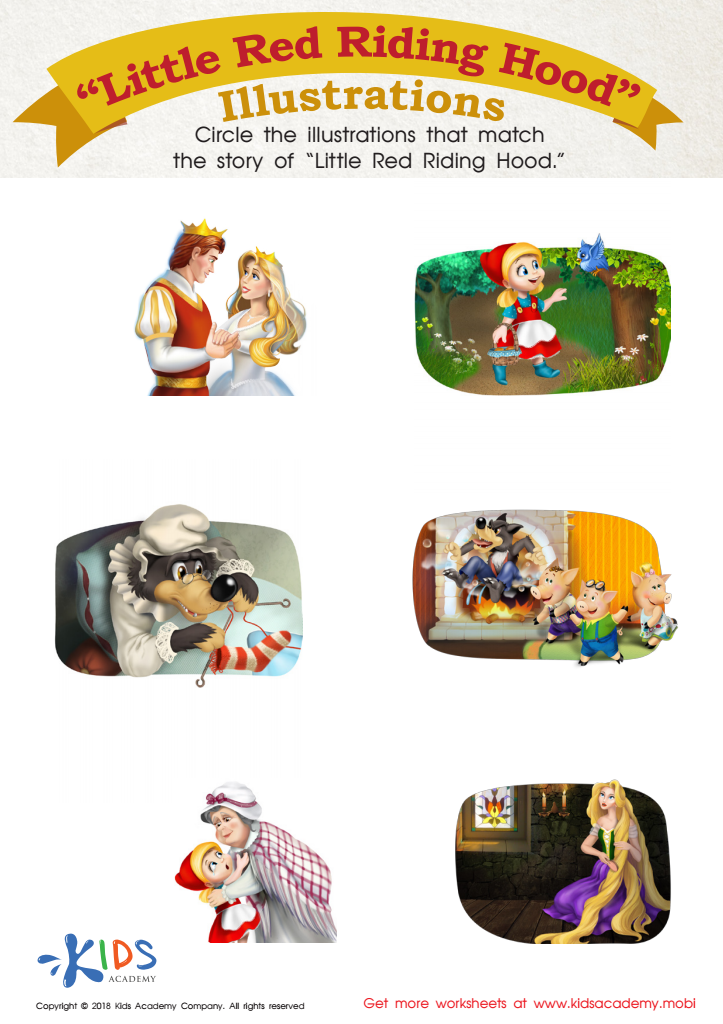
Little Red Riding Hood: Illustrations Worksheet








Reading comprehension is a crucial skill for children aged 5-8, as it lays the foundation for future learning. Parents and teachers should prioritize easy reading comprehension during these formative years for several reasons. First, comprehension is key to developing critical thinking skills; when children understand what they read, they can analyze, question, and connect ideas, fostering a love for learning.
Second, reading comprehension supports literacy development. Children who grasp the meaning of text tend to be more confident readers, encouraging them to explore new books and subjects. This confidence translates to improved vocabulary and overall language skills. Enhancing reading comprehension at an early stage also positively impacts academic performance across various subjects, as comprehension skills are essential for understanding math problems, science concepts, and more.
Furthermore, engaging in reading comprehension activities allows for quality bonding time between parents and children or between teachers and students. Interactive reading sessions create opportunities to discuss stories and themes, enhancing emotional intelligence and empathy.
Ultimately, focusing on easy reading comprehension helps children develop a strong literacy foundation, crucial for success in school and beyond. By prioritizing this skill, parents and teachers invest in children's academic futures and lifelong learning.