Categorization skills Easy Worksheets for Ages 5-9
6 filtered results
-
From - To
Unlock your child's potential with our "Categorization Skills Easy Worksheets" designed specifically for ages 5-9. These engaging and colorful worksheets make learning fun while helping young learners develop essential categorization skills. By organizing objects, words, and images into groups, children will enhance their critical thinking and problem-solving abilities. Our collection features a variety of themes and difficulty levels, ensuring every child can practice at their own pace. Perfect for classroom activities or at-home learning, these worksheets foster creativity and boost cognitive development. Dive into the world of categorization and watch your child thrive with our user-friendly resources today!
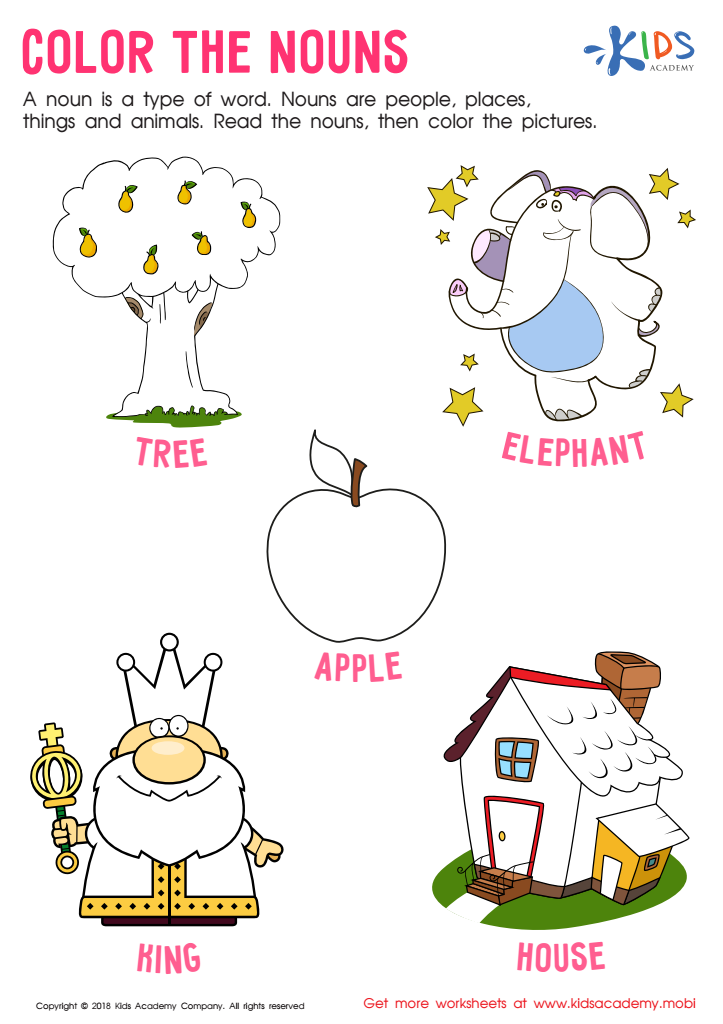
Color the Nouns Worksheet
 Assign to My Students
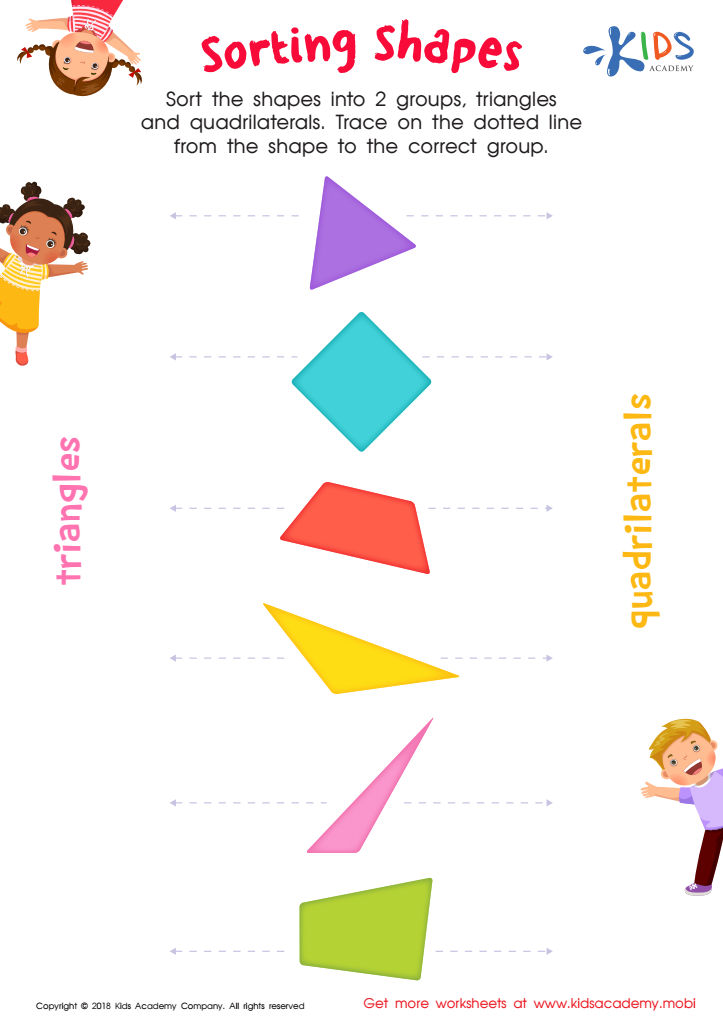
Sorting Shapes Worksheet
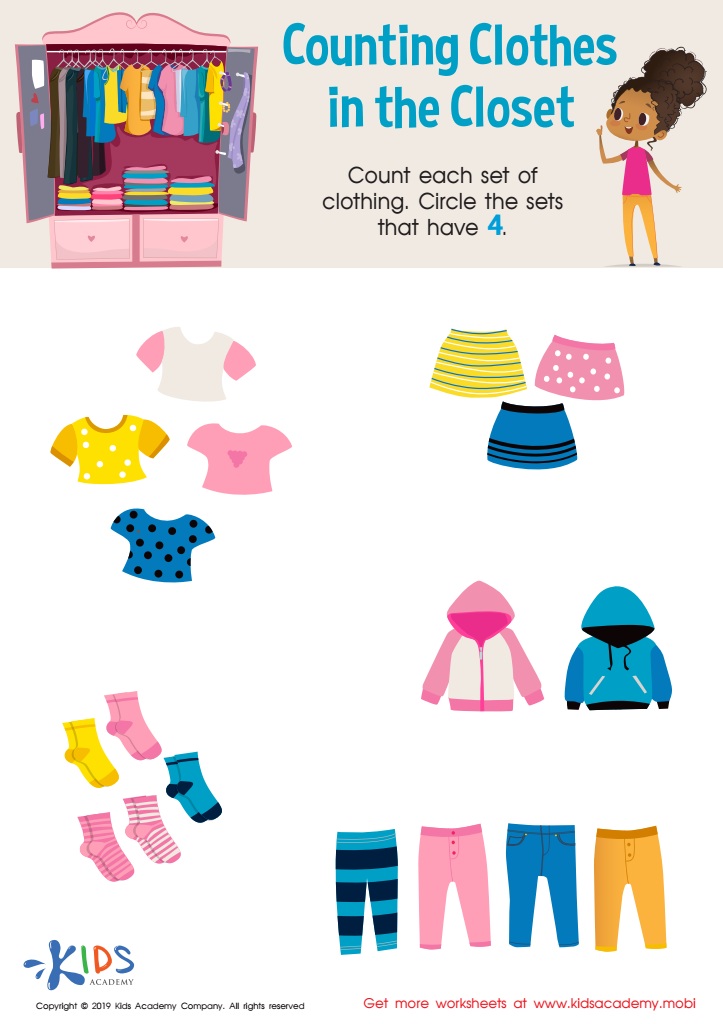
Counting Clothes Worksheet
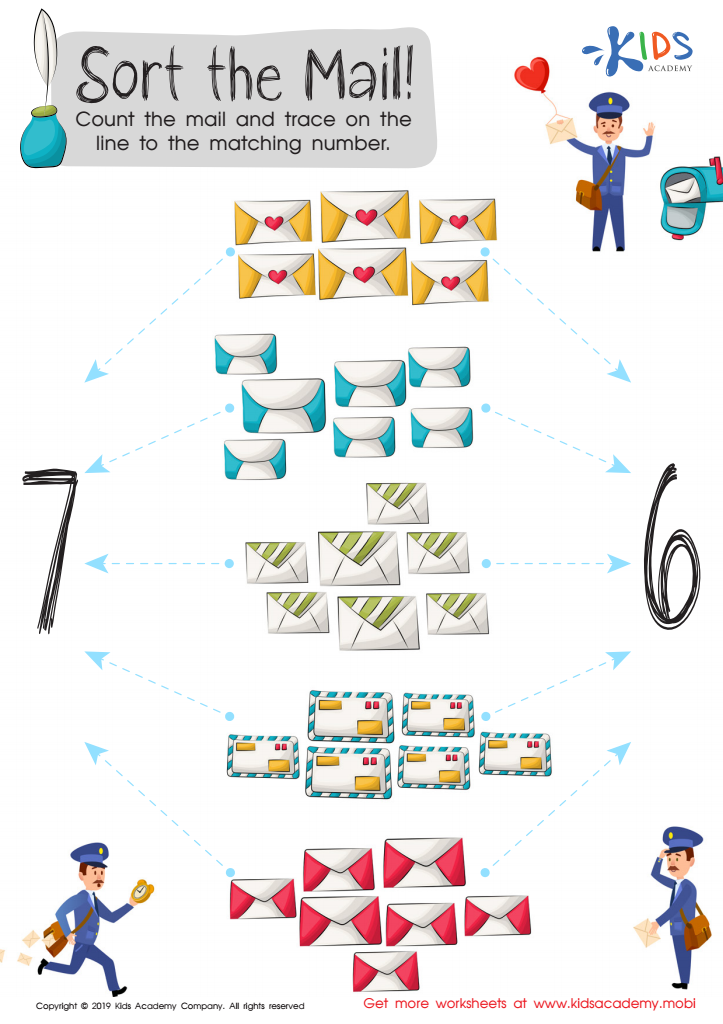
Sort the Mail Worksheet
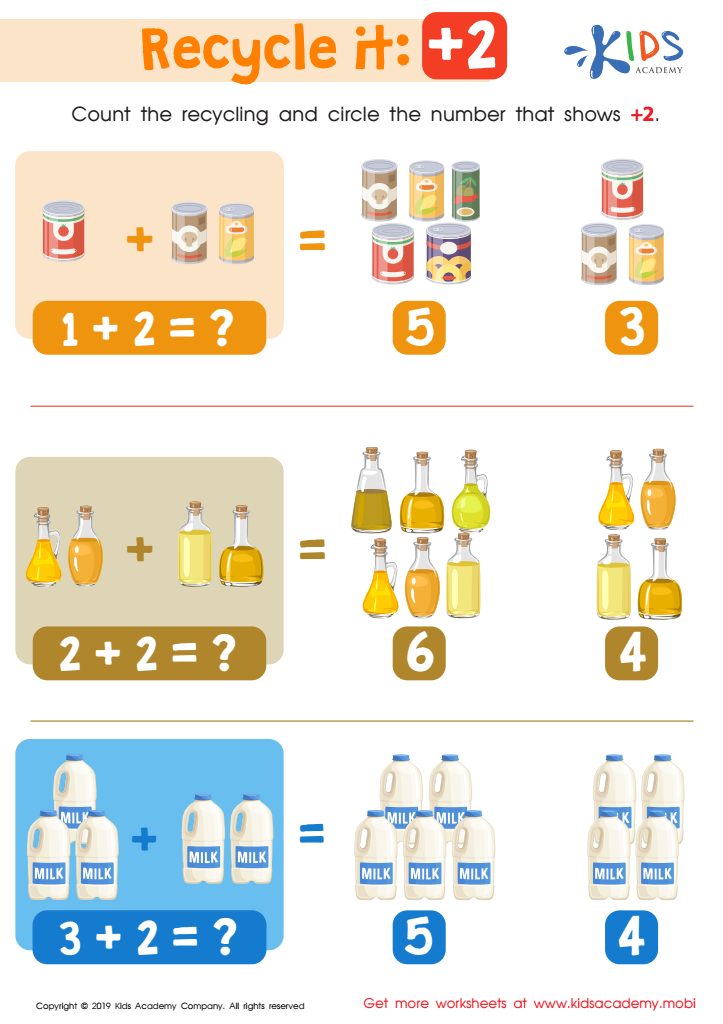
Recycle It: +2 Worksheet
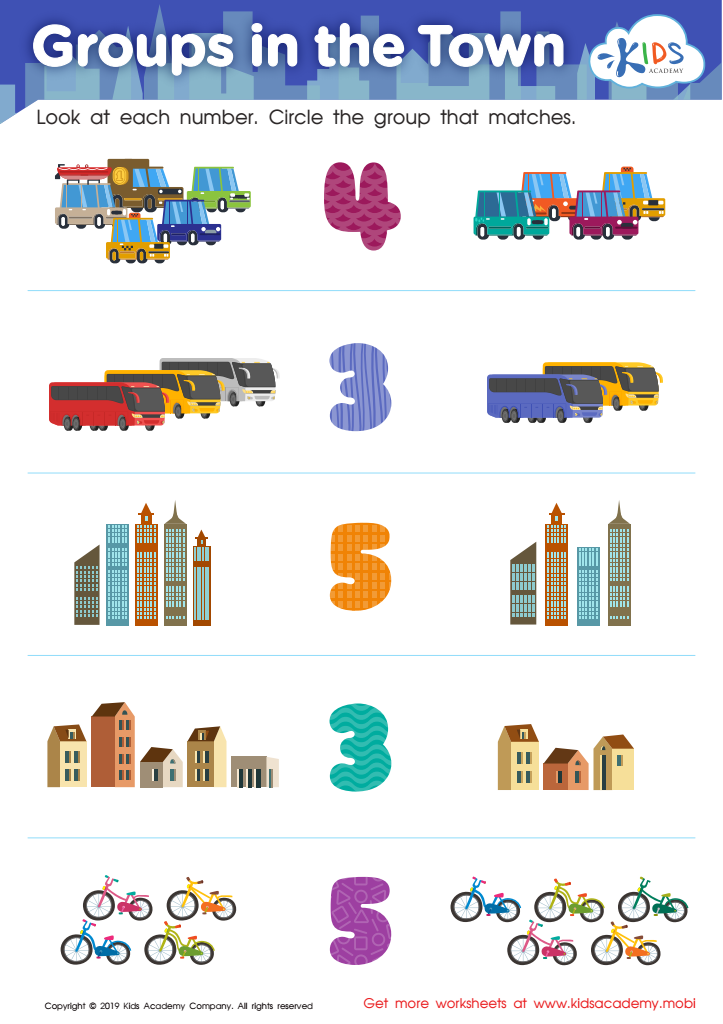
Groups in the Town Worksheet







Categorization skills are essential for children aged 5 to 9 as they form the foundation for critical thinking, problem-solving, and effective communication. When parents and teachers help children develop these skills, they enable youngsters to organize information, identify similarities and differences, and make connections between concepts.
Children who practice categorization learn to sort objects or ideas based on shared characteristics, which enhances their cognitive development by improving their ability to analyze and make sense of the world around them. For instance, categorizing animals by habitat helps children understand ecosystems, while sorting toys can enhance their understanding of math concepts such as sorting and grouping.
Moreover, these skills are critical during early literacy development. As children categorize words, such as recognizing that "dog" and "cat" share a common characteristic of being pets, they build vocabulary and reading comprehension.
Furthermore, fostering categorization skills can lead to increased confidence and independence in young learners. When children learn to group and classify information, they become better equipped to express their ideas clearly. Therefore, parents and teachers play a pivotal role in nurturing these skills, ultimately setting the stage for academic success and a lifetime of effective learning.








