Comprehension skills Easy Worksheets for Ages 5-9
5 filtered results
-
From - To
Unlock your child’s reading potential with our "Comprehension Skills Easy Worksheets for Ages 5-9." Specially crafted for young learners, these worksheets foster critical thinking and enhance understanding of texts through engaging activities. Designed to be both fun and educational, each worksheet builds essential skills such as identifying main ideas, recalling details, and making inferences. Perfect for classroom use or extra practice at home, our exercises are key to developing strong and confident readers. Download today and set the foundation for a lifetime of literacy success! Visit for more details and free printouts.
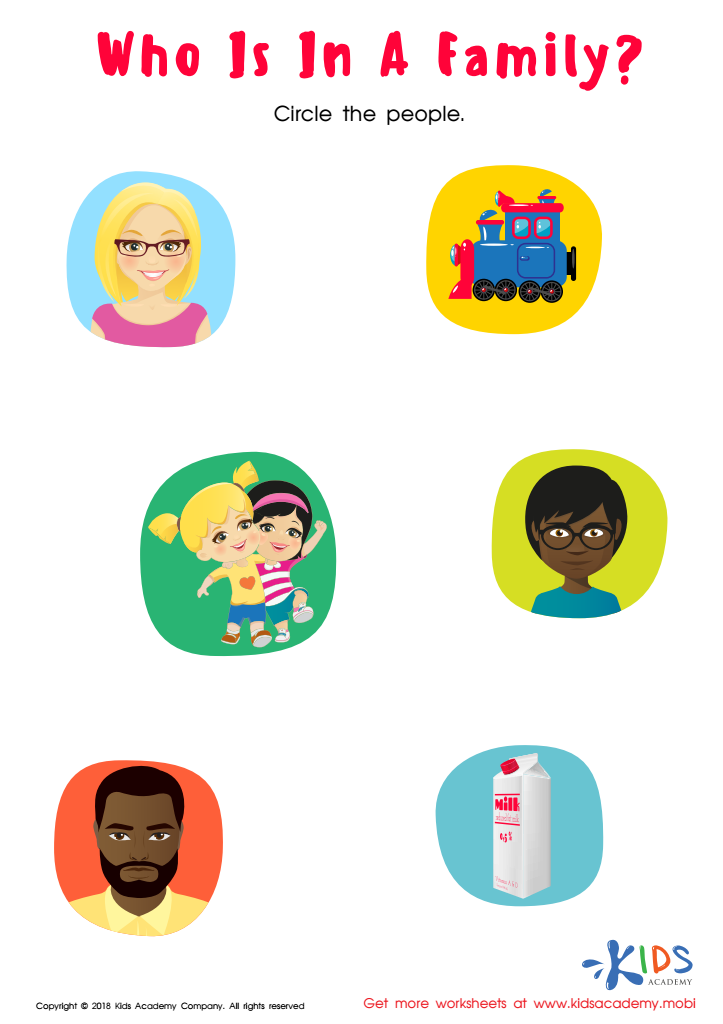
Who Is in a Family? Worksheet
 Assign to My Students
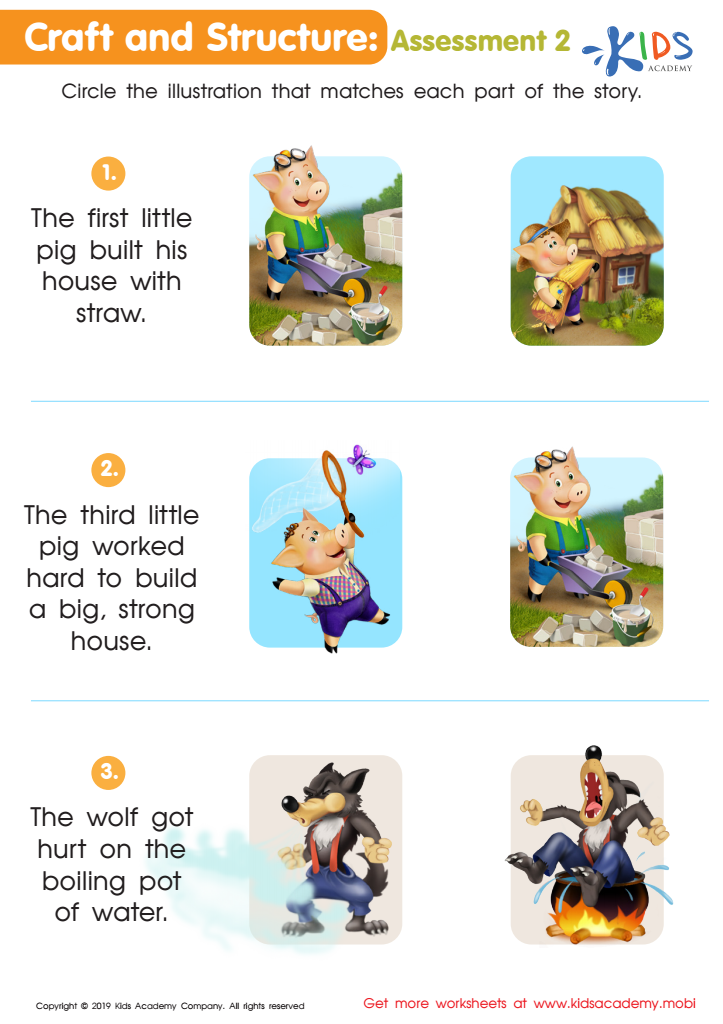
Craft and Structure: Assessment 2 Worksheet 2
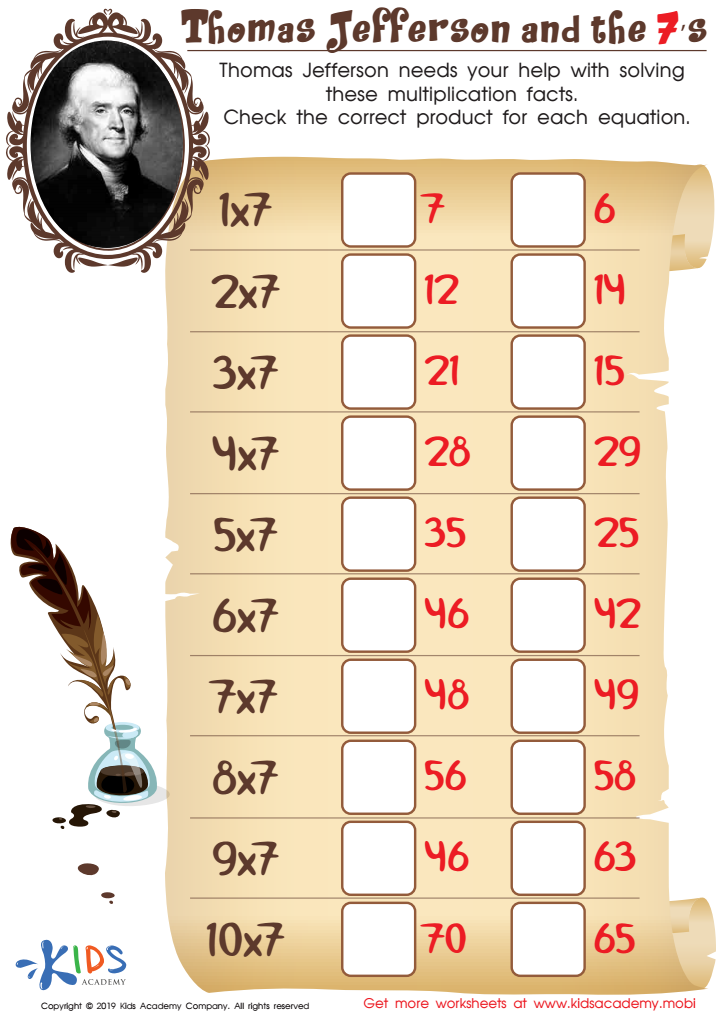
Thomas Jefferson and the 7’s Worksheet
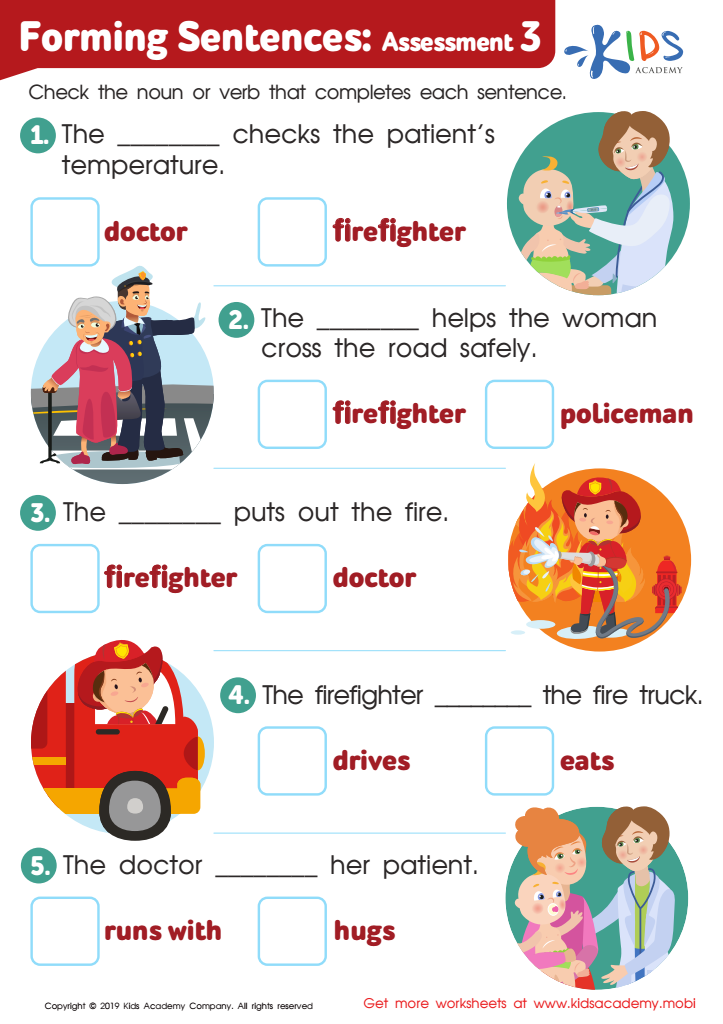
Forming Sentences: Assessment 3 Worksheet
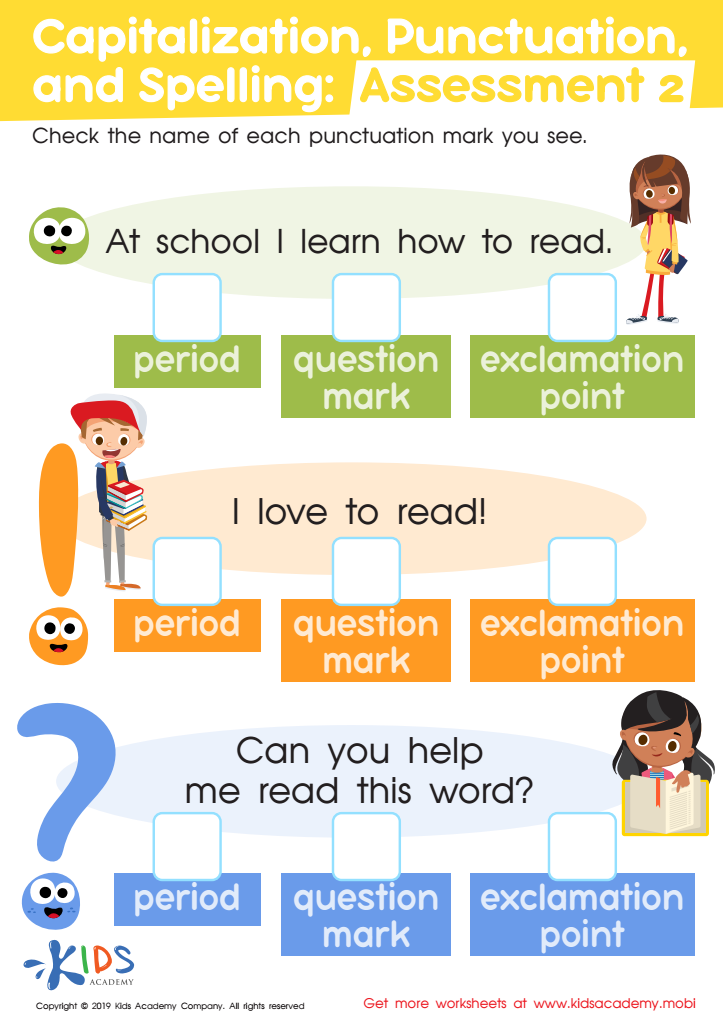
Capitalization. Punctuation. Spelling: Assessment 2 Worksheet






.jpg)

Comprehension skills are essential in the formative years, particularly for children aged 5-9. These skills form the foundation for all future learning and everyday understanding. When children develop strong comprehension abilities early on, they are better equipped to make sense of what they read and hear, which significantly enhances their learning experience and academic performance.
For parents and teachers, fostering strong comprehension skills should be a priority. Children with effective comprehension skills can follow instructions more efficiently, engage in classroom discussions, and demonstrate an improved ability to grasp complex concepts as they progress in their education. These skills also boost critical thinking and problem-solving abilities, which are crucial not just education, but in everyday life.
Moreover, early comprehension skill development has been linked to greater motivation and enjoyment of reading. Children who understand and connect with the material are more likely to read regularly, leading to better vocabulary acquisition, improved concentration, and greater knowledge retention.
In summary, focusing on comprehension skills in children ages 5-9 sets the stage for academic success, critical thinking, and a lifelong love of learning. Parents and teachers who nurture these skills are investing in the overall cognitive and emotional well-being of their children, paving the way for their future success.








