Fine motor development Easy Worksheets for Ages 5-9
3 filtered results
-
From - To
Enhance your child's fine motor skills with our engaging worksheets designed specifically for ages 5-9! These easy-to-follow activities are perfect for young learners, fostering essential skills such as hand-eye coordination, dexterity, and grip strength. Each worksheet features fun tasks, including tracing, cutting, and coloring, which will captivate your child's attention while promoting skill development. Tailored to meet the developmental needs of early learners, our printables are ideal for both classroom settings and home learning. Give your child the tools they need to succeed with these interactive and educational fine motor development worksheets! Perfect for nurturing creativity and confidence.
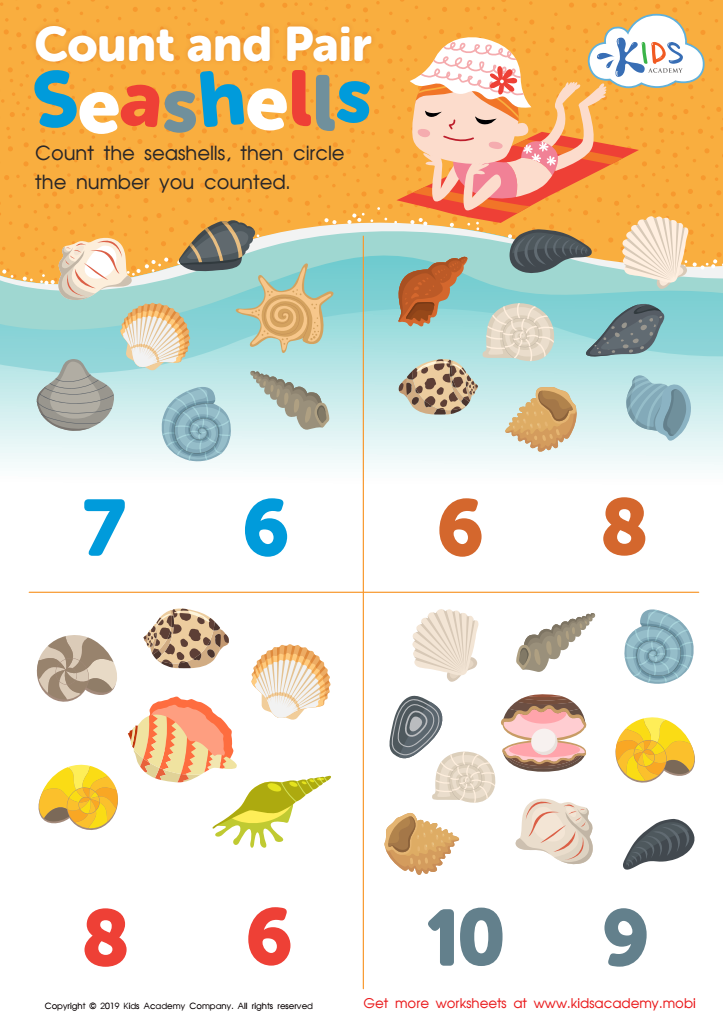
Count and Pair Seashells Worksheet
 Assign to My Students
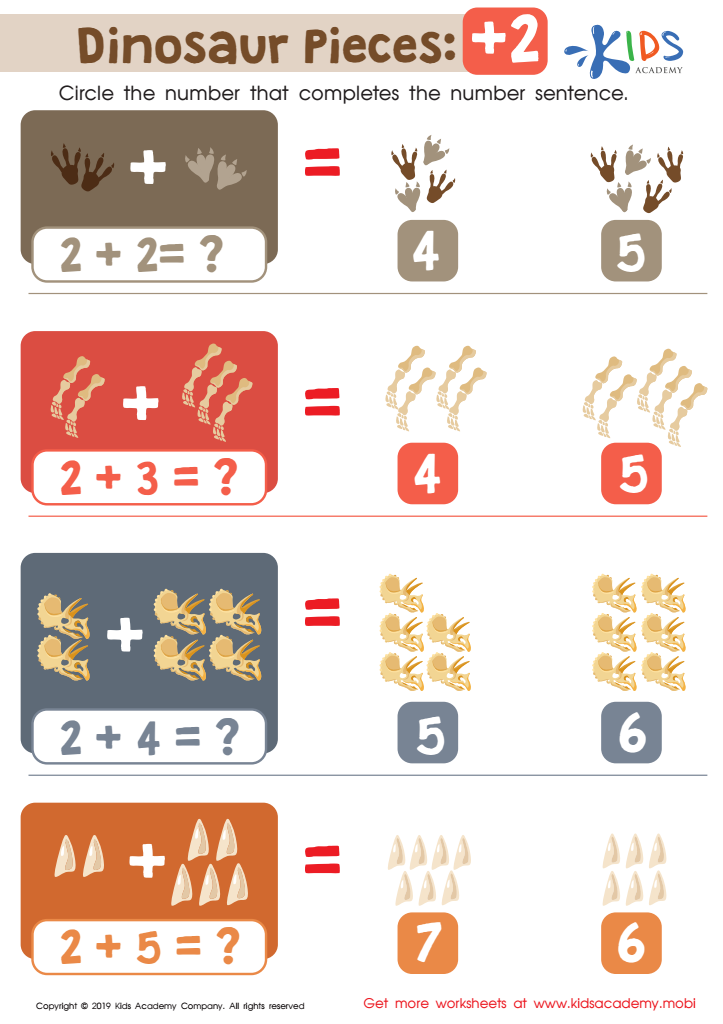
Dinosaur Pieces: +2 Worksheet




.jpg)
Fine motor development is crucial for children aged 5-9 as it lays the foundation for essential skills they will use throughout life. Parents and teachers should care about this aspect of development because fine motor skills involve the small muscles in hands and fingers, which are vital for everyday tasks such as writing, buttoning shirts, and using scissors.
At this age, children are often learning to write, draw, and manipulate objects, so engaging in activities that enhance fine motor skills is important. These skills not only help children complete classroom tasks but also boost their confidence and independence. Fine motor activities, like using clay, drawing, cutting paper, or threading beads, promote hand-eye coordination and creativity.
Moreover, strong fine motor skills contribute to cognitive development. As children learn to control their hand movements, they also develop problem-solving skills and spatial awareness. By focusing on fine motor development, teachers and parents can support a child's academic progress, as these skills directly impact their ability to focus, follow instructions, and manage schoolwork. In fostering fine motor skills, adults can help prepare children for success both in school and during play, making it a critical area of focus in early childhood development.








