Shape identification Easy Worksheets for Ages 5-9
6 filtered results
-
From - To
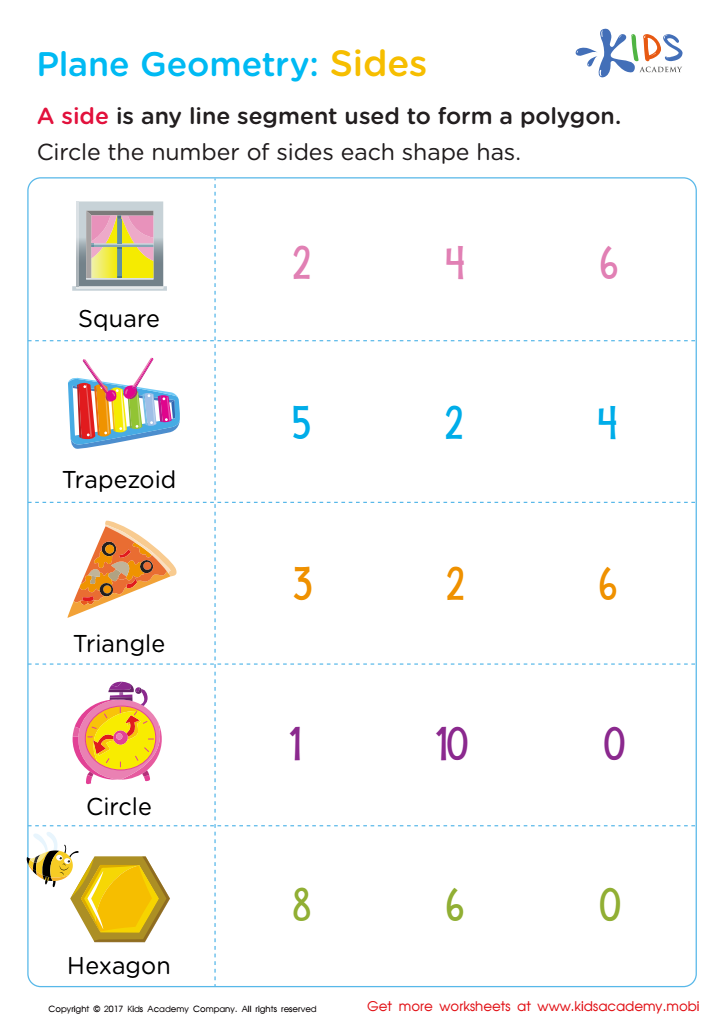
Discover fun and engaging shape identification worksheets designed specifically for children ages 5 to 9! Our easy worksheets help young learners recognize and name different shapes while enhancing their visual perception and problem-solving skills. Each printable activity is tailored to foster creativity and build a solid foundation in geometry through playful exercises. From circling shapes to matching them with real-world objects, children will enjoy hands-on learning that ignites their curiosity. Perfect for classroom settings or at-home practice, these worksheets are an excellent resource for early educators and parents seeking to make learning shapes easy and enjoyable! Explore our collection today!
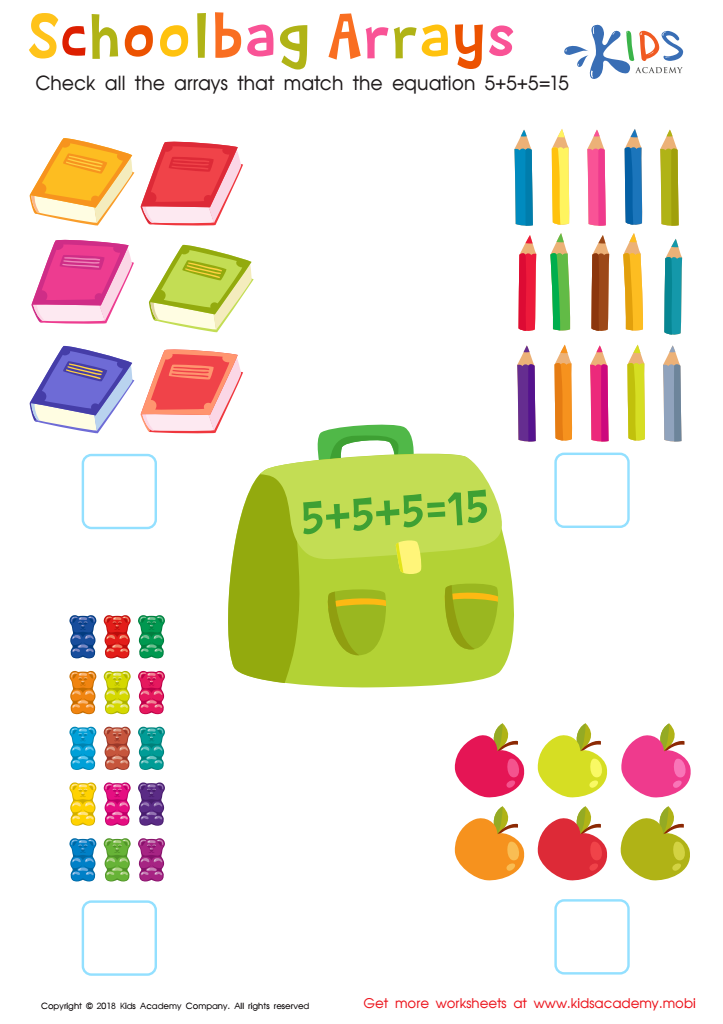
Schoolbag Arrays Worksheet
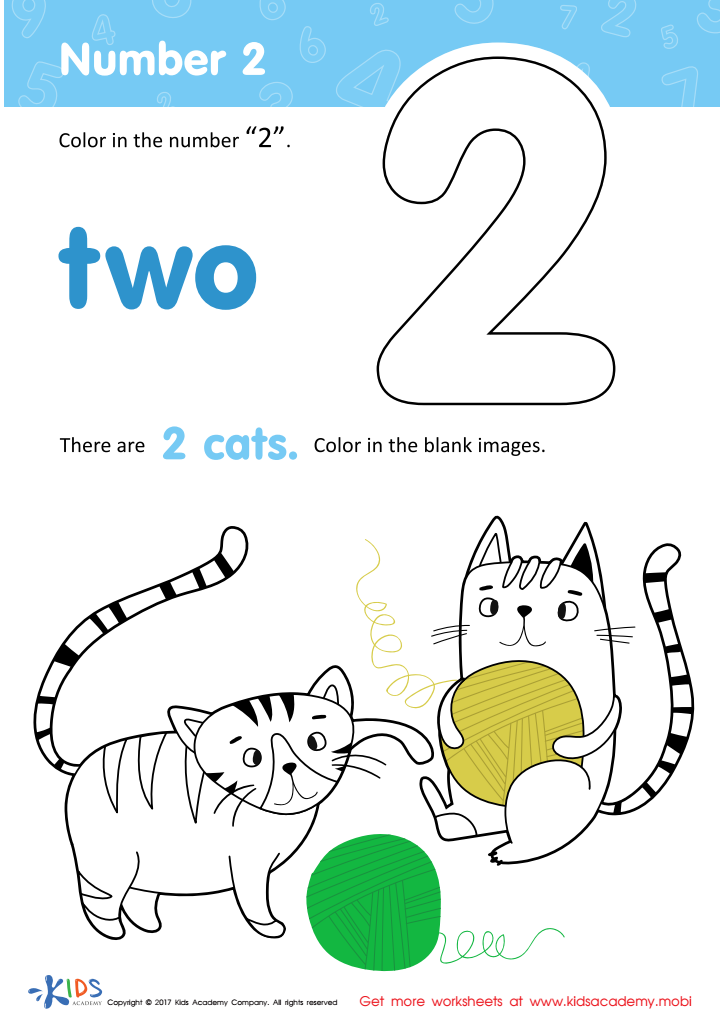
Number 2 Printable
 Assign to My Students
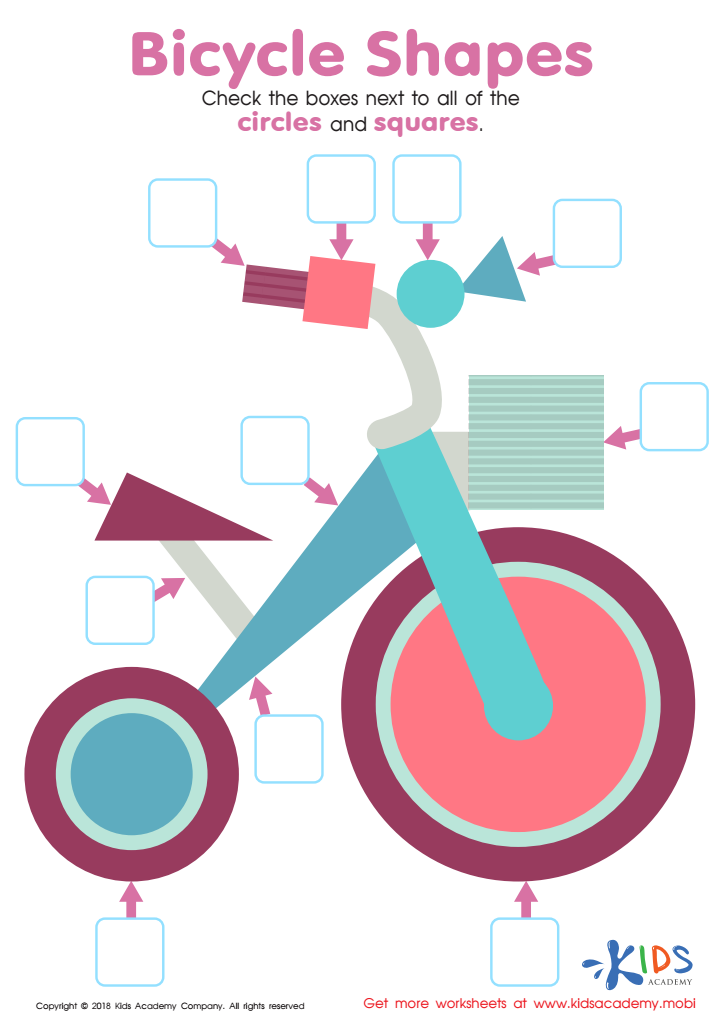
Bicycle Shapes Worksheet
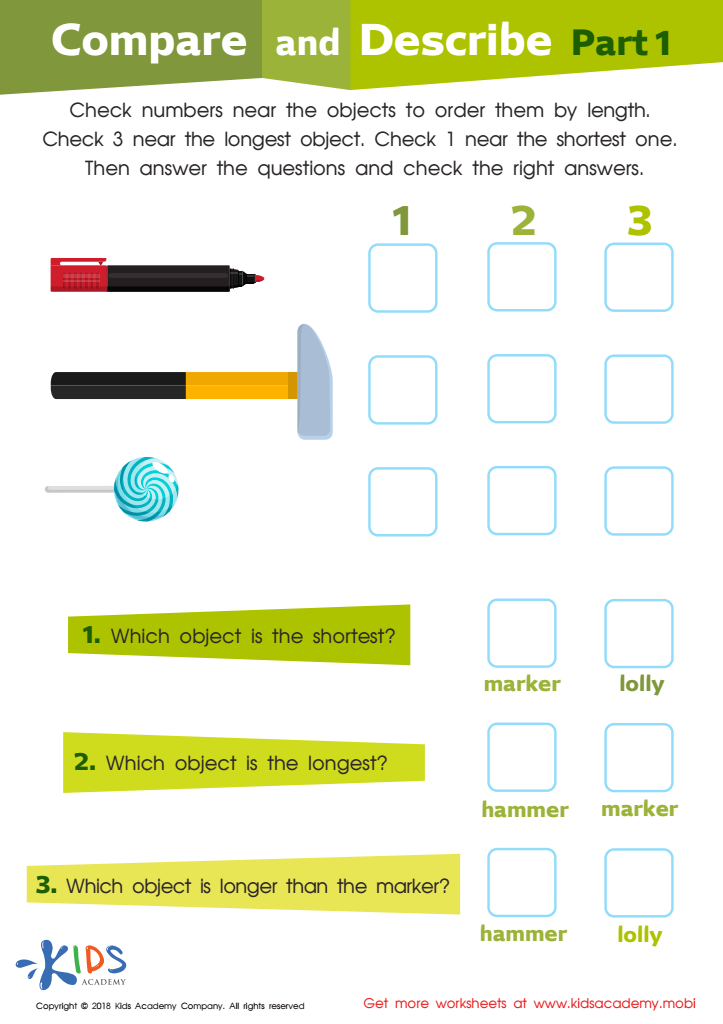
Compare and Describe: Part 1 Worksheet
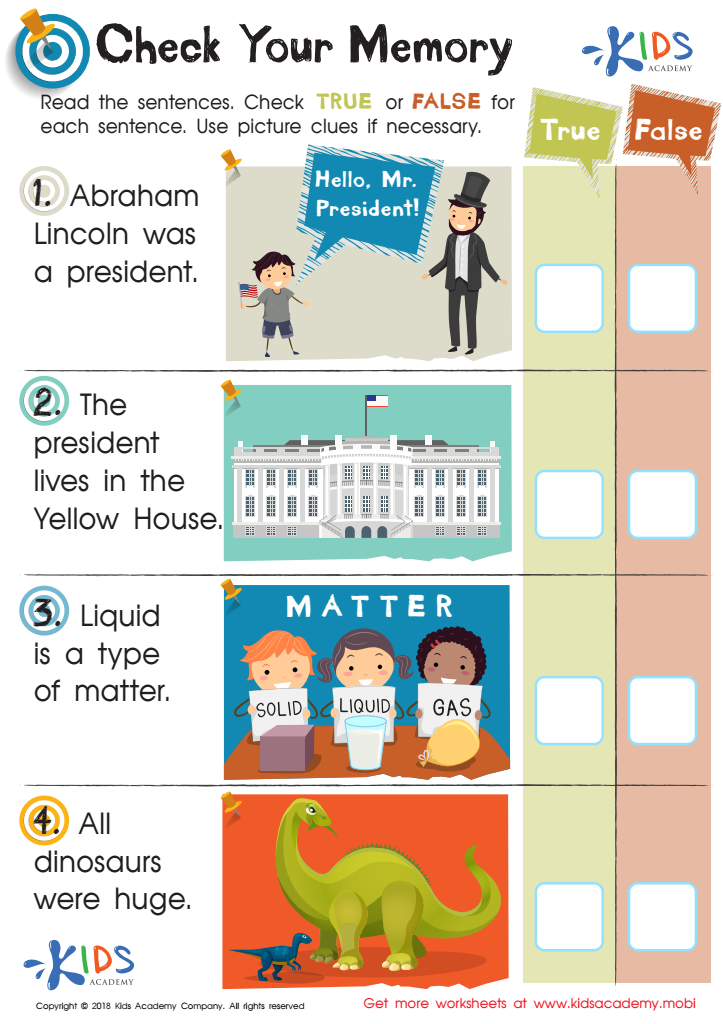
Check Memory Worksheet








Shape identification is a foundational skill for children aged 5 to 9, crucial for their cognitive development and daily life skills. Teaching children to identify shapes promotes spatial awareness, a critical component in subjects such as geometry and mathematics. When kids can recognize and differentiate shapes, they build the ability to analyze and categorize their world, enhancing critical thinking skills.
Moreover, shape identification serves as a stepping stone for more complex concepts in science, arts, and everyday problem-solving. For example, understanding shapes helps children in constructing models in science and creating art projects, thereby fostering creativity.
Additionally, early childhood is a prime time for learning through play. Engaging activities around shapes can stimulate children's imaginations and encourage collaboration with peers. Additionally, as children identify shapes in their environment, they develop language skills by learning to describe and communicate their observations.
Parents and teachers who focus on this area foster not just academic skills but also social, emotional, and physical development. Consequently, highlighting the importance of shape identification sets children on a trajectory for lifelong learning and success in multiple areas. By investing time and resources in this fundamental aspect of early education, adults play a vital role in children’s holistic development.








