Fine Motor Skills Easy Numbers Worksheets for Ages 5-9 - Page 2
29 filtered results
-
From - To
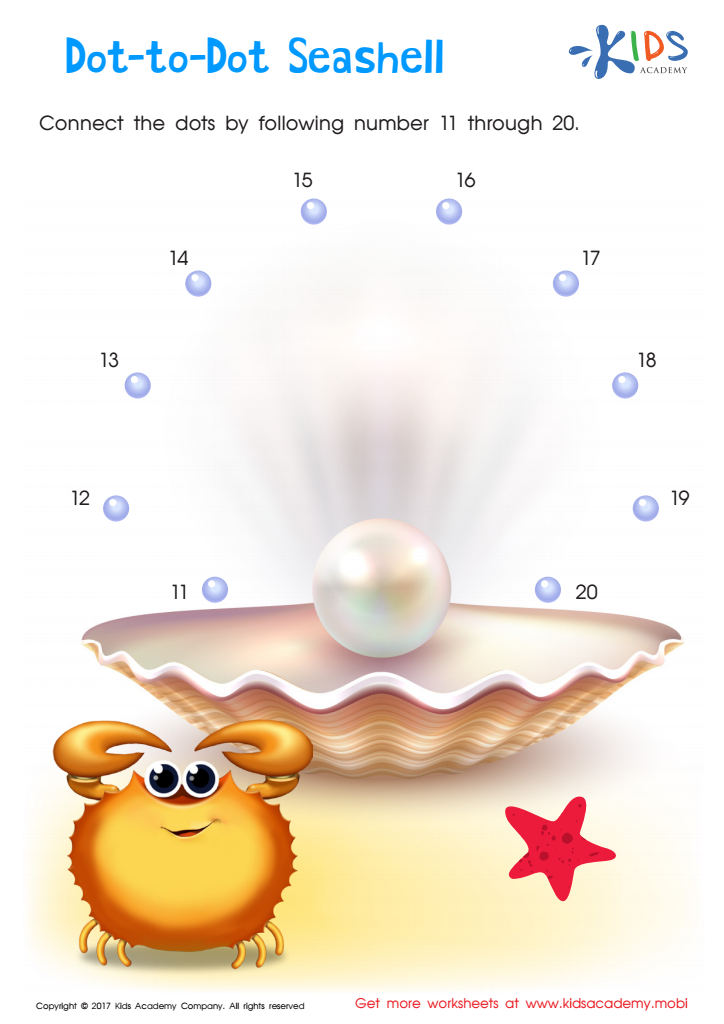
Ordering 11–20: Dot–to–dot Seashell Printable
 Assign to My Students
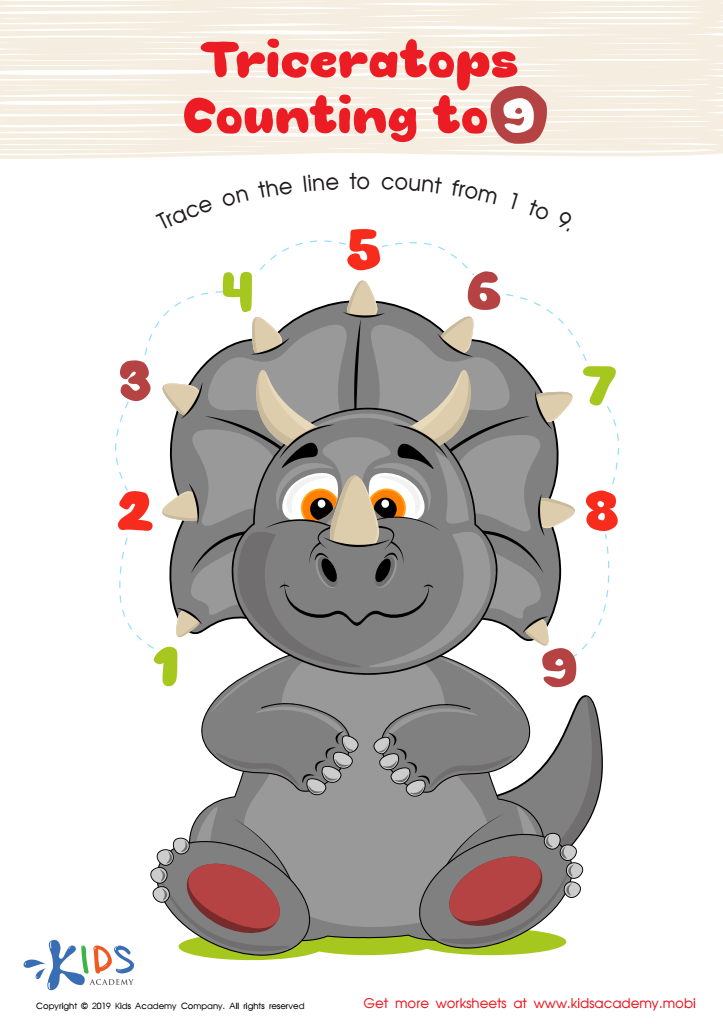
Triceratops Counting to 9 Worksheet

Counting on the City Skyline: Dot-to-Dot Worksheet
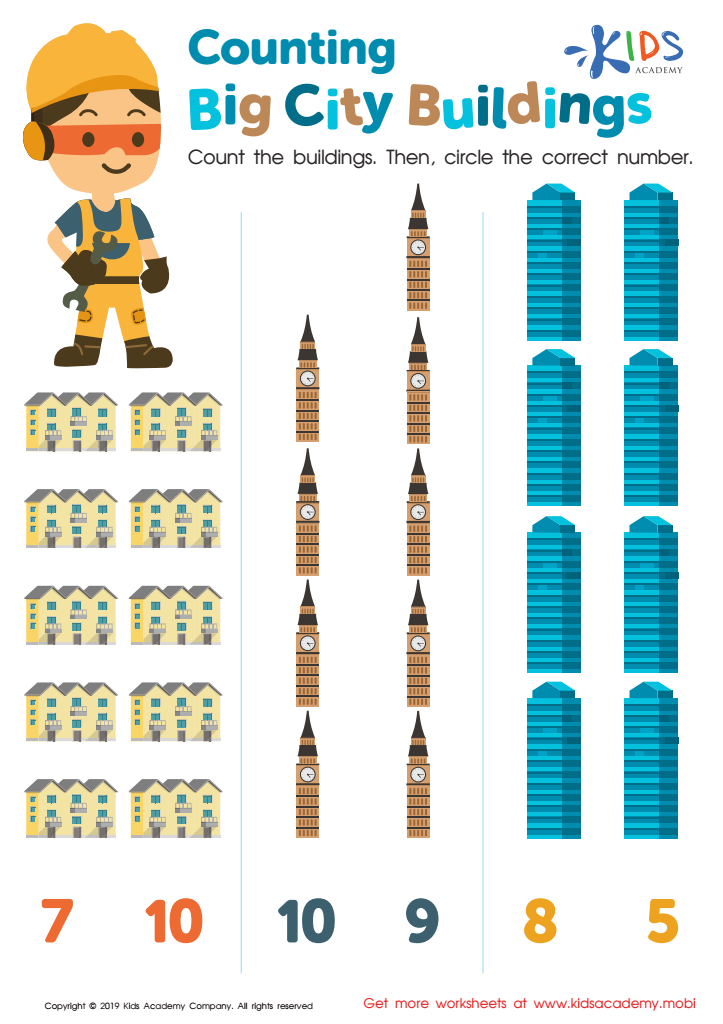
Counting Big City Buildings Worksheet

Night Sky Numbers Worksheet








Fine motor skills are essential for children aged 5-9 as they significantly influence their ability to engage in daily activities and academic tasks. These skills involve the coordination of small muscles, particularly in the hands and fingers, which are crucial for tasks such as writing, drawing, and using scissors. For parents and teachers, nurturing these skills in young learners is vital because they serve as a foundation for more complex tasks later on.
Developing fine motor skills directly impacts a child’s proficiency in school-related tasks, including handwriting and craft activities, which are integral to a well-rounded education. As children hone these skills, they experience increased confidence and independence, both academically and socially. This can foster a positive attitude towards learning and self-expression.
Moreover, engaging activities that enhance fine motor skills—like drawing, sculpting, or playing with building blocks—can strengthen hand-eye coordination and concentration. These skills not only benefit children in their formative years but also facilitate critical life skills as they grow. Ultimately, parents and teachers should prioritize fine motor development, as it plays a pivotal role in a child's overall growth, learning journey, and everyday functioning.








