Easy Word Problems Worksheets for Ages 5-9 - Page 2
44 filtered results
-
From - To
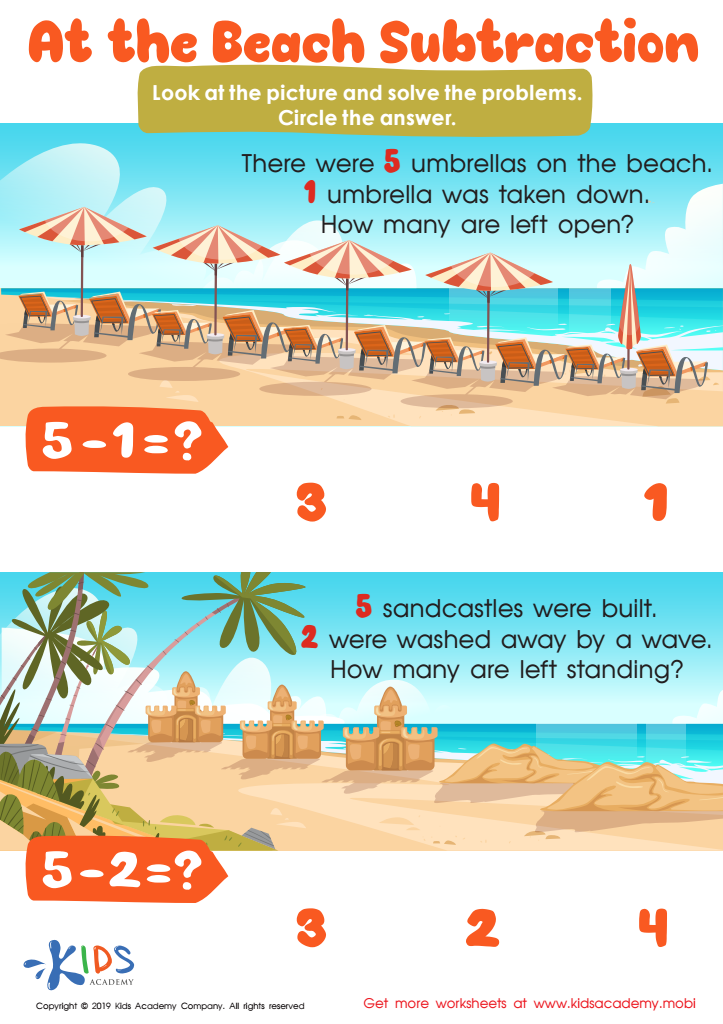
At the Beach Subtraction Worksheet
 Assign to My Students
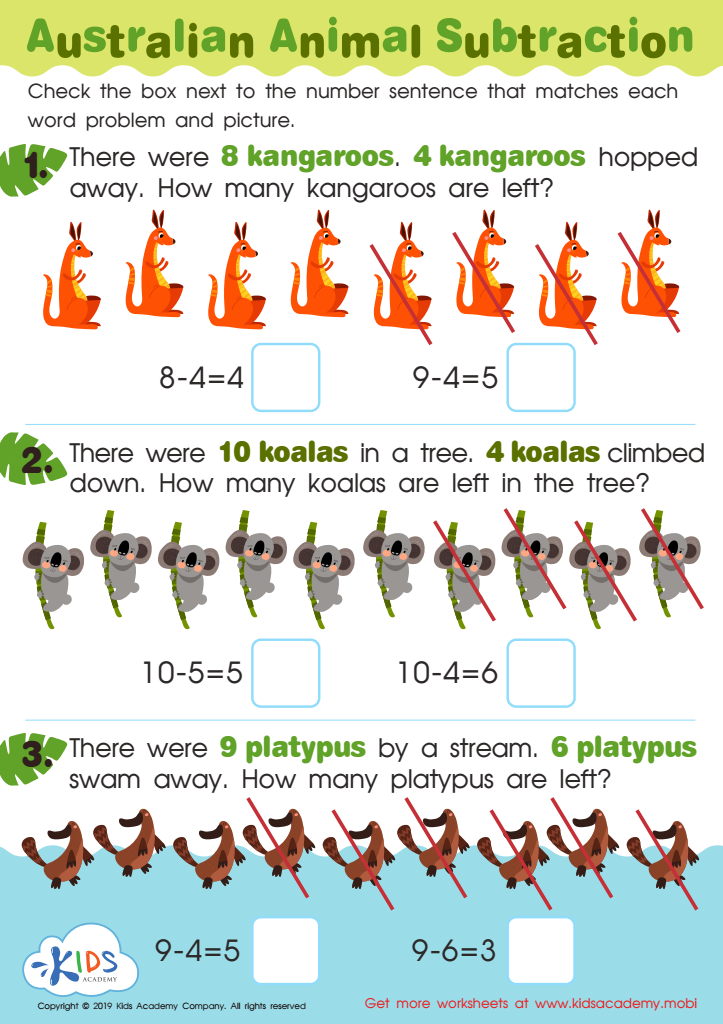
Australian Animal Subtraction Worksheet
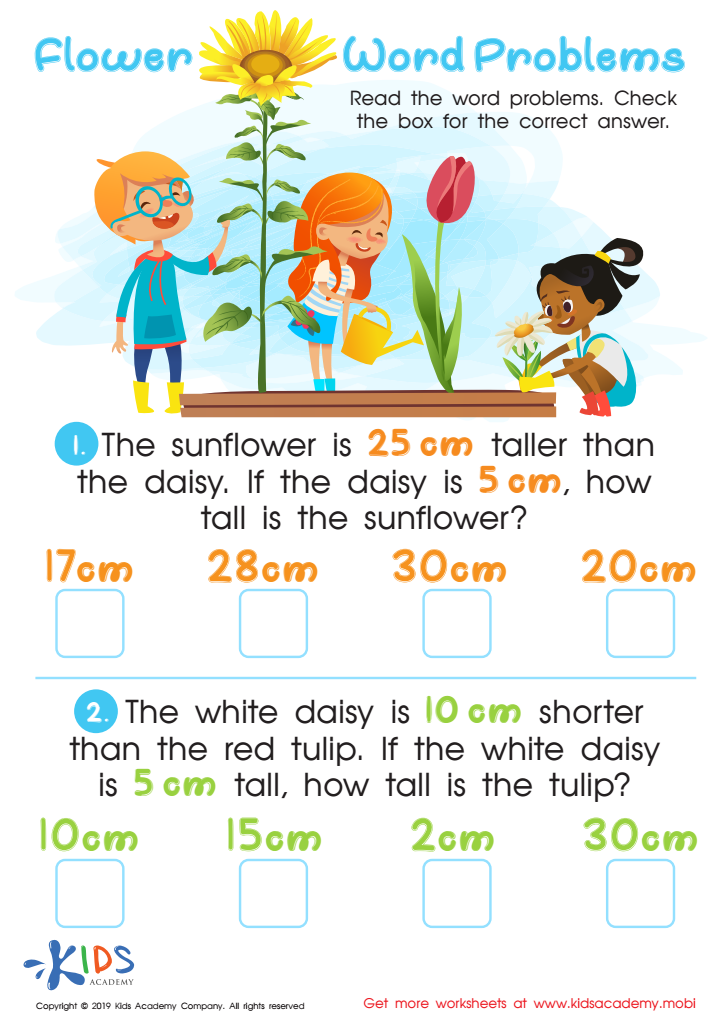
Flower Word Problems Worksheet
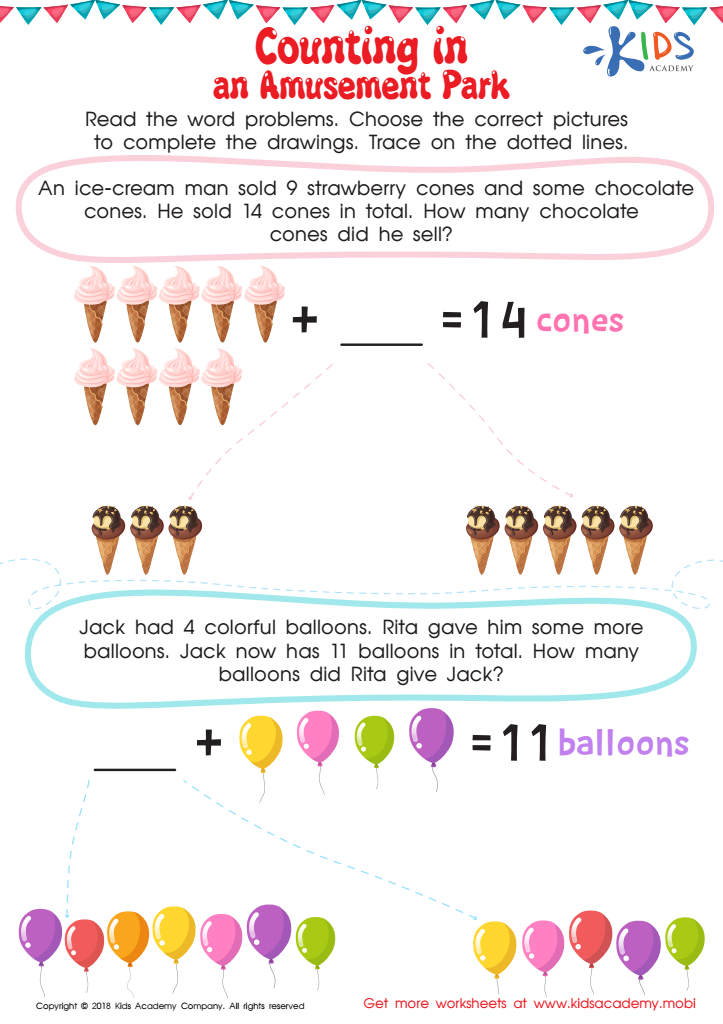
Counting in an Amusement Park Worksheet
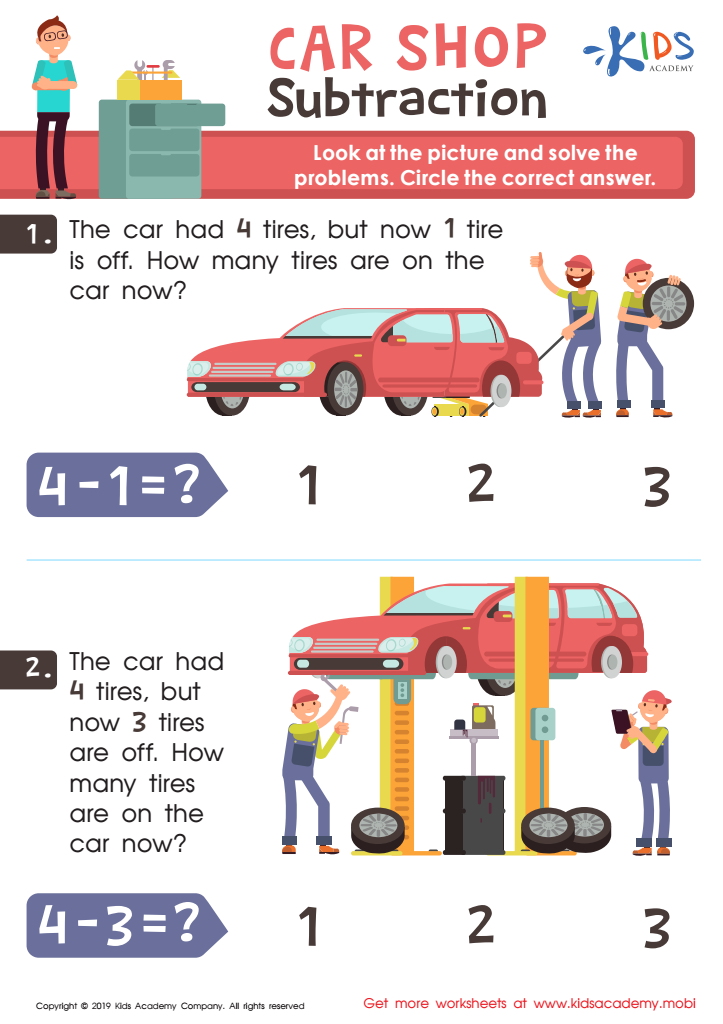
Car Shop Subtraction Worksheet
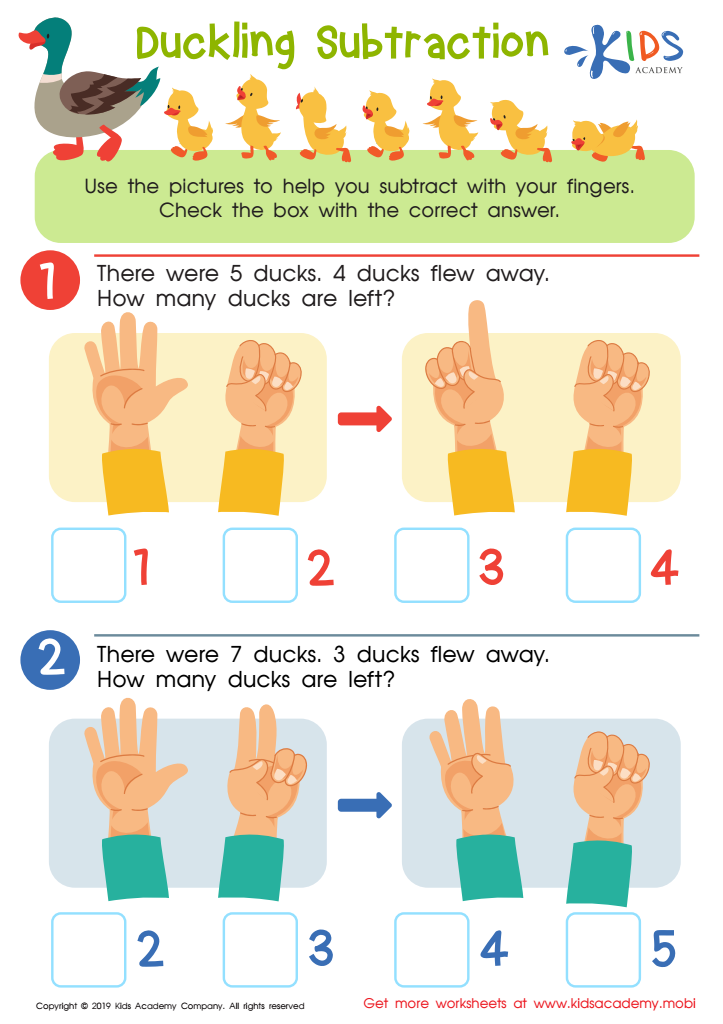
Duckling Subtraction Worksheet
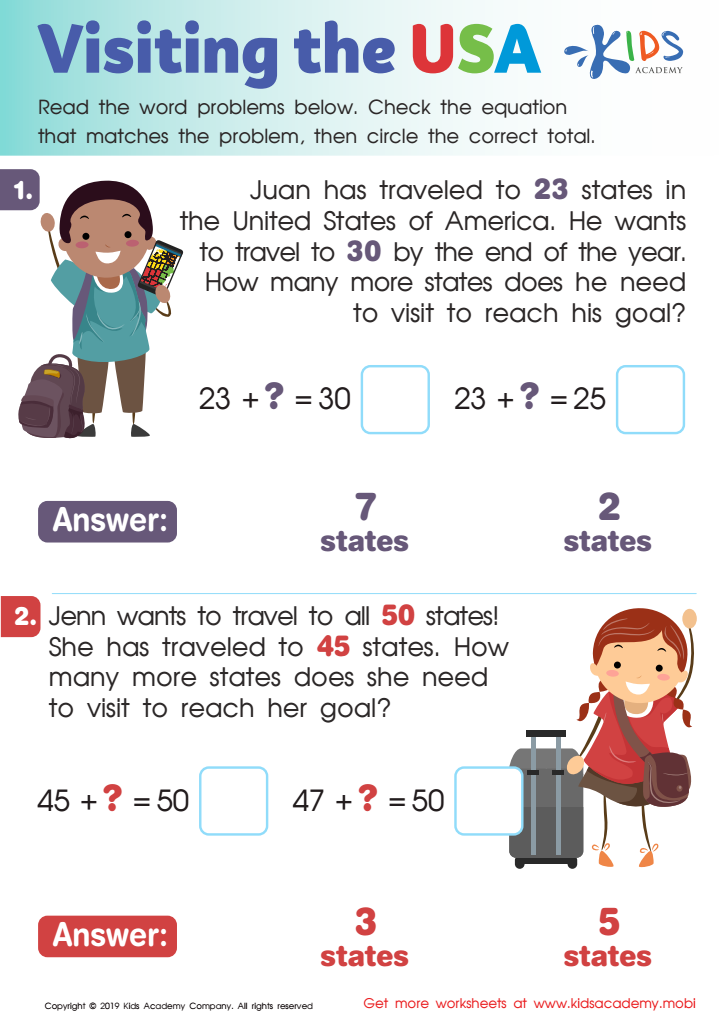
Visiting the USA Worksheet
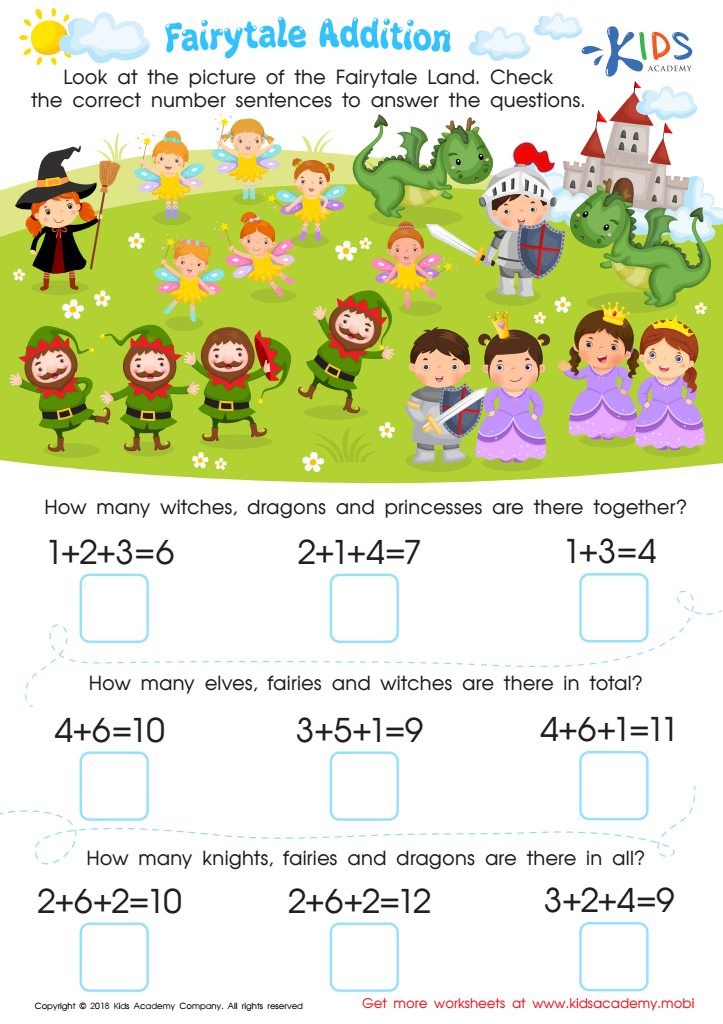
Fairytale Addition Worksheet
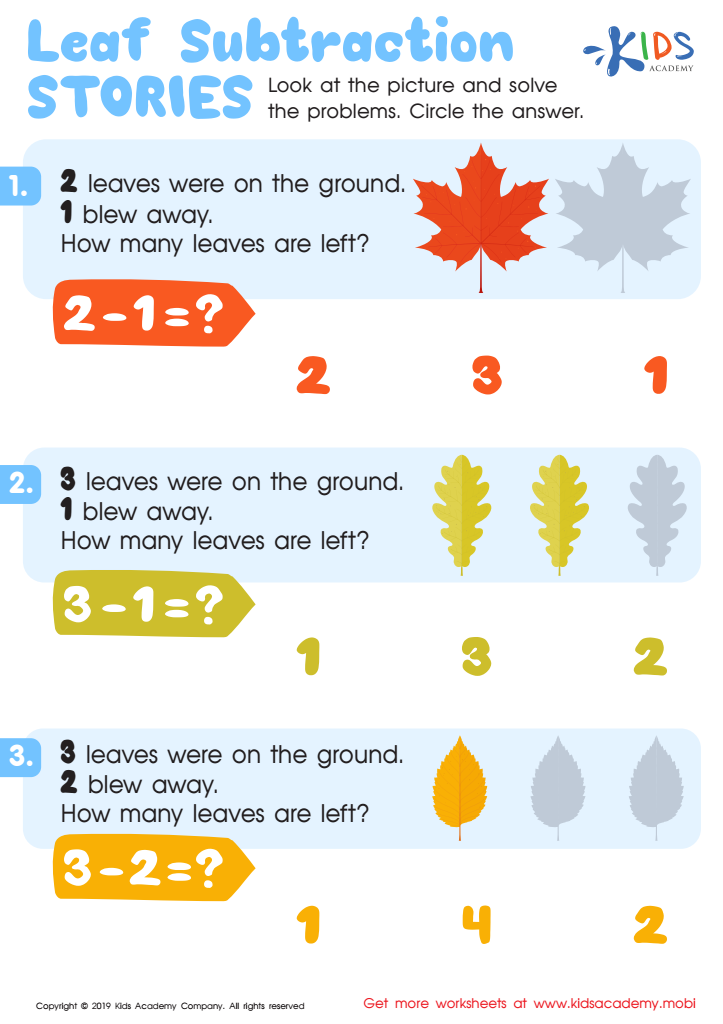
Leaf Subtraction Stories Worksheet
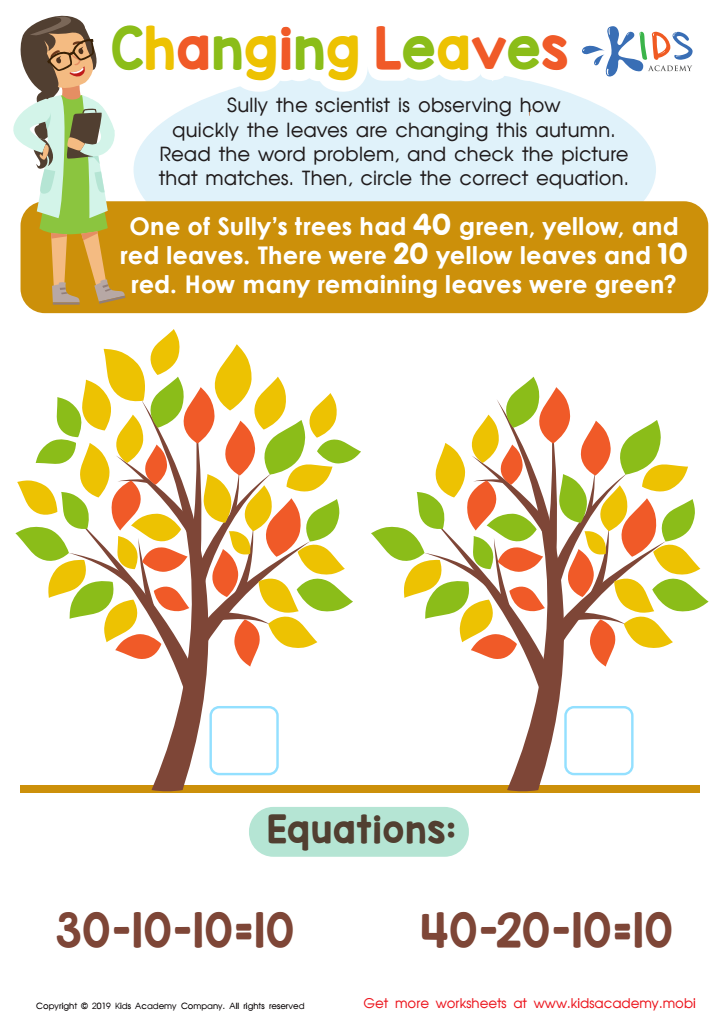
Changing Leaves Worksheet
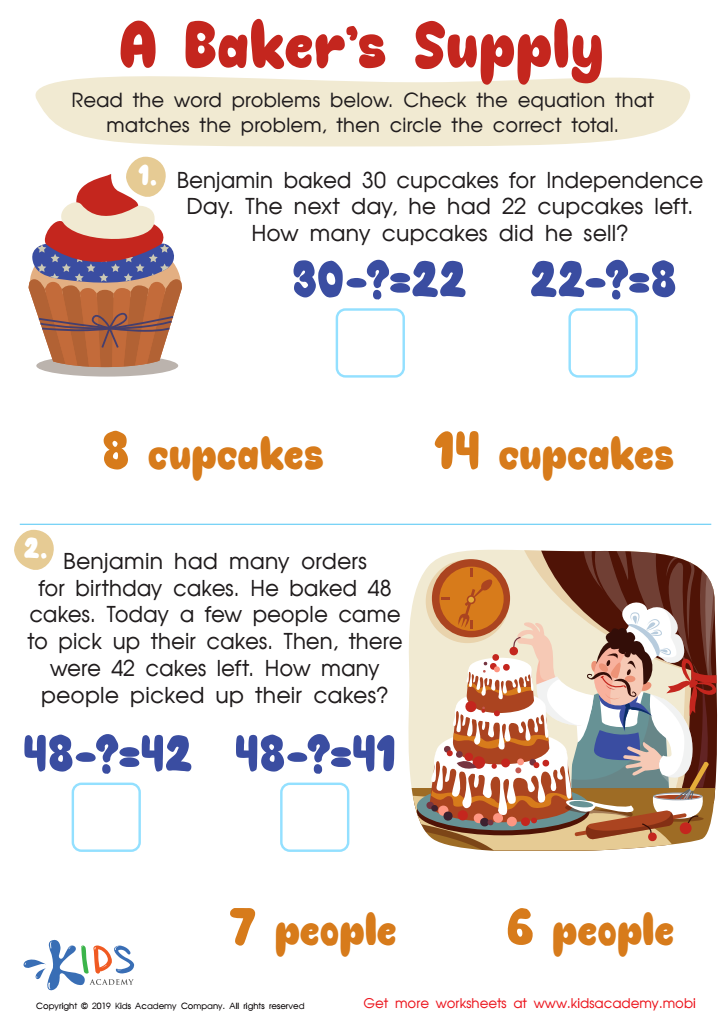
A Baker's Supply Worksheet
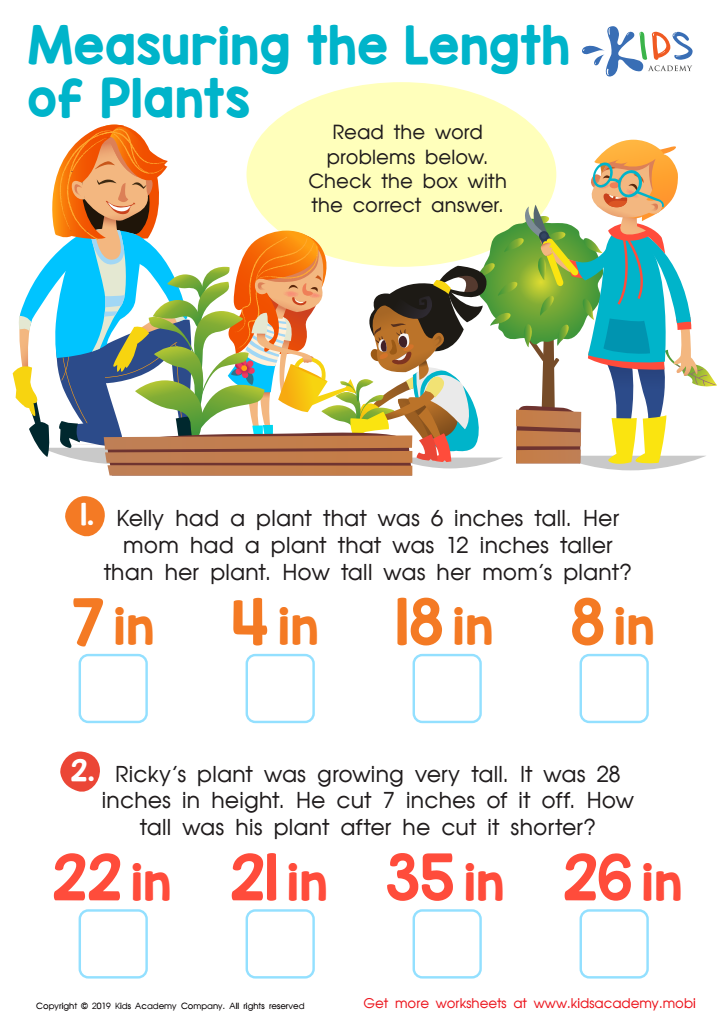
Measuring the Length of Plants Worksheet
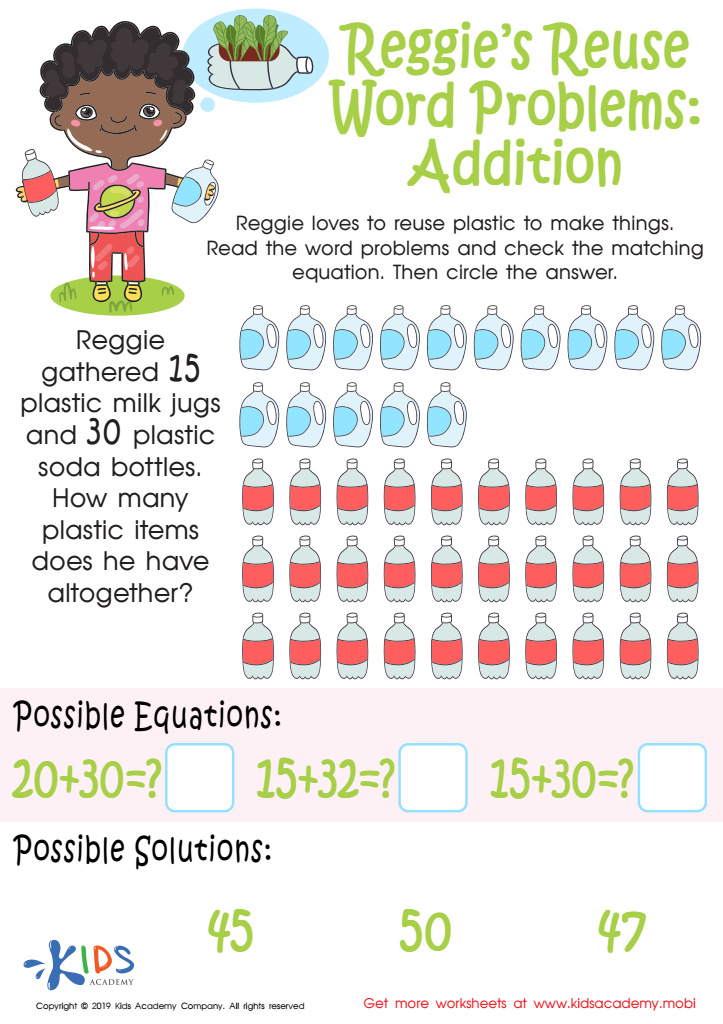
Reggie's Reuse Word Problems: Addition Worksheet
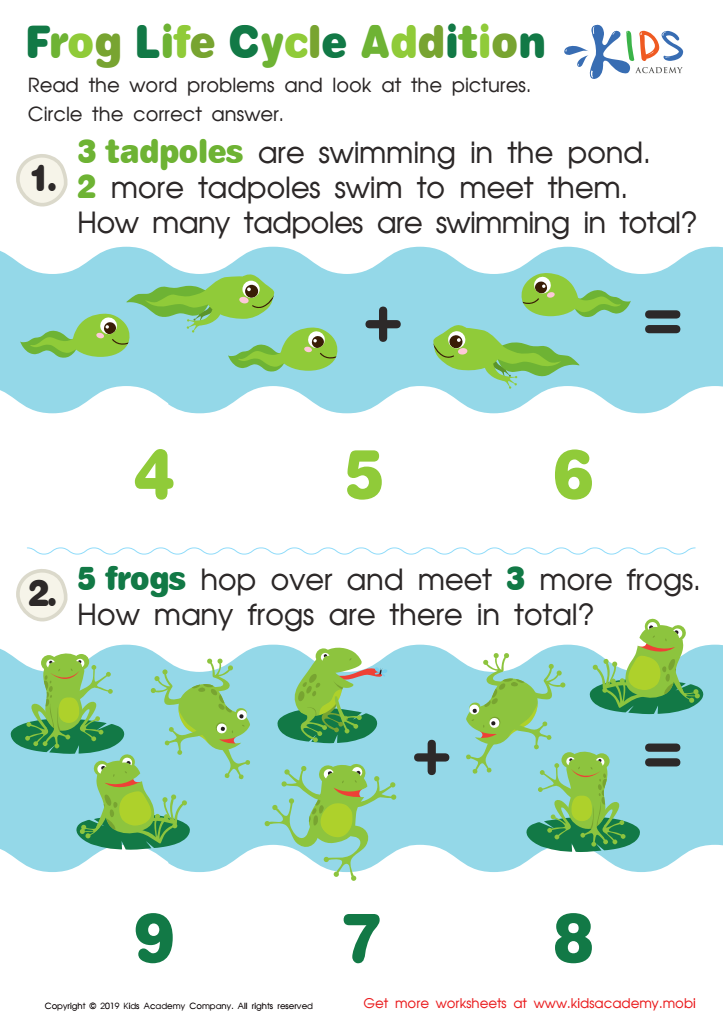
Frog Life Cycle Addition Worksheet
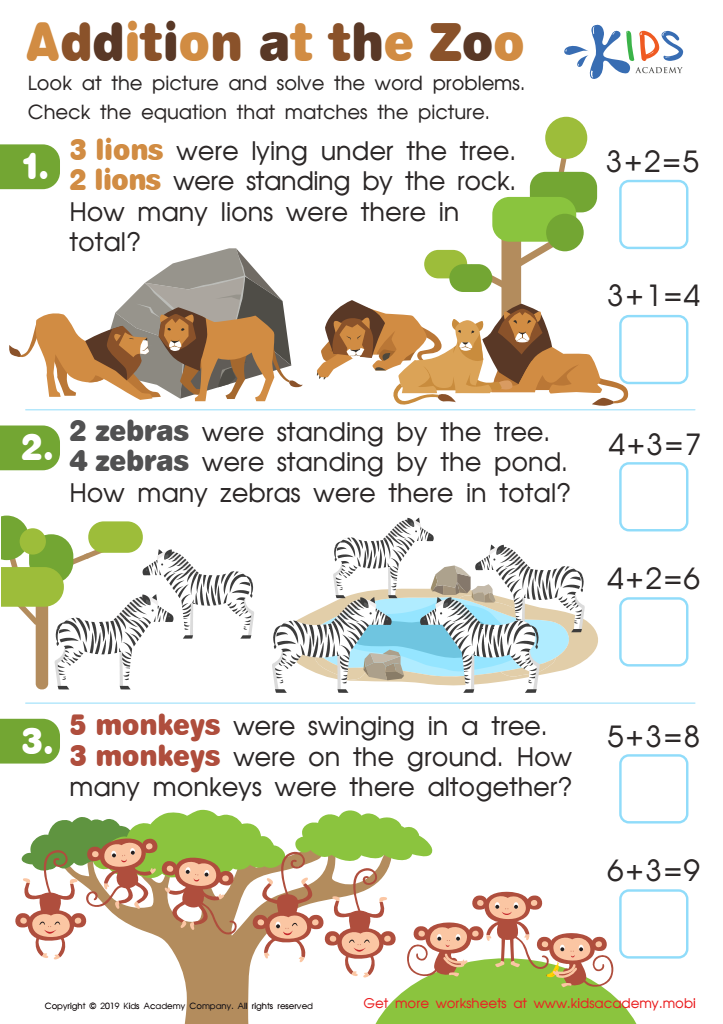
Addition at the Zoo Worksheet
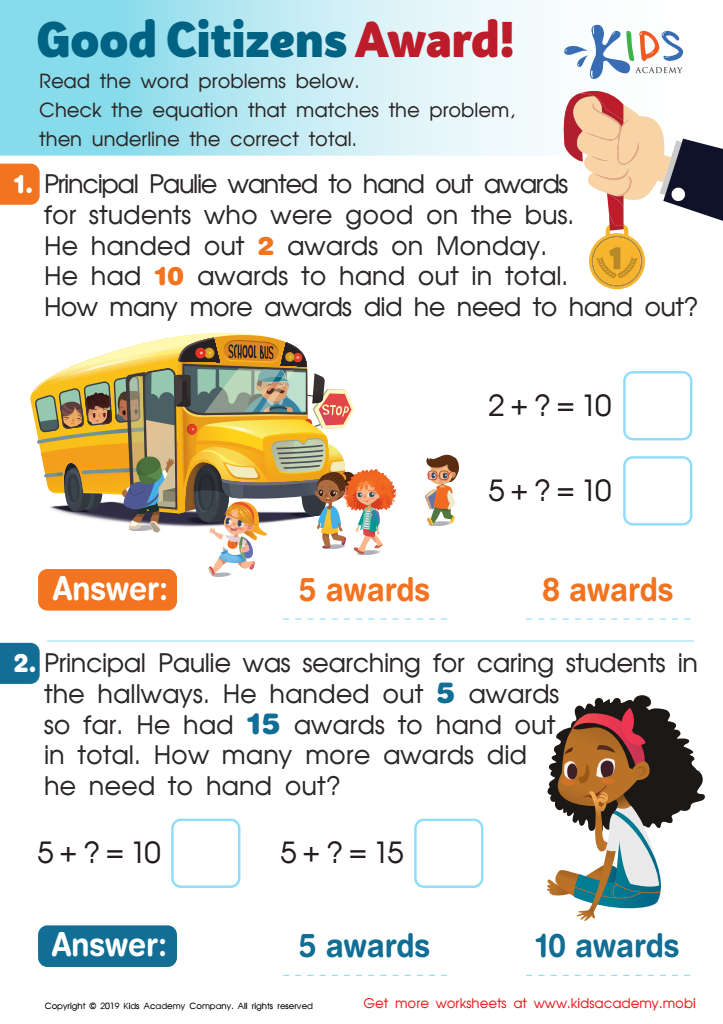
Good Citizens Award! Worksheet
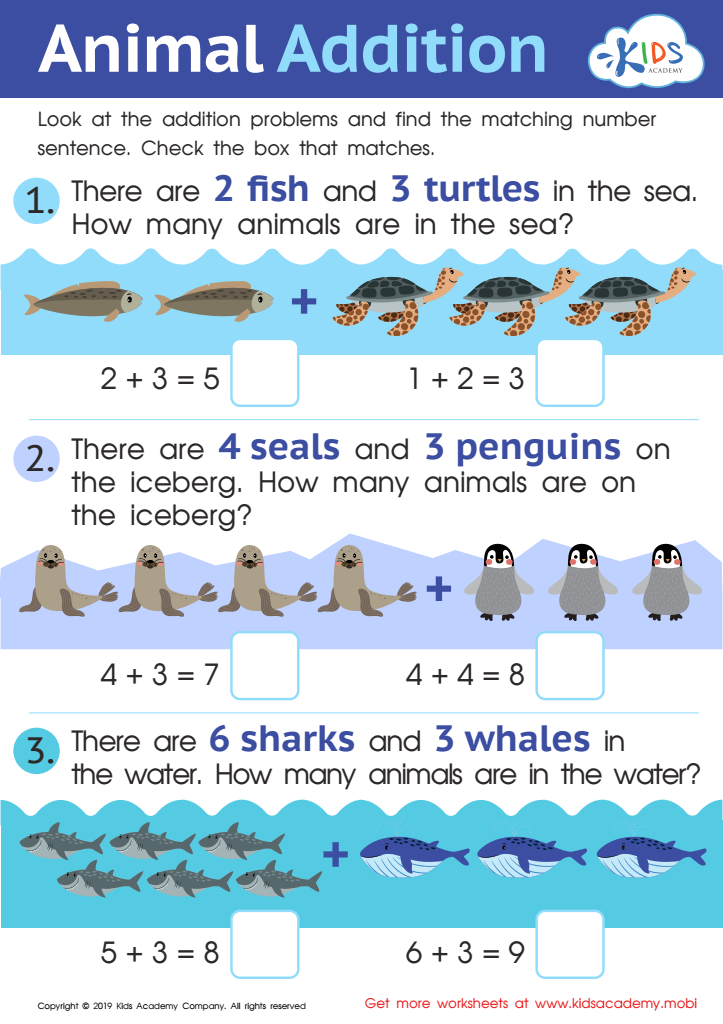
Animal Addition Worksheet
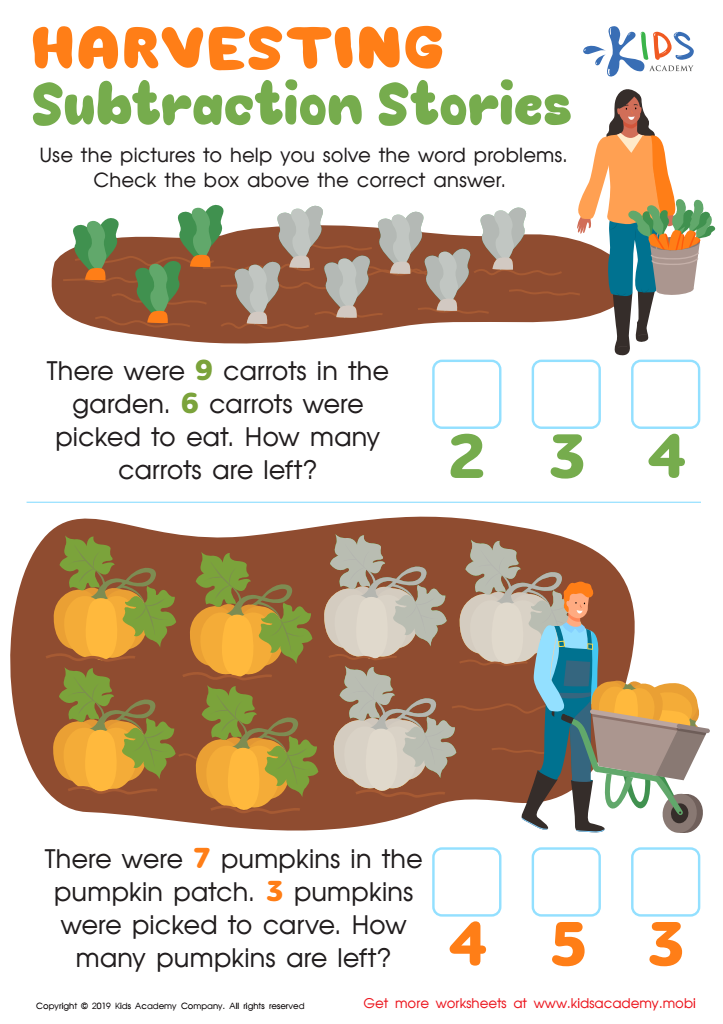
Harvesting Subtraction Stories Worksheet
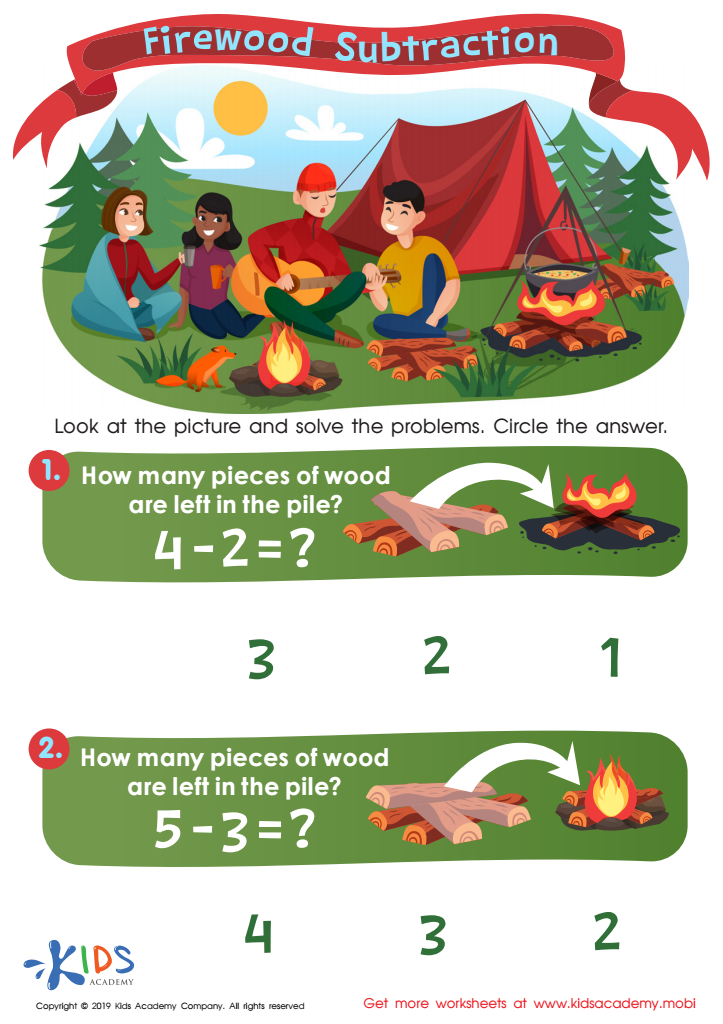
Firewood Subtraction Worksheet
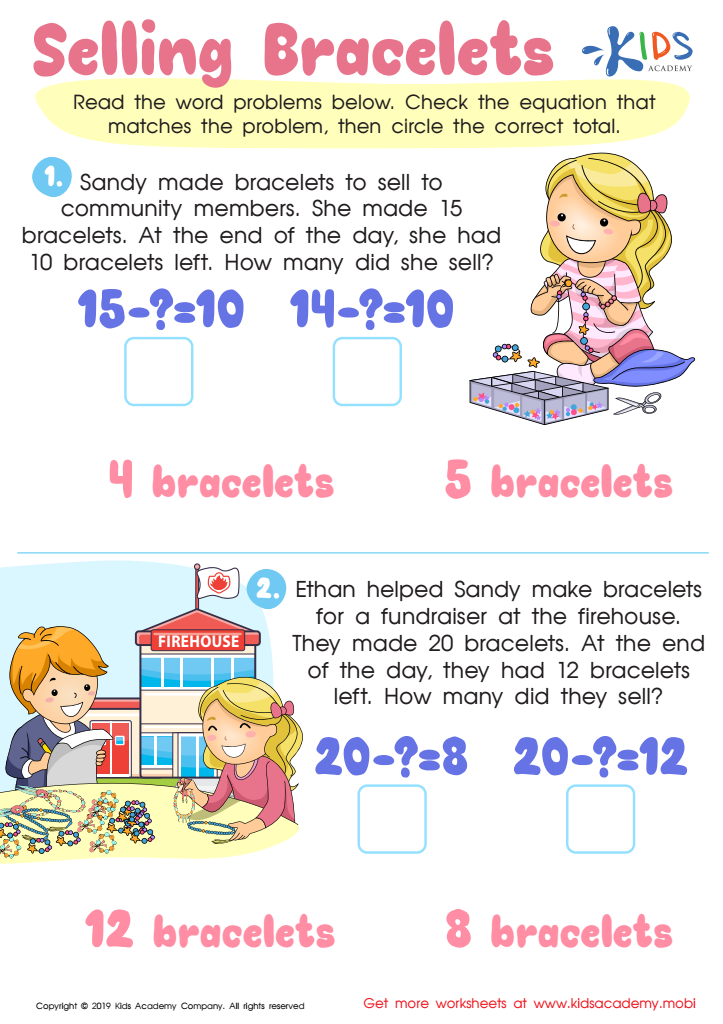
Selling the Bracelets Worksheet







.jpg)
Easy word problems are crucial for children aged 5-9 as they serve as a bridge between basic math concepts and real-world application. For parents and teachers, understanding the importance of these problems is essential for nurturing young minds. Firstly, word problems engage critical thinking and problem-solving skills, essential for developing a strong mathematical foundation. At this age, children are learning to translate words into numbers, and this skill sets the stage for future complex mathematical concepts.
Additionally, easy word problems promote language development. Children are required to read and comprehend the text, honing their vocabulary and reading skills while applying them in a mathematical context. This dual learning enhances cognitive flexibility, enabling children to switch between different types of thinking and understanding.
Moreover, practical scenarios in word problems make math relatable and fun, sparking children’s interest in math and reducing math anxiety. It encourages collaboration when solving problems with friends or family, fostering social skills.
For these reasons, prioritizing easy word problems in early education helps ensure that children not only learn math but also develop essential life skills, making it an invaluable aspect of their academic journey. Ultimately, developing these foundational skills will serve them positively as they progress in their education.








