Basic counting skills Easy Worksheets for Ages 6-7
6 filtered results
-
From - To
Unlock your child's math potential with our "Basic Counting Skills Easy Worksheets" designed for ages 6-7! These engaging, interactive worksheets provide a fun, structured approach to help young learners master counting concepts. Featuring colorful illustrations and appealing activities, they enhance number recognition and improve counting abilities. Ideal for homeschooling or classroom use, our worksheets cater to various learning styles, ensuring every child can progress at their own pace. Explore a variety of themes and exercises, from counting objects to simple addition, and foster a love for math in your child. Start counting success today with our easy-to-use resources!
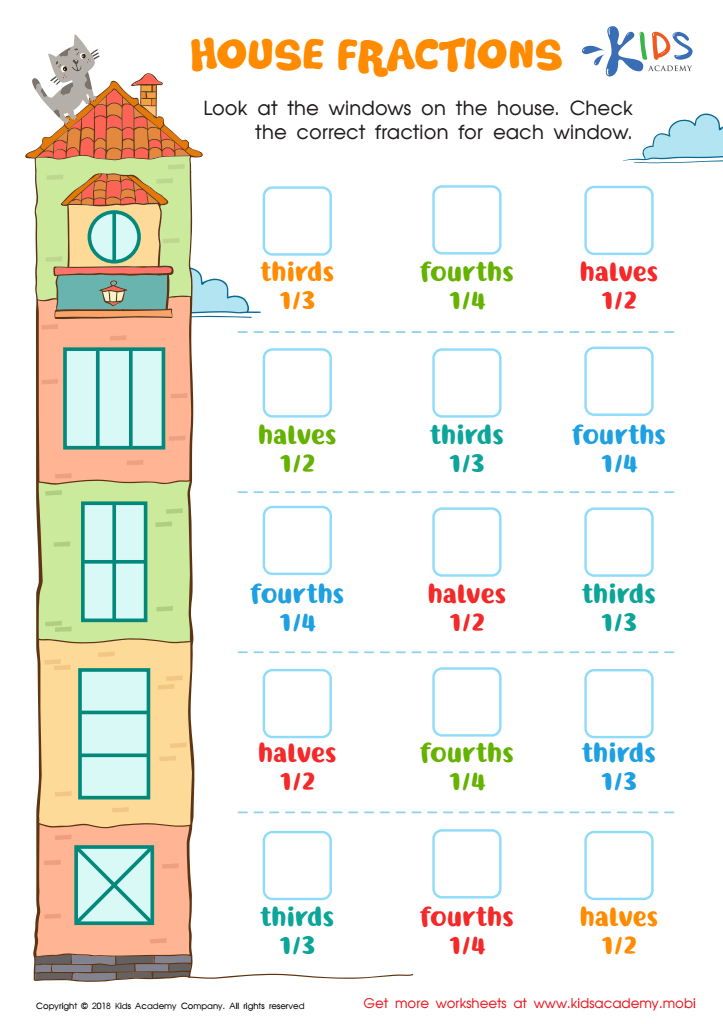
House Fractions Worksheet
 Assign to My Students
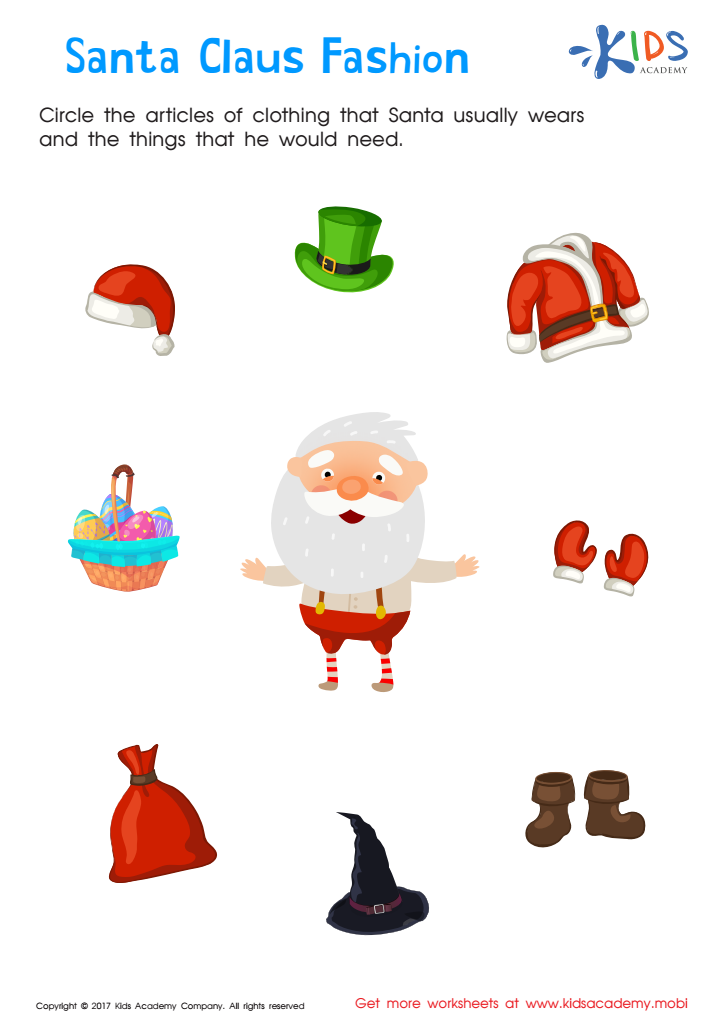
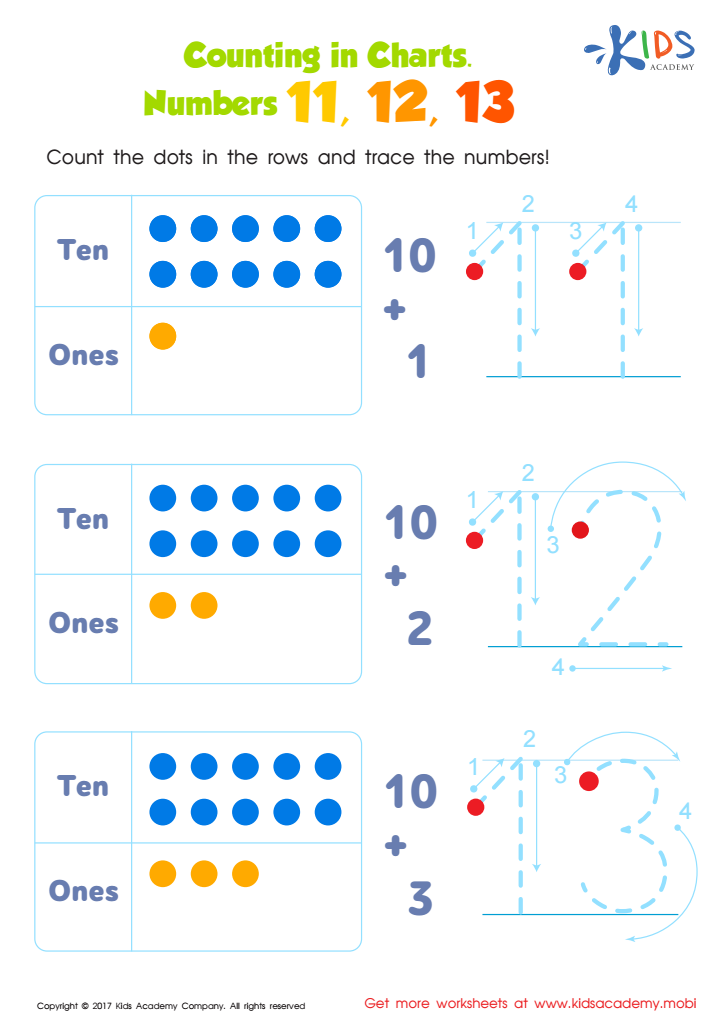
Number Tracing Worksheet For Kindergarten
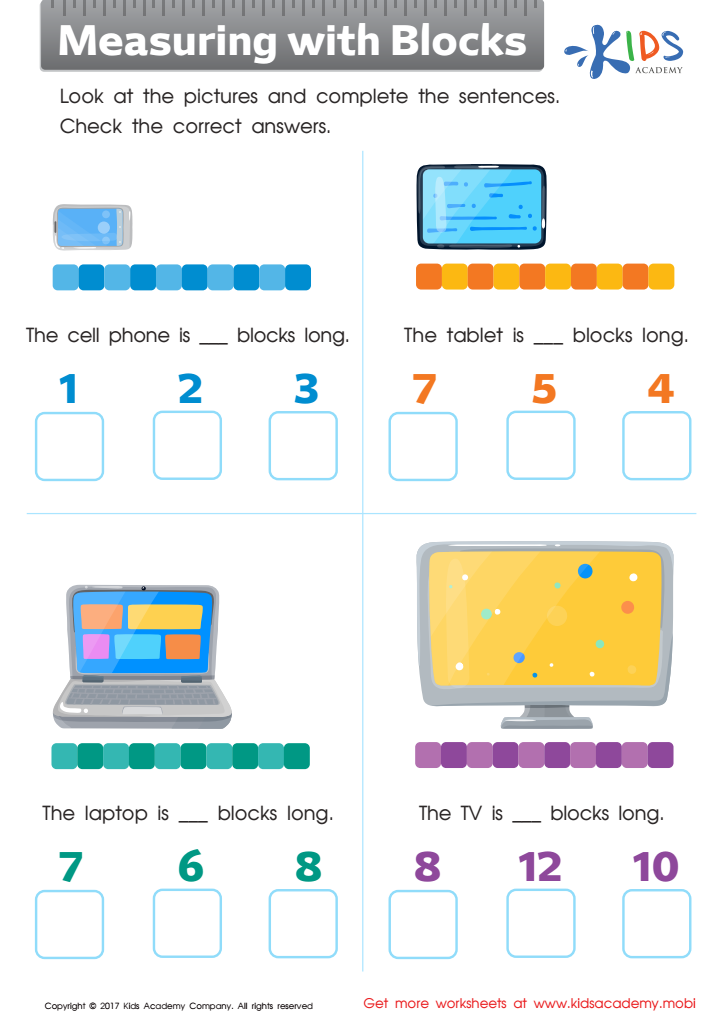
Measuring with Blocks Worksheet
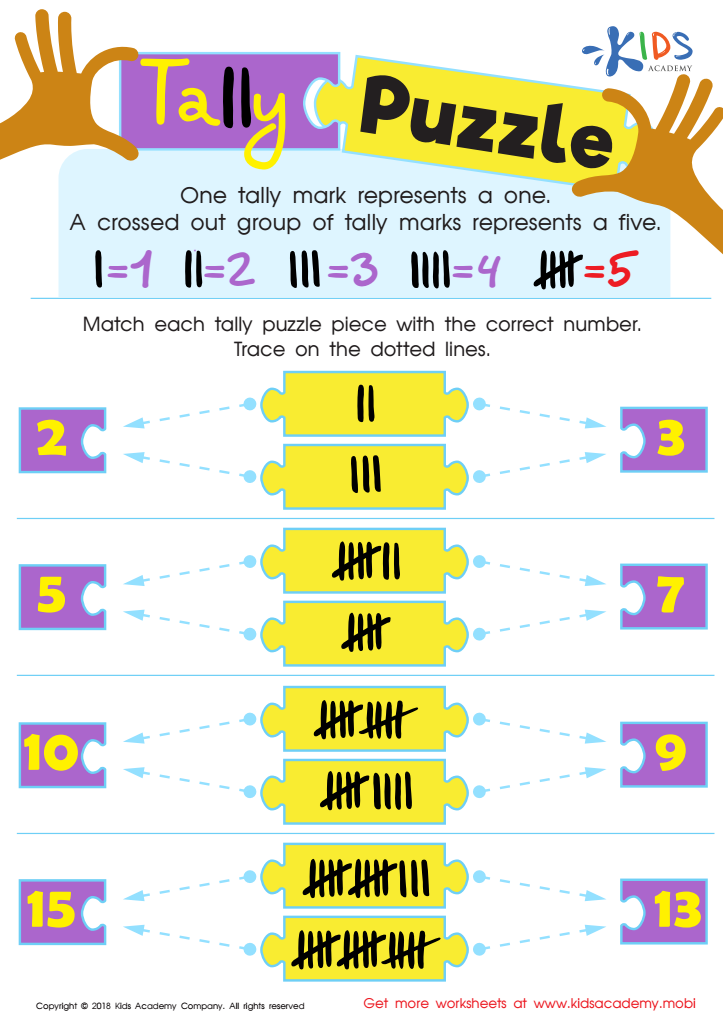
Tally Puzzle Worksheet
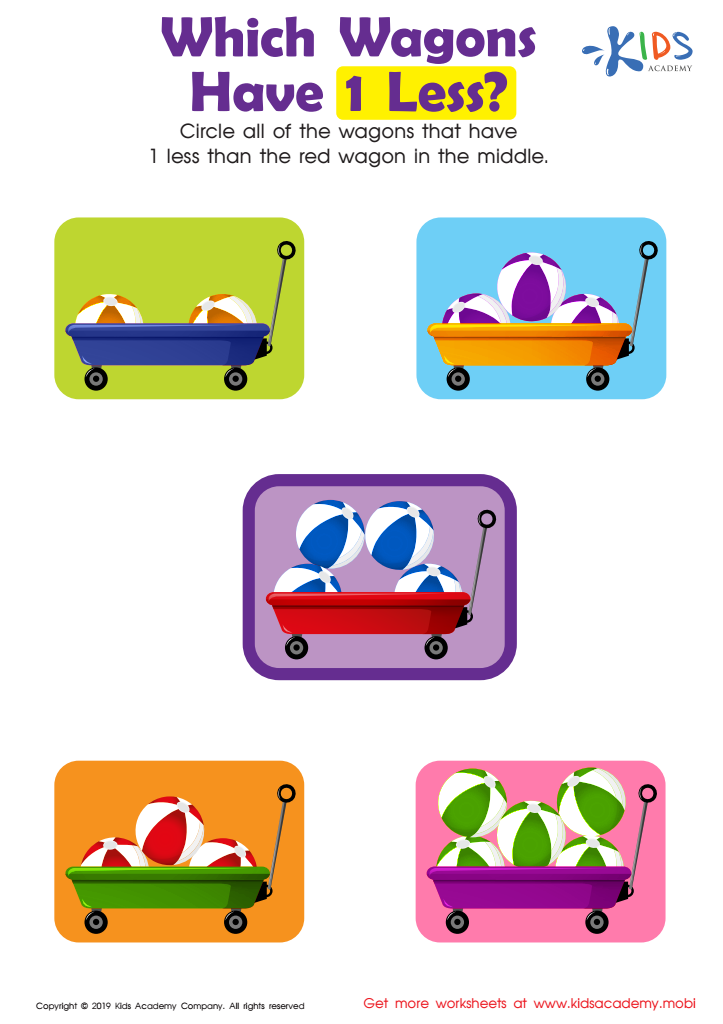
Which Wagons Have 1 Less? Worksheet







Basic counting skills are foundational for children aged 6-7, and it's crucial for both parents and teachers to emphasize their importance. At this developmental stage, children are not only learning numerical recognition but are also building the cognitive skills necessary for problem-solving, logical reasoning, and mathematical fluency. Mastering counting helps young learners develop a strong number sense, which is essential for understanding more complex concepts they will encounter later in their education.
Moreover, counting serves as a bridge between everyday activities and formal education. It enhances a child’s ability to measure, compare, and organize information, skills that are valuable in various subjects beyond math, including science and literacy. For instance, when children count objects, they are engaging in early stages of addition and subtraction, critical for later success in math.
In addition, counting can be a fun and engaging activity that fosters a sense of accomplishment and confidence in a child’s abilities. By encouraging counting through games, songs, and real-life situations, parents and teachers can create a positive learning environment that nurtures a child’s interest in math. Ultimately, proficient counting skills set the stage for future learning and lifelong mathematical understanding.








