Understanding patterns Easy Worksheets for Ages 6-7
3 filtered results
-
From - To
Welcome to "Understanding Patterns Easy Worksheets for Ages 6-7"! This collection of engaging worksheets is designed to help young learners recognize, create, and extend patterns in a fun and interactive way. Ideal for children aged 6 to 7, these worksheets promote critical thinking and problem-solving skills through colorful visuals and easy-to-follow activities. Children will explore various types of patterns, from shapes to colors, fostering their cognitive development while enjoying the learning process. Perfect for at-home practice or classroom use, these worksheets make mastering patterns enjoyable and accessible for early learners. Start exploring the world of patterns today!
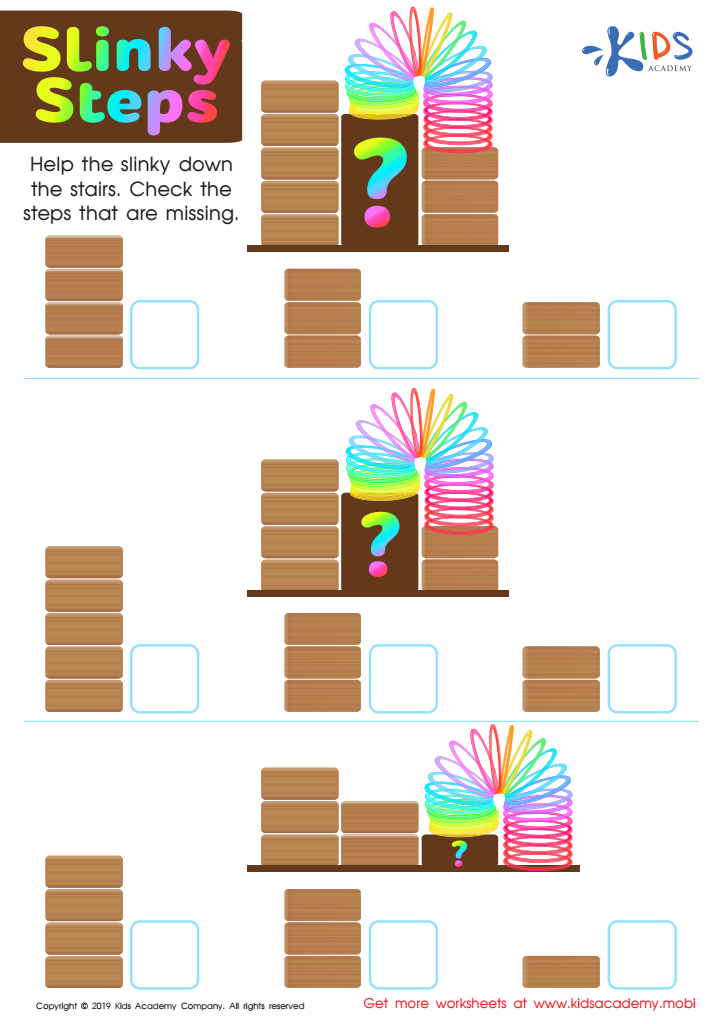
Slinky Steps Worksheet
 Assign to My Students
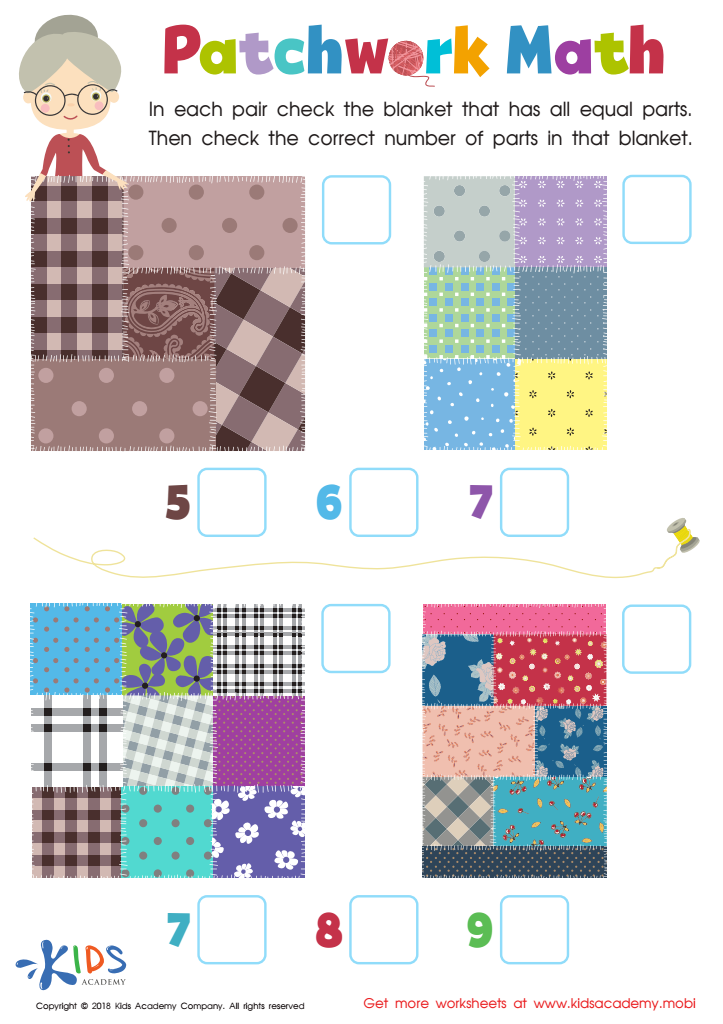
Patchwork Math Worksheet
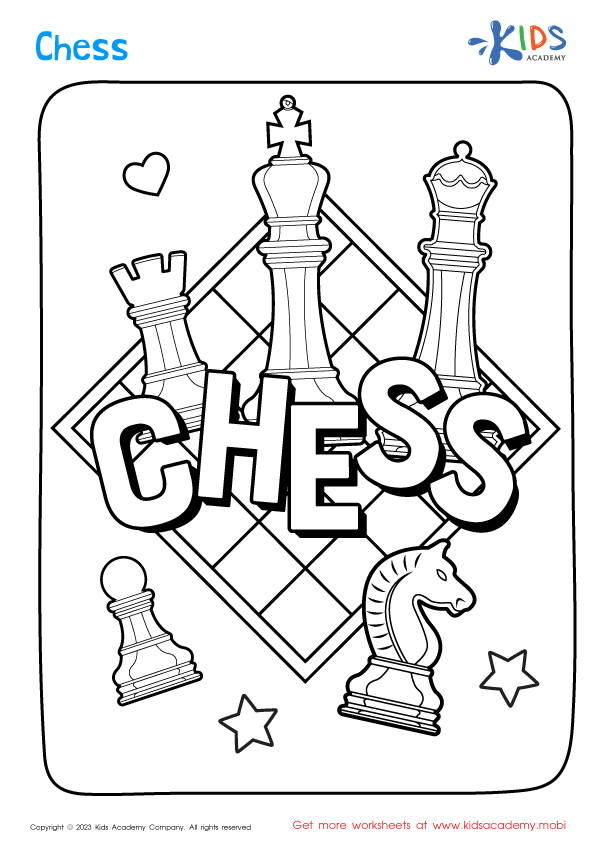


.jpg)


%20(1).jpg)

Understanding patterns is crucial for children ages 6-7 as it forms the foundation of critical thinking and problem-solving skills. Patterns can be found everywhere, from nature to art, math, and daily life, meaning they help children recognize and predict outcomes based on observed rules. For example, when children learn about patterns, they can identify sequences in numbers, shapes, or colors, which enhances their ability to categorize and make sense of the world around them.
Additionally, recognizing patterns aids in the development of early math skills. Children who understand patterns can grasp addition and subtraction more easily, as they start to see the relationships and functions of numbers. This basic skill set builds confidence and paves the way for more complex mathematics in later grades.
Furthermore, patterns encourage creativity and logical reasoning. When children create or identify patterns in art or music, they learn to express themselves while also improving their analytical skills.
Parents and teachers play a vital role in nurturing this understanding, as they can incorporate playful and engaging activities—like games and crafting—that highlight patterns in a fun way. Fostering this skill at a young age helps create a solid educational foundation for lifelong learning.








