Fine Motor Skills Easy Geometry Worksheets for Ages 6-7
9 filtered results
-
From - To
Our Fine Motor Skills Easy Geometry Worksheets for Ages 6-7 blend fun with learning to support your child's development. These specially designed activities sharpen fine motor skills through engaging geometry exercises, enhancing hand-eye coordination, precision, and control. Perfect for young learners, the worksheets feature simple shapes and patterns that gradually challenge and build confidence. As children trace, draw, and color, they not only learn geometric concepts but also improve dexterity essential for writing and other academic tasks. Ideal for home or classroom use, our worksheets ensure foundational skills are mastered easily and enjoyably. Download today and watch your child thrive!
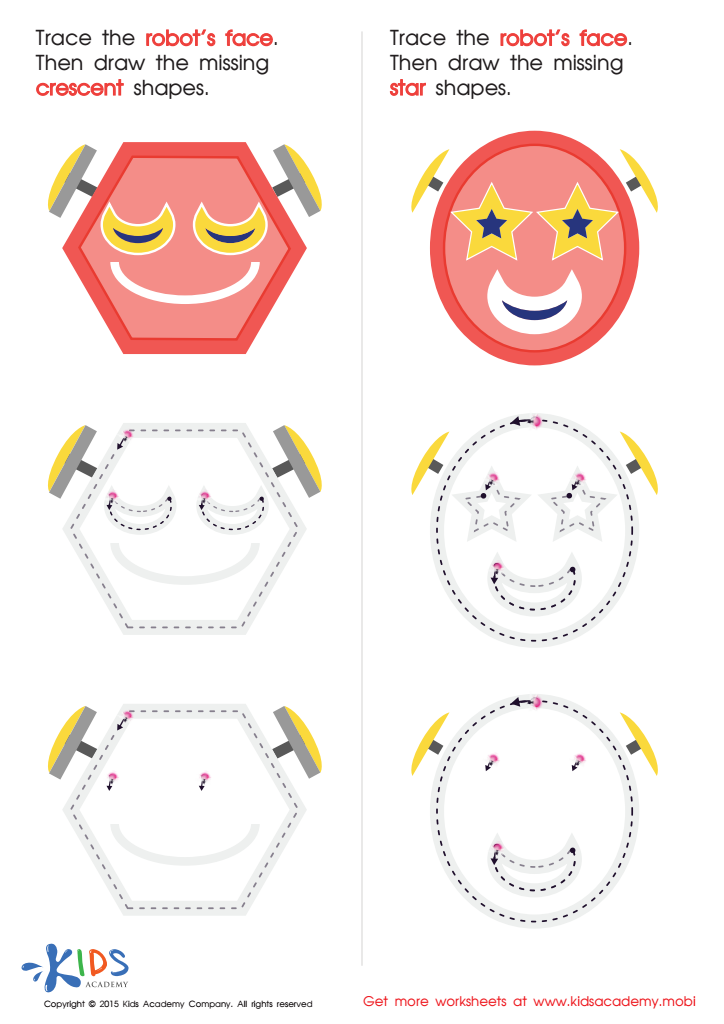
Composing a Robot's Face of Crescents And Stars Worksheet
 Assign to My Students











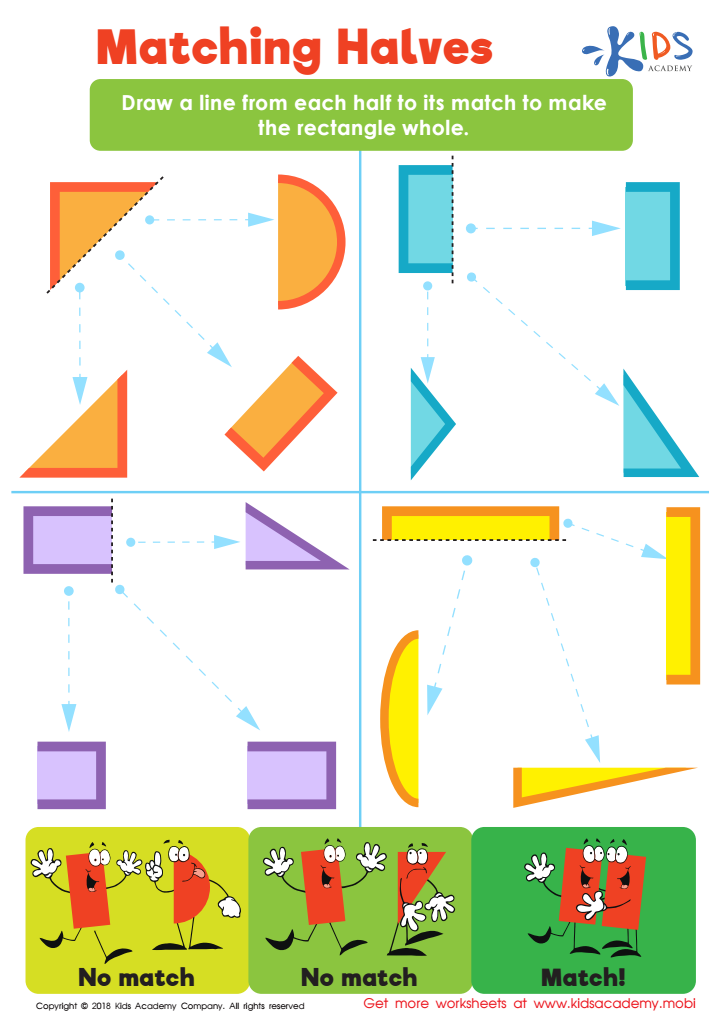
Matching Halves Worksheet
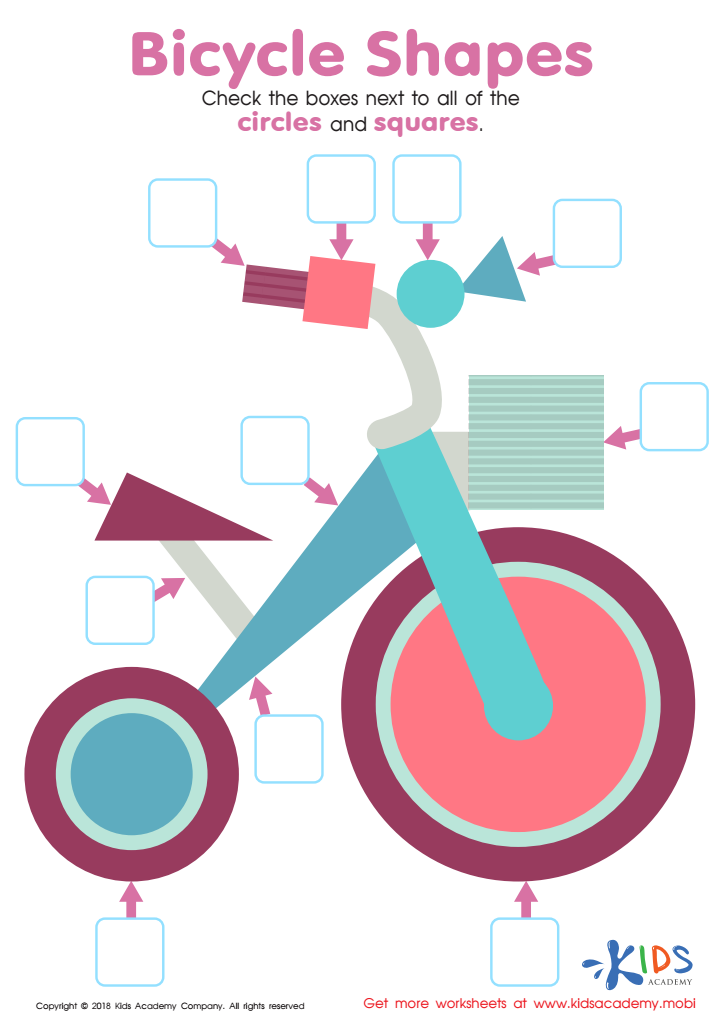
Bicycle Shapes Worksheet
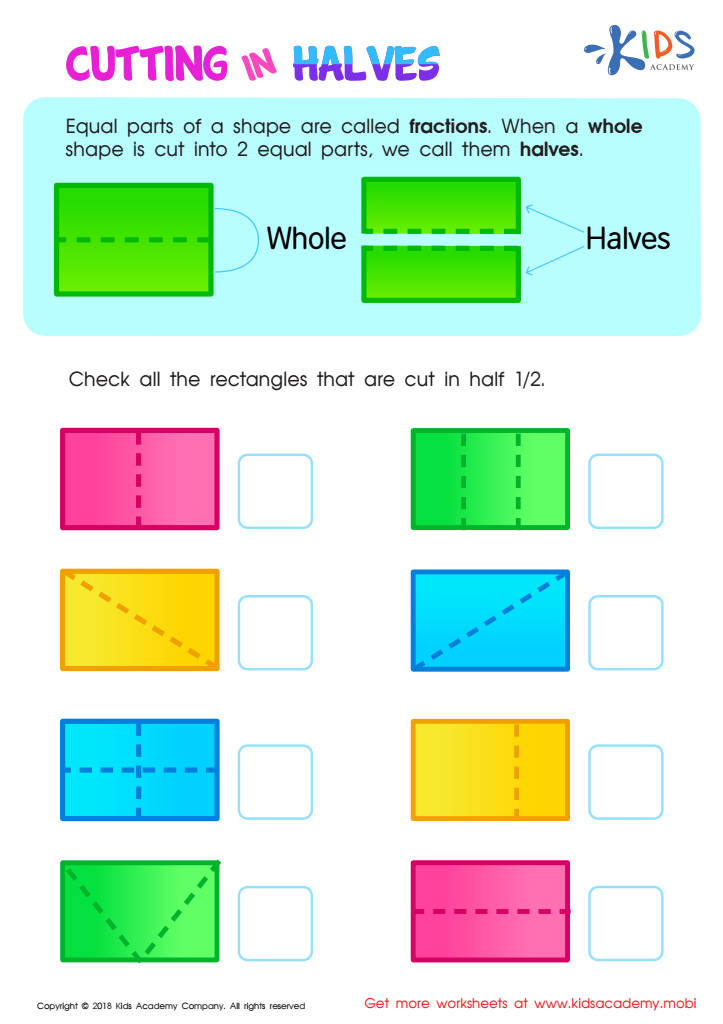
Cutting in Halves Worksheet
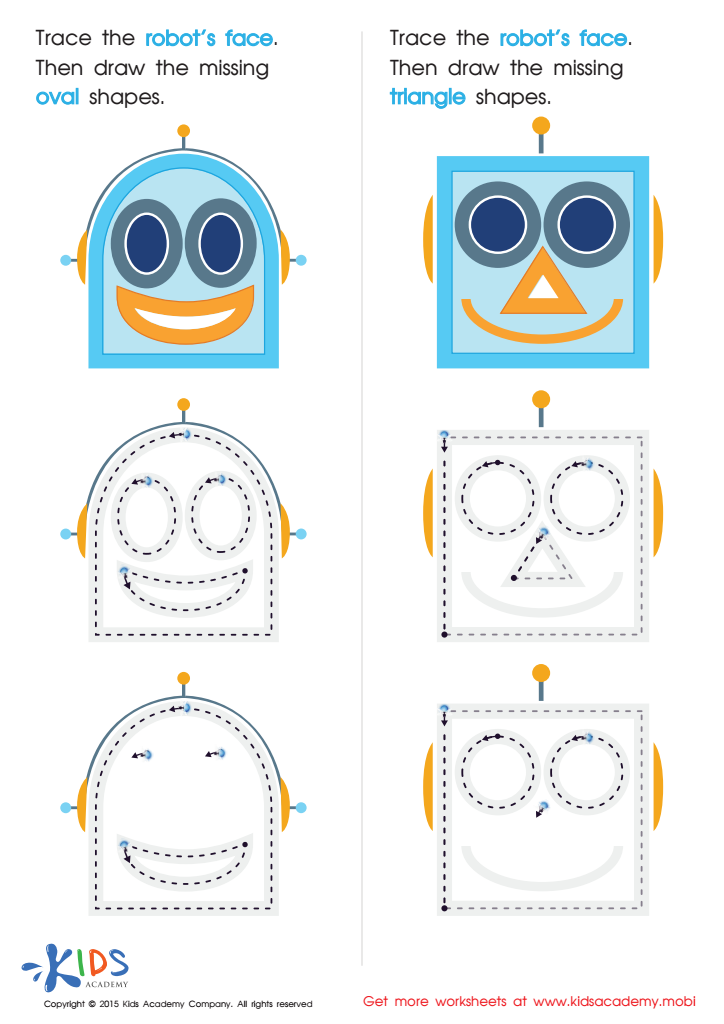
Drawing Ovals And Triangles with Fun Printable
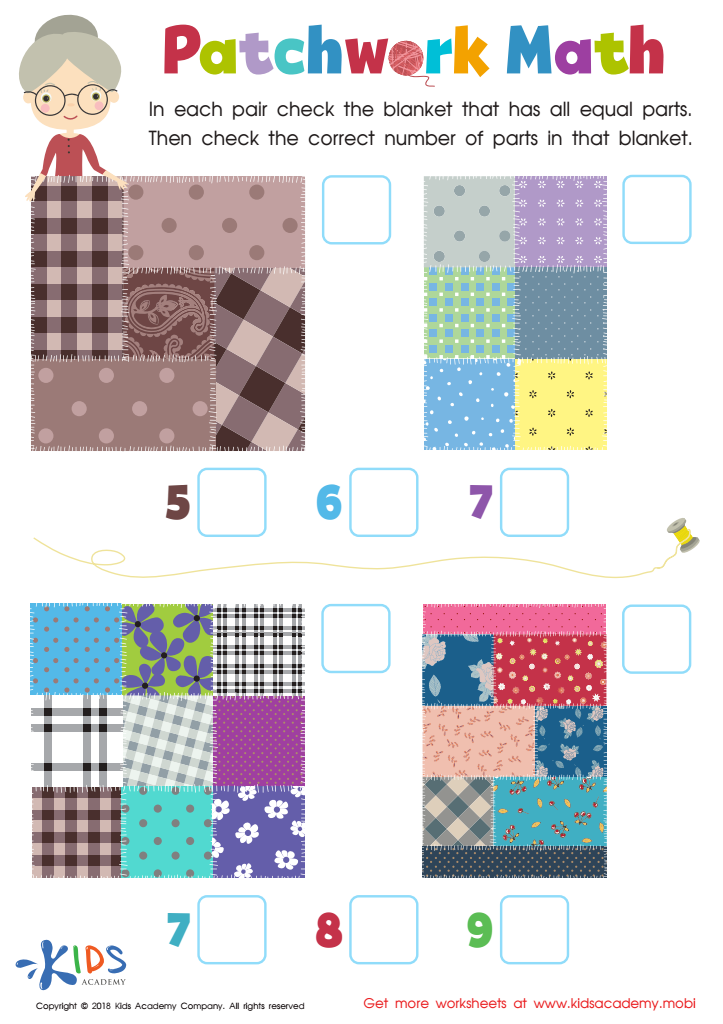
Patchwork Math Worksheet
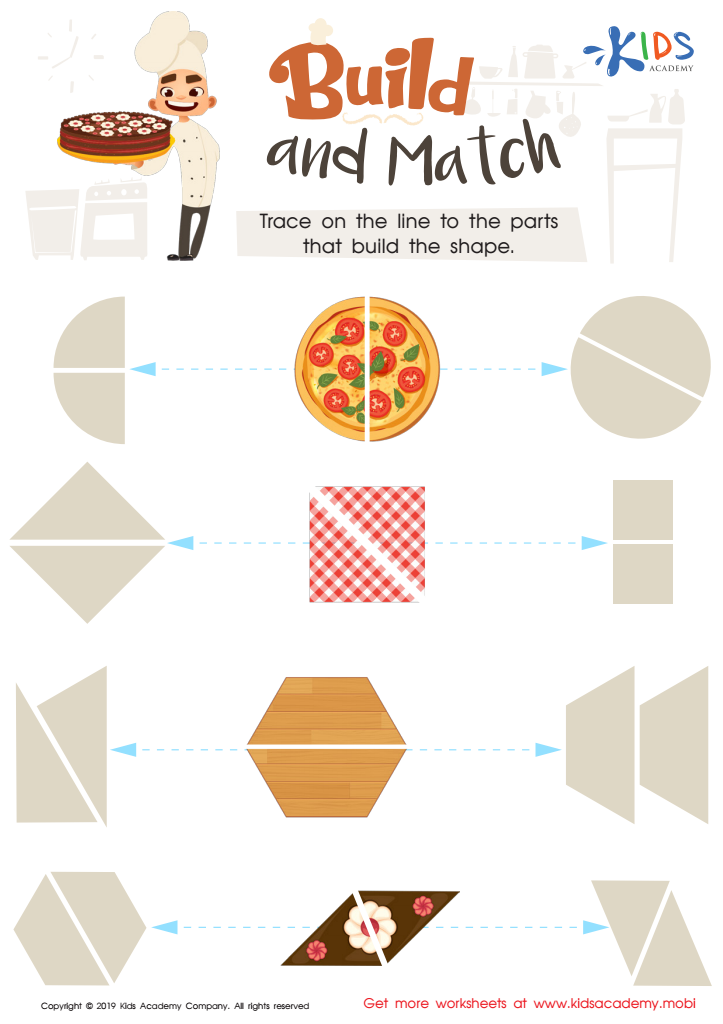
Build and Match Worksheet
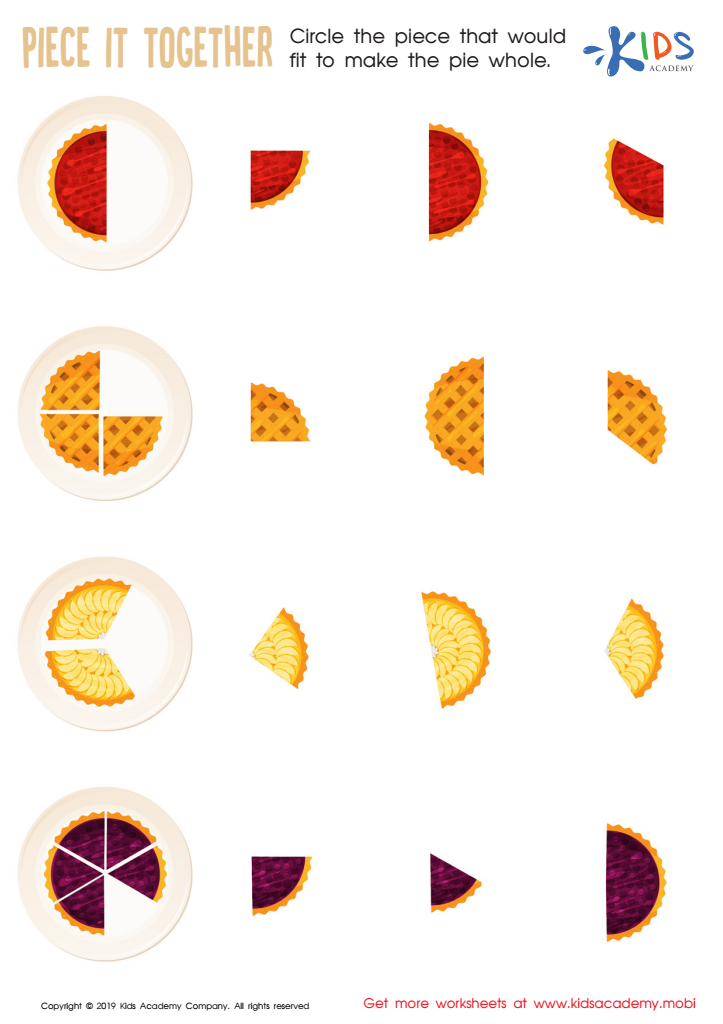
Piece it together Worksheet
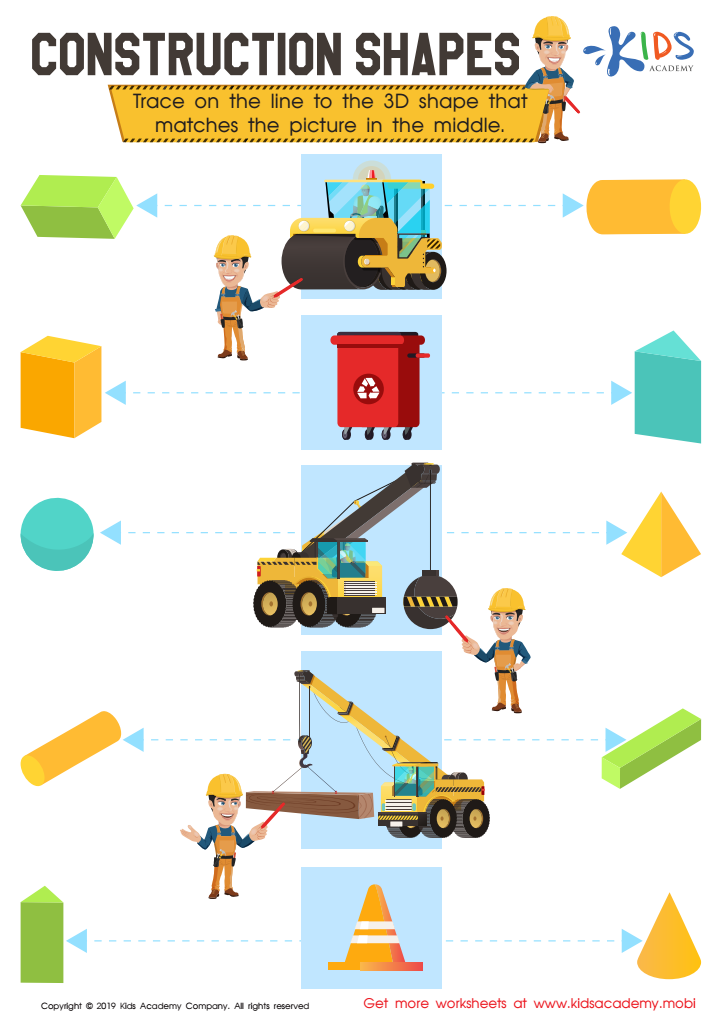
Construction Shapes Worksheet








Fine Motor Skills Easy Geometry for ages 6-7 plays a critical role in a child's development, blending foundational skills that will benefit them both academically and in daily life. For parents and teachers, nurturing these areas is crucial for several reasons. Fine motor skills are essential for tasks like writing, cutting, and dressing, fostering independence and confidence in young learners. By practicing activities that enhance these skills, such as manipulating shapes in Easy Geometry, children develop better hand-eye coordination, dexterity, and muscle control.
Geometry, even at an introductory level, introduces children to spatial awareness and problem-solving—skills crucial for future academic success, particularly in math and science. Understanding basic shapes, patterns, and relationships between objects lays the groundwork for more complex mathematical concepts. Activities that combine geometry with fine motor skills also promote cognitive development, encouraging logical thinking, attention to detail, and artistic expression.
Interactive learning through Fine Motor Skills Easy Geometry makes education engaging and fun, motivating children to participate enthusiastically. When parents and teachers emphasize these developmental milestones, they help children build a strong foundation for lifelong learning. Importantly, early intervention in these skills supports smoother transitions into more advanced educational settings and daily life activities.








