Fine Motor Skills Easy Math Worksheets for Ages 6-7
41 filtered results
-
From - To
Our engaging "Fine Motor Skills Easy Math Worksheets for Ages 6-7" seamlessly combine basic math concepts with activities that boost fine motor development. Perfect for first graders, these worksheets feature playful exercises such as tracing numbers, dot-to-dots, and simple puzzles. They are thoughtfully crafted to promote number recognition, addition, subtraction, and counting while strengthening finger dexterity and hand-eye coordination. Parents and educators will appreciate the balance of fun and learning, making it easier for kids to develop essential math skills and fine motor abilities simultaneously. Download yours today to support your child's educational journey!

Number 10 Printable
 Assign to My Students
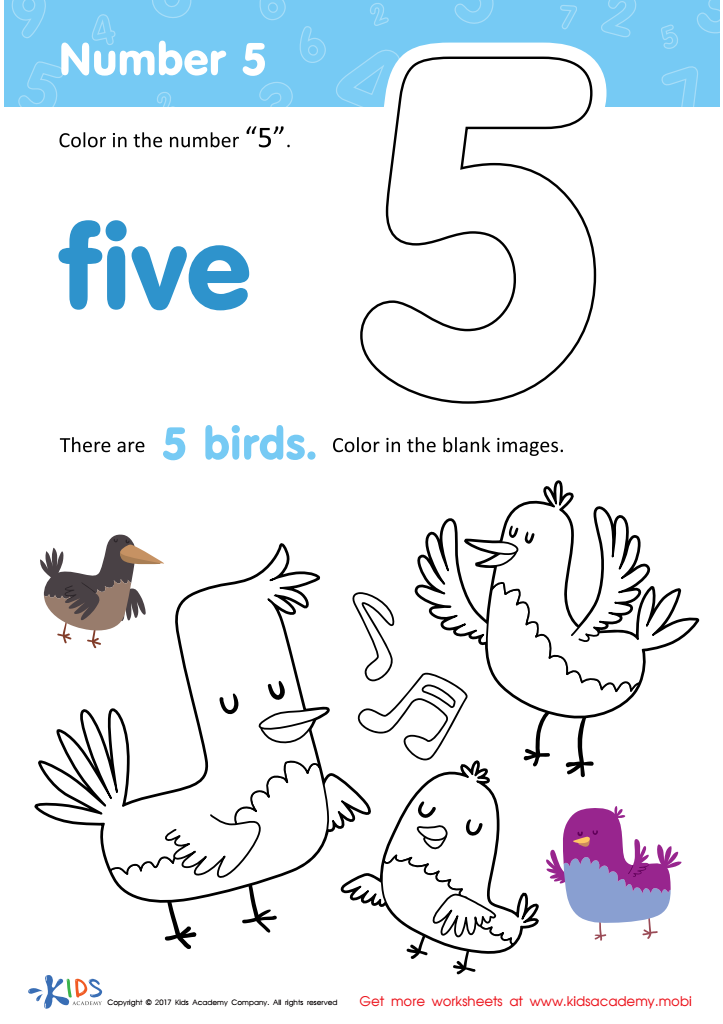
Number 5 Printable
Assign to My Students
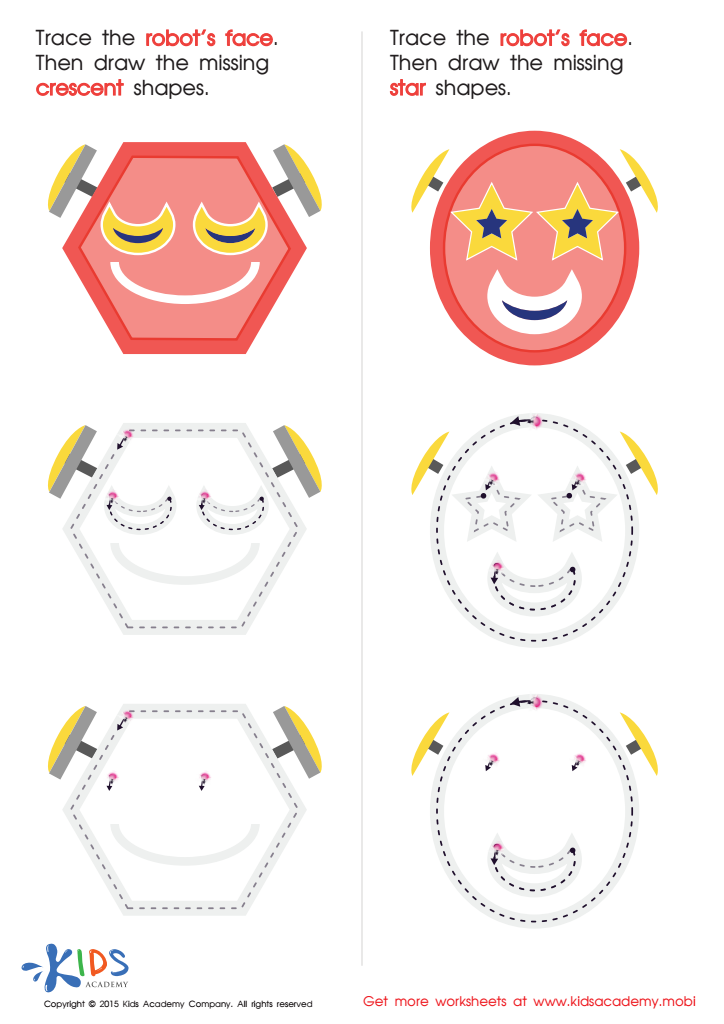
Composing a Robot's Face of Crescents And Stars Worksheet
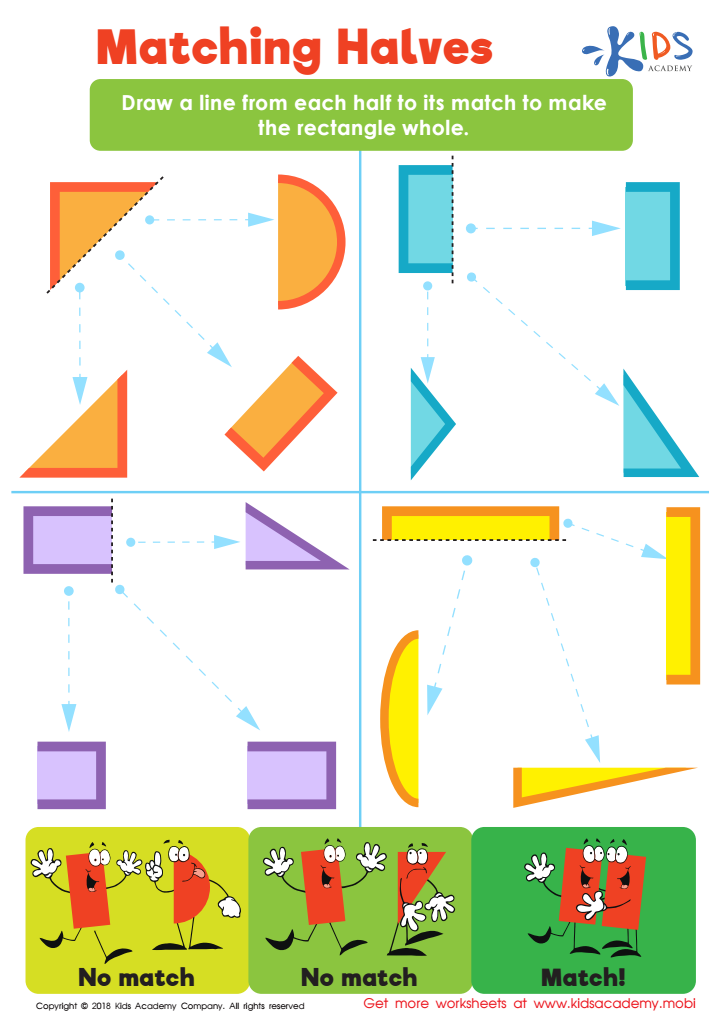
Matching Halves Worksheet
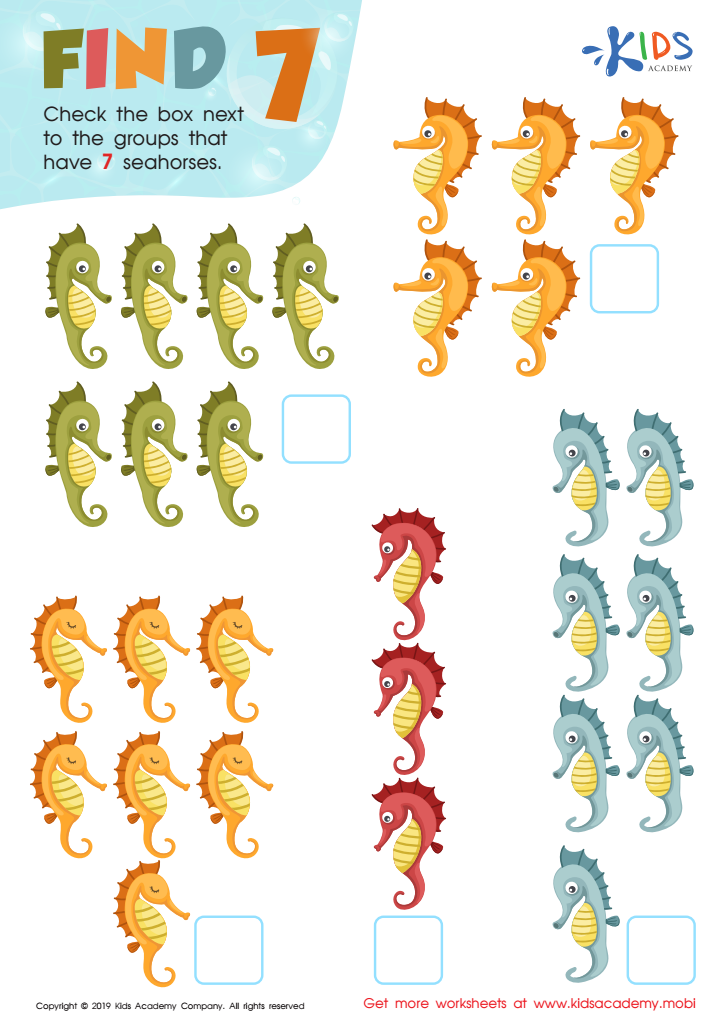
Find 7 Worksheet
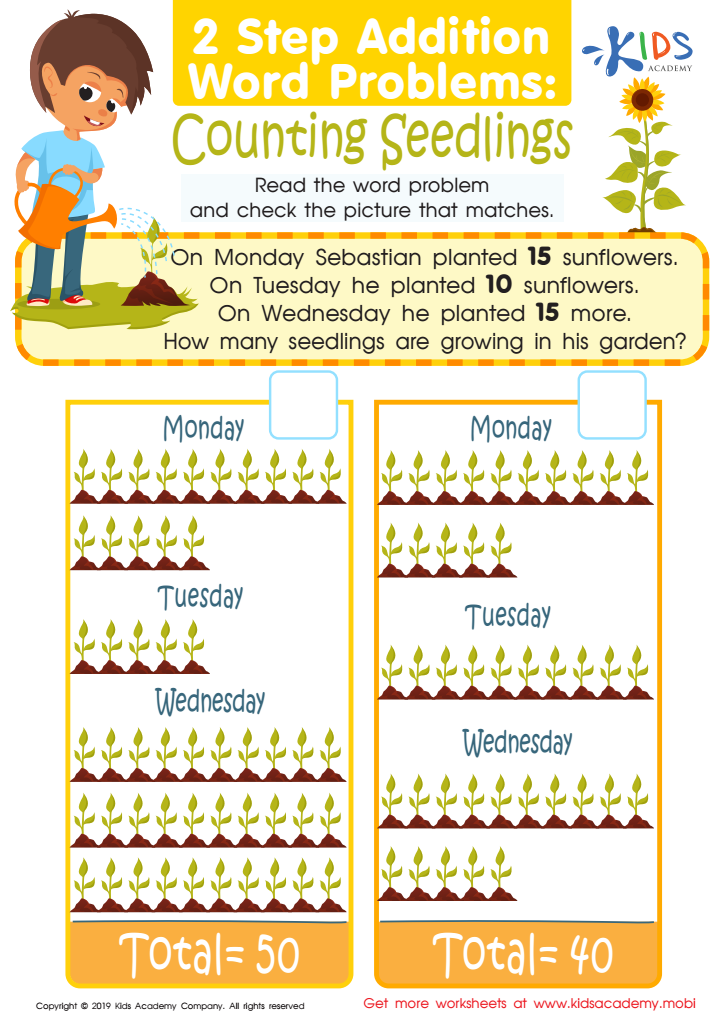
Counting Seedlings Worksheet
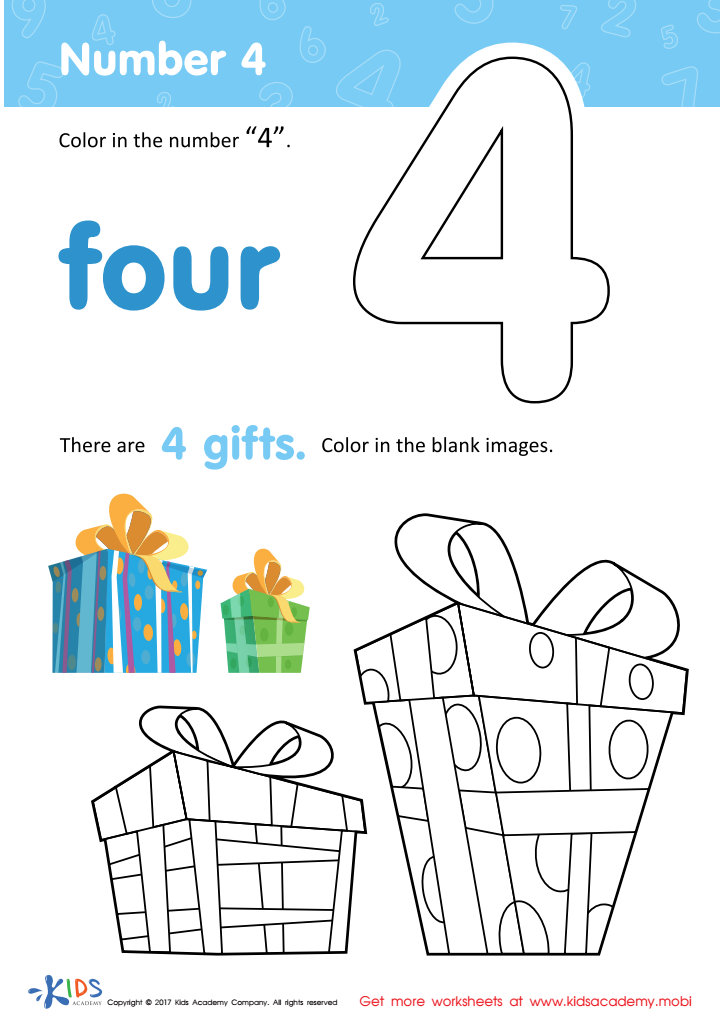
Number 4 Printable
Assign to My Students
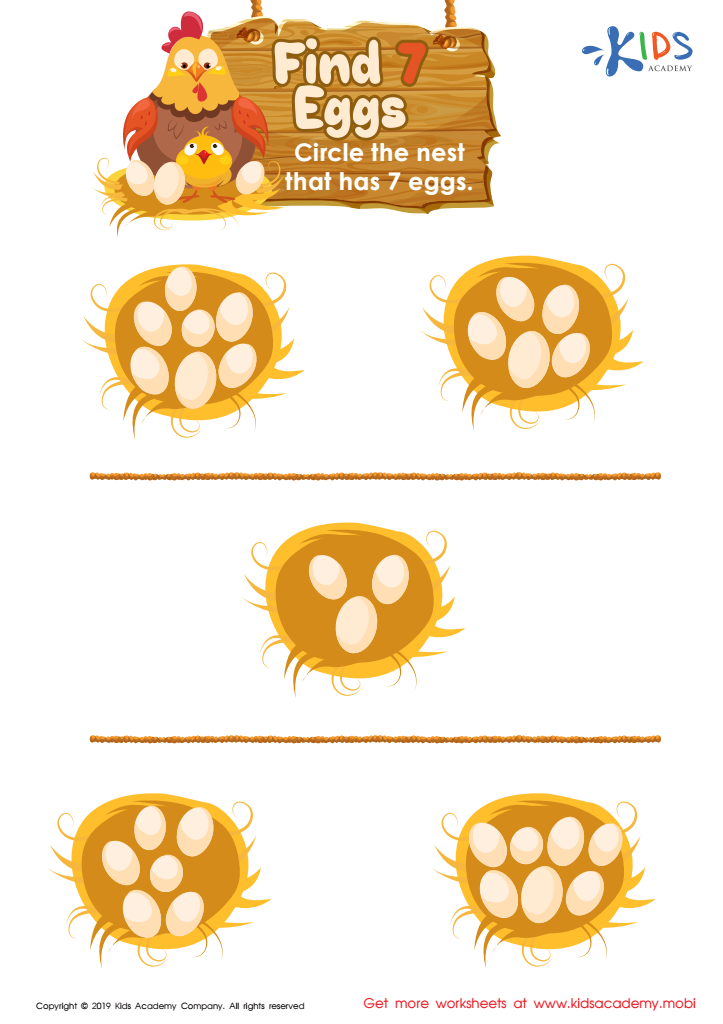
Find 7 Eggs Worksheet
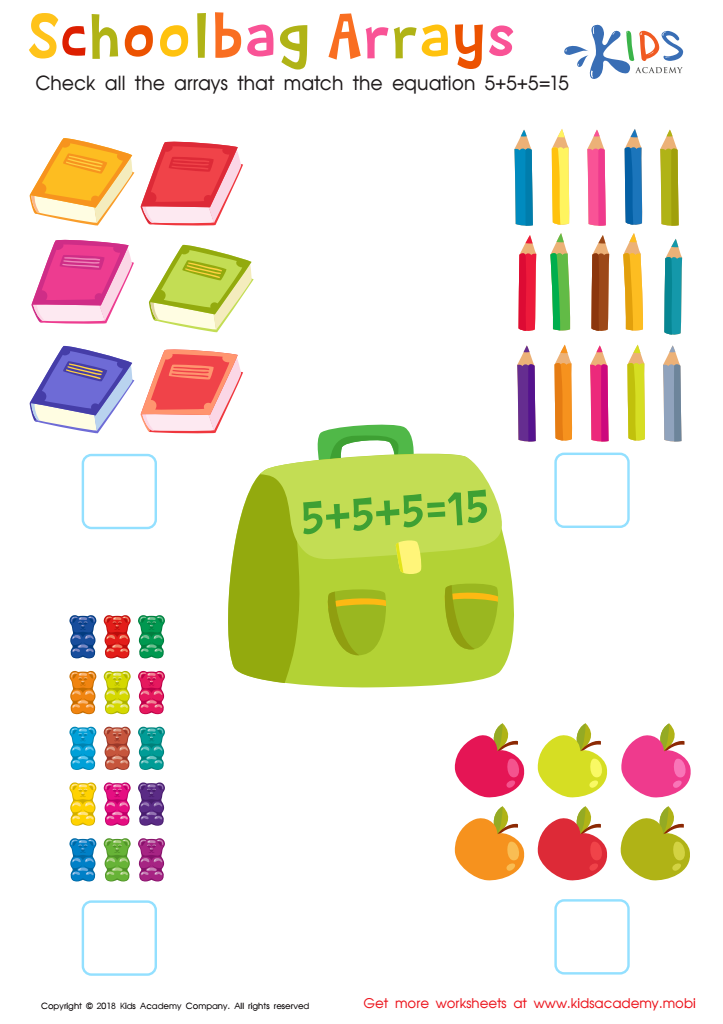
Schoolbag Arrays Worksheet
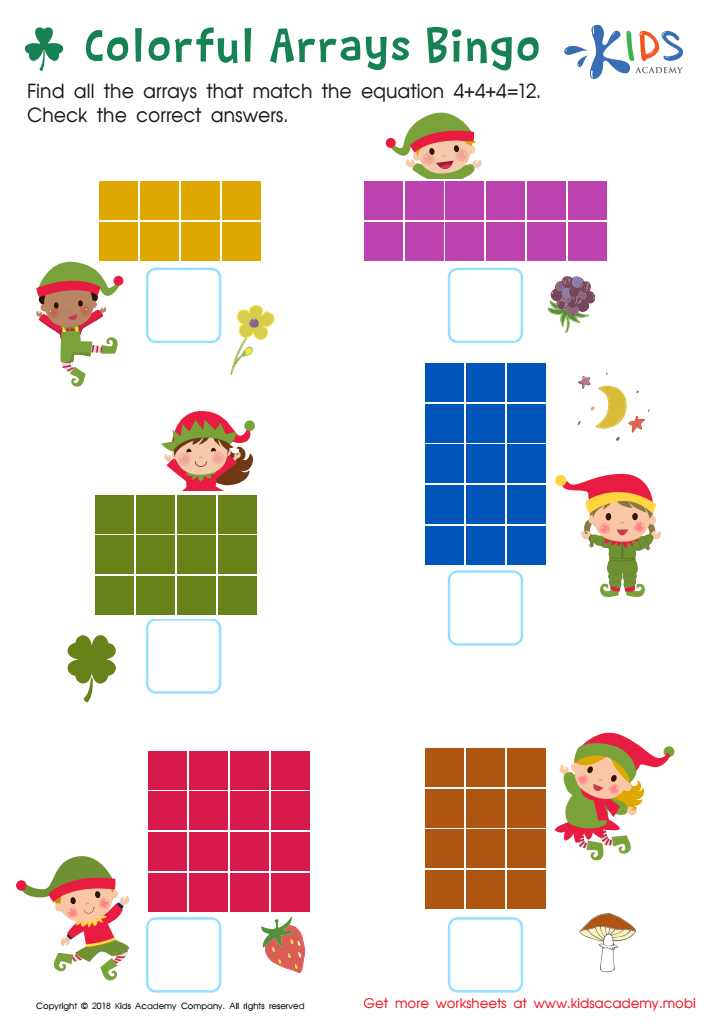
Colorful Arrays Bingo Worksheet
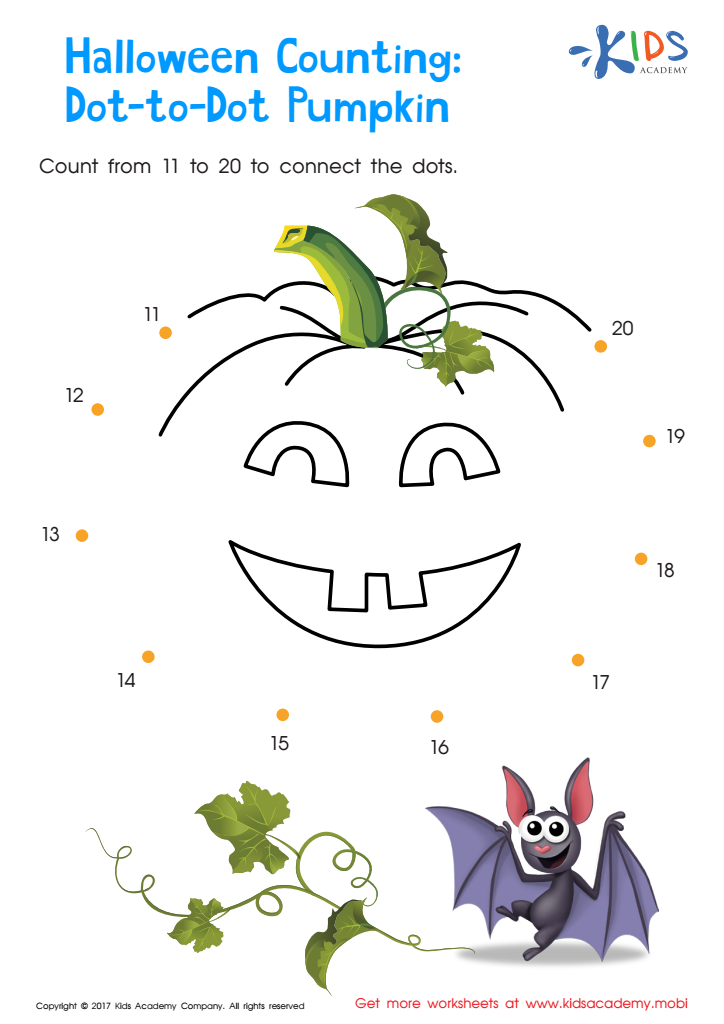
Ordering 11–20: Halloween Counting Worksheet
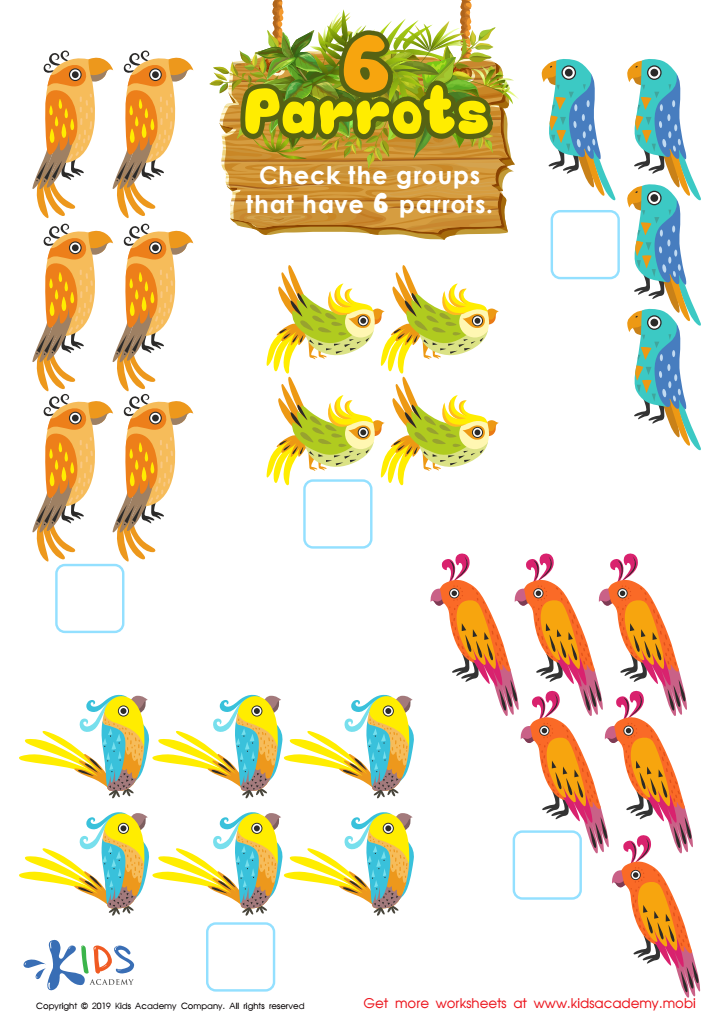
6 Parrots Worksheet
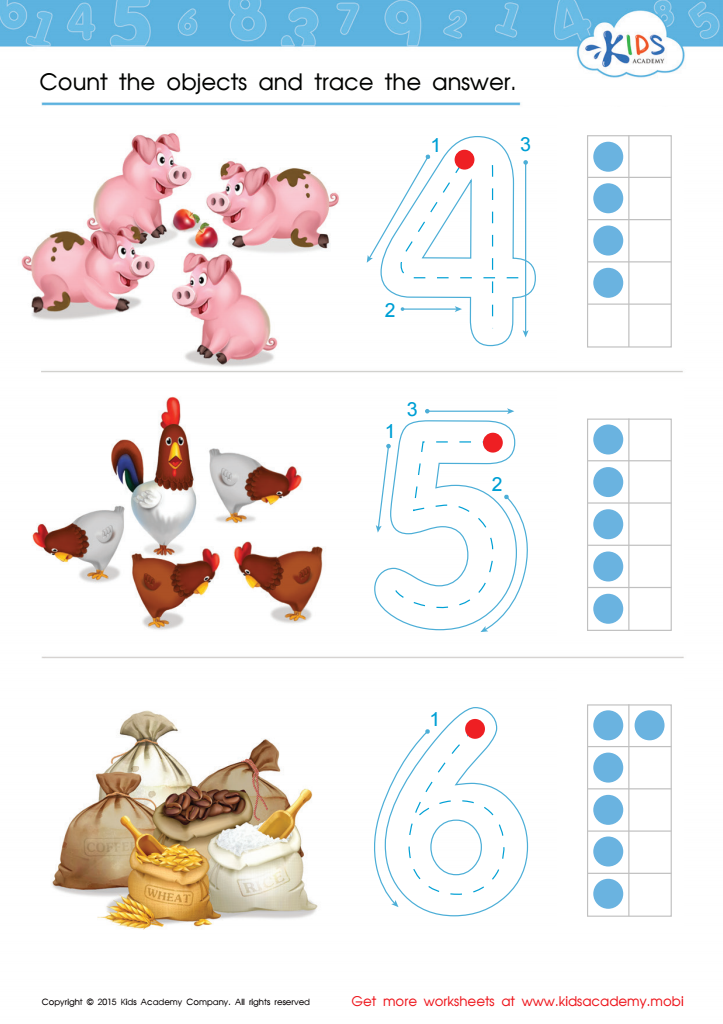
Count and Trace 4 – 6 Worksheet
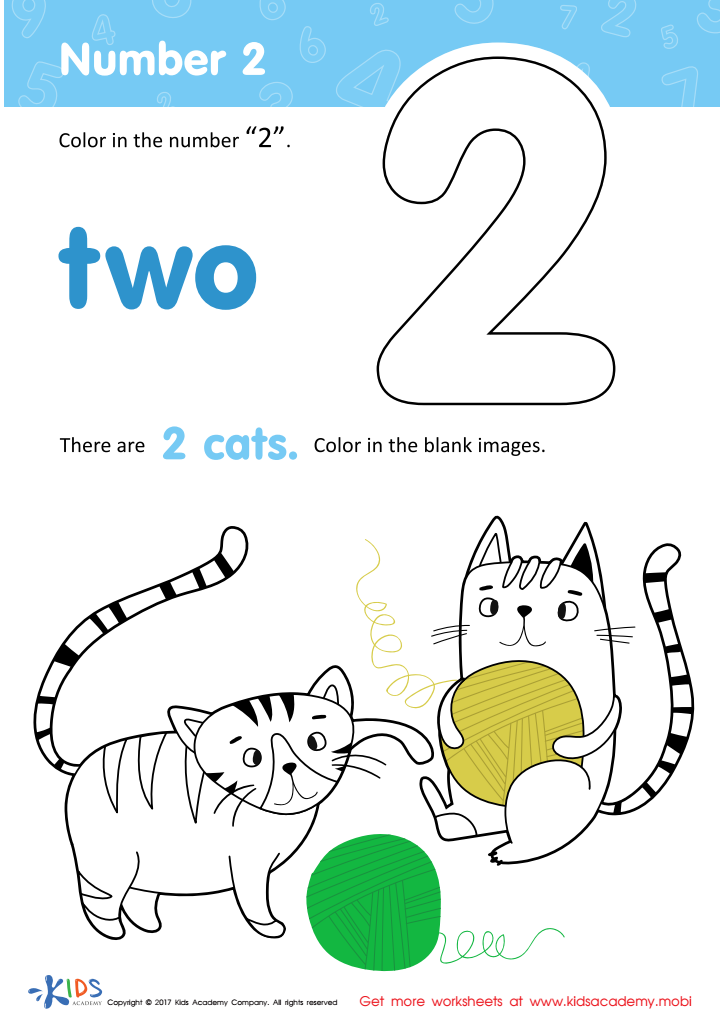
Number 2 Printable
Assign to My Students
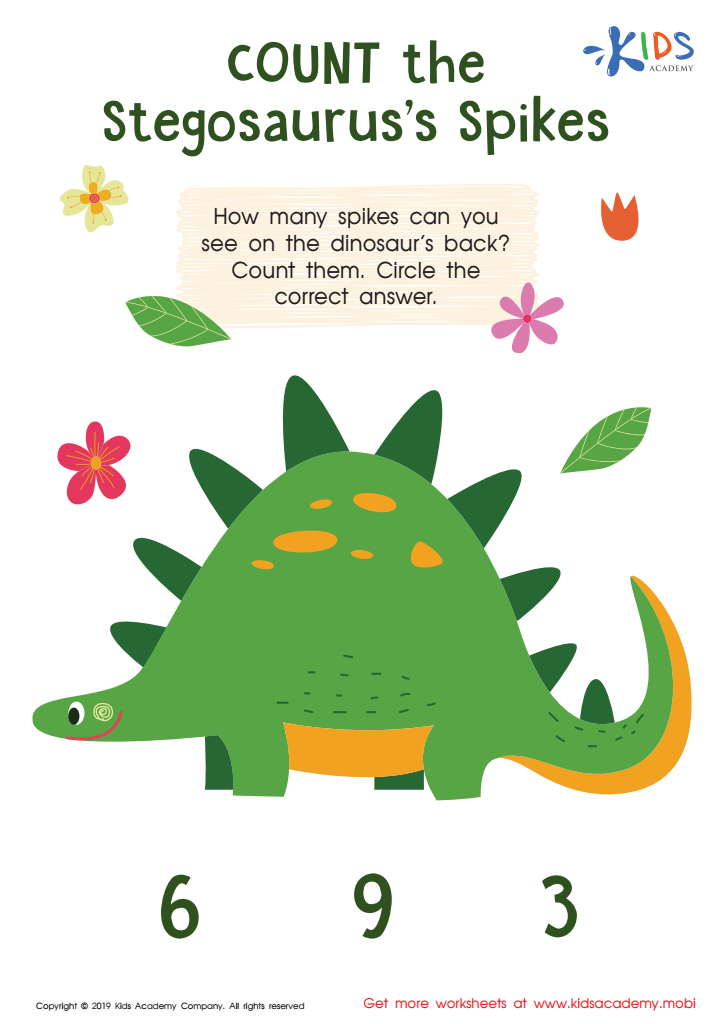
Count the Stegosaurus's Spikes Worksheet
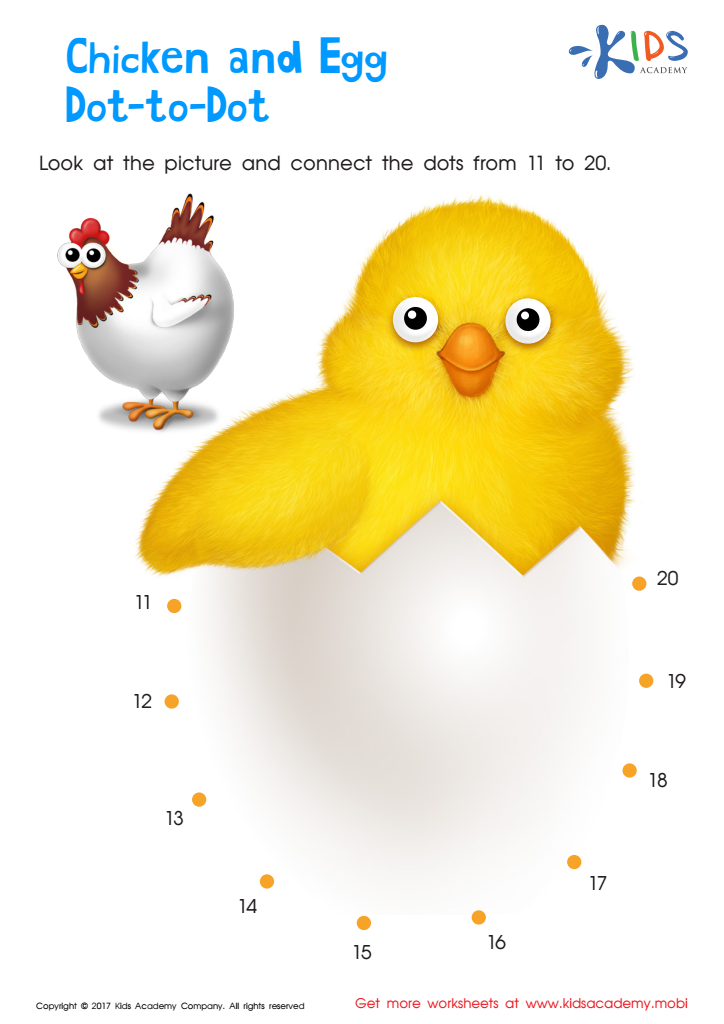
Ordering 11–20: Chicken & Egg Dot–to–dot Worksheet
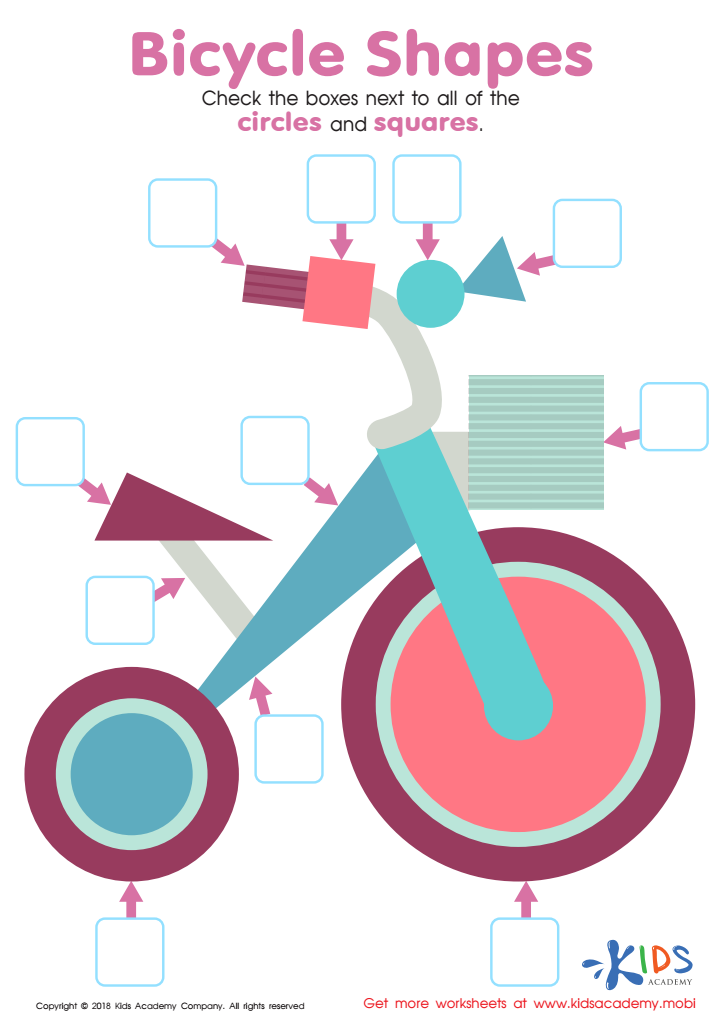
Bicycle Shapes Worksheet
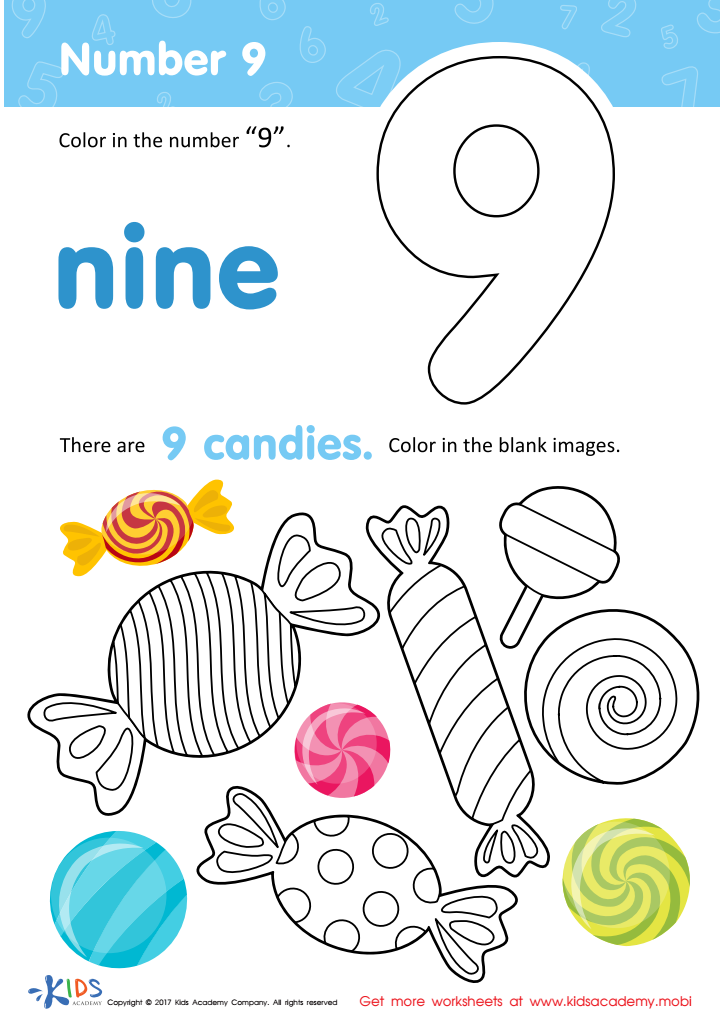
Number 9 Printable
Assign to My Students
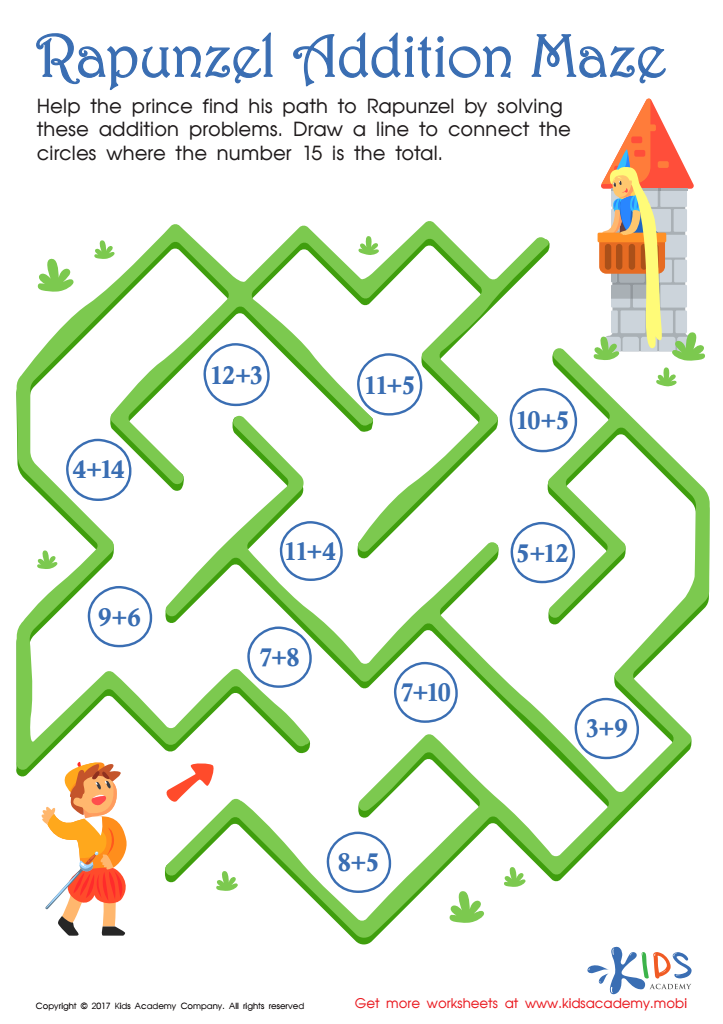
Rapunzel Addition Maze Worksheet
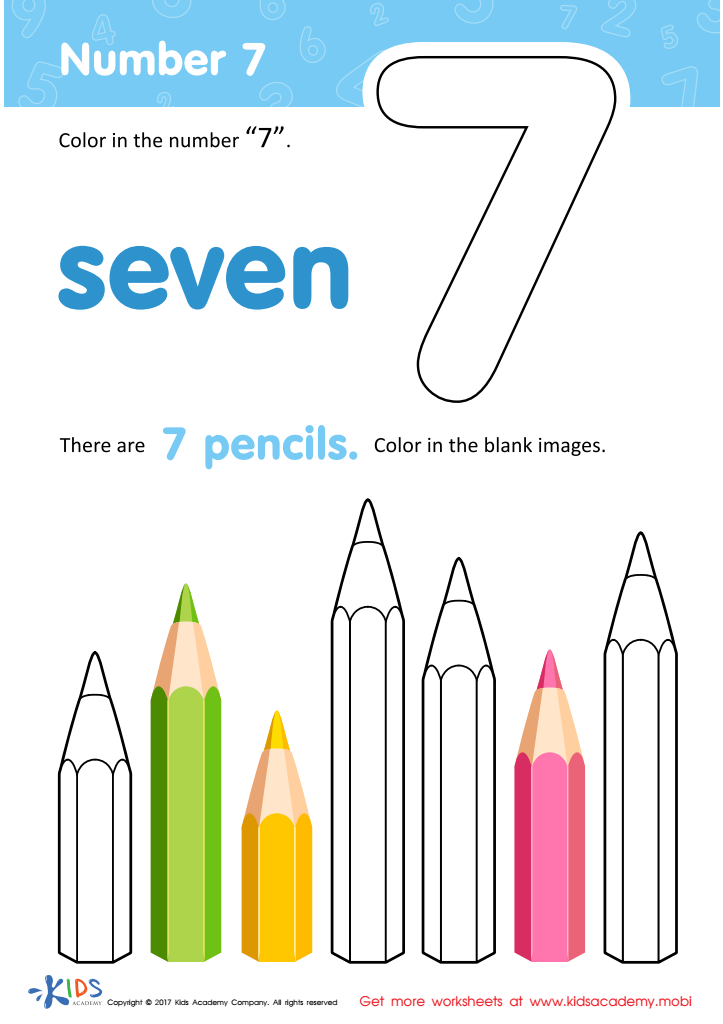
Number 7 Worksheet
Assign to My Students
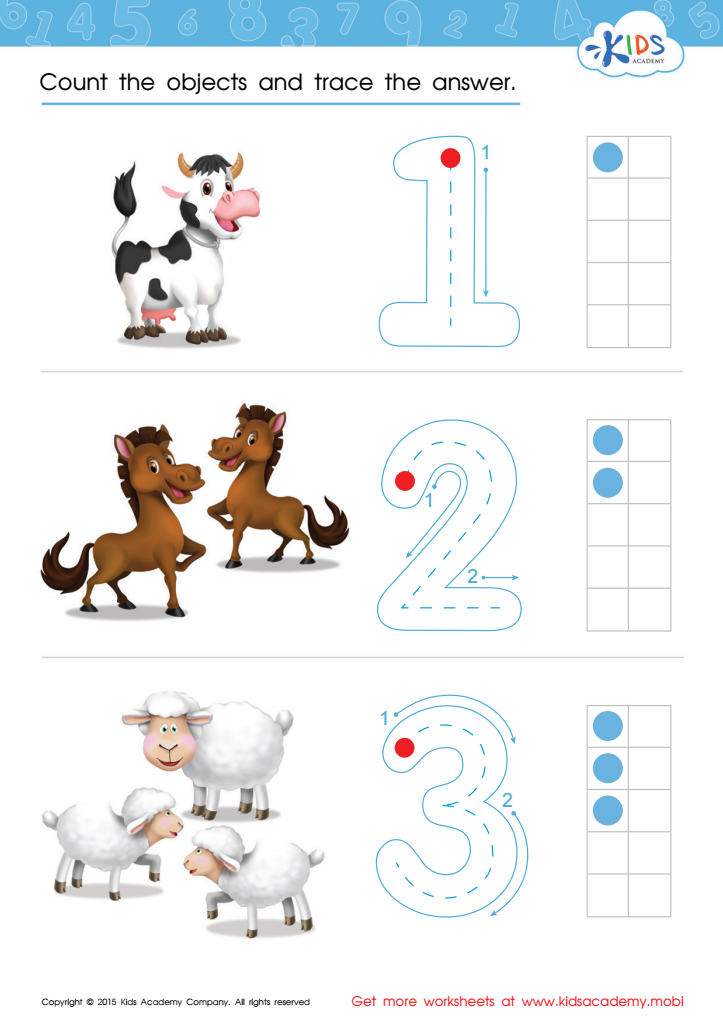
Count and Trace 1 – 3 Worksheet
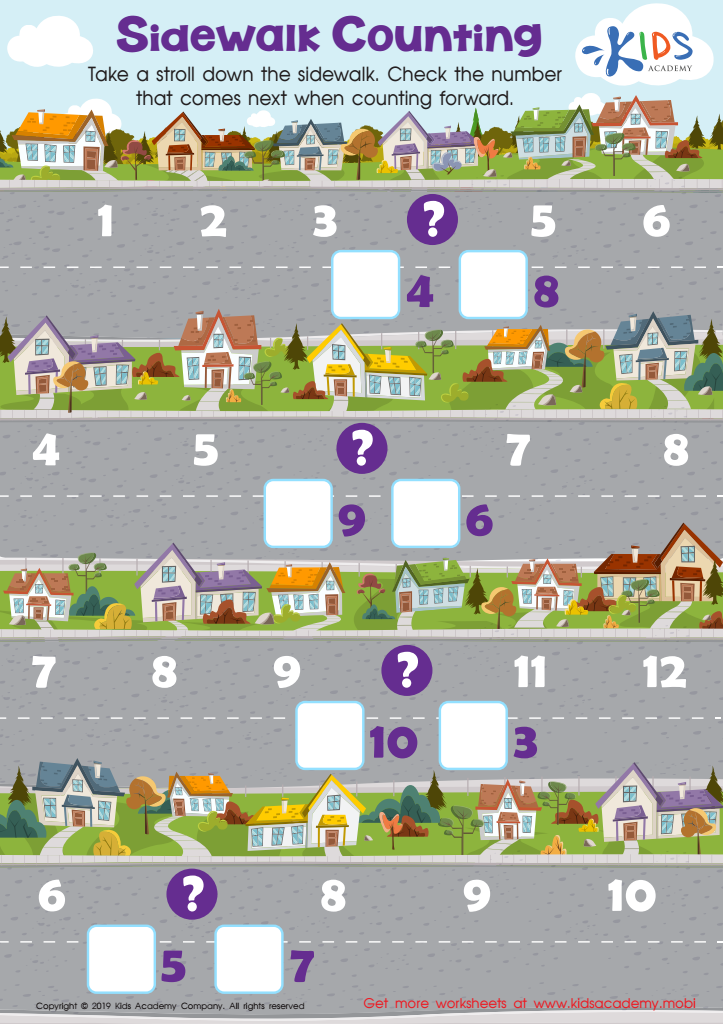
Sidewalk Counting Worksheet
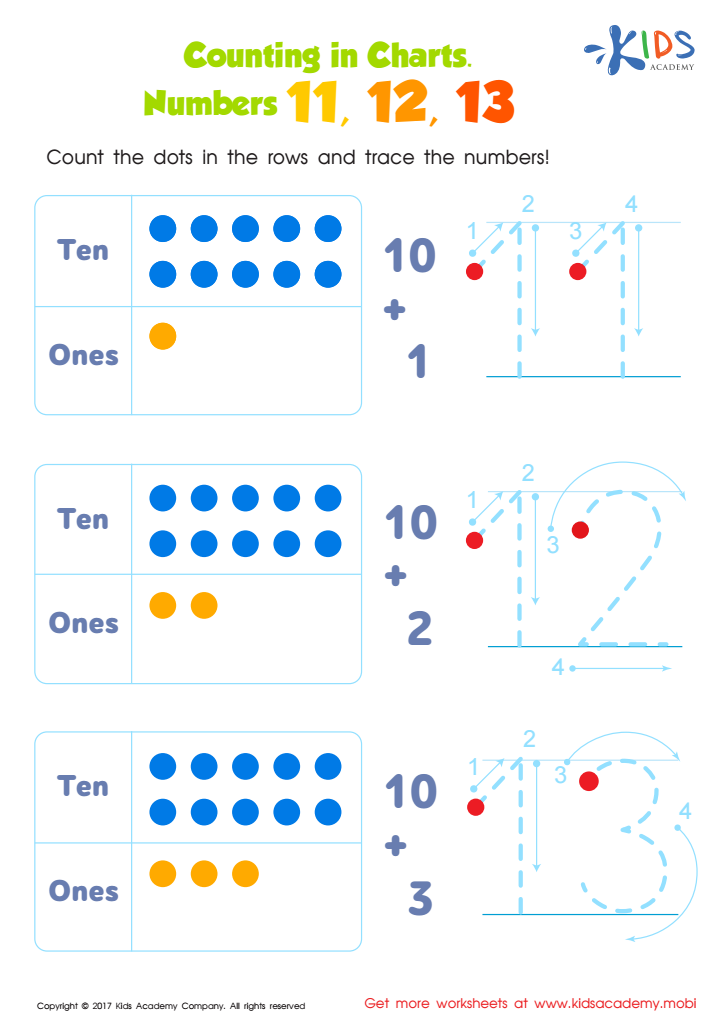
Number Tracing Worksheet For Kindergarten

Eight Geese Worksheet








Fine motor skills are crucial for children aged 6-7, and integrating these skills within easy math activities greatly benefits their overall development. At this age, children's hands are rapidly developing, and engaging in fine motor tasks helps strengthen the small muscles in their fingers and hands. This muscle development is important for tasks like writing, cutting, and buttoning clothing.
When it comes to math, fine motor skills play a significant role in children's ability to physically manage math tools such as pencils, erasers, counting beads, and math manipulatives. These hands-on tools make abstract math concepts tangible and easier to understand. Activities that develop fine motor skills, such as drawing numbers, cutting shapes, or using counting cubes, enhance children's ability to perform precise actions and improve hand-eye coordination.
Embedding fine motor practice within math education not only helps children grasp foundational math concepts but also reinforces their ability to complete everyday tasks successfully. By caring about fine motor skills, parents and teachers support children in a holistic way, ensuring they develop the dexterity needed for academic achievement and everyday activities. As math becomes more complex in higher grades, these early fine motor skills build a solid foundation, boosting children's confidence and setting them up for lifelong learning success.








