Hand-eye Coordination Easy Math Worksheets for Ages 6-7
18 filtered results
-
From - To
Enhance your child's learning experience with our Hand-eye Coordination Easy Math Worksheets designed specifically for children ages 6-7. These engaging worksheets seamlessly combine crucial math skills with fun hand-eye coordination activities, allowing young learners to develop both numeracy and motor skills simultaneously. Each worksheet features colorful visuals and interactive exercises that capture children's attention while making learning enjoyable. Perfect for home or classroom use, these resources reinforce basic counting, addition, and subtraction in a playful way. Help your child build confidence and proficiency in math while improving their coordination skills with our thoughtfully crafted worksheets. Start your child’s educational journey today!
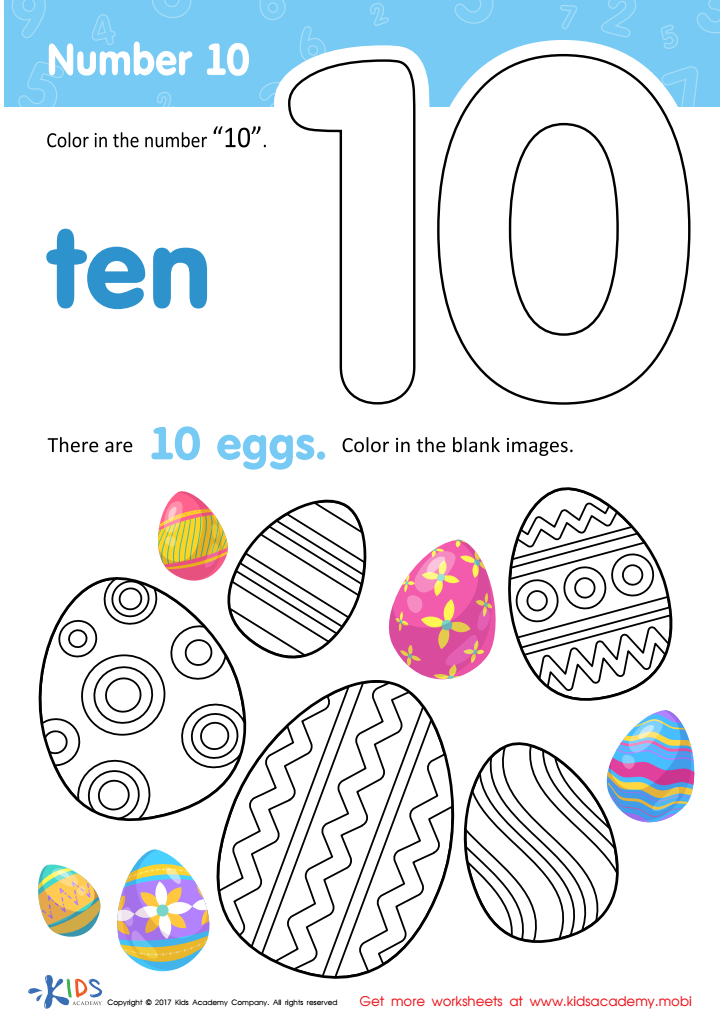
Number 10 Printable
 Assign to My Students
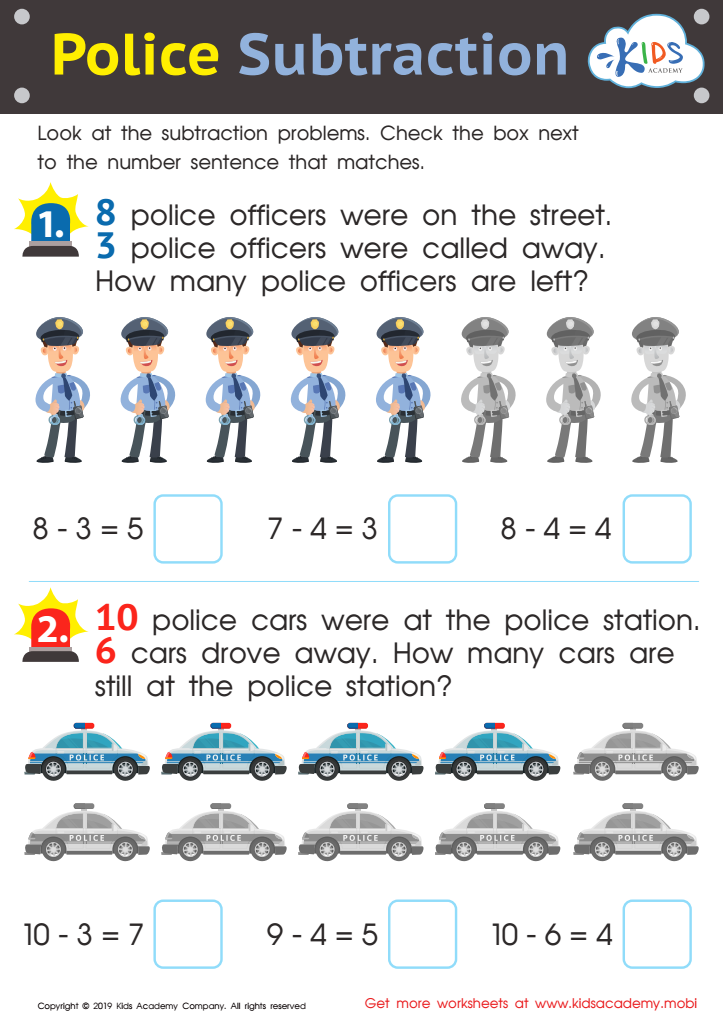
Police Subtraction Worksheet
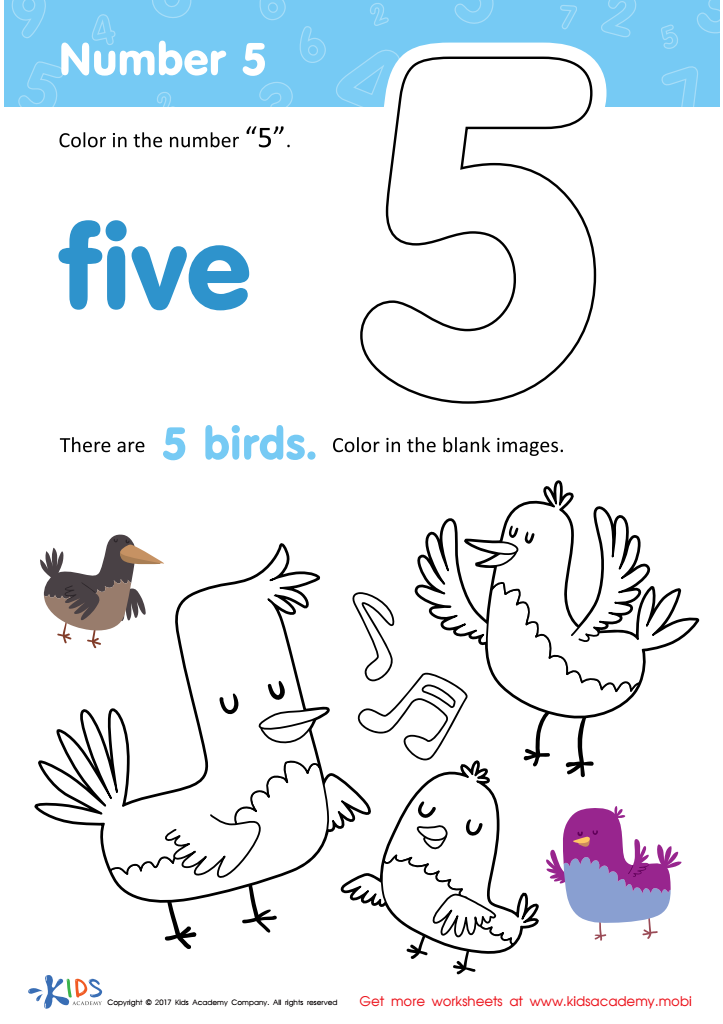
Number 5 Printable
Assign to My Students
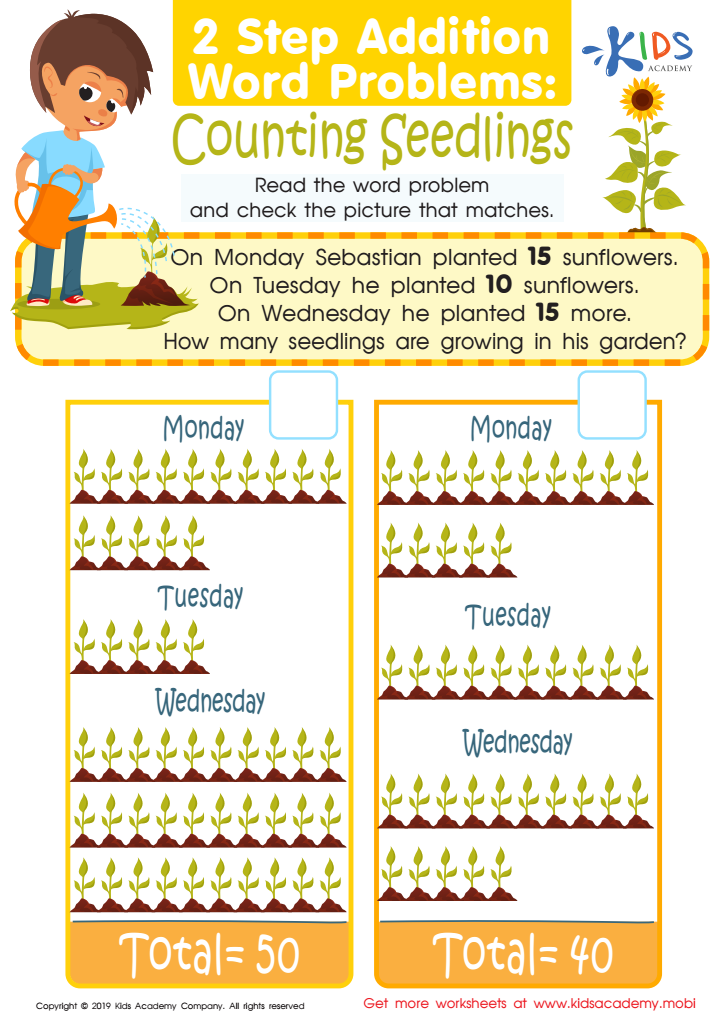
Counting Seedlings Worksheet
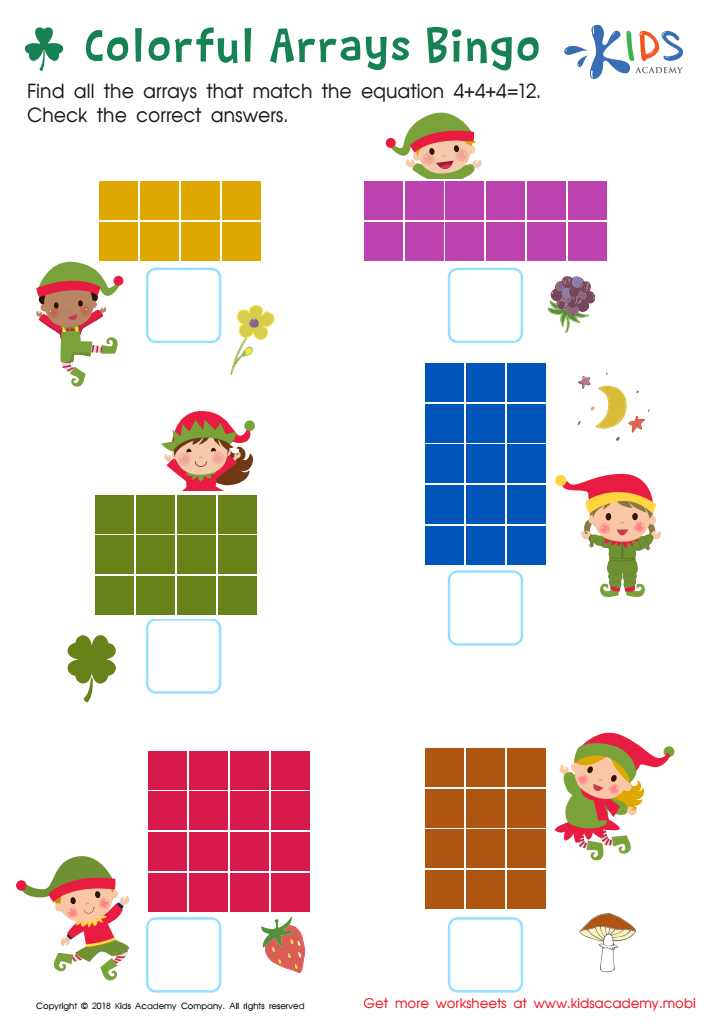
Colorful Arrays Bingo Worksheet
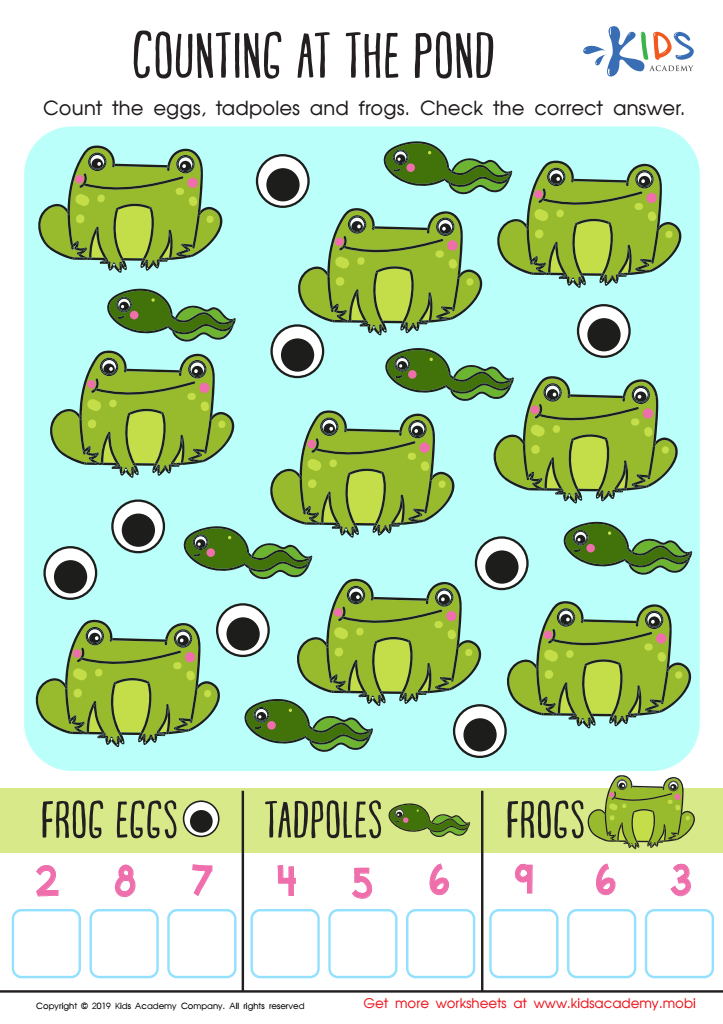
Counting at the Pond Worksheet
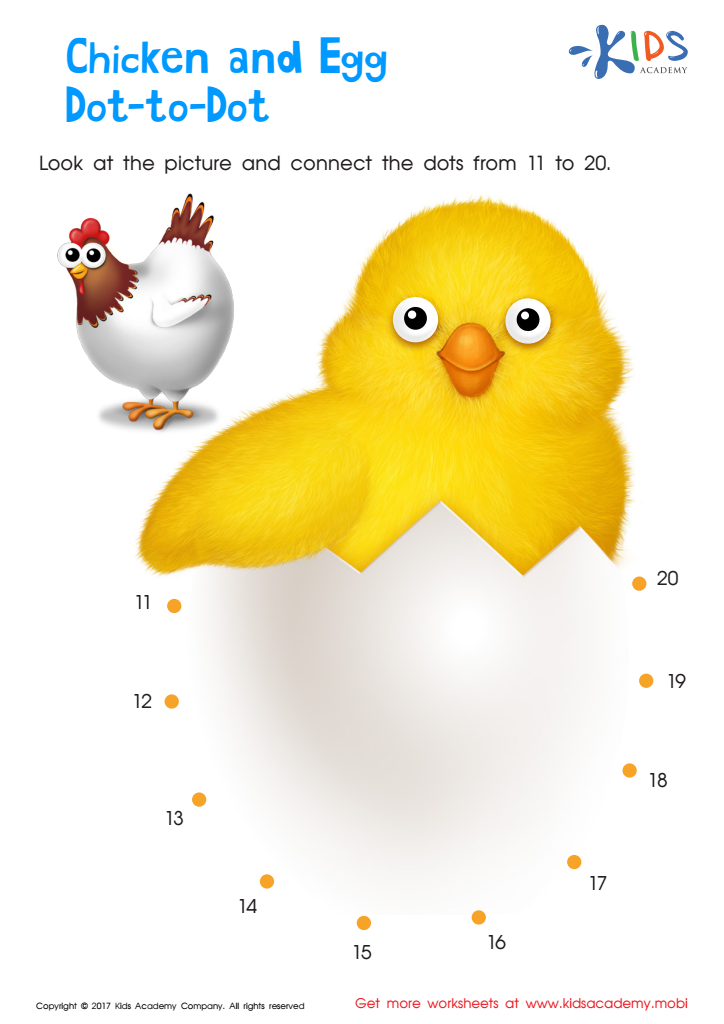
Ordering 11–20: Chicken & Egg Dot–to–dot Worksheet
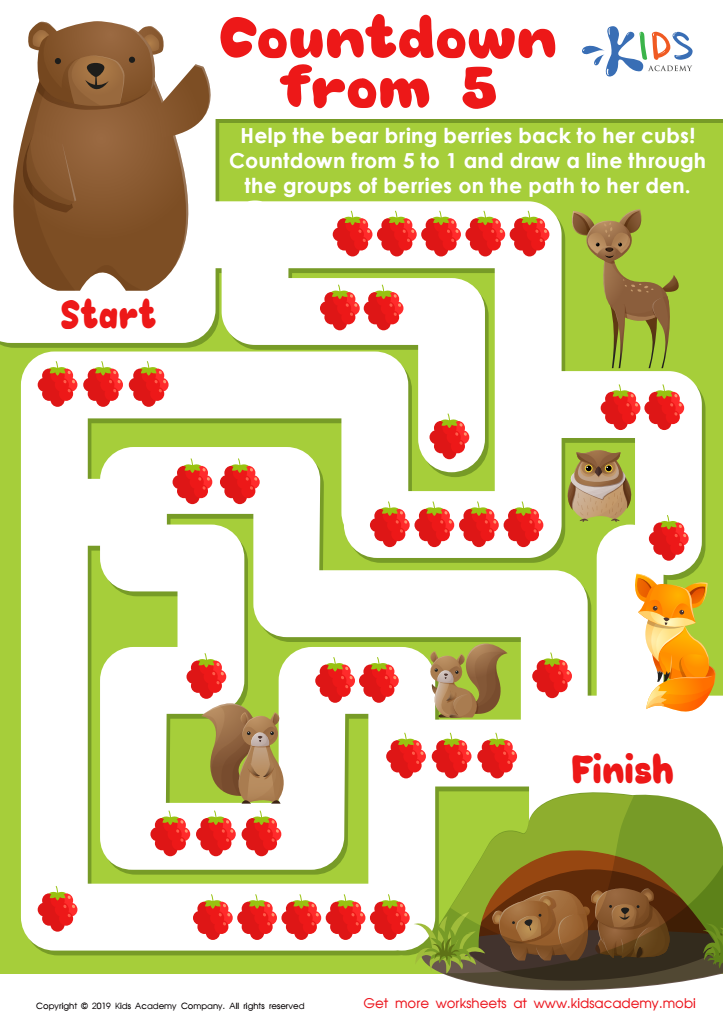
Countdown from 5 Worksheet
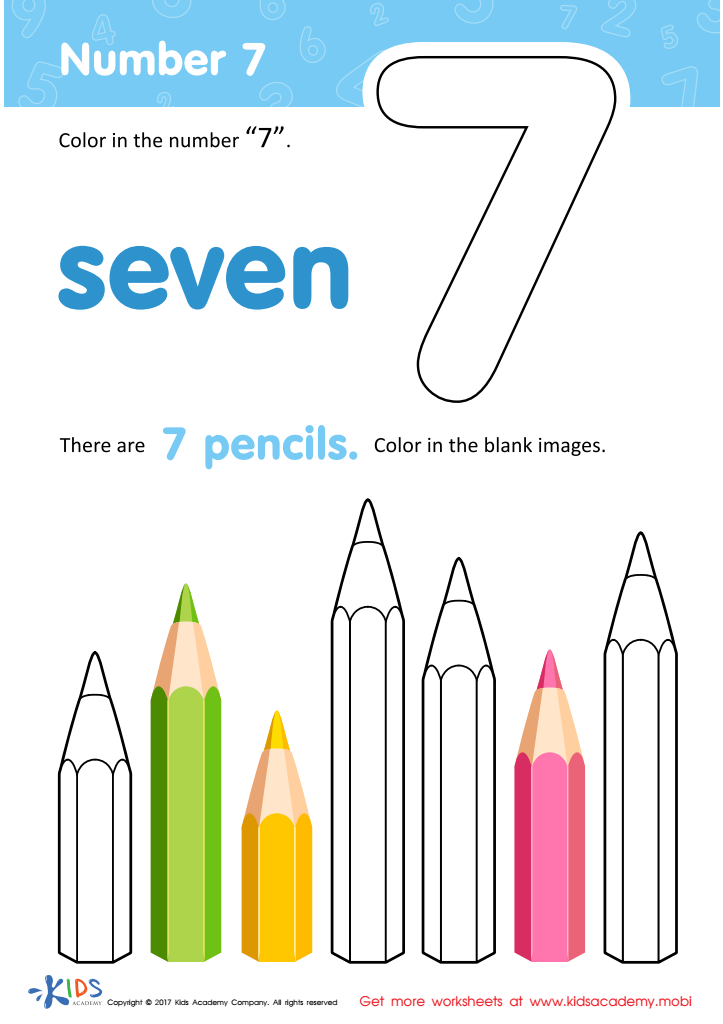
Number 7 Worksheet
Assign to My Students
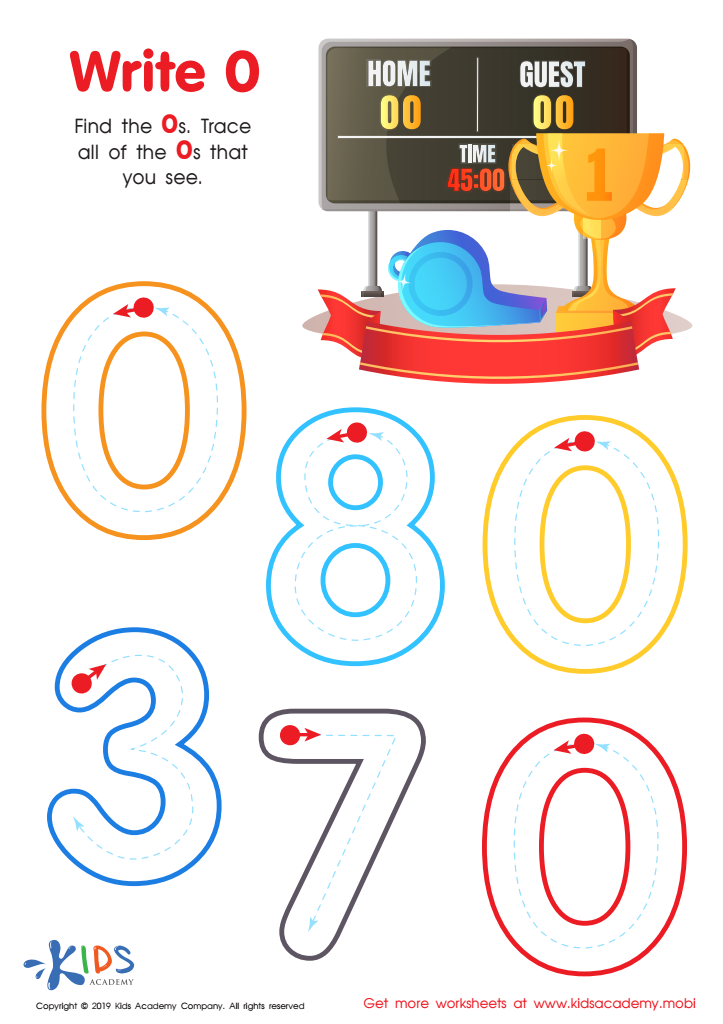
Write 0 Worksheet
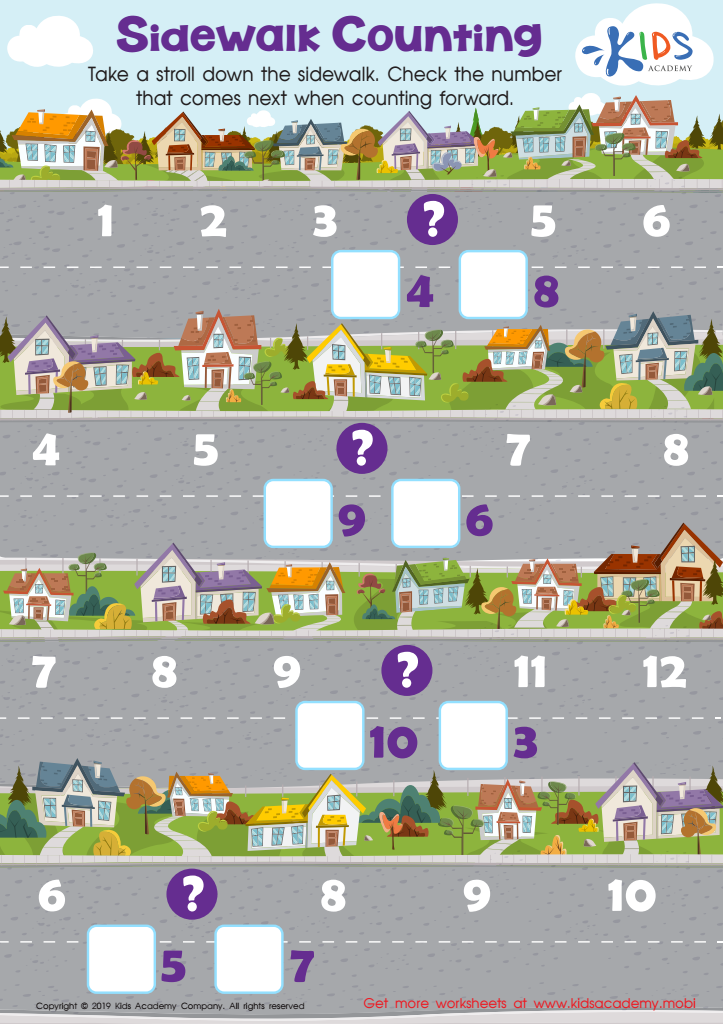
Sidewalk Counting Worksheet
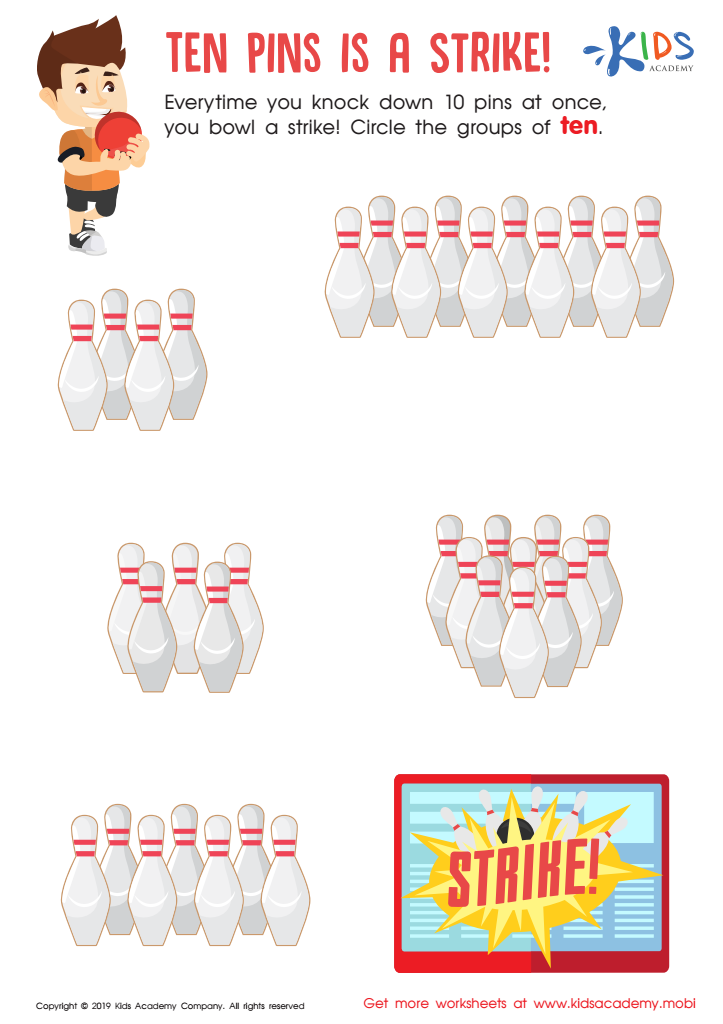
Ten Pins is a Strike Worksheet
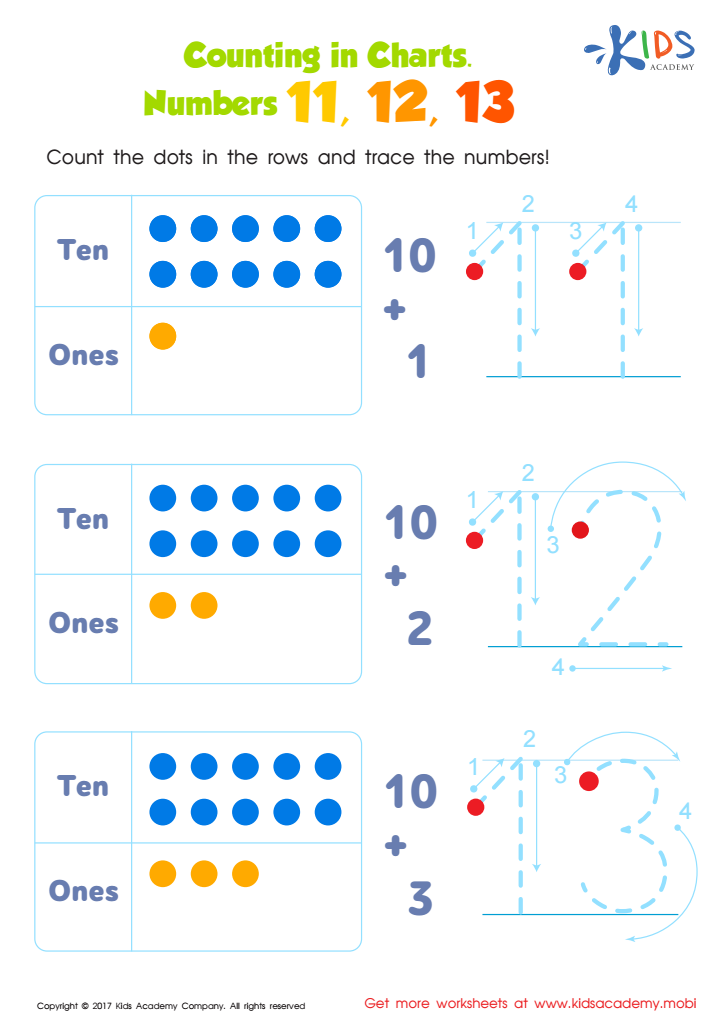
Number Tracing Worksheet For Kindergarten
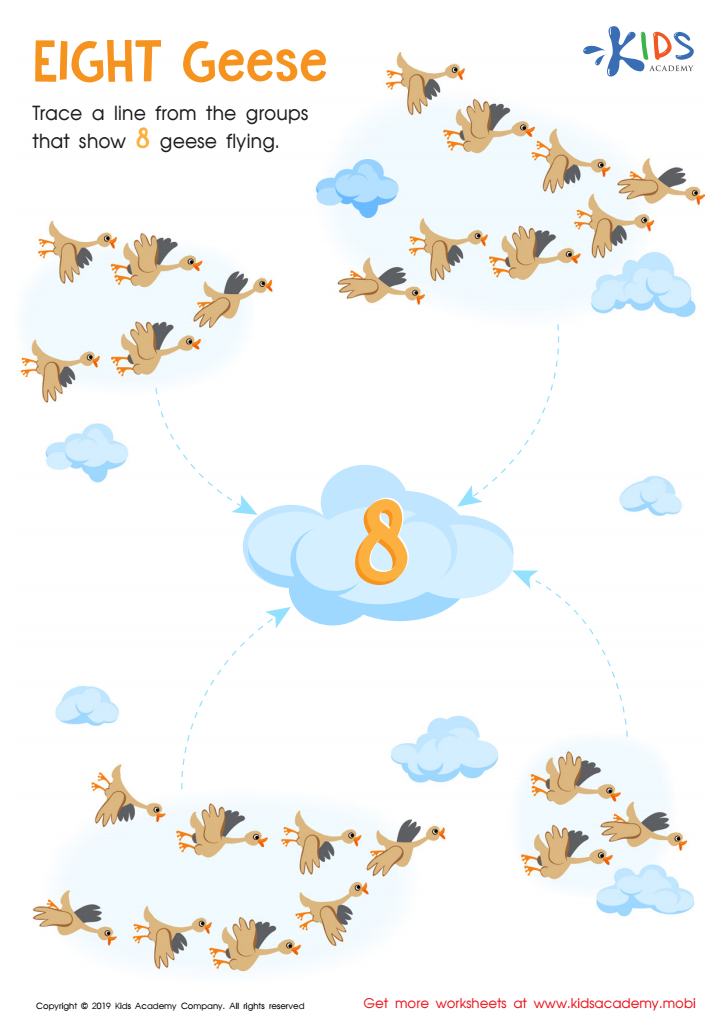
Eight Geese Worksheet
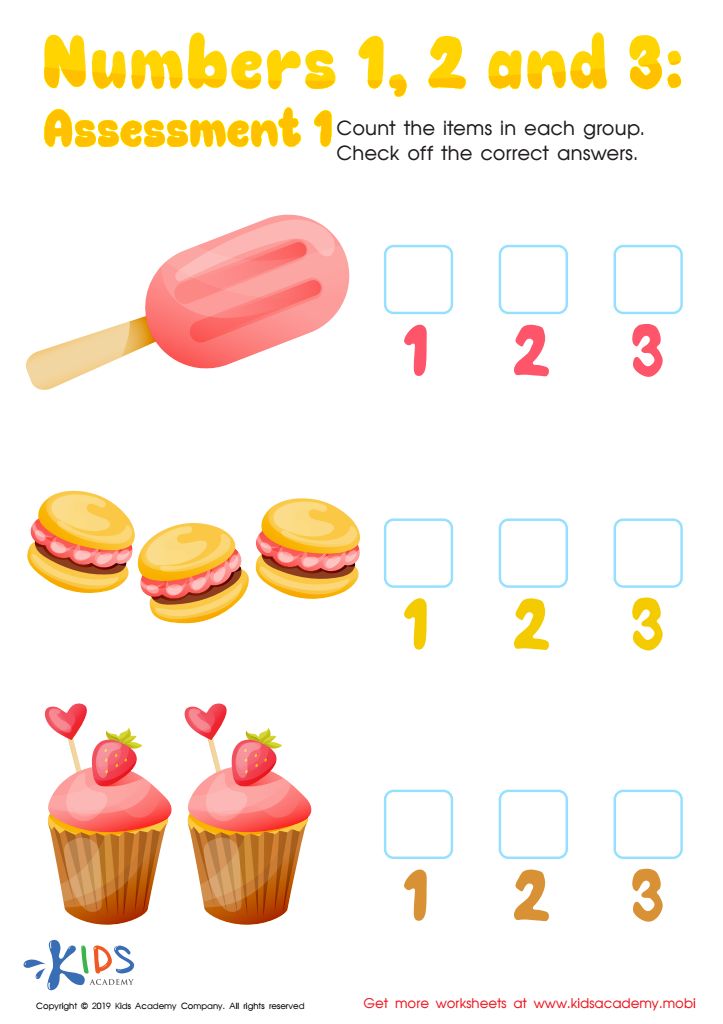
Numbers 1, 2 and 3: Assessment 1 Worksheet
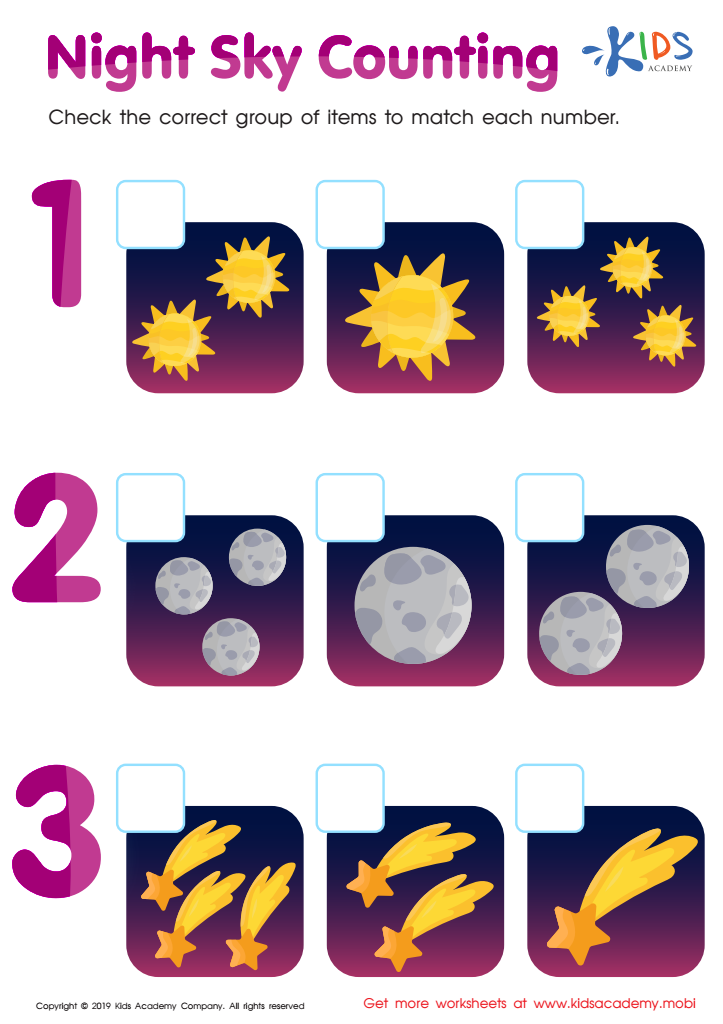
Night Sky Counting Worksheet
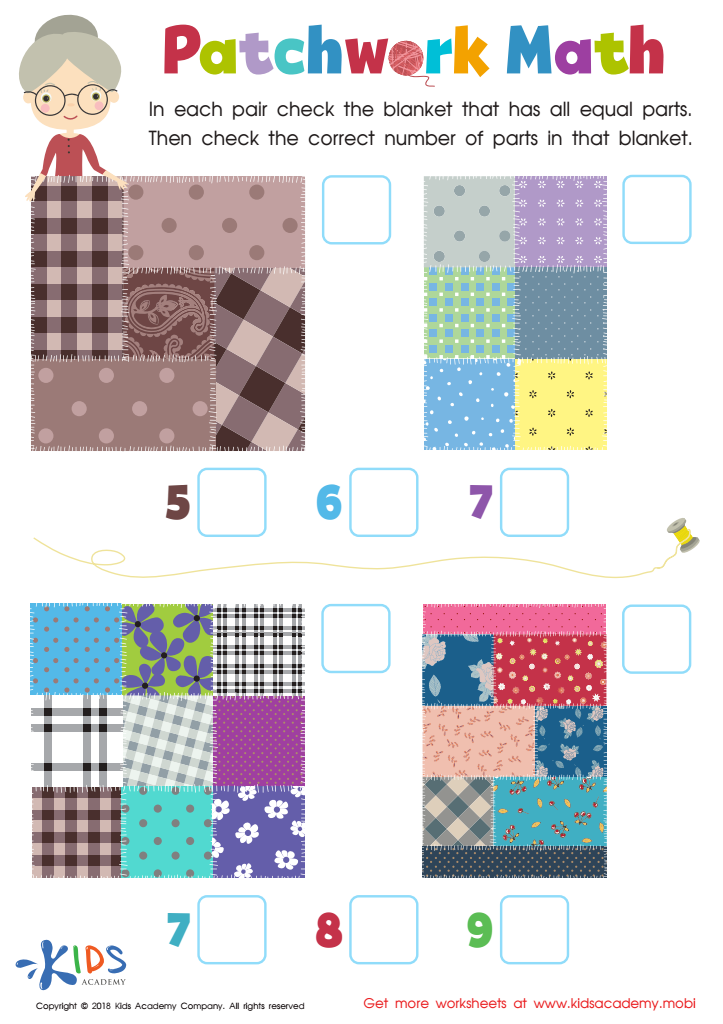
Patchwork Math Worksheet
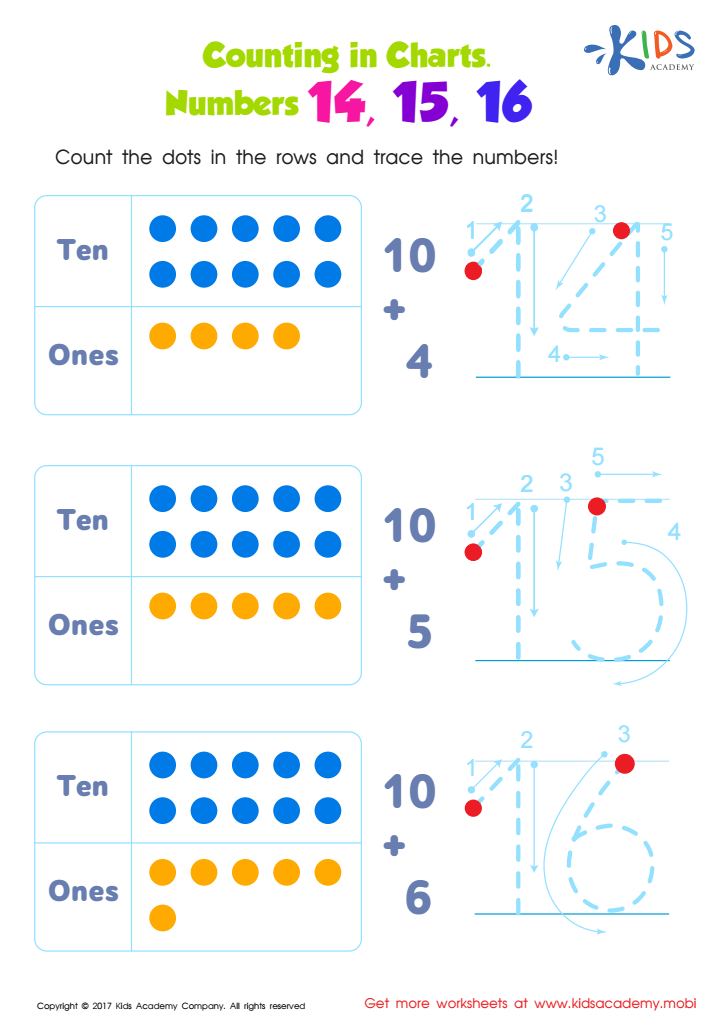
Number Tracing Worksheet


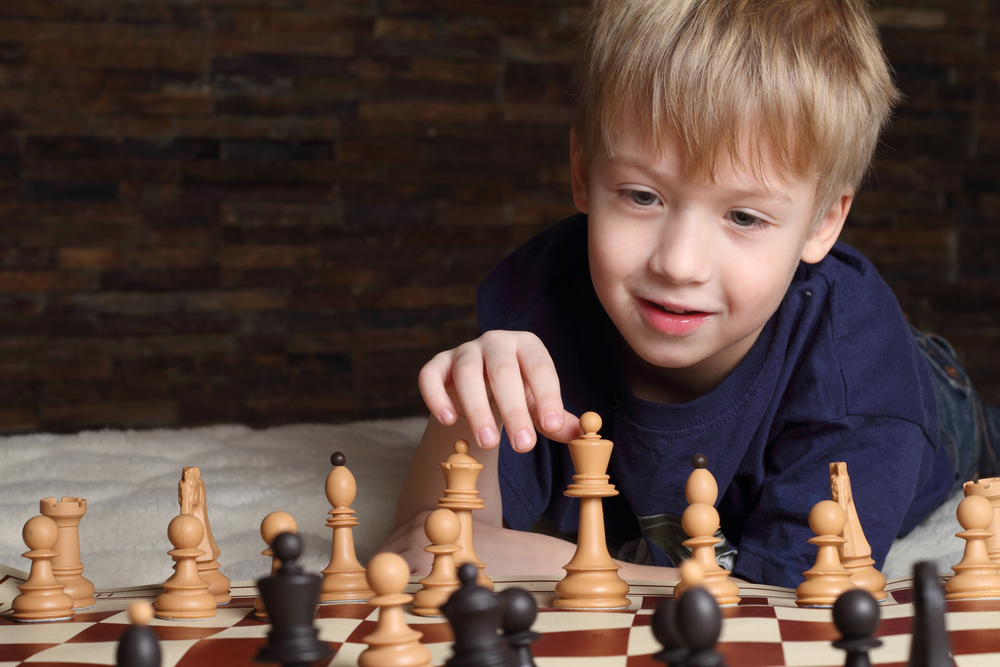





Hand-eye coordination is a crucial skill for children ages 6-7, as it lays the groundwork for various academic and everyday activities. This skill enables children to integrate visual input with motor skills, essential for tasks like writing, drawing, and participating in sports. Incorporating easy math activities that promote hand-eye coordination can enhance learning while making it enjoyable.
Parents and teachers should recognize that these activities not only help with mathematical concepts but also with multi-sensory engagement, fostering a more comprehensive learning experience. For instance, using manipulative tools, such as counting blocks or shape sorting, helps bridge the gap between abstract math and tangible understanding.
Furthermore, strong hand-eye coordination can enhance a child's confidence and independence in learning. As they develop these skills through playful math games, children are more likely to engage positively with other subjects, leading to a well-rounded educational experience. In an increasingly digital world, strengthening hand-eye coordination through interactive and creative math activities becomes even more vital to ensure children are prepared for various life challenges. By investing time in these foundational skills, parents and teachers help children establish a solid base for lifelong learning and development.








