Problem-Solving Skills Easy Math Worksheets for Ages 6-7 - Page 2
39 filtered results
-
From - To
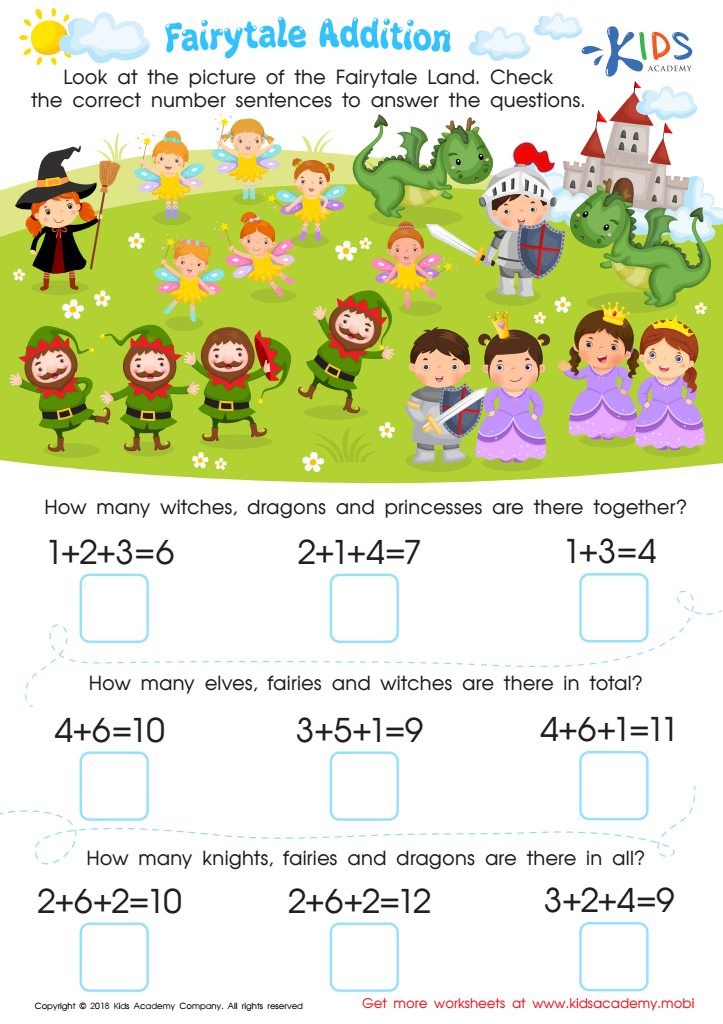
Fairytale Addition Worksheet
 Assign to My Students
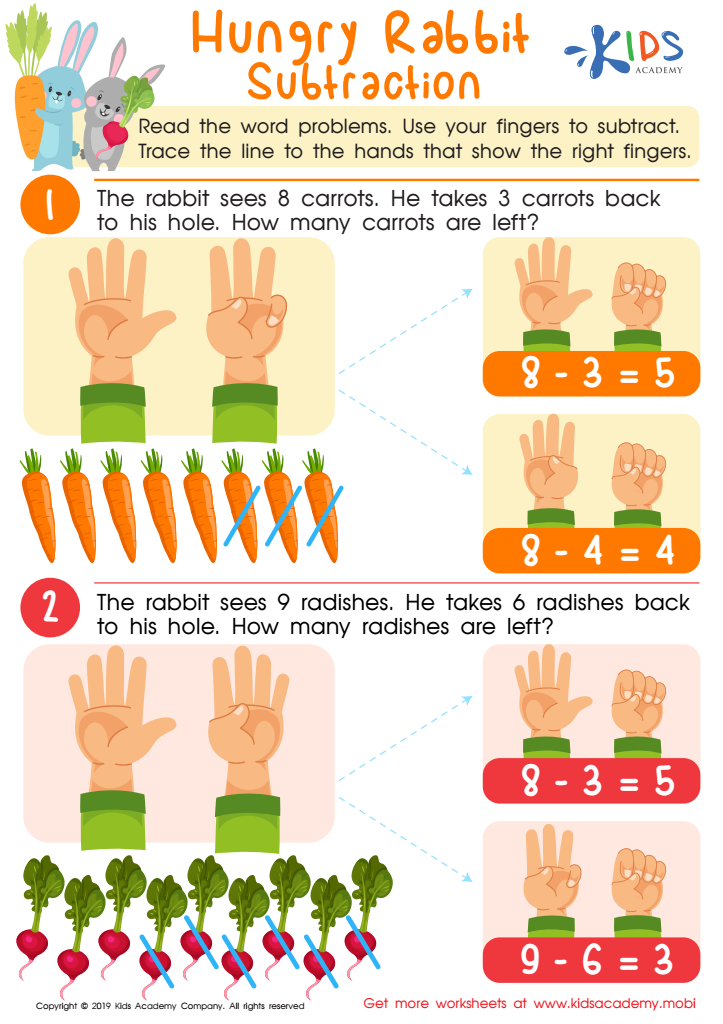
Hungry Rabbit Subtraction Worksheet
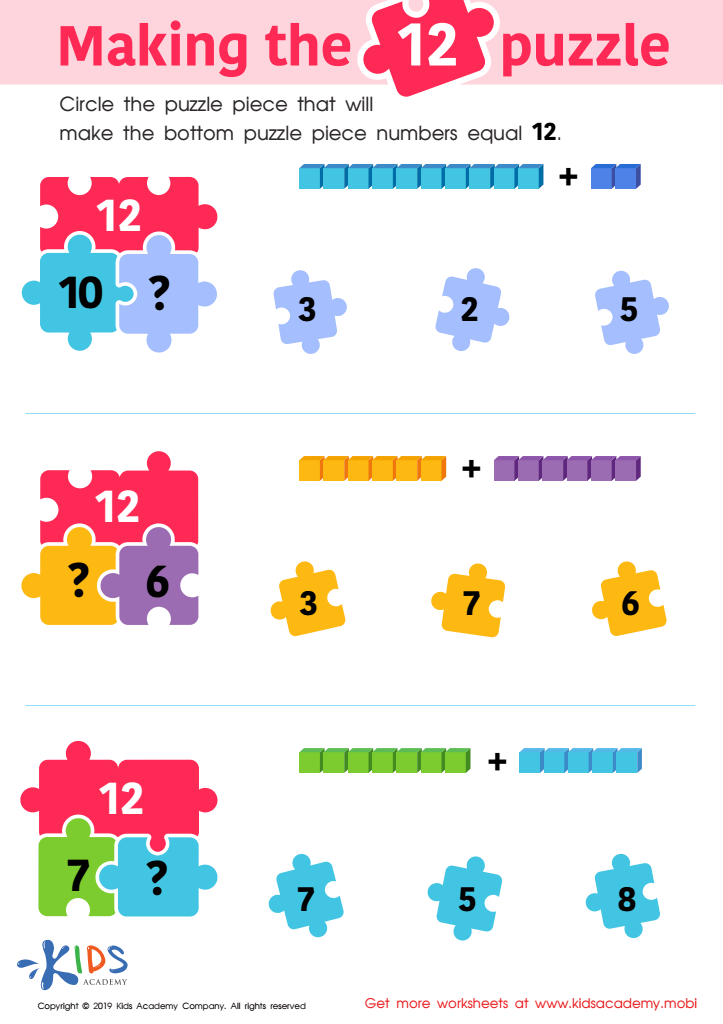
Making the 12 Puzzle Worksheet
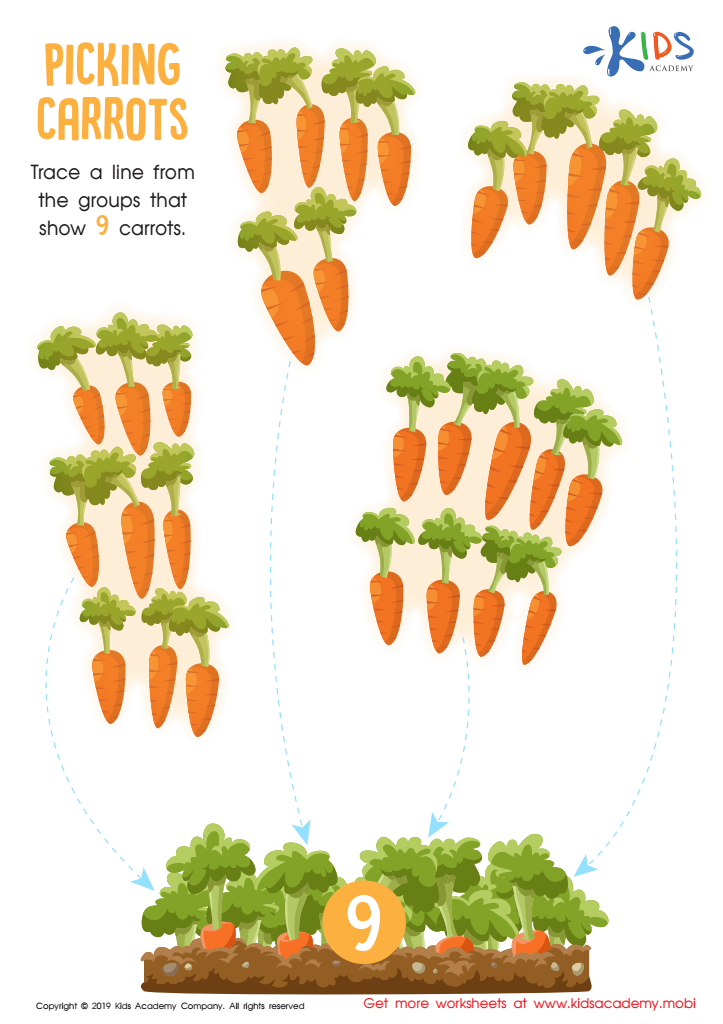
Picking Carrots Worksheet
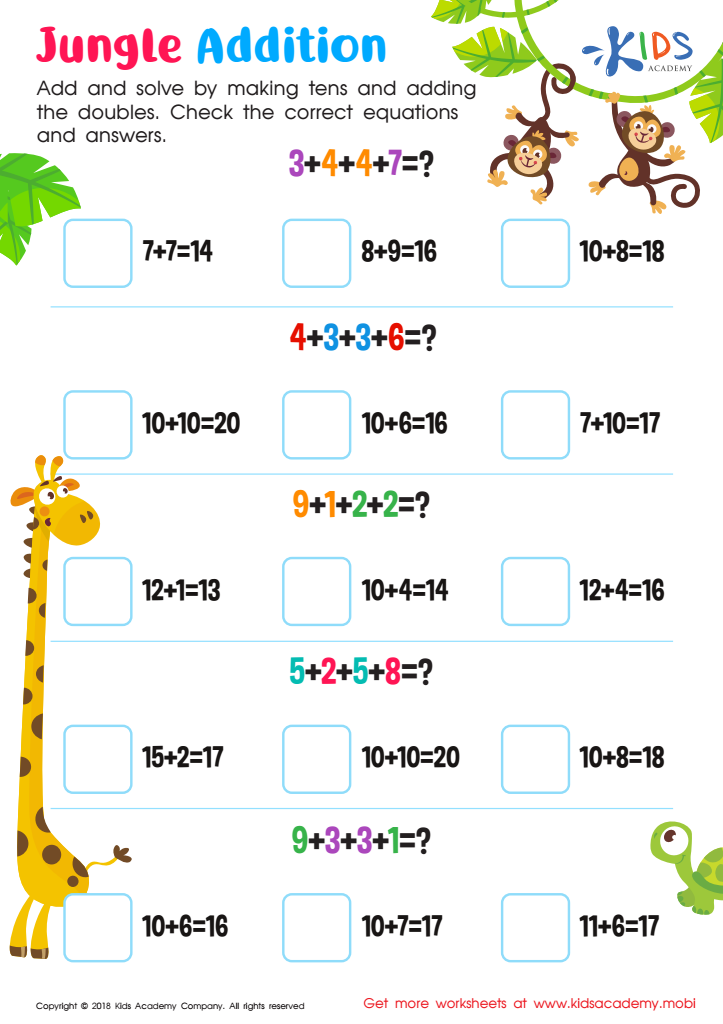
Jungle Addition Worksheet
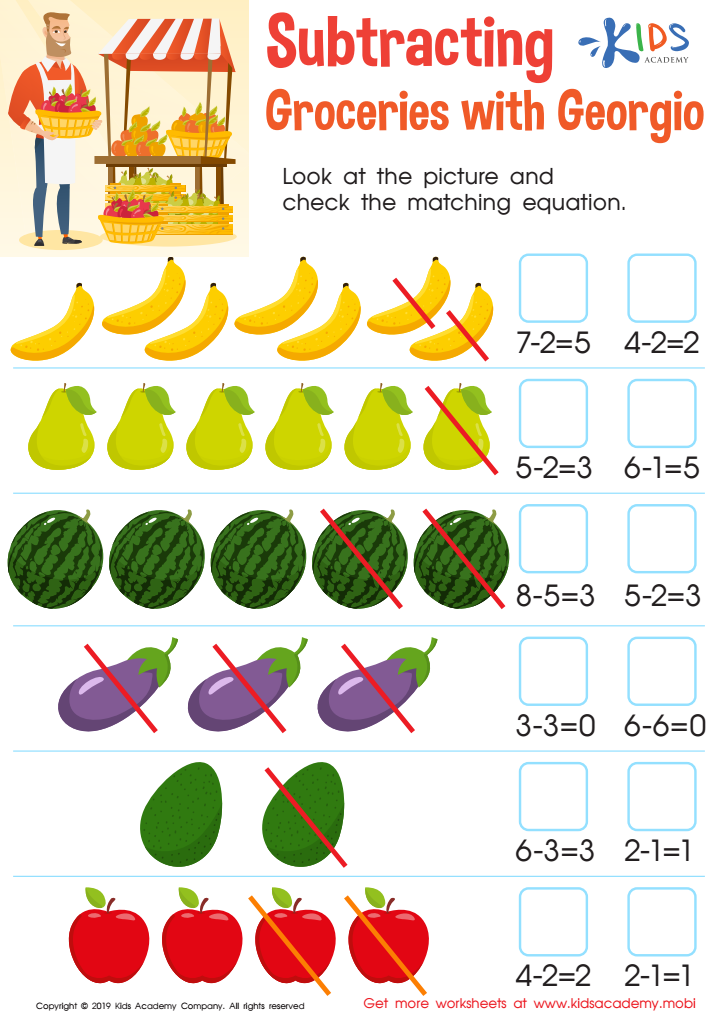
Subtracting: Groceries with Georgio Worksheet
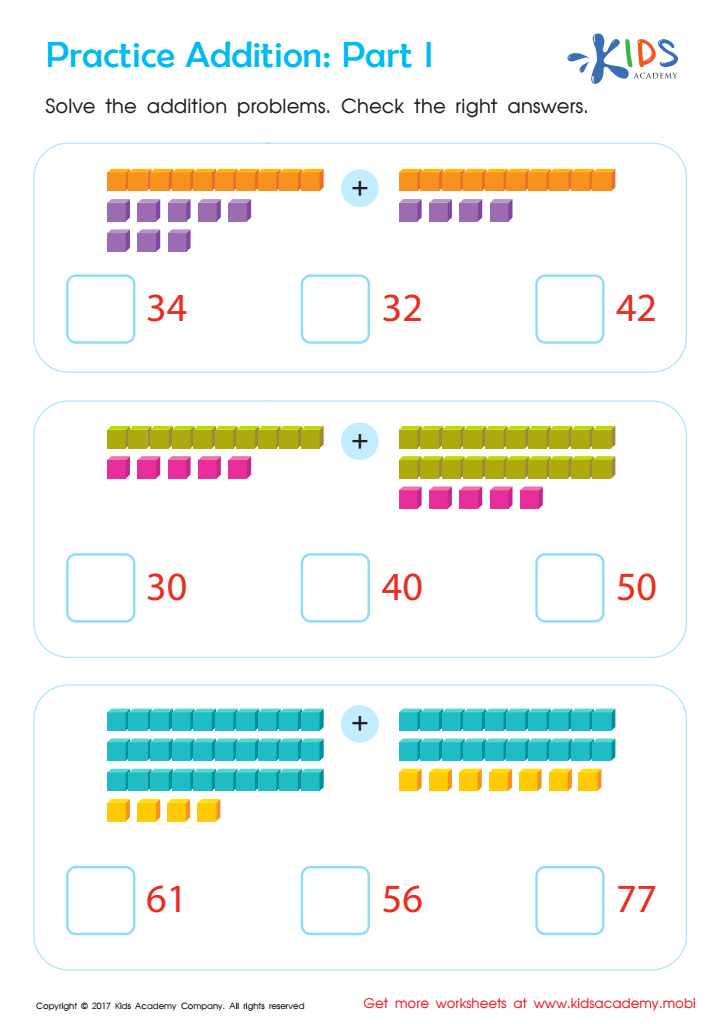
Practice Addition: Part 1 Worksheet
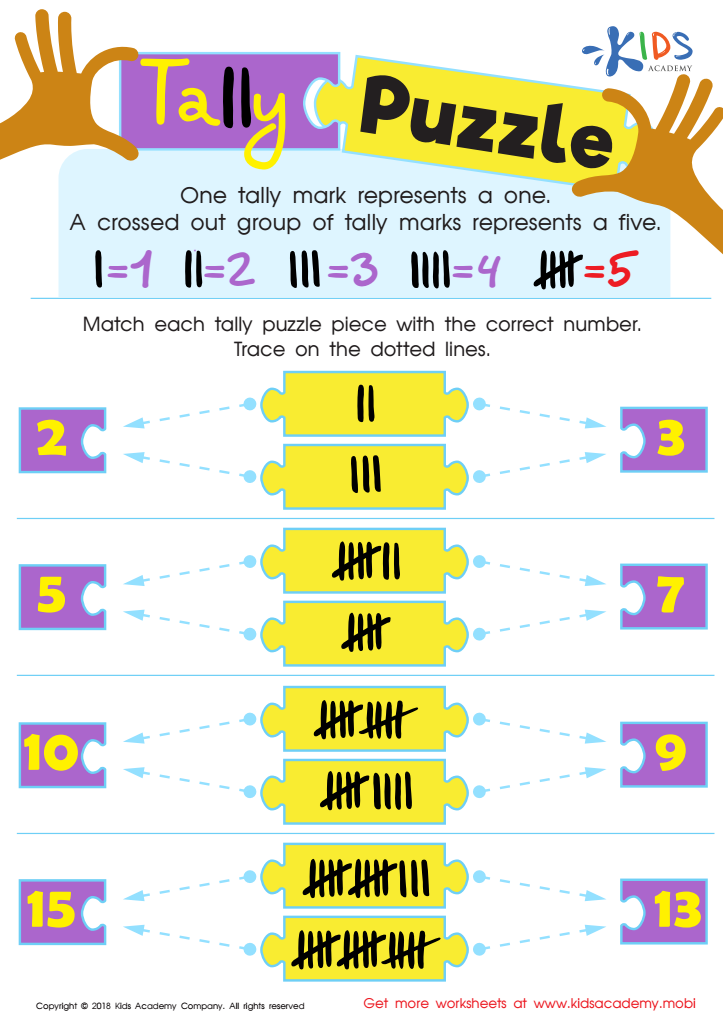
Tally Puzzle Worksheet
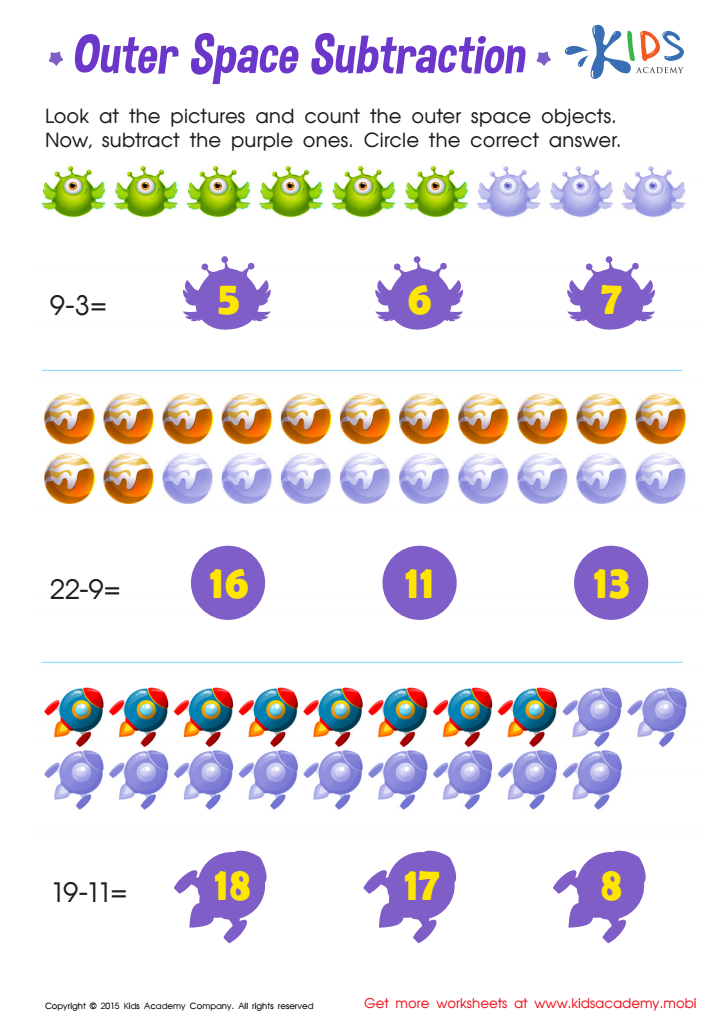
Outer Space Substraction Worksheet
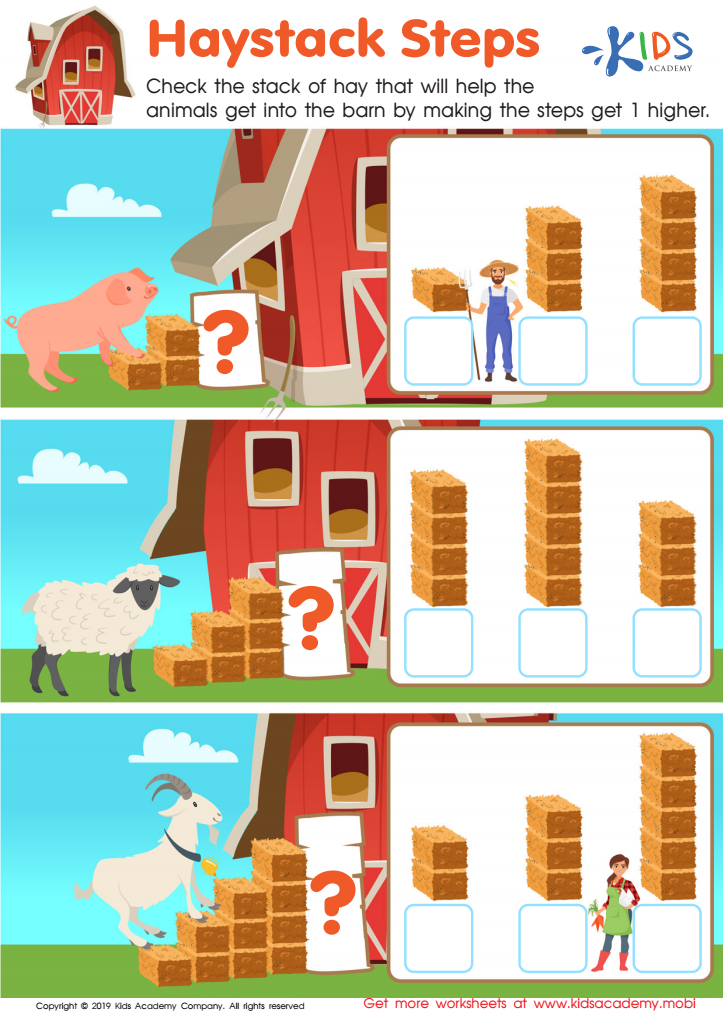
Haystack Steps Worksheet
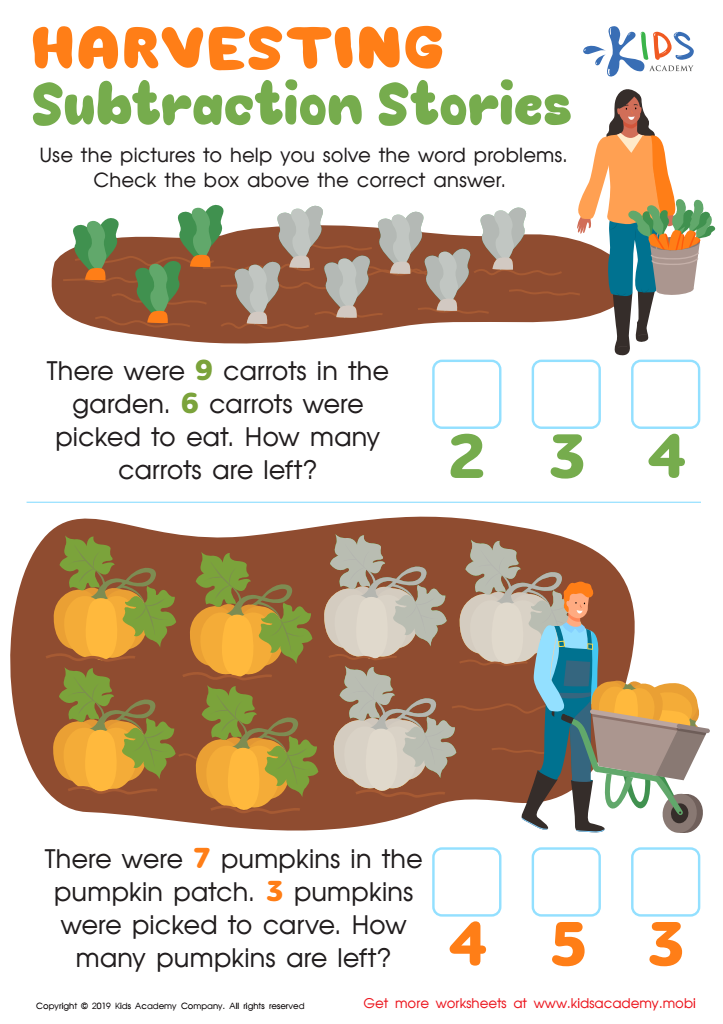
Harvesting Subtraction Stories Worksheet
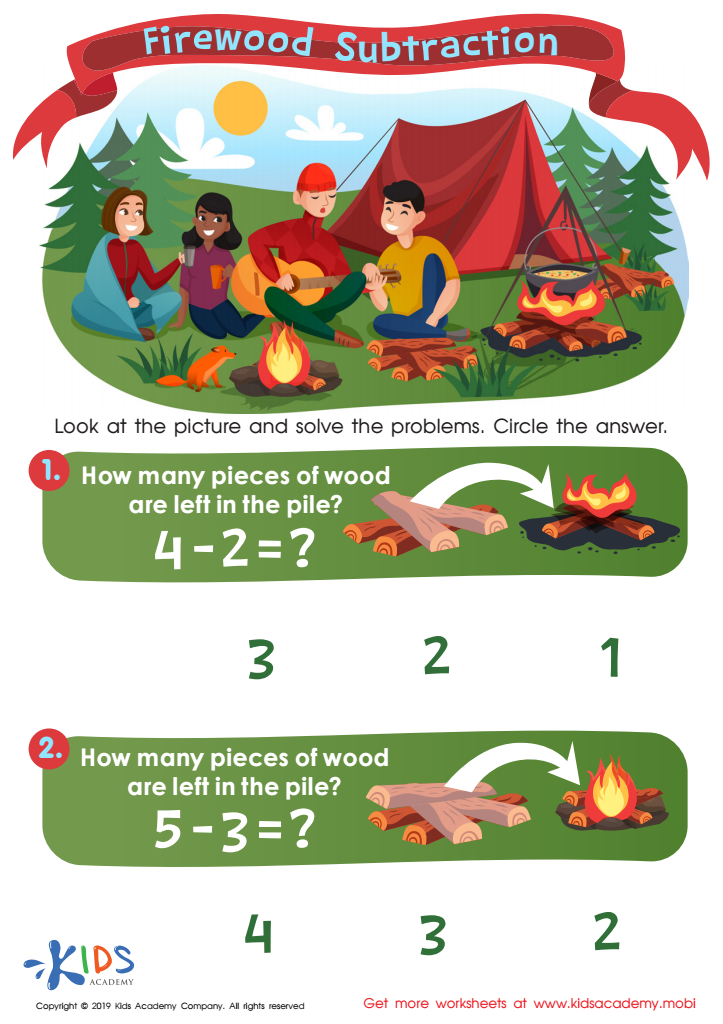
Firewood Subtraction Worksheet
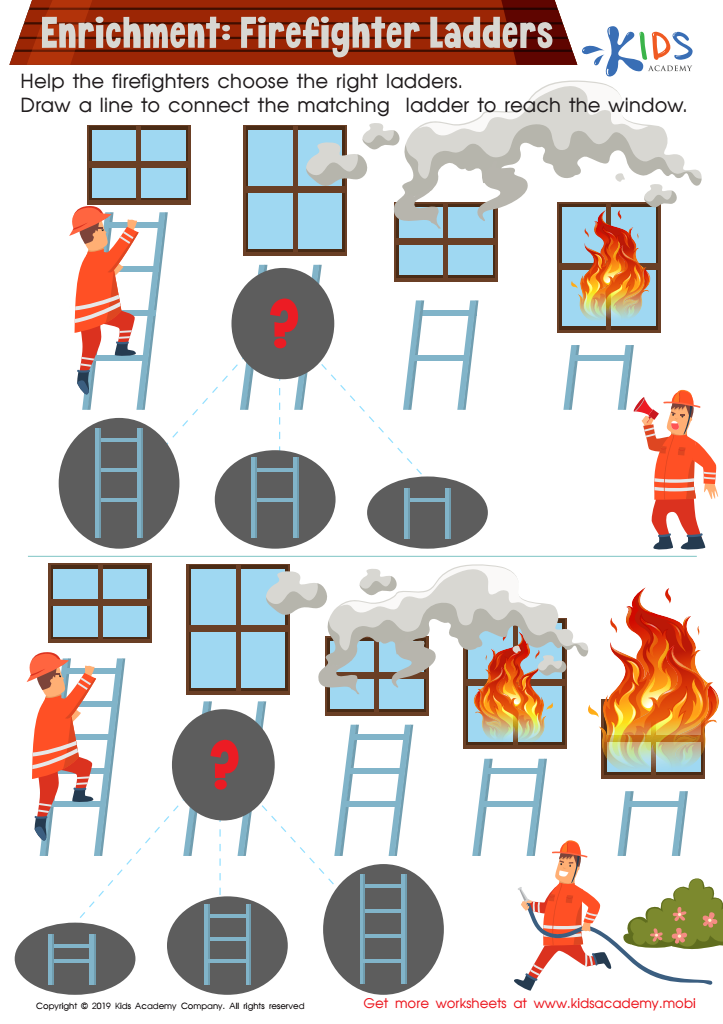
Enrichment: Firefighter Ladders Worksheet
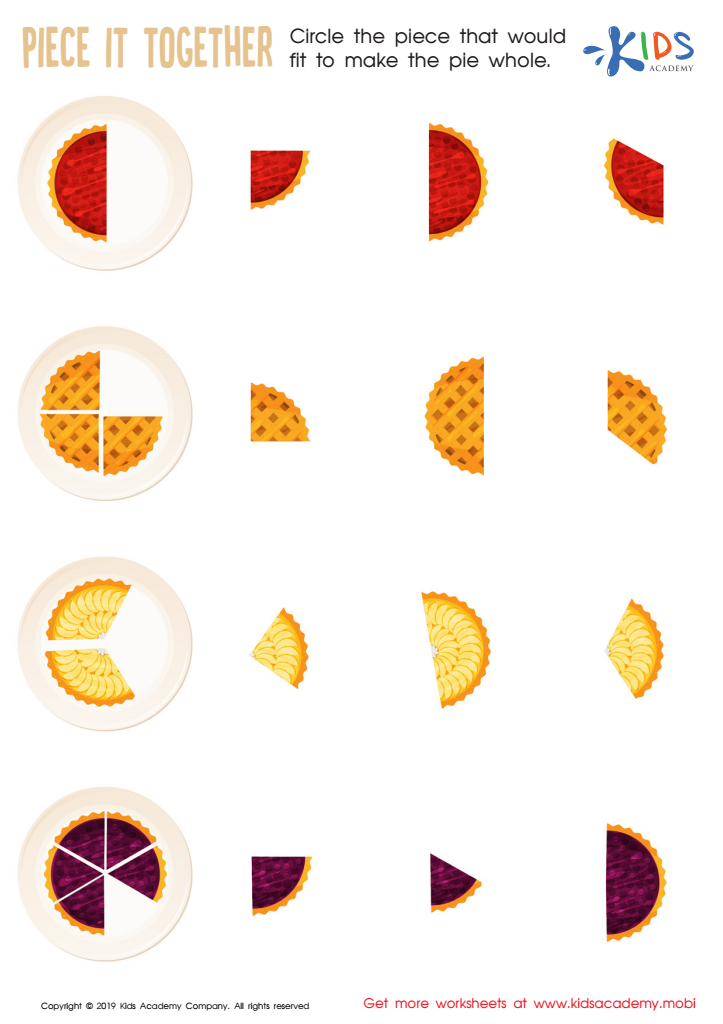
Piece it together Worksheet
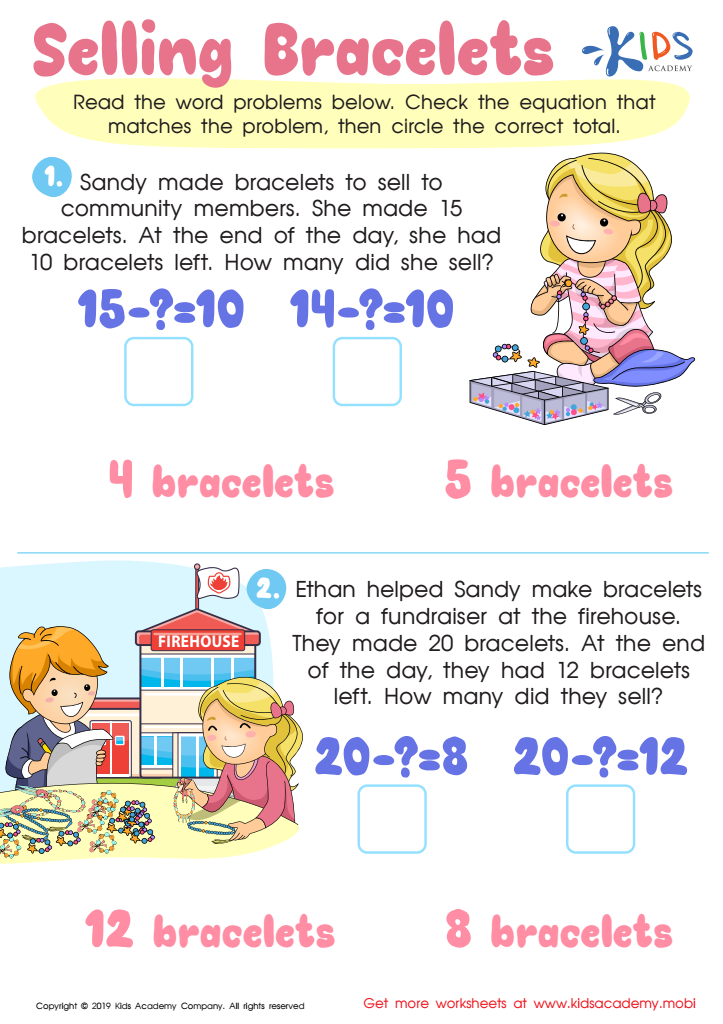
Selling the Bracelets Worksheet








Parents and teachers should pay close attention to problem-solving skills in easy math for children aged 6-7 because these foundational skills lay the groundwork for future academic success and everyday life. At this critical developmental stage, young minds are naturally curious and adept at learning new concepts. Introducing them to problem-solving in math fosters critical thinking, logical reasoning, and perseverance. These skills extend beyond mathematics, benefiting reading comprehension and scientific exploration.
Moreover, early proficiency in math builds confidence, providing young learners with a sense of accomplishment. This confidence encourages a positive attitude toward more challenging concepts in the future. Guiding children through easy math problems helps them learn to approach tasks methodically, enhancing their ability to analyze situations and make well-considered decisions. In social contexts, these skills can translate to effective conflict resolution and cooperative teamwork.
Furthermore, problem-solving in math aligns with educational standards and prepares students for more competitive academic environments. Familiarity with math vocabulary and problem-solving strategies enhances overall cognitive development, including memory and attention span. By investing in these skills early, parents and teachers equip children with tools essential for lifelong learning and intellectual resilience. Thus, nurturing problem-solving skills in early math fluently blends academic preparedness with essential life competencies.








