Alphabet Recognition Easy Worksheets for Ages 6-8
6 filtered results
-
From - To
Discover our engaging "Alphabet Recognition Easy Worksheets" designed for children aged 6-8! These worksheets provide a fun and interactive way for young learners to solidify their understanding of the alphabet. With vibrant illustrations and simple activities, students will practice identifying letters, matching uppercase and lowercase forms, and enhancing their phonemic awareness. Perfect for both home and classroom use, these resources make learning enjoyable while building essential literacy skills. Encourage your child's confidence in reading and writing with our thoughtfully crafted worksheets that cater to their developmental needs. Start their alphabet mastery journey today!
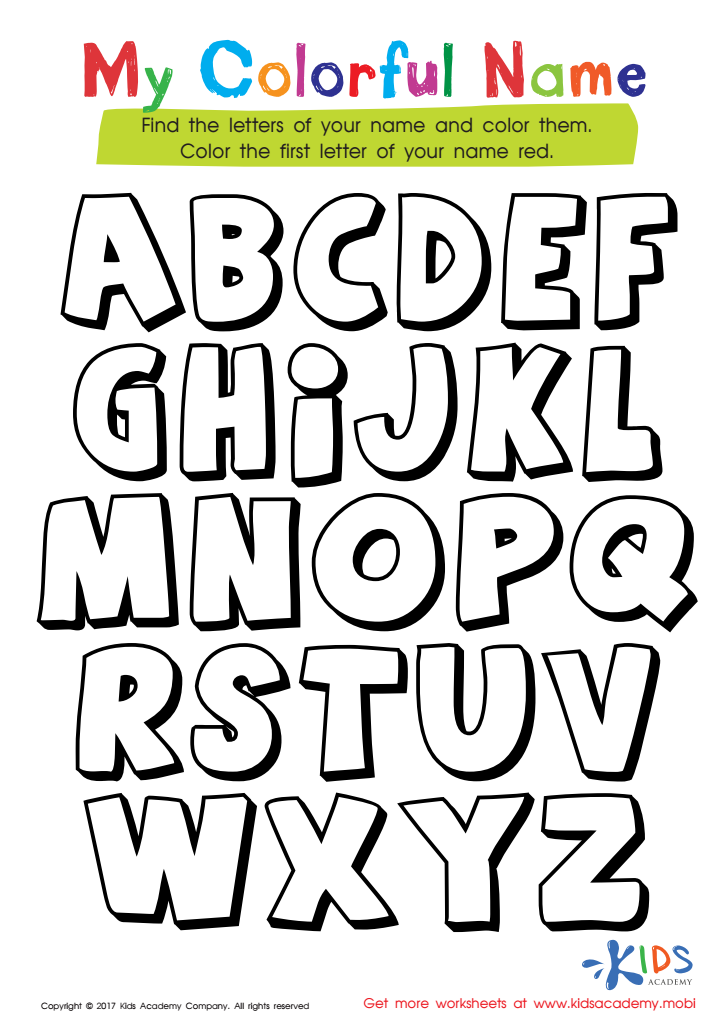
My Colorful Name Worksheet
 Assign to My Students
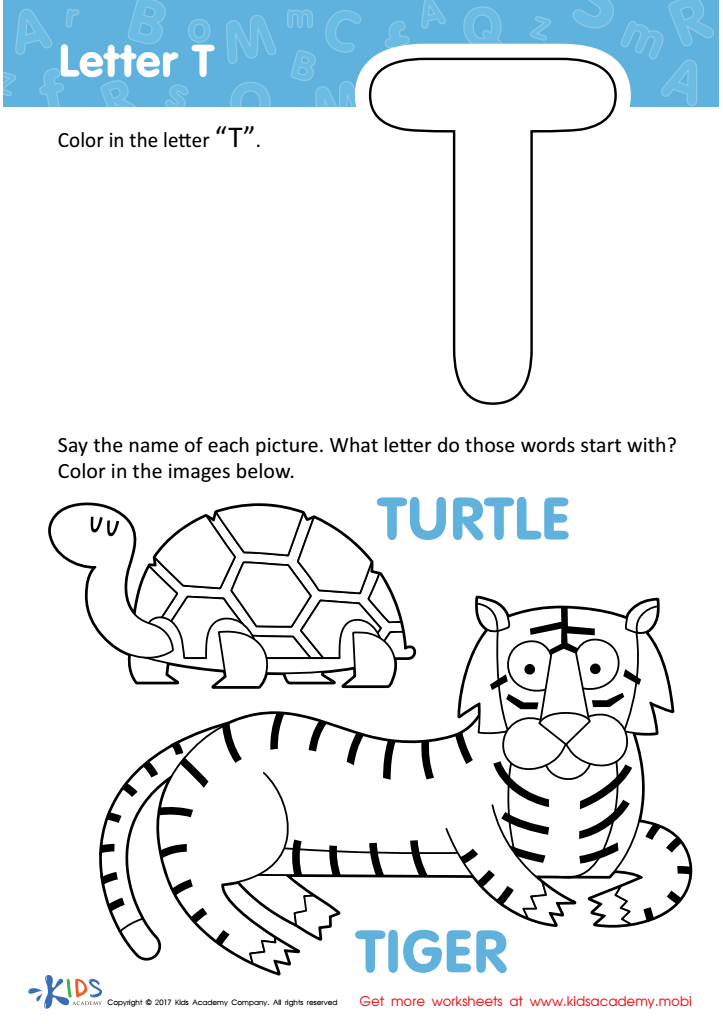
Letter T Coloring Sheet
Assign to My Students
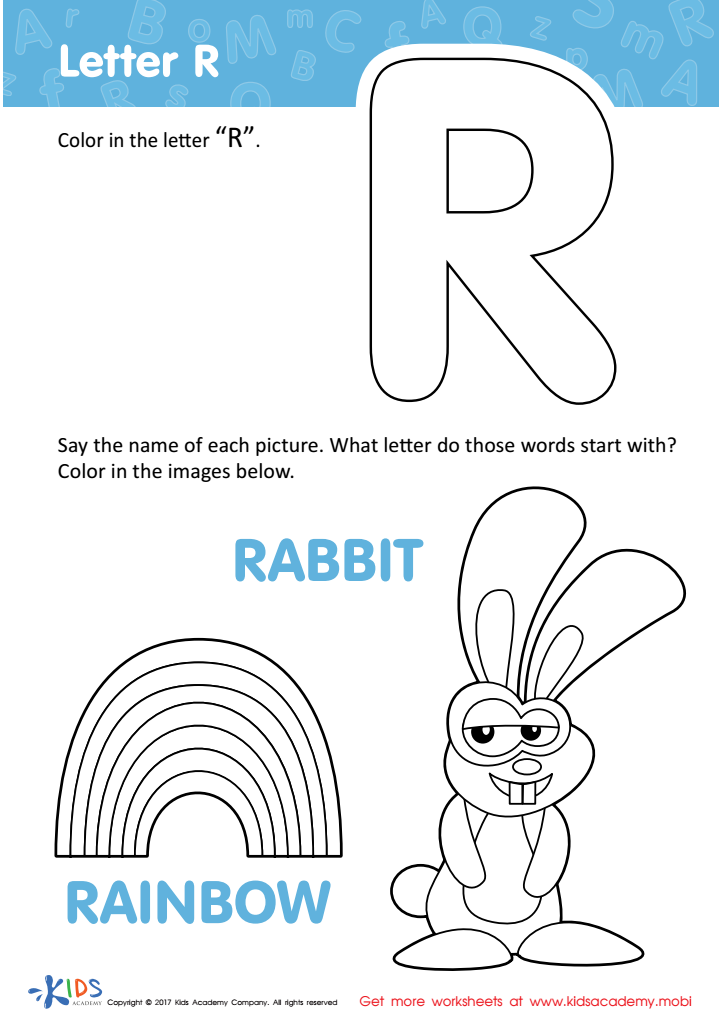
Letter R Coloring Sheet
Assign to My Students
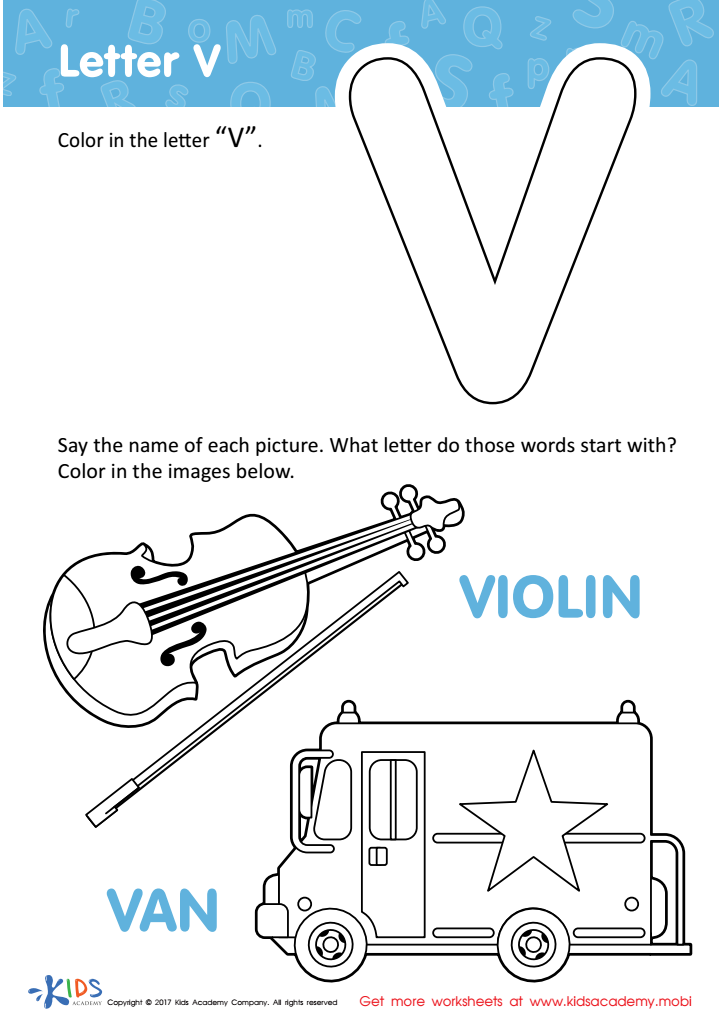
Letter V Coloring Sheet
Assign to My Students
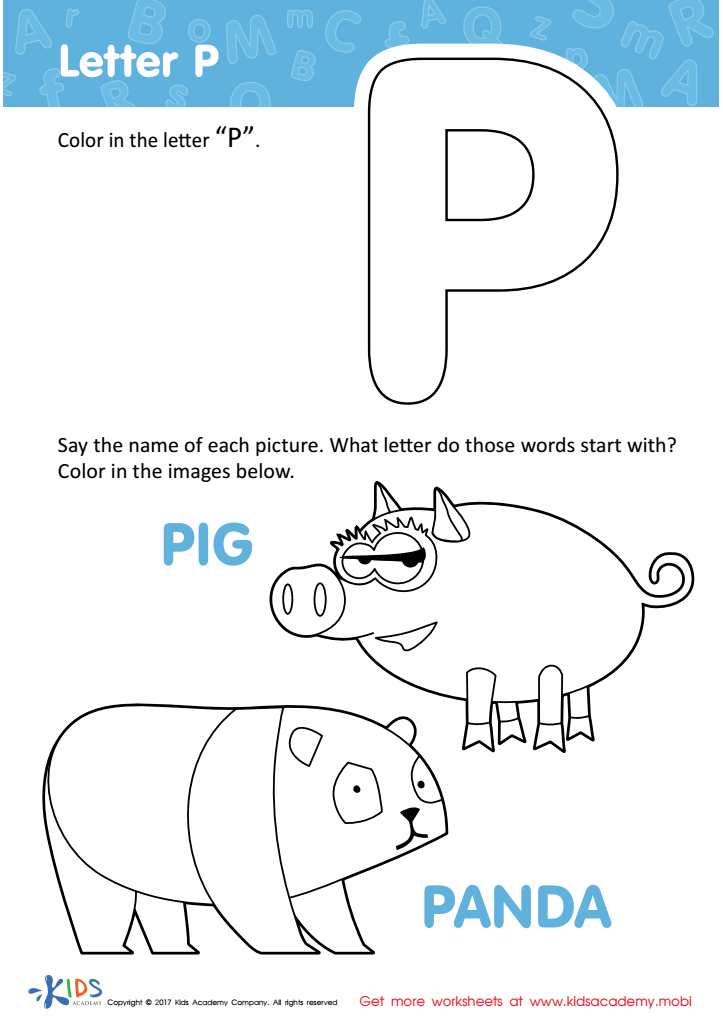
Letter P Coloring Sheet
Assign to My Students
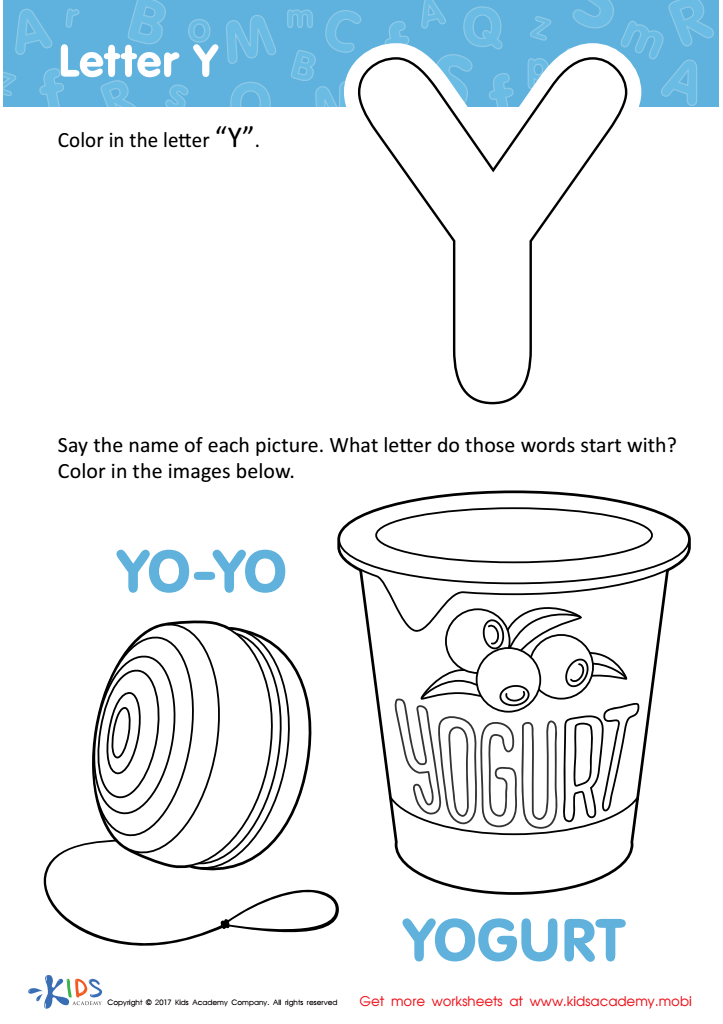
Letter Y Coloring Sheet
Assign to My Students








Alphabet recognition is a critical foundational skill for children aged 6-8, serving as a building block for literacy development. Parents and teachers should prioritize this skill as it significantly influences children's reading, writing, and overall academic success. At this age, children are transitioning from learning phonics to reading more complex texts; thus, a firm grasp of the alphabet enhances their confidence and ability to decode words, which is essential for their literacy journey.
Moreover, knowing the letters enables students to develop phonemic awareness—the ability to hear, identify, and manipulate sounds—further improving their spelling and vocabulary. Additionally, confident recognition of letters allows children to engage more deliberately with their reading materials, fostering a positive attitude toward literacy.
Without sufficient alphabet recognition, children may struggle in later grades, which can affect their self-esteem and enthusiasm for learning. Early intervention and support from parents and educators can close any gaps in these early skills. By focusing on alphabet recognition, caregivers can set children up for long-term success in an increasingly academic and text-based world. Therefore, fostering this skill is not just beneficial, but essential for comprehensive educational development.








