Sequencing Skills Easy Worksheets for Ages 6-8
8 filtered results
-
From - To
Discover our "Sequencing Skills Easy Worksheets for Ages 6-8" at Kids Academy. Perfectly tailored to young learners, these worksheets help kids understand the order of events and enhance their logical thinking. Engaging and thoughtfully designed, they feature fun activities like picture stories and simple instructions for children to follow. These exercises are ideal for developing critical early reading and problem-solving skills, ensuring a solid foundation for future learning. Whether at home or in the classroom, our sequencing worksheets make learning fun and effective for young minds. Visit Kids Academy to start nurturing your child's sequencing abilities today!
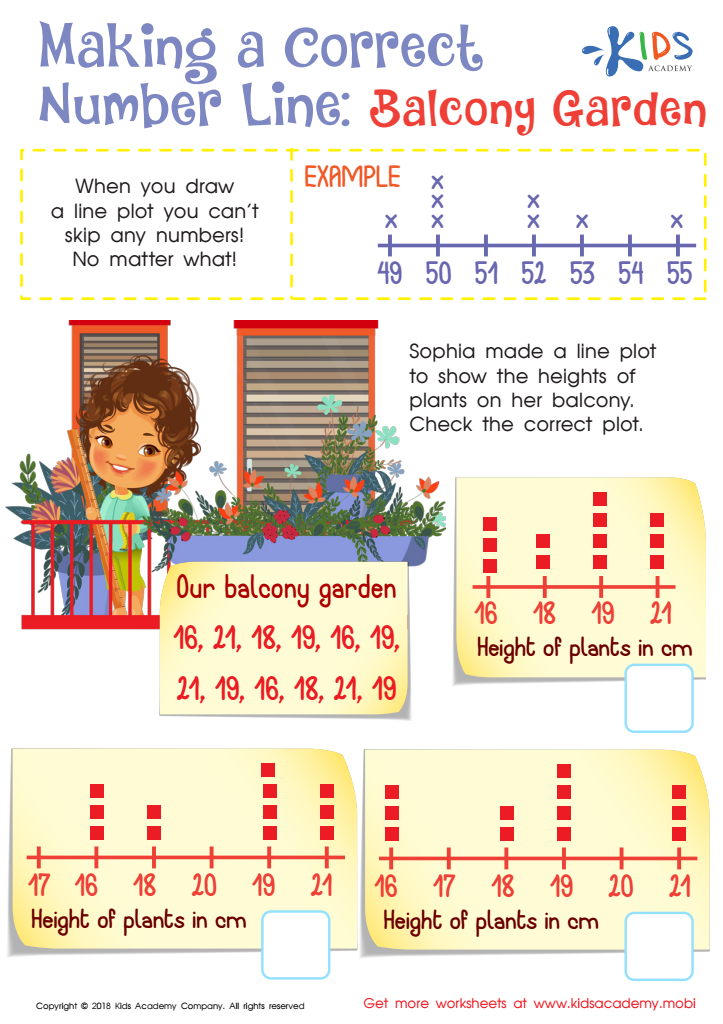
Making a Correct Number Line: Balcony Garden Worksheet
 Assign to My Students
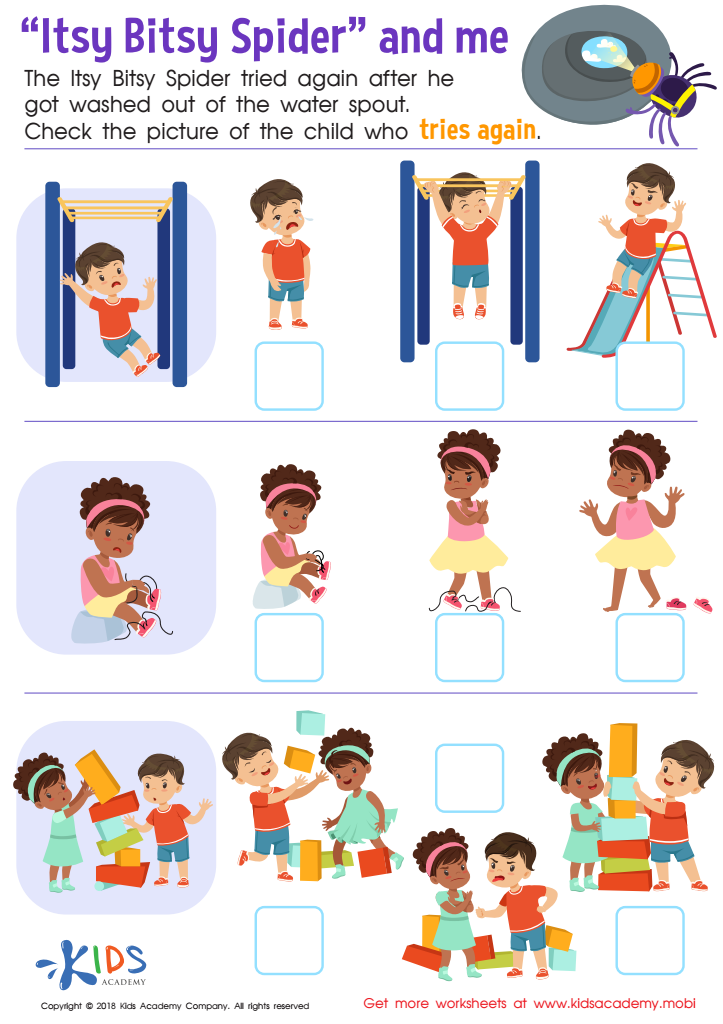
Itsy Bitsy Spider and Me Worksheet
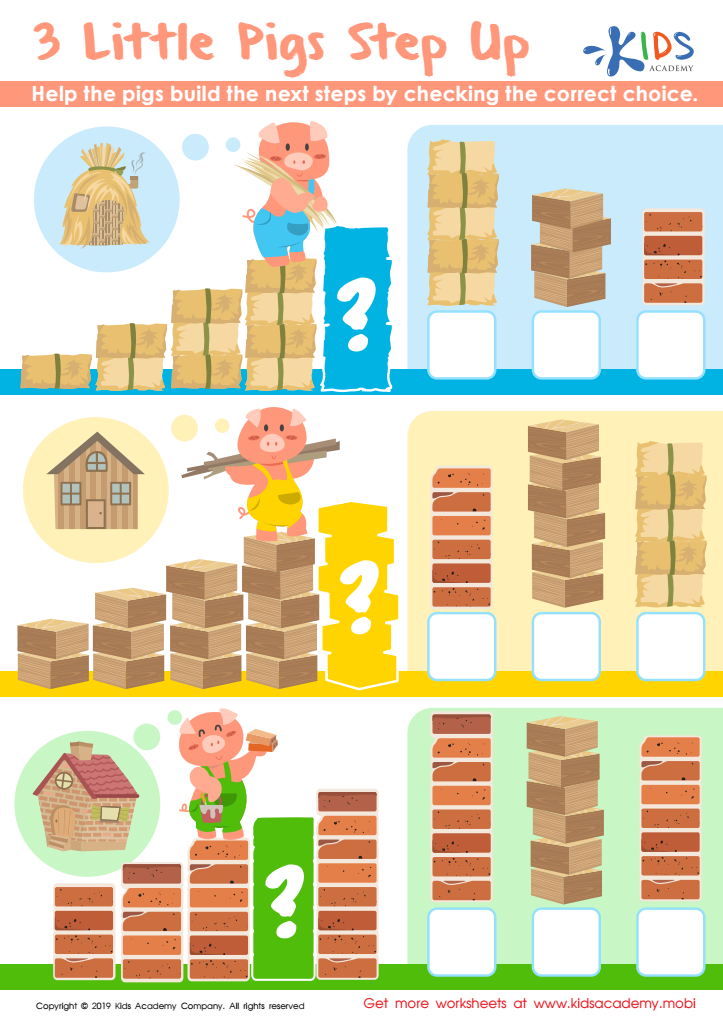
3 Little Pigs Step Up Worksheet
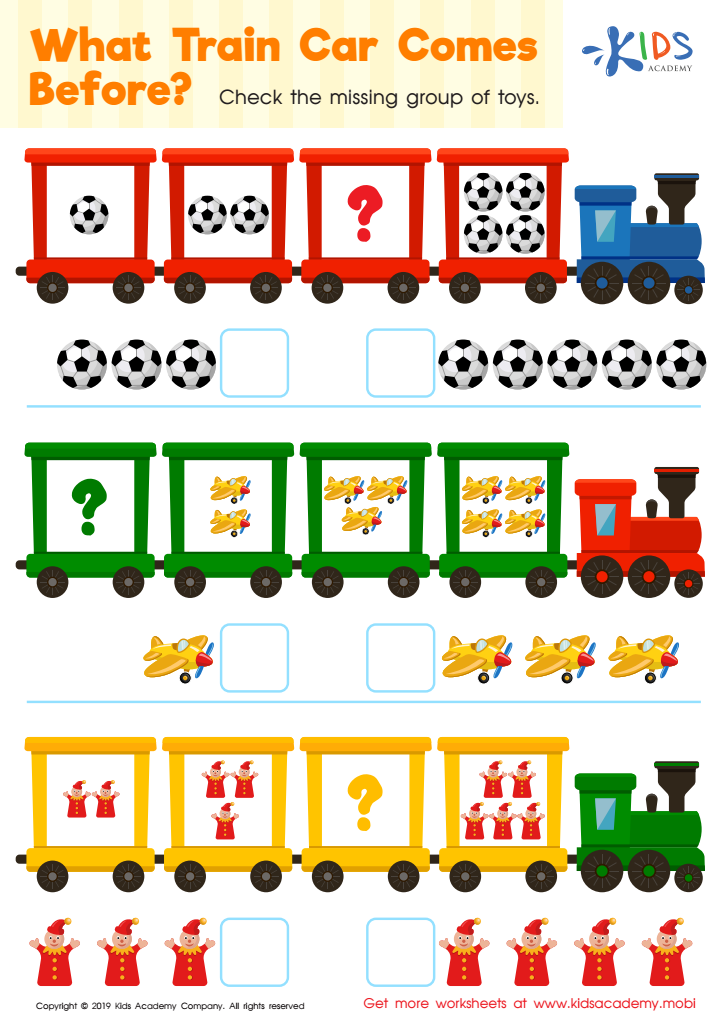
What Train Car Comes Before? Worksheet
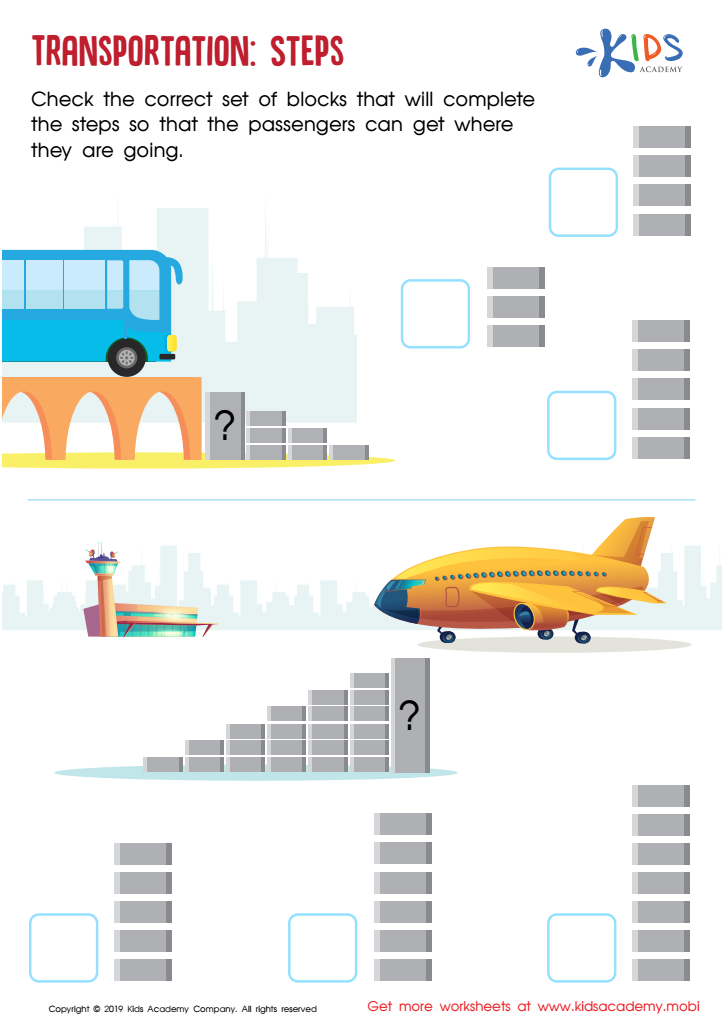
Transportation: Steps Worksheet
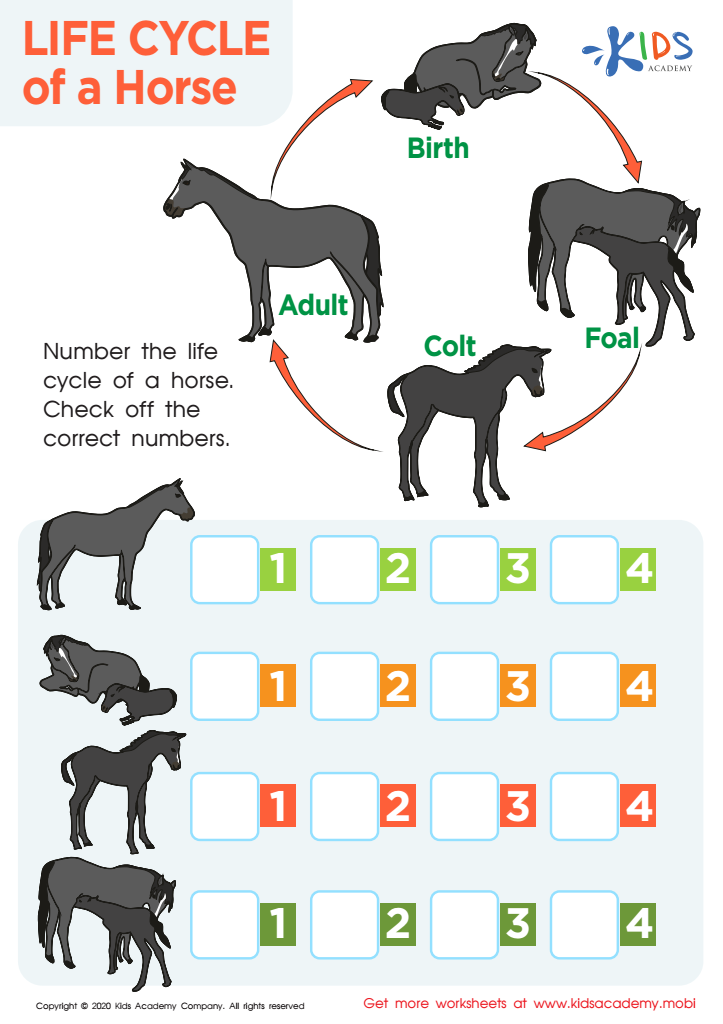
Life Cycle of a Horse Worksheet
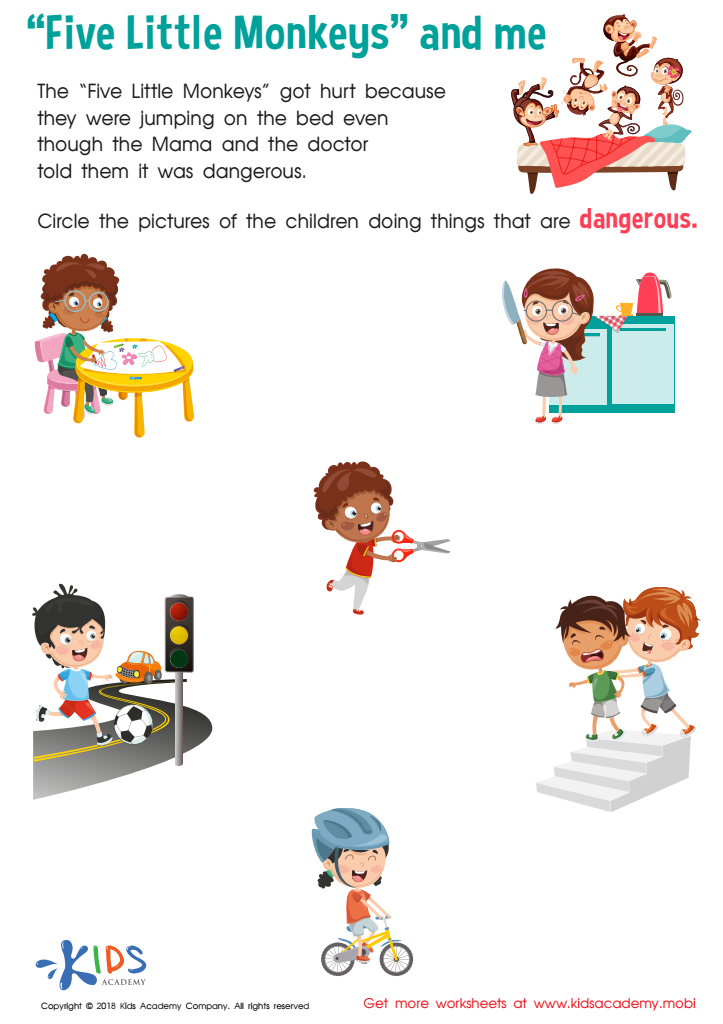
Five Little Monkeys and Me Worksheet
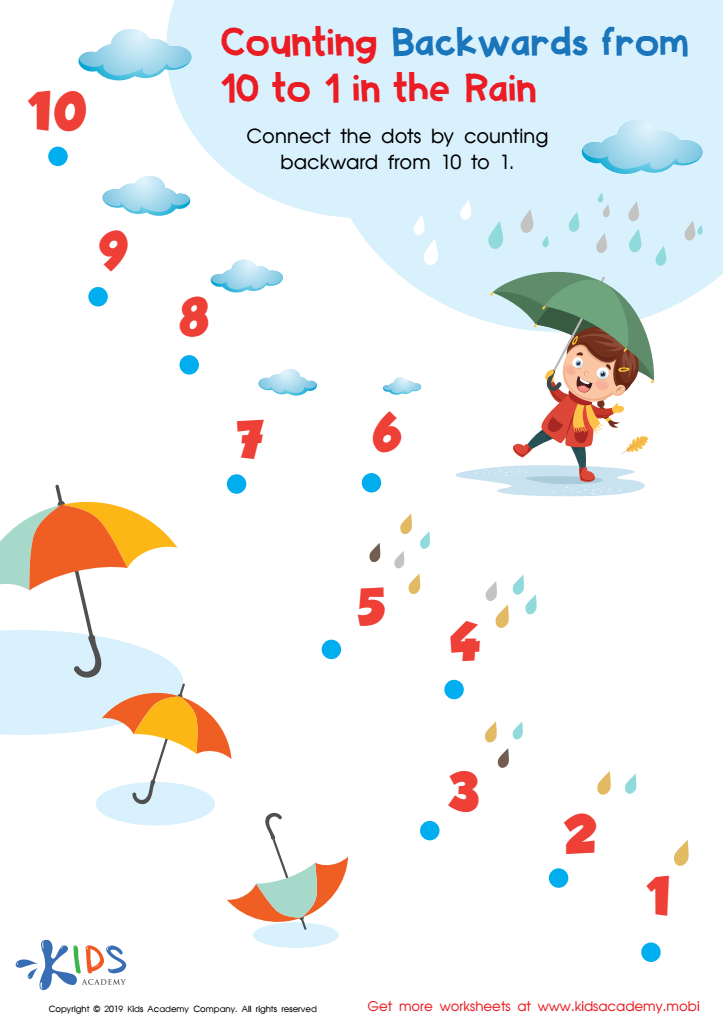
Counting Backwards from 10 to 1 in the Rain Worksheet







Sequencing skills are crucial for children aged 6-8 as they lay the foundation for essential cognitive and language development. When parents or teachers focus on advancing these skills, they help children understand the logical order of events, which is vital for both academic success and everyday life.
In terms of academics, sequencing is integral to reading comprehension and writing. By arranging events in the right order, children can better understand stories, follow instructions, and communicate their thoughts clearly. This skill also enhances their mathematical proficiency, as they learn to follow multi-step processes essential in problem-solving.
Additionally, sequencing supports executive functioning, enabling children to plan, organize, and complete tasks efficiently. It aids in the development of creativity and independent thinking by enabling children to predict outcomes and make coherent connections between different pieces of information.
Furthermore, mastering sequencing skills improves social interaction. Children learn to take turns in conversation, understand routines, and manage time, which contributes to smoother interpersonal relationships.
By prioritizing sequencing activities through games, stories, and hands-on tasks, parents and teachers provide children with a robust toolkit for navigating school and life more effectively, ultimately fostering young learners who are confident, independent, and capable.








