Sorting skills Easy Worksheets for Ages 6-8
6 filtered results
-
From - To
Discover our engaging "Sorting Skills Easy Worksheets" designed for children aged 6-8! These fun and interactive worksheets help young learners develop essential sorting abilities through enjoyable activities. Whether it's categorizing objects by color, size, or shape, our resources foster critical thinking and enhance cognitive skills. Ideal for both classroom and home use, these worksheets promote hands-on learning while making sorting a thrilling experience. Each activity is tailored to keep kids engaged and excited about learning! Start building your child's sorting skills today with our easy-to-use worksheets that encourage exploration and understanding of the world around them. Perfect for early education success!
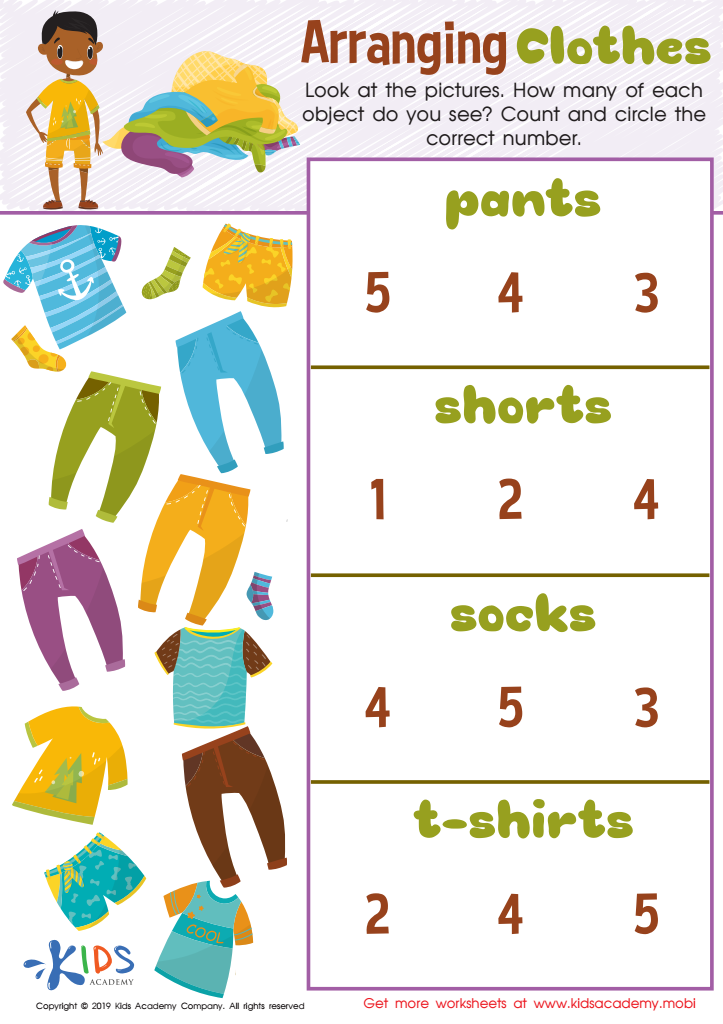
Arranging Clothes Worksheet
 Assign to My Students
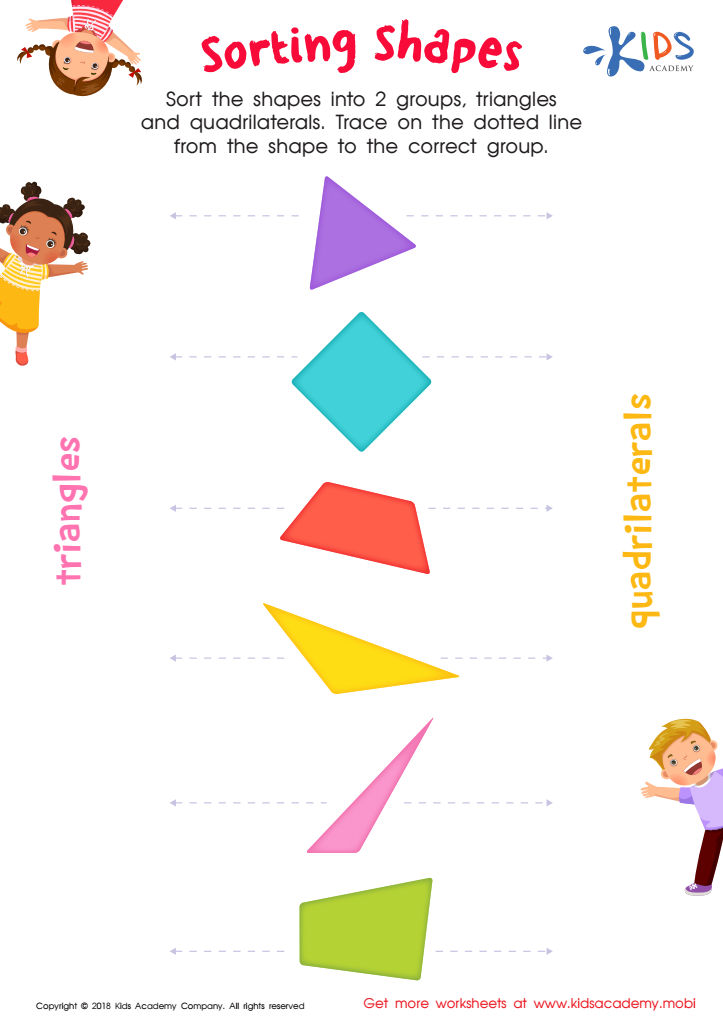
Sorting Shapes Worksheet
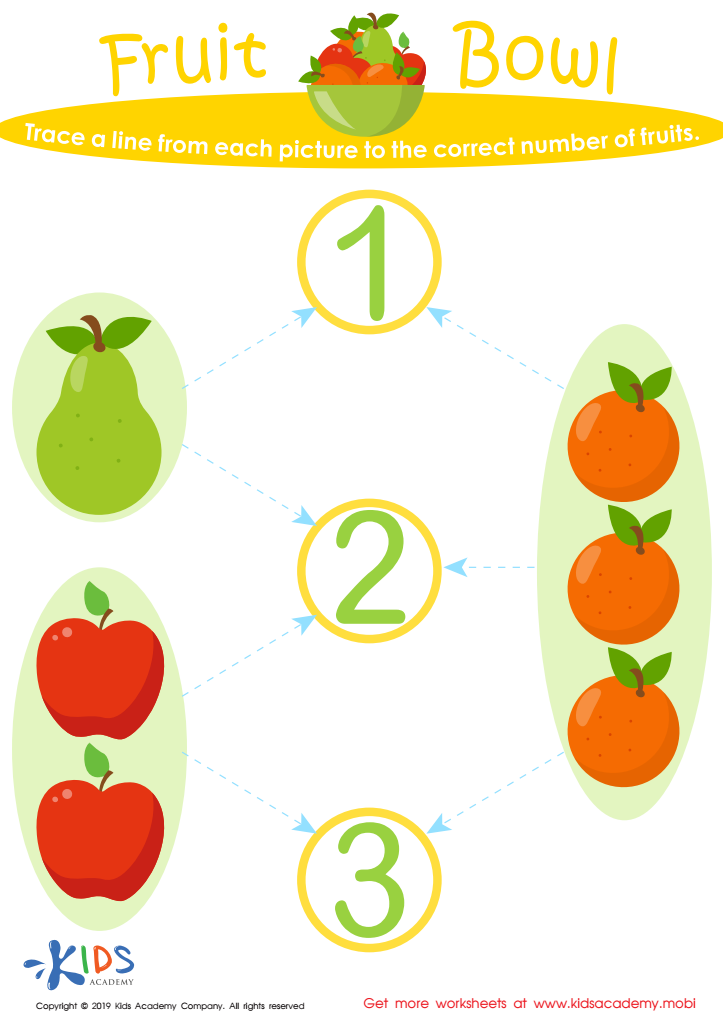
Fruit Bowl Worksheet
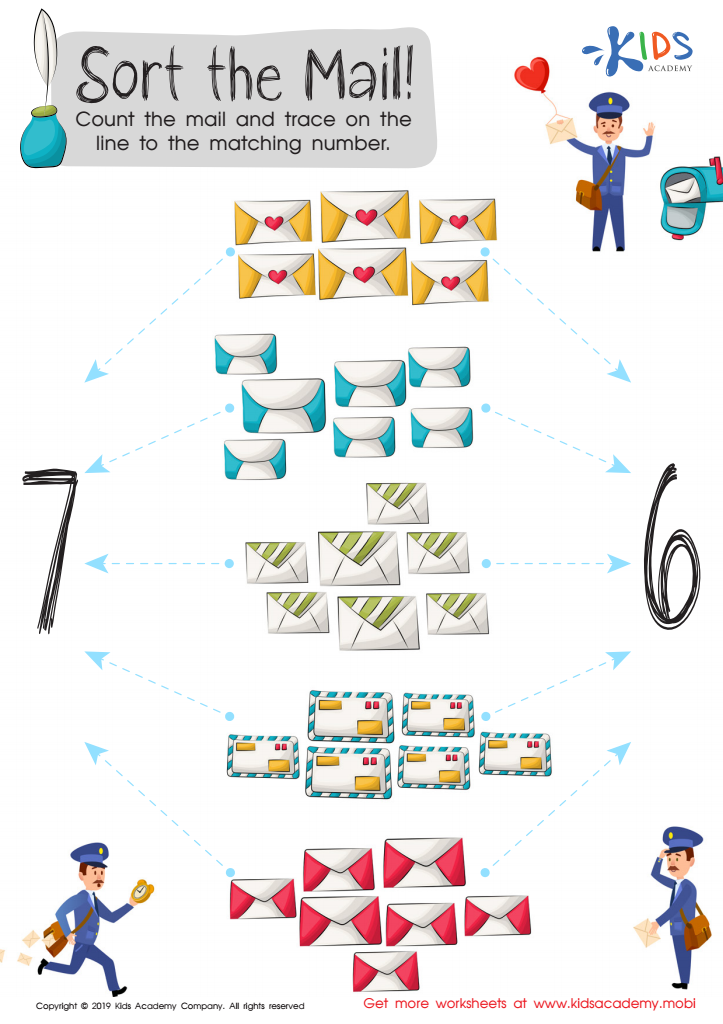
Sort the Mail Worksheet
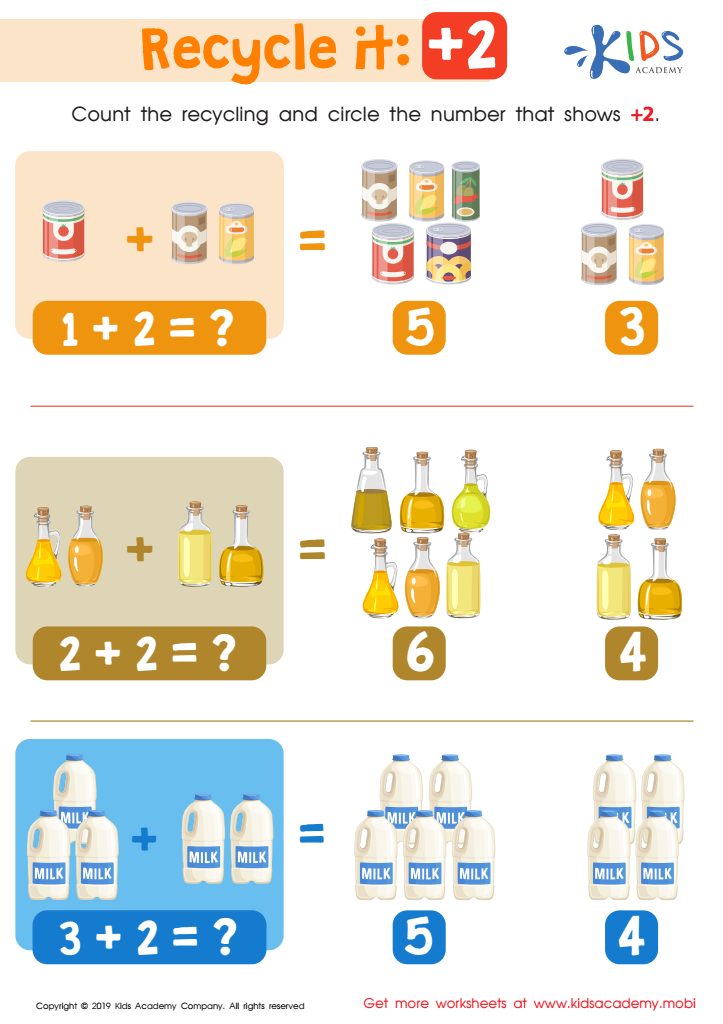
Recycle It: +2 Worksheet
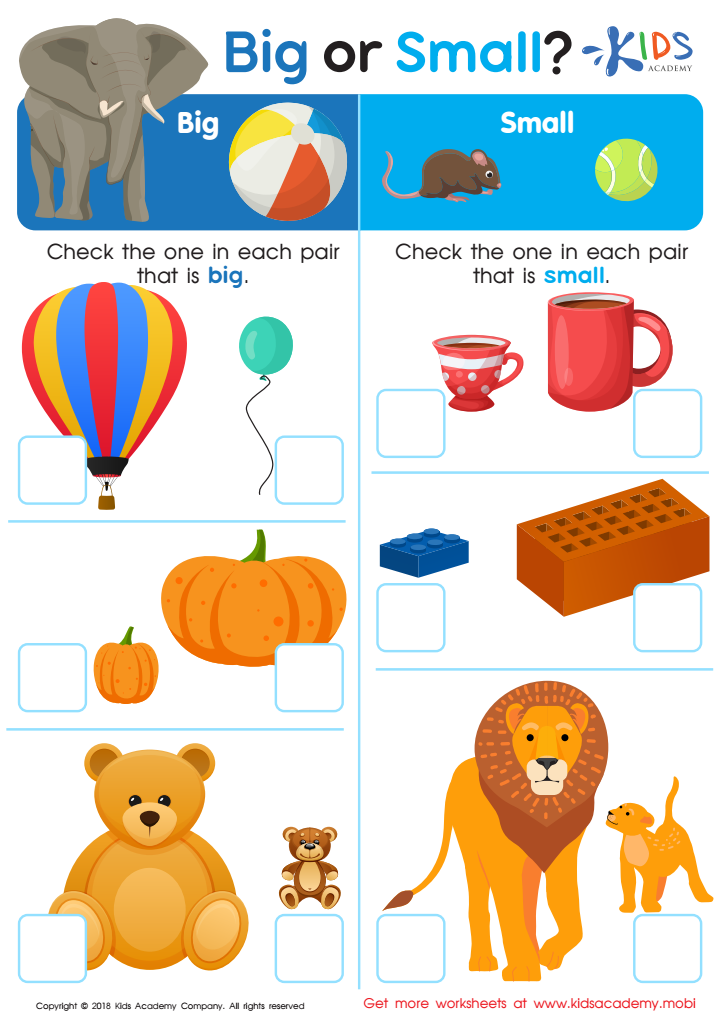
Big or Small? Worksheet





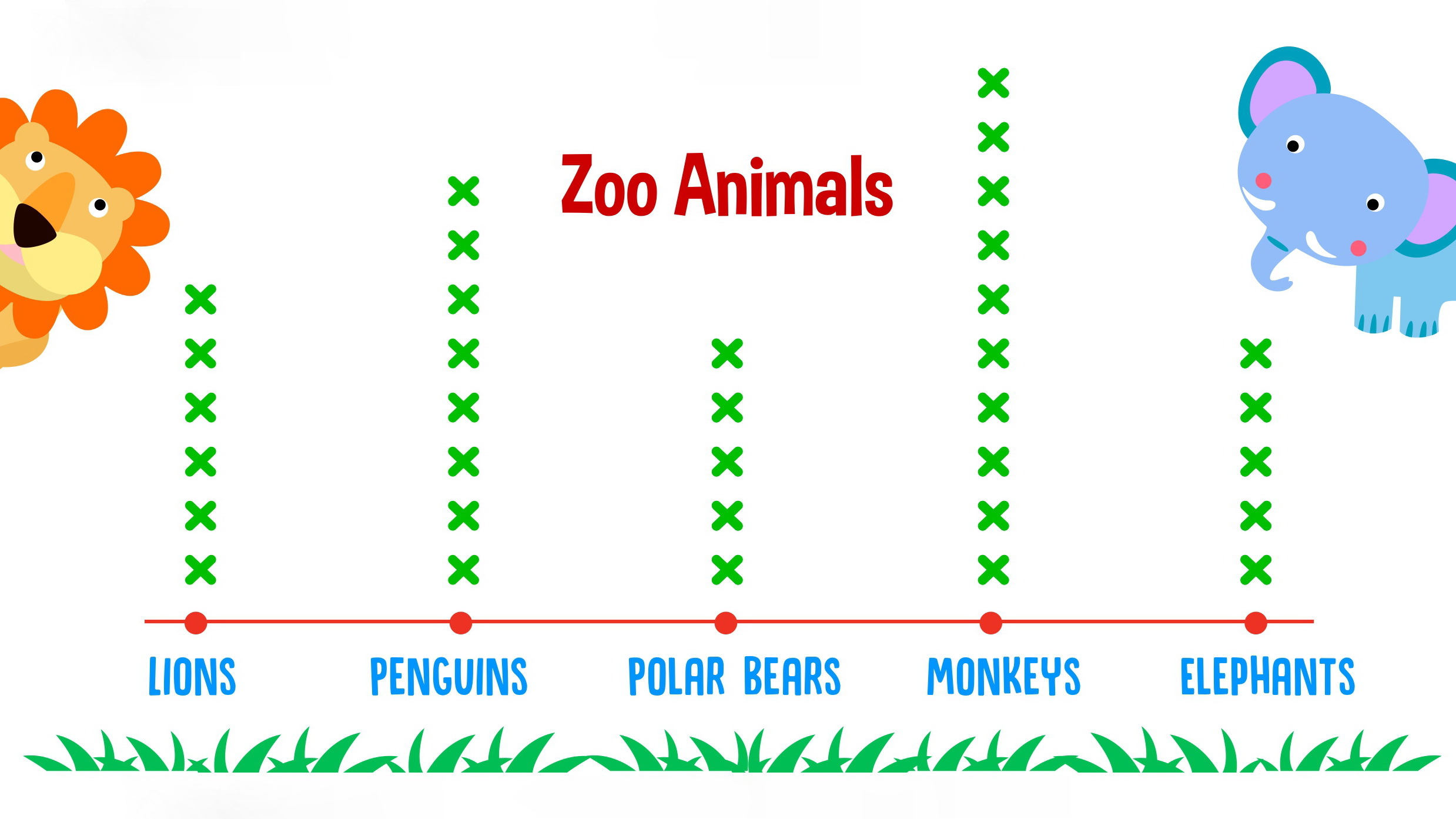

Sorting skills are essential for children aged 6-8, as they lay the groundwork for critical thinking and problem-solving abilities. At this developmental stage, children are naturally curious and starting to understand the world around them. Sorting activities, whether organizing objects by size, shape, color, or function, help enhance cognitive skills, boost logical reasoning, and refine their ability to make connections.
These skills also promote early math understanding, as sorting lays the foundation for concepts like categorization, counting, and pattern recognition. Additionally, sorting fosters fine motor skills and can enhance social interaction through collaborative sorting tasks, encouraging teamwork and communication skills.
For parents and teachers, actively integrating sorting activities into everyday play and learning can make a significant difference in a child's overall academic development. Engaging in sorting activities not only aids in building essential cognitive and motor skills but also contributes to building a child's confidence in exploring and understanding their environment. By nurturing sorting abilities during these formative years, caregivers can support children's growth into thoughtful learners who approach information systematically, ultimately enriching their educational journey.








