Understanding citizenship Easy Worksheets for Ages 6-8
3 filtered results
-
From - To
Enhance your young students' understanding of citizenship with our easy-to-use worksheets tailored for ages 6-8. Designed to develop essential social studies skills, these worksheets introduce fundamental concepts such as community roles, responsibilities, and the importance of being a good citizen. Through engaging activities and relatable scenarios, children learn about fairness, honesty, and cooperation. Perfect for classroom and home use, our worksheets make learning about citizenship accessible and fun for young minds. Help your child or students grasp these essential life skills early with our thoughtfully crafted resources. Download now and start exploring the world of good citizenship!
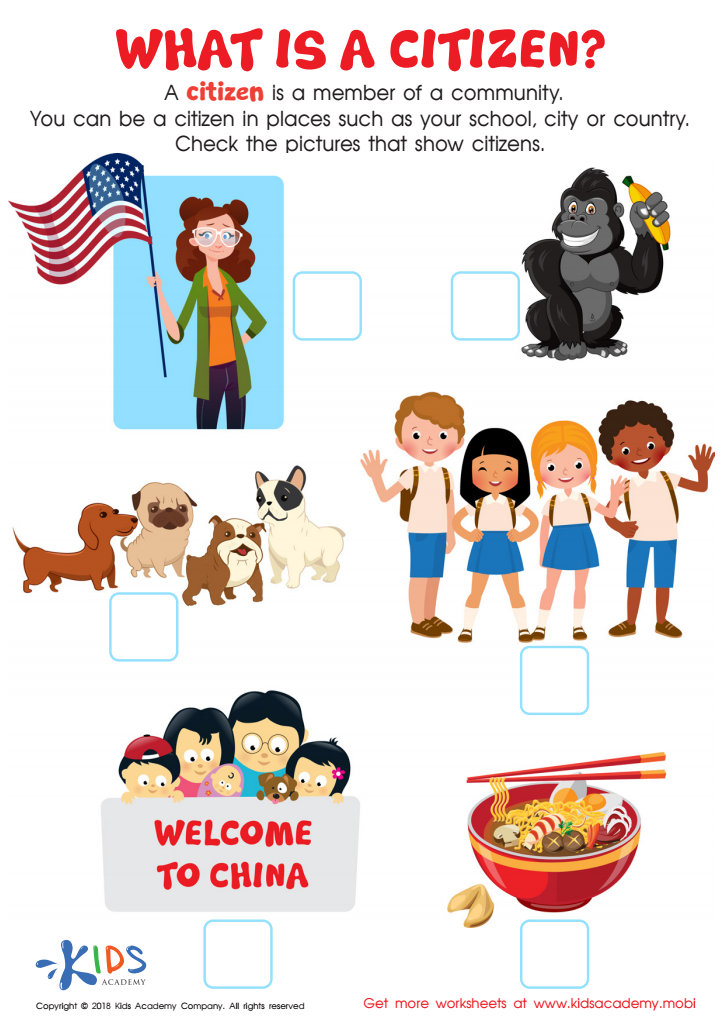
What is a Citizen? Worksheet
 Assign to My Students
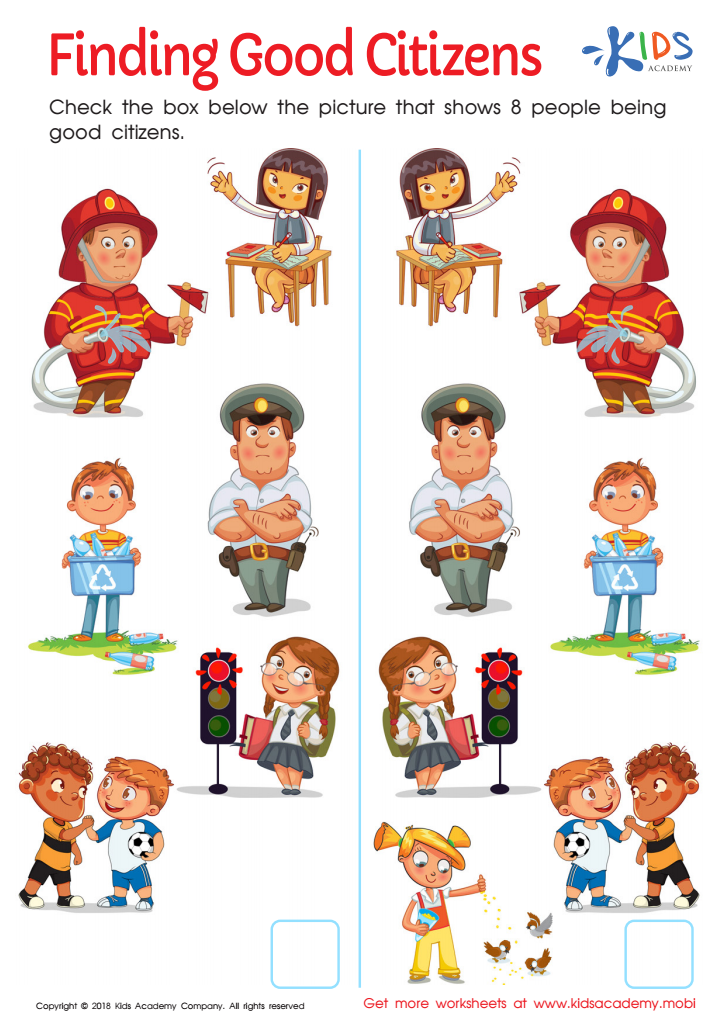
Finding Good Citizens Worksheet
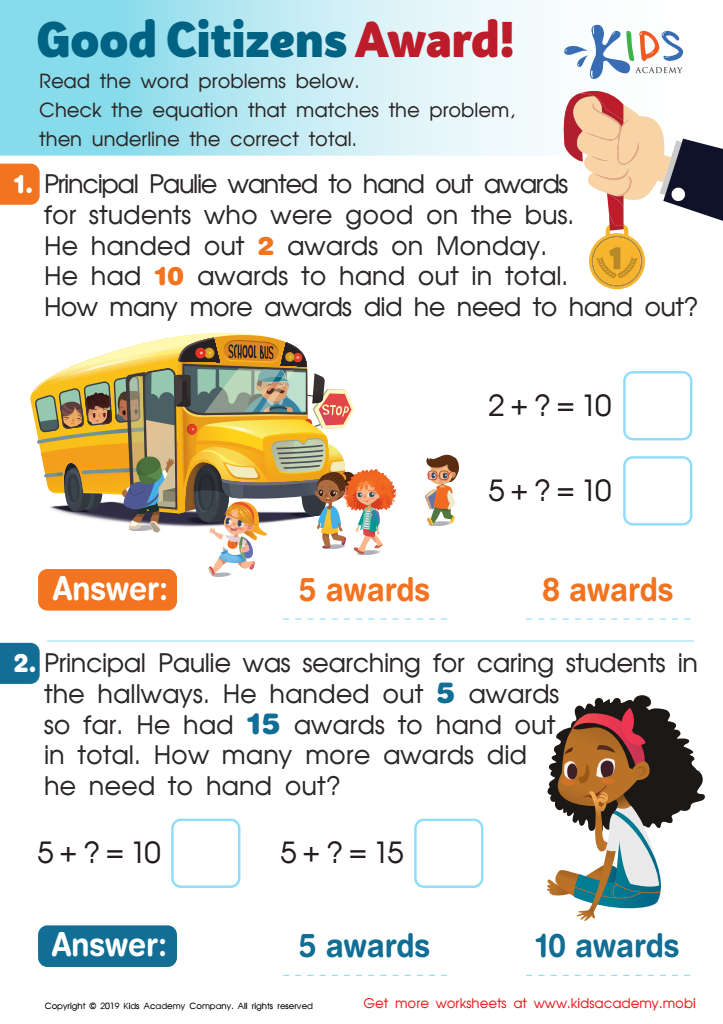
Good Citizens Award! Worksheet





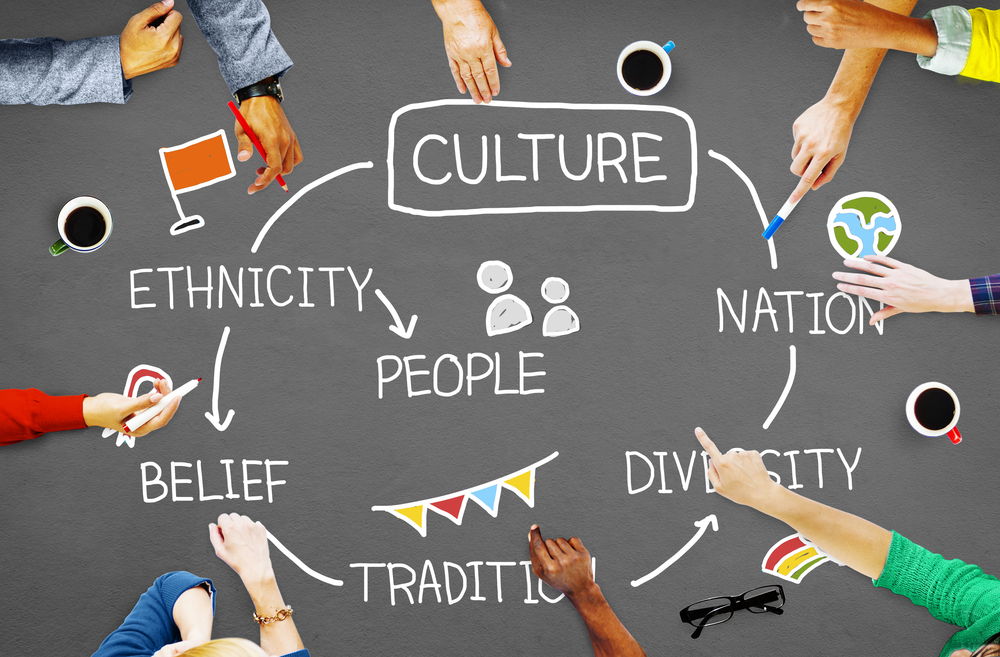

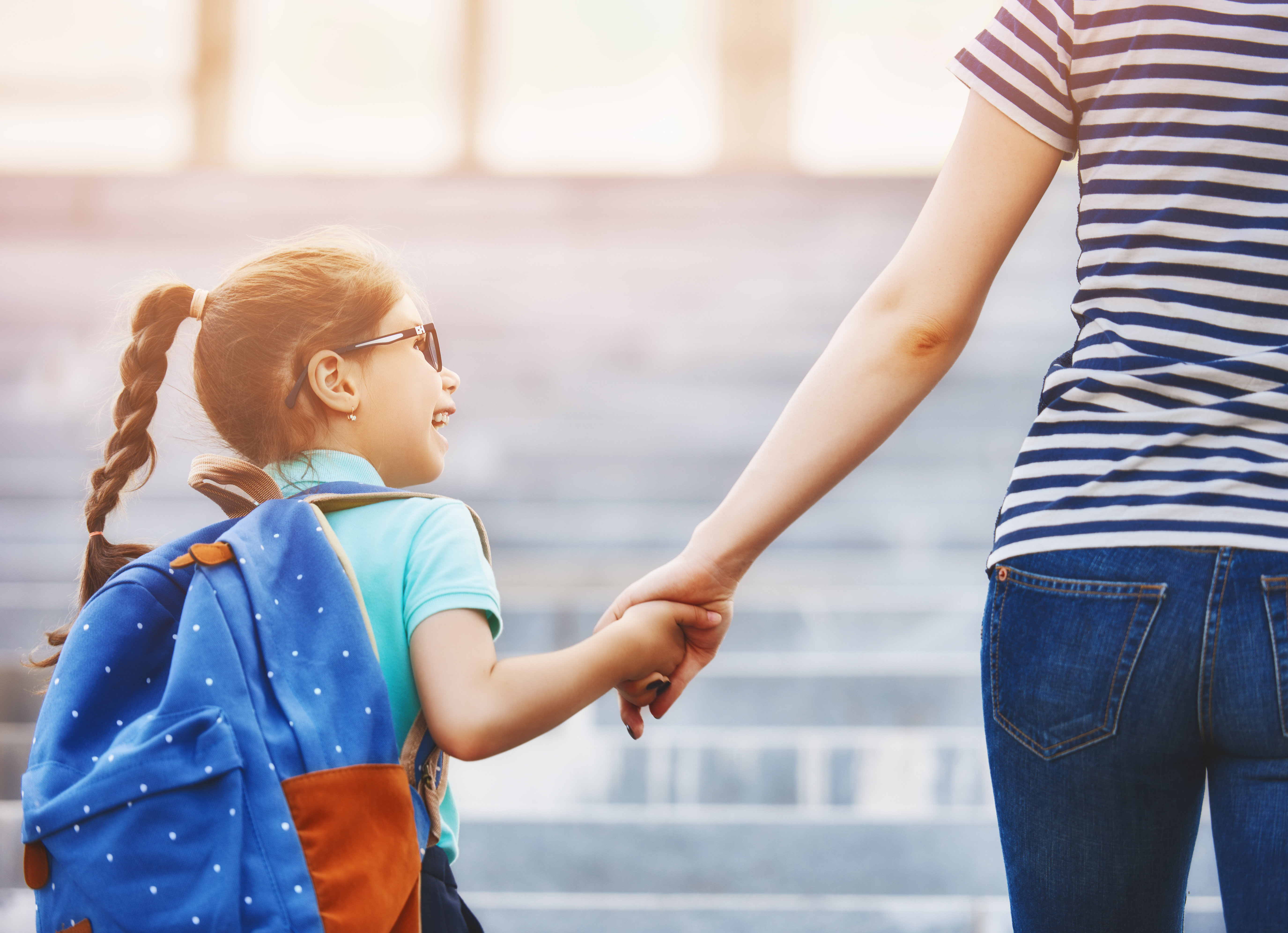
Understanding citizenship is fundamental for young children because it lays the foundation for becoming responsible, knowledgeable, and active members of society. For ages 6-8, this learning process can be transformative and engaging. At this age, children are keenly aware of their surroundings and eager to participate in group activities. Parents and teachers play a crucial role in fostering a sense of citizenship early on, and here’s why it matters.
Firstly, learning about citizenship helps children understand the principles of fairness, respect, and responsibility. These values are crucial in establishing positive social interactions. Fun lessons and age-appropriate discussions about cooperation, empathy, and respecting different viewpoints set the stage for a more inclusive mindset as they grow.
Secondly, by learning the basics of citizenship, children begin to grasp the importance of rules and laws and the reasons behind them. This knowledge empowers them to make informed decisions and practice good behavior both at home and in school.
Lastly, early education in citizenship encourages children to be active participants in their communities. Simple activities like classroom duties, recycling projects, and understanding local government basics help them see their role in contributing positively to society.
Thus, making citizenship concepts accessible for young children equips them with the essential skills and values, fostering future generations that are thoughtful, engaged, and responsible citizens.








