Understanding Sequences Easy Worksheets for Ages 6-8
4 filtered results
-
From - To
Welcome to our "Understanding Sequences Easy Worksheets" designed specifically for children aged 6-8! Our engaging worksheets help young learners grasp the concept of sequences through fun, interactive activities. With colorful visuals and simple instructions, students will practice identifying patterns, numbering, and predicting the next items in sequences. Ideal for both classroom use and at-home learning, these worksheets promote critical thinking skills essential for early math development. Parents and teachers can easily access, download, and print these resources to make learning enjoyable and effective. Help your child build a strong foundation in sequencing with our playful and informative worksheets today!
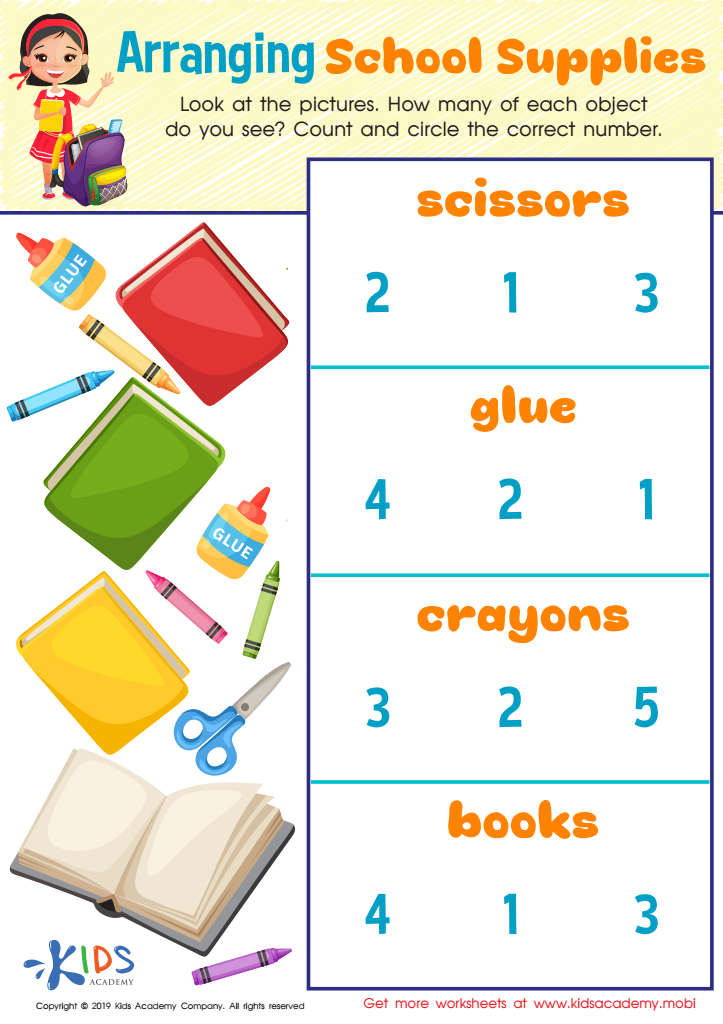
Arranging School Supplies Worksheet
 Assign to My Students
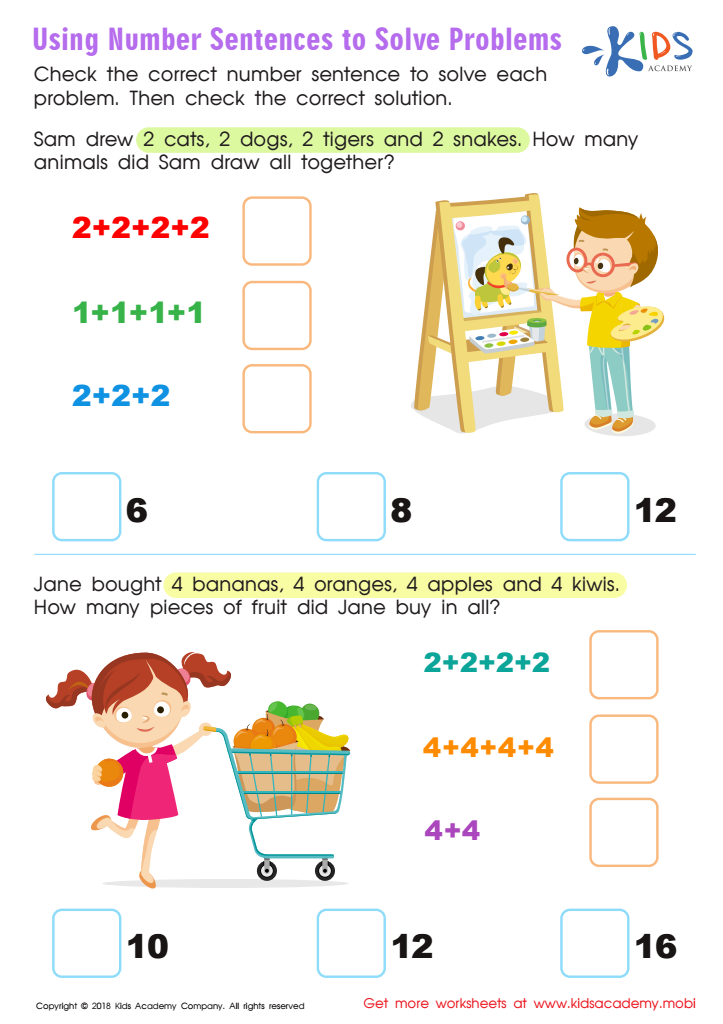
Using Number Sentences to Solve Problems Worksheet
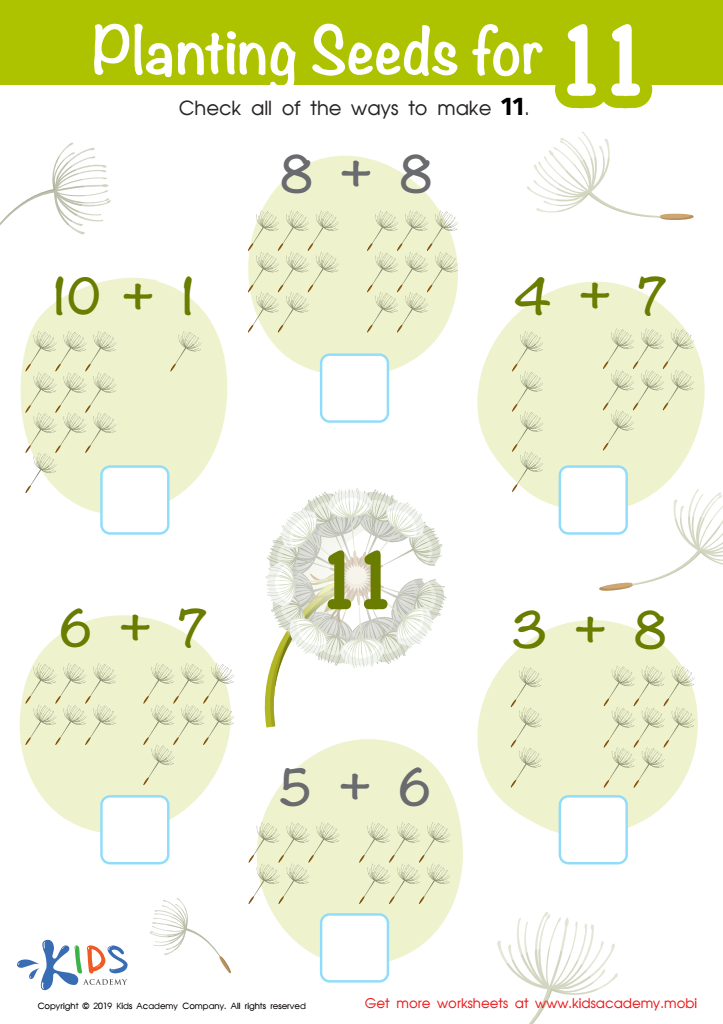
Planting Seeds for 11 Worksheet
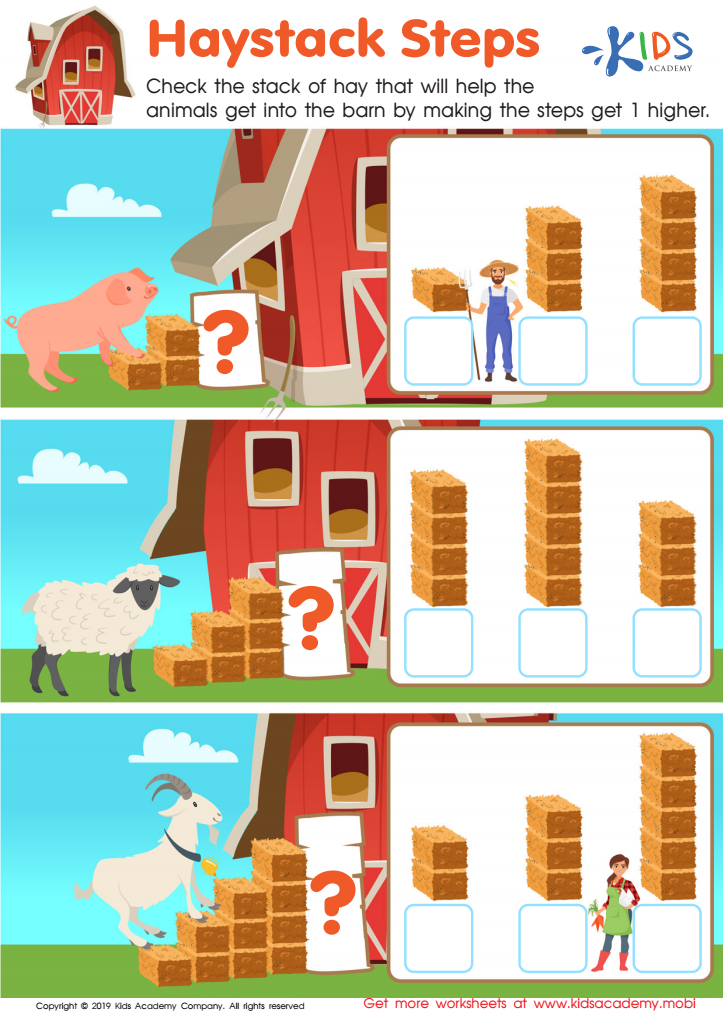
Haystack Steps Worksheet








Understanding sequences is crucial for children aged 6-8 as it lays the foundation for critical thinking and problem-solving skills. As students learn to identify patterns and relationships in numbers, they develop logical reasoning, which is essential not only in mathematics but across various subjects. Recognizing sequences helps children grasp concepts of addition, subtraction, multiplication, and even more complex ideas like algebra and geometry in later grades.
For parents and teachers, fostering an understanding of sequences at this early age makes learning more enjoyable and engaging. It enhances children's ability to make predictions and see connections between different elements, enriching their overall learning experience. Furthermore, sequences can be found in everyday life, from routines to nature, which helps instill a sense of relevance for students.
Encouraging mastery of sequences also builds confidence. When children feel competent in recognizing and predicting sequences, they are less likely to struggle with more advanced mathematical concepts as they progress. Ultimately, supporting an understanding of sequences at this age cultivates enthusiastic, curious learners who are well-prepared for future educational challenges, making it an essential focus for parents and educators alike.








