Vocabulary enhancement Easy Addition & Subtraction Worksheets for Ages 6-8
5 filtered results
-
From - To
Boost your child's vocabulary and math skills simultaneously with our "Easy Addition & Subtraction Worksheets" designed specifically for ages 6-8. These engaging worksheets not only reinforce basic addition and subtraction concepts but also integrate vocabulary enhancement in a fun and interactive way. Children will explore essential math vocabulary, improving their language skills as they solve problems. Perfect for improving reading comprehension and mathematical fluency, these worksheets are ideal for classroom or home use. Encourage a love for learning as your child enhances their vocabulary while mastering foundational math skills. Download today and watch your little one's confidence soar!
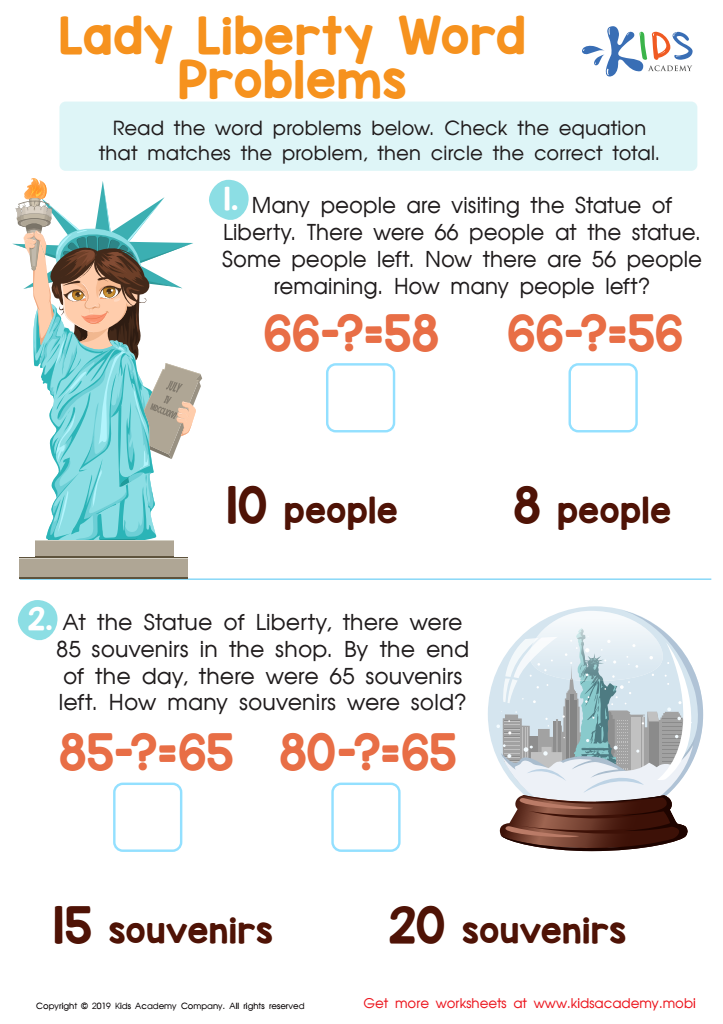
Lady Liberty Worksheet
 Assign to My Students
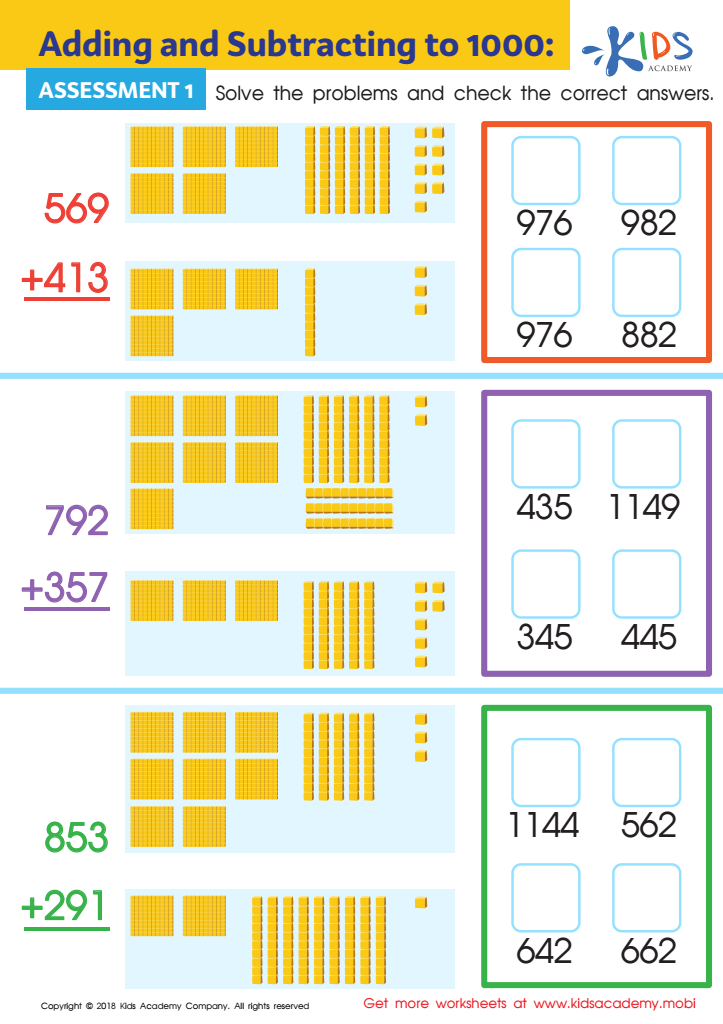
Adding and Subtracting to 1 Worksheet: Assessment 1
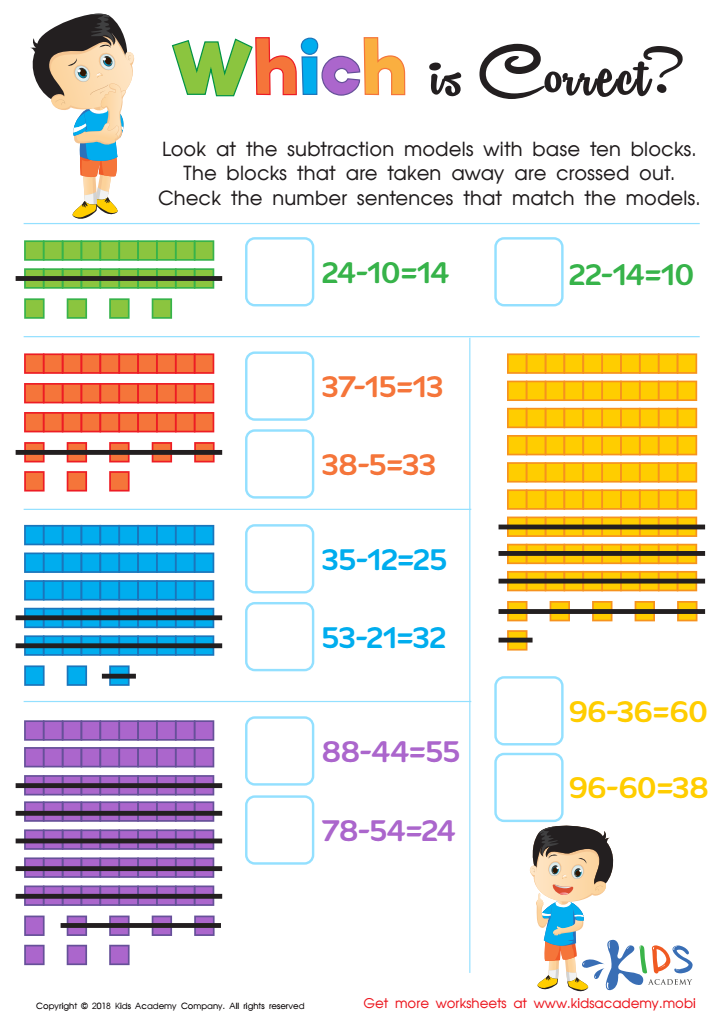
Which Is Correct? Math Worksheet
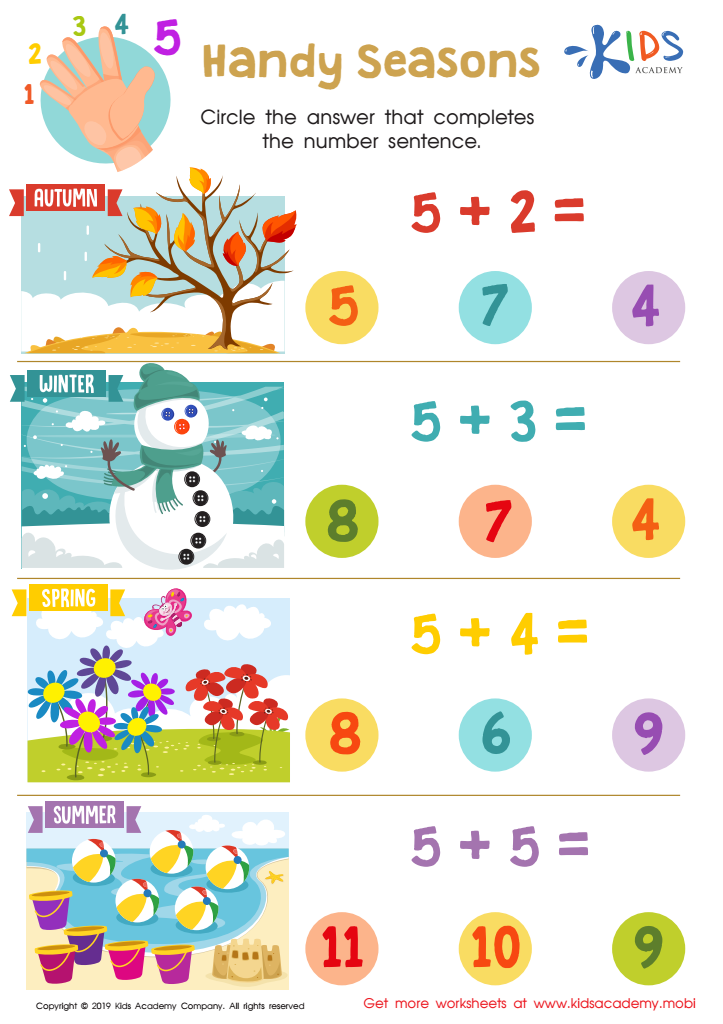
Handy Seasons Worksheet
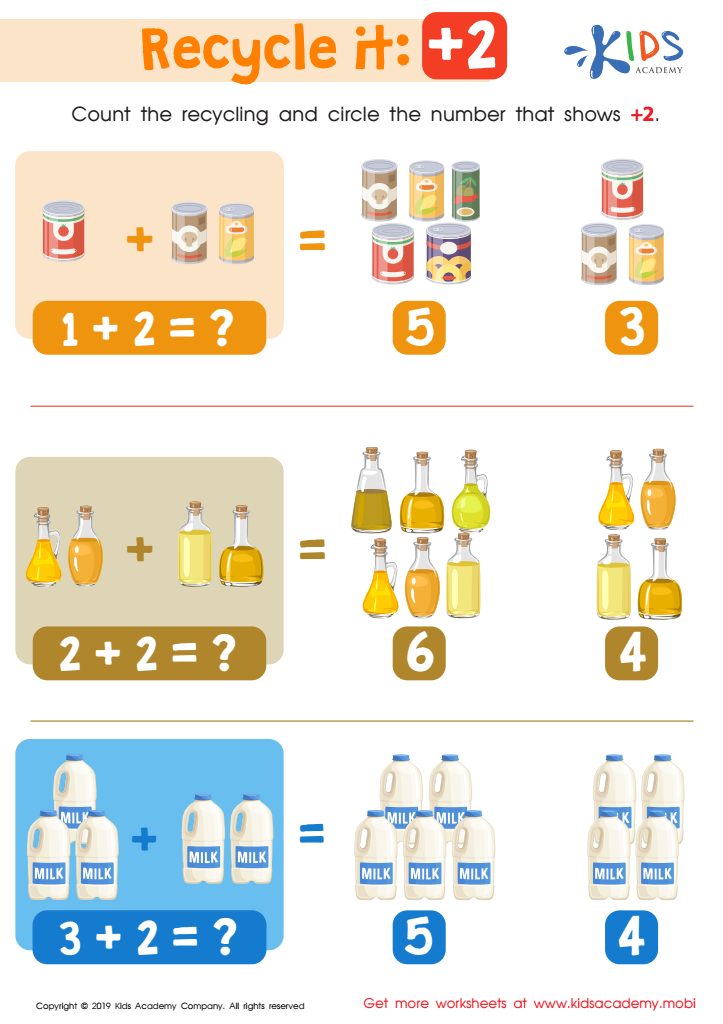
Recycle It: +2 Worksheet








Vocabulary enhancement, particularly in conjunction with math skills like addition and subtraction, is crucial for children aged 6-8 because it lays a foundation for their academic success. At this age, children are developing critical reading and comprehension skills, which directly influence their ability to understand mathematical concepts. By enhancing their vocabulary, parents and teachers enable children to grasp mathematical terms and language, helping them to articulate their thought processes and strategies more effectively.
Math word problems, for example, require children to decode language to determine how to solve them. A limited vocabulary can hinder their understanding and problem-solving abilities. Furthermore, a rich vocabulary boosts cognitive development, encouraging children to think critically and make connections across areas of learning.
Additionally, early exposure to varied vocabulary in mathematics builds confidence. When children comprehend and utilize mathematical terminology, they become more engaged in learning activities, fostering a positive attitude toward math.
In short, caregivers and educators must prioritize vocabulary enhancement linked with math instruction to equip young learners with the necessary tools for academic achievement and lifelong learning skills, ensuring they are prepared for more complex concepts in the future.








